
3D打印

Search documents
新技术实现先打印再选材
Ke Ji Ri Bao· 2025-10-12 22:46
Core Insights - A new 3D printing technology developed by a research team at the Swiss Federal Institute of Technology in Lausanne allows for the creation of complex, high-strength, and high-density metal and ceramic components using ordinary hydrogels, overcoming the limitations of traditional photopolymer-based printing methods [1][2] - The innovative approach involves printing a shape first and then selecting the material, which enhances manufacturing flexibility and enables the production of customized products with complex functionalities [3] Group 1 - The new technology enables the printing of complex lattice structures made from iron, silver, and copper, which are ideal for aerospace and energy applications due to their high specific strength and intricate geometries [2] - The new materials can withstand pressures 20 times greater than those produced by traditional methods, with a shrinkage rate of only 20%, significantly lower than the 60%-90% shrinkage seen in conventional techniques [2] Group 2 - This 3D printing process represents a shift from "manufacturing parts" to "growing functions," potentially transforming industries such as aerospace, biomedical, and robotics [3]
【深度】杭州六小龙后,深圳硬科技新星“群狼”涌现
Xin Lang Cai Jing· 2025-10-09 02:00
Core Insights - Shenzhen is witnessing a surge of high-growth hard technology companies, marking a new wave of innovation in the region following the listing of YingShi Innovation on the Sci-Tech Innovation Board [1][5] - The emerging companies are characterized by strong revenue and profitability capabilities, with several achieving significant valuations and market presence [4][9] Company Valuations and Business Focus - Yuanxiang XVERSE: Valuation of $1.8 billion, focusing on VR/AR, established in 2021 [2] - YunJing Intelligent: Valuation of $1.4 billion, specializing in robotics, founded in 2016 [2] - YuanRong QiHang: Valuation of $1.4 billion, engaged in autonomous driving, founded in 2019 [2] - YunBao Intelligent: Valuation of $1.2 billion, focusing on integrated circuits, established in 2020 [2] - 10H HaiRou Innovation: Valuation of $1.2 billion, specializing in robotics, founded in 2016 [2] - SiMou Technology: Valuation of $1.2 billion, focusing on artificial intelligence, established in 2019 [2] - ChuangXiang SanWei: Valuation of $1 billion, specializing in 3D printing, founded in 2014 [2] - ZhengHao Innovation: Valuation of $1 billion, focusing on clean energy, established in 2017 [2] - ZhongJing Robot: Revenue of approximately 4.5 billion yuan, specializing in robotics, founded in 2023 [2] - ZhuJi Power: Valuation between 2 billion to 5 billion yuan, focusing on robotics, established in 2020 [2] - ZhiPing Fang: Valuation of approximately $1 billion, specializing in robotics, founded in 2023 [2] - TuoZhu Technology: Valuation exceeding 10 billion yuan, focusing on 3D printing, established in 2020 [2] - YingShi Innovation: Valuation exceeding 120 billion yuan, specializing in smart imaging devices, founded in 2015 [2] Revenue Growth and Market Dynamics - YingShi Innovation reported a revenue of 5.6 billion yuan for 2024 [4] - YunJing Intelligent's overseas revenue surged nearly 7 times year-on-year, driven by its sweeping robot products [7] - TuoZhu Technology achieved over 5 billion yuan in revenue, showcasing rapid growth in the 3D printing market [7] - ZhengHao Innovation reported revenue exceeding 8 billion yuan, driven by portable energy storage products [9] Global Market Orientation and Innovation - Shenzhen's new tech companies are targeting global markets from inception, creating a positive feedback loop of R&D and market demand [6] - The global tech wave, driven by AI, is creating a "demand release window" that benefits Shenzhen's enterprises [6] - TuoZhu Technology exemplifies the trend of industrial-grade technology democratization, achieving high product quality at lower prices [7] Talent and Supply Chain Dynamics - The emergence of "big factory" founders from companies like Huawei and DJI is a notable trend in Shenzhen's tech landscape [10] - Founders with backgrounds in large corporations bring valuable experience and resources, enhancing the survival and growth prospects of startups [11] - The unique supply chain ecosystem in the Pearl River Delta supports rapid prototyping and iteration, crucial for hard tech companies [12][15] Investment Trends and Market Support - Investment focus has shifted towards hard tech projects with clear market potential and strong technical advantages [17] - Market-driven investment institutions like Tencent and Sequoia Capital are playing a significant role in supporting Shenzhen's tech unicorns [17] - Recent policies in Shenzhen aim to foster innovation and support risk-taking in the tech sector, although implementation challenges remain [18][20]


易加增材大额旧账还赖着“养老”,经营性现金流持续为负
Sou Hu Cai Jing· 2025-10-03 07:05
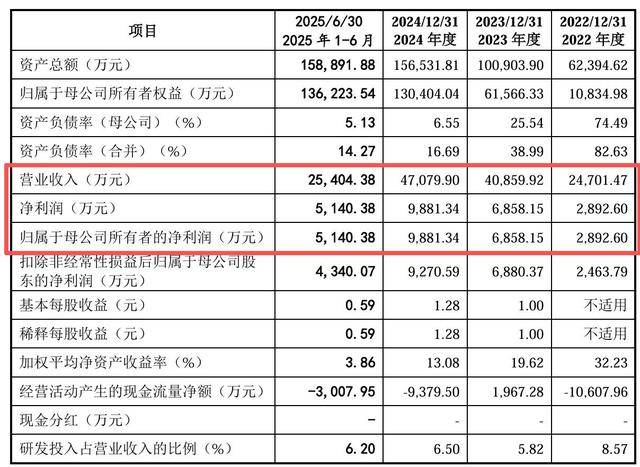
Core Viewpoint - The company, Hangzhou E-Jia 3D Printing Technology Co., Ltd. (E-Jia), has updated its prospectus, revealing significant reliance on imported core components, ongoing negative operating cash flow, and unresolved large receivables, indicating potential risks and concerns for investors [1][2]. Financial Performance - E-Jia has shown steady revenue and profit growth in recent years, with reported revenues of 247 million, 409 million, 471 million, and 254 million yuan for the years 2022 to 2025 (first half) respectively, and net profits of 28.93 million, 68.58 million, 98.81 million, and 51.40 million yuan for the same periods [4]. Cash Flow Concerns - The company's operating cash flow has deteriorated, with a net outflow of 93.79 million yuan in 2024, a 576% decrease compared to a net inflow of 19.67 million yuan in 2023, and a continued net outflow of 30.08 million yuan in the first half of 2025 [3]. Accounts Receivable and Inventory Issues - E-Jia's accounts receivable have increased significantly, with balances of 82.25 million, 154 million, and 217 million yuan over the past three years, representing 33.30%, 37.68%, and 46.04% of revenue respectively. As of the end of the reporting period, over 100 million yuan of accounts receivable were overdue, accounting for 35.10% of total receivables [5]. - The company also faces risks related to inventory write-downs, with inventory values of 268 million, 375 million, 445 million, and 438 million yuan at the end of each reporting period, constituting 61.26%, 47.20%, 43.26%, and 46.54% of current assets respectively [6]. Dependency on Imports - E-Jia has a high dependency on imported core components such as laser devices and galvanometers, which are well-established in the industry. The company is attempting to use domestic alternatives but acknowledges that these do not yet match the stability and performance of imported parts [2]. International Sales and Trade Risks - The company's international sales revenue has been increasing, with figures of 43.13 million, 60.28 million, 70.48 million, and 48.76 million yuan, representing 17.51%, 14.84%, 15.22%, and 19.55% of main business revenue respectively. The company has subsidiaries in Germany and the USA, which may expose it to risks from international trade tensions [2].
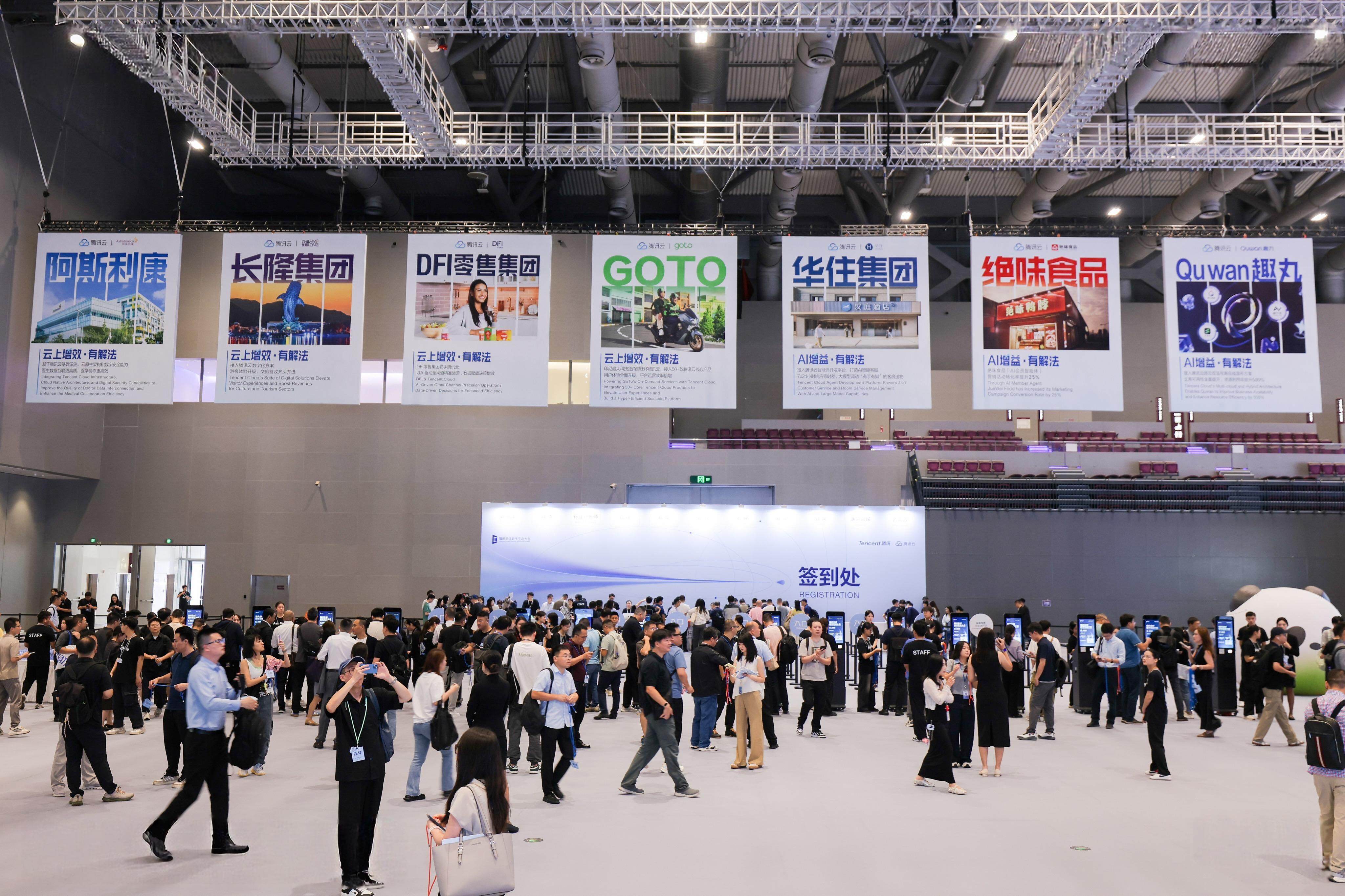
财经观察|经济引擎装上AI“新三件”:不是未来已来,而是正在发财
Sou Hu Cai Jing· 2025-09-30 12:58
Core Insights - The rapid integration of artificial intelligence (AI) into various industries is transforming China's economic landscape, with AI becoming a key driver of growth and efficiency [4][22] - The core AI industry in China surpassed 700 billion RMB in 2024, maintaining over 20% annual growth, significantly outpacing overall economic growth [4][22] - AI is being recognized as a strategic tool for enhancing productivity and facilitating deep structural transformation across traditional sectors [4][22] Group 1: AI's Impact on Industries - AI has demonstrated its effectiveness in retail, with a sales competition showing AI-driven sales outperforming human efforts by over three times [1] - The AI-driven transformation is evident in various trillion-yuan markets, including retail, finance, and logistics, reshaping efficiency and growth [8] - AI is not merely a replacement for traditional methods but acts as a catalyst for innovation and productivity in established industries [20] Group 2: Infrastructure and Technological Advancements - The foundation of AI's success lies in robust cloud computing and computational power, which are essential for its widespread application [9][10] - Major Chinese tech companies like Tencent, Alibaba, and Huawei are competing to enhance their cloud services to support AI operations [9][10] - The development of domestic large models and stable computational power is crucial for the advancement of AI applications across the country [12][22] Group 3: New Business Models and Opportunities - AI is creating new business models and industries, significantly lowering the barriers to creativity and production, as seen in the 3D printing sector [14][18] - The integration of AI in 3D printing allows users to generate high-quality models easily, marking a shift towards an AI-driven era in consumer-grade 3D printing [18] - AI's capabilities in cross-cultural understanding and content generation are opening new markets for Chinese enterprises, enhancing their global competitiveness [19] Group 4: Traditional Industries and AI Integration - AI is enhancing traditional industries by improving productivity and addressing challenges such as rising labor costs and declining capital returns [20] - Collaborations between tech firms and traditional manufacturers, such as the partnership between GAC Group and Tencent, are leading to advancements in smart manufacturing and global expansion [20][21] - In sectors like healthcare, AI is streamlining processes and improving decision-making, as demonstrated by the applications in hospitals and medical institutions [22]

实探拓竹科技全球首店,“全民3D打印”时代来临
2 1 Shi Ji Jing Ji Bao Dao· 2025-09-30 12:38
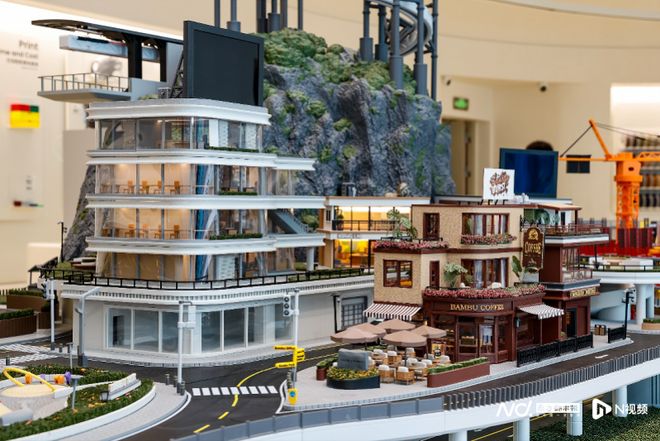
Group 1 - The core viewpoint is that Tuo Zhu Technology, a leader in the consumer-grade 3D printing industry, has opened its first flagship store in Shenzhen, aiming to enhance consumer experience and awareness of 3D printing technology [1] - The flagship store features large-scale 3D printed models and interactive experiences, indicating a shift towards making 3D printing more accessible to the general public [1] - Historically, 3D printing technology has been limited to industrial applications due to high costs and poor user experience, but recent developments in Shenzhen are changing this landscape [1] Group 2 - According to a report by market agency CONTEXT, global shipments of entry-level 3D printers are expected to exceed 1 million units in Q1 2025, with a year-on-year growth of 15%, and Chinese suppliers accounting for 95% of this market [2] - Creality holds a 39% market share in entry-level 3D printers, while Bambu Lab has seen a 64% increase in shipments, indicating strong growth among Shenzhen-based brands [2] - Shenzhen's high-tech product output, including 3D printing equipment, has experienced a significant increase of 34.6% in the first eight months of this year [2]
爱司凯:关于公司签订战略合作框架协议书的进展公告
Zheng Quan Ri Bao· 2025-09-30 11:15
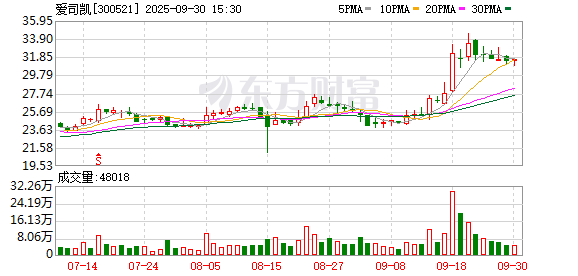
Core Viewpoint - Aisi Kai has entered into a strategic cooperation framework agreement with Fujian Quanzhou Aiding Intelligent Technology Co., Ltd. to collaborate on a 3D printing metal shoe mold project in the Quanzhou region, with plans for capital increase and share acquisition [2] Group 1: Strategic Cooperation - The strategic cooperation framework agreement was signed on December 5, 2024, focusing on the 3D printing metal shoe mold project [2] - The company plans to invest RMB 10 million to subscribe for an increase in registered capital of Aiding Intelligent, acquiring a 25% equity stake post-capital increase [2] Group 2: Capital Increase and Share Transfer - On September 30, 2025, the company, along with other investors, will sign an agreement regarding the equity transfer and capital increase for Aiding Intelligent [2] - The total capital increase for Aiding Intelligent will amount to RMB 30 million, with existing shareholder Ding Feiying transferring her stake prior to the capital increase [2]

爱司凯:拟增资1000万元获爱丁智能25%股权
Xin Lang Cai Jing· 2025-09-30 08:18
Core Viewpoint - The company has signed a strategic cooperation framework agreement with Fujian Quanzhou Aiding Intelligent Technology Co., Ltd., planning to invest 10 million yuan to acquire a 25% stake in Aiding Intelligent, which will increase its registered capital to 40 million yuan [1] Group 1 - The investment aims to expand the company's product industry layout and accelerate future strategic development [1] - Aiding Intelligent specializes in 3D metal-related products, and the collaboration will focus on deep cooperation in the 3D printed metal shoe mold project [1] - This investment is expected to cultivate new industrial channels and profit growth points for the company [1]
拓竹科技在深圳开出全球首家直营旗舰店 消费级3D打印机去年全球登顶
Zheng Quan Shi Bao Wang· 2025-09-29 13:26
Core Insights -拓竹科技 is opening its first flagship store in Shenzhen Bay MixC, marking a significant step in the consumer-grade 3D printing market [1][2] - The company aims to simplify 3D printing for consumers by providing tools and platforms that reduce the learning curve and enhance user experience [2][3] Group 1: Company Overview -拓竹科技 was founded in 2020 in Shenzhen and launched its first product, the X1 series, in 2022, which raised over $7 million on Kickstarter, setting a record [3] - The company has since released multiple models, including P1, A1, and H2D, and is projected to top global sales in the consumer-grade 3D printer market by 2024 [3] Group 2: Product and Services - The flagship store features 28 3D printers and showcases various 3D printed products, including toys and customizable items, enhancing the interactive shopping experience [1] -拓竹科技 offers a range of 3D printing materials, primarily PLA, with prices ranging from 50 to 100 yuan per pound [1] Group 3: Market Position and Community Engagement - The company connects creators and consumers through a community platform, achieving a monthly active user count of 10 million [2] -拓竹科技 has developed several tools, such as Bambu Studio and MakerWorld, to facilitate easier 3D model creation, significantly improving efficiency by over 80 times compared to traditional methods [2]
登顶全球第一后,拓竹在深圳开出首店
Nan Fang Du Shi Bao· 2025-09-29 08:46
Core Insights -拓竹科技 has opened its first global flagship store in Shenzhen, marking a significant step after becoming the leader in the global consumer-grade 3D printing market [1] Company Overview - Founded in 2020,拓竹科技 quickly became the world's leading consumer-grade 3D printer company within five years, following the launch of its first product in 2022 [6] - The company has established offices in the US, Japan, Germany, the UK, and Singapore to promote its global expansion [6] - The X1 series, launched in 2022, integrated various technologies to improve speed and stability, receiving over $7 million in support on Kickstarter and being listed as one of Time magazine's "Best Inventions" [6] Industry Trends - The global 3D printing industry is accelerating, transitioning from industrial manufacturing to consumer markets, with applications in personal creation, education, and home entertainment [5] - The consumer-grade 3D printing market is expected to reach $7.1 billion by 2028, with a compound annual growth rate of 19.2% [5] - Key drivers for market growth include the maker culture in Europe and the US, DIY demand, small-batch processing capabilities, and the influence of trendy IP [5] Technological Advancements - Recent developments in 3D printing technology have lowered costs and improved accessibility, allowing ordinary consumers to turn ideas into physical objects at lower costs [5] -拓竹科技 has developed management tools and community platforms to lower modeling and usage barriers, enhancing user experience and creativity [7] Policy Support - The Chinese government has issued guidelines to promote digital consumption, encouraging companies to accelerate innovation in new consumer products, including desktop 3D printers [7]
3D打印行业深度汇报:消费级需求方兴未艾,重点关注高性价比PLA耗材
2025-09-28 14:57
Summary of 3D Printing Industry Conference Call Industry Overview - The global 3D printing market is expected to exceed $110 billion by 2034, with a compound annual growth rate (CAGR) of 18% over the next decade, and the materials segment may grow at over 20% [1][3] - The market size for 3D printing is projected to be approximately $21.9 billion in 2024, with the highest share from printing services (46%), followed by equipment (27%), materials (20%), and software (6%) [1][2] Consumer 3D Printing Market - The consumer 3D printing market is rapidly expanding, with the market size expected to grow from $1.5 billion in 2020 to $4.1 billion in 2024, reflecting a CAGR of about 28% [1][4] - Entry-level consumer 3D printers (priced below $2,500) are the only category experiencing shipment growth, with a projected year-on-year increase of 26% in 2024 [1][4] Key Drivers of Growth - The consumer 3D printing industry is driven by two main factors: 1. Price reduction, with mainstream brands seeing a 60% decrease in prices over the past three years, now ranging between 2,000 to 3,000 RMB [5] 2. Advances in AI technology that have significantly lowered the barriers to using modeling software, facilitating easier access for consumers [5] Material Focus: PLA - PLA (Polylactic Acid) is the most common material in consumer 3D printing, known for being environmentally friendly and easy to use, making it suitable for beginners [6] - Domestic demand for PLA in China is expected to reach 120,000 tons by the end of 2024, a 50% year-on-year increase, with significant demand from the 3D printing sector [6][12] - PLA is highlighted for its cost-effectiveness compared to other materials, making it well-positioned to meet the rapidly growing demand [6][12] Competitive Landscape - The entry-level consumer 3D printer market is dominated by Chinese companies, including Creality 3D, Tiertime Technology, ZOTAC, and Smart 3D, which collectively hold over 90% market share [2][8] - Industrial-grade 3D printing is primarily used in high-end manufacturing sectors such as aerospace, medical devices, and automotive, with different technological routes compared to consumer-grade [2][6] Downstream Applications - Key downstream applications for 3D printing include aerospace, healthcare, and automotive sectors, as well as educational institutions, small businesses, and home DIY users [7] Investment Opportunities - Companies with potential in PLA production and related fields include: 1. **Haizheng Biomaterials**: Plans to complete a 75,000-ton project by 2025 and has developed specialized resins for the 3D printing sector [14] 2. **Kingfa Sci & Tech**: A leader in modified plastics with an annual production capacity of 30,000 tons of PLA resin [14] 3. **Jialin Technology**: Focused on PLA filament production, has entered the supply chain of leading industries [14] Conclusion - The consumer 3D printing market is at a pivotal growth point, driven by technological advancements and price reductions, with PLA materials expected to play a crucial role in meeting the increasing demand [5][6][12]