
外卖

Search documents
美团高管解读Q3财报:外卖价格战没有为行业创造价值
Xin Lang Ke Ji· 2025-11-28 13:43
Core Viewpoint - Meituan reported a revenue of 95.5 billion RMB for Q3 2025, a 2.0% year-on-year increase, but incurred a net loss of 18.6 billion RMB compared to a net profit of 12.9 billion RMB in the same period of 2024 [1] Financial Performance - The adjusted net loss for Q3 2025 was 16 billion RMB, compared to a net profit of 12.8 billion RMB in Q3 2024 [1] - Despite the expectation of significant losses in Q4, the company believes that the losses in the delivery business have peaked in Q3 [5] - The company aims to maintain its market position while avoiding participation in price wars, focusing instead on service quality and operational efficiency [5][6] Industry Competition - The competitive landscape in the food delivery industry is characterized by a decline in subsidies following the peak in summer, particularly after the "Double Eleven" shopping festival [2] - Meituan's market share in high-value orders has rebounded, with over 66% market share for orders with a net unit price exceeding 15 RMB and about 70% for orders around 30 RMB [2] - The company emphasizes the importance of high-value orders and the loyalty of its core users, who exhibit higher consumption frequency compared to average consumers [3] Strategic Focus - Meituan is committed to enhancing user loyalty by providing high-quality services and a wide range of product options, while also ensuring fast and reliable delivery [4][6] - The company believes that the irrational competition in the food delivery industry will eventually transition to a more rational and mature phase, driven by innovation and service upgrades rather than aggressive subsidies [5] - The long-term goal remains to achieve an average of 100 million quality orders per day, leveraging operational efficiency to maintain industry-leading unit economics [6]

外卖补贴大战之下,美团三季度核心本地商业由盈转亏
Xin Jing Bao· 2025-11-28 13:41
Core Insights - The intense competition in the food delivery sector has led to significant losses for Meituan, with a reported operating loss of 141 billion RMB in its core local business for Q3 2025, resulting in an adjusted net loss of 160.10 billion RMB compared to a profit of 128.29 billion RMB in the same period last year [1][2][3] Group 1: Financial Performance - Meituan's total revenue for Q3 2025 reached 955 billion RMB, marking a year-on-year growth of 2% [1] - The core local business segment generated revenue of 674 billion RMB, a decrease of 2.8% year-on-year [2] - The new business segment saw a revenue increase of 15.9% to 280 billion RMB, although operating losses in this segment grew by 24.5% to 13 billion RMB [3] Group 2: Competitive Landscape - The food delivery market has become increasingly competitive, with new entrants like JD and Taobao disrupting the long-standing duopoly of Meituan and Ele.me [2] - Meituan has responded to this competition by increasing direct subsidies to the restaurant sector, contributing to its significant losses [2][3] Group 3: Strategic Initiatives - Meituan is focusing on enhancing its core competitiveness and maintaining its industry leadership through a "retail + technology" strategy [1] - The company has invested 69 billion RMB in R&D, a 31% increase year-on-year, with a focus on AI and technology innovations [4][5] - Meituan is also expanding its ecosystem by providing various benefits to delivery riders, including health insurance and housing support [5] Group 4: Future Outlook - The company anticipates that the trend of operating losses will continue into Q4 2025 due to ongoing market competition [3] - Meituan's CFO expressed confidence in the long-term growth of its various business segments, emphasizing continued investment in service quality and technological innovation [6]
美团王兴最新回应:有信心在中长期恢复不错盈利
Di Yi Cai Jing· 2025-11-28 13:40
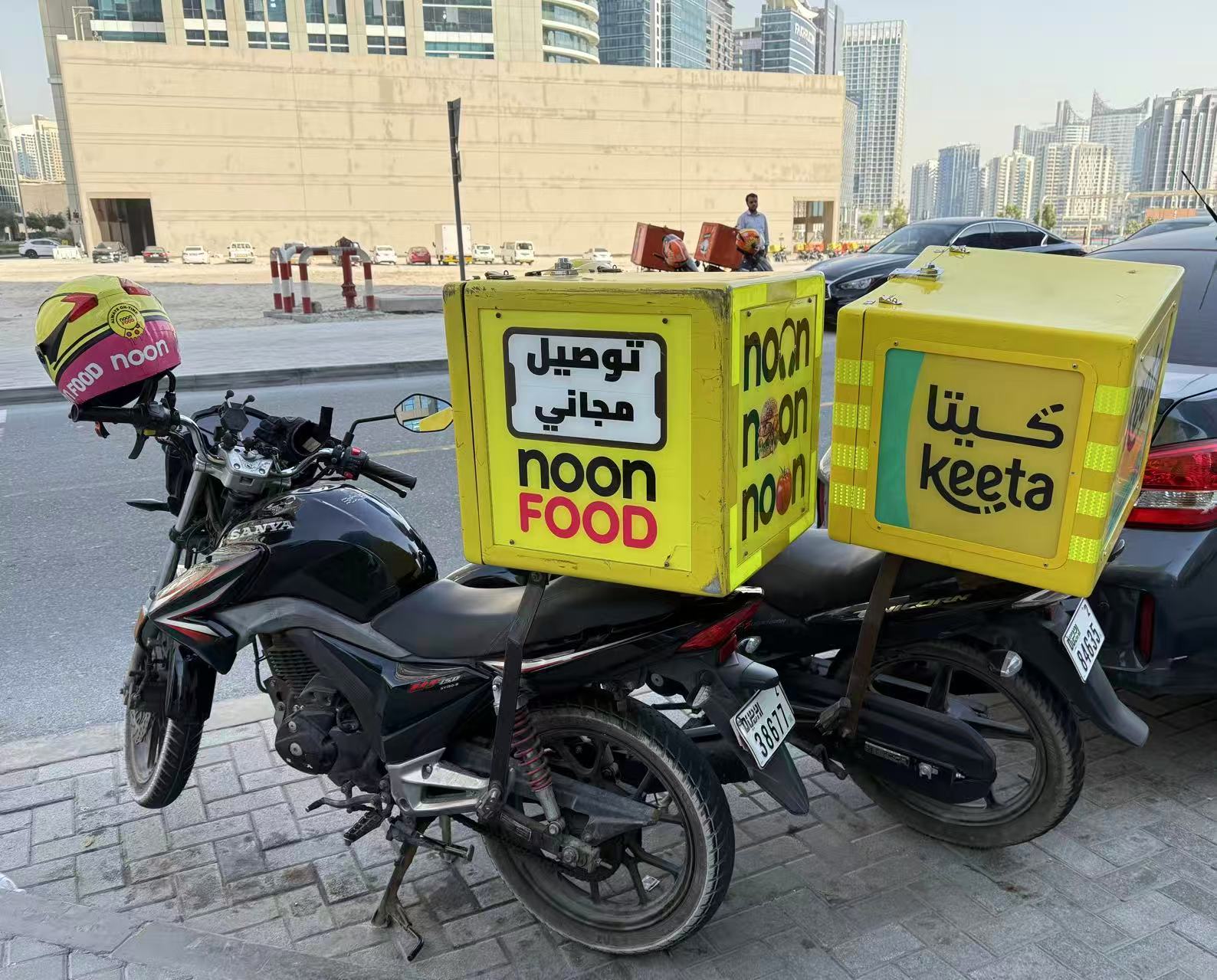
Core Insights - Meituan's CEO Wang Xing emphasized that over two-thirds of orders paid over 15 yuan and more than 70% of orders over 30 yuan are captured by the company, indicating a strong market position in the mid-to-high price segment [1] - Wang reiterated the company's stance against the unsustainable price war in the food delivery industry, asserting that it does not create value and is a form of low-quality competition [1] - The company reported a steady recovery in market share for its food delivery orders, with high retention rates among core users and increasing consumption frequency [1] Business Developments - Meituan's overseas business, particularly the Keeta operations in Hong Kong, achieved profitability in October, reaching this milestone ahead of the previously set three-year target [3] - The company sees significant growth opportunities in the Keeta and grocery retail sectors, with expectations that losses in new business segments will not exceed those projected for 2025 [4] - Meituan is focusing on its instant retail business, leveraging its platform for high conversion rates and incremental sales, while planning to enhance user education during major marketing events [4] Operational Strategy - The company is committed to investing in supply-side operations for instant retail to ensure a superior user experience, with a goal of maintaining advantages in supply chain, user reach, and fulfillment [4] - Meituan's lightning warehouse model offers 24/7 operational services, enabling diverse high-quality products to be delivered within half an hour [4] - In the AI sector, Meituan has made significant advancements in its internal language model, enhancing its capabilities in the third quarter [4]

美团CEO王兴:外卖价格战没有创造行业价值,将根据市场竞争格局动态调整投资策略
Mei Ri Jing Ji Xin Wen· 2025-11-28 13:00
Core Viewpoint - The CEO of Meituan, Wang Xing, reiterated the company's stance against the unsustainable price war in the food delivery industry, emphasizing that it does not create value for the sector and is a form of low-quality competition [2]. Group 1: Financial Performance - Meituan reported a revenue of 95.5 billion yuan for the third quarter, representing a year-on-year growth of 2% [3]. - The core local commerce segment generated a revenue of 67.4 billion yuan, but due to competition in the food delivery sector, the operating profit turned negative, resulting in a loss of 14.1 billion yuan [3]. Group 2: Market Strategy - The company plans to increase investments in rider rights protection and support for small and medium-sized merchants to promote long-term healthy development in the industry [2]. - Wang Xing indicated that losses in the instant retail business have peaked in the third quarter, but significant losses are expected to continue in the near term [2]. - Meituan aims to maintain its competitive edge without engaging in price wars, adjusting its investment strategy based on market competition dynamics [2]. Group 3: Market Position - Meituan's market share in food delivery orders is steadily recovering, with the company leading in the mid-to-high price order segment [2]. - In the market for orders over 15 yuan, Meituan holds more than two-thirds of the market share, and for orders over 30 yuan, it accounts for over 70% [2].
美团三季度亏损160亿元? 王兴称“外卖大战不可持续”
2 1 Shi Ji Jing Ji Bao Dao· 2025-11-28 13:00
Core Viewpoint - Meituan reported a significant loss in Q3 2025 due to intensified competition in the food delivery sector, with expectations of continued losses in Q4 2025, although a reduction in competitive intensity may improve the situation [1][2][5]. Financial Performance - Meituan achieved revenue of 95.5 billion RMB in Q3 2025, a year-on-year increase of 2%, but reported an adjusted net loss of 16 billion RMB compared to a profit of 12.8 billion RMB in the same period last year [1]. - The core local business experienced a loss of 14.1 billion RMB in Q3 2025, a stark contrast to the previous year's profit [2][5]. Marketing and Competition - The food delivery battle led to a dramatic increase in marketing expenses for Meituan, which rose by 90.9% to 34.3 billion RMB, accounting for 35.9% of revenue [3]. - Competitors like Alibaba and JD.com also faced significant losses and increased marketing expenditures, with Alibaba's operating profit dropping by 85% and JD.com's new business losses reaching 15.7 billion RMB [3][4]. Market Dynamics - Meituan's CEO, Wang Xing, emphasized that the ongoing price war in the food delivery market is unsustainable and has not created value for the industry [6]. - Meituan maintains a strong market share, with over 66% of orders above 15 RMB and over 70% of orders above 30 RMB [6]. Future Outlook - There is an expectation that the competitive intensity in the food delivery market will decrease in Q4 2025, particularly as Alibaba plans to reduce its high subsidies [4][5].
美团三季度亏损160亿元 王兴称“外卖大战不可持续”
2 1 Shi Ji Jing Ji Bao Dao· 2025-11-28 12:59
Core Insights - Meituan reported a revenue of 95.5 billion RMB for Q3 2025, a year-on-year growth of 2%, but faced an adjusted net loss of 16 billion RMB compared to a profit of 12.8 billion RMB in the same period last year [1] - The intensified competition in the food delivery sector led to a significant loss of 14.1 billion RMB in Meituan's core local business, with expectations of continued losses into Q4 [1][2] - The fierce competition resulted in increased marketing expenses, which rose by 90.9% to 34.3 billion RMB, accounting for 35.9% of revenue [2] - Meituan's CEO expressed that the price war in the food delivery market is unsustainable and has not created value for the industry [5] Financial Performance - Meituan's Q3 operating profit for its core local business dropped by 75.6% to 3.7 billion RMB [2] - The company anticipates that the trend of operating losses will continue into Q4, although there are signs that competition may ease due to reduced spending from competitors [2][3] - The marketing expenses for Meituan in Q3 2025 were 34.3 billion RMB, a significant increase from 18 billion RMB in Q3 2024 [2] Market Dynamics - The food delivery market has seen a "burning money" phase, with major players like Meituan, Alibaba, and JD.com heavily investing in subsidies [2][3] - Alibaba's CFO indicated that the current quarter would be a peak in spending, suggesting a potential reduction in competitive pressure in the upcoming quarter [3] - Meituan maintains a strong market share, with over 70% of orders exceeding 30 RMB and over 66% for orders above 15 RMB [4][5] Strategic Outlook - Meituan's CEO emphasized the company's commitment to supporting rider rights and small merchants, aiming for long-term industry health [5] - The company is focused on maintaining its market position in instant retail and improving service experience and operational efficiency [5]
美团电话会全文:四季度外卖业务仍将承压,进行必要投入以维持领导地位,但不会参与价格战
美股IPO· 2025-11-28 12:42
Core Viewpoint - Meituan reported its first quarterly loss in three years, with an adjusted net loss of 16 billion RMB in Q3, indicating a fierce competition in the food delivery sector [2] - The company's core local commerce business shifted from profit to loss, recording an operating loss of 14.1 billion RMB in Q3 compared to a profit of 14.6 billion RMB in the same period last year [2] Group 1: Financial Performance and Market Dynamics - The management stated that the food delivery price war is essentially a low-quality and unsustainable competition, which they firmly oppose [3] - Despite believing that losses have peaked, the food delivery business will still face pressure in Q4, with expectations of slightly increased losses in the flash purchase business [4][12] - The average net order value remains significantly higher than other platforms, with over two-thirds of orders priced above 15 RMB and about 70% above 30 RMB [4][5] Group 2: User Engagement and Competitive Strategy - Core users maintain high retention rates, with consumption frequency and loyalty steadily increasing, reflecting strong brand recognition and service advantages [6] - The company focuses on enhancing user experience through faster and more reliable delivery, diverse supply across all price ranges, and exclusive benefits from the Meituan membership system [7] - Management emphasizes the importance of protecting rider rights and supporting small merchants as a path to sustainable industry development [5] Group 3: Future Outlook and Strategic Initiatives - The company aims to expand high-quality supply, ensure rapid and reliable delivery, and maintain price competitiveness while defending its market position [8] - The management believes that the current irrational competition will eventually transition to a rational and mature stage, where companies with industry insights and operational excellence will lead [7] - In the context of new competition, Meituan plans to deepen partnerships with brands and enhance its instant retail capabilities, leveraging its existing supply chain advantages [10][11] Group 4: International Expansion and New Markets - Meituan's new business segment, KeeTa, achieved its first monthly profit in Hong Kong, indicating a significant milestone and a potential model for other markets [27] - The company is expanding into the GCC markets and Brazil, where it sees substantial untapped potential, despite existing competition [28][29] - The management expects that the new business segment's losses will not significantly increase next year, following a similar path of unit economic improvement as seen in Hong Kong [30]

美团三季度核心本地商业经营利润转负,亏损141亿元
Bei Jing Ri Bao Ke Hu Duan· 2025-11-28 12:38
Core Insights - Meituan reported Q3 2025 revenue of 95.5 billion yuan, a year-on-year increase of 2% [1] - The core local business operating profit turned negative, with a loss of 14.1 billion yuan, contributing to an overall net loss of 16 billion yuan for the quarter [1] - The number of monthly transaction users for food delivery reached a historical high, with the platform's total transaction users exceeding 800 million in the past 12 months [1] Group 1: Financial Performance - Q3 revenue from the core local business was 67.4 billion yuan, with an operating loss of 14.1 billion yuan [1] - Overall net loss for the quarter was 16 billion yuan [1] - New business segments showed strong performance, with revenue of 28 billion yuan, a year-on-year increase of 15.9%, and a reduced loss of 1.3 billion yuan [1] Group 2: User Engagement and Competition - The competitive landscape in the food delivery industry remains intense, leading to increased direct subsidies for the restaurant sector [1] - Daily active users on the Meituan app grew by over 20% year-on-year [1] - Instant retail peak order volume exceeded 150 million orders in July [1] Group 3: International Expansion and Innovation - Meituan's international food delivery brand Keeta launched operations in Qatar, Kuwait, UAE, and Brazil [2] - R&D investment reached 6.9 billion yuan, a year-on-year increase of 31% [2] - The company has initiated nighttime drone delivery services in Shenzhen, with over 670,000 commercial orders completed by the end of September [2]
美团三季报发布:核心本地商业经营亏141亿元 年交易用户数破8亿
Zheng Quan Shi Bao Wang· 2025-11-28 12:32
Core Insights - Meituan reported Q3 2025 revenue of 95.5 billion RMB, a year-on-year increase of 2%, but faced a core local business operating loss of 14.1 billion RMB due to intensified industry competition [1] - The company increased its investment to counter competition, resulting in over 20% year-on-year growth in daily active users (DAU) and record high monthly transaction users in the food delivery segment [1] - CEO Wang Xing emphasized the commitment to the "retail + technology" strategy to enhance product and service offerings for sustainable industry growth [1] Revenue Breakdown - The core local business segment generated revenue of 67.4 billion RMB in Q3, but the operating profit turned negative due to increased direct subsidies in the food delivery sector [1] - New business segments achieved revenue of 28 billion RMB, a year-on-year growth of 15.9%, with a sequential reduction in losses to 1.3 billion RMB [1] - The adjusted net loss for the quarter was 16 billion RMB [1] User Engagement and Growth - The peak daily order volume for Meituan's instant retail exceeded 150 million in July, with an average delivery time of 34 minutes, indicating improved user engagement and retention [1] - The number of new users and transaction frequency for Meituan's flash purchase service increased significantly, with plans to expand the "Brand Officer Flash Warehouse" to thousands of brands [2] - The number of merchants and users in the dine-in business reached new highs, with over 250 billion real user reviews accumulated [2] New Business Developments - The grocery retail business is growing rapidly, with Keeta expanding its global footprint into the Middle East and officially launching operations in Brazil [2] - Meituan has implemented nationwide pension insurance subsidies for delivery riders and established a multi-tiered welfare system for them [2] R&D and Technological Advancements - The company invested 6.9 billion RMB in R&D in Q3, a year-on-year increase of 31%, focusing on AI development and application [3] - Several AI tools, including LongCat-Flash series models and the "Little Mei" smart assistant, are in advanced stages of testing and integration into core applications [3]
美团三季报发布:营收增长2%,净利亏损160亿元
Zheng Quan Shi Bao· 2025-11-28 12:27
Core Insights - Meituan reported a 2% year-on-year revenue growth in Q3 2025, reaching RMB 955 billion, despite facing intensified competition in the industry [2][3] - The core local business segment turned to a loss of RMB 141 billion due to increased subsidies in the food delivery sector, while the new business segment achieved a revenue of RMB 280 billion, growing by 15.9% [2][3] Revenue and Profitability - Total revenue for Q3 2025 was RMB 955 billion, with a 2% increase compared to the previous year [2] - Adjusted EBITDA and net profit showed losses of RMB 148 billion and RMB 160 billion respectively [2] - The core local business segment generated RMB 674 billion in revenue but reported a loss of RMB 141 billion [2][3] User Engagement and Growth - Meituan's app daily active users (DAU) grew by over 20% year-on-year, with monthly transaction users in food delivery reaching a historical high [2] - The total number of transaction users exceeded 800 million in the past 12 months [2] Business Segment Performance - The new business segment, including grocery retail, saw strong growth, with Keeta expanding its global footprint into regions like the Middle East and Brazil [3] - The local dining business achieved record highs in both merchant and user numbers, with user transaction frequency increasing rapidly [3] Strategic Initiatives - Meituan is investing in ecological construction and technological innovation to promote sustainable industry development [4] - The company has introduced various welfare programs for delivery riders, including insurance and housing support, covering over a million riders and their families [4] - A total of RMB 28 billion has been allocated to support merchant health and innovation [4] Research and Development - R&D expenditure reached RMB 69 billion, marking a 31% increase, with significant advancements in AI applications [5][6] - The company has launched several AI tools to enhance service personalization for merchants and users [5][6] Market Position and Future Outlook - CEO Wang Xing emphasized the importance of focusing on sustainable practices rather than engaging in price wars, which he described as "involutionary competition" [6] - Meituan maintains a leading market share in high-value food delivery orders, with over 70% of orders exceeding RMB 30 [6] - The company is committed to long-term investments to uphold its market position and create value for consumers, merchants, and riders [6]