低空经济

Search documents
智汇新城·共创未来:2025衢州智慧新城数字经济企业交流会暨招商推介会成功举办
Sou Hu Cai Jing· 2025-12-29 07:14
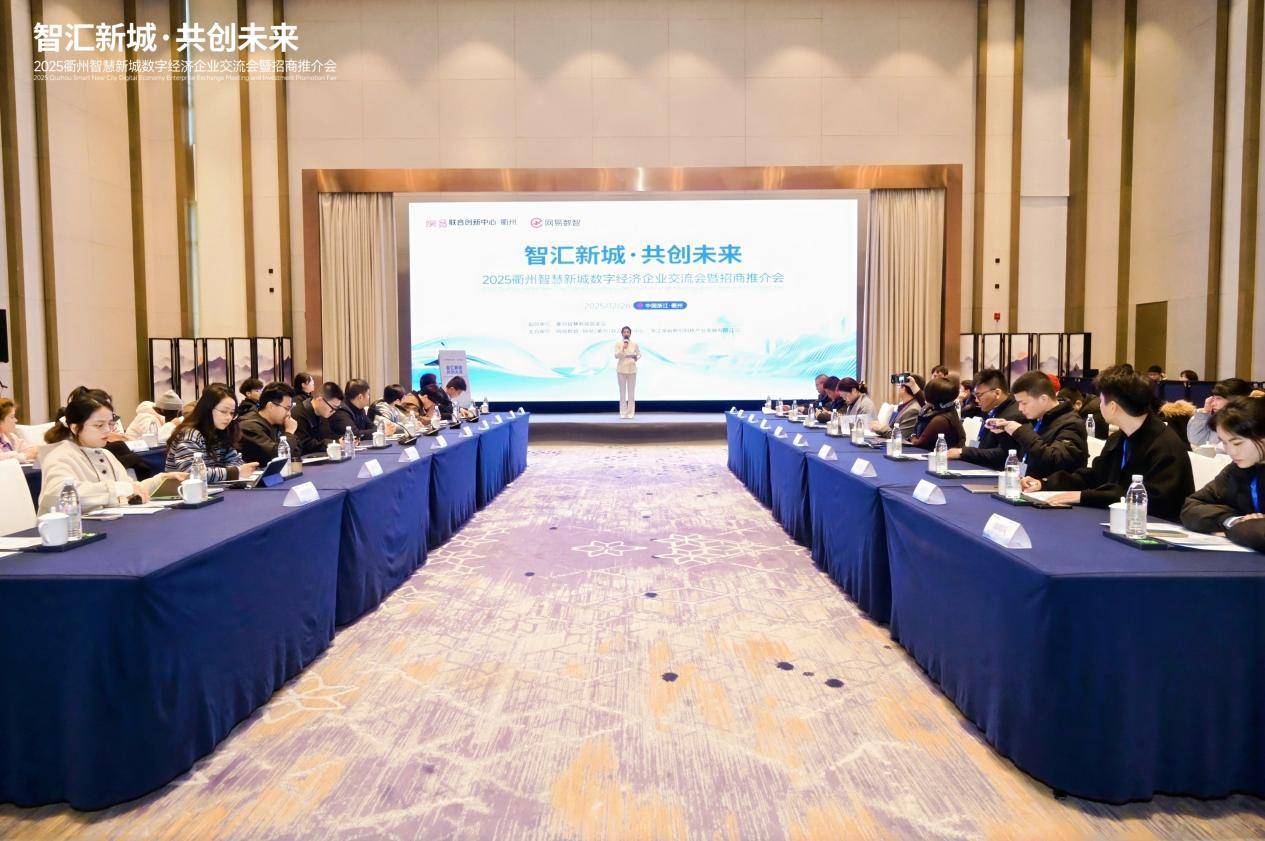
本次大会成功搭建了政企精准对接的桥梁,通过政策解读、平台分享与资源互通,推动跨区域产业协作,为区域数字经济发展注入了新动能。 智汇新城·共创未来:2025衢州智慧新城数字经济企业交流会暨招商推介会成功举办 值得关注的是,杭衢高铁于当日开通,标志着衢州全面融入杭州"一小时交通圈",为区域协同发展按下了加速键。 12月26日,"智汇新城·共创未来"2025衢州智慧新城数字经济企业交流会暨招商推介会在衢州成功举办。本次活动由衢州智慧新城管委会指导,网易数智、 网易(衢州)联合创新中心、浙江常裕新创科技产业发展有限公司联合主办,吸引了人工智能、低空经济、智能驾驶等前沿领域企业代表,通过实地走访与 深度交流,共探数字经济发展新机遇,共绘智慧新城产业新蓝图。 衢州智慧新城管委会招商服务部相关负责人在推介中表示,智慧新城坐拥"四省通衢"区位交通优势,并集聚了电子科技大学等顶尖高校科研力量及电子科技 大学长三角研究院等高能级创新平台,已构建起全链条创新生态。新城将提供有竞争力的政策与全周期服务,护航企业发展,诚邀各界企业家携手,共创智 慧未来。 网易(衢州)联合创新中心负责人在介绍中表示,中心致力于构建集技术、资源、空间与成 ...

上海城市场景低空测试基地启动 构建 “测试+适航” 双核支撑体系
Xin Hua Cai Jing· 2025-12-29 04:57
上海机场集团副总裁、上海低空公司董事长宋雪枫表示,上海低空公司成立一年时间,围绕构建低 空"四张网"的核心任务,聚焦起降设施、通导链路等关键基础设施建设,积极探索"枢纽牵引、社会共 建"的发展模式,同步强化投资建设能力与技术创新属性。通过建机制、强基础、拓场景,上海低空公 司在新型航空器测试验证、产业生态构建、标准体系建设等关键环节取得突破性进展。 宋雪枫透露,未来,上海机场集团、上海低空公司将继续与各方合作,围绕两大方向系统布局、持续发 力:一是以"适航"为基石,构建安全可信的技术标准体系。 聚焦新型航空器适航验证需求,完善全生 命周期技术规范,为产业发展提供坚实保障。二是以"测试场"为平台,打造开放融合的创新应用生态。 强化测试场矩阵基础支撑能力,加速形成覆盖多场景、支撑全链条创新的试验验证体系,为技术转化提 供可靠载体。 (文章来源:新华财经) 上海低空公司城市场景低空测试基地近日正式启动。测试基地依托浦东、闵行等区域的战略协同与功能 联动,构建起系统布局、场景多元、能力互补的低空测试体系,标志着上海低空经济建设进入实质性场 景开放与产业聚集新阶段。 同日,上海低空公司与民航科学技术研究院、中国质量认证 ...
珠海科技产业集团“陆海空”齐发力,培育新质生产力勇挑大梁
Nan Fang Du Shi Bao· 2025-12-29 03:55
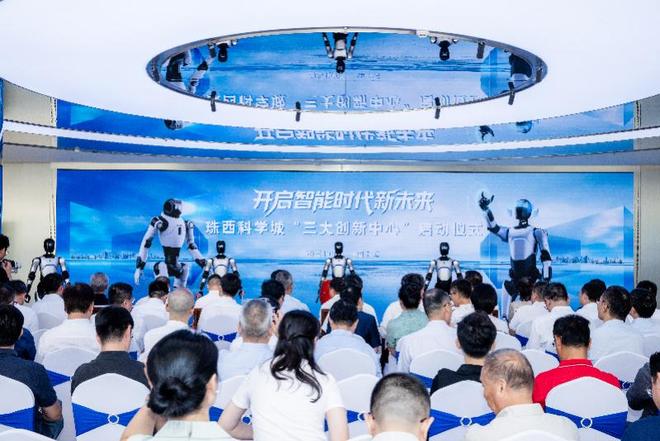
Core Viewpoint - Zhuhai Technology Industry Group is making significant strides in developing a national-level RISC-V ecological innovation center and has successfully facilitated the listing of eight investment enterprises, showcasing its commitment to nurturing new productive forces through "patient capital" [1][8]. Group 1: Investment and Innovation - The company has achieved a breakthrough in issuing private equity science and technology bonds in Zhuhai, marking a significant milestone in its financial initiatives [1]. - It is actively promoting the construction of a "cloud-based smart city," focusing on artificial intelligence, RISC-V open ecology, and embodied intelligence, which reflects its strategic vision for urban industrial advancement [3][4]. - The establishment of the first "RISC-V chip compatibility testing and application promotion innovation center" in Zhuhai fills a critical gap in industry standardization [4]. Group 2: Technological Development - The company is collaborating with industry leaders like Zhiyuan Robotics to build an application innovation center that drives technological breakthroughs and industry clustering in embodied intelligence [3]. - A 400P computing power project has been initiated and delivered within the same year, with plans for a computing cluster exceeding 10,000P, reinforcing the digital infrastructure of the city [3]. Group 3: Marine and Aerial Economy - The company is pioneering the "standard sea" model area for marine farming, utilizing intelligent net cages powered by renewable energy, which represents a significant advancement in deep-sea aquaculture [7]. - It is also advancing low-altitude economic initiatives, including the establishment of a low-altitude logistics corridor and the launch of a low-altitude intelligent application testing base [7]. Group 4: Financial Support and Capital Growth - The company has successfully established an AIC fund matrix with a total scale of 6 billion yuan, positioning it among the top in the nation for both quantity and fundraising scale [8]. - The total scale of funds managed by the company is nearing 100 billion yuan, aimed at fostering new productive forces and strategic emerging industries [8].
工信部:2026年要打造新材料、低空经济、生物医药等新兴支柱产业
仪器信息网· 2025-12-29 03:55
Group 1 - The core viewpoint of the article emphasizes the focus on achieving a good start for the 14th Five-Year Plan by 2026, highlighting ten key areas of work, particularly in fostering emerging and future industries [1] - The article outlines the intention to develop pillar industries such as integrated circuits, new displays, new materials, aerospace, low-altitude economy, and biomedicine [1] - Support for artificial intelligence breakthroughs and the orderly development of satellite IoT commercial trials is also mentioned as a priority [1] Group 2 - The establishment of the first batch of national emerging industry demonstration bases and the construction of innovative industrial clusters are key initiatives [1] - The article discusses the launch of innovation tasks in key segments of future industries, with a focus on policies for the development of embodied intelligence and the metaverse [1] - Strengthening research and development in 6G technology is highlighted as a significant area of focus [1]

云南“十五五”规划建议:因地制宜推动生物制造、人工智能、氢能及新型储能等成为新的经济增长点
Jing Ji Guan Cha Wang· 2025-12-29 02:24
经济观察网中共云南省委关于制定云南省国民经济和社会发展第十五个五年规划的建议发布。其中提 到,积极发展战略性新兴产业和未来产业。实施产业创新工程,加快生物医药、新材料、先进装备制 造、数字经济、低空经济等战略性新兴产业发展,推动新能源电池产业等延链补链强链,努力培育新兴 支柱产业。积极谋划布局未来产业,建立未来产业投入增长和风险分担机制,因地制宜推动生物制造、 人工智能、氢能及新型储能等成为新的经济增长点。完善产业生态,加快发展创业投资,实施新技术新 产品新场景大规模应用示范行动。引导技术、资本、人才等优质资源要素向重点领域和优势企业集聚。 大力培育专精特新"小巨人"、制造业单项冠军企业。 ...
国资委:超前谋划具身智能、生物制造、海洋能、绿色船舶等前沿赛道
Sou Hu Cai Jing· 2025-12-29 02:20
Core Viewpoint - The State-owned Assets Supervision and Administration Commission emphasizes the role of central enterprises in building a modern industrial system, focusing on the real economy and core responsibilities while promoting intelligent, green, and integrated development [1] Group 1: Strategic Focus - Central enterprises must optimize the layout of state-owned economy and cultivate new productive forces tailored to individual enterprises [1] - The implementation of the "14th Five-Year Plan" is seen as an opportunity to accelerate the transformation and upgrading of traditional industries [1] Group 2: Technological Advancement - There is a strong push to deepen and expand the "Artificial Intelligence +" initiative through equipment upgrades, technological breakthroughs, product enhancements, and brand building [1] - The goal is to increase the supply of high-end products and services, thereby enhancing the competitiveness of traditional industries in the global division of labor [1] Group 3: Emerging Industries - Greater emphasis will be placed on developing emerging and future industries, including new energy, new energy vehicles, new materials, aerospace, low-altitude economy, quantum technology, and 6G [1] - The initiative includes proactive planning for cutting-edge sectors such as embodied intelligence, biomanufacturing, marine energy, and green shipping [1] Group 4: Capital Operation - The establishment of market-oriented and professional state capital operation platforms is a priority [1] - A comprehensive industrial investment and financing system covering seed, angel, growth, and mother funds will be constructed to support the development of the real economy [1]
人享其行 物畅其流 链动全球
Sou Hu Cai Jing· 2025-12-28 23:25
Group 1: Logistics and Transportation Development - SF Express has initiated the construction of its Yangtze River Delta Innovation Headquarters in Kunshan, aiming to enhance the integration of industrial, supply, and value chains in the region [2] - Kunshan is leveraging its advanced transportation infrastructure to support modern logistics systems, focusing on a multi-dimensional circulation pattern that enhances economic growth [2] - The Long Triangle International Airport Kunshan Logistics Center has begun operations, significantly improving logistics efficiency by reducing operational costs by over 30% and increasing logistics timeliness by over 60% [10][11] Group 2: Low-altitude Economy and Technological Innovation - Kunshan has launched the world's first "sea-air integrated low-altitude economic solution," which includes a zero-carbon water airport and eVTOL aircraft, facilitating rapid deployment for commercial operations [3] - The establishment of a civil drone test flight base in Kunshan marks a significant step in developing a comprehensive low-altitude economy, with over 70 related enterprises and a market size nearing 5 billion [5] - The low-altitude economy is reshaping production efficiency in Kunshan, with drones enhancing delivery speed and reducing operational costs significantly [6] Group 3: Urban Connectivity and Infrastructure - Kunshan has developed a low-altitude transportation network that allows for a 20-minute commute to downtown Shanghai, enhancing urban connectivity and efficiency [7] - The integration of Kunshan's metro and high-speed rail systems has improved daily commuter flow, facilitating talent and resource movement between major cities [8] - Recent upgrades to Kunshan's road network have resolved transportation bottlenecks, further supporting the city's economic development [9] Group 4: Global Trade and E-commerce - The establishment of a cross-border e-commerce sea freight collection hub in collaboration with Shanghai and Suzhou ports aims to streamline logistics for cross-border enterprises [12] - The logistics center has successfully connected Kunshan to global shipping routes, enhancing the competitiveness of "Kunshan manufacturing" in international markets [11][12] - The ongoing improvements in Kunshan's logistics infrastructure are projected to save regional enterprises over 2 billion annually in logistics costs [12]

浙江科技创新:从“小龙叙事”走向“万马奔腾”
Zhong Guo Xin Wen Wang· 2025-12-28 15:20
Core Insights - Zhejiang province is experiencing a significant transformation in its technology innovation narrative, highlighted by the emergence of the "Hangzhou Six Little Dragons" and a focus on nurturing more tech-driven enterprises [1][3] Group 1: Technology Innovation and Growth - The "Hangzhou Six Little Dragons" have gained recognition, with three of these companies initiating their listing processes, showcasing a new growth trajectory for Chinese tech firms amid a technological revolution [1][2] - In the AR industry, Lingban Technology's Rokid Glasses sold 40,000 units within five days of pre-sale, doubling the sales of AI glasses in China for the first half of the year [2] - Zhejiang's AI core industry generated revenues of 494.4 billion yuan, reflecting a 22% year-on-year growth, with R&D expenses increasing by 14% [2] Group 2: Policy and Support Mechanisms - The Zhejiang government is actively fostering an environment for tech innovation by implementing various support measures, including a "sailing action" for 96 selected tech enterprises, providing policy support and expert guidance [3][4] - The province is promoting collaborative models such as "use first, transfer later" and "open licensing" to accelerate the commercialization of patents [3] - A new insurance scheme for technology transfer costs has been introduced, providing financial support for startups in the AI sector [5] Group 3: Future Development Plans - Zhejiang aims to cultivate a gradient system of quality enterprises, from small tech firms to world-class companies, as part of its 2025-2027 action plan [5][6] - The province's goal is to increase total innovation investment to over 800 billion yuan by 2026, with a research and development intensity target of 3.35% [6] - The emphasis on creating a favorable innovation ecosystem is expected to enhance Zhejiang's competitiveness and attract more talent and investment [4][6]
广东低空产业链企业占全国三成
Xin Lang Cai Jing· 2025-12-28 15:19
Core Insights - The 2025 Guangdong-Hong Kong-Macao Greater Bay Area Low Altitude Economy High-Quality Development Conference was held in Guangzhou, focusing on "innovation leading, safety as the foundation, and the Bay Area taking the lead" [1] - The conference aimed to inject strong momentum into the trillion-level new track of low altitude economy development [1] Industry Developments - Guangdong is positioning the low altitude economy as a key driver for cultivating new productive forces and achieving high-quality development, with efforts in mechanism construction, airspace reform, infrastructure, industrial layout, and application scenarios [3] - The province has gathered over 30% of the national low altitude industry chain enterprises, including leading companies like DJI, EHang, and XPeng, totaling 15,000 companies [3] - In 2024, the production of civil drones in Guangdong is expected to reach 6.94 million units, ranking first in the country, contributing to an industry scale exceeding 100 billion yuan [3] Policy Initiatives - The conference announced new policies related to low altitude economy infrastructure construction, technological innovation, and management services, including the implementation plan for low altitude airspace management reform in Guangdong [3] - Key initiatives include the launch of comprehensive management service platforms for low altitude flights in Guangdong and Guangzhou, and the establishment of a low altitude infrastructure system and flight camp clusters in Guangzhou [3] Collaborative Efforts - Multiple project agreements were reached among low altitude industry authorities, key enterprises, and industry associations from cities like Hong Kong, Macau, Guangzhou, and Zhuhai, indicating a vibrant ecosystem for the low altitude economy [4] - A roundtable discussion featured top global entrepreneurs and scientists in the low altitude economy, focusing on development paths and international cooperation, addressing opportunities and challenges for high-quality development [4]

什么是“场景革命”?它为何能打开未来万亿市场的入口?
Sou Hu Cai Jing· 2025-12-28 15:11
Core Viewpoint - China is undergoing a "scene revolution" aimed at driving growth, reform, and governance optimization through the large-scale application of new technologies and products, as outlined in the recently approved "Implementation Opinions" by the State Council [2][3][4]. Group 1: Background and Current State - China has a solid foundation for advancing the scene revolution, with adequate scene resources, institutional environment, infrastructure, and construction experience [3][6]. - The country faces challenges such as an inadequate revenue mechanism, fragmented resources, administrative and market barriers, and a lack of transformation service systems that hinder scene cultivation and openness [3][9]. Group 2: Strategic Importance - The "14th Five-Year Plan" emphasized innovation as central to modernization, but many technological achievements remain in the pilot stage, necessitating the application of these technologies in real, scalable scenes [4][5]. - The scene revolution is crucial for transforming new demands into economic vitality and restoring market confidence by facilitating the supply-demand cycle [5][10]. Group 3: Policy Framework - The "Implementation Opinions" marks a significant national-level policy initiative to systematically deploy tasks related to scene cultivation and openness, identifying five major market areas and 22 key scenes [10][11]. - The focus is on creating new application scenes in emerging fields, upgrading traditional industries, and addressing urgent needs in various sectors such as emergency management and social governance [11][12][13][14]. Group 4: Infrastructure and Technological Support - China has made significant advancements in new infrastructure, including 5G networks and data centers, which support the widespread application of technologies like big data and artificial intelligence [7]. - The establishment of over 470,500 5G base stations and extensive fiber optic networks has positioned China as a leader in global network infrastructure [7]. Group 5: Industry and Market Opportunities - The scene revolution is expected to unlock a trillion-level market by fostering new business models and enhancing the integration of technology across various sectors [10][15]. - The healthcare sector is projected to see substantial growth, with the smart healthcare market expected to exceed 270 billion yuan by 2030, driven by digital transformation [15]. Group 6: Collaborative Ecosystem - A collaborative ecosystem involving central and local governments, state-owned enterprises, and private companies is essential for nurturing scene-driven innovation [16][19]. - The emphasis is on creating a supportive environment for all stakeholders to participate in scene cultivation and innovation, ensuring equitable access to resources and opportunities [17][18].