数据中心

Search documents
中国供应链产业(03708) - 自愿公告
2025-12-29 09:48
香港交易及結算所有限公司及香港聯合交易所有限公司對本公告之內容概不負責,對其準確性或 完整性亦不發表任何聲明,並表明概不就因本公告全部或任何部分內容而產生或因倚賴該等內容 而引起之任何損失承擔任何責任。 CHINA SUPPLY CHAIN HOLDINGS LIMITED 中國供應鏈產業集團有限公司 (於開曼群島註冊成立之有限公司) (股份代號: 3708) 1. 背景及該協定之主要條款 該協定旨在落實雙方於2025年11月3日簽署的諒解備忘錄之合作意向,標誌著專案進入實質 性驗證與建設階段。 根據該協定之主要條款: (ii)合作模式:數維科技將作為該測試版數據中心的總承建商及設計師,提供自方案設計至 交付的全套服務。同時,數維科技授予本公司一項不可轉讓、香港地區獨佔的技術許可, 僅限用於該測試版數據中心的建設、測試及評估; 及 (iii) 關鍵安排: i. 详细方案制定:雙方同意自該協議簽署之日起180日內,共同制定並簽署詳細的《測試版 自願公告 1 本公告乃由中國供應鏈產業集團有限公司(「本公司」,連同其附屬公司統稱「本集團」) 按自願性基準作出,以向本公司股東及有意投資者提供有關本集團最新業務發展的最 ...
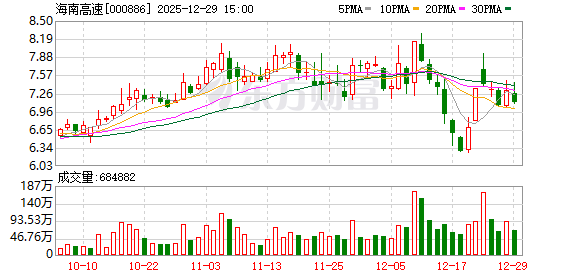
海南高速:海底数据中心不属于公司的项目
Zheng Quan Ri Bao· 2025-12-29 09:41
(文章来源:证券日报) 证券日报网讯 12月29日,海南高速在互动平台回答投资者提问时表示,海底数据中心不属于公司的项 目。公司投资建设的项目是海南陵水智算中心。 ...


中东加速崛起为人工智能数据中心枢纽
Shang Wu Bu Wang Zhan· 2025-12-29 08:22
半岛电视台12月24日消息,波士顿咨询公司指出,中东正成为全球人工智能数据中心投资新高地。预计 到2030年,全球数据中心电力需求将增至198吉瓦。中东凭借低成本能源、可扩展算力及区位优势,可 为欧亚非及全球南方提供低延迟AI服务。 ...
软银豪赌AI基建 传接近收购数据中心投资巨头DigitalBridge(DBRG.US)
智通财经网· 2025-12-29 07:40
软银的亿万富翁创始人孙正义正试图从支撑人工智能应用的计算能力需求激增中获利。 智通财经APP获悉,据知情人士透露,软银集团正就收购私募股权公司DigitalBridge Group(DBRG.US) 进行深入谈判,后者主要投资数据中心等资产。知情人士称,这家日本企业集团最早可能于周一宣布对 DigitalBridge的协议。此次交易是软银战略布局的一部分,旨在把握人工智能驱动的数字基础设施热 潮,具体条款尚未披露。 知情人士表示,最终协议尚未达成,包括时间安排在内的细节仍可能发生变化。软银和DigitalBridge的 代表均拒绝置评。 在12月5日首次报道谈判消息之前,DigitalBridge的股价今年已下跌13%,而在报道当日上涨了45%。根 据彭博汇编的数据,该公司目前市值约为25亿美元,若计入债务,其企业价值约为38亿美元。 据5月报道,软银最初试图从包括保险公司、养老基金和投资基金在内的外部投资者那里获得项目融 资,但由于市场波动、美国贸易政策的不确定性以及对人工智能硬件财务估值的疑问,部分谈判进展放 缓。 今年9月,OpenAI、甲骨文和软银宣布了在德克萨斯州、新墨西哥州和俄亥俄州建设五个新站点 ...


报告称AI算力需求爆发式增长 专家建言数据中心提前布局
Zhong Guo Xin Wen Wang· 2025-12-29 07:37
有评论认为,伴随生成式AI的爆发,打造更智慧、绿色、安全的数据中心成为算力产业升级的必答 题。 "AI的发展充满不确定性,其能力与前景大多超出当下认知范围,具有一定的弹性、方向差异和不可预 知性。而数据中心需要超前布局,迎接AI的发展。"浩云长盛集团技术研发AVP彭轶峰在受访时说。 彭轶峰以广州二号智算中心为例介绍说,该智算中心在2020年前即落地应用冷板式液冷技术,显著提升 能源利用效率,为广州乃至粤港澳大湾区智算产业发展应用提供可靠的数字基础设施基座。 业内专家认为,当前,通用算力与智能算力正在同一节点并行发展,这就要求不仅关注AI的单一特 点,而是要兼顾通算与智算的兼容性,统筹不同AI模型的推算集群,以及各种计算硬件在同一节点协 同工作的能力。 中新网北京12月29日电 (记者 张素)近日发布的一份报告指出,中国IDC(互联网数据中心)产业经历了三 个重要发展阶段:移动互联网驱动阶段、公有云爆发阶段和AI(人工智能)发展阶段。当前,市场对AI算 力需求呈现爆发式增长。 这份名为《算力基础设施产业发展现状与未来趋势》的报告显示,2025年,中国数据中心总体供给规模 将超过25GW。在需求结构方面,到202 ...
石油资本驱动AI雄心:中东豪掷千亿美元角逐新赛道
Zhong Guo Neng Yuan Wang· 2025-12-29 06:49
Core Insights - The Middle East, led by the UAE and Saudi Arabia, is aggressively investing in AI, viewing it as the new "oil" for economic transformation [1][2] Group 1: Investment and Economic Diversification - Saudi Arabia and the UAE have invested over $130 billion in AI to transition towards a "non-oil economy" [2] - Saudi Arabia's Vision 2030 emphasizes AI as a crucial component, with approximately 70% of its goals related to AI [2] - The UAE aims for the AI industry to contribute 20% to its non-oil GDP by 2031, with a planned investment of 13 billion dirhams (approximately $3.54 billion) for an "AI-driven government" [2] Group 2: AI Infrastructure and Development - Qatar has announced a $2.5 billion AI investment plan, aiming to become one of the top ten digital economies by 2030 [3] - The establishment of the national AI company Qai in Qatar will focus on developing AI infrastructure and systems [3] - Saudi Arabia's Public Investment Fund has partnered with Google to create a global AI center in Dammam, focusing on energy and AI integration [5] Group 3: Energy and AI Synergy - AI is seen as a solution to challenges in the traditional energy sector, enhancing efficiency and sustainability [4] - Saudi Aramco has achieved 86% remote monitoring of production equipment through smart oilfield systems, reducing manual inspections by 75% [5] - The UAE's energy companies are increasingly utilizing AI to control costs and improve efficiency [5] Group 4: Data Center Development - The Middle East is considered an ideal location for data centers due to its abundant energy resources and land availability [6][7] - Oracle plans to invest $14 billion in Saudi Arabia over the next decade to build a comprehensive data center network [6] - AI is projected to generate $320 billion in revenue for Middle Eastern countries by 2030, contributing significantly to their GDP [6] Group 5: Challenges and Future Outlook - The region faces challenges such as high cooling water demands for data centers and a shortage of digital talent [8] - Despite these challenges, the Middle East is rapidly transitioning from a traditional oil hub to a future computing power center, leveraging its capital reserves and energy advantages [8]
近20日吸金超16亿元,电网设备ETF(159326)规模创历史新高
Mei Ri Jing Ji Xin Wen· 2025-12-29 04:24
Group 1 - The A-share market showed mixed performance on December 29, with the only electric grid equipment ETF (159326) declining by 0.53% and achieving a trading volume of 1.67 billion yuan, while stocks like Zhiguang Electric and Huijin Tong saw gains [1] - The electric grid equipment ETF has attracted significant capital recently, with over 1.632 billion yuan in inflows over the past 20 days, reaching a new high of nearly 4 billion yuan as of December 26 [1] - Nvidia is leading a revolution in power supply architecture for global data centers by shifting from traditional AC power to 800V DC power, preparing for ultra-high-density computing environments with a single cabinet power density of 1 MW [1] Group 2 - The global consensus is that AI's explosive demand for computing power is leading to electricity shortages in data centers, with major tech companies like Microsoft and Nvidia acknowledging that power is a bottleneck for AI [2] - Goldman Sachs estimates that investments in global digital infrastructure and energy systems driven by AI will reach 5 trillion USD over the next decade, with electric grid equipment being a direct beneficiary of this investment wave [2] - The electric grid equipment ETF (159326) tracks the only index focused on electric grid equipment, with a strong representation in sectors such as transmission and transformation equipment, grid automation, and distribution equipment, where smart grid and ultra-high voltage components have the highest market weights [2]
观察 | 算力地产疯狂崛起,地产还会凉凉吗?
未可知人工智能研究院· 2025-12-29 04:01
Core Viewpoint - The article highlights the significant shift in investment from traditional real estate to data centers, driven by the increasing demand for computing power and AI applications. This transition represents a fundamental change in infrastructure needs, akin to historical shifts in transportation and communication [6][18][30]. Group 1: Data Center Investment Trends - In the U.S., monthly spending on data center construction has exceeded $3 billion, while office building expenditures have declined from $6 billion in 2020 to around $4 billion [4][5]. - The construction spending on data centers has skyrocketed from less than $100 million in 2018 to over $3 billion monthly, with projections indicating a potential $1 trillion investment in North America from 2025 to 2030 [5][9]. - Major tech companies like Oracle, Meta, Amazon, and Microsoft are increasingly opting to lease data centers rather than build them, with Oracle alone signing leasing contracts worth $248 billion [10][12]. Group 2: Global and Domestic Market Dynamics - China's data center market is projected to reach approximately 150 billion RMB in 2024, growing at an annual rate of around 30% [21]. - The "East Data West Computing" initiative launched by the Chinese government aims to establish eight computing hubs across the country, leveraging cheaper electricity and land in western regions [22][21]. - Companies like Qinhuai Data and GDS Holdings, which have roots in traditional real estate, are pivoting towards data center development, recognizing the changing landscape of real estate demand [23][25]. Group 3: Historical Context and Future Predictions - Historical patterns show that major infrastructure shifts, such as the transition from railroads to highways, often lead to new investment opportunities while marginalizing older sectors [30][31]. - The article predicts a short-term structural oversupply in data centers, similar to the fiber optic bubble of the 1990s, but this could create opportunities for acquiring quality assets post-bubble [37]. - Energy supply is identified as a critical bottleneck for data centers, with future site selection prioritizing access to stable, clean energy sources [37]. Group 4: Opportunities for Individuals and Businesses - Individuals are encouraged to consider investing in data center REITs as a way to gain exposure to this emerging sector without the risks associated with direct equity investments [40]. - Professionals in real estate, construction, and energy sectors are advised to transition towards data center-related roles, as demand for skilled workers in this area is expected to grow significantly [40]. - Business owners are urged to explore how their operations can align with the data center industry, whether through specialized materials, logistics, or training services [40].
上市公司竞逐新质生产力赛道
Zheng Quan Ri Bao· 2025-12-29 01:19
Core Viewpoint - The "2025 Securities Market Annual Conference" emphasized the importance of reform and innovation in the capital market, highlighting the role of technology in reshaping industry dynamics and driving high-quality development [1] Group 1: Technology Innovation - Technology innovation is now a "mandatory course" for companies, essential for survival and long-term development [2] - Dazhi Technology has shifted focus to the internet sector, enhancing data center operations through hardware, software, and ecological innovations, achieving a 40% reduction in labor costs and a 70% decrease in failure rates [2] - Ice Wheel Environment has established a research institute to focus on original innovations in temperature and pressure control, achieving breakthroughs in energy utilization aligned with carbon neutrality goals [3] - Huazi Industrial has transitioned from traditional to biotechnology, successfully launching projects in resistant dextrin and functional foods, and aims to build a deep processing platform for grains [3] Group 2: Ecological Collaboration - Companies are increasingly recognizing the need for collaborative ecosystems within the industry chain, moving away from isolated innovation [4] - Dazhi Technology integrates various computing resources to support sectors like telemedicine and autonomous driving, emphasizing the importance of an "AI+" ecosystem [4] - Saima Technology focuses on the automotive industry, leveraging AI to enhance its role in the automotive ecosystem, serving a wide range of clients from manufacturers to emerging enterprises [5] Group 3: AI Empowerment - Ice Wheel Environment is advancing its operations through an AI-driven digital platform, which is expected to redefine production relationships and value creation [7] - AI is seen as a catalyst for shortening product cycles and enhancing human creativity, leading to structural changes in investment markets [7] - Dazhi Technology plans to expand into Southeast Asian markets, aiming to leverage digital economic growth and validate its business model through international operations [8] - Huazi Industrial is also pursuing international expansion, utilizing AI to build platforms for raw materials, processing, and marketing, aligning with global consumer health trends [8]


英伟达800伏电压“革命”:全球数据中心面临史上最大规模基础设施改造
美股IPO· 2025-12-29 00:19
Core Insights - Nvidia is leading a significant shift in data center power architecture from traditional AC to 800V DC to support AI computing demands, with single rack power expected to reach 1MW by 2027 [3][5] - Goldman Sachs indicates that this transition will reshape capital expenditures in the industry, with liquid cooling and DC distribution becoming mainstream, leading to a restructuring of the supply chain [3][6] Transition to 800V DC Architecture - The core driver for the transition to 800V DC architecture is the exponential increase in power density requirements for modern AI racks, which are moving from tens of kilowatts to over 1MW, exceeding the limits of traditional systems [5] - Nvidia's new Vera Rubin NVL144 rack design incorporates liquid cooling technology and enhanced energy storage capabilities to manage the increased power demands [5][6] Infrastructure Overhaul - The shift to 800V DC will render traditional AC power distribution units and uninterruptible power supply systems largely unnecessary, reducing the need for AC PDU cabinets by up to 75% [6] - The "sidecar" model will be crucial for existing data centers to adapt during the transition period from 2025 to 2027, allowing for the conversion of AC to 800V DC [6] Supply Chain Restructuring - The transition to higher voltage standards is expected to increase revenue potential per megawatt from €2 million to €3 million for companies like Legrand [7] - The demand for advanced semiconductors, particularly silicon carbide (SiC) and gallium nitride (GaN), will rise as the industry moves towards 800V DC [8] Timeline and Costs - The full commercialization of the transition to 800V DC data centers is anticipated to align with the deployment of Nvidia's Kyber architecture, targeting 2027 for significant advancements [9] - Data center operators will face substantial investment requirements over the next five years to address the estimated $5 trillion AI funding gap and the infrastructure overhaul [9]