
人工智能硬件

Search documents
⼤摩:2026将是AI科技硬件之年
硬AI· 2025-11-03 09:20
Core Insights - Morgan Stanley predicts that 2026 will be a pivotal year for explosive growth in AI hardware, driven primarily by strong demand for AI server hardware [2][3] - The report highlights a significant redesign upgrade in AI server hardware, propelled by GPU and ASIC advancements, with notable upcoming releases from NVIDIA and AMD [2][4] AI Server Rack Demand Surge - The demand for AI server racks is expected to surge from approximately 28,000 units in 2025 to at least 60,000 units in 2026, representing over 100% growth [7] - The transition from the H100/H200 era to the new cycle driven by NVIDIA's GB200/300 and Vera Rubin platforms is emphasized [4] Power Consumption and Cooling Solutions - The report identifies power and cooling challenges as significant opportunities for suppliers, with power solutions expected to transition to 800V high-voltage direct current (HVDC) architecture [11][13] - By 2027, the value of power solutions for Rubin Ultra cabinets is projected to exceed ten times the current value of GB200 server cabinets [13] Liquid Cooling as a Standard - Liquid cooling has shifted from an optional solution to a necessity, with the total value of cooling components for a GB300 cabinet estimated at approximately $49,860, increasing to $55,710 for the next-generation Vera Rubin platform [15][16] PCB and Interconnect Upgrades - The upgrade of AI platforms is expected to have a profound impact on printed circuit boards (PCBs) and interconnect components, with increasing requirements for layer counts and material grades [20][21] - The transition from ultra-low-loss to extreme low-loss materials in PCB manufacturing is anticipated to create structural growth opportunities for suppliers with the necessary technical capabilities [22][23]



AI产品定价难:20%的重度用户,可能会让企业亏得一塌糊涂丨鲸犀百人谈Vol.42
雷峰网· 2025-10-31 07:10
Core Insights - The article discusses the significant investment trend in AI hardware, particularly in the U.S., which is viewed as the "iPhone moment" for AI hardware development [3][7] - It highlights the differences between U.S. and Chinese AI hardware startups, emphasizing the U.S. focus on original, vertical market needs versus China's tendency for concept replication [2][6] Investment Trends - U.S. venture capitalists are heavily investing in AI hardware, seeing it as a pivotal moment similar to the launch of the iPhone, with a mature supply chain and manageable development costs [3][7] - The global enthusiasm for AI hardware is creating a golden opportunity for startups in this sector [3] Market Dynamics - The article notes that while U.S. startups are focused on enterprise-level solutions, Chinese companies are more inclined towards consumer-level products, leading to a divergence in innovation paths [2][6] - The emergence of open-source large models is reshaping the competitive landscape, allowing smaller companies to compete on a more level playing field [3][19] Cost Advantages - In the healthcare sector, traditional human translation costs exceed $1 per minute, while AI translation services can be offered at an annual fee of only $60, showcasing a significant cost advantage [3][35] - The article emphasizes the need for precise product positioning in various fragmented markets, such as legal consulting and maintenance services, to effectively address local needs [3][35] Product Development - The transition from software to hardware in AI products is driven by the need for better user experiences, as hardware can provide more intuitive interactions than software alone [9][10] - The company is developing AI hardware products, including translation headsets, and is focusing on creating a strong emotional connection in AI companionship products [12][15] Pricing Strategies - Traditional SaaS subscription models are becoming less effective due to the "80/20 rule," leading to a shift towards tiered pricing structures that accommodate heavy users [28] - The company maintains a competitive pricing strategy for its AI translation headset, positioning it within the high-end market segment while justifying its price through superior technology and user experience [27][29] Future Opportunities - The article identifies significant opportunities in the medical translation market, where AI can replace costly human translators, and emphasizes the importance of understanding local industry ecosystems for successful market entry [35][41] - It also discusses the potential for AI hardware to excel in vertical markets, providing tailored solutions that address specific user needs, contrasting with the challenges faced by general-purpose products [31][32]

收评:跳水回落!不必猜周五的涨跌了,没有悬念!周五大盘只能这样走
Sou Hu Cai Jing· 2025-10-31 05:24
周四的A股,完全展现了"先扬后抑"的节奏。早盘指数还维持红盘震荡,午后却突然遭到一拨强力跳水,沪指失守4000点,收报3986.9点,跌0.73%;深成指 跌1.16%,创业板跌1.84%。三大指数齐跌,4100只个股飘绿,市场氛围一度低迷。 2、外部不及预期:中美磋商成果偏"冷" 市场本来期待周四中美会晤能带来新共识,例如关税放松或科技供应链合作,但最终只达成"继续沟通"的原则性共识。这让投资者情绪迅速降温,午后抛盘 集中爆发。防御板块迅速走强,农业股、部分资源股逆势红盘,这说明资金的避险心态正在升温。 3、结构拥挤释放:机构换仓动作明显 但细看盘面,依然能看到些"逆行者":量子科技全天活跃,富士达涨超20%,稀土永磁午后拉升,九菱科技大涨9%;电池板块强势,鹏辉能源封住20cm涨 停板——这说明部分资金仍在活跃,只不过在快速切换方向。 这波跳水其实并不突兀。消息、资金、技术三重因素叠加,成了压垮短线信心的"组合拳"。而周五,既是10月的最后一个交易日,也是市场情绪的"分界 线"。从当前信号看,周五的走势没有太多悬念——短期或仍有惯性回踩,但下跌空间有限,收官日"企稳修复"的概率更大。 二、事件详情回顾:跳 ...

从大模型到AI陪伴:AI热点轮动背后,有哪些周期规律?
创业邦· 2025-10-23 10:48
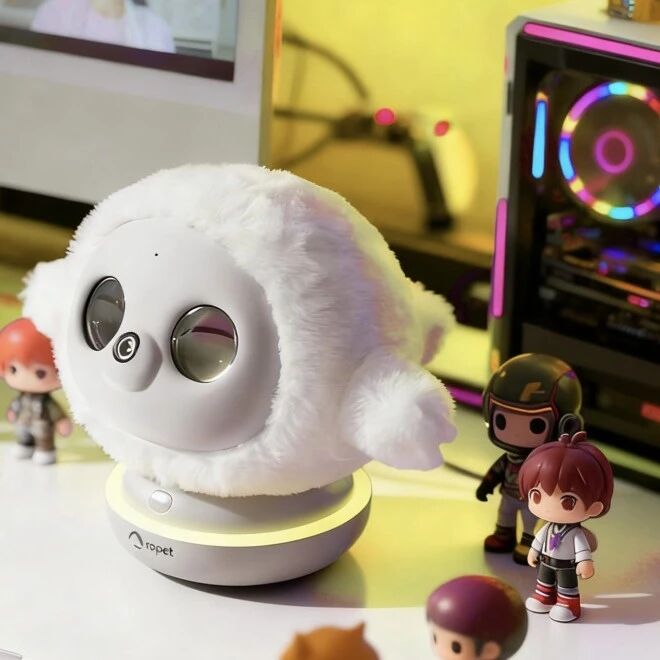
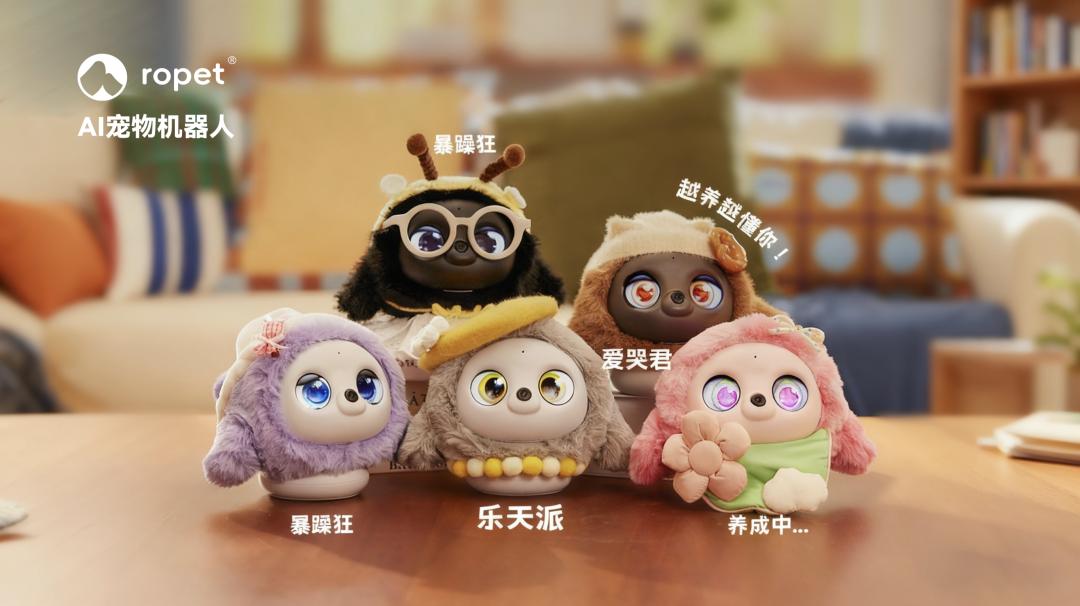
Core Viewpoint - The article discusses the rise of AI hardware, particularly focusing on the emotional companionship aspect of products like Ropet, which aims to provide emotional value rather than practical utility [4][10]. Investment Focus - Fengrui Capital emphasizes early-stage investments in technology-driven startups, particularly in sectors like consumer/TMT, hard technology, and biomedicine, with over half of its investments in interdisciplinary innovations [2]. Market Trends - As of mid-2025, investments in embodied intelligence and AI hardware in China reached 114 deals, totaling over 14.5 billion yuan, significantly surpassing the previous year's figures [4]. - In May 2025 alone, funding for AI hardware accounted for over 50% of all investments [4]. Product Development - Ropet is positioned as a "weak robot," designed to simulate a life form that requires care, thereby providing emotional comfort to users [6][10]. - The product targets urban women, aiming to alleviate feelings of loneliness through an aesthetically pleasing AI pet that can be placed in familiar environments like desks [12]. User Engagement - Ropet learns from user interactions, gradually understanding their emotional changes and preferences, enhancing the emotional connection [12]. - The product is defined as "100% fun" and "0% useful," focusing solely on providing emotional value rather than solving practical problems [9][13]. Technological Evolution - The future of AI lies in "embodied intelligence," which can take various forms and interact with the world, creating new consumer opportunities [14]. - The development of AI hardware typically follows three stages: technological explosion, imaginative application, and realization of commercial value [26][30]. Market Dynamics - The article highlights the challenges of creating a product that is purely for enjoyment, noting that while "useful" products face price competition, "fun" products can achieve premium pricing once market education is successful [15][18]. - The current market environment favors products with emotional value, allowing for higher pricing and unique competitive advantages [15]. User Demographics - Initial target users for Ropet were urban women aged 24-30, but the user base expanded to include older demographics in different regions, indicating a broader appeal [22]. Challenges in Product Development - The journey from concept to market for Ropet involved significant challenges, including financing and product acceptance, leading to a pivot towards a more market-friendly design [45][46]. - The company faced difficulties in hardware iteration, requiring multiple adjustments to meet user expectations and market demands [54][55].
从大模型到AI陪伴:AI热点轮动背后,有哪些周期规律?
3 6 Ke· 2025-10-23 04:13
Group 1 - The core viewpoint of the articles highlights the rapid growth and investment in AI hardware in China, with a significant increase in funding and projects expected by mid-2025 [1] - Ropet, a company focused on AI companionship products, has positioned itself uniquely in the market by creating a "weak robot" that provides emotional value rather than practical utility [2][6] - The AI hardware market is experiencing a shift towards products that prioritize emotional connection and user engagement, as seen in Ropet's design and marketing strategy [6][10] Group 2 - Ropet's product is designed specifically for women, aiming to alleviate feelings of loneliness through an aesthetically pleasing AI pet that can be placed in familiar environments [6][9] - The concept of "embodied intelligence" is emphasized, suggesting that AI can take various forms and interact with the world, creating new consumer opportunities [7][24] - The company aims to collect user data through interactions with Ropet, enhancing its ability to understand and respond to user emotions over time [9][41] Group 3 - The discussion around AI hardware indicates a cyclical nature of technological advancements, moving from foundational breakthroughs to practical applications and commercial viability [25][26] - Ropet's development process involved significant iterations and adjustments to hardware design, reflecting the challenges of creating innovative products in a competitive market [51][60] - The company has successfully leveraged media exposure and strategic marketing to gain traction, resulting in substantial global visibility and interest in its product [55][58]
创业板指数跌超2%,关注创业板ETF(159915)等产品投资机会
Sou Hu Cai Jing· 2025-10-17 05:17
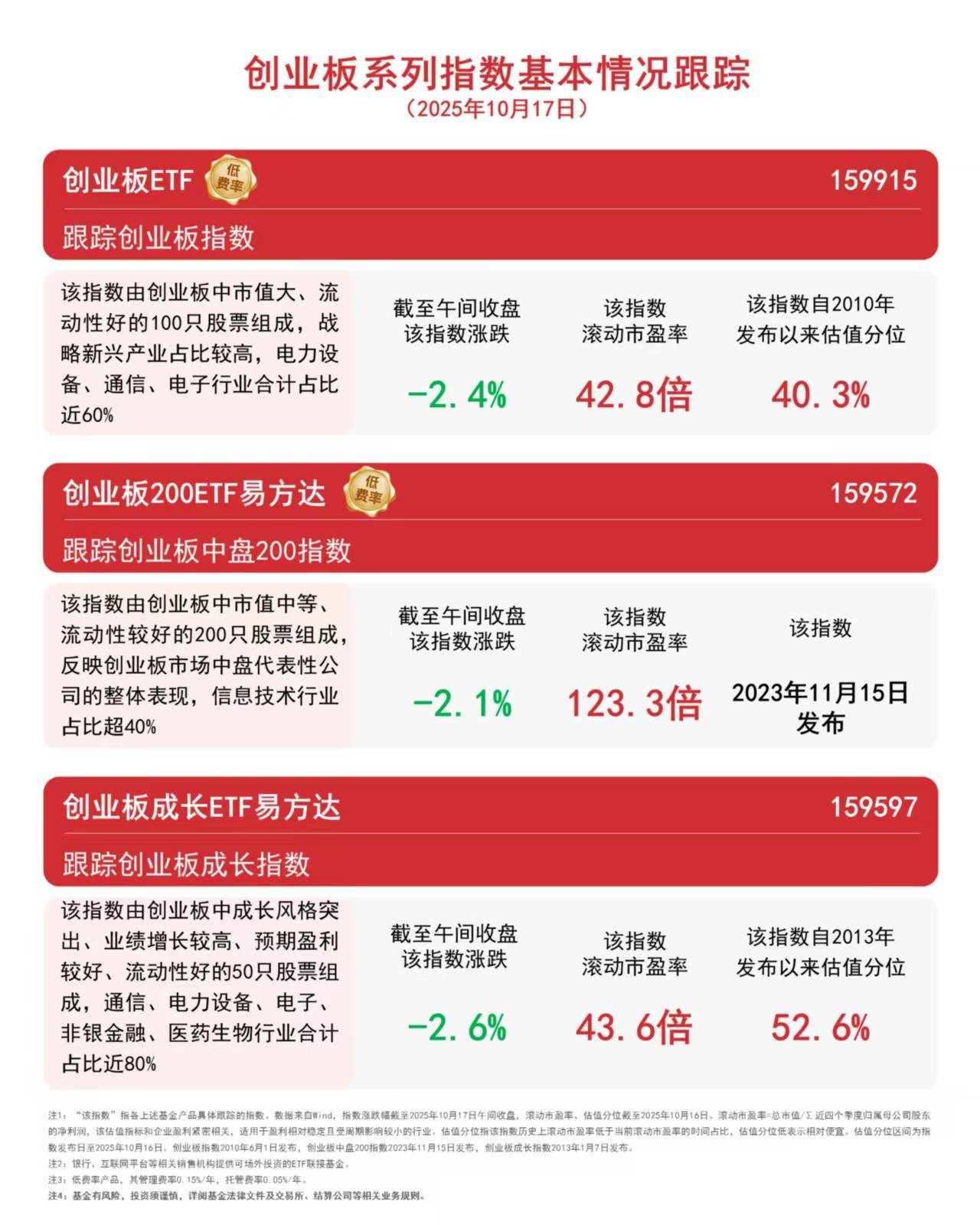
Group 1 - The ChiNext Mid-Cap 200 Index fell by 2.1%, the ChiNext Index decreased by 2.4%, and the ChiNext Growth Index dropped by 2.6% at midday [1] - The ChiNext Index consists of 100 stocks with large market capitalization and good liquidity, representing innovative and entrepreneurial companies in China, with the AI hardware and new energy industry chains accounting for approximately 60% of the index's weight [1] - The ChiNext ETF (159915) has a latest scale of 102 billion yuan, ranking first among related ETFs, with an average daily trading volume of about 5.8 billion yuan over the past month, indicating good liquidity and a low management fee rate of only 0.15% per year [1]

年入2.5亿美元的AI硬件“黑马”Plaud回归国内 能否复刻海外增长?
Mei Ri Jing Ji Xin Wen· 2025-10-16 15:47
Core Insights - Plaud, a Shenzhen-based AI hardware company, expects to achieve total revenue of $250 million by 2025, with its AI note-taking products already shipped to over 170 countries and exceeding 1 million units sold [1][2][3] Company Overview - Founded less than three years ago, Plaud initially focused on overseas markets due to previous entrepreneurial experiences and identified a significant demand gap in the audio transcription sector [1][2] - The company launched the world's first card-style AI note-taking product, Plaud Note, and a wearable version, Plaud NotePin, which have gained traction in international markets [2][3] Market Strategy - After initial success abroad, Plaud returned to the domestic market in September 2023, reducing AI recording device prices to the "hundred-yuan level" to cater to local demand [2][5] - The company aims to balance functionality innovation with market acceptance in a highly competitive domestic AI hardware landscape, where major players like Alibaba DingTalk and iFlytek are aggressively pricing their products [2][5] Competitive Landscape - The domestic AI hardware market is described as a "red ocean," with numerous competitors offering lower prices, raising questions about Plaud's ability to replicate its overseas success in China [2][5] - Despite the competitive environment, Plaud's team of over 400 employees and its commitment to product quality and user experience are seen as significant advantages [6][7] Product Development and Technology - Plaud emphasizes the importance of stable product experience over aggressive marketing, relying on word-of-mouth for growth rather than traditional advertising [3][6] - The company collaborates with Amazon Web Services (AWS) for cloud services, which aids in compliance and resource acquisition, allowing Plaud to focus on business security [6][7] Future Outlook - Plaud does not prioritize short-term sales targets in the domestic market but aims to build a strong brand and deep product offerings [5][6] - The company plans to continue innovating and developing new product forms while maintaining a commitment to high-quality offerings, regardless of market share [7]

未来智能完成亿元级A轮融资 蚂蚁集团领投、启明创投超额跟投
Zheng Quan Shi Bao Wang· 2025-10-13 07:33
Core Insights - Future Intelligence, an AI hardware company, has completed a significant A-round financing led by Ant Group, marking its third funding round in 2023, following Pre-A rounds earlier this year [1] - The funds will be allocated to three main areas: expanding the AI office hardware product matrix, accelerating the development and marketing of the overseas brand viaim, and increasing investment in cutting-edge technologies like AIAgent [1] Group 1 - Future Intelligence was established in 2021, focusing on the research and innovation of AI office hardware, with its flagship product being the iFLYBUDS series of AI conference headphones [1] - The company aims to address workplace efficiency challenges through practical AI functions such as recording transcription, summary extraction, task management, AI Q&A, and simultaneous interpretation [1] - The CEO emphasizes the importance of vertical applications in AI, stating that the ultimate value creation must be grounded in specific industry needs, despite the presence of powerful foundational models [1] Group 2 - In January, Future Intelligence launched the new brand "viaim" at CES, targeting the North American and Asia-Pacific markets, with plans to expand into Europe later this year [2] - Sales performance has been impressive, with a 7.2-fold increase in absolute sales of viaim AI headphones in North America from January to July, and a 1.28-fold increase in the Asia-Pacific region compared to the previous year's second half [2] - The company anticipates significant growth opportunities in overseas markets, potentially surpassing domestic market growth, and plans to release groundbreaking office products and expand its AI hardware offerings beyond headphones in the coming years [2]
AI硬件出海,中国制造全球化的新故事
Mei Ri Jing Ji Xin Wen· 2025-10-10 12:38
Core Insights - The AI hardware sector is experiencing significant growth, with companies like Plaud entering the Chinese market and established players like DingTalk and 360 launching similar products, indicating a competitive landscape [1] - AI hardware is becoming a new entry point in the AI industry, with applications expanding beyond traditional markets to include toys and office furniture, as companies leverage AI for enhanced functionality [1][4] - The global market for quadruped robots is projected to exceed $180 million in 2024, with Chinese manufacturers leading the market due to their robust supply chains and cost-effective products [2][3] Group 1: Market Dynamics - Plaud, an AI hardware startup, is targeting overseas markets while also entering China, reflecting a trend of hardware manufacturers looking abroad for growth opportunities [1] - The quadruped robot market is expected to see a shipment of approximately 20,000 units in 2024, with applications in various sectors such as electricity and public safety [2] - Companies like Saint-Ao Technology are integrating AI into their products, such as smart desks, and are also focusing on global expansion to capture market share [4][6] Group 2: Technological Advancements - AI hardware is seen as a critical area for the application of AI, with advancements enabling remote control of robots over long distances, enhancing operational capabilities [2][3] - The integration of AI into everyday products, including toys and office supplies, is gaining traction, with companies like OpenAI planning to release a range of AI hardware products by 2026 or 2027 [7][8] - The current landscape suggests that the next phase of AI development will occur at the hardware level, moving away from traditional data centers to more personal and accessible devices [3][5]



AI硬件出海,中国制造全球化的新故事|AI观察系列策划③
Mei Ri Jing Ji Xin Wen· 2025-10-10 12:33
Core Insights - The AI hardware market is rapidly expanding, with companies like Plaud entering the Chinese market and established players like DingTalk and 360 launching similar products, indicating a growing interest in AI recording hardware [1][2] - AI hardware is seen as a new entry point in the AI industry chain, with applications extending beyond traditional sectors into everyday products like office furniture and toys [3][4] - The global quadruped robot market is projected to exceed $180 million in 2024, with Chinese manufacturers leading the market due to their robust supply chains and cost-effective products [2][3] Group 1: Market Trends - The AI hardware sector is experiencing a surge in interest, with various companies exploring overseas markets, leveraging China's supply chain advantages [1][2] - IDC forecasts that the global quadruped robot market will reach over $180 million in 2024, with a shipment volume of approximately 20,000 units [2] - Companies like Saint-Ao Technology are integrating AI into their products, such as smart desks with voice interaction capabilities, and are expanding their international presence [3][5] Group 2: Company Developments - Plaud, an AI hardware startup, has officially announced its entry into the Chinese market, following the launch of DingTalk's AI hardware [1] - Saint-Ao Technology has reported a compound annual growth rate of 25% in its foreign trade revenue from 2020 to 2024, indicating a strong push for global expansion [5] - OpenAI is also entering the hardware space, planning to release a series of AI hardware products, including glasses and digital recording devices, by late 2026 or early 2027 [6][7]