
文具制造

Search documents
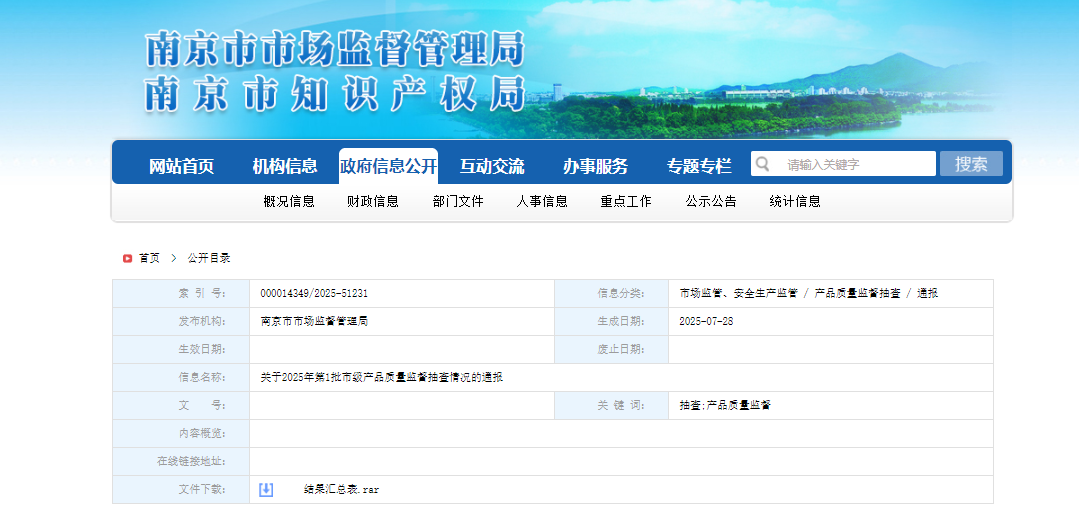
南京市市场监管局发布书写笔产品抽查结果
Zhong Guo Zhi Liang Xin Wen Wang· 2025-08-08 04:27
Core Viewpoint - The Nanjing Municipal Market Supervision Administration has released the results of the first batch of product quality supervision inspections for 2025, indicating that all 10 batches of writing pen products tested were found to be compliant with quality standards [1][2]. Group 1: Inspection Results - A total of 10 batches of writing pen products were inspected, and all were found to be qualified [1]. - Specific products tested include various types of pens such as bullet head gel pens and push-type gel pens, all of which passed the quality inspection [2]. Group 2: Product Details - The inspected products include brands and models such as "子弹头中性笔套装" and "万帮中性笔009-3," with specifications of 0.5mm [2]. - The inspection covered both physical retail stores and e-commerce platforms, ensuring a comprehensive assessment of product quality across different sales channels [2].

得力入局充电桩 文具巨头跨界新能源前景几何
经济观察报· 2025-06-27 10:30
Core Viewpoint - Deli, a leading stationery brand, has entered the new energy charging pile industry, attracting significant attention in the electric vehicle sector. This move is seen as a strategic diversification to mitigate reliance on its core stationery business, which is facing declining demand due to a shrinking student population [1][6]. Group 1: Deli's Entry into the Charging Pile Market - Deli launched its first home-use new energy charging pile on June 22, offering various versions with a rated power of 7kW, compatible with major electric vehicle brands. The starting price is 979 yuan, with installation packages starting at 1669 yuan [2][4]. - The company has a significant retail advantage with over 100,000 retail outlets nationwide, allowing it to offer competitive pricing compared to other brands [9]. Group 2: Market Dynamics and Challenges - The home charging pile market is limited, with an estimated market size of around 60 billion yuan based on a 30% installation rate of over 20 million electric vehicles in China [10]. - Profit margins in the charging pile industry are not as high as expected, with basic equipment costs around 300-400 yuan, and additional smart features increasing overall costs [10]. - The competition is intense, with established players like State Grid and various small manufacturers already in the market, making it challenging for new entrants like Deli to gain market share [10][11]. Group 3: Future Outlook - Despite the challenges, the rapid growth of the new energy vehicle market presents significant opportunities for the charging pile industry, with predictions of 15.7 million new energy passenger vehicles sold in 2025, indicating a potential acceleration in the entire industry chain [11]. - Deli's future development in the charging pile sector remains to be seen, especially as it focuses solely on home charging piles, unlike competitors like Bull Group, which also engages in public charging solutions [12].

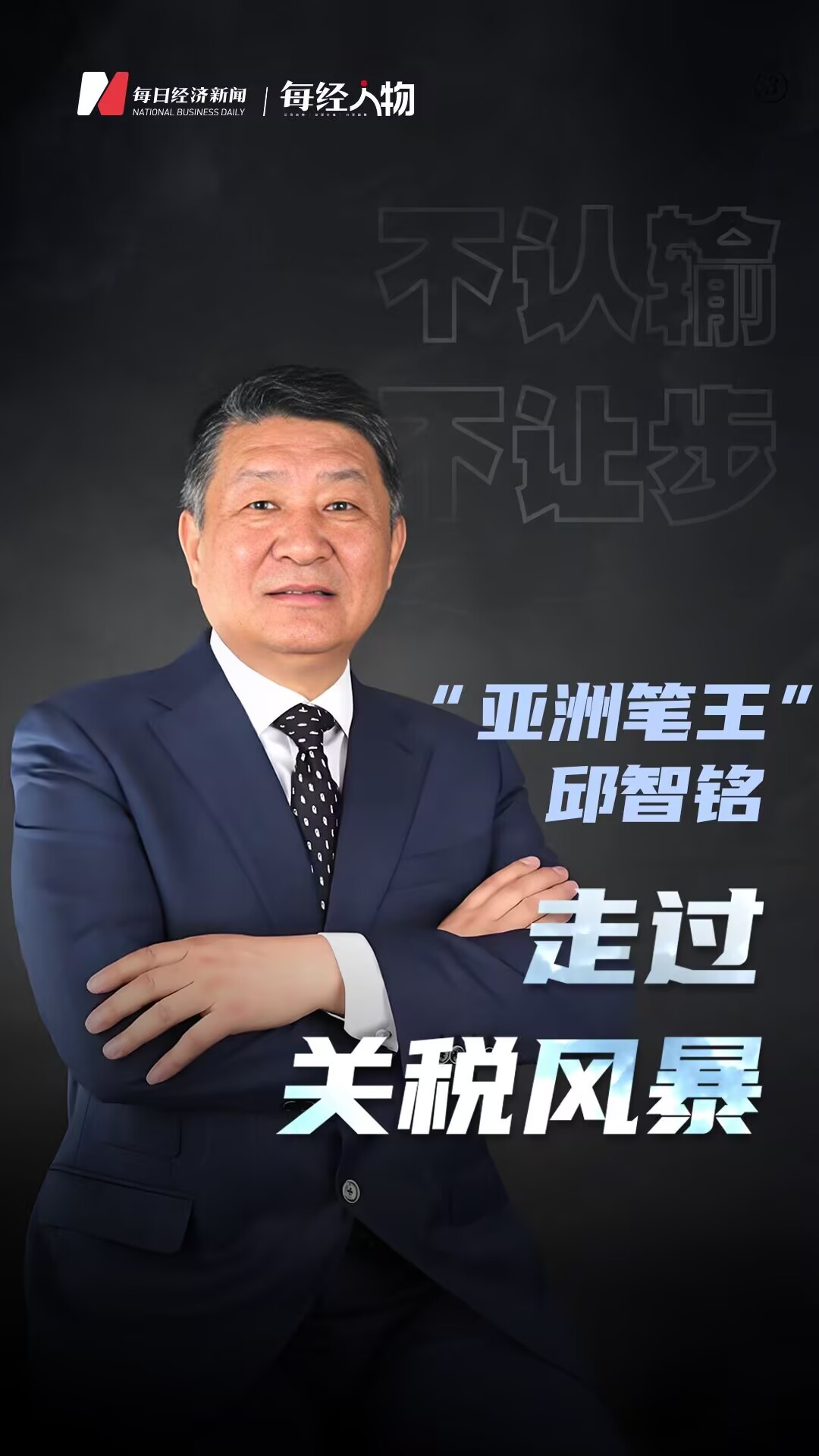
关税风暴80天,“亚洲笔王”邱智铭的四个瞬间
Mei Ri Jing Ji Xin Wen· 2025-06-27 05:42
Core Viewpoint - The announcement of "reciprocal tariffs" by the U.S. President Trump has created significant turmoil in global trade, particularly affecting companies like Beifa Group, which relies heavily on exports to the U.S. [3][5][10] Group 1: Impact of Tariffs - The U.S. will impose a 34% tariff on goods from China, which is unprecedented and poses a severe challenge for companies engaged in international trade [3][5] - Beifa Group, which holds a 16.5% share of China's pen export market, faces a potential loss of over $100 million in revenue due to the tariffs [8][10] - The company has approximately $60 million in existing orders and $17.5 million in transit orders for the U.S. market, which are now at risk [8][10] Group 2: Company Response - Beifa Group's leadership, under Chairman Qiu Zhiming, is actively assessing the impact of the tariffs and has initiated emergency meetings to strategize [8][11] - The company is considering increasing production capacity in Vietnam to take advantage of a temporary tariff exemption, aiming to double its output to 600 million pens annually [13][14] - Beifa has formed three teams to expedite overseas operations, with a focus on production and supply chain management [13][14] Group 3: Market Dynamics - As the tariff situation evolves, some U.S. customers are beginning to absorb the costs, leading to a partial resumption of orders from Beifa [17][18] - The company is leveraging its strong supply chain capabilities to maintain competitiveness, emphasizing that Chinese products offer superior value compared to alternatives from Southeast Asia [17][18] - Beifa's proactive approach includes exploring production options in various countries, including Egypt and Mexico, to mitigate risks associated with tariffs [17][18] Group 4: New Opportunities - Beifa Group is also focusing on its AI product line, which has shown promising demand at trade fairs, indicating potential for growth despite tariff challenges [20][22] - The company has received significant interest in its AI translation products, leading to immediate sales and partnerships during trade events [22][23] - Beifa anticipates maintaining a growth target of 20% to 30% for the year, despite the current market volatility [23]
得力文具低价杀入充电桩市场 文具巨头跨界新能源是主动求变还是被逼无奈?
Xin Lang Cai Jing· 2025-06-25 09:44
Group 1 - Deli, a traditional stationery giant, has launched its first home-use electric vehicle charging station at a starting price of 979 yuan, significantly undercutting the industry average by 50% [1][2] - The charging station, with a power output of 7 kW, is compatible with mainstream models such as Tesla and BYD, indicating Deli's strategic move into the home slow-charging market [1][2] - The launch comes amid a concerning performance report from Morning Glory, which saw a 4.39% year-on-year decline in revenue to 5.245 billion yuan and a 16.23% drop in net profit to 318 million yuan for Q1 2025, marking the first decline in both metrics since 2021 [1][2] Group 2 - The stationery industry is facing structural challenges, with rising material, energy, and labor costs squeezing profit margins, while international brands intensify competition in the Chinese market [2][3] - Deli's entry into the electric vehicle charging market is seen as a response to the surging demand for home charging stations, driven by the increase in China's electric vehicle ownership, which has surpassed 20 million [2][3] - However, the transition to the new energy sector poses significant challenges for stationery companies, including a lack of experience in power equipment development and the need to establish a comprehensive service network for installation and after-sales support [3][4] Group 3 - The stationery industry is undergoing deep adjustments, with accelerated consolidation expected over the next five years, as leading companies seek to expand through mergers and acquisitions [4] - Smaller companies must either find a niche or face elimination, as the traditional stationery market reaches its limits due to ongoing "double reduction" policies affecting student stationery demand and the trend towards paperless offices [4] - Deli's move into new energy and Morning Glory's efforts to enhance product value through creative collaborations reflect the industry's search for new growth narratives [4]

重磅!得力文具进军新能源
鑫椤锂电· 2025-06-23 08:06
Core Viewpoint - Deli Group is expanding its business into the new energy sector by launching its first home-use electric vehicle charging station, indicating a strategic shift from traditional stationery products to green energy solutions [2][6]. Product Offerings - The company has introduced a 7kW electric vehicle charging station with various options: - 7kW 4G version (bare machine): priced at 1,092.64 CNY, with a launch price of 979 CNY - 7kW 4G version with "0 meter installation": priced at 1,288.91 CNY, with a launch price of 1,069 CNY - 7kW 4G version with "30 meter installation": priced at 1,792.64 CNY, with a launch price of 1,669 CNY - 7kW screen version (bare machine): priced at 1,292.64 CNY, with a launch price of 1,169 CNY - 7kW screen version with "0 meter installation": priced at 1,488.91 CNY, with a launch price of 1,269 CNY - 7kW screen version with "30 meter installation": priced at 1,992.64 CNY, with a launch price of 1,869 CNY [3]. Strategic Direction - Deli Group, established in 1981 and based in Ningbo, Zhejiang Province, is actively diversifying into the new energy sector, focusing on charging station product development and green energy applications as part of its ESG (Environmental, Social, and Governance) strategy [6][7].

墨西哥对华铅笔作出反倾销日落复审终裁
news flash· 2025-06-09 10:02
Core Points - The Mexican Ministry of Economy announced a final ruling on anti-dumping sunset review for pencils originating from China, deciding to continue imposing an anti-dumping duty of $0.0299 per unit [1] - The anti-dumping measure will take effect on May 27, 2024, and will remain in force for five years [1] - The affected products fall under the TIGIE tax code 9609.1.1 [1]
高考季,大家为“好彩头”花了多少钱?
Bei Ke Cai Jing· 2025-06-09 03:31
Core Viewpoint - The high school entrance examination (Gaokao) not only tests students' academic achievements but also serves as a significant marketing opportunity for businesses, with various products and services being tailored to this event [2][3]. Group 1: Marketing Strategies - As the exam approaches, products with homophonic blessings related to success in exams are experiencing a surge in sales, reflecting a cultural trend where consumers seek additional luck [3][5]. - The food and beverage industry is actively participating, with brands like KFC launching "Ding Sheng Cake" (meaning "certain victory") and McDonald's promoting the "Mai Man Fen" meal (homophonic for "full marks") available all day [6][11]. - Apparel brands are also leveraging the exam theme, with Nike and other brands creating products that resonate with exam success, such as T-shirts featuring answer sheet designs and motivational phrases [13][15]. Group 2: Consumer Behavior - Parents are increasingly involved in the exam preparation process, using symbolic clothing and items to express support and alleviate their children's anxiety [25][28]. - The examination period has led to a collective societal effort to support students, with various services like traffic control and discounts for students being implemented [26][28]. - The examination certificate has transformed into a valuable item post-exam, serving as a discount voucher for various services, including entertainment and dining [19][21].

金融活水润泽民营经济“繁花似锦”——宁波金融业多维赋能民营经济高质量发展侧记
Zheng Quan Ri Bao· 2025-06-08 14:43
Core Viewpoint - The article highlights the robust development of the private economy in Ningbo, supported by various financial institutions and policies aimed at enhancing financial services for private enterprises [1][11]. Financial Support Policy System - The People's Bank of China Ningbo Branch is actively constructing a financial support policy system, collaborating with local government departments to optimize financial services for private enterprises [2]. - Over the past three years, Ningbo has injected 240 billion yuan in various central bank re-loans and rediscount funds, with over 2.5 billion yuan in loans issued to more than 9,000 technology-based enterprises [2]. - As of April 2025, the loan balance for private enterprises in Ningbo reached 1.64 trillion yuan, accounting for 54.7% of total enterprise loans [3]. Mechanism Innovation to Enhance Service Efficiency - Ningbo Tongshang Bank has established a unique innovation ecosystem for technology enterprises, providing comprehensive financial services and support [4]. - The bank's incubation base has served over 30 enterprises, addressing various needs and conducting 165 training activities, resulting in nearly 10 million yuan in cost savings for these enterprises [4]. Digital Empowerment Leading Service Innovation - Ningbo Bank has developed a comprehensive service platform called "Bobo Zhila," offering 22 professional services and two specialized platforms to assist enterprises in various operational challenges [7]. - The bank has provided a 100 million yuan group credit line and utilized supply chain financial tools to offer 50 million yuan in specialized financing to a foreign trade enterprise, reducing financing costs to 2.3% [7][8]. Precision Support Accompanying Enterprise Growth - Agricultural Bank of China has supported Ningbo Longyuan Co., Ltd. throughout its growth stages, providing tailored financial products and services, including a project loan of 320 million yuan for capacity expansion [9][10]. - The bank has established a specialized branch for technology enterprises, focusing on different development stages and using a differentiated evaluation system to assess enterprises based on their core technologies and market potential [10].


多措并举积极应对全球贸易变局——来自“世界超市”义乌的一线走访
Xin Hua Wang· 2025-05-21 11:50
Core Viewpoint - The article highlights the resilience and adaptability of Yiwu's businesses in the face of fluctuating global trade conditions, particularly in light of recent developments in US-China trade relations. Group 1: Business Operations and Market Adaptation - Yiwu's eyewear manufacturer, Xiuxiu, has resumed orders from US clients after a pause due to tariff issues, with exports to the US accounting for approximately 50% of its total exports [1] - Yiwu's total import and export value reached 167.45 billion yuan in Q1, a year-on-year increase of 13%, with exports growing by 14.5% to 147.27 billion yuan [1] - Companies like Ningbo Guanjian Tool Co. have diversified their markets to mitigate risks, exporting thousands of products to over 100 countries, indicating limited impact from tariff policies [1] Group 2: Innovation and Market Expansion - Huahong Crafts has expanded into Southeast Asia, Latin America, and Africa, maintaining stable growth amid trade fluctuations by innovating product lines and focusing on domestic markets [2] - Yiwu businesses are increasingly adopting differentiated development strategies, with a focus on cultural and creative products, as seen in the rise of creative stationery that appeals to younger consumers [2][3] - The cultural creative sector is reshaping Yiwu manufacturing, with products like the "money snake" gift achieving significant sales, reflecting a shift towards innovation and cultural depth in offerings [3] Group 3: Future Outlook and Strategic Recommendations - Experts suggest that Yiwu should enhance its development momentum, optimize export structures, and expand into emerging markets along the Belt and Road Initiative while accelerating digital transformation and cross-border e-commerce [3] - Yiwu businesses express confidence in continuing to expand into the US market and diversifying product offerings, while also preparing for potential changes in tariff policies [3][4]
浙江外贸一线观察:“内外兼修”谋长远
Zhong Guo Xin Wen Wang· 2025-05-17 13:55
Core Insights - The recent adjustment in tariffs between China and the U.S. has led to a significant recovery in order fulfillment for Zhejiang's foreign trade enterprises, with 90% of orders returning to normal shipping levels [1] - Companies are experiencing a surge in demand, with expectations of a 20% month-on-month increase in sales from the U.S. market due to the tariff changes [1] - The logistics sector is facing challenges such as increased shipping costs, with freight rates for standard containers rising from $2000 to $3000 [2] Group 1: Company Responses - Beifa Group has resumed production and is rapidly shipping products, with plans to complete all orders by mid-June [1] - Zhejiang foreign trade companies are diversifying their market strategies to mitigate risks and are actively exploring domestic sales channels to reduce dependency on a single market [2] - Zeyue Hardware Tools has invested 20% of its profits into R&D, transitioning from OEM for Western brands to establishing its own brand presence in emerging markets [3][4] Group 2: Market Trends - The recent tariff adjustments have led to a temporary surge in shipping demand, with companies scrambling to fulfill backlogged orders [1][2] - There is a growing trend among Zhejiang enterprises to expand into new markets, with Beifa Group establishing 17 global brand centers as part of its long-term strategy [3] - The focus is shifting from merely exporting products to enhancing technological capabilities and brand recognition, indicating a rise in international competitiveness [3]