笔

Search documents
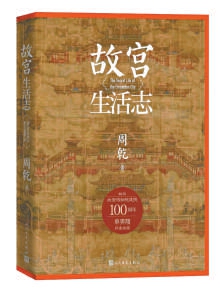
皇帝派发新年“盲盒”
Xin Lang Cai Jing· 2026-02-18 05:55
Group 1 - The tradition of giving "red envelopes" during the Spring Festival has historical roots, dating back to the Qing Dynasty, where emperors would bestow gifts to officials and family members [2] - The most common item in the royal "gift package" was the character "福" (blessing) written by the emperor, a practice that began during the Kangxi era [2][3] - The practice evolved over time, with Empress Dowager Cixi breaking tradition by giving the "福" character to performers, indicating a shift in the distribution of royal blessings [3] Group 2 - The royal gifts included not only the "福" character but also food items like deer meat, symbolizing prosperity, although logistical challenges led to changes in the types of food distributed [3][4] - Gifts to close officials were diverse, including fruits, meats, and special items like pouches, which were considered a mark of honor [4] - The emperor also rewarded vassal kings and envoys with luxurious items such as fine fabrics, stationery, and various artifacts, showcasing the grandeur of royal gifts [5]

海南人每人每年免税额度为1万元
Xin Lang Cai Jing· 2026-02-05 12:24
Core Viewpoint - The introduction of a zero-tariff policy for imported goods purchased by residents of Hainan Free Trade Port aims to reduce living costs and meet diverse shopping needs for local residents, benefiting the overall development of the free trade port [1][3]. Group 1: Policy Details - The Ministry of Finance, General Administration of Customs, and State Taxation Administration issued a notification on February 5, allowing Hainan residents to enjoy an annual tax exemption of up to 10,000 yuan on specified imported goods [1][3]. - The policy exempts residents from import duties, value-added tax, and consumption tax on eligible goods purchased at designated stores [1][3]. - To qualify for the exemption, residents must hold a Hainan provincial ID, residence permit, or social security card, and foreign residents must have valid residency documents [1][3]. Group 2: Purchase Conditions - Residents must purchase eligible goods from stores authorized to implement the zero-tariff policy and must collect the items on-site [1][3]. - The total amount of tax-exempt purchases cannot exceed 10,000 yuan per person per year, but there is no limit on the number of transactions [1][3]. - The list of eligible goods includes 202 items such as baby formula, beef, toothpaste, fish, pens, kitchenware, and fresh fruits [2][4].
海南人每年买不超过1万元进口商品免税
第一财经· 2026-02-05 06:01
Core Viewpoint - The article discusses the introduction of a "zero tariff" policy for imported goods purchased by residents of Hainan Free Trade Port, aimed at reducing living costs and enhancing consumer choices for local residents [2][3]. Group 1: Policy Details - The Ministry of Finance, General Administration of Customs, and State Taxation Administration issued a notification on February 5, allowing Hainan residents to purchase imported goods with a tax exemption up to 10,000 RMB annually [2]. - To qualify for the tax exemption, residents must meet three conditions: they must be Hainan residents, purchase from designated duty-free stores, and the goods must be on a specified positive list of 202 items, including baby formula, beef, toothpaste, and fresh fruits [3]. Group 2: Regulatory Measures - The notification includes measures to prevent abuse of the tax exemption policy, stating that the goods purchased must be for personal use and cannot be resold. Individuals found violating this rule will be barred from future purchases of zero-tariff goods for three years [4]. - The Hainan provincial government is tasked with managing the risk of smuggling related to zero-tariff goods, implementing quantity restrictions on certain items, and enhancing regulatory oversight through information technology and traceability [5].

海南人每年买不超过1万元进口商品免税
Di Yi Cai Jing· 2026-02-05 04:43
Core Viewpoint - The introduction of a "zero tariff" policy for imported goods purchased by residents of Hainan Free Trade Port aims to reduce living costs and enhance consumer choices for local residents [1][2]. Group 1: Policy Details - The Ministry of Finance, General Administration of Customs, and State Taxation Administration issued a notification on February 5, allowing Hainan residents to purchase imported goods with a tax exemption up to 10,000 yuan annually [1]. - The policy applies only to residents holding Hainan province ID cards, residence permits, or social security cards, excluding outside tourists [1]. Group 2: Eligible Goods and Regulations - A total of 202 items are included in the positive list of eligible goods, such as baby formula, beef, toothpaste, fish, pens, kitchenware, and fresh fruits [2]. - The notification emphasizes that the exempted goods are for personal use only and cannot be resold; violations may result in a three-year ban from purchasing zero-tariff goods [2]. Group 3: Regulatory Measures - The Hainan provincial government is tasked with managing the risk of smuggling related to zero-tariff goods and may impose purchase limits on certain items [2]. - Enhanced regulatory measures, including information technology and traceability management, will be implemented to ensure compliance and control risks associated with the policy [2].
浙江省永嘉县市场监督管理局公示2025年流通领域儿童及学生用品质量抽检结果
Xin Lang Cai Jing· 2026-01-12 08:45
Core Viewpoint - The article reports on the quality inspection results of children's and student products conducted by the Yongjia County Market Supervision Administration in 2025, indicating that all tested items met the supervision inspection requirements [2]. Group 1: Inspection Results - A total of 15 products were tested, including crayons, pencils, correction tape, and glasses, with all items passing the quality inspection [2]. - Specific products that passed include: - Crayons and oil pastels from Wenzhou Aihua Pen Industry Co., Ltd. [2] - Pencils from Shanghai Anshuo Educational Supplies Co., Ltd. [2] - Correction tape from Guangdong Chenqi Stationery Co., Ltd. [2] - Prescription glasses from Wenzhou Jingcheng Optical Co., Ltd. [2] Group 2: Product Categories - The inspected products included: - Art supplies such as crayons and oil pastels [2] - Writing instruments like pencils and pens [2] - Stationery items including correction tape and self-adhesive book film [2] - Optical products such as prescription glasses [2] - Plush toys from various manufacturers [2]
书店外卖:如何从应急渠道成为新增长点?
Xin Lang Cai Jing· 2026-01-10 18:28
Core Insights - The article discusses the transformation of bookstores in Beijing as they adapt to online delivery platforms, expanding their service radius and exploring new revenue streams amidst challenges like low profit margins and competition from counterfeit books [1][2][3]. Group 1: Transition to Online Platforms - Many bookstores have moved from passive attempts to actively engaging with online delivery platforms, driven by the need to maintain sales during the pandemic and the operational pressures of physical stores [2][3]. - Bookstores are leveraging their proximity to schools to offer educational materials and other products, aiming to meet immediate customer needs through a one-stop shopping experience [2][3]. Group 2: Sales Growth and Challenges - The shift to online sales has shown positive results, with some bookstores reporting significant increases in daily orders and online revenue contributing to a notable percentage of total sales [3][4]. - However, the profitability of these online sales is under pressure due to high platform commissions and delivery fees, leading to minimal or negative profit margins for many bookstores [5][6]. Group 3: Competitive Landscape - The presence of counterfeit books and aggressive pricing strategies from unscrupulous sellers has created a challenging competitive environment for legitimate bookstores, impacting their visibility and sales [6][9]. - Experts suggest that online platforms need to enhance their vetting processes to combat the issue of counterfeit books and ensure fair competition [6][9]. Group 4: Future Outlook and Recommendations - Bookstores are encouraged to view online sales as a supplementary channel rather than a primary revenue source, focusing on long-term customer engagement and brand building [8][9]. - Recommendations include utilizing data analytics for better customer insights, optimizing operational processes, and enhancing the overall customer experience to ensure sustainability in the evolving market [8][9].
曾以“价格免谈、关税也免谈”硬刚美国客户,67岁“亚洲笔王”:明年要在发展中国家市场跑马圈地,还要做AI生意
Mei Ri Jing Ji Xin Wen· 2025-12-30 13:20
Core Viewpoint - The chairman of Beifa Group, Qiu Zhiming, emphasizes the theme of "change" for 2025, highlighting the rapid shifts in global trade dynamics, intensifying competition in traditional industries, and the acceleration of AI and digital technology development [1][7]. Group 1: Company Strategy and Market Position - Beifa Group holds a 16.5% share of China's pen export market, reaching over 1.7 billion people globally [1]. - The company is adapting to international trade challenges, particularly the U.S. tariffs, by enhancing its operational agility and preparing for potential future trade conflicts [6][16]. - Beifa plans to expand its AI product line and aims to establish 30 national flagship stores, 300 city-level stores, and 3,000 county-level stores within three years [5][22]. Group 2: Customer Dynamics and Market Segmentation - U.S. customers are categorized into three types: politically driven clients, value-driven clients, and innovation-driven clients, each responding differently to trade dynamics and tariffs [7][8][10]. - The company recognizes the necessity for Chinese manufacturers to adapt to diverse market needs across developed and developing countries, emphasizing the importance of building valuable channels and brands [12][14]. Group 3: International Expansion and Production Strategy - Beifa has established "outbound teams" targeting markets in Vietnam, Egypt, and Mexico, with a focus on expanding production capacity and adapting to local market conditions [13][15]. - The company is positioning Vietnam as a manufacturing hub to mitigate tariff risks and enhance supply chain capabilities [13][14]. Group 4: AI Product Development and Future Outlook - Beifa's AI product strategy has evolved to include communication, cultural creativity, health, and companionship, driven by the need for efficiency and improved user experience [18][22]. - The company has adopted a phased testing approach for AI products to minimize risks and ensure market readiness, with plans to launch over 50 related projects [21][22]. - Looking ahead to 2026, Beifa aims for strategic growth in traditional markets while aggressively expanding in developing countries, targeting a fivefold increase in those regions [23].

买得越多越划算 藏在“批发”里的经济学秘密
Sou Hu Cai Jing· 2025-11-18 23:33
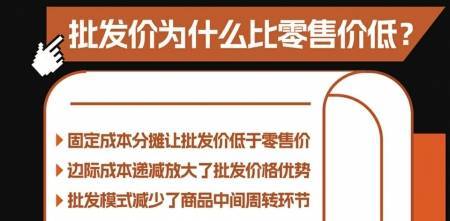
Core Concept - The article discusses the economic principle of economies of scale, explaining how purchasing or producing in larger quantities leads to lower average costs per unit, benefiting both consumers and businesses [2][5]. Group 1: Economies of Scale - Economies of scale refer to the phenomenon where the average cost per unit decreases as the scale of production or procurement increases, leading to lower prices for consumers [2]. - Fixed cost allocation is a key driver of economies of scale; as production increases, the fixed costs (e.g., factory construction, production lines) are spread over more units, reducing the cost per unit [3]. - Marginal cost decreases further amplify the price advantages for wholesale purchases, as larger production scales allow for lower raw material costs and improved production efficiency [3][4]. Group 2: Supply Chain Efficiency - The wholesale model simplifies the supply chain, reducing the number of intermediaries and associated costs, which allows for lower prices for consumers [4]. - By directly connecting manufacturers and wholesalers, the wholesale model minimizes additional losses and storage costs, leading to more stable pricing [4]. - However, excessive production or procurement beyond market demand can lead to inventory buildup, increasing storage and capital costs, which can negate the benefits of economies of scale [4]. Group 3: Market Implications - Understanding economies of scale helps explain why larger companies can dominate the market through bulk production and procurement, influencing consumer purchasing decisions [5]. - The principle of economies of scale serves as a crucial link between production and consumption, impacting daily consumer choices [5].
一张纸、一支笔、一把牙刷在海外不断“圈粉”——江苏“小而美”做成跨国大生意
Xin Hua Ri Bao· 2025-10-14 23:31
Group 1: Overview of Jiangsu Manufacturing - Jiangsu manufacturing is gaining popularity in overseas markets with small yet appealing products like paper, pens, sticky notes, and toothbrushes driving foreign trade growth [1] Group 2: Market Insights and Company Performance - Jiangsu Huateng Personal Care Products Co., Ltd. has successfully entered the high-end global market by adapting product formulations and designs based on regional preferences, achieving an annual foreign trade order growth of approximately 20% [2] - Jiangsu Sanxiao Group has embraced smart manufacturing, increasing production efficiency by over 50% and maintaining stable order volumes while enhancing product quality [2] - In the first eight months of the year, the export value of oral care products from Yangzhou reached 1.762 billion yuan, with toothbrush exports at 1.476 billion yuan, reflecting a year-on-year growth of 3.5% [2] Group 3: Export Trends in Stationery Products - After September, stationery products like cartoon sticky notes and colored loose-leaf paper experienced a surge in exports, with Jiangsu Fengxin Stationery Manufacturing Co., Ltd. leveraging its unique IP products to capture international markets [3] - The company has helped importers save approximately 890,000 yuan in tariffs, enhancing its market share and pricing power [3] - In the first eight months, another company, Lehui Stationery Nantong Co., Ltd., exported over 33 million yuan worth of stationery products to 28 countries and regions [3] Group 4: Trade Policies and Growth in Pen Manufacturing - Jiangsu Xiangzhao Stationery Co., Ltd. has seen its processing trade import and export value exceed 19 million yuan in the first eight months, a 1.8-fold increase from the previous year, aided by favorable customs policies [4] - The export of pens and their components from Jiangsu province reached 1.02 billion yuan, marking a year-on-year increase of 10.6% [4] Group 5: Paper Industry Expansion - Jiangsu Bohui Paper Industry Co., Ltd. reported an export value exceeding 500 million yuan in the first eight months, a 67.3% increase, driven by strong overseas demand [5] - The company has benefited from RCEP policies, issuing over 1,072 certificates of origin, which have reduced export costs and enhanced competitiveness in international markets [5] - The establishment of customs supervision sites has further reduced logistics costs for companies, ensuring a stable supply of raw materials [5]
桐庐以文润城展画卷
Hang Zhou Ri Bao· 2025-07-28 02:36
Group 1: Cultural Development and Integration - The article highlights the cultural construction initiatives in Tonglu County, emphasizing the integration of culture with technology, tourism, and public welfare to create a modern cultural county [7][8][9] - The "141X" modern industrial system in Tonglu is being developed, focusing on logistics, visual intelligence, new energy, new materials, and life health, aiming to optimize the business environment and create a high-quality development growth pole [8][10] - The county has been recognized for its cultural heritage, with historical figures like Lu You and Yan Guang contributing to its cultural identity, which is now being leveraged for economic development [8][9] Group 2: Technological Advancements in Industry - Zhejiang Prismatic Optoelectronics Co., Ltd. is identified as a leading smart manufacturing base, focusing on digital technology applications and innovation in the automotive and educational sectors [9][10] - The company’s core technologies are widely applied in automotive-grade smart hardware solutions and AI-driven interactive products, enhancing user experiences across various sectors [10] - The traditional pen-making industry in the region has undergone significant upgrades, with a production capacity of 8.5 billion pens annually, showcasing the integration of cultural elements into product design to increase value [11][12] Group 3: Tourism Development - Tonglu County has been recognized as one of the top 100 counties for tourism in China, ranking 8th in 2025, reflecting its continuous improvement in tourism offerings [13][14] - Major investments in tourism projects, such as the 2 billion yuan Kaiyuan Senbo Resort and the 6 billion yuan Fuchun River Film and Television Base, are set to enhance the county's tourism landscape [14] - The county is innovating its tourism products by integrating technology and culture, such as the AR technology in scenic areas, to provide unique experiences for visitors [14][15] Group 4: Community and Social Initiatives - The New Era Civilization Practice Center in Tonglu has been upgraded to enhance community engagement through various cultural activities, promoting a sense of community and cultural appreciation [16][17] - Cultural commissioners are actively working to bring quality cultural resources to rural areas, enhancing local cultural vitality and community spirit [17][18] - Volunteer initiatives, such as providing handmade goods to the elderly and offering refreshments to workers, reflect the community's commitment to social responsibility and warmth [17][18]