
海水淡化

Search documents
Energy Recovery(ERII) - 2025 Q2 - Earnings Call Transcript
2025-08-06 22:00
Financial Data and Key Metrics Changes - The company reiterated its 2025 guidance on all metrics and reinstated its wastewater guidance, indicating resilience in its core desalination business despite macroeconomic challenges [4][5] - An additional share repurchase program was announced, totaling $105 million over the past ten months, aiming to repurchase over 10% of outstanding shares while continuing to invest in growth [5] Business Line Data and Key Metrics Changes - The contracted desalination capacity, water reuse capacity, and CO2 refrigeration installations are all experiencing high growth rates, positioning the company to capture upside trends towards its 2029 goals [5][6] - The company reported shipping over $2 million in the quarter due to improved tariff conditions in China, which allowed previously stalled projects to proceed [24][25] Market Data and Key Metrics Changes - The company has broadened its wastewater footprint significantly, focusing on five key verticals: municipal, chemical, textile, manufacturing, and mining, which are expected to yield the largest market share [27][28] - The reduction in tariffs in China has positively impacted project execution, leading to better-than-expected results in that market [24][25] Company Strategy and Development Direction - The company is focused on long-term trends driving its business, including increasing water scarcity and the need for water reuse, which are expected to enhance growth opportunities [5][35] - The management emphasized the importance of regulatory drivers and economic factors in the increasing demand for wastewater treatment solutions [35] Management's Comments on Operating Environment and Future Outlook - Management expressed confidence in achieving higher revenue targets for desalination in 2026, citing a strong pipeline of contracted capacity [10][11] - The management noted that the current testing season for new products is progressing well, with ongoing engagement with OEMs and the addition of new testing sites [16][17] Other Important Information - The company is developing a business case for data center markets and heat pumps, with initial assessments indicating limited growth potential in the CO2 segment for data centers [18][19] - The management highlighted the importance of reliability testing for new products, which is crucial for converting testers into dedicated users [30][31] Q&A Session Summary Question: Confidence in achieving higher desalination revenue targets - Management indicated that while it's too early to tell, recent awards and contracted capacity give them confidence for 2026, with more guidance expected in the next earnings call [10][11][12] Question: Expectations for next-gen PX product pricing - The company expects to maintain or increase selling prices based on capacity, with fewer units needed to fill a plant [14] Question: Update on CO2 work with OEMs - Discussions with Hill Phoenix are ongoing, and the summer testing season is proceeding as expected with new sites being added [16][17] Question: Progress on data center market business case - Initial assessments suggest limited growth potential for CO2 in data centers, but heat pumps show promise [18][19] Question: Better-than-expected results in China - The reduction in tariffs allowed previously stalled projects to move forward, leading to improved results [24][25] Question: Broadened wastewater footprint - The company has successfully expanded its reference case list in key verticals, meeting its expectations [27][28] Question: Drivers for increasing water reuse - The motivations for increased water reuse are both economic and regulatory, driven by water scarcity issues [35]

总量稳步增长、结构持续优化 海洋经济动能澎湃
Jing Ji Ri Bao· 2025-08-06 01:59
Core Viewpoint - The development of China's marine economy is showing a steady upward trend in the first half of the year, with a marine GDP of 5.1 trillion yuan, reflecting a year-on-year growth of 5.8% [1] Group 1: Industry Structure Optimization - China's marine shipbuilding industry maintains a leading position in the international market, with new orders, completed orders, and hand-held orders accounting for 64%, 47.2%, and 57.6% of the global total, respectively [2] - The marine tourism market is experiencing growth, with an added value of 771.8 billion yuan, representing an 8% year-on-year increase [2] - The number of cruise passengers and cruise ship calls increased by 40.1% and 33.7%, respectively, compared to the previous year [2] Group 2: Emerging Marine Industries - The marine engineering equipment market continues to lead globally, with new orders, delivered orders, and hand-held orders accounting for 64.6%, 43.3%, and 62.6% of the international market share, respectively [3] - Significant advancements in marine technology include the delivery of large-scale aquaculture vessels and innovations in desalination technology [3] Group 3: Resource Security Enhancement - The discovery of the Huizhou 19-6 oil field in the South China Sea indicates significant exploration potential, with geological reserves exceeding 100 million tons of oil equivalent [4] - Marine oil and gas production increased by 2.3% and 16.9%, respectively, in the first half of the year [4] - The newly approved marine area increased by 167,000 hectares, a year-on-year growth of 25.2%, with investments exceeding 500 billion yuan [4] Group 4: Food and Water Resource Security - The domestic marine aquaculture production increased by 4.8%, with seawater aquaculture production rising by 5.6% [5] - The completion of a 100,000 tons per day seawater desalination project enhances the country's desalination capacity [5] Group 5: Technological Innovation - The establishment of the National Marine Comprehensive Test Field (Deep Sea) in Hainan aims to support deep-sea technology and industry development [7] - Significant progress in deep-sea detection and resource development technologies has been made, including the launch of the "Deep Sea No. 1" gas field project [7] Group 6: Marine Foreign Trade - The total import and export volume of marine trade increased by 1.1% year-on-year, with high-end, intelligent, and green marine products showing strong export growth [8] - The construction of smart green ports is accelerating, with 23 automated container terminals and 29 automated bulk cargo terminals established [8] Group 7: Economic Outlook - A majority of marine economy-related enterprises reported growth in revenue, profit, and R&D expenditure, with 87.6% of companies optimistic about the economic environment for the second half of the year [9] - The Central Financial Committee's meeting emphasized the need for continuous technological innovation and optimization of industrial layout to promote high-quality development of the marine economy [9]
总量稳步增长 结构持续优化 动能加快转换
Zhong Guo Zi Ran Zi Yuan Bao· 2025-08-04 01:34
Core Viewpoint - The marine economy in China has shown resilience and growth in the first half of the year, with a total marine production value of 5.1 trillion yuan, representing a year-on-year increase of 5.8% [4]. Group 1: Traditional Marine Industry - The shipbuilding sector has improved production efficiency, with the completion of sea vessels increasing by 4.7% year-on-year [6]. - The marine tourism market has seen significant growth, with an added value of 771.8 billion yuan, up 8.0% year-on-year, driven by rising travel demand and favorable policies [6]. - The cruise tourism sector has experienced a surge, with passenger numbers and cruise ship calls increasing by 40.1% and 33.7% respectively [6]. Group 2: Emerging Marine Industry - The marine engineering equipment construction market has rebounded, with new orders, delivered orders, and hand-held orders accounting for 64.6%, 43.3%, and 62.6% of the international market share respectively [7]. - Significant advancements in marine biotechnology have been made, including the launch of the "Starfish Model" for marine drug research [7]. - Innovations in seawater desalination technology have progressed, with new methods developed for efficient solar-powered desalination [7]. Group 3: Marine Resource Supply Capacity - The approval of new marine and island usage areas has increased by 25.2%, with investments exceeding 500 billion yuan [9]. - Oil and gas production from marine resources has increased, with crude oil and natural gas output rising by 2.3% and 16.9% respectively [9]. - The capacity for clean marine energy has improved, with offshore wind power generation and new grid-connected capacity increasing by 2.2% and 199.4% respectively [9]. Group 4: Marine Enterprises and Innovation - A survey indicates that 87.6% of marine enterprises are optimistic about the economic environment for the second half of the year, with a majority expecting stable or increased profits [12]. - The proportion of enterprises reporting growth in R&D funding and personnel has reached 57.5% and 58.4% respectively [12]. - The establishment of the National Marine Comprehensive Test Field (Deep Sea) aims to support deep-sea technology and industry development [14]. Group 5: Marine Trade and Port Development - Marine trade has shown resilience, with total import and export volume increasing by 1.1% year-on-year [16]. - The construction of smart green ports is accelerating, with 23 automated container terminals and 29 automated bulk terminals established [16]. - New direct shipping routes have been opened, enhancing connectivity with Southeast Asia, Ecuador, and the Middle East [17].


东营市海洋经济高质量发展新闻发布会召开
Qi Lu Wan Bao Wang· 2025-07-31 08:26
Core Viewpoint - Dongying City is committed to high-quality development of the marine economy, aiming to establish itself as a modern marine city while implementing various initiatives to enhance marine industry growth and ecological protection [3][9]. Marine Economic Development - The marine GDP of Dongying is projected to exceed 120 billion yuan in 2024, with a year-on-year growth of 7.1%, leading the province [3]. - In the first half of this year, the marine GDP reached 61.072 billion yuan, with 13 major marine industries contributing 46.2 billion yuan, reflecting a 7.6% increase [3]. - Emerging marine industries such as marine engineering equipment manufacturing and seawater desalination have shown significant growth, with a 9.8% increase in added value [3]. Modern Marine Industry System - Dongying is focusing on building a modern marine industry system by leveraging its marine resources and fostering industry clusters [4]. - Traditional marine industries are undergoing transformation, with a 4.6% increase in total aquatic product output, reaching 243,000 tons [4]. - The marine oil and gas industry is also growing steadily, with offshore crude oil production reaching 1.796 million tons per year [4]. Port and Logistics Development - The port's cargo throughput reached 45.95 million tons in the first half of the year, marking a 17.64% increase [6]. - Dongying Port is enhancing its capabilities with the completion of new berths and the establishment of a multi-modal transport system [6]. Technological Innovation - Dongying is prioritizing technological innovation in the marine sector, with 38 high-tech marine enterprises and several research centers established [7]. - Significant breakthroughs in high-end technology have been achieved, including advancements in underwater oil and gas production systems [7]. Ecological Protection - The city emphasizes ecological protection alongside development, implementing comprehensive marine pollution control measures [8]. - Efforts include the restoration of coastal wetlands and the management of marine biological resources, with 6 billion aquatic seedlings released during the current five-year plan [8]. Future Directions - The Dongying Marine Development and Fisheries Bureau aims to further enhance the marine economy while ensuring ecological protection and developing marine ports [9].
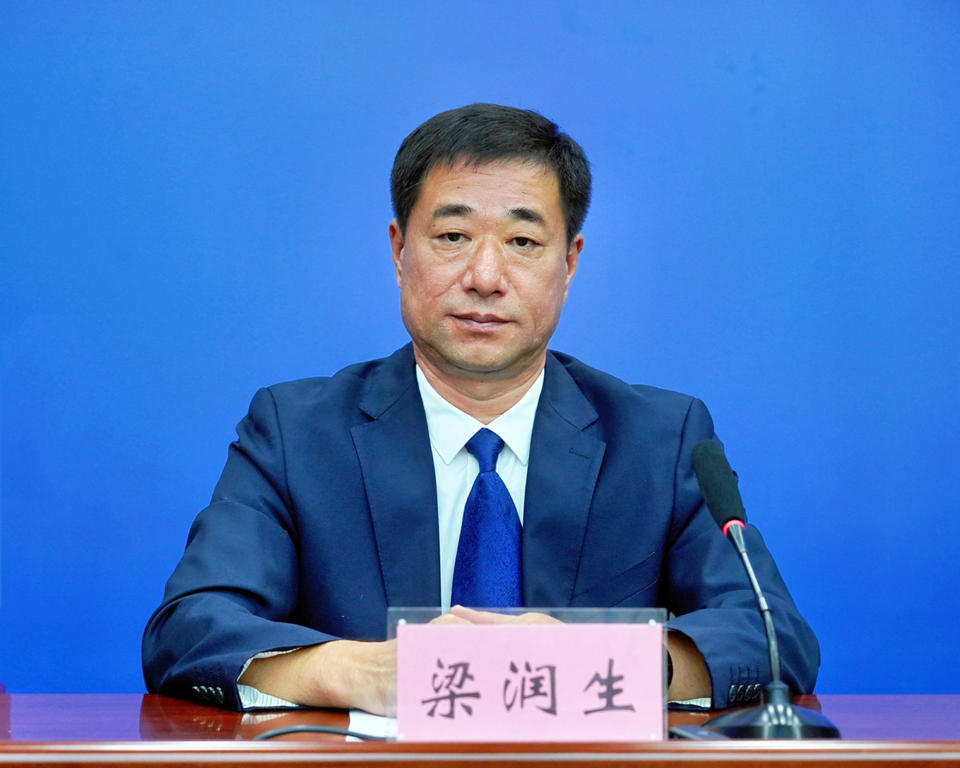
不靠海却搞海水淡化,这家济企把成本降了三分之二
Qi Lu Wan Bao Wang· 2025-07-22 13:58
Core Viewpoint - Shandong Guochen Industrial Group, based in inland Jinan, has successfully ventured into seawater desalination and waste heat utilization, showcasing significant technological advancements and cost reductions in water treatment solutions [1][2][8]. Group 1: Company Background and Development - Founded as a wastewater treatment company in 1992, Guochen has evolved over 30 years to achieve breakthroughs in seawater desalination technology [2]. - The company has developed a cost-effective seawater desalination process, reducing treatment costs from 12 RMB per ton to approximately 4 RMB per ton, a reduction of two-thirds [2]. Group 2: Technological Innovations - The core technology involves a self-developed variable condition jet pump that stabilizes waste heat, efficiently driving the seawater distillation system [3]. - The modular desalination equipment can be assembled on-site within two days, saving 15% in initial investment compared to traditional construction methods [3]. Group 3: Business Strategy and Market Positioning - Guochen has restructured its operations into five regional divisions to enhance resource allocation and efficiency, moving from a fragmented approach to a more integrated business model [4][5]. - The company positions itself as a technology-driven entity, with 60% of profits derived from technology services, emphasizing the importance of service in the manufacturing sector [6]. Group 4: Industry Trends and Opportunities - The Chinese government has prioritized marine economic development, creating favorable policies for industries such as seawater desalination and marine renewable energy [8][9]. - Guochen is targeting coastal industrial parks and nuclear power plants as key markets, leveraging their need for large volumes of freshwater and waste heat resources [8]. Group 5: Future Prospects - The company is exploring innovative projects, including a "wind power-desalination-hydrogen production" integrated solution, which aims to reduce green hydrogen costs by 20% [8]. - Guochen's strategic planning includes expanding into deep-sea markets, indicating a forward-looking approach to capitalize on emerging opportunities in the marine economy [9].
《2024年全国海水利用报告》发布
news flash· 2025-07-18 13:24
Core Insights - The Ministry of Natural Resources has released the "2024 National Seawater Utilization Report," highlighting the growth in seawater desalination projects across the country [1] Group 1: Desalination Projects - There are currently 158 seawater desalination projects in operation, with a total capacity of 2.856 million tons per day, an increase of 0.333 million tons per day compared to 2023 [1] - Coastal provinces such as Tianjin, Shandong, Jiangsu, and Zhejiang are actively advancing large-scale seawater desalination projects to ensure a reliable water supply for high-water-consumption industries like power generation, petrochemicals, and steel [1] Group 2: Technological Advancements - Breakthroughs have been made in domestically developed seawater desalination equipment, with the fifth production line (30,000 tons per day) of the Tianjin Nangang Industrial Zone's integrated seawater desalination and comprehensive utilization project achieving full localization of key equipment such as reverse osmosis membranes, high-pressure pumps, and energy recovery devices [1]
为海洋经济高质量发展注入澎湃动能(科技视点)
Ren Min Ri Bao· 2025-07-10 22:27
Group 1: Marine Economy Development - The core viewpoint emphasizes the importance of high-quality development in the marine economy as part of China's modernization strategy, driven by technological innovation [1] - The Chinese government is focusing on enhancing independent innovation capabilities in marine technology and fostering leading marine technology enterprises [1] - The article highlights the significance of marine resources and the need for strategic management to boost the marine economy [1] Group 2: Marine Aquaculture - The article discusses the advantages of large-scale aquaculture, specifically the use of oversized net cages that enhance the quality of fish, such as the large yellow croaker [2] - The unique geographical features of the region, including nutrient-rich waters from three rivers, contribute to the area's prominence in yellow croaker production [2] - Innovations in net cage design, such as using high-density polyethylene, improve resilience against harsh weather conditions [2][3] Group 3: Smart Aquaculture Technologies - The integration of smart technologies in aquaculture management allows for real-time monitoring of water quality parameters, significantly reducing disease rates among fish [3] - The establishment of a net-free sound wave marine ranch aims to simulate wild conditions for fish, aiding in the recovery of natural populations [3] Group 4: Wind Power Development - The article outlines the rapid development of offshore wind power in Fujian, with a total installed capacity of 383,000 kilowatts expected by May 2025 [6][7] - The use of domestic equipment in offshore wind projects marks a significant advancement in China's high-end manufacturing capabilities [7] - The article highlights the importance of energy storage solutions to enhance the utilization of offshore wind power [7] Group 5: Seaweed Industry Potential - Seaweed is identified as a valuable resource with significant potential for high-end applications, such as the production of ultra-pure sodium alginate for medical use [8][9] - The successful industrialization of ultra-pure sodium alginate represents a breakthrough in overcoming previous market monopolies [9] Group 6: LNG Dual-Fuel Shipbuilding - The construction of LNG dual-fuel ships is highlighted as a response to international emissions reduction targets, with significant reductions in CO2 emissions [10][12] - The article discusses the challenges faced in developing LNG fuel tanks and the innovative solutions implemented by domestic shipbuilders [11] Group 7: Desalination Projects - The establishment of a large-scale seawater desalination project in Tianjin aims to meet the freshwater needs of the chemical industry, replacing over 5 million tons of freshwater annually [14][15] - The project utilizes advanced dual-membrane desalination technology, achieving significant efficiency in freshwater production [15][16] - The integration of a circular economy model around desalination processes is being developed to enhance resource utilization [16]

工行河北省分行|向海图强 金融助力海洋经济“蓝色引擎”
Xin Lang Cai Jing· 2025-07-07 08:54
Core Viewpoint - Hebei province is accelerating the development of its marine economy, with a focus on supporting marine industries and enhancing financial services to drive growth in this sector [1][4]. Group 1: Marine Economy Development - Hebei has a coastline of 487 kilometers and oversees over 7,200 square kilometers of sea area, positioning it strategically for marine economic development [1]. - The Industrial and Commercial Bank of China (ICBC) Hebei branch is prioritizing support for marine economic development by innovating financial products and services tailored to marine industries [1][4]. Group 2: Water Resource Management - The lack of water resources in Tangshan's Caofeidian area has led to the establishment of Sanyou Blue Ocean Technology Co., which is developing a seawater desalination project to address water scarcity [2][4]. - The seawater desalination project requires an initial investment of over 700 million yuan, and ICBC Hebei branch provided a 450 million yuan green loan within nine working days to facilitate the project's launch [4]. Group 3: Cultural and Tourism Development - The marine cultural tourism industry is seen as a vital engine for activating blue economic potential and enhancing regional development [5]. - The Qinhuangdao Port Industrial Tourism Area has been recognized as a national 4A-level tourist attraction, which has increased the demand for funding to upgrade infrastructure and expand tourism projects [6]. Group 4: Port Development and Logistics - Huanghua Port, a key deep-water port in the Bohai Bay, achieved a throughput of 355 million tons in 2024, marking the highest growth rate in the province [7]. - The logistics hub project at Huanghua Port aims to enhance grain logistics efficiency and reduce transportation costs, with an expected annual grain throughput increase of 2.2 million tons [7][10]. - ICBC Hebei branch has developed a comprehensive financing plan of 897 million yuan for the logistics hub project, ensuring timely financial support for its development [10].

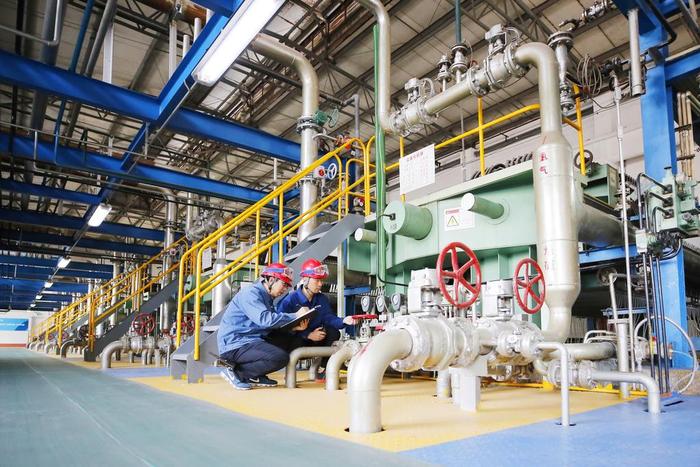
苏州工业园区与沙特国际电力和水务公司签约
news flash· 2025-06-30 02:39
Group 1 - The signing ceremony took place on June 29 between Suzhou Industrial Park and Saudi International Power and Water Company [1] - The chairman of Saudi International Power and Water Company, Abunayyan, expressed the intention to leverage Jiangsu's abundant resources in the new energy sector to increase investments in renewable energy, green hydrogen, and seawater desalination [1] - The collaboration aims to contribute more to the economic and social development of Jiangsu [1]
“蓝色会客厅”助力海洋产业升级
Xin Lang Cai Jing· 2025-06-13 03:45
Group 1 - The Shandong Provincial Oceanic Administration, in collaboration with the Development and Reform Commission and Shandong Ocean Group, held a meeting to promote the rapid development of the marine private economy, focusing on the challenges faced by this sector [1][4] - The "Blue Guest Hall" service platform was launched to provide integrated services for marine private enterprises, including policy support, talent acquisition, technology assistance, funding, and project matching [1][3] - Qingdao Mingyue Seaweed Group highlighted the dependency on imported seaweed raw materials, which constitutes 80% of their supply, indicating supply chain instability as a key constraint for the seaweed bioproducts industry [2][4] Group 2 - The meeting featured discussions on various enterprises' needs, such as Shandong Lubei Biyuan's seawater desalination project, which has a total investment of approximately 1.5 billion RMB, with the first phase completed and operational since 2022 [3][4] - Financial institutions expressed their commitment to support marine enterprises, with one institution reporting a 15% increase in support for over 1,200 enterprises compared to the previous year [5][6] - The Shandong Provincial Macro-Economic Research Institute emphasized the importance of private enterprises in driving modernization and high-quality development, encouraging them to take a leading role in marine economic growth [4][5]