
餐饮服务

Search documents
本帮菜 是乡土底色更是多元交融
Jie Fang Ri Bao· 2026-02-17 00:31
Core Perspective - The article explores the unique culinary culture of Shanghai, emphasizing the deep-rooted flavors of local cuisine and its evolution over time, particularly during the Lunar New Year celebrations [1][4]. Group 1: Shanghai's Culinary Identity - Shanghai's local cuisine, known as "Benbang cuisine," is characterized by its rich flavors, combining salty and sweet elements, and is deeply influenced by the city's history as a melting pot of various regional cuisines [1][3]. - The integration of other regional cuisines, such as Huaiyang, Suzhou, and Shandong, has enriched Benbang cuisine, making it a distinctive representation of Shanghai's culinary landscape [1][2]. Group 2: Cultural Fusion and Adaptation - The article highlights the presence of Cantonese cuisine in Shanghai, with dishes like shrimp dumplings and rice rolls becoming integral to local dining culture, especially during festive occasions [2]. - The adaptation of international dishes, such as Borscht and fried pork chops, into the local culinary scene showcases Shanghai's ability to blend traditional and modern flavors [3]. Group 3: Changing Dining Experiences - The dining experience during the Lunar New Year is evolving, with families increasingly opting for unique experiences that combine traditional meals with leisure activities, reflecting a desire for relaxation and connection with nature [3][4]. - The rising disposable income of Shanghai residents, projected to reach 92,000 yuan by 2025, allows for greater access to high-quality ingredients, further diversifying the culinary offerings [3]. Group 4: The Essence of "Nian Wei" - The concept of "Nian Wei" (the flavor of the New Year) in Shanghai is multifaceted, representing not just food but also cultural identity and family unity, adapting to modern societal changes while maintaining traditional values [4].
(新春走基层)小桌年夜饭成新风尚:团圆重氛围 消费更多元
Xin Lang Cai Jing· 2026-02-16 10:54
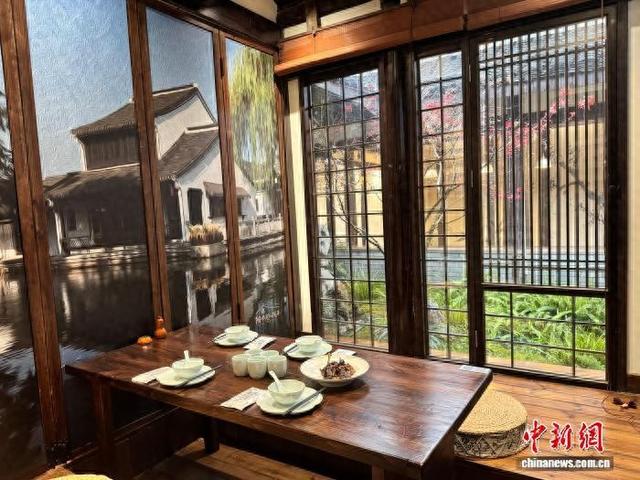
中新网绍兴2月16日电 题:小桌年夜饭成新风尚:团圆重氛围 消费更多元 作者 项菁 "以前就想菜品多、摆满一大桌,现在觉得一家人小聚更自在,餐厅还能围炉煮茶,同样温馨又热 闹。"往年的年夜饭,浙江杭州市民张婷一家三口主要跟亲戚家拼桌,今年他们选择了本地一家环境雅 致的私房菜餐厅,早早预订了三人套餐。 作为中国人辞旧迎新的重要仪式,近些年,年夜饭的餐桌规模正悄然发生变化,小桌化趋势明显。除了 动辄十人的大桌团圆饭,两人、三四人的精致小桌,或是温馨便捷的自助餐形式,已成为不少民众的过 年新选择。 绍兴一家 餐厅推出的年夜饭四人包间。项菁 摄 在绍兴,不少餐饮商家敏锐捕捉到这一趋势,积极推出适配小家庭的年夜饭。如"阳明先生的院子"餐厅 今年首次推出年夜饭小桌套餐。该餐厅店长顾丽霞受访时介绍,这两年大桌年夜饭的需求量依然可观, 但咨询小桌套餐的客人也在逐年增加,今年特地推出小桌套餐,满足不同家庭的需求。 今年春节假期长达九天,"旅行过年"成为不少家庭的选择,一家人的年夜饭也随之安排在旅行目的地城 市。部分餐饮酒店精准捕捉这一需求,推出形式多样的年夜饭。 绍兴鲁迅故里是每年春节期间游客的热门打卡地。景区附近、鲁迅笔下的 ...

上海小南国(03666)拟溢价约16.7%配售最多4.426亿股配售股份
智通财经网· 2026-02-16 08:40
假设最多4.426亿股配售股份已悉数获配售,所得款项总额及所得款项净额(经扣除配售佣金及其他相关 开支)预计分别约为1240万港元及1210万港元。本公司拟将配售事项所得款项净额用作本集团一般营运 资金。 智通财经APP讯,上海小南国(03666)发布公告,于2026年2月16日,本公司与配售代理订立配售协议, 本公司已有条件地同意通过配售代理按尽力基准以配售价每股配售股份0.028港元向不少于六名承配人 配售最多4.426亿股配售股份。 假设于本公告日期至完成日期期间,已发行股份数目并无变动,则配售股份的最高数目4.426亿股相当 于本公告日期本公司现有已发行股本的约16.7%;及经配发及发行配售股份而扩大的本公司已发行股本的 约14.3%。配售价0.028港元较股份于配售协议日期在联交所所报收市价每股0.024港元约溢价约16.7%。 ...
上海小南国拟溢价约16.7%配售最多4.426亿股配售股份
Zhi Tong Cai Jing· 2026-02-16 08:40
上海小南国(03666)发布公告,于2026年2月16日,本公司与配售代理订立配售协议,本公司已有条件地 同意通过配售代理按尽力基准以配售价每股配售股份0.028港元向不少于六名承配人配售最多4.426亿股 配售股份。 假设于本公告日期至完成日期期间,已发行股份数目并无变动,则配售股份的最高数目4.426亿股相当 于本公告日期本公司现有已发行股本的约16.7%;及经配发及发行配售股份而扩大的本公司已发行股本的 约14.3%。配售价0.028港元较股份于配售协议日期在联交所所报收市价每股0.024港元约溢价约16.7%。 假设最多4.426亿股配售股份已悉数获配售,所得款项总额及所得款项净额(经扣除配售佣金及其他相关 开支)预计分别约为1240万港元及1210万港元。本公司拟将配售事项所得款项净额用作本集团一般营运 资金。 ...
大年夜 团圆饭
Xin Lang Cai Jing· 2026-02-16 06:46
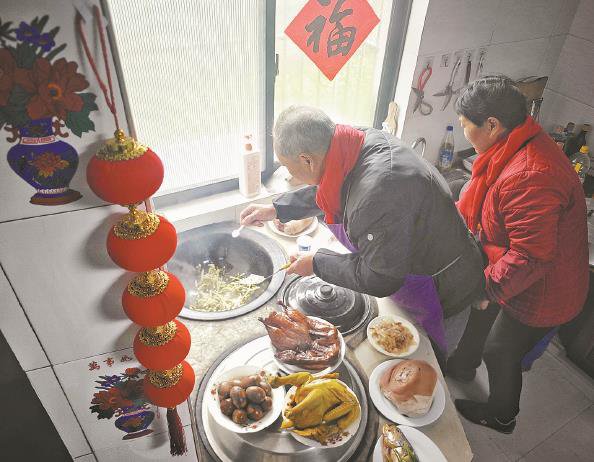
本报记者 陶磊 摄影报道 人气火爆 申城老字号 今天早晨,虽下着小雨,沪上老字号依旧人气火爆。淮海中路光明邨大酒家门前,为年夜饭购买卤味熟 菜的市民排队超过百米,最早的凌晨四时就来等待开门采买。 鱼肉飘香 渔村老灶头 今天一早,金山区山阳镇渔业村2组村民沈会云家忙着张罗年夜饭。灶台上摆满了已经烧好的菜肴: 鸡、鸭、鱼、肉,还有金山嘴渔村最有特色的年菜——鳗鲞烧肉,这是海边人家对"年年有余"最好的诠 释。夫妻俩配合默契,很快为家人准备了一桌丰盛的菜肴,大家一起过团圆幸福年。 本报记者 刘歆 摄影报道 ...
“行走的年夜饭”活动举行 潮州菜飘香德国法兰克福
Nan Fang Ri Bao Wang Luo Ban· 2026-02-16 01:14
Core Viewpoint - The event "2026 Happy Spring Festival - Walking New Year's Dinner" held in Frankfurt, Germany, showcases Chaozhou cuisine and culture, emphasizing its significance as a bridge for cultural exchange between China and Germany [1] Group 1: Event Overview - The event took place from February 11 to 13, featuring a culinary team from the Chaozhou Catering Association presenting traditional banquets and snacks to over 400 attendees from political, business, and educational sectors [1] - Two different dinner formats were offered, including a twelve-course traditional banquet and a buffet featuring classic snacks like marinated goose and beef balls, highlighting the diverse appeal of Chaozhou cuisine [1] Group 2: Cultural Significance - The event is a significant step in promoting Chaozhou's culinary brand and culture internationally, following its recognition as a "World Food Capital" [1] - The president of the Chaozhou Catering Association, Lin Yiqiang, stated that this initiative aligns with the "Guangdong Goods Go Global" campaign, aiming to enhance the global presence of Chaozhou cuisine and its intangible cultural heritage [1] Group 3: Diplomatic Perspective - The Chinese Consul General in Frankfurt, Huang Yiyang, emphasized that culinary culture serves as an important bridge for cultural exchange among nations, suggesting that the event will strengthen Sino-German relations and promote mutual understanding [1]
多家影视、餐饮A股公司喜迎“春节档”
Huan Qiu Wang· 2026-02-16 01:05
Group 1: Automotive Rental Market - The demand for car rentals is increasing due to the upcoming Spring Festival, with both rental order volume and user scale showing year-on-year growth. Notably, the booking volume for new energy vehicle rentals has increased sixfold compared to last year [1] Group 2: Film Industry - Several listed companies are involved in the production or investment of films for the 2026 Spring Festival, with "Flying Life 3" having the highest participation from A-share listed companies, including China Film (600977.SH), Hengdian Film (603103.SH), Wanda Film (002739.SZ), and Bona Film (001330.SZ) [1] - China Film has announced that "Star River in Dream" is its first produced film for the Spring Festival, and it has also participated in "Boonie Bears: Year of the Bear" and "Silent Awakening" [1] - Hengdian Film has participated in "Boonie Bears: Year of the Bear" and "Star River in Dream" [1] - Financial analysts predict that the extended nine-day holiday will enhance viewing demand, leading to an upward trend in box office revenue during the Spring Festival period [1] Group 3: Catering Industry - Multiple listed companies in the catering sector have prepared for the New Year's Eve dinner scene and pre-packaged meal gift boxes. Companies such as Yuyuan Group (600655.SH), Shuanghui Development (000895.SZ), Anjiexin Food (603345.SH), Weizhi Flavor (605089.SH), Wens Foodstuff Group (300498.SZ), and Guolian Aquatic Products (300094.SZ) have developed products for New Year's Eve pre-packaged meal gift boxes [4]


5年点2000多次外卖的顾客突然失去消息,餐馆老板全网寻人!最新后续:该顾客已报平安
Mei Ri Jing Ji Xin Wen· 2026-02-15 00:34
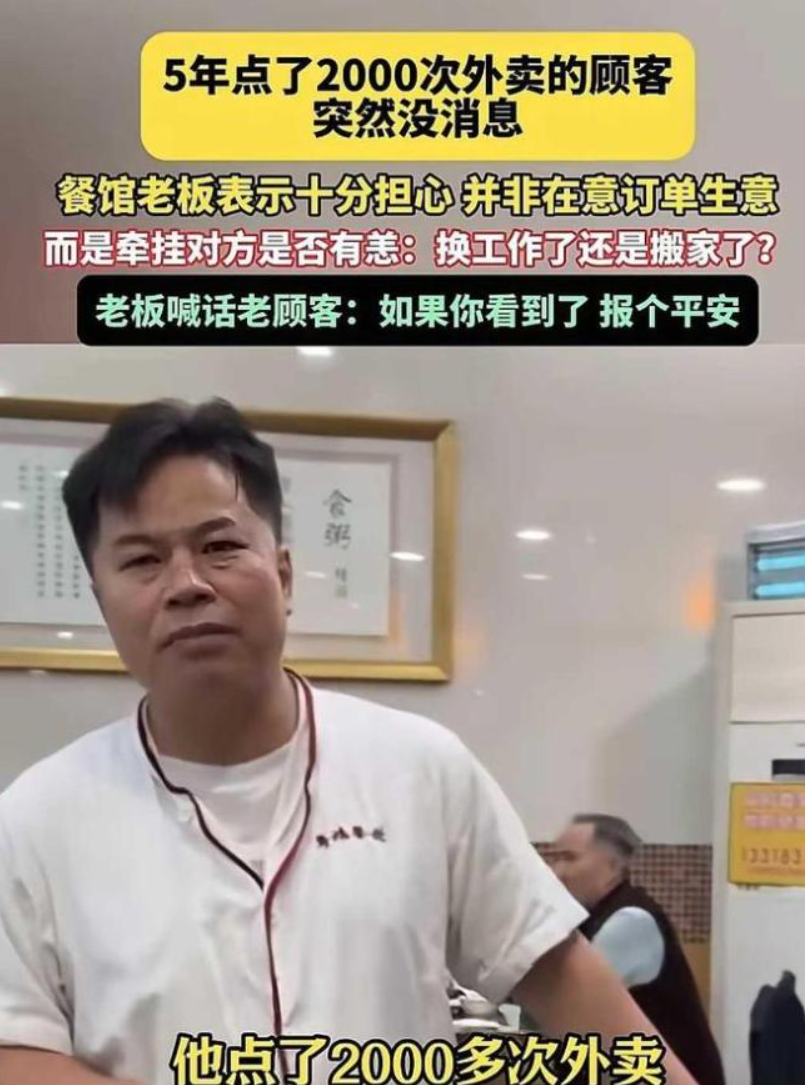
每经编辑|段炼 向江林 近日,广东佛山禅城一间餐饮店的老板吴先生求助,称有一位顾客5年内点了他家店的外卖两千余次,相当于一天起码点一次,甚至一天两次,但从去年 开始,这名顾客就没有再下过单。 吴先生希望能寻找这位顾客,"报个平安也好。" 在店铺里,还有一张贴有"外卖老友专座"的椅子,吴先生表示是为这名老顾客准备的。吴先生与这位"外卖老友"相识五年多,却从未见过面。两千多次的 订单积累下来,吴店长早已熟记对方的喜好。餐饮店品牌负责人曾经试图通过外卖平台找人,但最终还是无法和对方"相认"。 记者随后联系外卖平台,平台回应称,不会向商家或第三方提供用户个人信息,只能在合规前提下协助核验。由于信息有限,目前无法找到当事人。因 此,商家与平台决定以"喊话"方式发布寻人信息,希望能找到这位老顾客或知情者,只为报个平安,让牵挂的心能放下。 记者从外卖平台也了解到,该名用户表示,没想到引发意外关注,一切都好,请各位放心。 一份"失联"的真心牵挂 素未谋面的温暖 却是人间最温暖的模样 编辑|段炼 向江林 校对|董兴生 每日经济新闻综合自央视网、佛山新闻、广东广播电视台、南方都市报 老板寻找老友的餐饮店。 2月13日,该餐饮店品 ...
百味烹出幸福年(文化中国行·中国年味 时代气象)
Ren Min Ri Bao· 2026-02-14 23:37
"美食之都"四川成都—— 一桌火锅,红油翻滚,荟萃巴蜀食材,涮烫出红红火火的节日图景;一席料理,恪守传统技艺,融入创 新巧思,引领着健康饮食的新春风尚;一盘回锅肉,甄选食材,古法烹饪,翻炒出地道农家的团圆滋 味……作为中国首个"世界美食之都",成都的年味,既藏在张灯结彩的街头,也飘在寻常人家的厨房。 ——编 者 一桌火锅—— 红汤翻滚,升腾巴蜀年味 火锅是四川人的心头好,是春节寓意日子"红红火火"的美味象征,也是春熙路吼堂老火锅店厨师长文学 平的"看家本领"。投身餐饮行业20多年来,文学平对火锅的"灵魂"有深切体会——好吃的火锅,一看底 料,二看食材,缺一不可。 春节前夕,春熙路街头熙熙攘攘。在日常备料之外,吼堂老火锅还组织起现场炒料,让食客一览"巴蜀 味道的诞生"。 每逢炒料,文学平一大早就忙活起来:进仓库,逛市场,备齐糍粑辣椒、牛油、豆瓣酱、花椒等主料和 香葱、芹菜、生姜、冰糖、醪糟等辅料。"花椒选汉源的,麻而不苦;豆瓣酱挑郫都两年以上的老豆 瓣,酱香浓郁;辣椒用贵州子弹头增香、重庆石柱红增辣。"文学平说。 直径逾1.5米的大铁锅架起,一场4个多小时的精心炒制就此展开。牛油融化、油温升至150摄氏度以 上 ...
5年点2000多次外卖的顾客突然失去消息!餐馆老板全网寻人,后续来了
Xin Lang Cai Jing· 2026-02-14 23:35
近日,广东佛山禅城一间餐饮店的老板吴先生求助,称有一位顾客5年内点了他家店的外卖两千余次, 相当于一天起码点一次,甚至一天两次,但从去年开始,这名顾客就没有再下过单。 吴先生希望能寻找这位顾客,"报个平安也好。" 吴先生希望能寻找这位顾客,"报个平安也好。" 在店铺里,还有一张贴有"外卖老友专座"的椅子,吴先生表示是为这名老顾客准备的。吴先生与这 位"外卖老友"相识五年多,却从未见过面。两千多次的订单积累下来,吴店长早已熟记对方的喜好。餐 饮店品牌负责人曾经试图通过外卖平台找人,但最终还是无法和对方"相认"。 在店铺里,还有一张贴有"外卖老友专座"的椅子,吴先生表示是为这名老顾客准备的。吴先生与这 位"外卖老友"相识五年多,却从未见过面。两千多次的订单积累下来,吴店长早已熟记对方的喜好。餐 饮店品牌负责人曾经试图通过外卖平台找人,但最终还是无法和对方"相认"。 记者随后联系外卖平台,平台回应称,不会向商家或第三方提供用户个人信息,只能在合规前提下协助 核验。由于信息有限,目前无法找到当事人。因此,商家与平台决定以"喊话"方式发布寻人信息,希望 能找到这位老顾客或知情者,只为报个平安,让牵挂的心能放下。 2月1 ...