
茶叶

Search documents
共庆国际茶日:“茶和天下·雅集”系列活动在新加坡举办
人民网-国际频道 原创稿· 2025-05-22 08:31
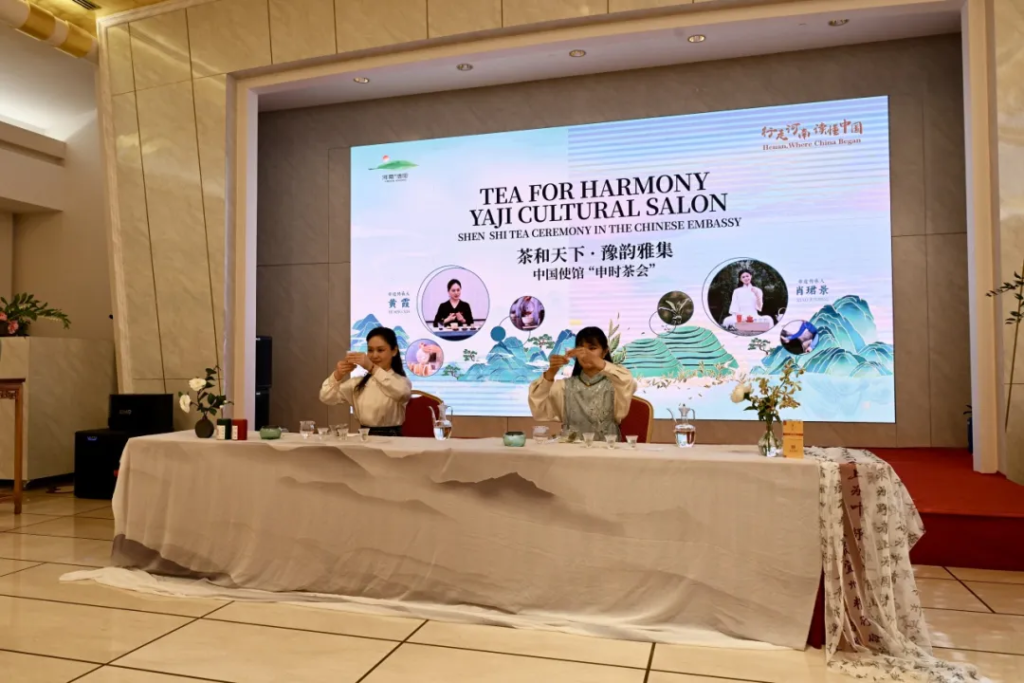
Group 1 - The article highlights the celebration of International Tea Day on May 21, with a series of events titled "Tea and Harmony: Elegant Gatherings" organized by the Singapore Chinese Cultural Centre, attracting over 1,000 offline participants and 3.3 million online interactions, showcasing Chinese tea culture and enhancing cultural exchanges between China and Singapore [1] - The "Tea and Harmony: Elegant Gatherings" event featured a special tea tasting session called "Shenshi Tea" with a focus on Henan's Xinyang Maojian tea, emphasizing the etiquette and philosophy of Chinese tea culture, attended by around 60 guests including diplomats and cultural figures [2][3] - The cultural promotion and tea exhibition for Xinyang Maojian tea took place from May 9 to 11, showcasing the rich cultural heritage and contemporary innovations of Xinyang Maojian tea to the Singaporean public [4] Group 2 - The cultural promotion event included a presentation by the Deputy Director of Xinyang's Cultural and Tourism Bureau, highlighting the poetic narrative of "one tea, one dish, one landscape," integrating local attractions and cuisine with tea culture [4] - The tea culture exhibition featured interactive experiences and displays of traditional tea-making techniques, allowing visitors to taste the tea and appreciate various cultural products, including Henan's ceramics and traditional crafts [6] - The "Tea and Harmony: Qinyun Elegant Gatherings" events included knowledge sharing on tea culture and performances of traditional music and tea ceremonies, enriching the experience of tea appreciation and cultural understanding [8]

“茶都”杭州带来了哪些“新意”?
Hang Zhou Ri Bao· 2025-05-22 03:19
Core Insights - The 7th China International Tea Expo is currently taking place in Hangzhou, attracting tea enthusiasts from around the world to celebrate tea culture [1] - Hangzhou is a significant birthplace of Chinese tea culture, with a long history of tea production, and is focusing on promoting tea culture and industry development [1] Industry Overview - The tea industry in Hangzhou is set to have a tea plantation area of 558,000 acres and a tea production volume of 33,000 tons in 2024, reflecting a 5.3% increase from the previous year [1] - The expo features a dedicated "Hangzhou Pavilion" showcasing the achievements of the local tea industry, emphasizing the integration of AI technology in tea production [1] Exhibition Details - The exhibition is divided into display and sales areas, featuring various tea products, including traditional and innovative tea items [2] - The event will continue until May 25, allowing attendees to taste and purchase quality tea products, as well as participate in online tea culture activities through mobile platforms [2]
“我是羽芽儿” 中国茶叶博物馆首位AI员工上岗
Hang Zhou Ri Bao· 2025-05-22 02:32
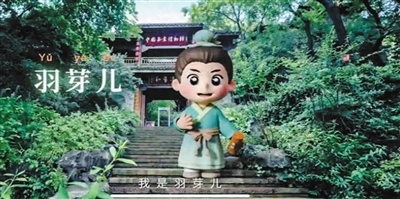
Group 1 - The 7th China International Tea Expo opened in Hangzhou on May 21, 2025, coinciding with the International Tea Day, promoting Chinese tea culture and international tea industry development with the theme "521·I AI Tea" [2] - The China Tea Museum will focus on "Technology Empowerment, Cultural Innovation, and Beautiful Coexistence," launching three major brand activities: "Four Seasons AI Tea Poetry Conference," "2025 Hangzhou 'West Lake Longjing' Creative Tea Utensil Design Competition," and "2025 China Tea Person Home National Selection Competition" [2] - The China Tea Museum aims to integrate tea culture, industry, and technology, positioning "Chinese tea" as a key to understanding China globally [2] Group 2 - The "West Lake Longjing" Creative Tea Utensil Design Competition, themed "West Lake Tea Leaves, Creativity Without Boundaries," aims to select tea utensil designs that reflect Hangzhou's tea culture and have market value, promoting the "Three Teas Integration" innovative brand [3] - The "China Tea Person Home" selection activity, established in 2009, has expanded from Hangzhou to the Yangtze River Delta and globally, conducting over 100 free training sessions and reaching more than 30,000 households [3] - The series of activities will include lectures and tastings, enhancing public interaction and showcasing the charm of Chinese tea culture [3]
宝藏之城丨梵净山下的这“抹”绿色,飘香全球
Xin Hua She· 2025-05-22 00:20
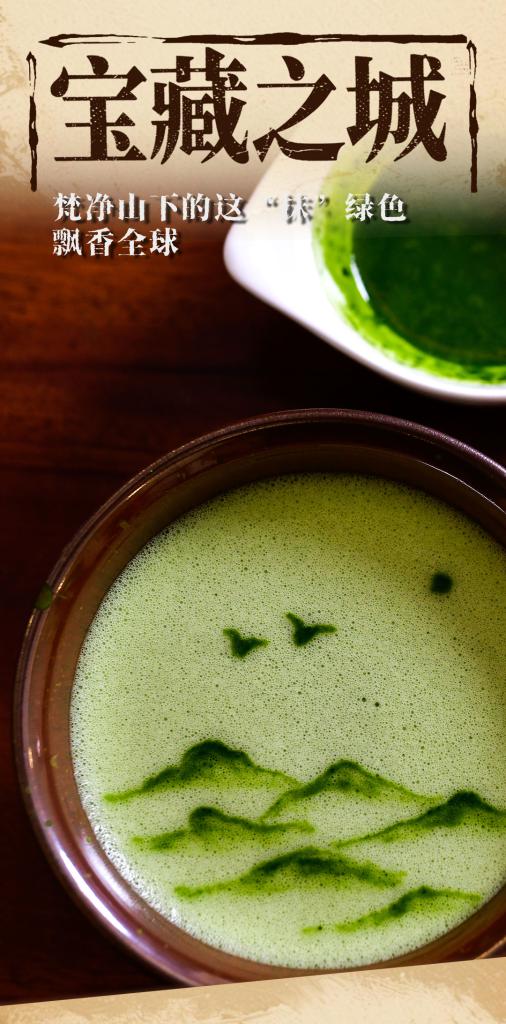
Core Viewpoint - The article highlights the emergence of Jiangkou County in Guizhou Province as a significant hub for matcha production, showcasing its potential in the global market and the positive impact on local employment and economy [4][27]. Industry Overview - Jiangkou County is referred to as the "world's matcha super factory," with high-standard raw material bases and production lines, including the largest single matcha refining workshop globally [4]. - The expected matcha production in Jiangkou County for 2024 is projected to reach 1,300 tons, generating a revenue of 302 million yuan, and creating job opportunities for nearly 100,000 people in the surrounding areas [4]. Market Expansion - Matcha products from Jiangkou are exported to over 40 countries and regions, including the United States, Canada, Russia, Japan, Singapore, and Saudi Arabia [4]. - By 2025, China's total matcha production is anticipated to exceed 5,000 tons, with Guizhou accounting for one-fourth of the national output [27]. Technological Advancements - The production process of matcha involves over 20 meticulous steps, including shading, picking, and grinding, which are now being automated to enhance efficiency and address labor shortages [16][23]. - The integration of technology in matcha production is described as an "industrial revolution" for the tea industry, improving productivity and quality [23]. Cultural Significance - Matcha, with its rich history and modern appeal, is not only a beverage but also a fashionable element in cultural tourism, reflecting a blend of tradition and innovation [15][20]. - The article emphasizes the importance of matcha in promoting Chinese tea culture globally, with local experts like Wei Yong actively participating in education and product development [25][26].
国际茶日,一片树叶写传奇!
Xin Hua She· 2025-05-22 00:20
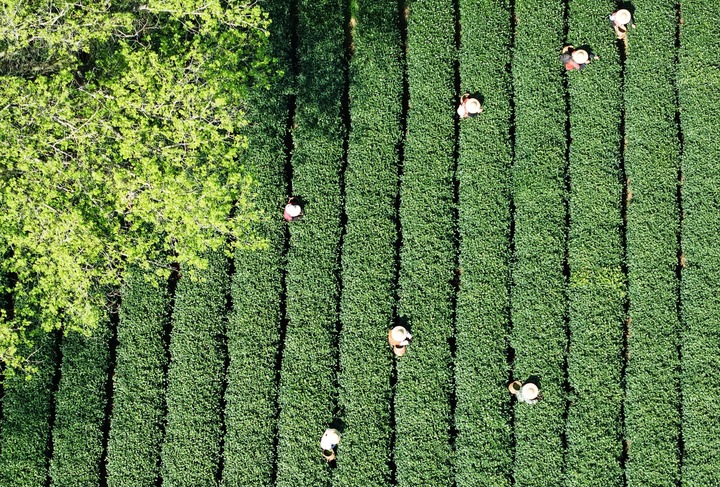
Core Insights - Tea is recognized as one of the three major beverages globally, with its origins in China and a significant cultural and economic impact [1][10]. Industry Overview - As of 2024, China's tea garden area remains stable at approximately 50 million acres, with tea production expected to exceed 3.7 million tons [1]. - The tea industry in China is characterized by a diverse range of products, including green tea, black tea, oolong tea, and specialty teas, supported by ongoing technological innovations [7]. Economic Impact - The tea industry has a substantial economic footprint, with the development of tea-related tourism and local economies. For instance, the Wenxin Tea Village in Henan attracted over 160,000 visitors during the recent holiday, benefiting over 20,000 local farmers with an average annual income increase of over 30,000 yuan [3][6]. - The comprehensive output value of Yingde black tea in Guangdong is projected to exceed 10 billion yuan by 2025, showcasing the industry's growth potential [6]. Technological Advancements - The tea sector is experiencing significant technological advancements, including the development of new tea tree varieties and innovative processing techniques that enhance product quality and efficiency. The mechanization rate for premium tea processing has reached over 90% [7]. - Research institutions are focusing on improving seed innovation capabilities and developing diverse, convenient tea products to meet the evolving consumer demands, particularly among younger demographics [7]. Cultural Significance - Tea is deeply embedded in Chinese culture, symbolizing hospitality and social connection. Various tea types and their production techniques have been recognized as national intangible cultural heritage [10]. - The global tea culture has expanded, with over 60 countries producing tea and more than 2 billion people consuming it, establishing tea as a significant cultural symbol worldwide [10].
大别山下崛起茶产业新势力
Xin Hua Wang· 2025-05-21 11:40
Core Insights - The tea industry in Dawu County, Hubei Province, is experiencing significant growth and transformation, particularly in matcha and yellow tea production [1][4] - The county has established a modern agricultural management system and matcha production techniques, creating a benchmark for tea industry empowerment in the Dabie Mountains [1][4] Matcha Production - Dawu County has developed a 3,000-acre matcha cultivation and production base, enhancing the quality and yield of tea leaves through a 20-day shading process [1][3] - In the previous year, the matcha production in Jindun Village reached over 200 tons, generating nearly 100 million yuan in revenue [3] Yellow Tea Production - The introduction of an intelligent yellow tea production line in Zhu Wan Village has allowed for the processing of nearly 10,000 jin (approximately 5,000 kg) of fresh leaves daily, meeting high market demand [4] - The transformation of previously discarded summer and autumn tea leaves into yellow tea has increased the income of tea farmers by over 2,000 yuan per mu (approximately 0.067 hectares), benefiting more than 2,200 farmers [4] Industry Overview - Dawu County has 23 leading enterprises in tea agriculture, producing approximately 14,000 tons of tea annually, with a total industry output value exceeding 2.5 billion yuan [4]
以茶为媒 共话未来:从国际茶日看中国茶的全球之路
新华网财经· 2025-05-21 10:00
Group 1: Tea Culture - Tea is a cultural messenger that has traversed time, deeply embedded in Chinese civilization, from ancient practices to modern interpretations [3][4] - The inclusion of "Chinese traditional tea-making techniques and related customs" in the UNESCO Intangible Cultural Heritage list highlights tea's significant cultural impact globally [3] - Tea serves as a cultural bridge in international relations, promoting mutual understanding and respect through its rich traditions [3][4] Group 2: Tea Industry - The tea industry is a new engine for economic development and a key component of rural revitalization in China [5][6] - The "Three Tea" coordinated development approach is guiding the tea industry towards standardization, modernization, and scalability [5] - There is a focus on optimizing the industry structure and cultivating internationally influential regional brands and enterprises [5][6] Group 3: Tea Technology - Tea technology is driving the evolution of the tea industry, integrating traditional practices with modern innovations [7][8] - Smart tea gardens and digital production lines exemplify the technological advancements enhancing tea production efficiency and quality [7] - The development of tea technology aims to provide consumers with high-quality tea products and innovative experiences [7][8] Group 4: Three Tea Coordination - The "Three Tea" coordination promotes cultural exchange and cooperation globally, using tea as a medium for dialogue and understanding [9][10] - The initiative contributes to sustainable agricultural development and economic prosperity, showcasing Chinese wisdom and solutions [9][10] - The company aims to deepen the "Three Tea" practice and enhance international exchanges, ensuring the global presence of Chinese tea culture [9][10]
5月22日,到汕尾陆丰赴一场茶香盛宴
Nan Fang Nong Cun Bao· 2025-05-21 07:02
Core Points - The first Lu Feng Tea Culture Tourism Promotion Season and Tea King Competition will be held on May 22, 2025, at the cultural center of Lu Feng City, aiming to promote Lu Feng tea culture and support high-quality development of the tea industry [2][3][27] - The event will showcase traditional tea-making techniques and modern technology integration, including IoT monitoring and AI optimization, revitalizing the Lu Feng tea industry [9][10] - The Tea King Competition will feature a blind evaluation by experts, ensuring fairness and highlighting the quality of Lu Feng tea [12][15][17] Industry Development - The event is part of the "Hundred Million Project" initiated by the Lu Feng government, focusing on rural revitalization through tea culture [3][27] - A seminar on building a modernized tea industry chain will be held during the event, discussing topics from seedling technology to e-commerce marketing [20][21] - The integration of traditional and modern elements in the event, including performances and the announcement of a tea culture ambassador, reflects the diverse development of Lu Feng tea culture [24][25] Event Details - The Tea King Competition will take place on May 22, from 10:00 to 18:00, at the Lu Feng City Cultural Center [30] - A seminar on the modernized tea industry chain will occur on the same day from 20:00 to 21:00 [31] - The opening ceremony of the first Lu Feng Tea Culture Tourism Promotion Season will be held on May 23, from 9:00 to 10:00 [34]

寻迹工遗|清远英德红旗茶厂:“百亿”世界高香红茶的现代化起点
Nan Fang Nong Cun Bao· 2025-05-21 02:05
Core Viewpoint - The article highlights the historical significance and modernization of the Yingde Hongqi Tea Factory, which is considered the birthplace of Yingde black tea and a key player in the development of China's tea industry, aiming to transform into a cultural and tourism hub while maintaining its industrial heritage [18][19][120]. Group 1: Historical Background - The Yingde Hongqi Tea Factory was established in 1957 and played a crucial role in the industrialization of China's tea production, contributing significantly to the national economy by exporting approximately 40,000 to 50,000 tons of tea annually, generating nearly $50 million in foreign exchange [71][30]. - The factory has a rich history, being recognized as a national industrial tourism demonstration base and a typical case of industrial heritage protection and utilization [16][17]. Group 2: Modernization and Development - The factory is undergoing a transformation from traditional tea production to a focus on cultural tourism, with plans to develop a tea culture display platform that integrates health, education, and tourism [120][123]. - In 2021, the factory was recognized as a "Fifth Batch National Industrial Heritage," marking a new chapter in its history and emphasizing its role in the modernization of the tea industry [118]. Group 3: Economic Impact - The current tea planting area in Yingde is 181,600 acres, with a dry tea output of 15,700 tons and a comprehensive output value of 9.045 billion yuan, indicating the significant economic contribution of the tea industry to the region [127]. - The factory's revitalization efforts have directly benefited 1,662 local tea farmers, enhancing the local economy and promoting sustainable agricultural practices [109]. Group 4: Future Prospects - The factory aims to become a center for global tea craftsmanship, leveraging its historical significance and technological advancements to attract tourists and promote tea culture [146][148]. - Collaborative efforts among local tea factories are being encouraged to enhance brand promotion and market share in the red tea sector, fostering regional development [153].
福建南平11个品牌入选2025中国品牌价值榜单
Zhong Guo Chan Ye Jing Ji Xin Xi Wang· 2025-05-20 07:03
Group 1 - The "2025 China Brand Value Evaluation Information Release" event was held in Deqing, Zhejiang, attracting 1,068 brands for evaluation, with 779 brands' value information published [1] - Fujian Province had 52 brands listed, with Nanping City standing out with 11 brands selected across enterprise brands, independent innovation brands, and geographical indication regional brands [1] - In the agricultural brand category, Fujian Shengnong Development Co., Ltd. ranked first in the poultry processing industry with a brand strength of 903 and a brand value of 12.75 billion [1] Group 2 - In the machinery manufacturing sector, Nanping Sun Cable ranked 60th with a brand strength of 852 and a brand value of 1.507 billion, becoming a benchmark for industrial brands in northern Fujian [1] - In the independent innovation category, Nanping Shengnong Food ranked 6th nationally with a brand strength of 810 and a brand value of 3.803 billion; Zhengshan Tea and Fumao Liquor ranked 24th and 26th with brand values of 1.592 billion and 1.384 billion respectively [1] - The geographical indication regional brands in Nanping City are thriving, with Wuyi Rock Tea holding a brand strength of 915 and a brand value of 75.018 billion, ranking 2nd in the tea category and 3rd overall in geographical indications [2] Group 3 - Wuyi Red Tea reached a brand value of 12.136 billion, ranking 6th in the tea category and 28th overall in geographical indications; Zhenghe White Tea saw significant growth with a brand value of 7.336 billion, rising 11 places to rank 47th [2] - The public brand "Wuyi Bamboo Cube" from Shaowu City ranked prominently in the bamboo industry with a brand strength of 850 and a brand value of 22.324 billion, showing a year-on-year increase of 2.087 billion [2] - The rise of Nanping City's brand matrix indicates a shift from single product branding to an ecosystem approach, supporting rural revitalization and industrial integration [2]

