
英红九号

Search documents
广东茶产业高质量发展座谈会召开,四向发力擘画新路径
Nan Fang Nong Cun Bao· 2026-02-11 02:04
Core Viewpoint - The Guangdong province is focusing on high-quality development of the tea industry by integrating various sectors such as media, technology, and culture, aiming to enhance the value and market reach of Guangdong tea products [2][4]. Group 1: Industry Integration - The tea industry in Guangdong is leveraging the "Tea+" concept to promote deep integration with multiple sectors, extending from traditional tea consumption to health, culture, and tourism [8][9]. - New product trends include "Tea+Food," with companies like Yingde Hongcha developing innovative products such as craft beer and tea-infused snacks [10][12]. - The "Tea+Health" concept is emerging, with companies focusing on health-oriented tea products, such as Chenpi tea series, to meet modern wellness demands [15][17]. - The "Tea+Culture" initiative is enhancing local tea culture experiences, with projects like the Guangdong Phoenix Valley tea tourism complex and tea-picking activities in Jiangmen [19][21]. Group 2: Media Empowerment - Guangdong is building a "Media+" communication system to enhance brand visibility, utilizing both traditional media and online platforms to promote Guangdong tea [24][25]. - Events like the Chinese Cicada Tea Exchange Conference are being organized to deepen cultural connections and promote local tea products through various media channels [27][29]. - The establishment of unified branding at major exhibitions aims to increase public awareness and engagement with Guangdong tea [30][32]. Group 3: Technological Support - The tea industry is adopting "Technology+" to drive standardization, intelligence, and sustainability, transitioning from scale expansion to quality enhancement [40][41]. - Guangdong has established local standards for ecological tea gardens, with 230 certified gardens covering over 300,000 acres [42][43]. - Quality traceability systems are being implemented across cities, allowing consumers to track tea products from production to consumption [46][48]. - Research institutions are collaborating to advance key technologies in tea production, with significant investments in R&D for new tea products [50][52]. Group 4: Cultural Integration - The high-quality development of Guangdong's tea industry is closely tied to cultural heritage and innovation, with efforts in non-material cultural heritage protection and skill training [55][56]. - Initiatives to apply for global agricultural heritage status for local tea culture are underway, enhancing the cultural significance of Guangdong tea [62][64]. - The region is developing a complete ecological chain for new tea drinks, with over 3,000 stores nationwide and a focus on innovative product development [68][70].


“媒体+”消费:暖冬到清远,优惠享不停!
Nan Fang Nong Cun Bao· 2025-12-20 15:34
Group 1 - The "Warm Winter Consumption Season" and "Five Major Billion Yuan Celebrations" event has officially launched in Guangzhou, aimed at promoting local products and creating business opportunities [4][5] - The initiative will distribute over 18 million yuan in consumer vouchers from now until the end of March next year, implementing various discount measures to enhance consumer experience [5][6] - The campaign includes a wide range of consumer vouchers covering scenic spots, hotels, restaurants, and entertainment venues, with discounts structured to meet diverse consumer needs [10][11] Group 2 - The "Eat in Qingyuan" dining vouchers and exclusive Meituan coupon packages are available, allowing consumers to enjoy up to 200 yuan in discounts on local specialties [15][16] - A comprehensive consumer map has been created to guide visitors through various shopping and dining options, including local markets and night markets, enhancing the overall consumer experience [20][24] - The event features live demonstrations and exclusive discounts on local products, with significant sales increases reported, such as a doubling of sales for certain items during the event [36][42]
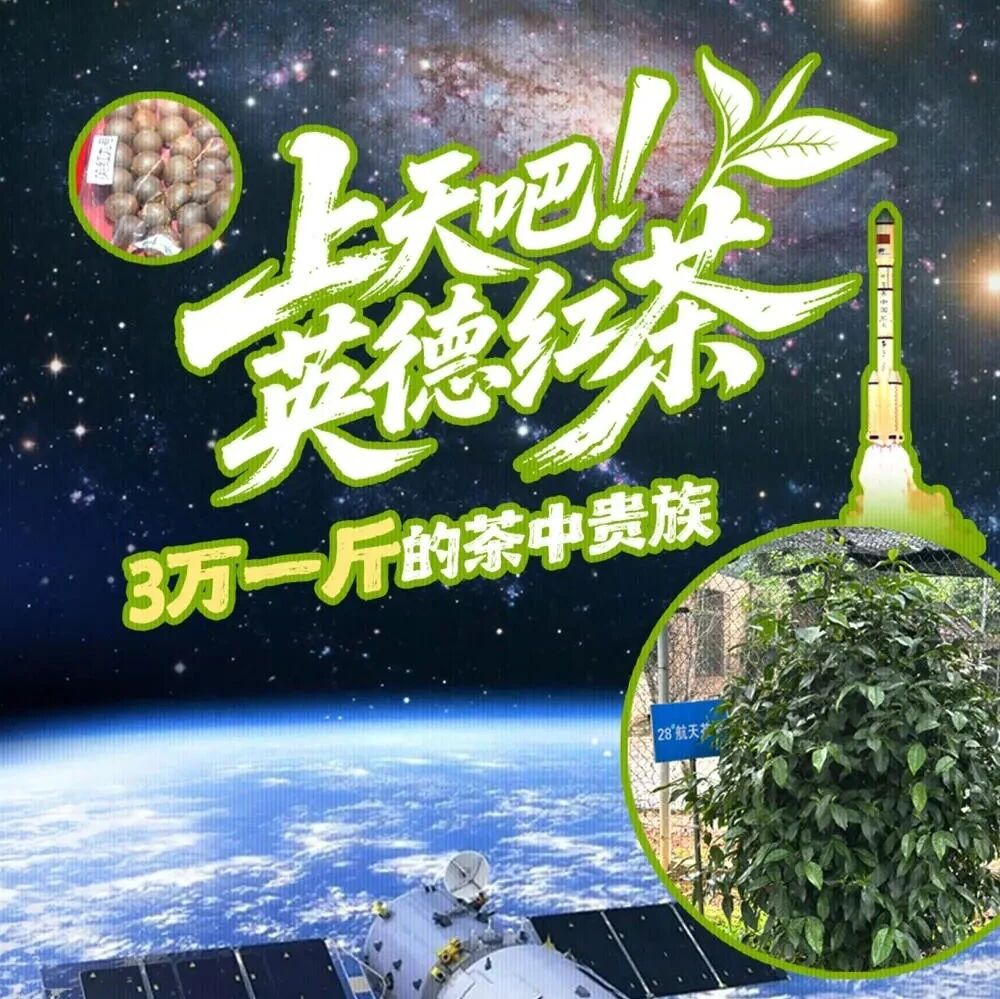
3万元一斤!这茶藏着全国第一的底气
21世纪经济报道· 2025-09-27 11:26
Core Viewpoint - Yingde Black Tea has achieved a brand value of 5.178 billion yuan, ranking first in the national black tea category for the first time, driven by multi-dimensional exploration from market to source, integrating consumption and innovation [1][12]. Group 1: Brand Value and Market Position - Yingde Black Tea is recognized as one of China's three major black teas, alongside Yunnan Dianhong and Anhui Qihong, known for its core characteristics of "rich, pure, sweet, and fragrant" [3]. - The core variety, Yinghong No. 9, has evolved from a tea tree variety to a commercial name and now a public brand name, showcasing successful agricultural technology commercialization [3]. - As of the end of 2024, Yingde's tea plantation area reached 181,600 acres, with an annual dry tea output of 18,000 tons, achieving a comprehensive output value of 9.045 billion yuan, aiming for a target of 10 billion yuan [11][12]. Group 2: Innovation and Technology - The space breeding experiment conducted in 2016 aimed to address the weaknesses of Yinghong No. 9, leading to the successful cultivation of a unique space mother tree, which has now expanded to over 2,000 plants [5][8]. - The introduction of modern breeding techniques, including molecular-assisted breeding, has significantly shortened the breeding cycle from 10-15 years to 3-5 years, enhancing the competitiveness of Yingde Black Tea [8][10]. - The high-end product line, including the premium Yinghong No. 9 gold tips priced at nearly 30,000 yuan per pound, reflects the brand's ability to command high premiums due to raw material scarcity and complex production processes [10]. Group 3: Market Expansion and Consumer Engagement - Yingde Black Tea has successfully expanded its market through collaborations, such as the partnership with Heytea to launch the "Yinghong Cheese Glutinous" series, achieving sales of 800,000 cups in a single day [10]. - The brand has diversified its product offerings, including innovative items like lychee cold brew black tea and red tea ice cream, enhancing its market presence and consumer engagement [10]. - The establishment of promotional centers in regions like Xinjiang aims to increase brand awareness and influence, further supporting the high-quality development of Yingde Black Tea [12].
科技赋能岭南特色现代农业,省农科院多领域发力支撑产业体系建设
Nan Fang Nong Cun Bao· 2025-08-25 10:30
Core Viewpoint - The article discusses the acceleration of agricultural modernization in Guangdong Province, driven by technological innovation and the establishment of a modern agricultural industry system focusing on Lingnan特色农业 [2][4]. Group 1: Policy and Strategic Initiatives - Guangdong Province has introduced action plans such as the "Guangdong Province Modernization Industry System 2025 Action Plan" and the "Modern Agricultural Industry Cluster Cultivation Action Plan (2025-2027)" to promote the development of Lingnan特色现代农业 [3][4]. - The goal is to create "千百十" billion-level industrial clusters, establishing a modern agricultural industry system that is structurally sound, complete in its supply chain, and has distinct advantages [5][6]. Group 2: Technological Innovation in Seed Industry - The Guangdong Academy of Agricultural Sciences emphasizes seed industry innovation as a key component of agricultural modernization, developing a comprehensive innovation system from variety cultivation to technical integration and deep processing [10][11]. - The Academy has achieved significant results in rice breeding, with 41 major rice varieties cultivated and promoted over an area exceeding 10 million mu, establishing Guangdong as a leader in rice seed innovation [15][16]. Group 3: Livestock and Aquaculture Innovations - The Academy has established a national key laboratory for pig and poultry breeding and has developed the "Lingnan Yellow Chicken No. 5," addressing critical industry challenges and achieving a market share of 15% [20][21]. - Innovations in ecological farming practices have led to the reconstruction of modern桑基鱼塘生态循环 systems, promoting sustainable aquaculture and enhancing resource utilization efficiency [24][31]. Group 4: Value Chain Extension in Specialty Agriculture - The Academy has made strides in the lychee industry by developing ultra-low temperature preservation technology, allowing for year-long storage and addressing seasonal sales issues [36][37]. - In the tea industry, the "Yinghong No. 9" variety has become the dominant cultivar, with a planting area of 154,400 mu, significantly increasing brand value and annual output per mu [42][44]. Group 5: Future Directions - The Academy plans to continue empowering Lingnan特色现代农业 through initiatives such as enhancing seed innovation capabilities, advancing digital agriculture, and supporting modern marine ranching construction [45][48].
@山东老丝儿:英德红茶8家茶企将亮相济南茶博会啦!
Nan Fang Nong Cun Bao· 2025-06-19 03:34
Group 1 - The 19th International Tea Industry Expo and the 13th Tea Culture Festival will be held in Jinan, Shandong from June 20 to 23 [2][3] - Eight tea companies from Yingde will participate in the expo, showcasing their unique tea products and culture [2][6] - A promotional tasting event will take place on June 20, featuring tea performances, cultural explanations, and interactive tastings [5][6] Group 2 - Jiqingli Tea Industry Co., Ltd. is recognized as one of the top enterprises in the Yingde black tea industry, focusing on tea cultivation, production, sales, and cultural promotion [10][11] - Guangdong Yinghong Farmer Ecological Technology Tea Co., Ltd. has over 13,600 acres of tea gardens and a central intelligent processing plant of over 10,000 square meters, processing 600,000 pounds of dry tea annually [19][20] - Yingde Red Flag Tea Factory, established in 1959, has a brand series known for its strong and fresh quality, and its old factory area has been applied for national industrial heritage status [33][36] Group 3 - Shangmingxuan Tea Co., Ltd. has over 5,000 acres of ecological tea gardens and has received multiple national and international awards for its products [41][43] - Guangdong Mingcui Tea Co., Ltd. integrates planting, research, production, and sales, with a focus on high-standard tea production [52][58] - Guangdong Hongyan Tea Co., Ltd. is a technology-driven tea company producing "Hongyan" brand products, emphasizing health and quality [65][67] Group 4 - Yingde City Huihe Agricultural Development Co., Ltd. was established in 2016, with 1,300 acres of ecological tea gardens, producing various types of tea without the use of harmful substances [74][78] - Yingde City Guochang Tea Co., Ltd. focuses on digital intelligent production and has over 20,000 square meters of processing facilities [87][89]
有鲜则名,有水则灵——央视《走遍中国》走进清远
Nan Fang Nong Cun Bao· 2025-06-04 02:34
Core Viewpoint - Qingyuan is highlighted as a region rich in natural resources and cultural heritage, leveraging its ecological advantages to promote rural revitalization and economic growth through sustainable practices and local specialties [5][8][46]. Group 1: Agricultural Development - Qingyuan's chicken industry has a comprehensive output value exceeding 11.1 billion, with an annual output of 158 million chickens, making it a leading product in the region's agricultural sector [13][14]. - The tea industry in Yingde, known as the "World Red Tea Hometown," has a brand value surpassing 5.178 billion, with one in six residents engaged in tea-related work [19][20]. - The bamboo shoot industry in Qingyuan has a comprehensive output value projected to exceed 10.965 billion by the end of 2024, with an annual production of 1.5136 million tons [27][28]. Group 2: Economic Transformation - The North River, as Qingyuan's main waterway, is being transformed into an economic driver, with local initiatives enhancing tourism and local businesses, leading to a collective economic income increase from 6.9 million to 15.9 million in a year [35][36]. - The integration of agriculture and tourism in San Keng Town is revitalizing the local economy, with various specialty industries flourishing alongside hot spring tourism [39][40]. - The region's focus on ecological preservation and sustainable development is creating a model for modern Chinese urbanization, balancing economic growth with environmental stewardship [46][48].
广东省佛冈县市场监督管理局关于2025年第五期食品监督抽检信息的通告
Zhong Guo Zhi Liang Xin Wen Wang· 2025-05-23 08:58
Core Points - The announcement from the Food Safety Supervision and Administration Bureau of Fogang County details the results of the fifth phase of food safety supervision sampling for 2025, which included 94 batches of various food products, with 93 passing and 1 failing the inspection [2][4]. Group 1: Inspection Results - A total of 94 batches of food products were sampled, including tea, alcoholic beverages, catering food, edible agricultural products, grain products, starch and starch products, edible oils, vegetable products, bean products, and seasonings [2][4]. - Out of the 94 batches, 93 were found to be compliant with safety standards, while 1 batch was deemed non-compliant [2][4]. - The non-compliant product was green skin chili from Hongping Furniture (Fogang) Co., Ltd., which failed due to excessive levels of the pesticide dichlorvos, with a detected level of 0.075 mg/kg against a standard limit of 0.02 mg/kg [2][4]. Group 2: Actions Taken - The Fogang County Market Supervision Administration has initiated an investigation into the non-compliant product and its producer, requiring them to trace the product's distribution, recall the affected items, and implement corrective measures [2][4]. - The administration has mandated that the retailer immediately remove the non-compliant product from shelves to mitigate risks and has taken legal action as necessary [2][4]. Group 3: Consumer Guidance - Consumers are advised to purchase food from reliable sources, retain purchase receipts, and check packaging for essential information such as production dates, expiration dates, and ingredient lists [3]. - It is recommended to avoid purchasing products without clear labeling, expired items, or those previously identified as non-compliant [3]. - For fresh agricultural products, consumers should select items from vendors with public inspection results and consume them promptly to maintain freshness and nutritional value [3].
南农晨读 | 美“荔”到泉城
Nan Fang Nong Cun Bao· 2025-05-22 06:36
Group 1 - Guangdong Provincial Committee has issued 28 reform measures to promote the "Hundred Counties, Thousand Towns, and Ten Thousand Villages High-Quality Development Project" [3][5][6] - The measures focus on enhancing county-level development mechanisms, industrial development systems, new urbanization, rural revitalization, and urban-rural coordination [4][5][6] Group 2 - China has added three new globally significant agricultural cultural heritage systems, bringing the total to 25, maintaining its leading position worldwide [9][10][12] - The newly recognized systems include the Gansu Gaolan Shichuan Ancient Pear Garden, Zhejiang Deqing Freshwater Pearl Composite Breeding System, and Fujian Fuding White Tea Culture System [9][10][11] Group 3 - The 2025 Guangdong "Consumption Assistance Summer Action" has officially launched, aiming to promote agricultural products and cultural tourism [24][25][26] - The event features a two-day product selection meeting showcasing nearly 200 quality products from across the country [27][28] Group 4 - The 2025 Maoming Lychee Carnival has commenced, with major procurement and logistics platforms promoting Maoming lychees nationwide [35][36][48] - The event includes a display area for Maoming agricultural products, facilitating interaction and sales connections [49][50] Group 5 - The first Lufeng Tea Culture Tourism Promotion Season and Tea King Competition will be held to promote tea culture and support high-quality development of the tea industry [53][55] - Lufeng tea has a long history and is known for its unique "rock fragrance" [56][57]
寻迹工遗|清远英德红旗茶厂:“百亿”世界高香红茶的现代化起点
Nan Fang Nong Cun Bao· 2025-05-21 02:05
Core Viewpoint - The article highlights the historical significance and modernization of the Yingde Hongqi Tea Factory, which is considered the birthplace of Yingde black tea and a key player in the development of China's tea industry, aiming to transform into a cultural and tourism hub while maintaining its industrial heritage [18][19][120]. Group 1: Historical Background - The Yingde Hongqi Tea Factory was established in 1957 and played a crucial role in the industrialization of China's tea production, contributing significantly to the national economy by exporting approximately 40,000 to 50,000 tons of tea annually, generating nearly $50 million in foreign exchange [71][30]. - The factory has a rich history, being recognized as a national industrial tourism demonstration base and a typical case of industrial heritage protection and utilization [16][17]. Group 2: Modernization and Development - The factory is undergoing a transformation from traditional tea production to a focus on cultural tourism, with plans to develop a tea culture display platform that integrates health, education, and tourism [120][123]. - In 2021, the factory was recognized as a "Fifth Batch National Industrial Heritage," marking a new chapter in its history and emphasizing its role in the modernization of the tea industry [118]. Group 3: Economic Impact - The current tea planting area in Yingde is 181,600 acres, with a dry tea output of 15,700 tons and a comprehensive output value of 9.045 billion yuan, indicating the significant economic contribution of the tea industry to the region [127]. - The factory's revitalization efforts have directly benefited 1,662 local tea farmers, enhancing the local economy and promoting sustainable agricultural practices [109]. Group 4: Future Prospects - The factory aims to become a center for global tea craftsmanship, leveraging its historical significance and technological advancements to attract tourists and promote tea culture [146][148]. - Collaborative efforts among local tea factories are being encouraged to enhance brand promotion and market share in the red tea sector, fostering regional development [153].
22款产品入选!“百家手信”名单出炉
Nan Fang Nong Cun Bao· 2025-05-19 13:32
Core Insights - The "Hundred Families Handicrafts" selection event concluded in Guangzhou, showcasing 22 outstanding agricultural products selected from 156 entries, highlighting quality, popularity, and innovation [2][3][30] Group 1: Award Categories - Five major award categories were announced: "Best Agricultural Handicraft," "Most Popular," "Best Flavor Recommended by Media," "Innovation Award," and "Heritage Craftsmanship Award" [9][30] - The "Best Agricultural Handicraft Award" recognized products such as the Zijin Cicada Tea from Heyuan, the luxurious gift box from Yingde, volcanic sweet potatoes from Zhanjiang, and Ma Ba oil sticky rice from Shaoguan [16][20][25] Group 2: Product Highlights - The Zijin Cicada Tea is noted for its unique heritage tea-making technique, while the Yingde gift box combines traditional tea with Lingnan aesthetics [22][23] - Zhanjiang's volcanic sweet potatoes leverage the region's volcanic soil, offering a sweet and soft texture that redefines consumer perceptions of sweet potatoes [24] - Ma Ba oil sticky rice, with a 4000-year cultivation history, is recognized for its long, oily grains and aromatic qualities [25] Group 3: Popularity and Market Trends - The "Most Popular Agricultural Handicraft Award" reflects market choices, with products like the black mountain prickly pear jelly from Guizhou gaining traction among younger consumers due to its health benefits [30][32] - Innovative products such as the "one tea multiple drinks" concept from Yinghong No. 9 and the quick-cooking characteristics of Zhang Jiuling's rice noodles cater to modern consumer lifestyles [33][34] Group 4: Flavor and Innovation - The "Best Flavor Recommended by Media Award" showcased products that blend regional flavors, such as the Tian Ci prickly pear juice from Guizhou and the Dongjiang fish from Hunan, which utilizes fresh-locking technology [39][41] - The "Innovation Award" highlighted products like Dongjiang fish with diversified flavors and the premium traceable ginseng from Jilin, transforming traditional products into luxury items [48][50] Group 5: Heritage and Craftsmanship - The "Heritage Craftsmanship Award" honored products that maintain traditional techniques, such as the dried vegetable hearts from Qingyuan and organic blueberry puree from Guizhou, emphasizing authenticity and quality [54][56] - The event aims to elevate these products from local specialties to national favorites, enhancing the visibility of China's agricultural diversity [60][62] Group 6: Market Expansion - Award-winning products will be available through the Guangdong Regional Cooperation Consumer Assistance Product Trading Center, which features a network of 44 support entities and 70 online stores [63][64] - The trading center aims to promote over 8000 types of high-quality agricultural products from various regions, covering a wide range of categories [66]