Telecommunications Equipment

Search documents
方兴东、徐玮| 生态围剿:终端全面崛起的代价
Guan Cha Zhe Wang· 2025-06-15 01:27
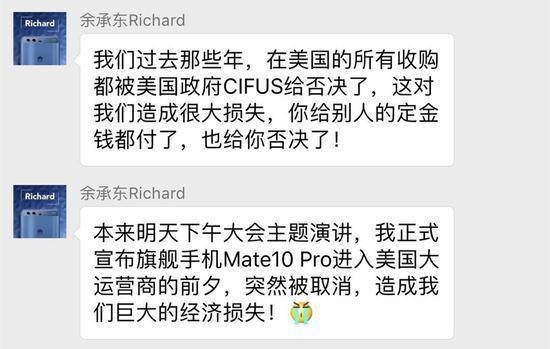
Core Viewpoint - The article discusses the escalating technological competition between the U.S. and China, particularly focusing on Huawei's challenges and strategic responses to U.S. sanctions and restrictions on its operations, especially regarding software and hardware supply chains [1][2][3]. Group 1: U.S.-China Technological Competition - The U.S. has adopted a "America First" approach, leading to a series of sanctions against Chinese companies like Huawei and ZTE, marking a significant escalation in tech competition [1][2]. - Huawei has been preparing for potential sanctions for nearly a decade, initially underestimating the severity of U.S. actions, but has since recognized the need for a robust response [2][3]. Group 2: Huawei's Strategic Response - In response to the looming threat of sanctions, Huawei's leadership convened to discuss the development of an independent operating system, recognizing the risks of dependency on Android [2][3]. - The company assessed that while it could rely on older versions of Android for a limited time, the long-term viability of its overseas smartphone business was at risk without a new operating system [2][3]. Group 3: Market Dynamics and Huawei's Growth - Despite the challenges, Huawei's market presence grew significantly, with a reported revenue of 858.8 billion RMB in 2019, a 19.1% increase year-on-year, and a consumer business revenue of 467.3 billion RMB, up 34% [12]. - Huawei's smartphone shipments exceeded 240 million units in 2019, marking a 17% increase, and it became the largest supplier of 5G phones globally, with 6.9 million units shipped [12]. Group 4: Impact of U.S. Sanctions - The cancellation of Huawei's partnership with AT&T was a significant setback, highlighting the impact of U.S. government actions on Huawei's business prospects in the U.S. market [4][7]. - The political climate in the U.S. has increasingly influenced the relationship between Huawei and American companies, leading to a more hostile environment for Huawei's operations [7][15]. Group 5: Future Outlook and Development - Huawei's development of its operating system, HarmonyOS, is seen as a critical step in achieving technological independence and countering U.S. sanctions [16][17]. - The company aims to create a system that can run Android applications while maintaining its unique features, reflecting a strategic pivot in response to external pressures [16][17].

信科移动: 关于募投项目延期的公告
Zheng Quan Zhi Xing· 2025-06-13 09:30
Core Viewpoint - The company has decided to extend the implementation deadlines for its fundraising projects related to 5G technology until December 31, 2026, due to delays in project progress and changes in market conditions [1][7][10]. Group 1: Fundraising Overview - The company raised a total of RMB 413,668.75 million from its initial public offering, with a net amount of RMB 401,132.53 million after deducting issuance costs [2]. - The funds have been fully received and are being managed in dedicated accounts as per regulatory requirements [2][3]. Group 2: Project Details - The fundraising projects include "5G Wireless System Product Upgrade and Technology Evolution R&D Project," "5G Industry Private Network and Intelligent Application R&D Project," and "5G Fusion Antenna and New Indoor Distribution Equipment R&D Project" [1][3]. - The total planned investment for these projects is RMB 400,000 million, with an actual excess of RMB 1,132.53 million [3][4]. Group 3: Project Delay Reasons - The delay in project implementation is attributed to the slowdown in 5G network construction by major clients and the longer development cycle for 5G-A technology [7][9]. - As of December 31, 2024, the investment progress for the projects was reported at 66.16%, 61.64%, and 72.20% respectively [8][9]. Group 4: Impact and Compliance - The extension of the project deadlines does not alter the intended use of funds, total investment, or project implementation entities, ensuring no adverse impact on the company's operations or shareholder interests [9][10]. - The company will continue to adhere to relevant regulations and guidelines to ensure effective management of the raised funds [9][10].

任正非提到罗登义、屠呦呦和黄大年!他眼中的基础理论研究显然并非纯理论,为什么?
Sou Hu Cai Jing· 2025-06-13 02:57
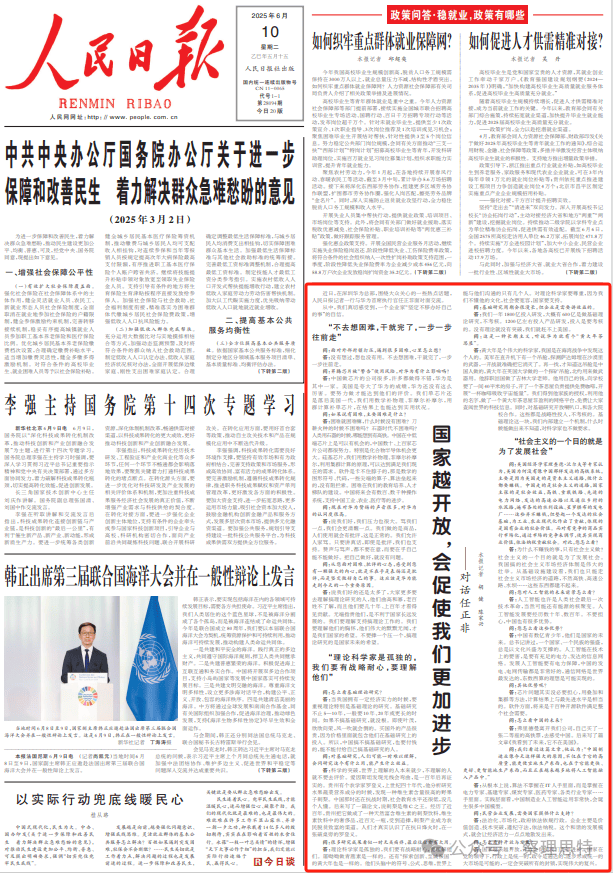
Core Viewpoint - Ren Zhengfei, the founder of Huawei, recently gave an interview to People's Daily, marking his return to the public eye amid significant geopolitical tensions, particularly the ongoing US-China trade negotiations and the impact on China's chip industry [4][5]. Group 1: Huawei's Response to External Pressures - Huawei is facing a full-chain blockade from the US on its chip industry, which has forced China to rebuild an independent chip supply chain [4]. - In the interview, Ren emphasized a proactive approach to external pressures, stating, "Just do it, step by step" [4]. - Ren acknowledged the exaggeration of Huawei's achievements by the US and expressed that external criticism helps Huawei remain vigilant [4]. Group 2: Research and Development Focus - Huawei's R&D expenditure for 2024 is projected to be 179.7 billion yuan, accounting for approximately 20.8% of its total revenue, with cumulative R&D investment exceeding 1.249 trillion yuan over the past decade [5][6]. - Ren highlighted that around 60 billion yuan of the R&D budget is allocated to fundamental theoretical research, which is not subject to performance evaluation, while about 120 billion yuan is focused on product development [6]. - The company employs a significant number of R&D personnel, with approximately 54.1% of its total workforce dedicated to research and innovation [10]. Group 3: Intellectual Property and Innovation - Huawei leads in global patent applications, with 6,600 applications in 2024, significantly outpacing competitors like Samsung and Qualcomm [10]. - The company has transformed its patent portfolio into a revenue-generating asset, earning 560 million USD from intellectual property in 2023 [10]. - Ren's commitment to innovation is rooted in Huawei's history, where he emphasized the importance of having proprietary technology over merely acting as a reseller [8]. Group 4: Broader Implications for Chinese Technology - The interview reflects a broader trend among Chinese companies prioritizing independent R&D and innovation, which is reshaping global industry dynamics [11][12]. - China's stance in international negotiations, particularly regarding technology and resources, indicates a firm commitment to maintaining its position without concessions [12]. - Ren's assertion that "the era of begging for survival is over" signifies a shift in mindset towards self-reliance and resilience in the face of external challenges [10][12].
南财观察|深圳新一轮综改“置顶”,不止于吸引顶尖科学家
2 1 Shi Ji Jing Ji Bao Dao· 2025-06-12 13:45
Group 1 - Shenzhen has attracted top global talent, with 920 scholars selected as top 2% scientists, leading the nation in R&D personnel [1][6] - The recent policy document emphasizes the integration of education, technology, and talent reform as a priority for Shenzhen's development [1][2] - Shenzhen's R&D expenditure intensity reached 6.46% in 2023, with corporate R&D investment consistently above 90%, peaking at 93.3% [6][7] Group 2 - The new policy aims to create a collaborative network among government, industry, academia, and research, enhancing the role of enterprises in innovation [2][9] - Shenzhen's educational institutions are rapidly evolving, with 17 universities established and a focus on aligning higher education with economic needs [6][11] - The establishment of the Shenzhen Medical Academy, led by renowned scientist Yan Ning, reflects the city's commitment to innovative research and talent cultivation [9][10] Group 3 - The policy encourages a market-oriented approach to research management, allowing for greater autonomy in project selection and funding allocation [9][10] - Young researchers and teams are highlighted as key drivers of innovation, with a significant proportion of research personnel being under 40 years old [8][11] - Shenzhen's experience in integrating education and industry serves as a model for national talent development strategies [11][12]

Nokia expands IP routing portfolio to utilities with new platforms to boost smart grid modernization
Globenewswire· 2025-06-12 13:00
Core Viewpoint - Nokia is significantly expanding its IP routing portfolio to support utilities transitioning to smart grid technologies, enhancing its 7705 Service Aggregation Router and 7250 Interconnect Router platforms to meet the growing demand for secure and high-performance networking infrastructure [1][3]. Group 1: Industry Context - Utilities globally are implementing smart grid technologies to address challenges such as climate disruptions and cyber threats, while also integrating distributed energy resources to achieve net-zero emissions targets [2]. - Smart grids enhance operational efficiency and real-time monitoring, ensuring compliance with evolving regulations and preparing the grid for future demands [2]. Group 2: Nokia's Technological Advancements - Nokia's new routing solutions provide end-to-end, secure, and adaptable IP routing that scales from the enterprise edge to the data center core, facilitating the evolution of utilities' communications infrastructure for smart grid technologies [3]. - The 7705 SAR and 7250 IXR platforms offer advanced capabilities for application-aware communications, supporting legacy systems and ensuring precise frequency and time synchronization across the grid [3]. - The platforms are designed to counter cybersecurity threats, including those posed by quantum computing, through advanced quantum-safe MACsec encryption [3][4]. - With increasing bandwidth demands from substation CCTV cameras and sensors, the new platforms can scale to 100 GE and 400 GE to support critical applications and future high-capacity services [3]. Group 3: Customer Needs and Commitment - Energy customers require networks that provide not only bandwidth but also resilience against harsh conditions and preparedness for quantum-era threats, which Nokia aims to address with its latest platform enhancements [4].


AI代码补全哪家强?两个新指标+一套新框架,让模型更懂开发者
量子位· 2025-06-12 08:17
Core Viewpoint - The article discusses how ZTE's AIM team has developed two new evaluation metrics and a repository-level code corpus processing framework to enhance AI code completion tools, making them more aligned with developer needs [1][2]. Group 1: New Evaluation Metrics - The team introduced two new metrics: Longest Common Prefix (LCP) and ROUGE-LCP, which are designed to better reflect user perceptions of code completion quality [6][8]. - LCP focuses on the longest continuous matching characters from the start of the output sequence, emphasizing the importance of the initial part of the AI's suggestion for user acceptance [10]. - ROUGE-LCP normalizes LCP by the length of the reference sequence, allowing for fair comparisons across different lengths of completion samples [12]. Group 2: Code Corpus Processing Framework - The SPSR-Graph framework was developed to help AI models understand complex code repository structures and semantic dependencies, moving beyond limited contextual understanding [14][15]. - This framework constructs a specialized code knowledge graph that models structural information and cross-file dependencies, enhancing the depth of understanding for the AI model [15][19]. - The process includes strict data filtering, AST-based semantic unit extraction, and the construction of a directed graph to represent dependencies among code units [20][30]. Group 3: Experimental Results - The team conducted experiments to validate the effectiveness of the new metrics and methods, analyzing over 10,000 real user data records from ZTE-Code-Copilot [27]. - A significant positive correlation was found between LCP values and user acceptance rates, with Pearson correlation coefficients exceeding 0.69, indicating that higher LCP values lead to increased user adoption [31][38]. - The new metrics outperformed traditional evaluation metrics in correlating with user acceptance rates, demonstrating their ability to capture user behavior and intent more accurately [43]. Group 4: Future Prospects - The team aims to further explore the adaptability of LCP and ROUGE-LCP metrics across various code generation tasks and model types [51]. - There are plans to integrate the SPSR-Graph method with reinforcement learning techniques to enhance the model's reasoning capabilities and expand its application to more complex software engineering domains [52].


华为版《黑客帝国》首次亮相:训推复杂AI前先“彩排”,小时级预演万卡集群
量子位· 2025-06-11 05:13
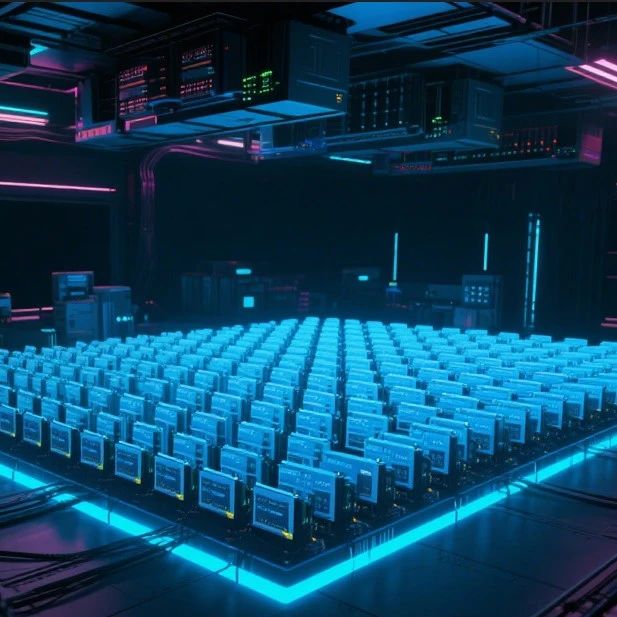
Core Viewpoint - Huawei has introduced a "digital wind tunnel" technology that allows for virtual environment simulations before training complex AI models, aiming to reduce over 60% of computational waste caused by hardware resource mismatches and system coupling [1][2]. Group 1: Digital Wind Tunnel - The digital wind tunnel serves as a virtual platform for simulating AI model training and inference processes, enabling early problem detection and configuration optimization [1][3]. - This technology is likened to automotive wind tunnel testing, where it helps in avoiding inefficiencies during the training phase of AI models [2][3]. Group 2: Sim2Train Platform - Huawei's Sim2Train platform simulates the training process to identify optimal hardware configurations and training strategies, enhancing the performance of Ascend devices [5][9]. - The platform employs a modular approach to build complex models and analyze resource consumption, improving the efficiency of large-scale training clusters [7][8]. Group 3: Sim2Infer Platform - The Sim2Infer platform enhances end-to-end inference performance by 30% through multi-level modeling and simulation of inference systems [13]. - It includes features such as load characteristic simulation, hardware architecture analysis, deployment strategy description, and automatic search optimization for model structures and configurations [14]. Group 4: Sim2Availability Framework - The Sim2Availability framework ensures high availability of large models on clusters by simulating various faults and their impacts, thereby improving system reliability [16][17]. - It utilizes a Markov model to monitor the state of the system and analyze recovery strategies for different types of hardware failures [18][20].
昇腾 AI 算力集群有多稳?万卡可用度 98%,秒级恢复故障不用愁
第一财经· 2025-06-10 11:25
Core Viewpoint - The article emphasizes the importance of high availability in AI computing clusters, likening them to a "digital engine" that must operate continuously without interruptions to support business innovation and efficiency [1][12]. Group 1: High Availability and Fault Management - AI computing clusters face complex fault localization challenges due to their large scale and intricate technology stack, with current fault diagnosis taking from hours to days [2]. - Huawei's team has developed a comprehensive observability capability to enhance fault detection and management, which includes cluster operation views, alarm views, and network link monitoring [2][12]. - The average AI cluster experiences multiple faults daily, significantly impacting training efficiency and wasting computing resources [2]. Group 2: Reliability and Performance Enhancements - Huawei's reliability analysis model aims to improve the mean time between failures (MTBF) for large-scale clusters to over 24 hours [3]. - The introduction of a multi-layer protection system and software fault tolerance solutions has achieved a fault tolerance rate of over 99% for optical modules [3]. - Training efficiency has been enhanced, with linearity metrics showing 96% for dense models and 95.05% for sparse models under specific configurations [6]. Group 3: Fast Recovery Mechanisms - Huawei has implemented a multi-tiered fault recovery system that significantly reduces training recovery times to under 10 minutes, with process-level recovery achieving as low as 30 seconds [9][10]. - The introduction of instance-level recovery techniques has compressed recovery times to under 5 minutes, minimizing user impact during faults [10]. Group 4: Future Directions and Innovations - Huawei's six innovative solutions for high availability include fault perception and diagnosis, fault management, and optical link fault tolerance, which have led to a cluster availability rate of 98% [12]. - Future explorations will focus on diverse application scenarios, heterogeneous integration, and intelligent autonomous maintenance to drive further innovations in AI computing clusters [12].

昇腾 AI 算力集群有多稳?万卡可用度 98%,秒级恢复故障不用愁
雷峰网· 2025-06-10 10:30
Core Viewpoint - The article discusses how Huawei enhances the efficiency and stability of AI computing clusters, emphasizing the importance of high availability to support continuous operation and minimize downtime in AI applications [2][16]. Group 1: High Availability Core Infrastructure - AI computing clusters face complex fault diagnosis challenges due to large system scale and intricate technology stacks, with fault localization taking from hours to days [4]. - Huawei has developed a full-stack observability capability to improve fault detection and management, which includes a fault mode library and cross-domain fault diagnosis [4]. - The CloudMatrix super node achieves a mean time between failures (MTBF) of over 24 hours, significantly enhancing hardware reliability [4]. Group 2: Fault Tolerance and Reliability - Huawei's super node architecture leverages optical link software fault tolerance solutions, achieving a fault tolerance rate of over 99% for optical module failures [5][6]. - The recovery time for high-bandwidth memory (HBM) multi-bit ECC faults has been reduced to 1 minute, resulting in a 5% decrease in computing power loss due to faults [6]. Group 3: Training and Inference Efficiency - The linearity metric measures the improvement in training task speed relative to the number of computing cards, with Huawei achieving a linearity of 96% for the Pangu Ultra 135B model using a 4K card setup [10]. - Huawei's training recovery system can restore training tasks in under 10 minutes, with process-level recovery reducing this to as low as 30 seconds [12]. - For large EP inference architectures, Huawei has proposed a three-tier fault tolerance solution to minimize user impact during hardware failures [12][14]. Group 4: Future Directions - Huawei aims to explore new applications driven by diverse and complex scenarios, breakthroughs in heterogeneous integration, and innovative engineering paradigms focused on observability and intelligent autonomy [16].
VIAVI and Hanyang University Sign Memorandum of Understanding to Advance 6G Research
Prnewswire· 2025-06-10 10:30
Core Insights - VIAVI Solutions Inc. has entered into a Memorandum of Understanding with Hanyang University to collaborate on AI-RAN, 5G, and 6G research at the university's Beyond-G Global Innovation Center [1][2] - The partnership aims to advance next-generation communication technologies and foster talent in this field [5][6] Collaboration Details - VIAVI will provide wireless lab test solutions and expertise, while Hanyang University will become a VIAVI 6G Forward academic partner [1][4] - The Beyond-G Global Innovation Center was selected for the Global Innovation Research Center Support Project, receiving over KRW 5 billion annually for 10 years to support top research initiatives [3] Technological Contributions - VIAVI will contribute its NITRO® Wireless test and optimization suite, which includes a 6G testbed used by leading network equipment manufacturers and research institutions [4] - The technology will enable validation of AI-RAN, 5G, 6G, and quantum technologies, facilitating the planning and implementation of network changes [4][6] Educational Impact - The partnership will provide students with hands-on experience in cutting-edge test environments, laying the foundation for impactful research in 6G and AI-RAN [5]