锂电池

Search documents
综合整治“内卷式”竞争制度建设取得重要成果
Zhong Guo Zheng Quan Bao· 2026-01-09 20:52
Core Viewpoint - The State Administration for Market Regulation (SAMR) is accelerating the development of national standards related to the new energy vehicle, lithium battery, and photovoltaic industries to combat "involutionary" competition, which is characterized by low price, low quality, and low-level competition [1][2]. Group 1: Key Achievements in Institutional Construction - The SAMR has announced ten key institutional construction achievements aimed at addressing "involutionary" competition, including the new Anti-Unfair Competition Law and guidelines for internet platform anti-monopoly compliance [2]. - These achievements include both mandatory regulations and guiding documents, forming a comprehensive governance framework that covers all stages of market competition [2]. Group 2: Focus on New Energy Industries - The new energy vehicle, lithium battery, and photovoltaic industries are identified as strategic emerging industries, with a focus on high-quality development and the establishment of a standard system to support innovation [3][4]. - A total of 167 national standard projects have been deployed for these industries, with specific standards being developed for safety, quality management, and environmental sustainability [3]. Group 3: Specific Standards Developed - In the new energy vehicle sector, 57 national standards have been revised or established, focusing on safety, product quality, and performance evaluation [3]. - For lithium batteries, 30 national standards have been created, emphasizing safety and quality management [3]. - The photovoltaic sector has seen the establishment of 80 national standards, targeting product quality and energy efficiency [3]. Group 4: Future Actions - The SAMR plans to enhance the promotion and implementation of the established standards through various educational initiatives and collaboration with the Ministry of Industry and Information Technology [4]. - The goal is to ensure that the standards are effectively applied in the industry to foster high-quality development in the "new three types" sectors [4].
如何推动企业从拼价格向拼质量拼创新转变?
Xin Lang Cai Jing· 2026-01-09 18:42
Core Viewpoint - The central economic work conference has prioritized the comprehensive rectification of "involutionary" competition, aiming to shift industries from low-quality competition to quality enhancement through a robust regulatory framework [1][2]. Group 1: Regulatory Framework - The Market Regulation Administration has developed a series of targeted and operational institutional standards to address "involutionary" competition, resulting in ten key institutional achievements for 2025 [1][2]. - New regulations include the revised Anti-Unfair Competition Law and guidelines for internet platform antitrust compliance, aimed at improving service quality and reducing disorderly competition [1][2]. Group 2: Specific Measures - The "Basic Requirements for Service Management of Takeaway Platforms" was introduced to regulate service management, merchant management, pricing behavior, and consumer rights protection, particularly addressing the "subsidy wars" in the takeaway sector [2]. - The "Guiding Opinions on Improving Product and Service Quality of Online Trading Platforms" was established to combat low-quality, low-price phenomena in online sales, promoting a virtuous cycle of "quality for price" [2]. Group 3: Industry Standards - The "Action Plan for Standard Enhancement in New Energy Vehicles, Lithium Batteries, and Photovoltaic Industries" was issued, focusing on developing 167 national standards to promote high-quality development in these sectors [2]. - The new Anti-Unfair Competition Law, effective from October 15, 2025, strengthens regulations against typical "involutionary" competition practices, addressing issues like false evaluations and malicious competition [3][4]. Group 4: Implementation and Impact - Initial implementation of these regulations has shown positive effects, leading to more rational and orderly market competition, curbing practices like "subsidy wars" and "lowest price" strategies [3]. - The new law prohibits various deceptive practices, including organizing false evaluations and maliciously undermining competitors, thereby enhancing market order and protecting legitimate business interests [4].
市场监管总局发布十大制度成果 完善整治“内卷式”竞争政策工具
Shang Hai Zheng Quan Bao· 2026-01-09 18:39
Core Viewpoint - The article discusses the release of ten institutional achievements aimed at addressing "involution" competition by the State Administration for Market Regulation, which provides a comprehensive governance framework to ensure fair competition and promote high-quality economic development [1][2][3]. Group 1: Institutional Achievements - The ten institutional achievements include new laws and regulations, such as the Anti-Unfair Competition Law, guidelines for improving product and service quality on online trading platforms, and basic requirements for food delivery platform services [1][2]. - These achievements form a governance loop that covers preemptive, ongoing, and post-event measures to address issues in market competition, particularly focusing on the prevalent "involution" behaviors [2][3]. Group 2: Sector-Specific Strategies - The institutional design employs a categorized governance strategy tailored to different sectors, emphasizing rigid constraints in safety-critical areas and compliance guidance in innovative sectors [3]. - For instance, the regulations on the quality safety supervision of key industrial products sold online implement a list management approach to ensure product safety [3]. Group 3: Long-term Goals and Implementation - The long-term vision includes enhancing fair competition through standards and quality improvement policies, which are expected to guide industry upgrades [4]. - The State Administration for Market Regulation plans to intensify efforts to implement these new regulations effectively, transforming good laws into effective governance [5].
碳讨 | 时隔四十天 锂电池新年再掀“反内卷”
Xin Jing Bao· 2026-01-09 14:41
Core Viewpoint - The lithium battery industry is undergoing a "reverse involution" phase, with recent meetings by government bodies aimed at regulating competition and promoting high-quality development in the sector [1][2]. Group 1: Meeting Overview - The recent meeting involved 16 companies, including 13 from the power and energy storage battery sectors, and focused on preventing overcapacity and promoting self-discipline and intellectual property protection [1][2]. - Key participants included major battery manufacturers such as CATL, BYD, and others, indicating a comprehensive representation of the industry's leading players [2][4]. Group 2: Industry Challenges - The lithium battery industry is facing severe "involution" challenges, characterized by irrational competition and overcapacity, which threaten sustainable development [1][3]. - The meeting emphasized the need for market regulation, price enforcement, and enhanced quality supervision to combat these issues [3][5]. Group 3: Regulatory Measures - Proposed measures include strengthening market oversight, optimizing capacity management, and supporting industry self-regulation through associations [3][5]. - The government aims to guide companies in rational capacity layout and promote fair competition in the market [5][6]. Group 4: Industry Performance - The lithium battery sector reported revenues of 1.78 trillion yuan in the first three quarters of 2025, reflecting a year-on-year growth of 12.81% [6]. - The demand for energy storage batteries has surged, with projections indicating that by 2025, nearly one-third of batteries produced will be for energy storage applications [6][7]. Group 5: Market Dynamics - There is a notable disparity in profitability among companies, with leading firms maintaining high capacity utilization rates while smaller firms struggle [7]. - The industry is expected to see a rationalization of capacity expansion, with potential price increases in underperforming segments [7][8].


中科电气:公司不涉及半固态电池的生产制造
Zheng Quan Ri Bao Zhi Sheng· 2026-01-09 14:17
Group 1 - The company, Zhongke Electric, clarified that its main business includes lithium battery anode materials and electromagnetic equipment, and it does not engage in the production of semi-solid batteries [1] - The company noted that graphite-based anode materials are applicable in both liquid and solid-state lithium-ion batteries, with varying requirements and usage methods depending on the battery technology and specifications [1] - The company is developing silicon-carbon anodes and lithium metal anodes for solid-state batteries, with the silicon-carbon anode materials having completed pilot production lines and products passing evaluations from multiple clients, preparing for mass production [1]

中国加快“新三样”产业相关国家标准研制
Zhong Guo Xin Wen Wang· 2026-01-09 13:13
Core Insights - China is accelerating the development of national standards related to the "New Three Samples" industries, which include new energy vehicles, lithium batteries, and photovoltaic industries, to promote high-quality development [1][2] Group 1: National Standards Development - The State Administration for Market Regulation plans to implement 167 national standard projects for the "New Three Samples" industries by 2025 [1] - In the new energy vehicle sector, 57 national standards will be revised or established, focusing on safety, product quality, carbon footprint, battery recycling, and performance evaluation [1] - In the lithium battery sector, 30 new national standards will be created, emphasizing product safety, classification, quality management, and green low-carbon initiatives [1] Group 2: Photovoltaic Industry Standards - A total of 80 national standards will be established in the photovoltaic sector, concentrating on product quality safety, energy consumption limits, new high-efficiency photovoltaic cell components, and intelligent operation and maintenance of photovoltaic systems [2]
十大新规整治“内卷式”竞争!
Jin Rong Shi Bao· 2026-01-09 12:25
Group 1 - The core viewpoint of the article is the introduction of ten regulatory measures by the State Administration for Market Regulation to combat "involution" competition by 2025, aiming to enhance market fairness and quality [1][2][3] Group 2 - The new Anti-Unfair Competition Law will regulate malicious competition behaviors such as forced low-cost sales and false transactions by platform operators, providing a legal basis for addressing "involution" competition [1][4] - The implementation of the mandatory company deregistration system aims to improve market exit quality and efficiency by systematically clearing dishonest entities [1][2] - The Fair Competition Review Regulation will ensure that policies related to industrial development and government procurement undergo fair competition reviews to prevent market interference [1][2] - The draft guidelines for antitrust compliance for internet platforms will help companies identify and mitigate monopoly risks, promoting fair competition and innovation [1][2] - Guidelines for enhancing product and service quality on online trading platforms will shift focus from "involution competition" to quality improvement, emphasizing the responsibilities of platforms and operators [2] - Basic requirements for managing food delivery platforms will enhance service quality and reduce disorderly competition through defined standards for merchant management and consumer rights protection [2] - Regulations for the quality and safety supervision of key industrial products sold online will institutionalize quality control measures, ensuring consumer rights and product safety [2] - The action plan for enhancing standards in the new energy vehicle, lithium battery, and photovoltaic industries will promote high-quality development through the establishment of 167 national standards [2][3] - Measures to expand standard system openness will improve the consistency of standards in key service areas and promote international standard-setting in the digital economy [2][3] - The announcement on promoting "same line, same standard, same quality" for domestic and foreign trade products aims to reduce low-quality competition and support high-quality enterprise development [3]
一图读懂2025年综合整治“内卷式”竞争十大制度建设成果
Xin Lang Cai Jing· 2026-01-09 11:29
Group 1 - The core viewpoint of the article emphasizes the need to address "involutionary" competition, which is characterized by low price, low quality, and low-level competition that disrupts market signals and undermines long-term competitiveness of enterprises, ultimately affecting industrial structure upgrades and high-quality development [4] - The State Administration for Market Regulation has established a comprehensive and orderly regulatory framework to guide enterprises from homogeneous low-efficiency competition to high-quality and high-level competition by 2025 [4] Group 2 - The revised Anti-Unfair Competition Law enhances the recognition rules for commercial defamation and includes typical "involutionary" malicious competition behaviors, such as forcing platform operators to sell goods below cost, into the regulatory scope [6] - The implementation measures for the compulsory cancellation of company registration aim to systematically clean up dishonest entities and improve market exit quality and efficiency [7] - The draft guidelines for anti-monopoly compliance for internet platforms support and guide platform enterprises in strengthening compliance management and identifying new monopoly risks [10] Group 3 - The guidelines for improving product and service quality on online trading platforms focus on product innovation and service standardization, enhancing the responsibilities of platforms and operators, and optimizing consumer protection services [12] - The basic requirements for managing delivery platforms include merchant management, pricing behavior, and consumer rights protection, aimed at improving service quality and reducing disorderly competition [13] - The regulations on the quality safety supervision of key industrial products sold online clarify the responsibilities and obligations of e-commerce operators regarding quality safety [15] Group 4 - The action plan for enhancing standards in the new energy vehicle, lithium battery, and photovoltaic industries includes the development of 167 national standards to promote quality safety and energy efficiency, addressing "involutionary" competition in these sectors [16] - Measures to steadily expand the openness of standard systems focus on improving the consistency of standards in key service areas between domestic and international markets [17]


锂电池产业链双周报(2025、12、26-2026、01、08):1月锂电产业链预排产环比有所下降-20260109
Dongguan Securities· 2026-01-09 10:32
Investment Rating - The industry investment rating is "Overweight" [1] Core Insights - The lithium battery industry is expected to maintain optimistic demand outlook for 2026, despite a decrease in pre-production for January [45] - The recent implementation of the "2026 Automobile Trade-in Subsidy Implementation Details" is anticipated to stabilize market expectations and stimulate the expansion of the new energy vehicle market [45] - The solid-state battery technology is progressing, with the first solid-state battery pack successfully installed in a vehicle, indicating a shift from laboratory validation to real vehicle testing [45] Summary by Sections Market Review - As of January 8, 2026, the lithium battery index has decreased by 0.85% over the past two weeks, underperforming the CSI 300 index by 2.90 percentage points [12] - The lithium battery index has increased by 0.97% month-to-date, also underperforming the CSI 300 index by 1.36 percentage points [12] Price Changes in the Lithium Battery Supply Chain - As of January 8, 2026, the average price of battery-grade lithium carbonate is 138,600 CNY/ton, up 19.38% over the past two weeks [25] - The price of lithium hydroxide (LiOH 56.5%) is 136,700 CNY/ton, increasing by 33.24% in the same period [25] - The price of lithium iron phosphate is 47,100 CNY/ton, up 11.88% [28] - The price of hexafluorophosphate lithium has decreased by 12.5% to 157,500 CNY/ton [31] Industry News - The first solid-state battery pack developed by Hongqi has been successfully installed in the Hongqi Tian Gong 06 model, marking a significant milestone in solid-state battery technology [40] - The Ministry of Commerce and other departments have issued guidelines for the 2026 automobile trade-in subsidy, which is expected to stimulate the new energy vehicle market [40] Company Announcements - Companies like Ningde Times and Tianqi Lithium have announced plans for production adjustments and expansions, indicating ongoing developments in the lithium battery supply chain [42][46]



暴增350%!楚能新能源全年出货量超90GWh!
起点锂电· 2026-01-09 10:20
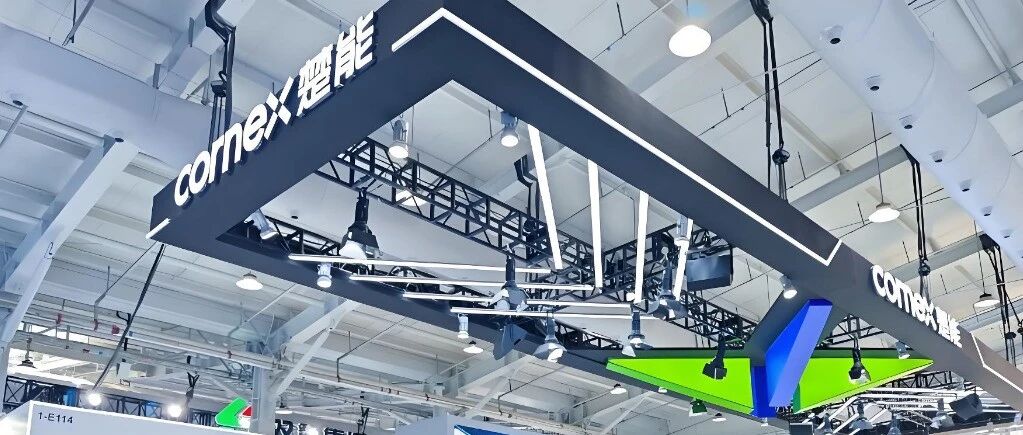
Core Viewpoint - Chuangneng New Energy is set to achieve a significant milestone in 2025, with a projected battery shipment volume exceeding 90 GWh, marking a 350% increase compared to 2024's shipment of over 20 GWh, positioning the company as a leader in the market [3][4]. Group 1: Energy Storage Business Growth - The company has secured over 100 GWh in new energy storage orders for 2025, contributing to a monthly shipment volume that surpassed 10 GWh in October [4][8]. - Key contracts include a strategic cooperation agreement with Telomay for 5 GWh of energy storage cells and a partnership with Immersa for 2.5 GWh of battery products [5][6]. - Domestic contracts include a 500 MWh project with China Power Construction and a 2920 MWh order from China Electrical Equipment Group [8]. Group 2: Expansion in Power Battery Market - Chuangneng's power battery shipments reached 4.8 GWh from January to November 2025, ranking 13th in the industry, with significant partnerships established with major manufacturers like Dongfeng and FAW [10][11]. - The company is also venturing into the heavy-duty electric truck market, providing high-capacity batteries for new models [12]. - A strategic alliance with Tianji Lithium Battery aims to expand into the small power battery market, targeting two-wheeled and three-wheeled electric vehicles [13]. Group 3: Production Capacity Expansion - Chuangneng has three production bases in Wuhan, Xiangyang, and Yichang, with a combined capacity of 110 GWh, all operating at full capacity [14][15]. - A new project in Yichang aims to add 80 GWh of capacity by 2026, while a 220 billion yuan investment in Xiangyang will establish additional production lines for energy storage and power batteries [15][16]. - The company has signed long-term procurement agreements with nine key suppliers to secure raw materials, ensuring a stable supply chain for future production [16][17].