
跨境电商

Search documents
卖家:我们打算在圣诞后关掉Temu
Sou Hu Cai Jing· 2025-12-25 11:08
Group 1 - The core viewpoint of the article highlights the disappointing sales performance of cross-border e-commerce sellers during the Christmas season, with many sellers considering shutting down their stores due to low order volumes [4][6][9] - Amazon sellers reported a significant drop in order volume starting from December 16, with some experiencing a decline to as low as one-fourth of their usual sales, and others reporting zero orders [6][7] - Factors contributing to the sales decline include early holiday shopping by consumers, the onset of Christmas holidays leading to reduced online shopping, and logistical delays exacerbated by Amazon's advertising policies [7][8] Group 2 - Temu sellers also reported a drastic drop in orders, with one seller noting an over 80% decline in December compared to November, and issues with inventory management [8][9] - Temu's rapid growth is highlighted, with its GMV reaching 168 billion yuan in Q3 2025, a 42% year-on-year increase, and it has become the second most visited e-commerce site globally [12][15] - The success of Temu is attributed to its innovative supply chain model and the ability to leverage China's manufacturing capabilities, positioning it as a significant player in the cross-border e-commerce market [15][16]



和讯投顾孔晓云:7连阳的市场蕴含何种机会?
Sou Hu Cai Jing· 2025-12-25 10:59
七连阳的市场蕴含何种机会?和讯投顾孔晓云表示,今天在没有外资的情况下,盘面是放量收红,早盘 商业航天继续涨到大家头晕目眩的强劲格局,下午盘面先拉资源,后拉科计,明天八连阳会不会来谁也 说不好,但至少这种波段连续上涨,已经让市场情绪暖和起来了,给人感觉春季是不是在悄悄预热了, 等外资过完节回来,量能可能进一步的放大,市场向上的空间呢或许还能打开。 当前离岸美元对软民币汇率已踏入60关口,回顾过去20年7轮升值周期,约19%的行业会因为升值带来 利润率提升,更关键的因素可能来自政策应对,预示明年货币政策可能更容易超预期宽松,这对于激发 内需板块带动市场再上一个台阶有重要的意义。 具体配置方向可关注以下三条主线。例如短期进入记忆的品种,航空、燃气、造纸等在成本端或外债端 直接受益,股价弹性较高,利润率驱动品种上游的资源品和原材料,包括钢铁、有色、石油、炼化、基 础化工、建材、内需消费品,比如农产品服务业相关品种,比如航运进口等跨境电商。制造设备主要是 工程机械政策驱动品种,受益于潜在货币宽松的免税,以及受益于可能资本账户开放的券商保险全球化 潜力释放。 ...
希音湾区西部智慧产业园竣工移交仪式顺利举行
Zheng Quan Ri Bao Wang· 2025-12-25 10:14
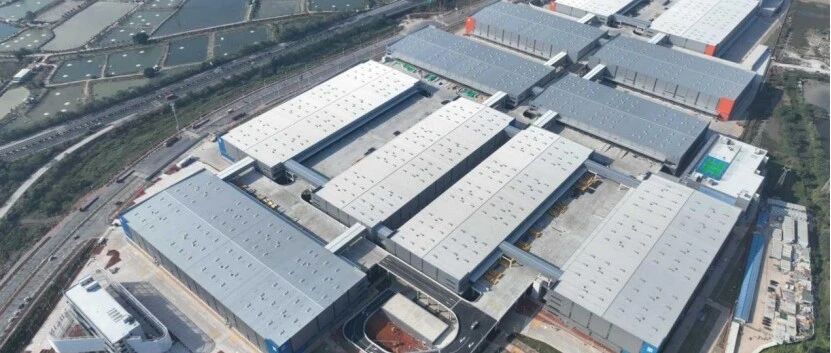
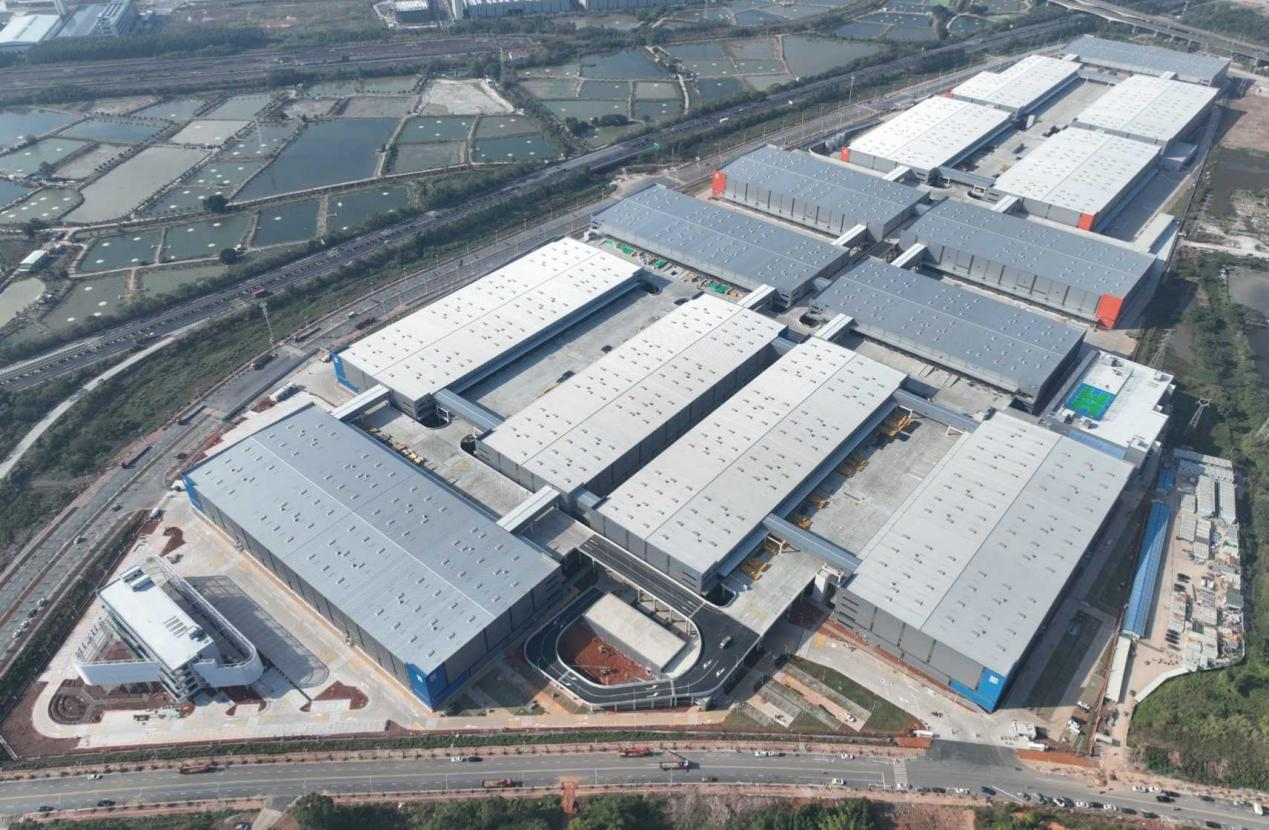
Core Viewpoint - The completion and handover ceremony of the SHEIN Bay Area West Smart Industrial Park marks a significant collaboration between Prologis and SHEIN, aimed at enhancing the smart supply chain matrix and cross-border e-commerce development in the Guangdong-Hong Kong-Macao Greater Bay Area [1] Group 1: Project Overview - The SHEIN Bay Area West Smart Industrial Park is Prologis's largest single development project to date and the largest customized project for a client [1] - The park serves as a smart supply chain hub, integrating intelligent sorting centers and order distribution centers, with a total construction area exceeding 600,000 square meters [1] - The facility includes 14 double-layer logistics warehouses and is designed to efficiently connect logistics buildings, fully aligning with SHEIN's automation equipment deployment and operational workflow needs [1] Group 2: Company Capabilities - Prologis, as a production service enterprise relying on infrastructure, leverages high-standard logistics facilities, customized development capabilities, and excellent management and operational services [1] - The company continuously supports clients in enhancing supply chain quality and efficiency, contributing to the high-quality development of new economic industries [1]
外贸征战欧洲这一年:比以前更卷了,但还是能“卷出来”
Di Yi Cai Jing· 2025-12-25 10:00
Core Insights - Chinese brands maintain a cost advantage despite the need for full compliance in the European market, which is becoming increasingly important for companies aiming for market diversification by 2025 [1][6]. Group 1: Market Dynamics - The European market is a key focus for Chinese companies, with exports to the EU growing by 8.9% in the first eleven months of 2025, particularly to Germany, the Netherlands, France, and Italy [2]. - eBay reported significant growth in sales for Chinese sellers in the UK and Germany, with categories like brake discs and tail lights seeing increases of 16 times and 9 times, respectively [3]. - Alibaba's international platform noted a 57% increase in orders from the European market this year, indicating a strong push towards European expansion [3]. Group 2: Competitive Landscape - Increased competition in Europe is evident, with many companies recognizing the opportunities, leading to a more intense market environment [4]. - Chinese enterprises face competition primarily from European and American brands rather than from each other, suggesting a shift in the competitive landscape [5]. - Compliance with European regulations is essential for maintaining competitiveness, and companies that adapt to these requirements can still leverage their cost advantages [6]. Group 3: Future Strategies - Companies are planning to expand their market presence in Europe, with a focus on new markets like Poland and the Netherlands while consolidating existing ones [10]. - The transition from "product export" to "brand export" is a key goal for companies, emphasizing the need for agile supply chains and professional sales teams [11]. - eBay's strategy for 2026 includes focusing on both the US and European markets, highlighting the potential for growth in the European e-commerce sector [9].


人民币破7,年末结汇潮下,跨境电商人的“忧”与“机”
Sou Hu Cai Jing· 2025-12-25 06:33
跨境电商卖家,大概是对汇率波动最敏感的人群之一,毕竟人民币升值贬值,直接意味着利润增长货值缩水。 与此同时,大洋彼岸,美元指数跌破100,美联储降息预期升温是主要推动力。今年美联储已经降息3次,而且美国的通胀数据也比预期好些,这就进一步推 动了降息预期。 最后,年底季节性结汇需求增加,进一步加速人民币升值,成为支撑人民币升值的核心因素,进一步推动人民币走强。 关注汇率政策,把握结汇时机,减少汇率损失,仍是2026年跨境电商卖家们应关注的重要课题。 汇率的剧烈变动,牵动着每一位跨境电商卖家的神经。 2025年最后一个月底,人民币汇率升破7.0大关,有人看到利润缩水,有人发现新机遇,这场汇率变局中,跨境电商是被动承压还是主动破局? 12月25日,离岸人民币对美元汇率升破7.0整数关口,为2024年9月以来首次。截至当日,离岸人民币今年累计升值已达4.6%,在岸人民币也逼近7.0关口, 年内累计升值4%。 人民币升值意味着出口企业结汇时同等美元收入能兑换的人民币减少,直接挤压利润空间。有跨境电商卖家测算过,人民币每升值1%,企业利润就减少相 应比例,对今年关税战下本就微利的行业更是雪上加霜。 ...

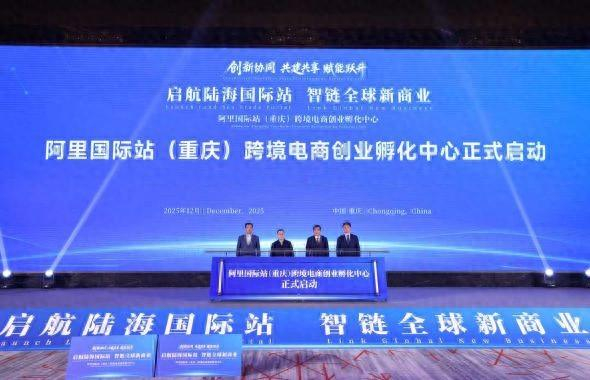
阿里国际站(重庆)跨境电商创业孵化中心落地沙坪坝
Zhong Guo Xin Wen Wang· 2025-12-25 05:54
Core Insights - The establishment of the Alibaba International Station (Chongqing) Cross-Border E-commerce Incubation Center aims to leverage local talent and industry strengths to create a comprehensive entrepreneurial ecosystem focused on talent cultivation, incubation, and industrial empowerment [1][3]. Group 1: Partnership and Collaboration - The incubation center is a joint initiative between the Chongqing Shapingba District Government and Alibaba International Station, utilizing the advantages of Chongqing's university talent pool and logistics capabilities [1][3]. - A signing ceremony involved representatives from seven organizations, agreeing to collaborate on key areas such as international trade, logistics efficiency, service system enhancement, financial empowerment, and data sharing [3]. Group 2: AI Integration and Future Projections - Alibaba International Station's president highlighted that 90% of merchants on the platform are utilizing AI for foreign trade, with expectations of over 200,000 AI-native foreign trade enterprises emerging in the next three years [3][4]. Group 3: Educational Initiatives and Support - The initiative includes deep collaboration with over 20 local universities to ensure that more than 3,000 students annually are certified in cross-border e-commerce, providing them with essential skills for employment and entrepreneurship [3][4]. - The establishment of the Chongqing Cross-Border E-commerce Entrepreneur Alliance was announced, with 13 leading KOL merchants appointed as entrepreneurial mentors to guide new entrepreneurs in key operational areas [4]. Group 4: Commitment to Development - The Chongqing government aims to enhance the business environment and policy support for high-quality development in the cross-border e-commerce sector, facilitating the use of digital tools for global market expansion [4][5].

抢占拉美电商市场蓝海!横琴政企全力出击
Nan Fang Du Shi Bao· 2025-12-25 05:50
Group 1 - The "2025 Meikedo Seller Incubation Training Camp" was held from December 22 to 24, attracting nearly 50 representatives from companies interested in entering the Latin American market [1] - The training aims to address challenges faced by companies, such as information asymmetry and difficulties in resource connection, to facilitate their entry into the Latin American market [1] - The training curriculum focuses on a combination of theoretical knowledge and practical operations, covering market selection, account setup, and advanced operations [1] Group 2 - China is a significant trading partner for Latin America, and the training is part of efforts to help Chinese companies leverage government and enterprise resources to enter this growing market [2] - Participants expressed that the training effectively addressed practical concerns and boosted their confidence in expanding into the Latin American market [2] - The training camp aims to cultivate specialized operational talents for Meikedo and strengthen the collaboration between enterprises, talents, and platforms [2]
大湾区再添跨境电商新地标!希音湾区西部智慧产业园竣工交付
证券时报· 2025-12-25 04:27
Core Viewpoint - The establishment of SHEIN's West Bay Area Smart Industrial Park in Zhaoqing represents a significant investment in smart supply chain infrastructure, aiming to enhance agile and flexible supply chain capabilities while promoting employment in the fashion industry [1][3]. Group 1: Project Overview - The SHEIN West Bay Area Smart Industrial Park has been completed with a total investment of 3.5 billion yuan and covers an area of over 600,000 square meters [3]. - The park includes a smart sorting center and an order distribution center, equipped with facilities such as employee cafeterias and office buildings, and plans to construct 14 double-layer logistics warehouses [3][4]. - The project will also incorporate solar photovoltaic panels with an installed capacity exceeding 24 megawatts, expected to reduce carbon emissions by over 10,000 tons annually [4]. Group 2: Economic Impact - Zhaoqing's foreign trade import and export value reached 41.85 billion yuan from January to November 2025, marking a year-on-year increase of 20.7%, with cross-border e-commerce being a key driver of this growth [3]. - Upon reaching full production, the park is projected to generate an annual service trade export value of 3.5 billion yuan and create between 20,000 to 30,000 jobs [4]. Group 3: Strategic Initiatives - SHEIN is investing over 10 billion yuan to accelerate the development of a green smart supply chain system across cities in the Guangdong-Hong Kong-Macao Greater Bay Area, including Guangzhou, Zhaoqing, Foshan, and Jiangmen [7]. - The company aims to transform traditional garment production through digital tools and a "small batch quick response" flexible supply chain model, enhancing the potential of upstream and downstream industries [7].
超百亿供应链基建加码推进,希音湾区西部智慧产业园竣工交付
Xin Lang Cai Jing· 2025-12-25 04:05
Core Insights - SHEIN has officially completed the construction of the West Bay Area Smart Industrial Park in Zhaoqing, Guangdong, which aims to enhance its smart supply chain infrastructure and promote digital transformation in the fashion industry [1][3] Group 1: Investment and Infrastructure - The West Bay Area Smart Industrial Park represents a significant investment of 3.5 billion yuan, with a total construction area exceeding 600,000 square meters, featuring smart sorting and order distribution centers [3][4] - The park will include 14 double-layer logistics warehouses and is designed to efficiently integrate with SHEIN's automated equipment and operational processes [3][4] Group 2: Environmental and Economic Impact - The installation of solar photovoltaic panels is planned, with an expected capacity exceeding 24 megawatts, which will reduce carbon emissions by over 10,000 tons annually [4] - Upon reaching full production, the park is projected to generate an annual service trade export value of 3.5 billion yuan and create 20,000 to 30,000 jobs [4] Group 3: Strategic Positioning and Growth - SHEIN is leveraging the advantages of the Guangdong-Hong Kong-Macao Greater Bay Area to enhance its supply chain capabilities, with a focus on cross-border e-commerce as a key growth driver [3][6] - The company is investing over 10 billion yuan to establish a green and intelligent supply chain system across multiple cities in the Greater Bay Area, including Guangzhou, Zhaoqing, Foshan, and Jiangmen [6]
今年丹凤外贸出口预计完成4000万元
Sou Hu Cai Jing· 2025-12-25 03:26
Group 1 - Danfeng County has achieved significant results in foreign trade by focusing on "expanding openness and promoting foreign trade," with a total of 4 foreign trade export enterprises and an expected export value of 40 million yuan by the end of December, representing a year-on-year increase of 22.2% [1] - Leading enterprises continue to excel, with Xiayu Food Company maintaining its position as the top exporter of Agaricus bisporus in the province for three consecutive years, solidifying Danfeng County's leading status in the edible mushroom export sector [1] - The county has seen multiple "first breakthroughs" in market expansion, including the successful first export of "Danfeng Red" wine to the United States and the establishment of Yiguo Trading Company, which marked the first self-export of agricultural products to Central Asian countries [1] Group 2 - The introduction of e-commerce companies like Changji Taisheng has led to a breakthrough in cross-border e-commerce, with operations on platforms such as AliExpress and Amazon, injecting new vitality into the county's foreign trade transformation [2] - Danfeng County is optimizing the foreign trade development environment through targeted services, training, and information sharing, effectively reducing export costs and enhancing companies' confidence and capabilities in exploring international markets [2] - The county plans to deepen its openness, focus on the development of characteristic industrial clusters, and support diversified international market exploration, aiming for greater foreign trade growth by 2026 [2]