
中药材种植

Search documents
从八粒种子到万亩良田,文登以土壤改良与冻干技术赋能西洋参产业
Qi Lu Wan Bao· 2025-11-27 12:14
Core Viewpoint - The article highlights the remarkable development of the Wending American ginseng industry, showcasing its transformation from a small-scale trial in the 1980s to a leading global producer, with significant contributions to local economy and agricultural innovation [1][10]. Group 1: Historical Development - The journey began in the late 1970s when a veteran, Wang Wenshui, sought to improve the living conditions of his impoverished village by cultivating American ginseng, starting with just 11 seeds [2]. - The first successful cultivation occurred in 1981, making the village the only successful trial site in Shandong province at that time [2]. - By the late 1980s, the region had developed comprehensive techniques for ginseng cultivation, leading to large-scale farming and breaking the monopoly held by Western countries [3]. Group 2: Quality and Environmental Factors - Wending ginseng benefits from its unique geographical and climatic conditions, including a long frost-free period and significant temperature variations, which enhance its nutritional content [4]. - The ginseng's saponin content is reported at 8.8%, surpassing imported varieties, while its selenium content is eight times higher than that of imported ginseng [4]. Group 3: Agricultural Practices - To maintain soil fertility, a scientific crop rotation system is implemented, requiring a rest period of 3 to 5 years after ginseng cultivation, which improves quality despite reducing land utilization [5]. - The current cultivation area exceeds 50,000 acres, producing 8,000 tons of fresh ginseng and 2,200 tons of dried ginseng annually, establishing Wending as a key global production area [5]. Group 4: Technological Advancements - The integration of IoT technology in ginseng farming allows for real-time monitoring of environmental conditions, enhancing pest control and decision-making processes for farmers [7]. - Advanced processing techniques, including freeze-drying, have significantly improved the quality and marketability of Wending ginseng products [8]. Group 5: Market Position and Branding - The establishment of the "Wending American Ginseng" brand has strengthened its market position, allowing for higher prices compared to ordinary ginseng, with a premium of 2-3 yuan per pound [9]. - The brand has gained international recognition, successfully entering markets in South Korea, Japan, and Southeast Asia, and has been included in influential agricultural product directories [9].
黑龙江省药品监督管理局药品生产安全延伸检查(中药材GAP符合性)检查结果通告(2025年 第6号)
Zhong Guo Zhi Liang Xin Wen Wang· 2025-11-26 09:17
| 被检查 | 被检查 | 中药 材 | | 基地面积 | | | 本次检查预 | 检 查 | | --- | --- | --- | --- | --- | --- | --- | --- | --- | | 主体 | 品种 | 品种 | 基地建设单位 | (亩) | 基地地址 | 经纬度坐标 | 计产量 | 结 | | | | | | | | | | 果 | | 佳木斯华润三九中医药传承 | 板蓝根 饮片、 | 板蓝 根、 | 泰来县万成中药材种 | 1000亩 | 齐齐哈尔市泰来县宁姜蒙古族 | 地理位置: 点位1:东经123°59′10"、 | 200吨、50 | | | | | | | | | 北纬46°34′91" | | | | | | | | | | | | 符 | | | | | | | | 点位2:东经123°58′60"、 | | 合 | | 创新有限责任公司 | | | 植专业合作社 | | 乡好新村、黄花村 | 北纬46°35′20" | 吨 | | | | 大青叶 | 大青 | | | | | | 要 | | | 饮片 | 叶 | | | | 点位3:东经123°58′84"、 | ...

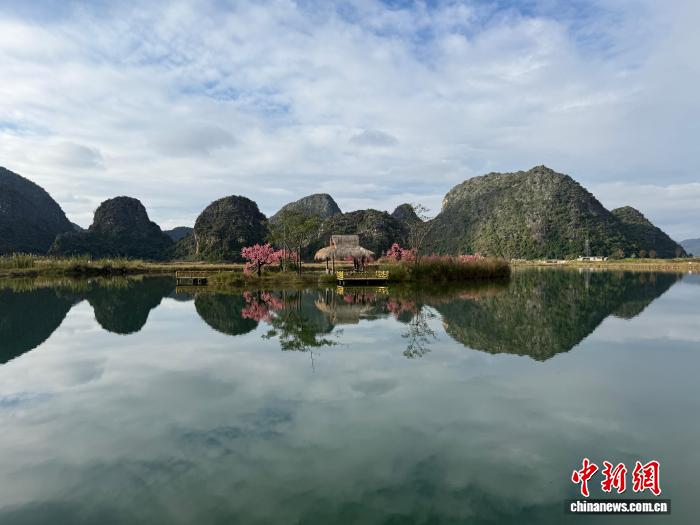
云南文山绿色铝产能达343万吨 占全省一半
Zhong Guo Xin Wen Wang· 2025-11-26 08:51
Group 1 - The core viewpoint of the article highlights that Wenshan Prefecture has established a green aluminum production capacity of 3.43 million tons, accounting for half of the province's total, and is expected to achieve an output value exceeding 100 billion yuan this year, making it the first billion-level industry in the region [1] - Since the beginning of the 14th Five-Year Plan, Wenshan's GDP has grown at an average annual rate of 6.3%, surpassing national and provincial averages, with industrial output value reaching 130.29 billion yuan and an average annual growth of 16.2% [1] - Wenshan's green aluminum production capacity represents nearly 10% of the national total and is a key area for the relocation of aluminum production from the north to the south, with an expected output value growth of 20% this year [1] Group 2 - In 2024, the planting area for traditional Chinese medicine, specifically Sanqi, is projected to reach 2.45 million acres, leading the nation in scale, with a comprehensive output value of 41.32 billion yuan, expected to grow by approximately 10.5% this year [1] - The tourism sector in Wenshan is set to receive over 50 million visitors in 2024, generating tourism expenditures of 54.14 billion yuan, reflecting growth of 38.3% and 47.6% compared to 2020 [3] - Wenshan is actively developing a modern agricultural industry system, with a focus on highland characteristic agriculture, achieving a total agricultural output value of 175.94 billion yuan [3]
百年大桂的百亿雄心,“高桂”借南药盛会打造产业标杆
Nan Fang Nong Cun Bao· 2025-11-21 11:01
Core Insights - The article highlights the ambitious development of the "High桂" brand, aiming to establish a benchmark in the southern medicine and food industry through the first national conference focused on "Southern Medicine and Food Nourishment" in China [8][10][60] Group 1: Event Overview - The event is the first national-level conference themed on "Southern Medicine and Food Nourishment" in China, marking a significant milestone for the Guangdong-Hong Kong-Macao Greater Bay Area [8][10] - High Yao District showcased its "High Yao Cinnamon" full industry chain matrix, featuring traditional medicinal materials and innovative food products, capturing the spotlight at the conference [11][12][60] Group 2: Industry Development - High Yao District, recognized as "China's Cinnamon County," has a cinnamon planting area exceeding 700,000 acres, with a comprehensive industry chain output value reaching 5.25 billion yuan, benefiting over 30,000 farmers [44][45] - The total output value of High Yao cinnamon is projected to exceed 10.6 billion yuan by 2024, reflecting its core contribution to the Zhaoqing southern medicine industry [48][49] Group 3: Product Innovation - The "High桂" series of new products, including traditional cinnamon, cinnamon oil, and innovative items like cinnamon tea and cinnamon coffee, have successfully redefined the traditional image of cinnamon as merely a cooking ingredient [36][37][60] - The conference featured the release of significant industry standards and promotional materials, including the "Zhaoqing Cinnamon Industry Development White Paper" and various regional branding initiatives [22][25][60] Group 4: Future Prospects - High Yao is transforming its cinnamon industry into a modernized value chain encompassing planting, research and development, processing, sales, and cultural tourism, aiming to leverage "media+" for market expansion [50][53][54] - The integration of traditional practices with modern innovation positions High Yao cinnamon as a key player in promoting the "Southern Medicine and Food Nourishment" concept, contributing to the region's economic development and cultural dialogue [60]

梁木强:南药匠心点“木”成金,一方“良方”强农兴村丨粤匠担当 兴农之道④
Nan Fang Nong Cun Bao· 2025-11-21 06:05
Core Viewpoint - The article highlights the journey of Liang Muqiang, who transformed the agricultural landscape in Deqing County by developing the southern medicine industry, focusing on innovation, community involvement, and technology to enhance farmers' income and promote sustainable agricultural practices [1][72]. Group 1: Company Development - Guangdong Dekang Agricultural Technology Co., Ltd. was established by Liang Muqiang, focusing on the development of rare medicinal materials through a comprehensive model that includes research, seedling cultivation, planting, processing, and sales [18][19]. - The company has achieved significant milestones, including the production capacity of 15 million high-quality seedlings annually, contributing to the income of thousands of local farmers [4][5]. - Dekang Agriculture has been recognized as a national high-tech enterprise and has obtained 18 national invention patents, showcasing its commitment to innovation [23][25]. Group 2: Agricultural Innovation - The company has developed a new comprehensive breeding system that combines various advanced techniques, achieving standardized and factory-based production of seedlings [28][29]. - Dekang Agriculture has selected 100 rare medicinal plant varieties for development and has successfully cultivated 32 new varieties with significantly improved traits [26][27]. - The company has established a 5,000 square meter primary processing center to address challenges related to the transportation and processing of fresh medicinal materials [52][54]. Group 3: Community Engagement - The "company + base + cooperative + farmer" model has been implemented, leading to the establishment of 22 cooperatives that engage over 700 members and create more than 1,000 job opportunities [31][32][44]. - The average annual income of cooperative farmers increased from 18,000 yuan per mu in 2021 to 25,000 yuan per mu in 2023, marking a 39% growth [42]. - Dekang Agriculture has been recognized as a demonstration base for entrepreneurship and employment, significantly contributing to local job creation [43]. Group 4: Knowledge Dissemination - Liang Muqiang actively participates in setting industry standards and has led efforts to establish local standards for various medicinal plants [46][47]. - The company has conducted over 120 training sessions, reaching more than 18,000 participants, to disseminate agricultural knowledge and techniques [62][64]. - Dekang Agriculture has facilitated loans and provided agricultural supplies to farmers, helping them overcome financial barriers to cultivation [66][67].
顶尖专家学者齐聚肇庆,共商南药食养产业发展新路径
Nan Fang Nong Cun Bao· 2025-11-20 14:02
Core Insights - The conference focused on the development of the southern medicine and food nurturing industry, emphasizing high-quality growth through technology and ecological practices [3][5][8] Group 1: Technology Empowerment - Experts highlighted the need for technological innovation to overcome challenges in the cinnamon industry, including value chain fragmentation and strict EU standards [13][14][18] - Four innovation pathways were proposed for cinnamon: genetic innovation, low-temperature oil extraction, controlled release technology, and comprehensive utilization of raw materials [19][20][22] - The development of the agarwood industry was discussed, with breakthroughs in cultivation reducing the yield time from 8-10 years to 3 years, enhancing both profitability and product quality [25][27][30] Group 2: Resource Development - The potential of the medicinal plant Baji Tian was explored, with emphasis on its historical use and modern pharmacological benefits, including anti-osteoporosis and immune regulation [38][46][48] - The integration of food and medicinal uses of orchid species was discussed, highlighting their dual value and the need for industry-oriented research to enhance competitiveness [52][56][60] Group 3: Ecological Practices - The concept of "returning to nature" for medicinal materials was introduced, advocating for organic cultivation methods that improve quality without chemical inputs [66][68][72] - The "rubber and medicine" co-cultivation model was presented, demonstrating a 40% increase in land utilization while reducing chemical fertilizer and pesticide use [78][81][84] Group 4: Industry Integration - The integration of tropical agriculture with health tourism was emphasized as a means to create a sustainable value chain that encompasses production, ecology, and lifestyle [90][92][99] - The case of Cai Zhi Lin was shared as a model for integrating medicine, healthcare, and nutrition, showcasing a comprehensive approach to the southern medicine industry [100][103][106]
政企携手通力合作 川贝母产业项目投资协议在蓉签订
Sou Hu Cai Jing· 2025-11-20 08:59
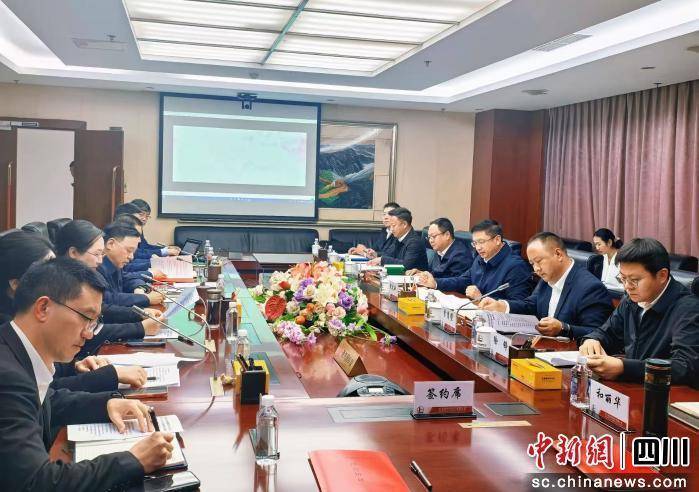
Core Viewpoint - The signing of the investment agreement between Sinopec Sichuan Sales Company and the Shangri-La Municipal Government marks the beginning of a comprehensive and diversified strategic cooperation in the traditional Chinese medicine industry, specifically focusing on the development of the Fritillaria (川贝母) industry, which aims to promote local economic growth and rural revitalization [1][3][5]. Group 1: Investment Agreement and Strategic Cooperation - The investment agreement aims to integrate resources and establish a full-chain development system for the Fritillaria industry, including the construction of a seedling planting base, a modern processing industrial park, and a research and innovation center [7]. - The project includes the establishment of a seedling base capable of producing 50 tons of raw materials and 1 billion seedlings annually, alongside a modern processing facility and a national-level Fritillaria industry park [7]. - The cooperation is expected to enhance the brand "Xiangyunbei" and expand its market presence both domestically and internationally [7]. Group 2: Company Background and Market Potential - Sinopec Sichuan Sales Company has developed a business model that includes both oil and non-oil products, achieving strategic partnerships with 16 local governments in Sichuan [4]. - The company emphasizes the significant medicinal value and market demand for Fritillaria, indicating a promising future for the industry [5]. - The collaboration is seen as a responsibility to support rural revitalization and improve local economic quality and efficiency [5].

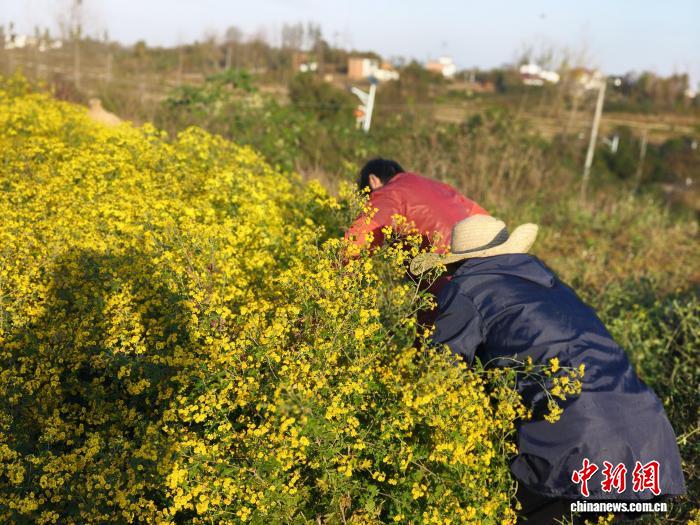
房前屋后“致富花” 豫南大别山北麓固始菊开乡间
Zhong Guo Xin Wen Wang· 2025-11-20 06:42
Core Viewpoint - The cultivation of medicinal wild chrysanthemum in Gushi County, Henan Province, has become a significant driver of rural economic development, benefiting local farmers through improved income and sustainable agricultural practices [1][2]. Group 1: Economic Impact - The wild chrysanthemum is being purchased at a high price of 1 yuan per kilogram, leading to increased income for local farmers, with an average monthly income exceeding 2000 yuan for those involved in processing [1]. - The total area planted with wild chrysanthemum in Gushi County has reached approximately 5000 acres, with an expected increase in revenue of 5 million yuan for the local economy [6][7]. Group 2: Agricultural Practices - The region's favorable climate and soil conditions allow for two to three harvests per year from a single planting, providing continuous income for farmers over three to five years [2]. - The introduction of high-quality seed varieties and effective cultivation techniques has been facilitated by the local agricultural college, enhancing yield and resilience against environmental challenges [5]. Group 3: Community Involvement - The "company + base + farmer" model has been implemented, ensuring unified supply of seedlings, technical training, and product collection, which has streamlined the production process [6]. - Local villagers have actively participated in the cultivation and harvesting of wild chrysanthemum, with some reporting significant income increases from their small-scale farming efforts [6].
肇庆举办南药产业发展座谈会,共话药食同源开发
Nan Fang Nong Cun Bao· 2025-11-20 03:35
Core Insights - The conference on the development of the southern medicine industry in Zhaoqing focused on the integration of food and medicine, discussing the cultivation and standardization of traditional medicinal herbs like cinnamon and Morinda root [2][5][12]. Group 1: Industry Development - Zhaoqing is recognized as one of the six major agricultural industries in Guangdong, with a focus on southern medicinal herbs [8][10]. - The city aims to address challenges in the southern medicine industry by expanding downstream application markets and creating a comprehensive industrial chain that includes planting, processing, storage, and trade [10][12]. Group 2: Expert Opinions - Experts emphasized the importance of identifying effective varieties for chronic disease prevention and treatment, with cinnamon highlighted for its potential in managing diabetes and high blood lipids [11][12]. - The need for standardized functional raw materials and extracts was discussed, with a call for Zhaoqing to participate in national standards development [13][14]. Group 3: Strategic Recommendations - Suggestions included enhancing government guidance, fostering core enterprises, and strengthening collaboration with research institutions to create a robust market ecosystem for southern medicine [22][23]. - The integration of agriculture, culture, and tourism was recommended to increase the added value of products, particularly for cinnamon [42]. Group 4: Future Directions - The Zhaoqing government plans to use the insights from the conference as a starting point to promote high-quality development in the southern medicine industry [50][51].
小平台如何撬动大产业
Jing Ji Ri Bao· 2025-11-13 22:20
日前,中国(贵州)第四届天麻节·第四届毕节天麻博览会召开,以"推动产业升级、助力乡村振兴"为 目标,打造产业与文化交融的盛会,展现出平台经济对乡村产业发展的强大牵引力。一个小平台如何撬 动大产业?天麻博览会的实践,为我们提供了一个生动样本。 天麻博览会虽是区域性展会,却有效发挥了资源集聚的"磁场效应"。如今,天麻产业已成为毕节农业现 代化建设的重要抓手、乡村振兴的关键支撑,天麻种植面积达36.9万亩,综合产值将突破60亿元;产业 辐射150余个行政村,带动超5万人就业。这充分表明,通过平台构建产业生态,汇聚资源,构建产业发 展引力场,能够有效激活要素、整合链条,把小特产做成大产业。 在推动乡村产业振兴中,善于搭建和运营平台至关重要。一个小平台,若能精准定位、持续深耕,完全 可以在整合资源、赋能品牌、带动农民等方面发挥大作用。也应看到,当前各类产业展会层出不穷,但 同质化竞争、重展示轻交易、后续产业联动不足等问题仍较为常见。若平台功能仅限于年度"赶集",而 缺乏供应链整合与市场服务能力,其带动效应将大打折扣。 平台的生命力在于持续创新与开放。维持小平台的放大效应,关键在于推动"会"与"城"融合,将短期展 会转化 ...