
生态治理

Search documents
(砥砺奋进七十载 天山南北谱华章)新疆筑牢绿色屏障 分享“治沙智慧”
Zhong Guo Xin Wen Wang· 2025-09-26 07:18
Core Viewpoint - Xinjiang has achieved a historic transformation from desertification to ecological restoration, establishing a green barrier and sharing its "desert control wisdom" with other regions [1][2]. Group 1: Ecological Restoration Efforts - The area of desertification and sandy land in Xinjiang is the largest and most widespread in China, with significant efforts made to combat these issues since 2012, including the establishment of protective forests [1]. - In Makit County, over 1.17 million acres have been treated for desertification, and 122 kilometers of desert edges have been effectively secured [1]. - The ecological restoration has led to improved living conditions, with local residents benefiting from the cultivation of economic crops such as the Chinese jujube [1]. Group 2: Economic Development - The establishment of a green ecological barrier in Hotan Prefecture has resulted in the production of unique crops like meat and desert roses, which have improved ecological conditions and increased local income [2]. - As of now, the area of economic crops planted in sandy land around southern Xinjiang has reached 6.24 million acres, generating an annual output value exceeding 30 billion RMB [2]. - Over the past 30 years, Xinjiang has increased its oasis area by 56,000 square kilometers, while reducing desertified land by 1,955.7 square kilometers and sandy land by 242.8 square kilometers [2]. Group 3: International Collaboration and Knowledge Sharing - The experience gained in desertification control in Xinjiang has been transformed into a replicable "Chinese solution," which is being shared with countries in Africa through projects like the "China-Africa Green Technology Park" [2][3]. - The project has successfully fixed 100 hectares of sandy land and trained 45 local technicians, creating 120 direct job opportunities in the community [3]. - Xinjiang's ecological initiatives extend beyond desert management, contributing to biodiversity protection with 178 species of nationally protected wildlife and approximately 4,000 species of wild higher plants [3].
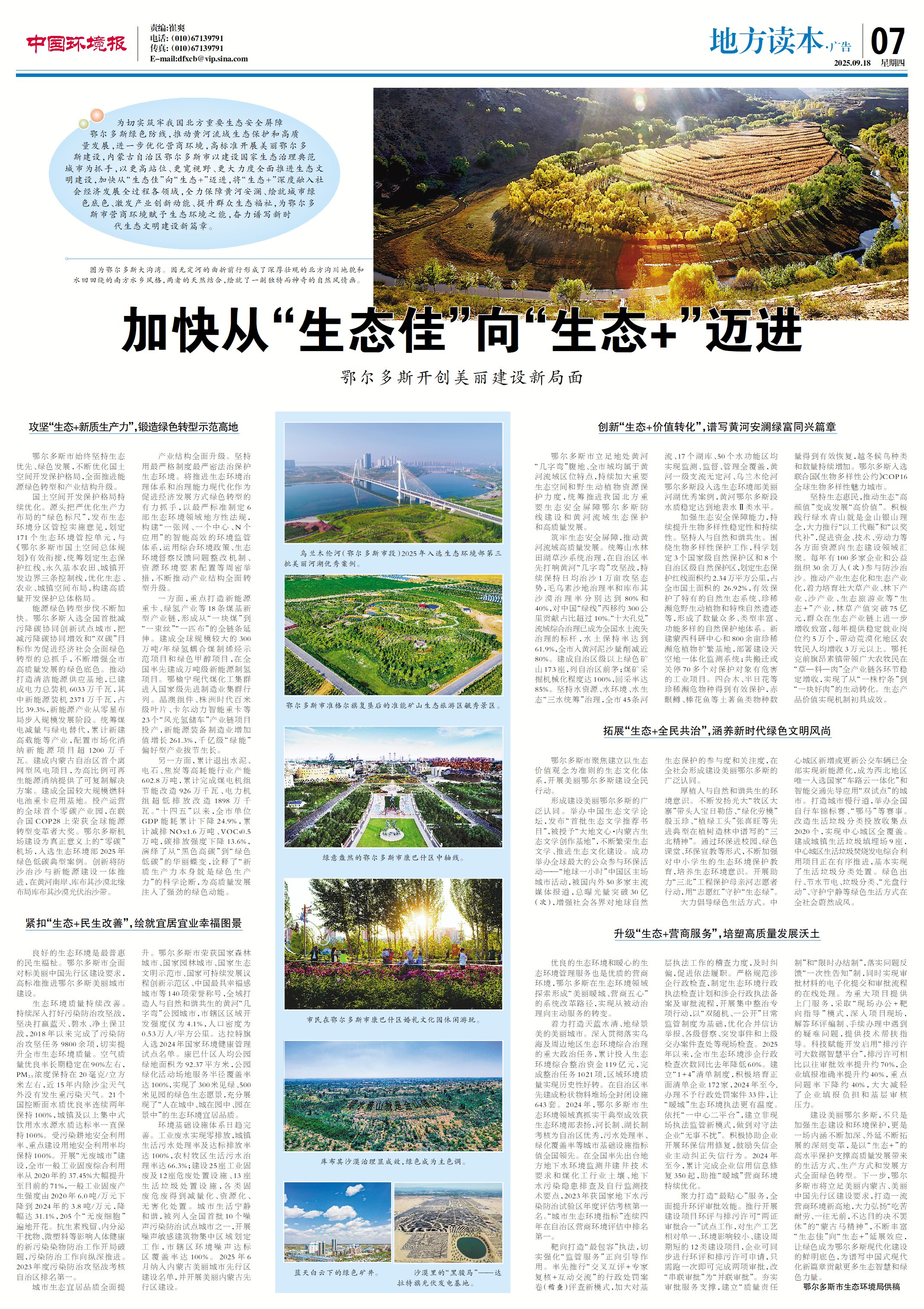
加快从“生态佳”向“生态+”迈进——鄂尔多斯开创美丽建设新局面
Zhong Guo Huan Jing Bao· 2025-09-18 01:15
Core Viewpoint - The article emphasizes the commitment of Ordos City in Inner Mongolia to ecological civilization construction, aiming to enhance the ecological environment while promoting high-quality economic development and improving the business environment [1][14]. Group 1: Ecological Protection and Development - Ordos City is focused on building a national model for ecological governance, integrating "ecology+" into all aspects of social and economic development to ensure the safety of the Yellow River and enhance urban green spaces [1][14]. - The city has implemented a comprehensive ecological protection strategy, including the establishment of 171 ecological environment control units and the optimization of land use through ecological protection red lines and agricultural land boundaries [4][16]. Group 2: Energy Transition and Industrial Upgrading - Ordos has accelerated its green energy transition, becoming one of the first cities in China to implement pollution reduction and carbon reduction initiatives, with a total installed power capacity of 60.33 million kilowatts, of which renewable energy accounts for 39.3% [17][19]. - The city is developing 18 new coal-based industrial chains, including large-scale green hydrogen projects, and has seen a 261.3% increase in the added value of the new energy equipment manufacturing industry [5][18]. Group 3: Environmental Quality Improvement - Since 2018, Ordos has completed over 9,800 pollution prevention tasks, maintaining an air quality good rate of around 90% and achieving a 100% compliance rate for drinking water sources [12][21]. - The city has made significant progress in waste management, with the comprehensive utilization rate of industrial solid waste increasing from 37.45% in 2020 to 71% currently [12][21]. Group 4: Social and Economic Benefits - The ecological improvements have translated into enhanced living conditions, with Ordos being recognized as a national forest city and a city with high happiness levels, reflecting the integration of ecological and social benefits [22][24]. - The city promotes ecological industries, providing stable employment opportunities and increasing income for local residents, with an annual increase of over 30,000 yuan per person in desertification-affected areas [28][29]. Group 5: Governance and Community Engagement - Ordos is enhancing its ecological governance framework, focusing on community involvement in ecological protection and promoting a culture of environmental awareness through various initiatives [29][30]. - The city has adopted a proactive approach to environmental management, reducing administrative burdens on businesses and improving the efficiency of environmental assessments and approvals [31][34].


中外记者宁夏行:见证黄河流域生态保护与高质量发展的“绿色实践”
Zhong Guo Xin Wen Wang· 2025-09-17 11:40
Core Viewpoint - The event highlighted the ecological protection and high-quality development practices in the Yellow River Basin, showcasing Ningxia's innovative approaches to balancing ecological, economic, and cultural development [1][3]. Group 1: Ecological Protection Initiatives - The "grass grid" technology demonstrated in the Baijitan National Nature Reserve effectively combats desertification, with over one million acres of sand area treated and forest coverage increasing from less than 1% to over 40% [2]. - Ningxia's efficient water-saving irrigation and resource management have achieved a balance between economic and ecological water use, supporting both agricultural and industrial development while ensuring ecological protection [2]. Group 2: Economic Development and Industry - Ningxia's wine industry benefits from the ecological advantages of the Helan Mountain barrier and Yellow River irrigation, producing wines with balanced tannins and rich flavors, establishing itself as a "purple business card" for the region [1]. - The region's historical reliance on the Yellow River for irrigation has evolved from ancient systems to modern water-saving projects, demonstrating a long-standing commitment to agricultural development [2]. Group 3: Global Significance - The practices observed in Ningxia provide important references for sustainable development in arid regions worldwide, with international journalists expressing interest in the applicability of these methods [2]. - The event aimed to showcase China's achievements in ecological protection and green development to a global audience, positioning Ningxia's practices as a contribution to global sustainable development solutions [3].
见证河湖蝶变·共建美丽山东丨治水兴农,潮白河畔绘就新图景
Qi Lu Wan Bao· 2025-09-13 07:42
Core Insights - The article highlights the successful ecological restoration and governance of the Chaobai River in Rizhao City, Shandong Province, showcasing it as an exemplary case for beautiful river and lake construction in the region [1][3]. Group 1: Ecological Restoration Efforts - The governance of the Chaobai River began with source management, implementing innovative rural sewage treatment models, with a total investment of 68.4 million yuan by the end of 2023, benefiting over 11,400 households [5]. - The river's ecosystem has shown significant recovery, with 705 species of vascular plants and 710 species of wild animals recorded, including 25 species of national level II protected animals [6][7]. Group 2: Economic Development through Ecological Initiatives - The ecological investments are viewed as valuable green assets, leading to the development of ecological agriculture and tourism, with notable industries such as cherries, tea, and medicinal fungi emerging in the region [8]. - In 2024, the Chaobai River basin is expected to receive 74,500 tourists, generating an income of 10.9 million yuan from local homestays [8]. - The total GEP (Gross Ecosystem Product) for seven villages in the river basin is 181 million yuan, with a credit limit of 59 million yuan granted through the "Ecological Vitality Loan" program [8].
好生态带来好生活(砥砺奋进七十载 天山南北谱华章)
Ren Min Ri Bao· 2025-09-13 00:17
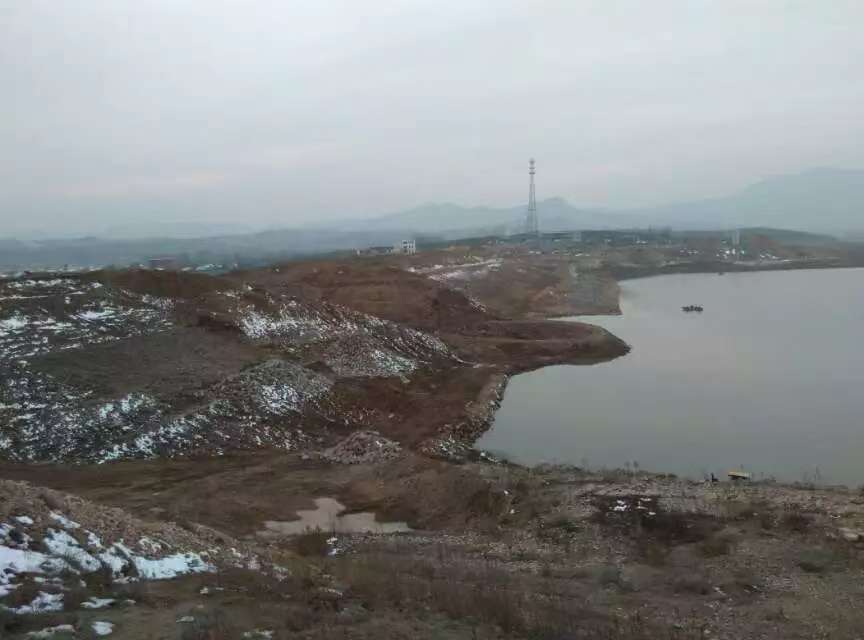
Core Viewpoint - The ecological governance of the Tohun River in Xinjiang has significantly improved, transforming it from a polluted area into a vibrant ecological zone that enhances the quality of life for local residents [1][4]. Group 1: Ecological Restoration Efforts - The Tohun River, which spans 190 kilometers and has a drainage area of 2,885 square kilometers, faced severe pollution due to industrial activities since the 1960s, leading to its nickname "headache river" [1][2]. - In 2016, a comprehensive ecological restoration plan was approved, involving collaboration among Urumqi City, the 12th Division of the Xinjiang Production and Construction Corps, and Changji Prefecture [2]. - The restoration project, which took five years and cost 3.817 billion yuan, included cleaning up over 90,000 cubic meters of waste and filling in illegal sand extraction pits [2][3]. Group 2: Community and Economic Impact - The ecological improvements have led to the establishment of a 13.14-kilometer ecological green valley, featuring various parks that promote community engagement and tourism [2][3]. - The area has become a hub for cultural and tourism activities, with events like marathons and light shows attracting visitors from nearby cities [3]. - Local residents have reported improved livelihoods, with businesses thriving due to increased foot traffic and enhanced infrastructure [3][4]. Group 3: Future Prospects - The transformation of the Tohun River is seen as a new beginning, with ongoing efforts to convert ecological value into economic benefits for the community [4].
“两山”理念在河南丨水波映绿诗意浓——“诗中风光今又现”之灵宝篇
He Nan Ri Bao· 2025-09-11 23:39
Core Viewpoint - The article highlights the transformation of the Hongnong River and its surrounding areas in Lingbao City, showcasing the successful ecological restoration efforts and cultural significance of the region [1][3][4]. Group 1: Ecological Restoration - The Hongnong River has undergone systematic governance with an investment of 192 million yuan, focusing on comprehensive management over a 9.5-kilometer stretch, including the removal of heavy metal sediments and the planting of aquatic plants [3]. - The establishment of Jinshui Lake Park, which covers an area of 233.6 acres with a 90% greening rate, has become a hub for local residents, enhancing biodiversity and providing a recreational space [2][3]. Group 2: Cultural Significance - The historical context of the Hongnong River is emphasized, with references to famous poets from the Tang Dynasty who celebrated its beauty, linking the past to the present [1]. - The ongoing efforts to promote water conservation awareness through the "River Chief System" and the creation of themed parks reflect a commitment to both ecological and cultural preservation [3][4]. Group 3: Community Engagement - Local residents have embraced the improved environment, with increased participation in outdoor activities such as morning runs and Tai Chi practice, indicating a positive shift in community well-being [5]. - The transformation of the river and its surroundings serves as a testament to the implementation of the "Two Mountains" theory, which emphasizes ecological protection and sustainable development [5].
陕西榆林:能源之城书写转型答卷
Shan Xi Ri Bao· 2025-09-11 13:42
Group 1: Ecological Achievements - Yulin City has reported significant improvements in ecological indicators, including an increase in days of good air quality, all 16 national monitoring sections meeting water quality standards, and a forest coverage rate exceeding 36% [1] - The annual sediment inflow into the Yellow River has been reduced to 212 million tons, showcasing effective ecological governance [1] Group 2: Water Resource Management - The East Line Yellow River Diversion Project is underway, aimed at resolving water scarcity issues for Yulin's energy and chemical industry [2] - The city has implemented the "Four Waters and Four Determinations" principle to enhance water resource management, with a significant increase in the comprehensive utilization rate of drainage water to 66.1% [2] - Rural drinking water safety has improved, with 1392 out of 1399 seasonal water shortage issues resolved [2] Group 3: Afforestation and Land Management - Yulin has completed afforestation and grass planting over 1.4757 million acres, significantly increasing vegetation coverage from 3% to 65% in certain areas [3] - The city has maintained a record of zero forest and grassland fires for 35 months, demonstrating effective management practices [3] Group 4: Carbon Reduction and Waste Utilization - The Yulin Chemical Company has adopted a coal quality utilization project that maximizes resource efficiency while reducing energy consumption and carbon emissions [4] - The city captures 300,000 tons of CO2 annually through CCUS technology, equivalent to planting 16.68 million trees, contributing to both environmental and economic benefits [4] - The overall solid waste utilization rate in Yulin has increased to 53%, with 20 demonstration projects promoting the conversion of waste into high-value products [6] Group 5: Land Rehabilitation and Renewable Energy - The Shen Dong Coal Mine area has been transformed from a mining subsidence zone into ecological green spaces and photovoltaic bases, showcasing successful land rehabilitation efforts [7] - Yulin's approach to managing mining subsidence includes a "three-in-one" model and targeted strategies for each mining site, converting abandoned pits into ecological parks or solar energy bases [7] Group 6: Soil and Water Conservation - The city has initiated comprehensive soil and water loss management under the "Yulin City Forest and Grass Protection Three-Year Action Plan (2023-2025)," with over 10,973 sedimentation dams inspected and 1,667 new or reinforced [8] - The "Gao Xi Gou Experience" demonstration area has achieved over 75% ecological coverage through integrated management practices [8]
从“碗底有沙”到“眼底尽绿”,内蒙古上演“绿色嬗变”
Zhong Guo Qing Nian Bao· 2025-09-07 02:00
Core Insights - Inner Mongolia has successfully transformed desert areas into green oases over several decades, addressing severe desertification issues [1] - The region has implemented a combination of engineering and biological measures for ecological restoration, including water conservation projects and the introduction of photovoltaic technology [2] - Local youth are actively participating in desertification control efforts, contributing to both environmental improvement and economic development [3][4] Group 1: Ecological Restoration Efforts - Inner Mongolia's ecological restoration has significantly reduced the annual sediment load entering the Yellow River from 27 million tons to 4 million tons through comprehensive management of the "Ten Major Conduits" [2] - The region has invested approximately 166 million yuan (about 24 million USD) in 2022 and 151 million yuan (about 22 million USD) in 2023 for ecological restoration projects [2] - The area has seen a dramatic decrease in sandstorm occurrences, from over 20 times a year to four or five times, indicating substantial ecological improvement [1][2] Group 2: Economic Development through Environmental Initiatives - Local entrepreneur Wang Gang has pioneered the cultivation of Haloxylon ammodendron and its grafting with Cistanche deserticola, leading to economic benefits for the community [3][4] - The cooperative established by Wang Gang has grown from 3 to 15 households, demonstrating the economic potential of sustainable practices in desert areas [3][4] - The region's daily desertification control efforts have increased from 40,000 mu in 2023 to a projected 60,000 mu in 2024, showcasing a commitment to sustainable land management [5]
哈萨克斯坦携手中国企业共治荒漠化
Xin Hua Wang· 2025-09-06 01:52
Group 1 - The core viewpoint of the article highlights the collaboration between the Atyrau region of Kazakhstan and local enterprises in Ningxia, China, focusing on desertification prevention efforts [1][2] - The China-Central Asia Desertification Prevention Cooperation Center was established in July 2023, marking the beginning of cooperative efforts in desertification control with Central Asian countries [1][2] - Atyrau region, which has approximately 65% of its land affected by desertification and significant salinization issues, is seeking to implement large-scale projects in collaboration with Ningxia [2] Group 2 - The Atyrau government expressed a strong desire for cooperation after a delegation visited Ningxia to study desertification prevention work [2] - Three local companies in Ningxia signed memorandums of cooperation with the Atyrau government, focusing on desertification prevention, urban drainage system renovation, and wastewater treatment plant upgrades [2] - The Atyrau region faces severe challenges, with about 40% of its agricultural land affected by varying degrees of salinization, highlighting the urgency of the collaboration [2]
宁夏多个生态治理项目实现“出海”
Zhong Guo Xin Wen Wang· 2025-09-05 09:52
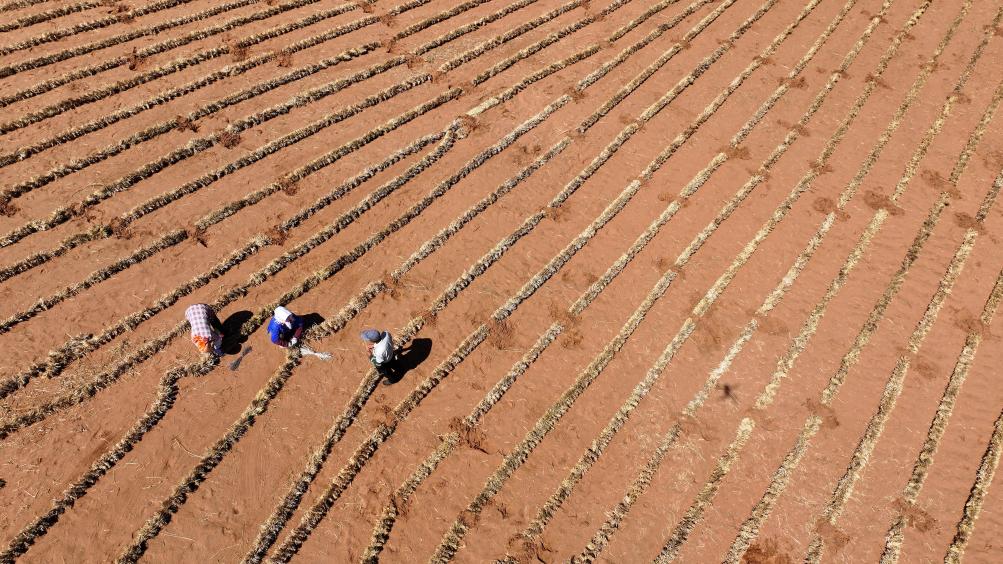
Core Insights - The signing of a cooperation memorandum between Kazakhstan's Atyrau region and several companies from Ningxia marks a significant step in ecological governance collaboration between China and Central Asian countries [1][2] - The China-Central Asia Desertification Prevention Cooperation Center, established in July, aims to promote practical cooperation in desertification prevention and has developed six demonstration bases for various ecological projects [1][2] Group 1: Cooperation and Agreements - The cooperation memorandum includes projects on desertification prevention, urban drainage system renovation, and wastewater treatment plant upgrades [1] - Ningxia enterprises will leverage their technological advantages in research innovation, plant cultivation, and desertification prevention to expand into international markets [1] Group 2: Regional Impact and Achievements - Other Central Asian countries, such as Kyrgyzstan and Uzbekistan, have shown interest in Ningxia's desertification prevention technologies and are seeking collaboration [2] - Ningxia has significantly reduced the area of desertified and sandy land from 61.7% and 23.2% in 1999 to 50.7% and 19.3% currently, showcasing a historic shift from "desert encroachment" to "greening" [2] - The "sand control cube" method developed in Ningxia has been adopted by various countries, and 24 international cooperation projects are currently active in the region [2]