
轻工业

Search documents
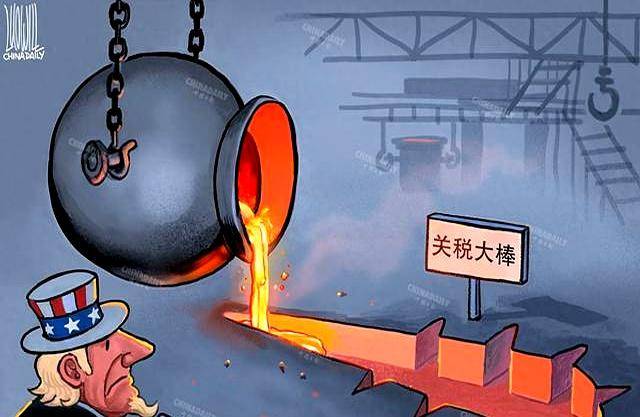
美威胁对印度加征关税,50%还远不够,中方为印送来2大利好
Sou Hu Cai Jing· 2025-08-19 06:18
Group 1 - The U.S. has imposed tariffs on certain Indian goods, raising them to as high as 50%, which has caused significant concern among Indian exporters, particularly in agriculture, light industry, and IT products [1][3][5] - The U.S. administration has canceled the planned trade talks in New Delhi, indicating a broader strategy that includes issues like oil imports, trade deficits, and supply chain concerns [3][7] - The imposition of these tariffs is seen as a major blow to India's export-dependent economy, with fears of job losses and order cancellations among small manufacturers and exporters [5][18] Group 2 - In response to the U.S. actions, India is receiving mixed signals from China, with a high-level visit planned and potential restoration of direct flights, indicating a thaw in relations [9][12] - The resumption of direct flights and border trade negotiations could revitalize economic interactions between India and China, which is crucial for local economies [11][16] - The Indian media reflects a divided opinion on the situation, with some advocating for diversification of external relations to mitigate risks associated with reliance on the U.S. market [14][18]

前5个月我国轻工业运行态势向好
Xin Hua Wang· 2025-08-12 05:43
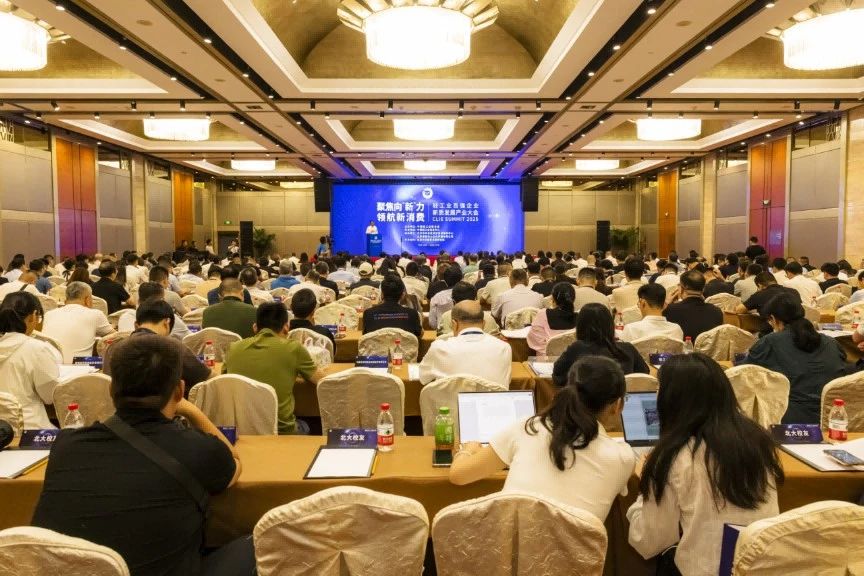
Group 1 - The core viewpoint is that China's light industry is showing positive operational trends in the first five months of the year, with retail sales of major light industry products increasing by 11.9% year-on-year, and revenue and profit of large-scale light industry enterprises growing by 4.7% and 2.8% respectively [1][3] Group 2 - The China Light Industry Federation is organizing research to plan the "14th Five-Year" development strategy for the light industry, aiming to establish a strong light industry nation by 2030 with significant new quality development characteristics and enhanced comprehensive strength [3] - The conference emphasized the need for the light industry to integrate technological and industrial innovation, enhance supply-demand adaptability, accelerate digital technology empowerment, and improve the international influence of Chinese enterprises [3] - The event also announced the lists of the top 200 light industry enterprises, top 100 light industry technology enterprises, top 50 food enterprises, and top 50 light industry equipment enterprises for 2024, along with the release of the "China Light Industry Competitiveness Report" [3]
8月10日《新闻联播》主要内容
Xin Lang Cai Jing· 2025-08-10 12:06
Group 1 - The revenue of large-scale light industry enterprises in China exceeded 11 trillion yuan in the first half of the year [5] - Measures are being implemented to enhance cross-border trade facilitation and promote stable and quality growth in foreign trade [6] - The construction of the nuclear island for the Zhejiang Jin Qimen Nuclear Power Unit 1 has fully commenced [10]
1-7月进出口数据点评:出口同比增速延续正增长
中银证券· 2025-08-08 02:12
Export Performance - From January to July 2025, China's exports increased by 6.1% year-on-year in USD terms, with a trade surplus of $683.51 billion[1] - In July 2025, exports grew by 7.2% year-on-year, while imports rose by 4.1%, leading to a monthly trade surplus of $98.24 billion[1] - ASEAN and EU contributed positively to July's export growth, with contributions of 2.6 and 1.4 percentage points, respectively[1] Import Trends - From January to July 2025, imports decreased by 2.7% year-on-year, but the decline was less severe than in the first half of the year[1] - In July 2025, imports showed a month-on-month increase of 1.8%, indicating a slight recovery in domestic demand[1] - Key imported raw materials like oil, black metals, and copper showed improved year-on-year performance, suggesting a recovery in manufacturing and infrastructure investment[1] Sector-Specific Insights - Mechanical and electrical products maintained export advantages, with integrated circuits, ships, and general machinery showing year-on-year growth rates of 20.5%, 15.5%, and 13.5%, respectively[1] - Light industrial products like bags and furniture saw improved export growth, although overall performance remained below the average export growth rate[1] - The automotive sector continued to show positive growth despite high export baselines in recent years[1] Economic Context - The resilience in export growth is attributed to ongoing US-China trade talks and improvements in the prices of certain export goods, which helped offset declines in export volumes[1] - Risks include the potential for increased economic recession in Europe and the US, as well as a complex international situation[1]
“精准滴灌”稳住工业经济关键变量
Jing Ji Ri Bao· 2025-07-31 21:49
Core Viewpoint - The Ministry of Industry and Information Technology emphasizes the need for targeted policies to stabilize key industries, which are crucial for maintaining the industrial economy's foundation and facilitating long-term transformation [1][3]. Group 1: Importance of Key Industries - Key industries account for approximately 70% of the value added in large-scale industrial sectors, making their stability essential for the overall industrial economy [1]. - In the first half of the year, industries such as electrical machinery, automobiles, electronics, general equipment, chemicals, and non-ferrous metals showed rapid growth, contributing significantly to the growth of large-scale industries [1]. - The electronic information manufacturing industry has maintained the highest revenue share among 41 industrial categories for 12 consecutive years, highlighting its critical role in the industrial economy [1]. Group 2: Interconnectedness of Key Industries - Key industries have strong inter-industry linkages, where fluctuations can lead to domino effects across the supply chain, impacting overall industrial growth [2]. - Stability in key industries can foster collaborative growth in upstream and downstream sectors, enhance business confidence, attract more capital, and stimulate innovation and consumption [2]. - Different key industries face unique challenges and characteristics, such as the growth phase of new energy vehicles versus the maturity of traditional industries like steel and chemicals [2]. Group 3: Tailored Policy Approaches - Policies must be tailored to the specific needs of each industry; for example, tax reductions and infrastructure development for the automotive sector, environmental upgrades for steel, and supply chain stability for electronics [3]. - A dynamic policy adjustment mechanism is necessary to respond to evolving industry challenges, ensuring timely calibration of policy directions [3]. - The Ministry's previous initiatives aimed at stabilizing key industries through supply and demand measures have shown potential for long-term industrial economic growth [3].
热点追踪|上半年工业经济发展向稳、向新、向优
Ke Ji Ri Bao· 2025-07-28 05:38
Group 1 - The industrial and information technology sectors in China showed a positive development trend in the first half of 2025, characterized by stability, innovation, and quality improvement [1][2] - The total industrial added value increased by 6.4% year-on-year, with the manufacturing added value accounting for 25.7% of GDP, indicating strong resilience [1] - The number of large-scale industrial enterprises reached 520,000, an increase of over 8,000 compared to the end of last year, and profits in the manufacturing sector grew by 5.4% year-on-year [1] Group 2 - The integration of technological and industrial innovation accelerated, with industrial robot production increasing by 35.6% and service robot production by 25.5% year-on-year [1] - Nearly 410,000 technology contracts were registered nationwide, with a transaction value exceeding 3 trillion yuan, reflecting a 14.2% year-on-year growth [1] - The construction of industrial innovation platforms continued, with 33 national manufacturing innovation centers established by the end of June [1] Group 3 - The pace of industrial transformation and upgrading accelerated, with the added value of large-scale equipment manufacturing contributing 3.4 percentage points to overall industrial growth, accounting for 35.5% of total industrial output [2] - The added value of high-tech manufacturing increased by 9.5% year-on-year, contributing 23.3% to overall industrial growth [2] - Green factories accounted for over 20% of total manufacturing output, and energy consumption per unit of industrial added value continued to decline [2] Group 4 - Digital transformation efforts were enhanced, with 26 pilot cities identified for new manufacturing technology upgrades and support for 35 additional cities for small and medium-sized enterprise digital transformation [2] - The penetration rate of digital R&D tools in large-scale light industry enterprises reached 86.2%, while the digital management penetration rate was 82.3% [2]
央行:房地产贷款增速回升
财联社· 2025-07-22 08:20
Core Viewpoint - The report indicates a steady growth in various loan categories, with a notable increase in loans to small and micro enterprises, green loans, and loans supporting technological innovation, while real estate loans show signs of recovery [1][2][9]. Group 1: Overall Loan Statistics - As of the end of Q2 2025, the total balance of RMB loans from financial institutions reached 268.56 trillion yuan, reflecting a year-on-year growth of 7.1%, with an increase of 12.92 trillion yuan in the first half of the year [2]. Group 2: Corporate Loans - The balance of corporate loans in both domestic and foreign currencies stood at 182.47 trillion yuan at the end of Q2 2025, growing by 8.6% year-on-year, with an increase of 11.5 trillion yuan in the first half [3]. - Short-term loans and bill financing reached 62.04 trillion yuan, up 9.4% year-on-year, while medium to long-term loans totaled 116.79 trillion yuan, growing by 8.3% [3]. Group 3: Industrial and Infrastructure Loans - Medium to long-term loans for the industrial sector reached 26.27 trillion yuan, with a year-on-year growth of 10.7%, surpassing the overall loan growth rate by 3.9 percentage points [4]. - Infrastructure-related loans also showed a healthy increase, with a balance of 43.11 trillion yuan, growing by 7.4% year-on-year [4]. Group 4: Small and Micro Loans - The balance of inclusive small and micro loans reached 35.57 trillion yuan, with a year-on-year growth of 12.3%, significantly higher than the overall loan growth rate [6]. Group 5: Green Loans - Green loans increased to 42.39 trillion yuan, marking a growth of 14.4% since the beginning of the year, with significant contributions from infrastructure and energy sectors [7]. Group 6: Agricultural Loans - Agricultural loans reached 53.19 trillion yuan, growing by 7.4% year-on-year, with rural loans at 38.95 trillion yuan, also reflecting a 7.4% increase [8]. Group 7: Real Estate Loans - Real estate loans totaled 53.33 trillion yuan, with a year-on-year growth of 0.4%, indicating a recovery trend compared to previous periods [9]. Group 8: Loans Supporting Technological Innovation - Loans to technology-based small and medium enterprises reached 3.46 trillion yuan, with a year-on-year growth of 22.9%, significantly higher than the overall loan growth [10]. - High-tech enterprises also saw a loan balance of 18.78 trillion yuan, growing by 8.2% year-on-year [11]. Group 9: Household Consumption Loans - Household loans reached 84.01 trillion yuan, with a year-on-year growth of 3%, indicating a steady increase in consumer borrowing [12].

央行:二季度末工业和基础设施相关行业中长期贷款保持较快增长
news flash· 2025-07-22 08:04
Core Insights - The People's Bank of China reported a significant growth in medium to long-term loans in industrial and infrastructure-related sectors as of the end of Q2 2025, indicating a robust lending environment [1] Group 1: Loan Growth Overview - As of the end of Q2 2025, the total balance of RMB loans reached 268.56 trillion yuan, reflecting a year-on-year growth of 7.1% [1] - In the first half of 2025, RMB loans increased by 12.92 trillion yuan [1] Group 2: Industrial Loan Breakdown - The balance of medium to long-term loans in the industrial sector was 26.27 trillion yuan at the end of Q2 2025, with a year-on-year growth of 10.7%, outpacing the overall loan growth by 3.9 percentage points [1] - Heavy industry loans amounted to 22.35 trillion yuan, growing by 10.2% year-on-year, while light industry loans reached 3.92 trillion yuan, with a growth rate of 13.6% [1] Group 3: Service Sector Loans - The balance of medium to long-term loans in the service sector was 71.62 trillion yuan, showing a year-on-year increase of 6.8%, consistent with the overall loan growth [1] - Excluding the real estate sector, service industry loans grew by 7.3%, while real estate loans saw a year-on-year growth of 4.9% [1] Group 4: Infrastructure Loan Insights - The balance of medium to long-term loans in infrastructure-related industries was 43.11 trillion yuan at the end of Q2 2025, with a year-on-year growth of 7.4%, slightly above the overall loan growth by 0.6 percentage points [1] - In the first half of 2025, infrastructure loans increased by 2.18 trillion yuan [1]
工信部:近两年纺织服装行业平均碳排放强度降幅超过14%
Xin Hua Cai Jing· 2025-07-18 08:17
Group 1 - The core viewpoint is that the consumer goods industry is a traditional advantage and important livelihood industry in China, significantly contributing to economic growth and foreign trade exports [1] - In the first half of the year, the added value of the consumer goods industry and the value of export delivery accounted for 27.1% and 25.1% of the total industrial output, respectively [1] - The digitalization of light industry enterprises has reached a tool penetration rate of 86.2%, with management digitalization at 82.3%, laying a strong foundation for the mass production of high-value-added products [1] Group 2 - The textile industry has achieved a numerical control rate of key processes at 65.6% and a digital design tool penetration rate of 84.3% as of the first half of the year [2] - The average carbon emission intensity in the textile and apparel industry has decreased by over 14% in the past two years, indicating ongoing efforts in energy conservation and carbon reduction [2] - The Ministry of Industry and Information Technology has implemented digital transformation plans across various industries, including textiles, light industry, food, and pharmaceuticals, focusing on 82 typical scenarios for intelligent transformation [2]
上半年进出口数据点评:部分产品出口价格有所改善
Bank of China Securities· 2025-07-17 01:43
Export and Import Performance - In the first half of the year, China's exports grew by 5.9% year-on-year in USD terms, while imports declined by 3.9%, resulting in a trade surplus of $585.96 billion[2] - In June, exports increased by 5.8% year-on-year, with imports turning positive at a growth rate of 1.1%, leading to a trade surplus of $114.77 billion[2] - ASEAN and EU continued to support China's export growth, contributing 2.7 and 1.1 percentage points to the June export growth, respectively[2] Product-Specific Insights - Electrical and mechanical products maintained export advantages, with integrated circuits and general machinery growing by 18.9% and 7.0% year-on-year, respectively[4] - Some light industrial products saw improvements in export prices, with declines in prices for household ceramics and footwear narrowing by 7.0 and 1.8 percentage points, respectively[4] - The automotive sector continued to show positive growth despite high export baselines in recent years[4] Economic Risks - There is an increasing risk of economic recession in Europe and the US, alongside a complex international situation that could impact trade dynamics[3]