智能手机

Search documents
“二号人物”林斌将减持小米,最高可达140亿,用于成立投资基金
Sou Hu Cai Jing· 2025-12-30 14:14
Core Viewpoint - The announcement of a four-year plan for a $2 billion (approximately 14 billion RMB) share reduction by Xiaomi co-founder Lin Bin has raised questions about whether this move indicates a bearish exit or a strategic transformation for the company [1][4]. Group 1: Reduction Plan Details - Lin Bin plans to sell up to $500 million of Class B shares annually starting December 2026, with a total cap of $2 billion over four years, designed to minimize short-term stock price impact [1][4]. - The announcement emphasizes Lin Bin's confidence in Xiaomi's business prospects and states that the funds will primarily be used to establish an investment fund focused on technological innovation [1][4]. - Lin Bin holds 2.155 billion shares (8.31% stake) in Xiaomi, valued at over $10 billion, ensuring that even after the reduction, his ownership will remain above 7%, preserving control [4]. Group 2: Market Reaction and Concerns - Following the announcement, Xiaomi's stock price initially dropped over 3% but later stabilized to a 0.5% decline, indicating market sensitivity to the news [3]. - The reduction plan has sparked discussions on social media, with terms like "cash out?" and "investment layout?" frequently appearing in comments, reflecting investor uncertainty [3]. - Concerns have been raised regarding Lin Bin's previous commitment not to reduce shares for five years after a 2020 sale, which has led to questions about the current plan's adherence to that promise [4][5]. Group 3: Industry Context and Implications - Lin Bin's transition from entrepreneur to investor mirrors a broader trend among first-generation technology leaders in China, who are increasingly focusing on capital investments rather than daily management [7]. - The new fund may continue previous investment strategies, potentially supporting Xiaomi's supply chain and expanding into hard tech sectors like chips and renewable energy, aligning with Xiaomi's core business [7]. - Transparency in communication is crucial for maintaining trust, as investors seek clarity on how Lin Bin's new fund will align with Xiaomi's strategic goals and avoid conflicts of interest [8].

小米雷军登上央视重磅纪录片
Sou Hu Cai Jing· 2025-12-30 13:22
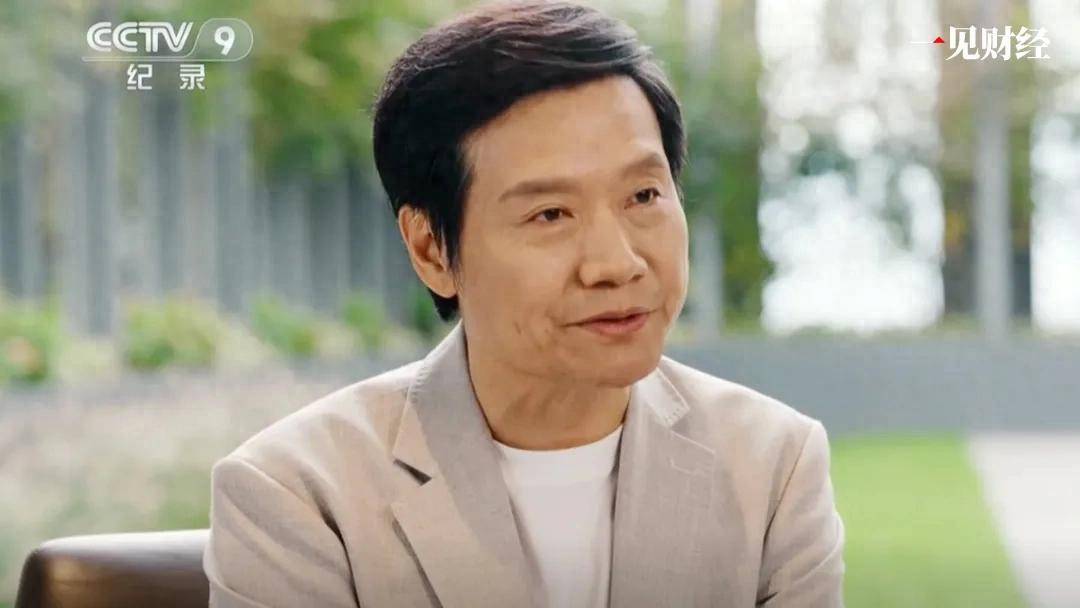
Group 1 - Lei Jun, the founder of Xiaomi, is featured as the only private entrepreneur in the CCTV documentary "My Five Years," highlighting his contributions during the "14th Five-Year Plan" period [2][5] - The documentary aims to showcase the achievements of various individuals across different sectors, reflecting the national development strategy and the contributions of private entrepreneurs like Lei Jun [4][6] - Xiaomi's transition from a successful smartphone company to entering the automotive industry aligns with the narrative of striving for innovation and growth, which is a central theme of the documentary [6][14] Group 2 - The documentary series has received positive media coverage, with another state-run media outlet, People's Daily, praising Xiaomi's commitment to innovation and technological advancement [7][8] - However, there has been criticism from Xinhua News Agency regarding Xiaomi's automotive sales practices, emphasizing the need for fair trading and consumer rights protection [19][35] - The recent controversies surrounding Xiaomi's sales model have raised concerns about maintaining market fairness and transparency, as highlighted in various media reports [35][37]

2025年第51周销量 华为Mate80系列达123万
Xin Lang Cai Jing· 2025-12-30 11:09
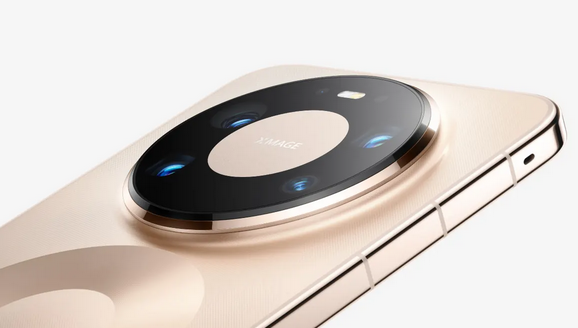
Core Insights - Huawei's Mate 80 series achieved sales of 1.2349 million units within 23 days of its launch, averaging over 50,000 units sold per day [1][5]. - The standard version of the Mate 80 series dominates the shipment volume, with the 5499 yuan 16+512GB version being the best seller, approximately five times the sales of the entry-level 4699 yuan version [1][4][7]. - The strong sales performance of the Mate 80 series has propelled Huawei to hold the number one market share in China for two consecutive weeks [1][5][7]. Sales Distribution - The shipment distribution of the Mate 80 series shows that the standard version accounts for the majority, followed by the Pro Max, Pro, and Master versions [4][7]. - Surprisingly, the entry-level version priced at 4699 yuan has the lowest sales among the series [4][7]. Market Impact - The success of the Mate 80 series has significantly boosted Huawei's overall smartphone sales, contributing to its leading position in the Chinese market [1][5][7].
华为Mate 80系列热销:23天销量破百万,标准版成主力
Xin Lang Cai Jing· 2025-12-30 11:09
Group 1 - The Huawei Mate 80 series achieved sales of 1.2349 million units within 23 days of its launch, averaging over 50,000 units sold per day [2][3] - The standard version dominated the shipment distribution, with the 16GB+512GB model priced at 5499 yuan becoming the best-selling variant, selling approximately five times more than the entry-level version priced at 4699 yuan [2][3] - The strong performance of the Mate 80 series has helped Huawei maintain its position as the market leader in China for two consecutive weeks [2][3] Group 2 - The product structure of the Mate 80 series shows that the standard version leads in shipments, followed by the Pro Max, Pro, and Extraordinary Master versions [3] - The entry-level configuration priced at 4699 yuan had the lowest sales among the standard versions, which is surprising given the current trend towards high-end models [3] - The overall popularity of the Mate 80 series significantly enhanced Huawei's market performance, solidifying the brand's top position in the domestic market share rankings [3]
苹果登顶中国手机市场,iPhone 17系列引领高端格局
Xin Lang Cai Jing· 2025-12-30 11:09
Market Share Overview - Apple regained the top position in the Chinese smartphone market with an 18.7% market share, driven by the strong performance of the iPhone 17 series [2][3] - Vivo, including iQOO, ranked second with a 17.1% market share, followed by Huawei at 16.0% in third place, and OPPO, including OnePlus, at 15.0% in fourth [2][3] - Honor and realme secured sixth and seventh places with market shares of 12.8% and 1.4%, respectively [2][3] Sales Performance of Specific Models - The iPhone 17 Pro Max and iPhone 17 Pro dominated the sales rankings, occupying all top three positions [2][3] - Huawei's Mate 80 ranked fourth, followed by Honor X70 and vivo S50 in subsequent positions [2][3] Market Dynamics - The high-end market remains dominated by Apple, with all three models of the iPhone 17 series showcasing strong product competitiveness [2][3] - Huawei maintains a stable influence in the high-end sector through flagship models like Mate 80 and Pura 80 [2][3] - Brands like Honor and Redmi continue to attract consumer attention in the mid-to-low-end market through a diverse product lineup [2][3]

小米二把手要套现百亿走人,雷军懵了
Xin Lang Cai Jing· 2025-12-30 11:04
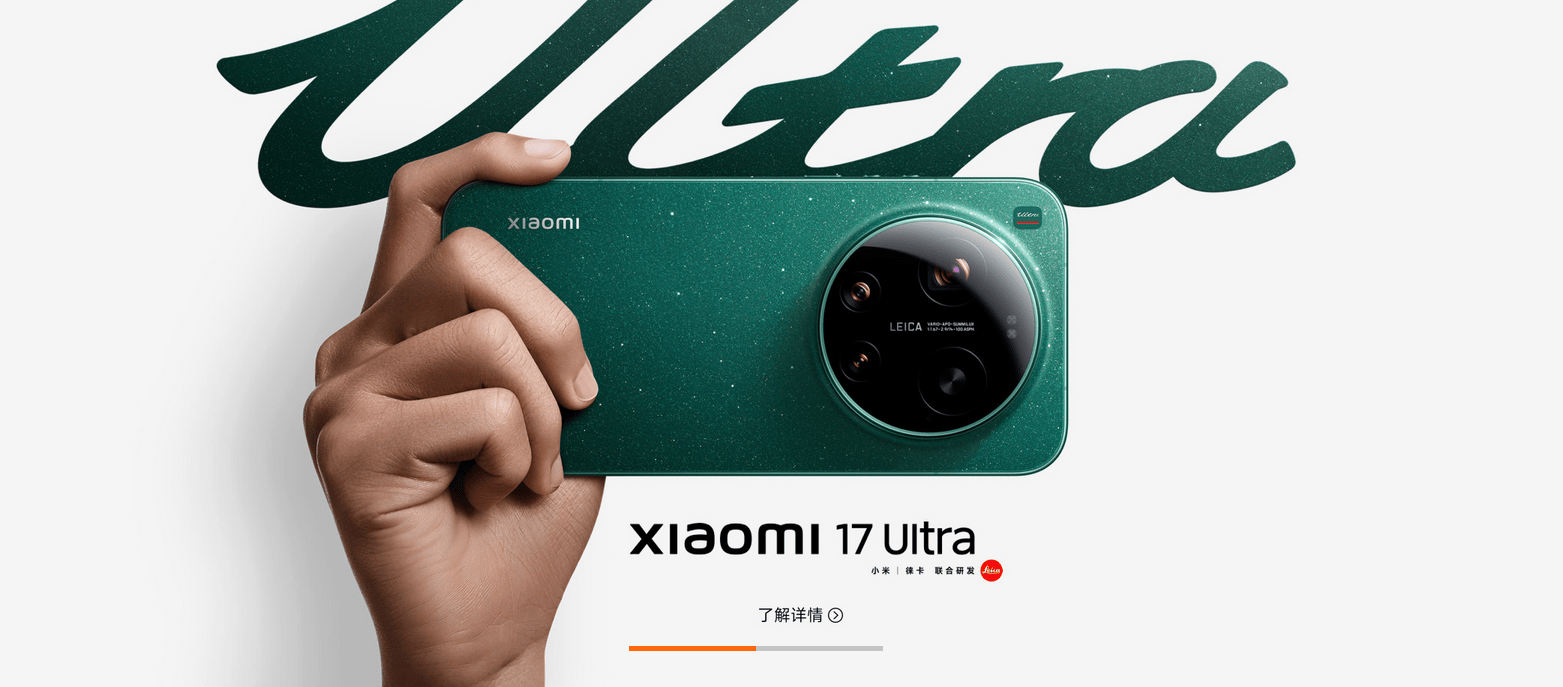
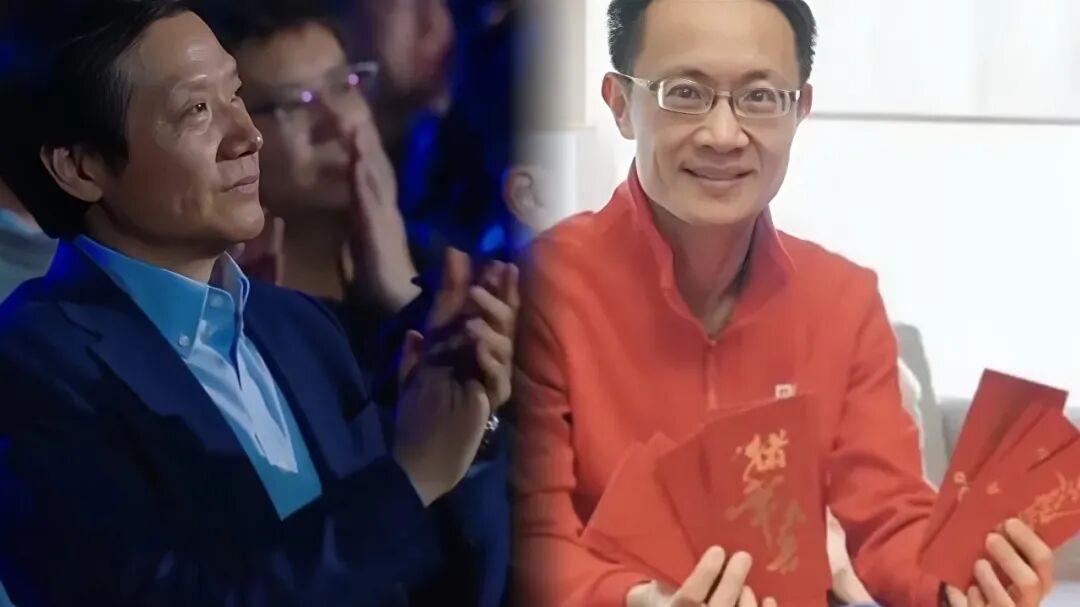
Group 1 - Lin Bin, co-founder and vice chairman of Xiaomi, plans to cash out $2 billion (approximately 14 billion yuan) worth of Xiaomi shares starting December 2026, with a maximum of $500 million per year [3][36] - The proceeds from the share sale are intended to establish an investment fund focusing on emerging technologies and sports industries, indicating Lin Bin's confidence in Xiaomi's future [5][36] - Lin Bin currently holds 2.155 billion shares of Xiaomi, representing 8.31% of the total shares, making him the second-largest shareholder [5][37] Group 2 - Xiaomi's latest financial report shows total revenue of 113.1 billion yuan for the third quarter, marking a 22.3% year-on-year increase, with adjusted net profit soaring by 80.9% [21][56] - The revenue from Xiaomi's smart electric vehicles and AI innovation businesses reached 29 billion yuan, with over 100,000 new cars delivered in the quarter, achieving profitability for the first time [26][61] - Xiaomi's smartphone business remains a major revenue contributor, with Q3 revenue of 46 billion yuan and a global smartphone shipment of 43.3 million units, continuing a nine-quarter growth trend [26][61] Group 3 - Xiaomi's IoT and lifestyle products generated 27.6 billion yuan in revenue, reflecting a 5.6% year-on-year growth, with the AIoT platform connecting 1.04 billion devices [31][66] - The company has launched the Xiaomi 17 Ultra smartphone series, continuing its strategy to penetrate the high-end market, with prices starting at 6,999 yuan [31][68] - Xiaomi's global active user base has reached 742 million, with over 15,000 hardware partners and a developer community of 1.2 million [33][68]
小米“二号人物”给股东出了一个难题
盐财经· 2025-12-30 09:04
Core Viewpoint - Xiaomi Group is actively engaging in stock buybacks and share purchases by its founder Lei Jun to instill confidence in the market, despite concerns surrounding co-founder Lin Bin's $2 billion share reduction plan set to begin in December 2026 [4][6][10]. Stock Performance and Market Reactions - Xiaomi's stock has seen a significant decline, losing over 500 billion HKD in market value since reaching a peak of 61.45 HKD per share in June 2025, with the stock currently trading around 38.58 HKD [5][7][9]. - Lin Bin's planned share reduction follows a history of previous cash-outs exceeding 8.5 billion HKD, raising investor concerns about the company's future [7][10]. Business Performance and Challenges - Xiaomi's smartphone business is facing challenges, with a 3.15% year-on-year revenue decline in Q3 2025, attributed to rising memory costs and a decrease in average selling price (ASP) from 1102.2 CNY to 1062.8 CNY [15][16]. - The company's IoT and consumer products segment has seen a 15.7% decline in revenue from smart appliances, impacted by competition from major appliance brands and a retreat in government subsidies [14][15]. Automotive Sector Developments - Xiaomi is expanding its automotive lineup with plans to launch three new models, including the family-oriented Xiaomi YU9 and the performance-focused YU7 GT, as it aims to capture a larger market share [20][21]. - The company is ramping up production capacity, with existing factories in Beijing and plans for additional facilities, potentially reaching a total capacity of over 400,000 vehicles [21][22]. Future Outlook - The automotive sector is expected to play a crucial role in Xiaomi's growth strategy, especially as the smartphone business faces headwinds in 2026 [24].
雷军官宣:明晚将进行跨年直播,请工程师现场拆车
Mei Ri Jing Ji Xin Wen· 2025-12-30 07:33
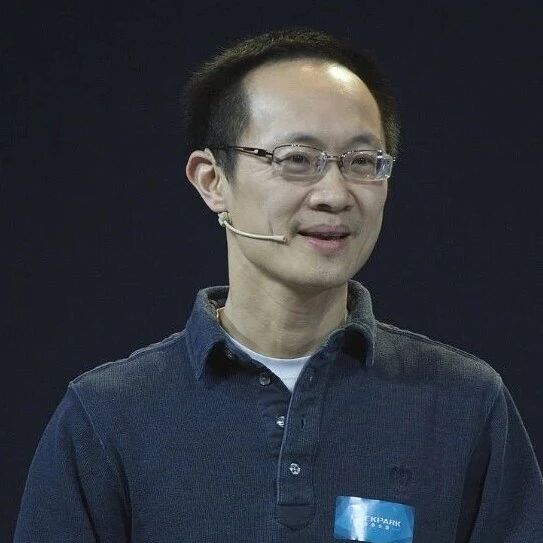
Group 1 - The core message of the news is that Xiaomi has achieved significant milestones in its automotive sector, including the production of its 500,000th vehicle in just over a year and a half, and plans for a New Year's live stream event featuring a car disassembly demonstration [1][3][5] Group 2 - Xiaomi's founder Lei Jun announced that the company produced its 500,000th vehicle in 1 year and 7 months, emphasizing safety and quality as foundational principles [5] - As of December 25, Xiaomi's cumulative vehicle deliveries have surpassed 500,000, with a projected delivery of over 350,000 vehicles in 2025 [5] - The company has outlined a strategic plan to invest 200 billion yuan in research and development over the next five years, with an expected R&D expenditure of 32 to 33 billion yuan for the current year and around 40 billion yuan by 2026 [5]

雷军跨年搞大事!12.31直播拆YU7,硬核聊2025,这场跨年太对味了
Sou Hu Cai Jing· 2025-12-30 06:55
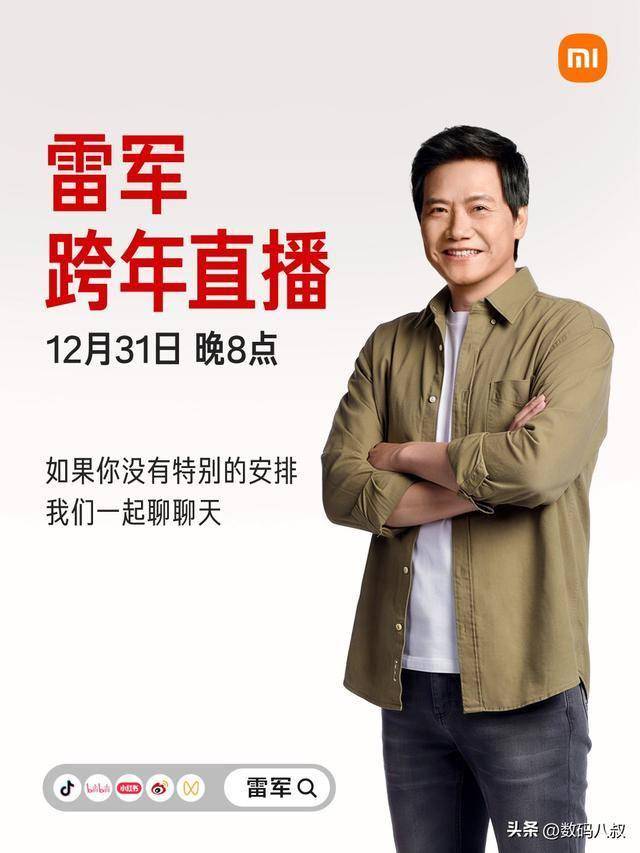
Core Viewpoint - Xiaomi's upcoming New Year's Eve live stream on December 31 will feature a unique format, focusing on a live disassembly of the Xiaomi YU7 SUV, showcasing the company's confidence in its product quality and engaging with fans about the past year and future prospects [1][3][10]. Group 1: Live Stream Highlights - The live stream will not include traditional entertainment but will instead focus on a detailed disassembly of the YU7, responding to public demand for transparency regarding the vehicle's construction and materials [1][3]. - The YU7 has gained popularity for its strong safety features and high-quality materials, with the live disassembly serving as a demonstration of the company's commitment to quality [3][5]. Group 2: Product Features and Innovations - Previous third-party assessments of the YU7 revealed impressive specifications, such as a 74.4% aluminum alloy coverage in the front bumper for enhanced safety and the use of 2200 MPa ultra-high-strength steel in the A-pillar [5]. - The YU7's battery pack features 14 layers of protection, including a bulletproof coating, ensuring both safety and extended range [5]. Group 3: Yearly Review and Future Outlook - The live stream will reflect on significant achievements in 2025, including the successful launch of the Xiaomi 17 Ultra and the strong market performance of the Xiaomi automotive family, particularly the YU7 [7][10]. - Looking ahead to 2026, Xiaomi aims to further enhance its ecosystem, potentially introducing advanced vehicle connectivity technologies and new models to compete more effectively with brands like Apple and Huawei [10][12].
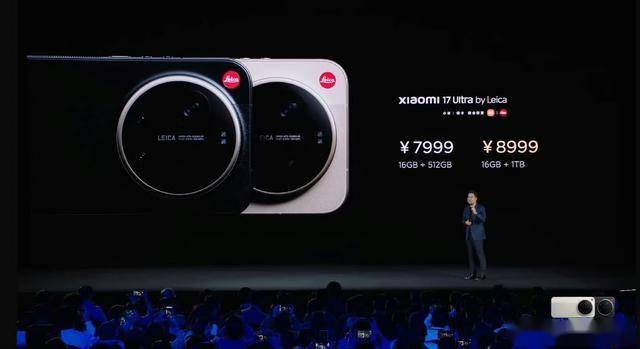
雷军这次赌赢了!7999元超高端小米17Ultra徕卡版,首销占比50%
Sou Hu Cai Jing· 2025-12-30 06:19
Core Insights - Xiaomi has successfully entered the ultra-high-end market with the launch of the Xiaomi 17 Ultra, achieving over 50% sales for the Leica version, priced at 7999 yuan, marking a significant step in its high-end strategy [1][7][12] Product Features - The Leica version of the Xiaomi 17 Ultra offers a unique user experience with features like a master zoom ring, Leica's instant mode for film-like quality, and a distinctive design that appeals to photography enthusiasts [3][5] - It is equipped with a 50MP 1-inch main camera and a 200MP periscope telephoto lens, achieving optical zoom without loss of quality, and has received Leica's APO optical certification [5][7] Market Positioning - Xiaomi's entry into the ultra-high-end market is notable as it challenges established brands like Apple and Huawei, which have dominated this segment for years [7][9] - The brand's rapid ascent from budget to premium pricing reflects a significant shift in market perception and consumer acceptance of Xiaomi as a high-end brand [7][9] Future Prospects - The integration of Xiaomi's smartphone and automotive ecosystems is expected to enhance brand loyalty and attract high-end users, further solidifying its position in the premium market [10][12] - The success of the Xiaomi 17 Ultra is seen as just the beginning, with expectations for a new market landscape as the automotive sector launches [12]