
汽车销售

Search documents
异动直击 | 和谐汽车午后扩大至20%,7月累升近9成,公司为比亚迪和腾势海外经销代理
Zhi Tong Cai Jing· 2025-07-31 07:56
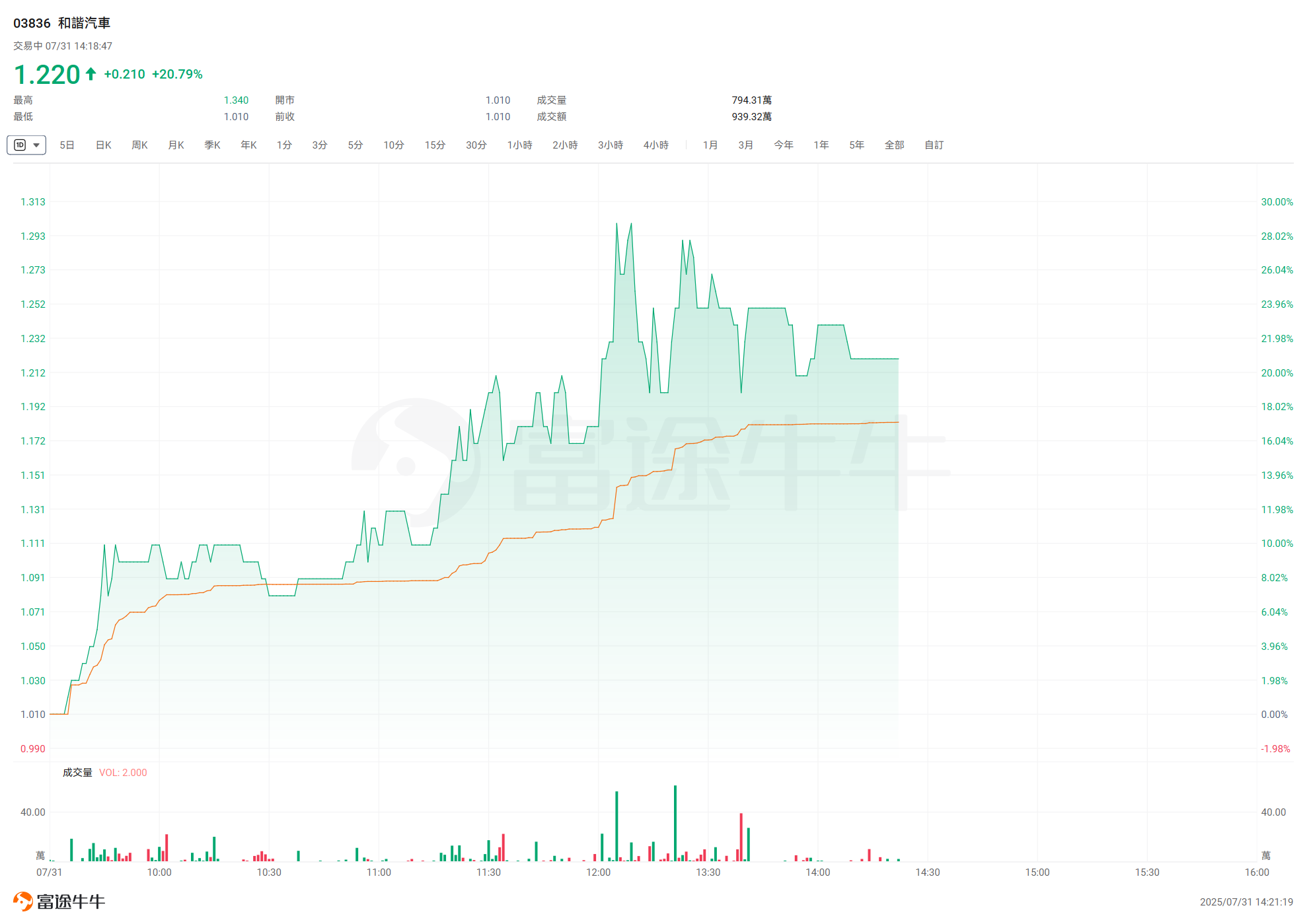
7月31日,和谐汽车午后飙升,截止发稿涨20.79%,月内股价已涨超87%,累计成交919万港元。 编辑/joryn 消息面上,比亚迪集团董事长王传福近日和谐比亚迪开设的海外第100家店——BYD Caroline Springs开业启幕并授牌。据悉,和谐汽车自2023年起加快全球 扩张策略,目前担任比亚迪和腾势在亚洲和欧洲多个地区的经销代理。仅两年时间,和谐汽车已开设100家比亚迪门店。 值得注意的是,和谐汽车5月份发布公告称,拟3.3亿元向控股股东冯长革出售iCar Group 45%权益及待售贷款,总代价3.3亿人民币,完成后,iCar Group分 别由公司及EGL持股55%及45%。据悉,iCar Group是比亚迪新能源汽车在香港的独家一级授权经销商,以及在柬埔寨的授权国家经销商。 投资总是踩地雷?精准解答,全方位洞察,掌握关键机会! ...


港股异动 和谐汽车(03836)午后涨超28% 月内股价实现翻倍 公司为比亚迪和腾势海外经销代理
Jin Rong Jie· 2025-07-31 07:07
本文源自:智通财经网 消息面上,比亚迪集团董事长王传福近日和谐比亚迪开设的海外第100家店——BYD Caroline Springs开 业启幕并授牌。据悉,和谐汽车自2023年起加快全球扩张策略,目前担任比亚迪和腾势在亚洲和欧洲多 个地区的经销代理。仅两年时间,和谐汽车已开设100家比亚迪门店。 值得注意的是,和谐汽车5月份发布公告称,拟3.3亿元向控股股东冯长革出售iCar Group 45%权益及待 售贷款,总代价3.3亿人民币,完成后,iCar Group分别由公司及EGL持股55%及45%。据悉,iCar Group 是比亚迪新能源汽车在香港的独家一级授权经销商,以及在柬埔寨的授权国家经销商。 和谐汽车(03836)午后涨超28%,月内股价已实现翻倍。截至发稿,涨22.77%,报1.24港元,成交额 914.39万港元。 ...
和谐汽车午后涨超28% 月内股价实现翻倍 公司为比亚迪和腾势海外经销代理
Zhi Tong Cai Jing· 2025-07-31 06:08
值得注意的是,和谐汽车5月份发布公告称,拟3.3亿元向控股股东冯长革出售iCar Group45%权益及待 售贷款,总代价3.3亿人民币,完成后,iCar Group分别由公司及EGL持股55%及45%。据悉,iCar Group 是比亚迪新能源汽车在香港的独家一级授权经销商,以及在柬埔寨的授权国家经销商。 消息面上,比亚迪(002594)集团董事长王传福近日和谐比亚迪开设的海外第100家店——BYD Caroline Springs开业启幕并授牌。据悉,和谐汽车自2023年起加快全球扩张策略,目前担任比亚迪和腾 势在亚洲和欧洲多个地区的经销代理。仅两年时间,和谐汽车已开设100家比亚迪门店。 和谐汽车(03836)午后涨超28%,月内股价已实现翻倍。截至发稿,涨22.77%,报1.24港元,成交额 914.39万港元。 ...
港股异动 | 和谐汽车(03836)午后涨超28% 月内股价实现翻倍 公司为比亚迪和腾势海外经销代理
智通财经网· 2025-07-31 06:06
智通财经APP获悉,和谐汽车(03836)午后涨超28%,月内股价已实现翻倍。截至发稿,涨22.77%,报 1.24港元,成交额914.39万港元。 消息面上,比亚迪集团董事长王传福近日和谐比亚迪开设的海外第100家店——BYD Caroline Springs开 业启幕并授牌。据悉,和谐汽车自2023年起加快全球扩张策略,目前担任比亚迪和腾势在亚洲和欧洲多 个地区的经销代理。仅两年时间,和谐汽车已开设100家比亚迪门店。 值得注意的是,和谐汽车5月份发布公告称,拟3.3亿元向控股股东冯长革出售iCar Group 45%权益及待 售贷款,总代价3.3亿人民币,完成后,iCar Group分别由公司及EGL持股55%及45%。据悉,iCar Group 是比亚迪新能源汽车在香港的独家一级授权经销商,以及在柬埔寨的授权国家经销商。 ...
深交所发行上市审核问答汇总(最新)
梧桐树下V· 2025-07-30 10:00
Core Viewpoint - The article discusses the changes and updates in the Shenzhen Stock Exchange's (SZSE) listing review process following the implementation of the comprehensive registration system in February 2023, highlighting the importance of pre-communication and internal control audits for companies seeking to go public. Group 1: Pre-Communication Process - Pre-communication is a consultation service that allows issuers and intermediaries to discuss significant issues with the exchange before submitting their listing applications, enhancing transparency in the review process [2][3][4]. - Pre-communication is not a mandatory step for project acceptance and does not affect the submission of listing application documents [3][4]. - The exchange has revised its guidelines to improve the quality and efficiency of pre-communication, allowing various market participants to submit inquiries directly [6][7]. Group 2: Internal Control Audit Requirements - Companies planning to go public must provide an internal control audit report from a certified public accountant when submitting their application or updating financial data [8][10]. - The internal control audit must be conducted in accordance with specific guidelines to ensure the quality and effectiveness of the audit process [11][12]. - Companies already under review must also submit an internal control audit report when updating their annual financial data [10][11]. Group 3: Fundraising and Investment Focus - Companies must ensure that the funds raised are primarily directed towards their main business operations, as stipulated by the regulations [13][22]. - The definition of "main business" should be based on the revenue scale and stability of operations at the time of the fundraising proposal [14][22]. - Companies must provide a thorough justification for any new product investments, ensuring they align with existing business operations and do not present significant uncertainties [15][17]. Group 4: Regulatory Compliance and Reporting - The exchange has implemented stricter regulations to prevent companies from engaging in "clearing-style" dividends before going public, encouraging them to retain profits for growth [18][19]. - Companies must disclose any changes in the use of previously raised funds, ensuring compliance with the relevant regulations [20]. - Issuers with state-owned shareholders must clearly indicate this in their application materials and comply with specific disclosure requirements [21].
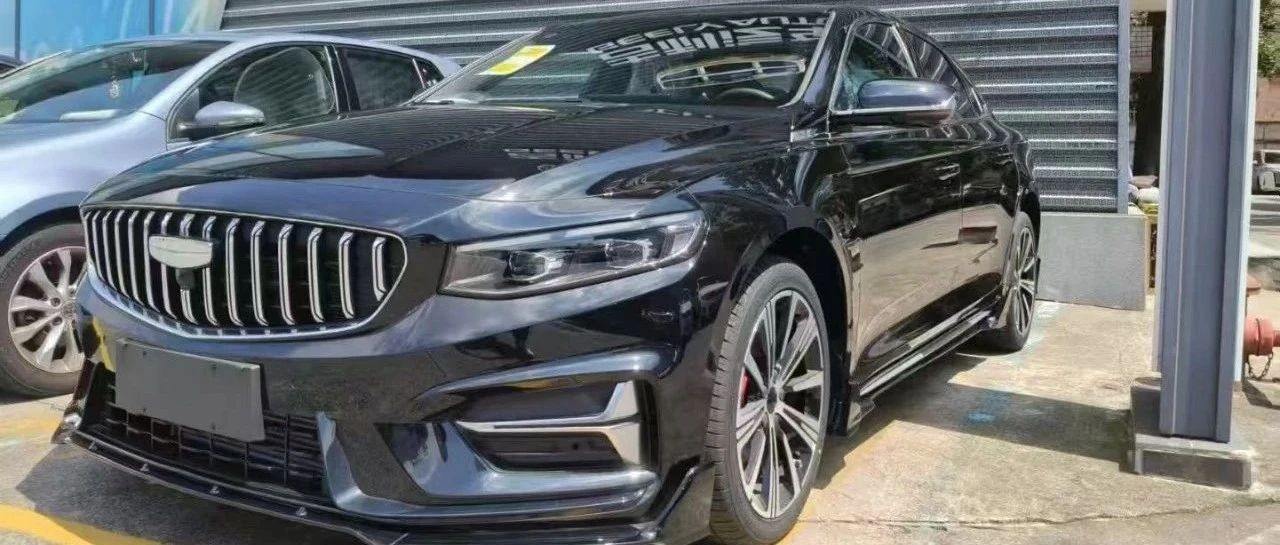
高息高返已经停止一个月,现在一线销售情况怎么样?
车fans· 2025-07-28 00:32
Core Viewpoint - The cessation of high-interest and high-rebate car loans has led to a significant shift in the automotive financing landscape, impacting sales and customer behavior across various brands and dealerships [1][9]. Group 1: Sales Impact - Traditional sales peak in July has been disrupted, with a reported 5% decrease in foot traffic but a staggering 40% drop in sales volume [3]. - The absence of manufacturer subsidies has forced dealerships to increase car prices, with examples showing price hikes of over 7,000 yuan for models like the Passat [3]. - Sales strategies have shifted to low-interest financing options, which are less attractive compared to previous high-rebate offers, leading to reduced sales incentives [4][11]. Group 2: Customer Behavior - Customer sentiment has changed, with many expressing dissatisfaction over the removal of high-rebate options, leading to confusion and frustration [9]. - A significant portion of customers (60%-70%) are opting for early loan repayments, indicating a shift in financial strategy due to the new lending environment [3][7]. - Customers who previously benefited from high-rebate loans are now facing higher costs under new financing schemes, which has altered their purchasing decisions [11][12]. Group 3: Financing Options - New financing options include two-year interest-free loans and low-interest loans, but these are perceived as less favorable compared to previous high-rebate schemes [6][14]. - The approval process for loans has become stricter, with many customers facing rejections that were previously uncommon, impacting their ability to purchase vehicles [11]. - The current financing landscape is characterized by a mix of manufacturer and bank offerings, with a notable shift towards lower interest rates but without the attractive rebates that were previously available [10][12].
【南粤聚才 智创未来】才聚东莞,职赢精彩!
2 1 Shi Ji Jing Ji Bao Dao· 2025-07-27 11:23
Event Overview - The Guangdong Province Live Job Recruitment Event will take place from July to December 2025, featuring 40 online job fairs [2] - The event is guided by the China Small and Medium Enterprises Development Promotion Center and co-hosted by various provincial departments and organizations [2] Live Broadcast Information - The first live broadcast will occur on July 28, 2025, from 10:00 to 12:00, focusing on Dongguan [4] - The live broadcast will be held at the Guangdong Province Veterans Employment and Entrepreneurship Service Promotion Association [4] Participating Companies - **Yishite Power System Technology Co., Ltd.**: Founded in 1989, listed in 2014, recognized as a key high-tech enterprise and has been included in various global rankings, including the Global New Energy Enterprises Top 500 [6][7] - **Guangdong Aoxin Technology Co., Ltd.**: Certified as a national high-tech enterprise, specializes in temperature control equipment manufacturing [6] - **Shenzhen Top Weighing Equipment Co., Ltd.**: Established in 2007, focuses on electronic weighing equipment manufacturing and adheres to international standards [8] - **Dongguan Meixing Automobile Co., Ltd.**: A limited liability company invested by Hong Kong, Macau, and Taiwan, known for its luxury electric off-road vehicles [9] - **Bingge Supply Chain Service Co., Ltd.**: Aims to support veterans' employment and entrepreneurship, with a comprehensive service model and multiple operational bases in Dongguan [10] Job Opportunities - **Yishite Power System Technology Co., Ltd.**: Positions available include After-sales Engineer, Sales Manager, Forklift Driver, Welding Technician, and Debugging Technician [6] - **Guangdong Aoxin Technology Co., Ltd.**: Hiring for Market Manager, Marketing Promotion Manager, Sales Personnel, and E-commerce Customer Service Specialist [6] - **Shenzhen Top Weighing Equipment Co., Ltd.**: Open positions include Business Assistant, Network Administrator, and After-sales Service [8] - **Dongguan Meixing Automobile Co., Ltd.**: Positions available include Administrative General Affairs and Sales Consultant [9] - **Bingge Supply Chain Service Co., Ltd.**: Hiring for positions such as Assistant to the Chairman, Market Department Investment Responsible Person, and Online Operations Supervisor [10]
浩物股份: 关于为下属公司提供担保的进展公告
Zheng Quan Zhi Xing· 2025-07-24 16:11
Summary of Key Points Core Viewpoint - Sichuan Haowu Electromechanical Co., Ltd. has provided a joint liability guarantee for its wholly-owned subsidiary, Neijiang Pengxiang Investment Co., Ltd., to support the financing needs of Tianjin Rongcheng Anweide Technology Co., Ltd. The financing amount is set at 20 million RMB, with the guarantee amount adjusted to 25 million RMB for a period of three years [1][4]. Group 1: Guarantee Overview - The company has provided a joint liability guarantee for Tianjin Anweide's financing of 20 million RMB, with a guarantee amount of 25 million RMB [1]. - The guarantee period is three years from the maturity of the debt [1][5]. - The guarantee covers principal debts, interest, penalties, and other related costs [5][6]. Group 2: Financial Status - As of December 31, 2024, the total assets of the company were approximately 14.51 billion RMB, with total liabilities of about 10.25 billion RMB, resulting in an asset-liability ratio of 70.68% [3]. - By March 31, 2025, the total assets increased to approximately 16.41 billion RMB, and total liabilities rose to about 11.95 billion RMB, leading to an asset-liability ratio of 72.86% [3]. - The company reported a net loss of approximately 3.31 million RMB for the year ending December 31, 2024, but a net profit of about 199,489 RMB for the first quarter of 2025 [4]. Group 3: Board Opinion - The board believes that the financing will support the business development of Tianjin Anweide and will not harm the interests of the company and its shareholders [8]. - The board considers the risks associated with this guarantee to be controllable [8]. Group 4: Cumulative Guarantee Information - As of the announcement date, the total amount of external guarantees provided by the company and its subsidiaries is 46.10% of the net assets, which is 28.51% of the total audited assets as of December 31, 2024 [8]. - The company has provided guarantees totaling 180 million RMB to its subsidiaries, including the current guarantee [8].

国内高频 | BDI运价创年内新高(申万宏观·赵伟团队)
赵伟宏观探索· 2025-07-23 12:29
Core Viewpoint - The article highlights a slight recovery in industrial production and construction activity, alongside an increase in freight volume, indicating potential improvements in economic conditions. Group 1: Industrial Production - Industrial production shows a slight recovery, with the blast furnace operating rate increasing by 0.8% year-on-year [5][9] - The chemical production chain has seen improvements, with soda ash and polyester filament operating rates increasing by 3.3 percentage points and 1.9 percentage points year-on-year, respectively [2][17] - The automotive sector also shows improvement, with semi-steel tire operating rates up by 3.2 percentage points year-on-year [17] Group 2: Construction Activity - Construction activity is showing signs of recovery, with the national grinding operating rate increasing by 1.4 percentage points year-on-year [29] - Cement shipment rates have significantly improved, with a year-on-year increase of 2.4 percentage points [29][33] - Asphalt operating rates have slightly decreased but remain higher than the same period last year [2][41] Group 3: Demand and Freight Volume - Real estate transactions remain low, with average daily transaction area down by 7.1 percentage points year-on-year [53] - Freight volume has increased, with port cargo throughput and container throughput rising by 1.3 percentage points and 4.4 percentage points year-on-year, respectively [65][72] - The national migration scale index has increased by 4.9 percentage points year-on-year, indicating stronger movement of people [77] Group 4: Price Trends - Agricultural product prices are generally weak, with pork, vegetables, and fruit prices declining by 0.1%, 0.1%, and 1.0% respectively [107] - Industrial product prices have generally increased, with the Nanhua Industrial Price Index rising by 1.0% [119][120] - The energy and chemical price index increased by 0.9%, while the metal price index also rose by 1.0% [119][126] Group 5: Export Indicators - Export indicators show potential improvement, with foreign trade port cargo volume increasing by 8.9% year-on-year [135] - Container throughput to Vietnam has surged to over 60%, while shipments to the U.S. have decreased [135] - The overall export production index has increased by 0.5 percentage points, suggesting a positive outlook for July exports [138]
据日本共同社:日本将利用当地经销商网络帮助销售美国汽车。
news flash· 2025-07-23 06:00
Core Viewpoint - Japan will leverage its local dealer network to assist in the sales of American cars [1] Group 1 - The initiative aims to enhance the market presence of American automotive brands in Japan [1] - This collaboration is expected to strengthen trade relations between Japan and the United States in the automotive sector [1]