
种植业

Search documents
山西左云:一粒玉米的“四季剧本”折射高寒地区农业出路
Zhong Guo Xin Wen Wang· 2025-11-21 08:27
Core Insights - The article highlights the innovative agricultural practices in Zuoyun County, Shanxi Province, focusing on the cultivation of corn in a high-altitude region, showcasing a full seasonal cycle that reflects the agricultural potential in cold areas [1] Group 1: Agricultural Innovation - The He Longyuan Cooperative collaborates with local agricultural authorities to select high-yield corn varieties suited for the region's climate, significantly improving yield stability [2] - Mechanized farming techniques, including deep plowing and precision seeding, enhance soil moisture retention and planting efficiency, laying a solid foundation for corn growth [2] Group 2: Precision Management - During the summer, the cooperative employs drones for precise application of pesticides and fertilizers, achieving over 95% accuracy, which reduces waste and minimizes health risks for workers [3] - Agricultural experts provide tailored guidance on fertilization and pest control based on real-time assessments of crop conditions [3] Group 3: Harvesting and Processing - The cooperative utilizes a fleet of harvesting machinery to ensure timely collection of corn, maximizing yield and minimizing waste [4] - The average corn yield for the cooperative is reported at over 1560 pounds per acre, representing a 20% increase compared to traditional farming methods [5] Group 4: Value Addition - The cooperative processes corn into various products, such as corn flour and grits, which are marketed under a green food label, significantly increasing the product's added value [6] - Last year, the deep processing of corn generated sales revenue of 390,000 yuan [6] Group 5: Future Outlook - The cooperative conducts evaluations of corn varieties to provide data for future planting decisions, emphasizing the importance of technology and brand development in expanding market reach [8]

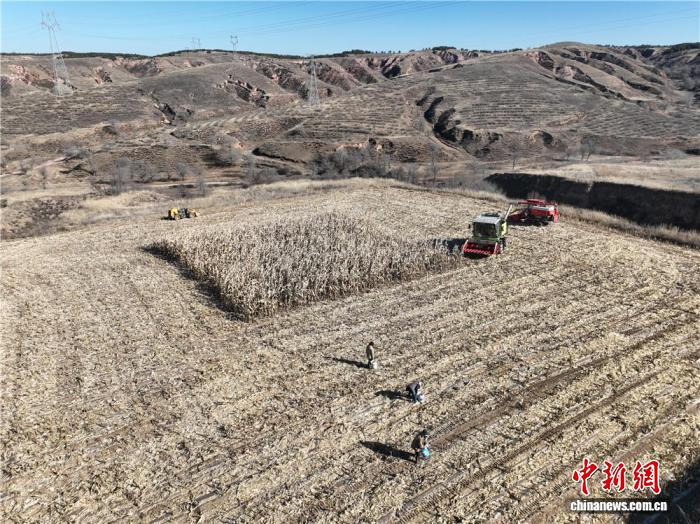
2026年农业又要变天了?粮价、猪价一夜突变!玉米、小麦全面上涨?猪价、牛羊价涨定了!农民警惕...
Xin Lang Cai Jing· 2025-11-20 22:08
Core Insights - The article discusses the upcoming trends in agricultural reform and price changes for grains and livestock in 2026, emphasizing the need for farmers to prepare for these shifts [1][2]. Agricultural Reform Trends - The Chinese government aims for substantial progress in rural revitalization by 2027, focusing on stable agricultural production, livable rural areas, and continuous income growth for farmers [2]. - Key areas of future agricultural reform include technological empowerment, optimization of industrial structure, and green low-carbon transformation [2]. - The number of family farms in China has surpassed 5 million, with 80% of counties piloting cooperative quality improvements, indicating a shift towards larger-scale agricultural operations [1][2]. Price Trends - Prices for corn and wheat have seen significant increases, with wheat prices reaching 2,600 yuan per ton and some premium varieties hitting 2,800-2,900 yuan per ton [3]. - In the Northeast, corn prices are also rising, with state-owned enterprises like COFCO and China Grain Reserves starting to purchase at prices around 2,090 yuan per ton, which is higher than local processing prices [3]. - The pig and livestock markets are experiencing a rebound, with pig prices exceeding 13 yuan per kilogram due to seasonal demand increases [4]. Climate Impact - The emergence of La Niña climate conditions is expected to affect farmers, particularly concerning the risk of grain spoilage and livestock disease [5]. - Farmers are advised to take precautions against potential spoilage by properly storing grains and ensuring vaccination and sanitation in livestock operations [5].
连云港海州:秋收告捷 30万亩小麦播种进度超八成
Yang Zi Wan Bao Wang· 2025-11-20 13:27
Core Viewpoint - The article highlights the efforts of Lianyungang City, Haizhou District, to accelerate the autumn harvest and sowing process, which was delayed due to continuous rainy weather since September. The district implemented various measures, including financial support and technical guidance, to ensure timely completion of agricultural activities [1][3]. Group 1: Harvest and Sowing Progress - As of November 19, the district has completed the harvesting of approximately 339,600 acres of autumn grain, with 253,000 acres of wheat sown, achieving a progress rate of 82% [1]. - The district's agricultural strategy includes a focus on timely harvesting and sowing to mitigate the impact of adverse weather conditions, ensuring a successful agricultural yield for the upcoming year [5]. Group 2: Financial Support and Subsidies - The district allocated an additional 1.1 million yuan in financial support specifically for rice harvesting and drying operations, alongside the implementation of central disaster relief funds [3]. - A total of 165 large-scale rice farmers, cultivating over 25,000 acres, are eligible for district-level subsidies, with an average subsidy of 18 yuan per acre for the rice and wheat areas affected by the weather [3]. Group 3: Agricultural Techniques and Support - The district's agricultural departments are actively promoting the use of moisture-resistant crop varieties and precision sowing techniques to address soil moisture issues [5]. - Continuous technical support is being provided to farmers, including guidance on sowing depth, plant density, and post-sowing soil compaction to enhance wheat germination rates [5].

种植业板块11月20日涨0.09%,海南橡胶领涨,主力资金净流出3741.8万元
Zheng Xing Xing Ye Ri Bao· 2025-11-20 09:09
从资金流向上来看,当日种植业板块主力资金净流出3741.8万元,游资资金净流入8107.5万元,散户资 金净流出4365.71万元。种植业板块个股资金流向见下表: 以上内容为证券之星据公开信息整理,由AI算法生成(网信算备310104345710301240019号),不构成投资建议。 证券之星消息,11月20日种植业板块较上一交易日上涨0.09%,海南橡胶领涨。当日上证指数报收于 3931.05,下跌0.4%。深证成指报收于12980.82,下跌0.76%。种植业板块个股涨跌见下表: ...


尼泊尔雨季稻米预计减产9%,粮食供应面临缺口
Shang Wu Bu Wang Zhan· 2025-11-20 07:55
Core Viewpoint - The rice production in Nepal is expected to decline by approximately 9% this season due to drought and flooding in the Terai region, leading to significant implications for food security and market prices [1] Group 1: Production Impact - The Ministry of Agriculture's economists estimate a reduction in rice output of about 458,500 tons, bringing the total production down to 4.63 million tons [1] - This reduction will create a national rice supply gap of 1.12 million tons, which is critical as the annual demand is 4 million tons [1] Group 2: Food Security and Market Prices - The expected decline in rice production is likely to have a significant impact on Nepal's food security [1] - The market prices are anticipated to be affected due to the supply shortage resulting from the production decline [1]
未尝不能有51个美国?美国各州独立自主,绕开特朗普和中国打交道
Sou Hu Cai Jing· 2025-11-20 07:43
Core Viewpoint - The phenomenon of U.S. states bypassing the federal government to engage directly with China is gaining attention, highlighting the increasing role of local governments in U.S.-China relations [1][3]. Group 1: State-Level Engagement - Local governments are taking proactive steps to foster economic cooperation with China, especially as the federal government remains uncertain about the future of U.S.-China relations [3][4]. - Washington State's Commerce Secretary, who led a delegation to China, emphasized that China is a crucial trade partner, indicating a clear distinction from federal government positions [3][5]. - Oregon and California are also enhancing their cooperation with China, with Oregon's Senate passing a resolution to deepen economic ties and California's Governor seeking more autonomy from federal policies [7][8]. Group 2: Economic Impact - Washington State's exports to China are projected to exceed $22 billion in 2024, accounting for 27% of the state's total exports, with key industries like Boeing and agriculture relying heavily on the Chinese market [5][9]. - Oregon's exports to China are expected to reach nearly $8 billion in 2024, driven by the demand for agricultural products like blueberries and cherries [7][9]. - California's exports to China are projected to be as high as $31 billion in 2024, with cooperation extending beyond trade to include areas like climate change and renewable energy [8][9]. Group 3: Political and Strategic Considerations - Local governments view cooperation with China as a means to bolster their economies and accumulate political capital for future elections, seeking greater autonomy in their dealings [8][9]. - The diversification of cooperation channels at the local level provides a buffer against federal policy fluctuations, allowing for more stable economic relations [9][11]. - Despite the benefits, local cooperation faces limitations due to the federal government's ultimate decision-making authority in trade and diplomatic matters [11][13].

农业科创新成果“大显身手” 绿色增产有妙招“吨半粮”刷新纪录
Yang Shi Wang· 2025-11-20 06:04
Core Insights - The "ton and a half grain" demonstration field in Pinghu, Jiaxing City, achieved a record yield of 1655.06 kg per mu for wheat and rice rotation, breaking a 14-year record in Zhejiang Province [1][6] - The term "ton and a half grain" refers to a farming system where the total yield of wheat and rice in a single cycle exceeds 1500 kg per mu, indicating high and super high grain production [1] Group 1: Yield Results - The measured yield from the demonstration field reached 1655.06 kg per mu, surpassing the previous record by 235.56 kg, which is an increase of 16.6% [6] - The average yield from a 100 mu area was 1582.66 kg per mu, exceeding the previous record by 163.16 kg, representing an 11.5% increase [6] Group 2: Agricultural Innovation - The success of the record-breaking yield is attributed to the use of "plant endophytic fungi agents," which act like "probiotics" for plants, enhancing nutrient absorption and disease resistance [6][10] - Research on "plant endophytic fungi" began in 2001 by a team led by Professor Lin Fucheng from the Zhejiang Academy of Agricultural Sciences, identifying over 12,000 strains over 20 years [12] - This technology has been successfully applied to various crops across the country, including corn in Henan, rice and soybeans in Heilongjiang, and tomatoes and wheat in Xinjiang [15]
初冬农事忙
Xin Hua She· 2025-11-20 01:24
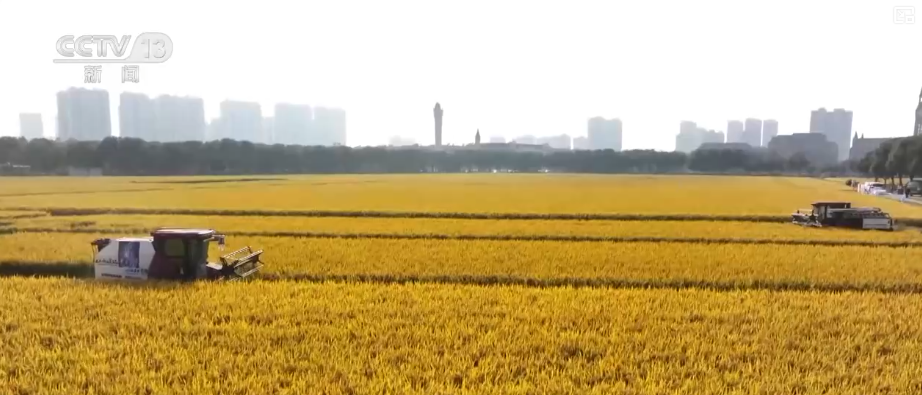
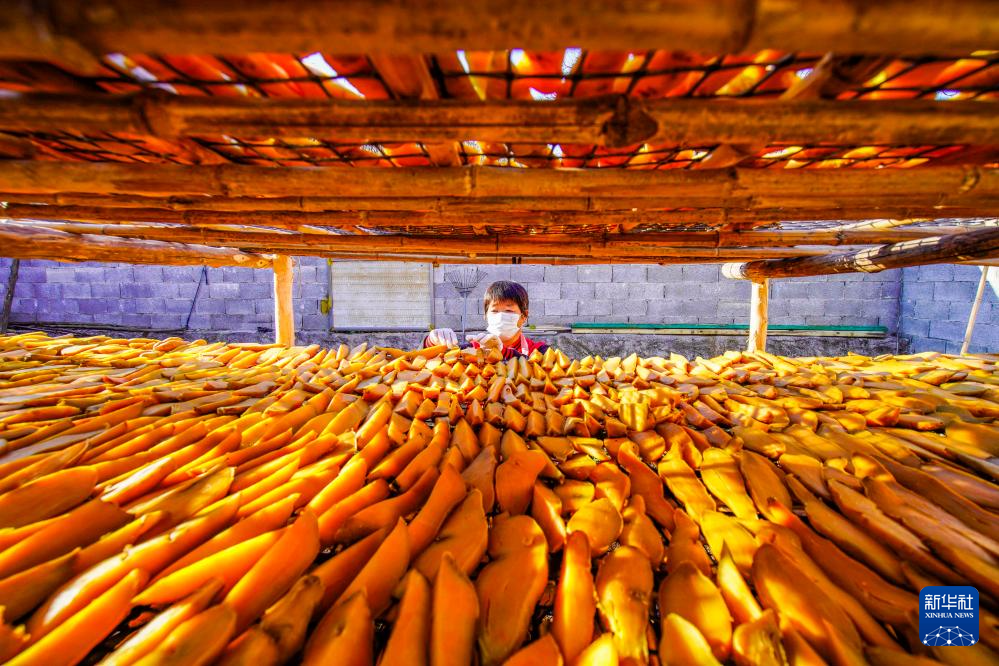
Core Viewpoint - Farmers across various regions are actively engaged in harvesting, drying, and selling crops, showcasing a busy agricultural scene during the current season [2][4][7][9][11][13][15][17][20][22]. Group 1: Regional Agricultural Activities - In Hebei Province, farmers in Zunhua City are drying sweet potatoes in their courtyards [2]. - In Guangxi Zhuang Autonomous Region, farmers in Hezhou City are harvesting vegetables [4]. - Farmers in Tangshan City, Hebei Province, are harvesting coriander in the fields [7]. - In Sichuan Province, workers are live-streaming the sale of navel oranges from a citrus planting base [9]. - In Henan Province, employees of a professional cooperative are harvesting chrysanthemum flowers [11]. - Sugarcane farmers in Liucheng County, Guangxi Zhuang Autonomous Region, are cutting sugarcane in the fields [13]. - In Chongqing City, fruit farmers are picking navel oranges [15]. - Workers in Jiangsu Province are sorting gourds in a large gourd garden [17]. - Farmers in Yuyao City, Zhejiang Province, are using harvesters to collect late rice [20]. - In Shangqiu City, Henan Province, agricultural machinery operators are preparing farmland [22].
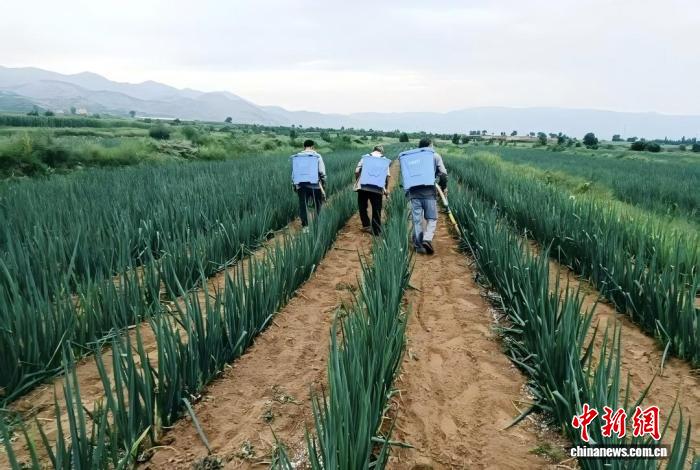
山西大同:“小葱”做成大产业 沙壤土变“致富田”
Zhong Guo Xin Wen Wang· 2025-11-19 23:21
Core Insights - The article highlights the successful transformation of a rural community in Shanxi Province, where the cultivation of green onions has become a significant industry contributing to rural revitalization [1][2]. Group 1: Agricultural Development - Baiyangkou Village, previously focused on low-yield crops like sorghum and corn, has shifted to large-scale green onion cultivation due to favorable soil conditions and irrigation from nearby mountain springs [2]. - The village has established a 100-acre green onion planting base and a seedling nursery, enhancing land resource utilization and increasing agricultural productivity [2][3]. Group 2: Economic Impact - The cooperative model involving "Party branch + cooperative + farmers" has enabled the village to introduce high-quality varieties and provide expert guidance, resulting in an average yield of over 5,000 pounds per acre [2]. - Local farmers have seen their annual income double, with one farmer reporting a net income of 600 yuan per acre previously, now supplemented by land rental fees and wages from cooperative work [2][3]. Group 3: Employment and Community Benefits - The cooperative has employed over 30 local laborers during the planting, maintenance, and harvesting periods, with each earning an additional 3,000 yuan [3]. - The initiative aims to deepen the integration of "Party building + industry" to further extend the green onion industry chain and enhance brand promotion, ultimately driving income growth and rural revitalization [3].
订单农业走出提质增效好路子
Xin Hua Ri Bao· 2025-11-19 21:15
Core Viewpoint - The Jiangsu Coastal Group's Sheyang Jin Hai Island high-quality glutinous rice planting base has successfully implemented a "seed breeding + order planting" model, leading to a win-win situation among seed companies, processing enterprises, and planting bases, thereby establishing a profitable order agriculture development path [1] Group 1: Market Demand and Planting Strategy - The planting base benefits from a unique geographical advantage and rich natural conditions, which are conducive to high-quality glutinous rice cultivation [2] - The company has formed a professional market research team to analyze grain market trends, ensuring that glutinous rice products have stable and considerable market revenue potential [2] - By signing cooperation agreements with rice processing enterprises in advance, the company effectively locks in demand and mitigates market volatility risks through the "order agriculture" model [2] Group 2: Production Foundation and Management - The company emphasizes the importance of high-quality seeds and scientific management in the "breeding + planting" dual-base approach [3] - A high-standard breeding field is established in collaboration with seed companies, adhering to strict management standards to ensure seed quality and yield [3] - Modern agricultural technologies, such as drone pest control, are employed to enhance production efficiency and meet market demands for green and healthy rice [3] Group 3: Sales and Efficiency Enhancement - The company has established a smooth collection and delivery mechanism to ensure efficient flow of glutinous rice from the field to the processing plant [4] - Detailed harvesting plans are coordinated with production bases and processing enterprises to optimize resource allocation and enhance delivery efficiency [4] - The order planting model has resulted in over 7% increase in per-acre profitability compared to conventional rice planting, demonstrating significant effectiveness in stabilizing production and increasing income [4]