
关税大战

Search documents
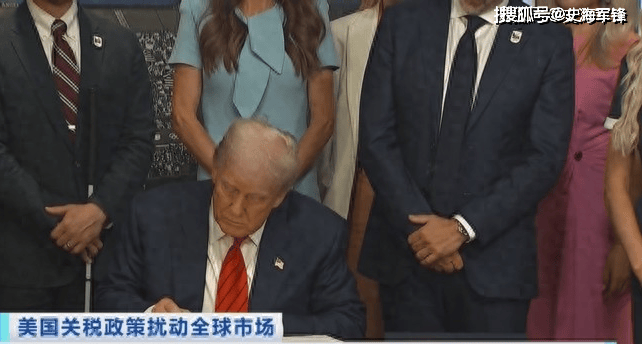
硬抗3天后,特朗普接受现实,全球关税大战结束!
Sou Hu Cai Jing· 2026-02-26 04:09
Group 1 - The U.S. Supreme Court ruled on February 20 that the tariffs imposed by the Trump administration under the International Emergency Economic Powers Act lacked clear legal authorization, effectively nullifying the legality of previous tariffs [2] - Following the ruling, Trump quickly signed an executive order to impose a 10% tariff on all goods imported to the U.S. for 150 days, later increasing the rate to 15% [2][3] - The new tariffs are subject to Congressional approval for any extension, which shifts the power dynamics and complicates the situation for the Trump administration [3] Group 2 - Domestic opposition to the tariffs has intensified, with the Tax Foundation estimating that by 2025, tariffs will cost the average American household an additional $1,000, causing significant distress for businesses [4] - Internationally, the EU threatened to suspend a planned trade agreement with the U.S. and proposed countermeasures affecting $90 billion worth of U.S. goods, while allies like Canada and Germany criticized the tariffs for disrupting trade order [6] - Southeast Asian countries are adjusting their export strategies to reduce reliance on the U.S. market, undermining Trump's goal of correcting trade imbalances through tariffs [6] Group 3 - After three days of maintaining a hardline stance, Trump acknowledged the need for negotiation through legal channels, indicating a retreat from the aggressive tariff strategy [8] - The trade conflict has highlighted that there are no winners in a trade war, as Trump's approach not only violated international trade rules but also harmed U.S. interests [8] - The situation underscores the importance of cooperation and mutual benefit in a globalized economy, as the previous tariff measures are no longer sustainable [8]

贵金属巨震之下,会造成哪些金融市场品种的连锁反应,有哪些历史经验教训,有何关键企稳信号指标?
Sou Hu Cai Jing· 2026-02-01 09:31
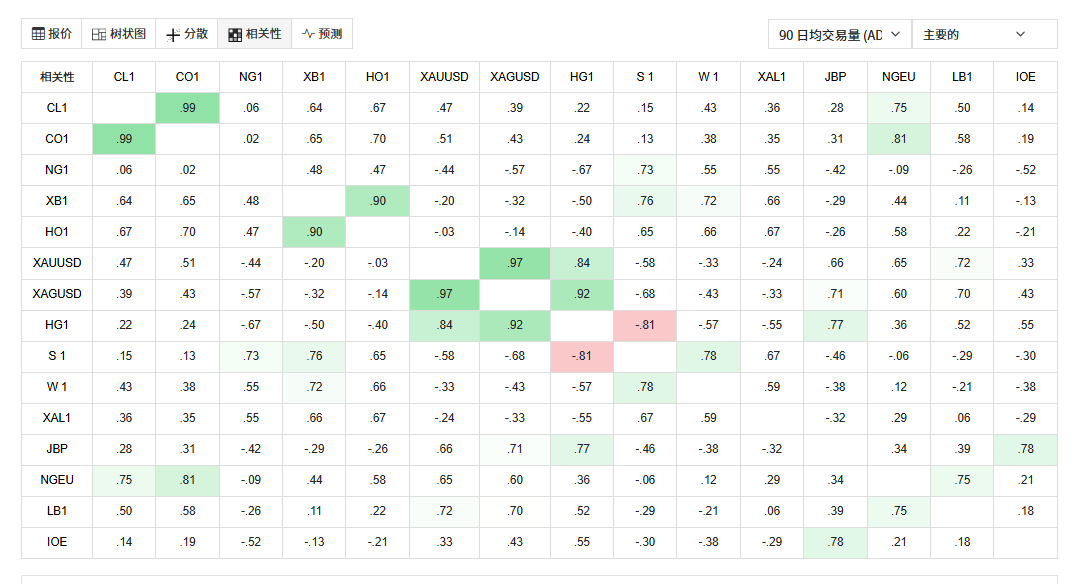
Group 1 - The core trigger for the recent significant drop in precious metals is the nomination of Kevin Warsh as the next Federal Reserve Chairman, which shattered market expectations for monetary easing and led to a surge in real interest rates and a rebound in the dollar [1][17] - Historical experiences indicate that after significant declines in precious metals, markets typically exhibit a pattern of reaction within one month, with the current decline expected to exceed past events in intensity [8][10][14] - The correlation between precious metals and industrial metals is notably high, with gold (XAUUSD) and silver (XAGUSD) showing a correlation of 0.97, indicating that they tend to move together in price [3][6] Group 2 - The relationship between precious metals and the dollar is characterized by a long-term negative correlation, which was particularly evident during the recent drop when the dollar index rose by 1.8%, diminishing the attractiveness of precious metals [6][17] - The market's expectation of continued high interest rates under Warsh's leadership is likely to support the dollar and further pressure precious metals, reinforcing the cycle of "dollar up - precious metals down" [6][17] - The recent decline in precious metals has also affected related sectors, with precious metal stocks experiencing significant drops, while financial sectors benefiting from a stronger dollar saw slight increases [6][17]
从关税威胁到市场冲击:特朗普格陵兰计划搅动欧美金融格局
Sou Hu Cai Jing· 2026-01-20 05:37
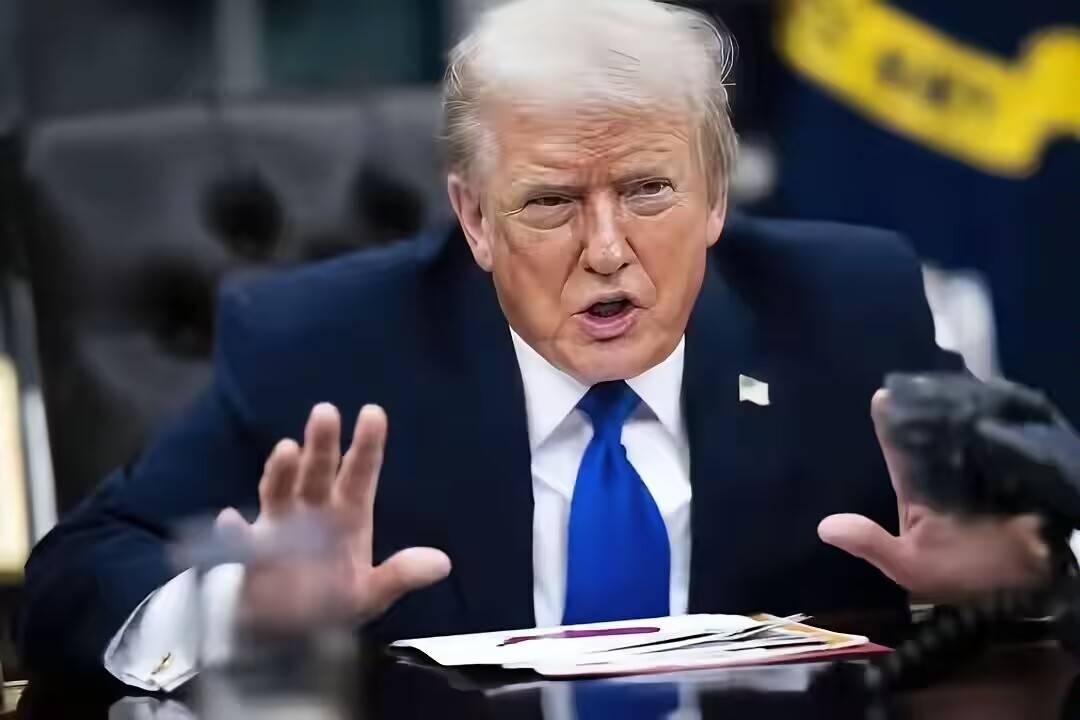
Group 1 - The core issue revolves around Trump's aggressive stance on Greenland, seeking control over the island due to its strategic location and resource wealth [2][3] - Trump has threatened to impose tariffs on Denmark, Germany, and six other countries if no agreement is reached regarding Greenland, indicating a potential escalation in trade tensions [3][4] - A report from the Kiel Institute for the World Economy reveals that approximately 96% of the tariffs imposed by the U.S. are ultimately borne by American importers and consumers, with foreign exporters only absorbing about 4% [3] Group 2 - European nations are preparing a strong response to Trump's tariff threats, with Sweden's finance minister calling the U.S. actions "absurd" and advocating for a firm counteraction [4] - France is pushing for a G7 finance ministers' meeting to discuss a robust response to the escalating U.S. threats, including the potential activation of Europe's trade retaliation mechanisms [4] - Goldman Sachs warns that Trump's tariff threats could exert pressure on the U.S. dollar and lead to a shift in asset allocation away from U.S. investments [5] Group 3 - Deutsche Bank analysts suggest that Trump's threats may lead to European countries reducing their holdings of U.S. assets, which could support the euro [6] - The total amount of U.S. bonds and stocks held by European countries is approximately $8 trillion, significantly higher than that held by other regions [6] - The potential "weaponization" of capital, rather than trade flows, is highlighted as a significant market impact factor [6] Group 4 - Trump has controversially linked his desire for control over Greenland to his dissatisfaction with not receiving a Nobel Peace Prize, suggesting that he may prioritize U.S. interests over peace considerations [6] - He claims that the U.S. has contributed more to NATO than any other country and insists that global security is contingent upon U.S. control of Greenland [6]

黄金,重大利好一个接一个!高开暴涨,只是刚刚开始!
Sou Hu Cai Jing· 2026-01-19 01:15
Core Viewpoint - The article discusses the impact of the recent US-Europe tariff war on gold and silver prices, highlighting the geopolitical tensions and their potential effects on market dynamics [1][3]. Group 1: Tariff War and Geopolitical Tensions - The US has announced tariffs on eight European countries, escalating trade tensions and leading to a retaliatory response from Europe [1][3]. - The geopolitical situation is expected to significantly influence gold and silver prices, with historical data showing that previous tariff actions led to substantial price increases [3][5]. - The ongoing conflict over Greenland symbolizes broader territorial and resource disputes, which could further destabilize European unity and the Eurozone [5]. Group 2: Market Predictions and Technical Analysis - Gold prices are projected to rise, with expectations of reaching $4,700 and potentially $5,000 before the Lunar New Year, while silver may hit the $100 mark [5][10]. - Current market conditions indicate a bullish trend for both gold and silver, with key support levels identified for trading strategies [7][9]. - The article emphasizes the importance of monitoring geopolitical developments and Federal Reserve actions, as these factors will heavily influence market movements [7][9]. Group 3: Long-term Outlook - The long-term outlook for gold suggests a bullish trend, with targets set at $5,200 for a small bull market and up to $6,200 for a super bull market [10]. - Silver is expected to maintain a strong position, with targets of $100 to $120, reflecting a solid market sentiment [10].
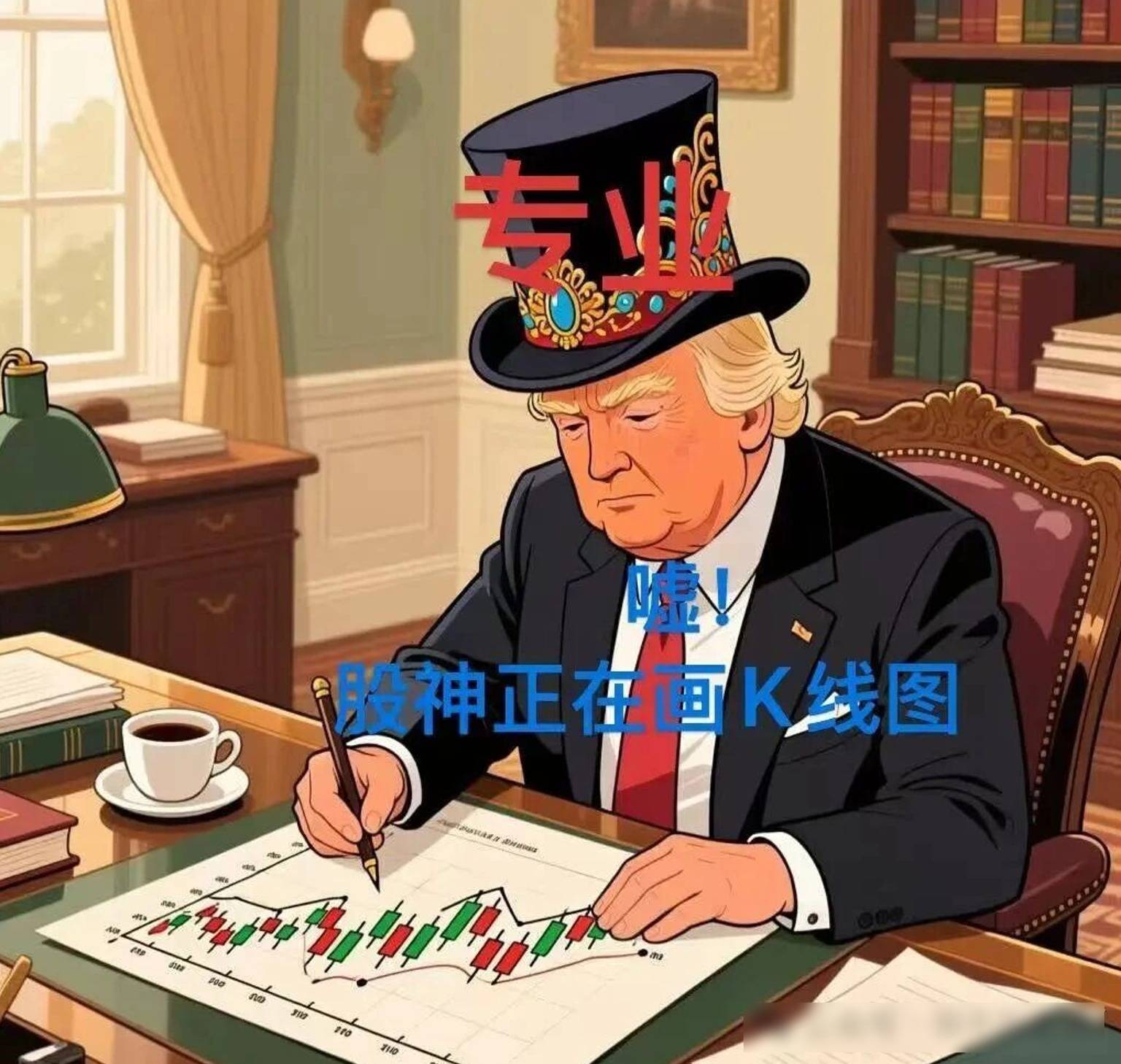
特朗普终于意识到犯下了巨大的错误;离开了中国,美国自己根本玩不转!
Sou Hu Cai Jing· 2026-01-11 11:50
Group 1 - The core viewpoint is that Trump's simplistic view of international trade, particularly regarding China, has led to significant miscalculations and adverse effects on the U.S. economy [1][5] - Trump underestimated China's economic resilience and the consequences of his tariff policies, which resulted in rising domestic prices and increased living costs for American citizens [3][5] - The belief that moving production away from China to other countries would benefit the U.S. is flawed due to the lack of industrial infrastructure and skilled labor in those countries [4][5] Group 2 - China's trade with ASEAN and Africa has shown consistent growth, indicating its ability to adapt and thrive despite U.S. tariffs, with a projected trade surplus exceeding $1 trillion by 2025 [6][9] - The U.S. underestimated China's response to tariffs, which included strategic control over rare earth metals, impacting critical U.S. industries such as defense and technology [8][9] - The trade conflict has highlighted China's strength and willingness to confront the U.S., showcasing its growing global influence and economic power [9]
2026宏观年度报告:经济复苏缓慢,美国中期选举年
Ning Zheng Qi Huo· 2026-01-07 01:40
1. Report Industry Investment Rating - No information provided regarding the report's industry investment rating. 2. Core Viewpoints of the Report - In 2026, the global economy may still be in a slow recovery phase, with pressure and challenges coexisting, and the development stages and central bank strategies of major economies may diverge [2]. - The US economy remains resilient, and in 2026, with the mid - term elections and the change of the Fed's top management, the interest rate cut cycle will continue, and fiscal stimulus will not be absent [2]. - If the Russia - Ukraine conflict ends in 2026, the global economic growth momentum may increase, and the eurozone will be in a situation of slow economic recovery and relatively stable monetary policy [2]. - Japan is likely to continue to tighten its monetary policy in 2026 due to persistently high inflation [2]. - China is expected to implement an active fiscal policy and a moderately loose monetary policy in 2026, and its economy is expected to recover slowly [2]. 3. Summary by Relevant Chapters Chapter 1: The US Continues Slow Interest Rate Cuts, and Mid - term Elections Force Bipartisan Re - balance - **1.1 US Economic Downturn Pressure Increases** - The IMF predicts global economic growth in 2025 and 2026 to be 3.2% and 3.1% respectively, and is slightly pessimistic about 2026's global economic growth [7]. - In 2025, the US economy showed resilience, with Q1 and Q2 GDP growth rates of 2.00% and 2.10% year - on - year, but the economic downturn pressure increased in the second half of the year [8]. - US consumption remained resilient in 2025, but the consumption potential has been under pressure since May [12]. - The US job market showed a downward trend in 2025, with the unemployment rate reaching 4.4% in September, a four - year high [13]. - US inflation showed a slow upward trend in 2025, but inflation expectations continued to decline, and the Fed may increase its tolerance for high inflation [16][17]. - **1.2 Mid - term Elections are Crucial, and the Fed Chair Changes** - The 2026 US mid - term elections will re - elect the seats of the Democratic and Republican parties in the House of Representatives and the Senate, and it is expected that Trump will lose control of the House of Representatives [20]. - The current Fed Chair Powell's second term will end in May 2026, and the most likely candidate for the new chair is Hassett. The Fed is expected to make decisions based on the situation and continue slow interest rate cuts in 2026 [21][22]. Chapter 2: Slow Recovery in the Eurozone and Increased Uncertainty in Japan's Monetary Policy - **2.1 Eurozone Faces Renewed Downturn Pressure, Focus on Russia - Ukraine Negotiations** - In 2025, the eurozone economy showed a slow recovery, but in the second half of the year, it declined due to trade wars and the Russia - Ukraine conflict. The IMF predicts that the eurozone's economic growth will be 1.20% in 2025 and may drop to 1.14% in 2026 [23]. - Japan's economy declined significantly in Q3 2025, and the IMF predicts that its economic growth in 2026 will still be under pressure [26]. - **2.2 Japan May Further Raise Interest Rates** - Since 2025, due to factors such as trade environment deterioration and bond market fluctuations, the future direction of Japan's monetary policy is highly uncertain, and there is an expectation that the central bank will continue to raise interest rates in 2026 [27]. - If Japan tightens its monetary policy, it will have a profound impact on the global financial market, and the current Japanese central bank is facing the dilemma of high inflation and high debt [31]. Chapter 3: China's Economy Continues to Recover - **3.1 Consumption is Further Consolidated, and Exports Continue to Support** - In 2025, China's GDP grew by 5.2% year - on - year in the first three quarters, with consumption being the main contributor to GDP growth. In 2026, consumption is expected to further drive economic growth [33]. - In 2025, China's domestic demand first increased and then decreased. In 2026, policies such as the expansion of domestic demand and the implementation of consumer - related projects are expected to strengthen the role of consumption in driving the economy [37][38]. - In 2025, China's fixed - asset investment declined, and in 2026, infrastructure construction and real estate market reform are expected to support economic recovery [42][43]. - In 2025, China's exports remained resilient. In 2026, exports are expected to maintain high growth under the influence of factors such as the China - US summit in Busan [44]. - **3.2 More Active Fiscal Policy and Moderately Loose Monetary Policy** - In 2026, China's fiscal policy will maintain continuity and stability while focusing on optimizing the expenditure direction, with a narrow deficit rate of about 4.0% and a budget deficit of about 12.5 trillion [45]. - In 2026, in the context of the Fed's interest rate cuts and the slow appreciation of the RMB, China's central bank is expected to cut the reserve requirement ratio and interest rates, and monetary policy may take the lead in counter - cyclical adjustment [46]. Chapter 4: Conclusion - In 2026, the personnel changes in the US political arena will determine the intensity of global geopolitical games and the degree of the Fed's interest rate cuts, thus setting the external political and liquidity environment for global economic development [47]. - In 2026, the central bank policies of major developed economies may continue to diverge, which may lead to exchange - rate fluctuations and continuous global capital flows [47]. - In 2026, China will continue to implement an active fiscal policy and a moderately loose monetary policy, and its economy is expected to recover steadily [48].
中国有事要求特朗普照办,关税战打完对美国底气十足
Sou Hu Cai Jing· 2025-12-21 03:33
Group 1 - The core viewpoint of the article highlights China's strong opposition to the U.S. National Defense Authorization Act for fiscal year 2026, which imposes restrictions on investments in high-risk technologies related to China and aims to reduce military procurement from Chinese entities [1][3][5] - The act specifically targets rare earth minerals, requiring the U.S. military to cease using Chinese resources, and includes provisions for Taiwan, such as a five-year strategy for multilateral defense in the Taiwan Strait and a budget of up to $1 billion for Taiwan's security needs [3][5] - China's Ministry of Foreign Affairs has expressed strong dissatisfaction with the act, stating it interferes with China's internal affairs and infringes on its sovereignty and development interests [5][7] Group 2 - China urges the U.S. to view its development and bilateral relations objectively, emphasizing the need to respect agreements made during the recent summit between the two nations and to avoid implementing negative clauses related to China in the act [7][9] - The article notes that President Trump signed the act quietly, indicating it may be a response from the Republican establishment against his administration, which includes provisions that contradict Trump's policies [9][11] - The voting results in Congress show significant bipartisan support for the act, with the Senate voting 77-20 and the House voting 312-112, indicating that even if Trump were to refuse to sign, Congress could still enforce it [11]
关税大战再起?特朗普瞄准加拿大化肥、印度大米,全球粮价又要变天?
Sou Hu Cai Jing· 2025-12-09 11:41
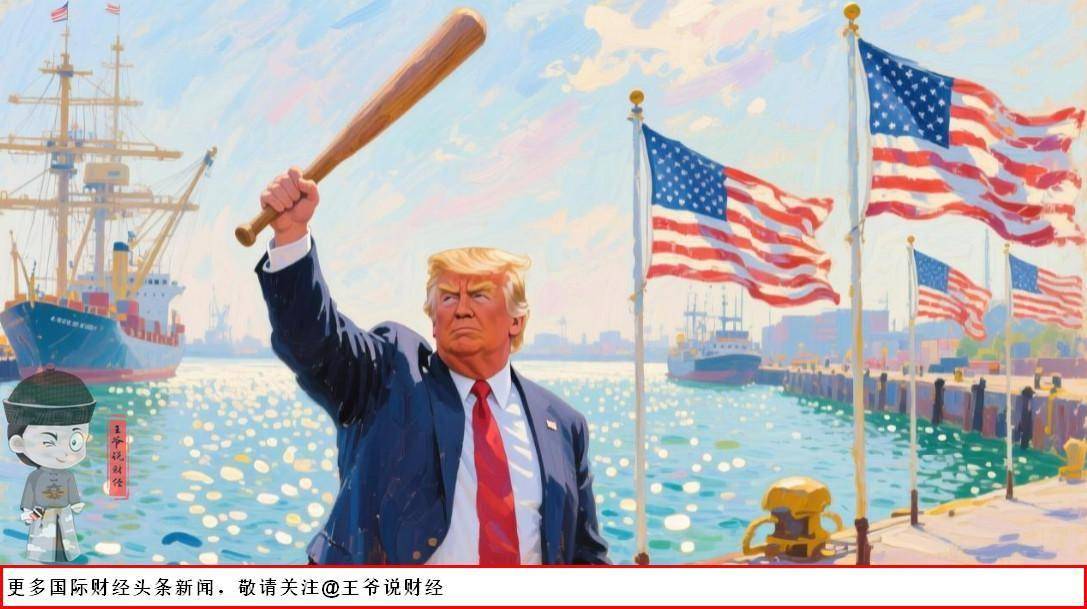
Core Viewpoint - The Trump administration is considering imposing tariffs on Canadian fertilizers and Indian rice to support domestic industries, raising concerns about potential global food price increases and the impact on American farmers [1][3]. Group 1: Tariff Targets and Rationale - The proposed tariffs target Canadian fertilizers and Indian rice, which are critical imports for the U.S. agricultural sector. Canada is the world's largest producer of potash, holding 45% of global reserves, while India is the leading rice exporter, accounting for 40% of global exports [3]. - The U.S. agricultural sector has faced challenges, with farm bankruptcies reaching 259 from April 2024 to March 2025, nearly doubling from the previous year, and farmers experiencing losses of $100-200 per acre [3]. Group 2: Economic and Political Considerations - The tariffs reflect a dual strategy of economic protectionism and geopolitical maneuvering. The U.S. aims to reduce its trade deficit with India, which reached $45.7 billion in 2024, a 5.4% increase from 2023, while also pressuring India regarding its imports of Russian oil [5]. - The tariffs may also serve as a response to previous trade disputes with Canada, particularly regarding automotive tariffs [5]. Group 3: Potential Impact on Farmers and Global Markets - There is skepticism about whether American farmers will benefit from the tariffs, as previous tariff policies have hindered U.S. agricultural exports, particularly to major buyers like China. Increased fertilizer costs could further burden farmers [6]. - The tariffs could have widespread repercussions. For Canada, the fertilizer industry supports 76,000 jobs and contributes 2% to total exports. A loss of the U.S. market could lead to retaliatory tariffs on U.S. agricultural products [8]. - For India, reduced rice exports could disrupt global supply chains, forcing India to seek new markets in Europe and Africa, potentially reshaping the global rice supply-demand landscape [8]. Group 4: Historical Context and Risks - Historical precedents suggest that U.S. tariff policies can have detrimental effects, as seen with the Smoot-Hawley Tariff Act of 1930, which led to a significant decline in global trade and increased unemployment [11]. - The current tariff strategy may repeat past mistakes, risking U.S. agricultural exports and stifling innovation in domestic industries due to prolonged protectionism [11].
未尝不能有51个美国?美国各州独立自主,绕开特朗普和中国打交道
Sou Hu Cai Jing· 2025-11-20 07:43
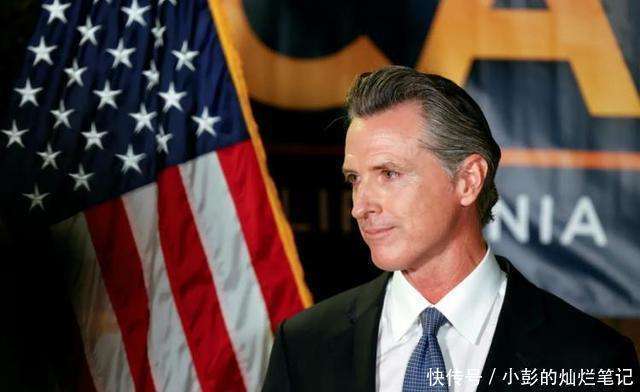
Core Viewpoint - The phenomenon of U.S. states bypassing the federal government to engage directly with China is gaining attention, highlighting the increasing role of local governments in U.S.-China relations [1][3]. Group 1: State-Level Engagement - Local governments are taking proactive steps to foster economic cooperation with China, especially as the federal government remains uncertain about the future of U.S.-China relations [3][4]. - Washington State's Commerce Secretary, who led a delegation to China, emphasized that China is a crucial trade partner, indicating a clear distinction from federal government positions [3][5]. - Oregon and California are also enhancing their cooperation with China, with Oregon's Senate passing a resolution to deepen economic ties and California's Governor seeking more autonomy from federal policies [7][8]. Group 2: Economic Impact - Washington State's exports to China are projected to exceed $22 billion in 2024, accounting for 27% of the state's total exports, with key industries like Boeing and agriculture relying heavily on the Chinese market [5][9]. - Oregon's exports to China are expected to reach nearly $8 billion in 2024, driven by the demand for agricultural products like blueberries and cherries [7][9]. - California's exports to China are projected to be as high as $31 billion in 2024, with cooperation extending beyond trade to include areas like climate change and renewable energy [8][9]. Group 3: Political and Strategic Considerations - Local governments view cooperation with China as a means to bolster their economies and accumulate political capital for future elections, seeking greater autonomy in their dealings [8][9]. - The diversification of cooperation channels at the local level provides a buffer against federal policy fluctuations, allowing for more stable economic relations [9][11]. - Despite the benefits, local cooperation faces limitations due to the federal government's ultimate decision-making authority in trade and diplomatic matters [11][13].
智昇黄金原油分析:关税接近尾声 谨防避险消退
Sou Hu Cai Jing· 2025-10-27 09:48
Group 1: Gold Market - Gold is currently experiencing a downward trend, with signs of deterioration in its price pattern due to potential concessions from the U.S. on tariff issues, which may reduce safe-haven demand [1] - Recent statements from U.S. Treasury Secretary indicate optimism regarding U.S.-China negotiations, suggesting that the imposition of new tariffs may be reconsidered, which could further impact gold prices negatively [1] - Technical analysis shows that gold prices are facing resistance around $4095, with a likelihood of further declines in the short term [1] Group 2: Oil Market - India's cessation of Russian oil purchases may lead to increased buying from other oil-producing countries, providing weak support for oil prices [2] - Reliance Industries, India's largest private refiner, has stopped purchasing approximately 629,590 barrels of Russian oil daily, indicating a shift in sourcing for crude oil imports [2] - The halt in Russian oil purchases could disrupt the supply chain for Europe, which may need to seek alternative energy imports [2] Group 3: U.S. Economic Indicators - The focus of global financial markets is on the Federal Reserve and other central banks, with expectations of a 25 basis point rate cut in December due to recent inflation data [3] - The latest CPI data shows U.S. core inflation at 3%, with a slowdown in growth, creating conditions favorable for a rate cut [3] - The dollar index is showing weak upward momentum, with significant resistance from long-term moving averages [3] Group 4: Market Events and Data - California Governor Newsom has officially acknowledged his presidential campaign intentions [5] - U.S. Treasury Secretary has confirmed that the U.S. is no longer considering imposing 100% tariffs on Chinese goods, indicating a significant development in trade relations [5] - Scope Ratings has downgraded the U.S. sovereign credit rating to AA- [5]