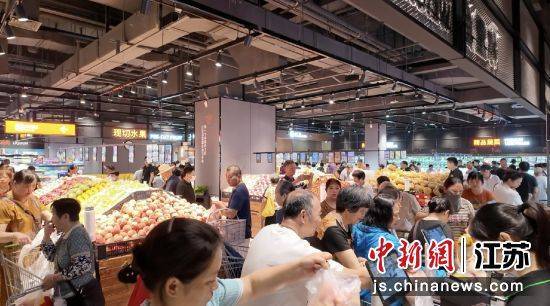
超市

Search documents
去年中国超市百强企业六成以上经营业绩得到改善
news flash· 2025-07-10 02:43
Group 1 - The core viewpoint of the article highlights the results of the "2024 China Supermarket Top 100" report released by the China Chain Store & Franchise Association (CCFA), indicating a slight growth in sales for the top supermarket companies in China [1] - In 2024, the sales scale of the top 100 supermarket enterprises is approximately 900 billion yuan, representing a year-on-year increase of 0.3% [1] - The total number of stores among these enterprises is 25,200, with over 60% of the companies reporting improved operational performance [1] Group 2 - The report particularly notes that mid-sized enterprises, with sales between 3 billion and 10 billion yuan, have the highest proportion of companies experiencing operational improvements [1]
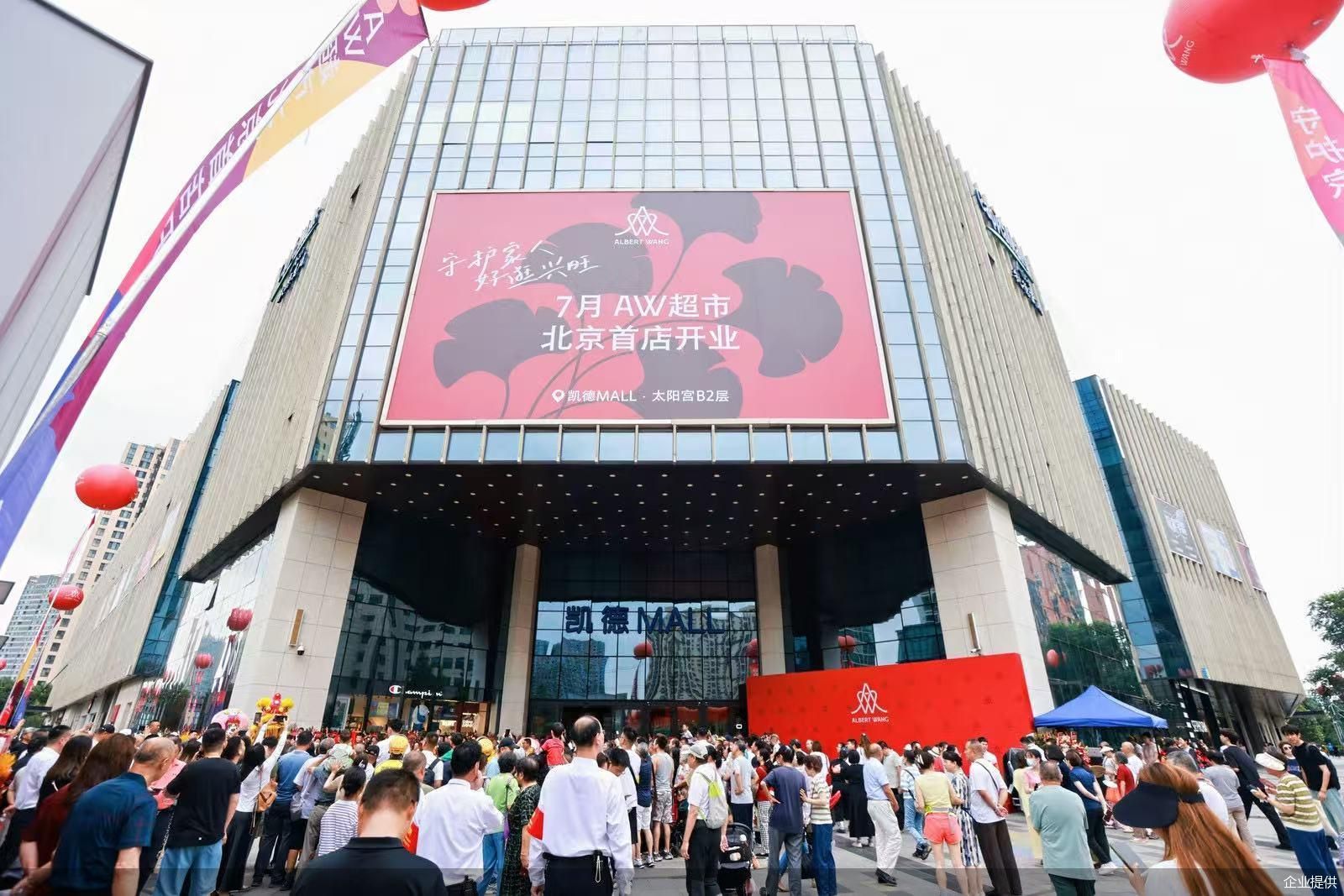
“顺便购买”成利器?AW超市想重构消费场景
Bei Jing Shang Bao· 2025-07-08 13:31
Core Insights - AW Supermarket has opened in Beijing, replacing Hualian Supermarket, with a focus on organic products making up 25% of its offerings and a delivery service covering a 3-5 km radius [1][3] Group 1: Market Positioning - AW Supermarket aims to capture the retail market in Beijing, competing directly with nearby stores like Caixian Guomei and Hema Fresh [1][5] - The supermarket emphasizes personalized and customized services, integrating local flavors into its food offerings [3][6] Group 2: Product Strategy - The product range includes low-sugar, low-fat, and organic items, with clear nutritional labeling, and a focus on freshly prepared meals [3][5] - AW Supermarket plans to introduce smart shelves, self-checkout, and virtual tasting experiences to enhance shopping convenience [3][6] Group 3: Competitive Landscape - The competitive pressure comes from established supermarkets in the vicinity, including Jingkelong, Yonghui, and various Hema formats, which already have consumer loyalty [5][6] - AW Supermarket's delivery area overlaps significantly with competitors like Sam's Club and Meituan's Xiaoxiang Supermarket, making differentiation crucial [5][6] Group 4: Consumer Behavior - Consumers in Beijing are increasingly demanding high-quality, diverse products and are willing to pay for simplicity in ingredient lists, indicating a shift towards refined and differentiated offerings [5][6] - To succeed, AW Supermarket must enhance the in-store shopping experience, providing unique products and a compelling environment to encourage impulse purchases [6]

市值缩水99%,这家企业黯然退市
第一财经· 2025-07-07 16:04
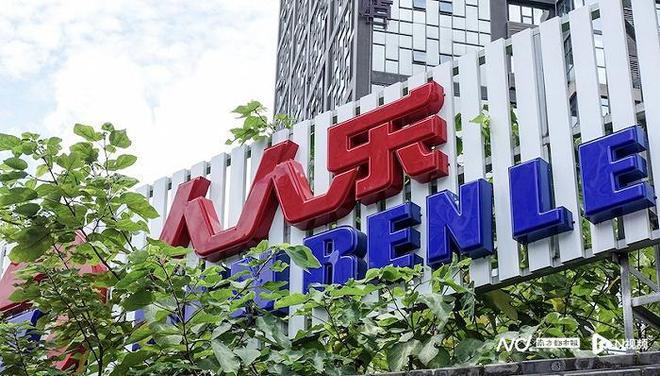
Core Viewpoint - The delisting of Renrenle (002336.SZ) is attributed to years of continuous losses and ineffective store closures, reflecting broader challenges faced by traditional retail companies in a changing market landscape [1][6]. Group 1: Company Overview - Renrenle was once a prominent player in the retail sector, achieving a peak market capitalization of approximately 136.68 billion yuan in January 2010 [5]. - The company has faced significant operational challenges due to the rise of e-commerce and increasing costs associated with physical retail, leading to a decline in profitability [6][9]. - As of 2024, Renrenle reported an operating revenue of 1.43 billion yuan, a year-on-year decrease of 49.86%, and a net loss of 17 million yuan [6]. Group 2: Industry Challenges - The retail sector is experiencing pressure from new business models such as membership stores and discount stores, which are attracting customers away from traditional supermarkets [10][12]. - Competitors like Walmart and Carrefour have also faced difficulties, with many stores closing or transitioning to new formats [9][10]. - The emergence of instant retail has intensified competition, with companies like Meituan and Alibaba engaging in aggressive pricing strategies, making it harder for traditional retailers to compete [13]. Group 3: Future Outlook - Analysts predict that more traditional retailers may face closures or the need to pivot to new business models in the coming year [13]. - The retail industry is expected to continue evolving, with a focus on supply chain efficiency, customer service, and leveraging technology such as AI to improve operations [13].


“民营超市第一股”人人乐摘牌退市,昔日零售巨头落幕
Nan Fang Du Shi Bao· 2025-07-07 07:07
Core Viewpoint - The downfall of Renrenle (002336.SZ), once a leading retail chain in China, culminated in its delisting from the Shenzhen Stock Exchange after failing to meet financial standards and experiencing continuous losses [3][5]. Group 1: Financial Performance and Delisting - Renrenle's stock entered the delisting preparation period on June 13, 2023, and was officially delisted on July 4, 2023, marking the end of its 15-year journey in the A-share market [1]. - The immediate cause of delisting was the company's financial performance, with a reported net asset of -404 million yuan for 2024 and an audit report that expressed "inability to express an opinion" [3]. - From 2021 to 2024, Renrenle recorded negative net profits after excluding non-recurring losses for four consecutive years, leading to multiple delisting indicators being triggered [3][5]. Group 2: Historical Context and Challenges - Renrenle, once celebrated as the "first private supermarket stock," was listed in January 2010 with an initial price of 26.98 yuan, peaking at over 35 yuan on its first trading day, and achieving a market capitalization exceeding 13 billion yuan [4]. - The company faced significant challenges starting in 2012, with performance fluctuations and more years of losses than profits, exacerbated by the rise of e-commerce and increased competition [4]. - Despite attempts to transform its business model through high-end supermarkets and online expansion, these efforts failed to reverse the declining trend [4][6]. Group 3: Industry Implications and Future Outlook - Renrenle's delisting highlights the broader challenges faced by traditional retail, including rising operational costs and the impact of new retail formats [6]. - The traditional supermarket sector, characterized by low profit margins and reliance on supplier fees, is under pressure from emerging competitors like Hema and membership-based models [6][7]. - Industry experts suggest that the future of retail lies in companies that can innovate and adapt, moving away from large-scale operations to more agile and specialized business models [7].
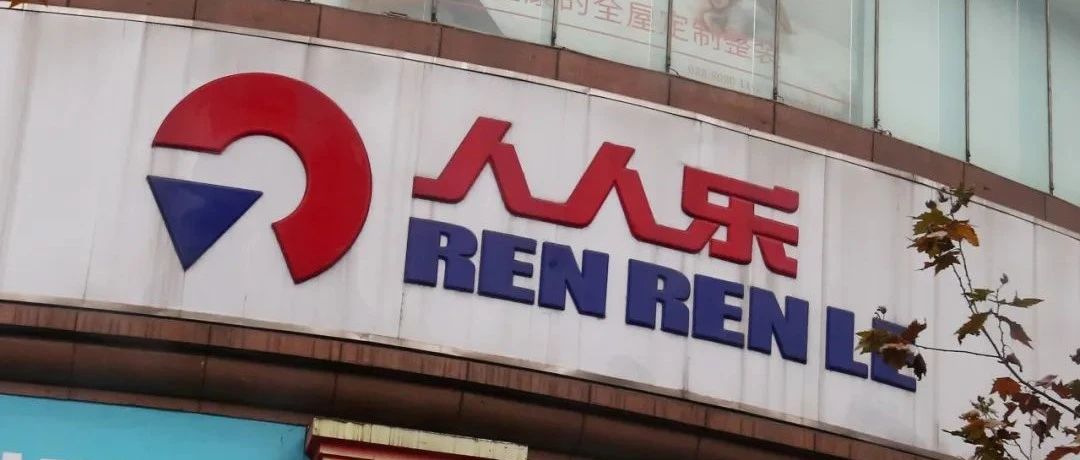
市值巅峰超百亿,“一代超市王”人人乐正式退市摘牌!曾与沃尔玛“硬碰硬”,如今连续亏损4年惨淡收场
新华网财经· 2025-07-07 03:03
Core Viewpoint - Renrenle, a once-prominent retail company, has officially delisted from the Shenzhen Stock Exchange due to continuous losses over four years, culminating in a net asset deficit and a failure to reverse its declining fortunes [1][6]. Company History and Market Position - Established in 1996, Renrenle was a leading retail enterprise in Shenzhen, competing directly with major players like Walmart and Carrefour, and was recognized as one of the "three giants" of supermarkets in Guangdong [3][5]. - At its peak, Renrenle's market capitalization exceeded 100 billion yuan, with a record high of approximately 136.68 billion yuan on January 15, 2010 [2][5]. Financial Performance and Decline - Renrenle's revenue peaked at 12.9 billion yuan in 2012, but by 2025, its market capitalization had plummeted to around 1.58 billion yuan, with a stock price of 0.36 yuan per share [5][6]. - The company has faced significant financial challenges, reporting a net asset of -387 million yuan in 2023 and -404 million yuan in 2024, leading to multiple warnings of delisting [8][9]. - From 2021 to 2023, Renrenle reported negative net profits for three consecutive years, with a 2024 revenue of 1.43 billion yuan, a 49.86% decline year-on-year [9]. Business Strategy and Challenges - Renrenle attempted to mitigate losses through asset sales and store closures, but these measures have not been sufficient to ensure long-term viability [7][9]. - The company has struggled with rising costs, intensified competition, and the impact of e-commerce, which forced it to slow down new store openings and focus on consolidating existing operations [8][9].
“一代超市王”人人乐正式退市摘牌:巅峰市值超百亿,曾与沃尔玛“硬碰硬”,如今连续亏损4年惨淡收场
新浪财经· 2025-07-07 00:43
Core Viewpoint - Renrenle, once a leading supermarket chain in China, has officially delisted from the Shenzhen Stock Exchange due to continuous losses over four years, culminating in a net asset deficit and a failure to reverse its declining fortunes [2][8]. Group 1: Company Background - Renrenle was established in 1996 and was a prominent retail enterprise in Shenzhen, competing directly with major players like Walmart and Carrefour [4]. - At its peak, Renrenle's market capitalization exceeded 10 billion yuan, and its revenue reached a high of 12.9 billion yuan in 2012 [7]. Group 2: Financial Performance - The company faced significant financial challenges, reporting a net asset of -387 million yuan in 2023 and -404 million yuan in 2024, leading to a series of delisting warnings [11][12]. - In 2024, Renrenle's revenue plummeted by 49.86% to 1.43 billion yuan, with a net loss of 17 million yuan, marking its fourth consecutive year of losses [12]. Group 3: Business Strategy and Challenges - Renrenle attempted to mitigate losses through asset sales and store closures, but these measures were insufficient to stabilize the business [10][12]. - The company has struggled with rising costs, intensified competition, and the impact of e-commerce, which forced it to slow down new store openings and focus on consolidating existing operations [11].
财经早报:涉欧盟和医疗器械,财政部、商务部联手“亮剑”!特朗普宣布8月1日起实施新关税(1只新股)
Xin Lang Zheng Quan· 2025-07-06 23:38
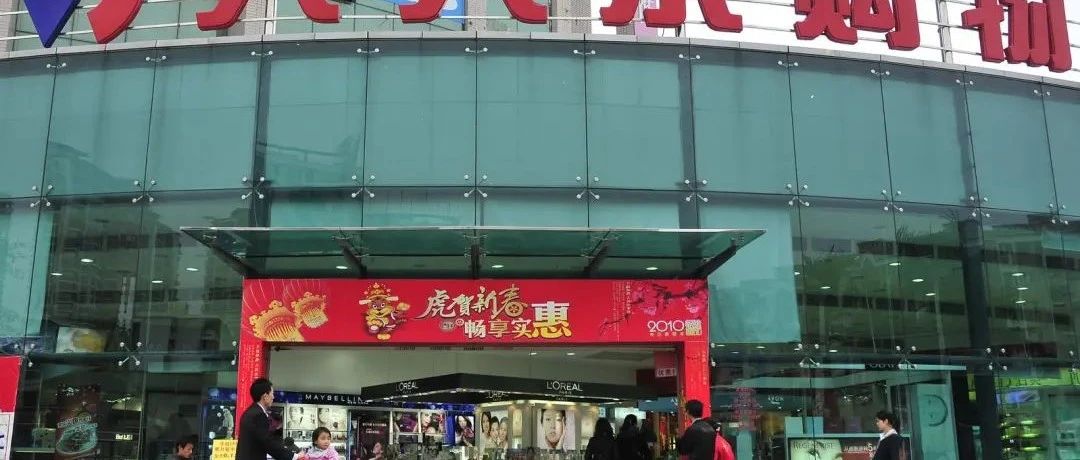
Group 1 - The Ministry of Finance and the Ministry of Commerce of China announced measures to restrict government procurement of medical devices imported from the EU, effective from July 6, 2025, requiring a procurement budget of over 45 million RMB to exclude EU companies [2] - Non-EU companies can only have a maximum of 50% of their medical devices sourced from the EU in their contracts [2] Group 2 - The Ministry of Housing and Urban-Rural Development emphasized the importance of stabilizing the real estate market and called for tailored policies to promote healthy development [3] - The ministry's research team conducted discussions with local governments and industry experts to analyze the real estate market's performance in the first half of the year [3] Group 3 - Former President Trump announced new tariffs ranging from 10% to 70%, which could increase inflation risks for the U.S. economy [4] - The proposed tariffs are higher than previously announced "reciprocal tariffs" and could further impact the U.S. stock market [4] Group 4 - The company Renrenle officially delisted from the Shenzhen Stock Exchange after four consecutive years of losses, marking the end of its operations as a major supermarket chain [9] Group 5 - Zhonghong Medical announced a cash acquisition of 75% equity in SEA3 company for only 6.97 RMB, raising questions among investors about the accuracy of the reported amount [10][11] Group 6 - The company Romasi announced a six-month suspension of operations due to a recall crisis, with plans to pay employees 80% of the local minimum wage during this period [12] - Employees expressed concerns about the adequacy of the compensation in relation to living costs [12] Group 7 - NIO's founder Li Bin stated that the company's cumulative R&D investment has reached 60 billion RMB, emphasizing the transparency of its financial reports [14][15] Group 8 - China Shipbuilding Industry Corporation received approval for a major asset restructuring, merging with China Shipbuilding Heavy Industry Company, marking a significant step in consolidating its core listed platforms [16]



北京号最精彩|期待!海淀19.35公顷超大运动场即将开园
Bei Jing Ri Bao Ke Hu Duan· 2025-07-06 12:03
Group 1 - The highly anticipated Xiaojiahe Green Movement Park will officially open on July 12, covering an area of 19.35 hectares and accommodating 7,000 people for leisure and fitness activities [4][6] - The Beijing cultural market themed "Beijing Cultural, Treating the Capital" recently launched at Wangfujing Bookstore, showcasing a blend of literature and local culture [6][8] - The 14th China Children's Drama Festival opened on July 4, featuring 42 performances across 185 shows, organized by various cultural institutions [19] Group 2 - The Beijing Municipal Public Security Bureau announced the addition of 64 new electronic police monitoring devices, focusing on illegal parking and other traffic violations, with 18 of these located in Daxing District [21] - Yonghui Supermarket's new store in Beijing's Fengke Wanda Plaza has completed its transformation to the "Learning from Pang Donglai" model, aiming to enhance the shopping experience for local residents and office workers [23][29] - Nongfu Spring has launched a 2-kilogram package of edible ice, capitalizing on the summer demand for ice products, which has seen significant popularity among beverage companies [29]

一代超市王,人人乐正式退市摘牌
36氪· 2025-07-06 09:37
Core Viewpoint - The article discusses the demise of Renrenle, a once-prominent retail chain in China, highlighting its continuous losses and eventual delisting from the stock market as a cautionary tale for the retail industry [4][5][21]. Group 1: Company Overview - Renrenle, founded in 1996, initially thrived by competing against major players like Carrefour and Walmart, achieving significant sales growth through strategic adjustments [7][8][9]. - The company went public in 2010, becoming the first private supermarket stock in China, with annual revenue exceeding 11.3 billion yuan [9]. - Following its IPO, Renrenle embarked on an aggressive expansion plan, aiming to open thousands of stores, but this led to financial strain and operational inefficiencies [9][10]. Group 2: Financial Decline - From 2011 to 2016, Renrenle's rapid expansion resulted in a drastic decline in revenue growth, with a drop from 30.5% to -11.7%, and negative cash flow for four consecutive years [10][11]. - By 2024, the company reported a net asset deficit of 404 million yuan, triggering its delisting process due to continuous financial losses [11][26]. - Despite attempts to sell assets and restructure, the company faced a staggering 5 billion yuan loss after accounting for non-recurring items [11]. Group 3: Operational Challenges - Renrenle's reliance on a traditional retail model became a liability as e-commerce grew, leading to issues like product homogenization and low operational efficiency [13]. - The company's diversification efforts into various retail formats were poorly executed, lacking strategic coherence and resulting in resource wastage [15]. - Management issues, including a family-controlled structure and high turnover among executives, contributed to a toxic corporate culture and operational mismanagement [18][19]. Group 4: Industry Context - Renrenle's struggles reflect broader challenges in the retail sector, with many traditional supermarkets facing closures and financial difficulties amid rising e-commerce competition [22][24]. - The article notes that in 2024, over 782 supermarket stores closed nationwide, indicating a significant shift in consumer behavior and market dynamics [22]. - The lessons from Renrenle's downfall emphasize the need for innovation and efficiency in retail, as traditional models become increasingly obsolete [27].
海内外商超“下沉”竞逐长三角区县市场
Sou Hu Cai Jing· 2025-07-04 10:32
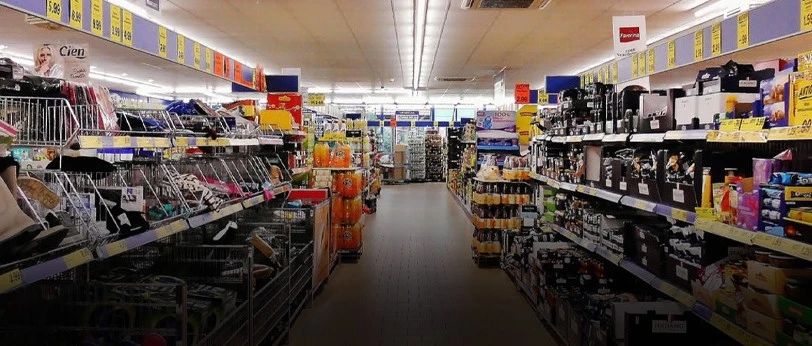
Core Viewpoint - The expansion of major supermarket brands into county-level markets in the Yangtze River Delta region is driven by the growing consumer spending power in these areas, presenting new growth opportunities for retailers [1][5]. Group 1: Market Expansion - Yonghui Supermarket has opened its second modified store in Wujiang District, Suzhou, following its first store in Taicang, indicating a strategic focus on county-level markets [1][3]. - Other supermarket brands, such as Sam's Club and Aldi, have also targeted county-level cities in the Yangtze River Delta, with Sam's Club setting a record for opening day sales in Kunshan [3][5]. Group 2: Consumer Spending Power - The GDP of county economies accounts for 38% of China's total GDP, with the Yangtze River Delta being a leader in this regard, highlighting the potential for consumer spending in these regions [5]. - Sales figures from some county-level stores have even surpassed those of stores in first-tier cities, demonstrating the strong purchasing power of local residents [3][5]. Group 3: Store Performance and Strategy - Yonghui's Taicang store achieved a remarkable 334% year-on-year increase in sales and a 189% increase in foot traffic during its opening week, validating the success of the "Fat Donglai model" in the southern Jiangsu market [6]. - The Wujiang store has significantly enhanced its product offerings, particularly in fresh food categories, aligning with the "Fat Donglai standard" and creating a product matrix that emphasizes quality and local characteristics [6].