乳制品

Search documents
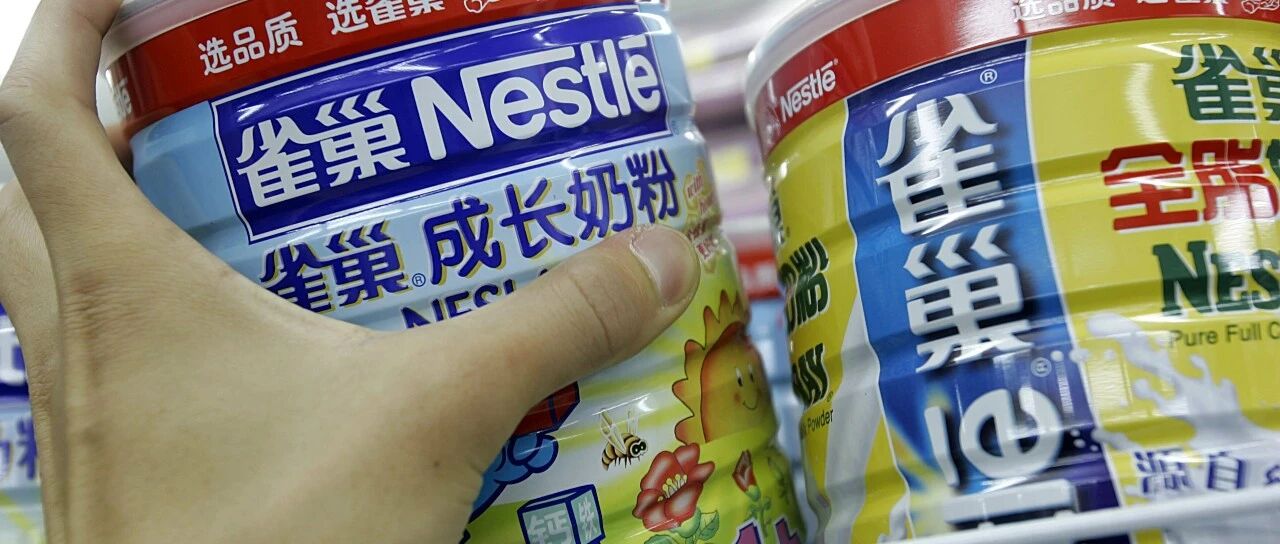
雀巢奶粉召回事件波及扩大,多品牌紧急回应,嘉必优股价大跌
Bei Ke Cai Jing· 2026-01-08 05:40
Core Viewpoint - The Nestlé infant formula recall has led to significant market disruptions, affecting not only Nestlé but also other brands and suppliers in the industry, with potential long-term impacts on consumer trust and sales performance [1][2][3]. Group 1: Recall Details - On January 6, Nestlé announced a recall of certain batches of infant formula across 31 countries due to quality issues with ARA (arachidonic acid) oil, which may contain harmful bacteria [2][3]. - The recall involves 71 batches of products from Nestlé and Wyeth, affecting at least 15 series of infant formula and one series of children's growth formula [3][4]. - Nestlé's assessment indicates that the affected batches represent less than 0.5% of the group's annual sales, suggesting limited financial impact on the company [4]. Group 2: Market Reactions - Following the recall announcement, there has been a surge in irrational returns from customers, with some retailers reporting significant increases in return requests, regardless of whether the products were part of the affected batches [1][5]. - The recall has led to a decline in confidence among distributors, particularly affecting Nestlé's high-end infant formula "Platinum Enfamil," which may face severe market challenges [1][5]. Group 3: Impact on Competitors and Suppliers - Other infant formula brands and suppliers, including Danone and HiPP, have clarified that they do not use the implicated ARA supplier, distancing themselves from the recall [8][9]. - The largest ARA supplier, DSM-Firmenich, confirmed that the problematic ARA was not produced by them and noted an increase in market demand for their ARA products due to the recall [10][18]. - The A-share listed company, Jia Bi You Biotechnology, is under scrutiny as it is suspected to be the supplier of the problematic ARA, leading to a significant drop in its stock price [1][17]. Group 4: Financial Performance and Market Share - In 2024, despite a market share increase in the infant nutrition sector, Nestlé's overall performance in the Greater China region is projected to show negative growth, with a reported organic growth rate of -6.1% for the first three quarters of 2025 [7]. - Market data indicates that Nestlé and Wyeth hold approximately 4.9% and 4.4% market shares, respectively, in the Chinese infant formula market, trailing behind competitors like Feihe and Danone [7].


2025年1-11月中国乳制品产量为2685万吨 累计下降1.2%
Chan Ye Xin Xi Wang· 2026-01-08 03:49
Core Viewpoint - The Chinese dairy product industry is experiencing a decline in production, with a notable decrease in output for 2025 compared to previous years [1] Industry Summary - In November 2025, China's dairy product output was 243,000 tons, representing a year-on-year decrease of 2.7% [1] - From January to November 2025, the cumulative production of dairy products in China reached 2,685,000 tons, showing a cumulative decline of 1.2% [1] - The report by Zhiyan Consulting outlines the market operation status and investment prospects for the Chinese dairy product industry from 2026 to 2032 [1] Company Summary - Listed companies in the dairy sector include Yili Co., Ltd. (600887), Bright Dairy (600597), San Yuan (600429), New Dairy (002946), Huangshi Group (002329), Yantang Dairy (002732), Zhuangyuan Pasture (002910), and Pinwo Foods (300892) [1]





兰格格国检被曝“酸度”不合格,“狂奔”的区域乳企开始“露怯”?
3 6 Ke· 2026-01-08 03:48
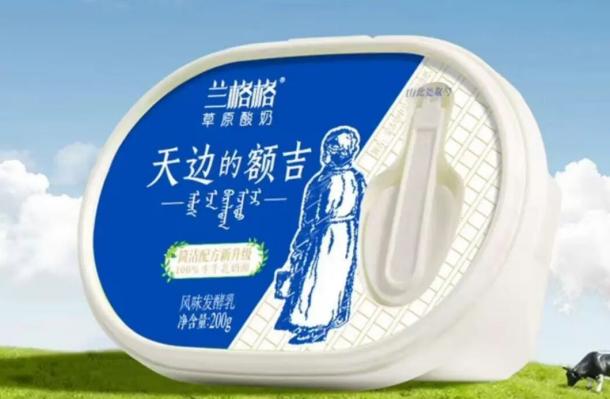
近日,国家市场监管总局发布最新一期食品抽检情况通报,1批次标称内蒙古兰格格乳业(下称:兰格 格)有限公司生产的草原酸奶(发酵乳),被检出酸度不达标。目前,兰格格并未对上述事件进行官方 回应。 值得一提的是,近年来,兰格格凭借"草原酸奶"标签,获得消费者广泛认可,并加速全国化,成为鲜有 出圈的区域乳制品品牌,产值亦从2022年的4.5亿元飙升至2024年的7亿元。 据兰格格透露,其2025年的目标是冲击10亿元规模。但目前十亿元目标是否已达成官方并未公开表露。 兰格格1批次草原酸奶,酸度项目国抽不合格 据市场监管总局披露信息显示,标称内蒙古兰格格乳业有限公司生产的1批次草原酸奶(发酵乳;生产 日期:2024/11/3;商标:兰格格;规格:200g/瓶),酸度检验结果为66.6°T,标准规定为不得小于 70.0°T,不符合食品安全国家标准规定。 兰格格"天边的额吉"系列草原酸奶(风味发酵乳)非涉事产品。图源官方旗舰店 市场监管总局表示,乳制品酸度通常是指总酸度,包括自然酸度和发酵酸度,发酵乳在生产加工过程中 会产生酸性物质,使产品酸度上升,发酵乳酸度偏低会影响产品的风味、口感,也会使产品受杂菌污染 的风险变高。发 ...
雀巢奶粉原料中测出致病风险物质
Di Yi Cai Jing Zi Xun· 2026-01-08 02:55
Core Viewpoint - The incident involving the recall of infant formula by Nestlé due to quality risks associated with ARA supplied by Jia Bi You has led to a significant drop in Jia Bi You's stock price, highlighting potential risks in the supply chain and consumer confidence in the company [2]. Group 1: Incident Overview - Nestlé announced a global preventive recall of certain batches of infant formula in 31 countries due to quality risks linked to ARA supplied by Jia Bi You [2]. - The recall affects four brands in the Chinese market, totaling 30 batches, while other Nestlé products remain unaffected [2]. - The substance Cereulide, potentially harmful and produced by Bacillus cereus, was detected in the ARA oil provided by the supplier [2]. Group 2: Company Impact - Jia Bi You's stock price fell over 13% following the announcement of the recall [2]. - The company's ARA business generated revenue of 390 million yuan in 2024, marking a year-on-year increase of 29.2%, indicating its significance to the company's core operations [3]. - Jia Bi You has stated that its ARA products have passed certifications in Europe and the U.S. and are supplied to various dairy companies [3]. Group 3: Industry Response - Other dairy companies are monitoring the situation closely, with some clarifying that they do not use the implicated ARA from Jia Bi You [3][4]. - The supply chain for infant formula ingredients is generally concentrated, which may affect the industry dynamics depending on the outcome of the investigation [4].
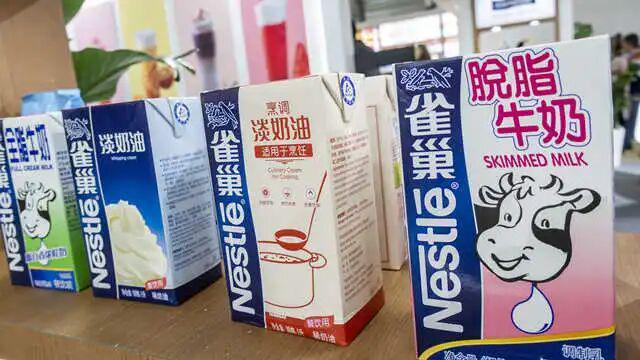
雀巢奶粉原料中测出致病风险物质
第一财经· 2026-01-08 02:39
Core Viewpoint - The article discusses the recent recall of infant formula by Nestlé due to potential quality risks associated with ARA supplied by Jia Bi You Biotechnology, leading to a significant drop in Jia Bi You's stock price by over 13% [3]. Group 1: Incident Overview - Nestlé announced a global recall of certain batches of infant formula in 31 countries due to the detection of Cereulide in ARA oil, which is linked to Bacillus cereus and can cause foodborne illness [3]. - The recall affects four brands in the Chinese market, totaling 30 batches, while other Nestlé products remain unaffected [3]. Group 2: Company Impact - Jia Bi You's ARA business generated revenue of 390 million yuan in 2024, marking a 29.2% year-on-year increase, making it a core part of the company's operations [5]. - Following the incident, Jia Bi You has sent its products for testing and will release results once available [5]. Group 3: Industry Response - Other dairy companies have distanced themselves from the incident, stating they do not use the implicated ARA from Jia Bi You [5]. - The ARA market is concentrated among a few suppliers, and the situation is being closely monitored by industry analysts [5].
伊利股份:公司奶粉产品中ARA(花生四烯酸)目前没有问题
Xin Lang Cai Jing· 2026-01-08 02:27
Core Viewpoint - The company Yili Group confirms that its milk powder products containing ARA (Arachidonic Acid) are safe and that production operations are normal, amidst a global recall by Nestlé due to contamination concerns [1] Group 1 - Nestlé has initiated a "preventive voluntary recall" of certain batches of infant formula in 31 countries and regions due to the detection of trace amounts of Cereulide (a toxin produced by Bacillus cereus) in ARA oil supplied by one of its suppliers [1] - One of Nestlé's ARA suppliers, Jabiou, is currently conducting an investigation into the contamination issue [1]
雀巢全球召回部分婴幼儿奶粉 原料供应商嘉必优今日开盘大跌
Di Yi Cai Jing· 2026-01-08 02:08
Group 1 - Jia Bi You Biotechnology (Wuhan) Co., Ltd. (stock code 688089.SH) is involved in Nestlé's global preventive recall of infant formula due to quality risks associated with ARA supplied by the company, leading to a stock price drop of over 13% [2] - Nestlé announced a recall of certain batches of infant formula in 31 countries, including China, due to the detection of Cereulide in ARA oil, which is produced by Bacillus cereus and can cause foodborne illness [2] - The affected products in China include four brands: Lidojing, Platinum Neng'en, Shuyi Neng'en, and Wyeth's Shaner Children's Growth Formula, totaling 30 batches, while other Nestlé products are not impacted by the recall [2] Group 2 - ARA (Arachidonic Acid) is a widely used Omega-6 polyunsaturated fatty acid in infant formula and dietary supplements, drawing significant consumer attention due to the incident [3] - Major ARA producers include DSM, Jia Bi You, and Runke Biotechnology, but Nestlé did not disclose the specific supplier involved in the issue [3] - Jia Bi You reported an ARA business revenue of 390 million yuan for 2024, a year-on-year increase of 29.2%, indicating that ARA is a core business for the company [3]
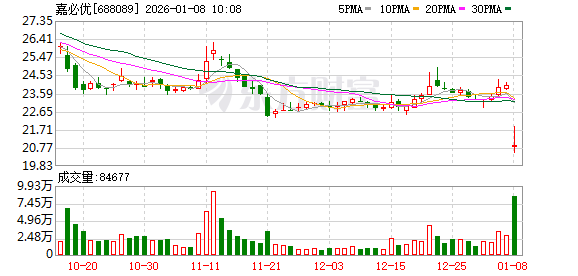
雀巢全球召回部分婴幼儿奶粉,原料供应商嘉必优今日开盘大跌
Di Yi Cai Jing· 2026-01-08 02:05
Core Viewpoint - The incident involving the recall of infant formula by Nestlé due to quality concerns related to ARA supplied by Jia Bi You has led to a significant drop in the company's stock price, highlighting potential risks in the supply chain and consumer confidence [1][2]. Group 1: Company Impact - Jia Bi You Biotechnology (Wuhan) Co., Ltd. has seen its stock price drop over 13% following the announcement of the recall by Nestlé [1]. - The company has stated that it has sent its products for testing and will release an announcement once the results are available [2]. - Jia Bi You's ARA business revenue for 2024 is projected to be 390 million yuan, reflecting a year-on-year growth of 29.2%, indicating that ARA is a core business for the company [2]. Group 2: Industry Context - The recall involves ARA, a widely used Omega-6 fatty acid in infant formula, which has raised consumer concerns in China [2]. - Major producers of ARA include companies like DSM, Jia Bi You, and Runke Biotechnology, with Nestlé not disclosing the specific supplier involved in the issue [2]. - Some dairy companies have distanced themselves from the incident, stating they do not use the implicated ARA raw materials, while others are monitoring the situation closely [2][3].
内蒙古伊利实业集团股份有限公司董事兼高级管理人员减持股份计划公告
Zhong Guo Zheng Quan Bao - Zhong Zheng Wang· 2026-01-07 23:06
Core Viewpoint - The announcement details a share reduction plan by the chairman and president of Inner Mongolia Yili Industrial Group Co., Ltd., Mr. Pan Gang, who will reduce his holdings to repay financing loans related to stock pledges, while expressing confidence in the company's future [2][7]. Group 1: Shareholding Information - As of the announcement date, Mr. Pan Gang holds 286,746,628 shares, representing 4.53% of the company's total share capital [2]. - The planned reduction will not exceed 62,000,000 shares, which is 0.98% of the total share capital and does not exceed 25% of his total holdings [2]. Group 2: Reduction Plan Details - The funds from the share reduction will be used solely for repaying stock pledge financing loans and cannot be used for personal expenses [2]. - The reduction plan will commence 15 trading days after the announcement and will last for three months, with specific methods including block trades and centralized bidding [2][4]. - If there are any changes in the company's shares, such as stock dividends or capital increases, the number of shares to be reduced will be adjusted accordingly [2]. Group 3: Additional Information - There are no concerted actions among the shareholders involved in the reduction [3]. - The company will continue to monitor the reduction situation and fulfill its information disclosure obligations during the implementation period [7].
雀巢召回部分婴幼儿配方奶粉
第一财经· 2026-01-07 16:05
Core Viewpoint - Nestlé has initiated a voluntary recall of certain batches of infant formula in multiple European countries due to quality issues identified in a supplier's raw material, which may contain cereulide toxin, a substance that can cause gastrointestinal problems [2][3]. Group 1: Recall Announcement - On January 5, Nestlé announced the recall in the UK, Germany, France, and Ireland, citing quality issues with a supplier's raw material [2]. - The following day, Nestlé China announced a voluntary recall of specific batches of infant formula sold in mainland China as a precautionary measure [2]. - Nestlé China confirmed that only a small number of products might be affected and emphasized that all other registered products in the mainland market remain safe for consumption [2][3]. Group 2: Product Details - The recall in Europe involves different brand names across countries, such as BEBA and ALFAMINO in Germany, and SMA in the UK [3]. - In China, the recall includes 30 batches of products under the brands of力多精, 能恩, and 惠氏, all with expiration dates extending to 2027 [3]. - Nestlé has stated that no illnesses or symptoms related to the consumption of the affected products have been confirmed to date [3].