工业机器人

Search documents
第四届全球数字贸易博览会 “数贸创投日”深圳站成功举办
3 6 Ke· 2025-07-16 12:36
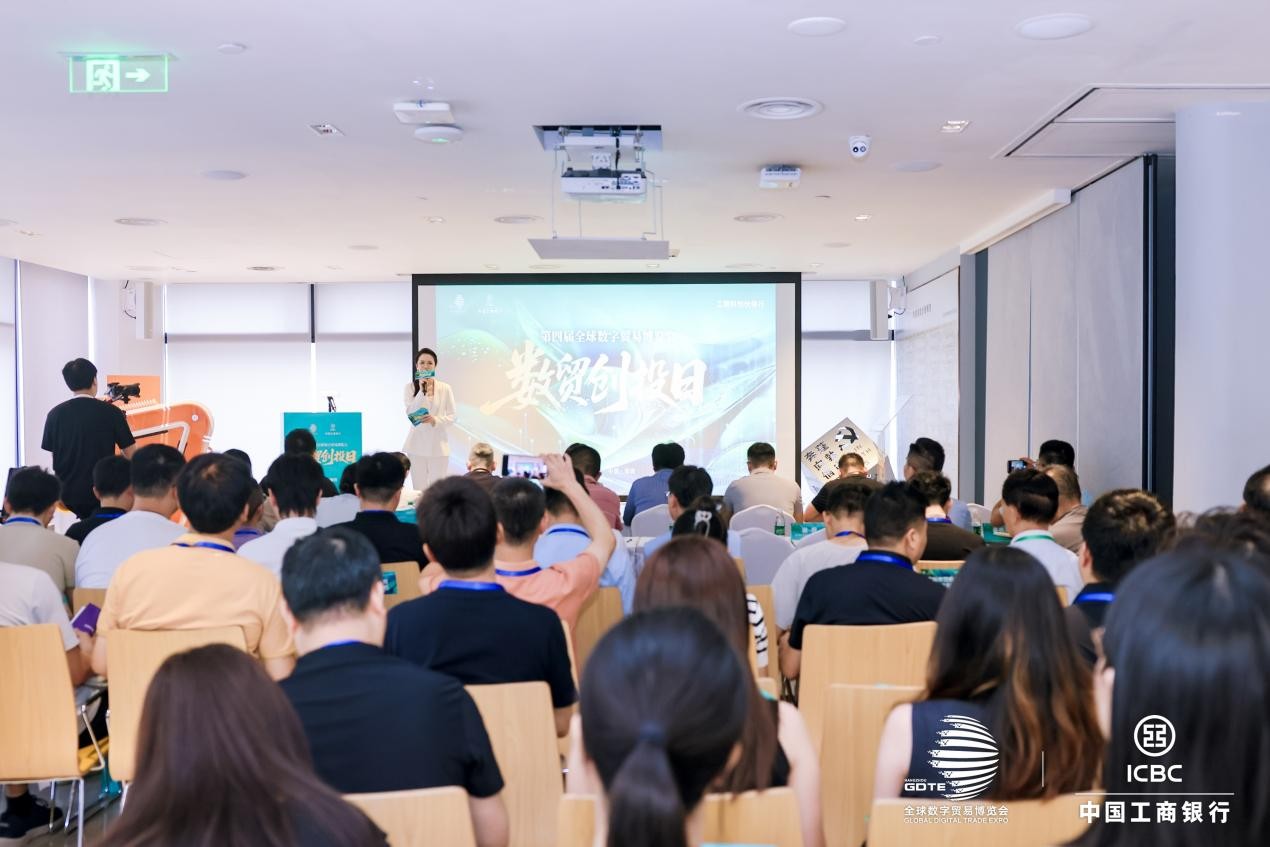
Group 1 - The fourth Global Digital Trade Expo's "Digital Trade Investment Day" was successfully held in Shenzhen on July 15, with over 80 participants including government departments and investment institutions [1][3] - The event aims to leverage capital to promote digital trade and foster cooperation between innovative forces and investment capital in Shenzhen, a hub for innovation and venture capital [3][5] - Various investment opportunities and challenges related to AI and industry integration were discussed, along with insights on digital economy ecosystems and industry fund layouts [5][11] Group 2 - Nine innovative enterprises presented their core technologies and products during the project roadshow, showcasing solutions such as AI toys, composite electrolytes, and AI-driven content production technologies [13][17] - The event facilitated one-on-one discussions between venture capital and project parties, leading to preliminary cooperation intentions among several investment institutions and tech companies [17][19]



通用自动化24年报&25年一季报总结
2025-07-16 06:13
Summary of Conference Call Notes Industry Overview - The overall frozen food sector is currently in a bottoming phase, with signs of recovery observed in performance metrics [1] - Macro indicators such as the PMI index have shown slight improvement, but the growth rate remains limited due to a high base from last year's quantitative easing [2] Key Company Insights - **Yihua Da**: Reported a 30% increase in shipping orders in April, primarily driven by a recovery in lithium battery demand, with other sectors like 3C and automotive also showing growth rates between 10% to 40% [4] - **Industrial Automation Sector**: The sector saw a 6% revenue growth in 2020, but the median revenue declined. In 2024, revenue is expected to drop significantly, primarily due to price wars in the industrial robot sector [8][10] - **Profitability Concerns**: The profit margins are under pressure, with a projected 40% decline in overall profits for 2024, largely attributed to severe price competition in the industrial robot market [10] Market Dynamics - The industrial robot market is expected to remain a core focus for A-shares, with a positive outlook for the second half of the year [5] - The competitive landscape in the FA automation sector is favorable, with two leading companies holding over 20% market share each, while smaller competitors lag significantly [12] Sector-Specific Trends - **Lithium Battery and Photovoltaics**: The share of lithium batteries in Yihua Da's revenue has decreased from 35% in 2020 to 27% in 2024, while the photovoltaic sector has seen a drastic decline [14] - **General Machinery**: The general machinery sector is projected to grow over 20% in 2024, driven by recovering demand and stable pricing due to high market concentration [17] Risks and Opportunities - The potential for new domestic demand stimulus policies is anticipated, which could positively impact the general machinery sector [18] - The machine tool and cutting tool sectors are experiencing mixed performance, with some companies showing growth while others remain flat or decline [20][22] Future Outlook - The humanoid robot sector is expected to see significant growth in the latter half of the year, with production targets likely to be met [24] - The focus on advanced materials such as PEAK and magnesium alloys is increasing, with applications expected to expand in automotive and robotics [29] Conclusion - The overall sentiment in the industrial automation and robotics sectors is cautiously optimistic, with signs of recovery in certain areas, but challenges remain due to competitive pressures and market dynamics [30]
晶采观察丨站稳20万亿元!中国外贸底气何在?
Yang Guang Wang· 2025-07-16 03:07
Core Insights - China's import and export scale stabilized at 20 trillion yuan in the first half of 2025, marking a historical high for the same period, with an increase of over 600 billion yuan compared to the previous year [1] - The resilience of China's foreign trade is supported by a complete industrial system, which includes a wide range of products from labor-intensive to high-tech items [1][2] - High-tech product exports grew by 9.2% in the first half of the year, maintaining growth for nine consecutive months, with significant increases in high-end machine tools, ships, and marine engineering equipment [1] Group 1 - China's industrial robot export market share rose to second globally, with a 61.5% increase in exports in the first half of the year [1] - The complete industrial system allows China to meet diverse consumer needs across different countries and market segments, exemplified by targeted products like solar-powered phones and high-temperature resistant engines [2] - The strong industrial support capability enhances resource integration and promotes collaborative innovation, leading to continuous upgrades in export products [2] Group 2 - The proportion of self-owned brands in high-tech product exports reached 32.4%, indicating a growing emphasis on domestic brands in international markets [2] - Despite rising global unilateralism and protectionism, China is expected to continue its export growth efforts in the second half of the year [2]
《民营经济促进法》引领民企涉外法治新局面
Xin Hua Ri Bao· 2025-07-15 22:08
Group 1 - The core viewpoint of the article emphasizes that China's private enterprises are accelerating their international expansion through high-tech products like electric vehicles and industrial robots, supported by the newly enacted Private Economy Promotion Law [1][3][8] - The Private Economy Promotion Law aims to enhance the international competitiveness of private enterprises, alleviate legal pressures related to foreign affairs, and foster new productive forces [3][4] Group 2 - Chinese private enterprises face dual pressures of technology acquisition and market access due to new regulations on high-tech flows and tariff barriers in overseas markets [2] - The WTO's appellate body is currently non-functional, limiting the multilateral trade dispute resolution mechanisms available to Chinese enterprises [2] - Compliance costs are rising for private enterprises as they navigate the complexities of adhering to labor laws and environmental due diligence in host countries [2][6] Group 3 - The Private Economy Promotion Law supports private enterprises in participating in national technology innovation projects and provides legal backing for technological advancements [4] - It encourages the legal and efficient use of data, promoting cross-border data flow while ensuring compliance with international regulations [4] - Strengthening intellectual property protection is a key focus, allowing private enterprises to engage in the formulation of international technology standards and enhancing their global market competitiveness [4] Group 4 - The law creates a fair competitive environment for private enterprises in international markets, prohibiting the exclusion of private firms from public resource transactions [5] - It suggests including competitive sectors like new energy vehicles and semiconductors in tariff exemption lists to facilitate international trade [5] - China aims to enhance cooperation with neighboring countries and leverage its strengths in the global energy market, particularly in clean energy [5] Group 5 - The law establishes a framework for private enterprises to maintain their legal rights and interests, even amidst the challenges posed by the WTO's current limitations [5][6] - It emphasizes the importance of compliance with local laws when expanding into international markets, particularly in regions like ASEAN [6] - The establishment of provincial "foreign compliance service centers" is proposed to assist enterprises in navigating legal complexities and reducing compliance risks [7] Group 6 - The article concludes that the Private Economy Promotion Law serves as a foundation for private enterprises to accelerate technological breakthroughs and market expansion, enabling them to participate fairly in global competition [8] - It highlights China's role in providing development opportunities for other developing countries within the global trade framework [8]
中国工业机器人在全球市场狂飙,上半年相关企业注册量涨近40%
Qi Cha Cha· 2025-07-15 06:34
Core Insights - China's foreign trade enterprises are seizing new trends in global energy transition, increasing the supply of quality green products and accelerating the exploration of new fields and tracks [1] Group 1: Industrial Robot Market Overview - In the first half of this year, the registration volume of domestic industrial robot-related enterprises reached 47,200, marking a year-on-year increase of 38.52% [2] - The total existing number of domestic industrial robot-related enterprises reached 363,500, with 45.68% located in East China [3] - Over 30% of existing enterprises in the industrial robot sector belong to the scientific research and technical services industry, accounting for 31.63% [4]

(经济观察)中国经济“半年报”凸显四大亮点
Zhong Guo Xin Wen Wang· 2025-07-15 04:57
Economic Performance Highlights - China's GDP grew by 5.3% year-on-year in the first half of the year, with a quarterly growth of 5.4% in Q1 and 5.2% in Q2, indicating a steady increase compared to the same period last year [2] - The urban survey unemployment rate averaged 5.2%, showing a slight decrease of 0.1 percentage points from Q1, reflecting a stable employment situation [2] - Consumer Price Index (CPI) showed fluctuations, with a year-on-year decrease of 0.1% in several months, but turned positive in June with a 0.1% increase [2] New Growth Drivers - High-tech manufacturing saw significant growth, with production of 3D printing equipment, new energy vehicles, and industrial robots increasing by 43.1%, 36.2%, and 35.6% respectively [3] - Investment in high-tech industries outpaced other sectors, with information services, aerospace, and computer equipment manufacturing investments growing by 37.4%, 26.3%, and 21.5% respectively [3] - The added value of high-tech industries increased by 9.5% year-on-year, with new industries, new business formats, and new models expected to contribute approximately 18% to GDP by 2024 [3] Green Development - The green industry is advancing, with new energy vehicles and lithium batteries experiencing growth rates exceeding 30% and 53.3% respectively [4] - Green consumption is becoming a trend, with significant growth in the consumption of new energy vehicles, energy-saving appliances, and smart home devices [4] Domestic Circulation Improvement - Domestic circulation has been prioritized, with policies aimed at expanding domestic demand and promoting production [5] - The contribution of domestic demand to GDP growth was 68.8%, with final consumption expenditure contributing 52%, marking it as the main driver of growth [5] - Freight turnover increased by 5.1% year-on-year, and passenger turnover grew by 4.9% [5]
瑞松科技: 关于上海证券交易所《关于广州瑞松智能科技股份有限公司2024年年度报告的信息披露监管问询函》的回复公告
Zheng Quan Zhi Xing· 2025-07-14 12:18
Core Viewpoint - The company received an inquiry letter from the Shanghai Stock Exchange regarding its 2024 annual report, highlighting a significant decline in revenue but an increase in gross profit margin, indicating a strategic shift in its business approach [1][2]. Revenue and Profitability - The company achieved a revenue of 624.57 million yuan in 2024, a year-on-year decrease of 19.47%, while the gross profit margin increased by 4.41 percentage points to 20.69% [1][6]. - The revenue from certain robotic automation production line projects was recognized using the time-based method, with a reported income of 514.72 million yuan during a specific period, reflecting a year-on-year growth of 27.53% [1][6]. Client and Accounts Receivable Analysis - The top five clients in the robotic automation production line business are all well-known automotive manufacturers, with a total contract amount of 1.33 billion yuan and sales revenue of 501.25 million yuan [2][4]. - As of December 31, 2024, the accounts receivable amounted to 96.18 million yuan, with overdue accounts receivable of 66.76 million yuan, which aligns with the upstream funding situation in the automotive industry [5][6]. - The company reported a post-period collection rate of 74.99% as of June 30, 2025, indicating a good recoverability of accounts receivable [5][6]. Market Conditions and Strategic Adjustments - The automotive manufacturing industry's capacity utilization rate was 72.2%, down 2.4% from 2023, leading to a general slowdown in fixed asset investment among downstream clients [5][6]. - The company adjusted its order-taking strategy to focus on higher-margin projects with good historical payment records, opting to forgo lower-margin, longer payment cycle orders [5][6]. Comparison with Industry Peers - Comparable companies in the industry also experienced a decline in revenue but an increase in gross profit margin, indicating a similar strategic focus on quality over quantity [6][6]. - The average revenue decline among comparable companies was 16.03%, while their gross profit margin increased to 18.38% [6][6]. Revenue Recognition Methodology - The company employs a time-based revenue recognition method for its robotic automation production line projects, which aligns with the new revenue recognition standards [10][12]. - The products provided are non-standard customized products, making them difficult to repurpose for other uses, thus justifying the revenue recognition method [11][12].

埃斯顿赴港IPO:巨亏8亿、短债高企与外资撤离下的“破局”之问
Jin Rong Jie· 2025-07-14 09:50
Core Viewpoint - Nanjing Estun Automation Co., Ltd. is facing significant challenges as it prepares for its IPO on the Hong Kong Stock Exchange, including a sharp decline in performance, heavy debt burdens, and foreign capital withdrawal [1][8]. Financial Performance - In 2024, the company reported revenue of 4.009 billion yuan, a decrease of 13.8% from 2023, and a net loss of 810 million yuan, a staggering decline of 700.1% year-on-year [3][4]. - The company's core business, industrial robots and intelligent manufacturing systems, saw a revenue drop of 16.04% in 2024, with significant declines in sales from its subsidiary in Germany and the photovoltaic sector [3]. - The company recorded asset impairments totaling 467 million yuan, exacerbating its overall losses [3]. Research and Development - Despite financial struggles, the company maintains high R&D expenditures, with amounts of 308 million yuan, 389 million yuan, and 442 million yuan from 2022 to 2024, reflecting increases of 26.3% and 13.84% in 2023 and 2024, respectively [6]. - The company aims to enhance its competitive edge through technological innovation and high-value products, although the high R&D costs are currently a burden on profitability [6]. Debt Situation - The company's total liabilities increased from 5.181 billion yuan in 2022 to 8.248 billion yuan in 2024, with a significant rise in short-term debt [7]. - By the first quarter of 2025, total liabilities reached 9.053 billion yuan, with current liabilities at 6.387 billion yuan, indicating a cash flow challenge as operating cash flow turned negative in 2024 [7]. Foreign Investment Withdrawal - The company is experiencing a withdrawal of foreign capital, with significant reductions in holdings by foreign institutional investors since 2022, reflecting a decline in market confidence [8]. - The proportion of shares held by foreign investors dropped from 23.71% in 2022 to 2.21% by June 30, 2025, indicating a loss of interest from international investors [8].

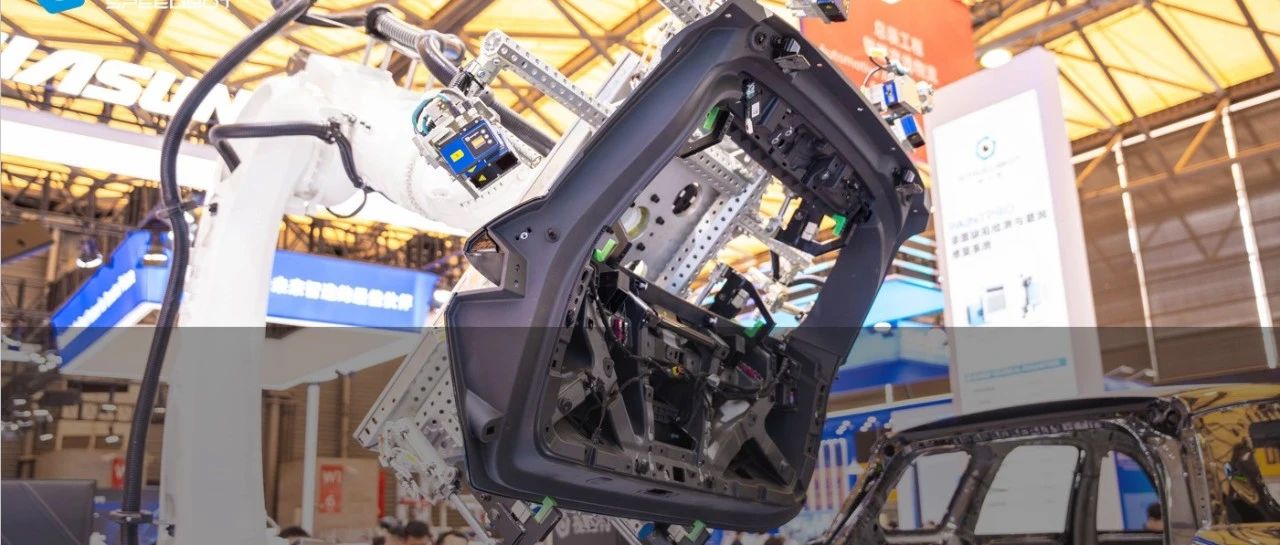
成功率拉升40%!精度杀入0.3mm!视比特黑科技SmatFit引领汽车门盖装调的AI变革!
机器人大讲堂· 2025-07-14 03:36
Core Viewpoint - The automotive manufacturing industry is undergoing unprecedented transformation due to the deep integration of robotics technology and intelligent manufacturing, with global investment in smart manufacturing expected to reach $120 billion by 2025, highlighting the importance of intelligent transformation for enhancing core competitiveness [1] Group 1: SmartFit System Overview - The SmartFit automotive door and cover intelligent adjustment system utilizes line laser and dual-camera configurations, achieving a repeatability precision of 0.05mm, capable of identifying various features such as gaps and height differences, suitable for automated adjustments in automotive assembly lines [3] - The system includes modules for door cover adjustment, hinge adjustment, and bolt tightening, maintaining adjustment precision within ±0.3mm, which is superior to conventional industry standards, with a single adjustment cycle of ≤1s and total adjustment time of ≤7s [5][6] Group 2: Precision Control and AI Integration - The precision level of door cover adjustments directly impacts vehicle quality and performance, with conventional automated systems typically achieving precision between ±0.5mm and ±1mm, while SmartFit achieves ±0.3mm, marking a significant improvement [6] - The SmartFit system employs AI algorithms for robust measurement of gaps and surface differences, allowing for optimal fitting of door covers to vehicle bodies without reliance on reference vehicles, enhancing production line flexibility and quality [8] Group 3: Hinge Adjustment and Monitoring - Hinge adjustments utilize a distributed vision system for multi-dimensional error monitoring, enabling real-time measurement of dimensional errors and optimal adjustment calculations, thus improving assembly quality and process stability [10] Group 4: Virtual Debugging and Cost Efficiency - The SmartFit system leverages a self-developed digital twin platform for virtual scene development and model training, utilizing a low-code development approach combined with pre-trained models to enhance development efficiency and reduce deployment costs [12] Group 5: Broader Intelligent Manufacturing Solutions - SmartFit has been successfully implemented in multiple automotive manufacturers, achieving fully automated adjustments for rear and tail doors while meeting production cycle requirements of 76 seconds [14] - The company also offers a range of intelligent manufacturing solutions covering key processes in automotive production, including welding, polishing, and inspection, with innovative technologies such as 3D vision for welding seam recognition and robotic force control for polishing [16][18] Group 6: Future Outlook - The development of robotics technology and intelligent manufacturing is profoundly changing the automotive manufacturing landscape, with a shift from traditional manual operations to automation, digitalization, and intelligence, leading to improved production efficiency and product quality [19][20]
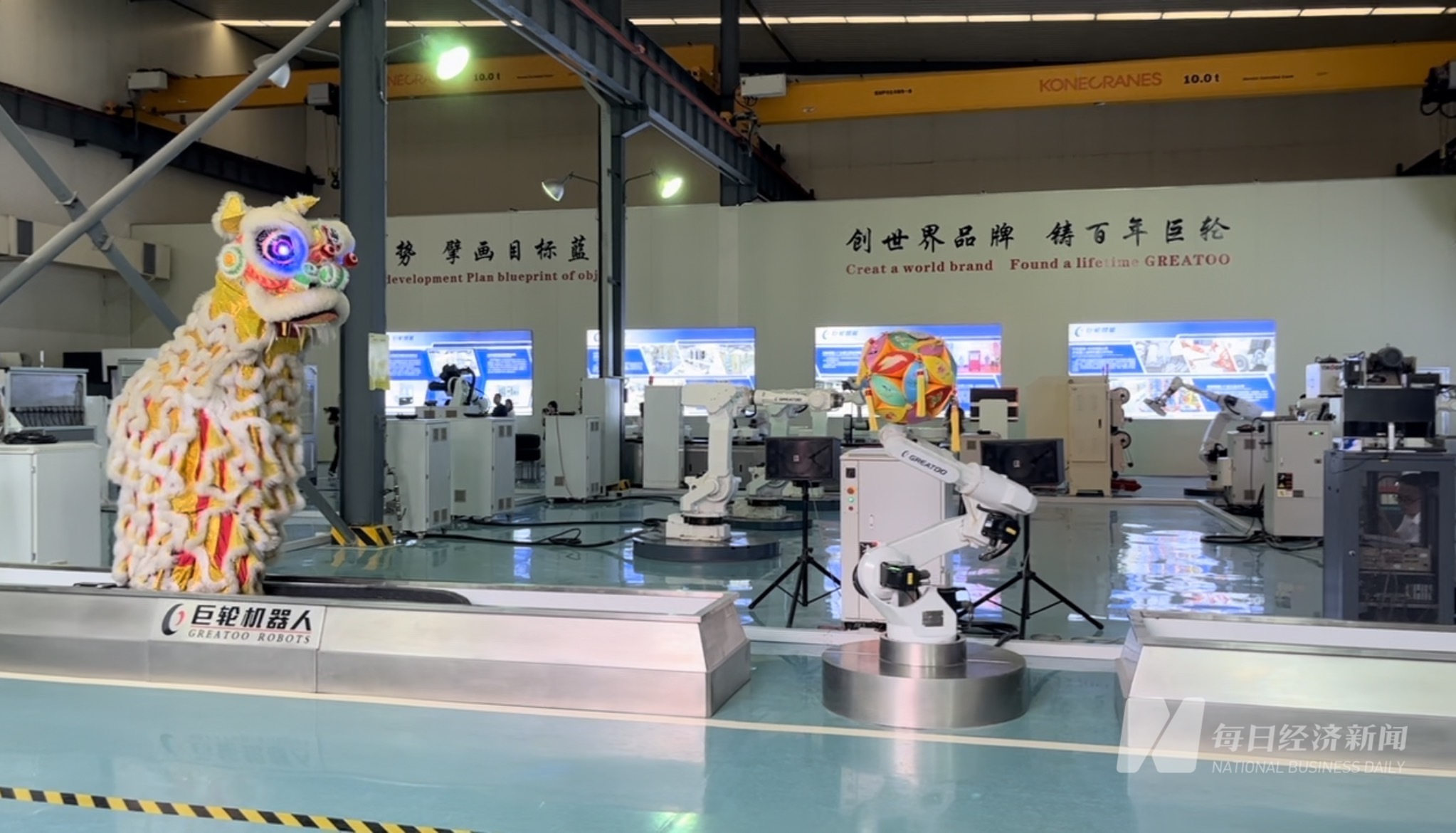
在轮胎模具赛道,中国没有短板;让机器人舞狮,巨轮智能年内量产XT减速器|走进上市公司·高见2025
Mei Ri Jing Ji Xin Wen· 2025-07-13 04:09
Core Viewpoint - The article highlights the advancements and achievements of Jilun Intelligent in the field of tire molds and industrial robotics, emphasizing its goal to become a leader in the RV reducer market in China. Group 1: Company Overview - Jilun Intelligent was established in 1992 and has developed four high-end business segments: tire molds, tire vulcanizing machines, industrial robots, and precision machine tools [4][5]. - The company became the first listed tire mold manufacturer in China in 2004, achieving a technology level comparable to international peers in the tire mold sector [6][9]. Group 2: Technological Innovations - The key to the robot lion dance performance is the RV reducer installed at the joints, allowing for flexible movements comparable to human performers [4]. - Jilun Intelligent's new "low-carbon electromagnetic heating tire vulcanization system" is set to revolutionize the vulcanization process, ensuring consistent quality across the tire [14]. Group 3: Market Position and Goals - Jilun Intelligent aims to become the leading company in the RV reducer sector in China within the next ten years, with its RV reducer technology already matching that of industry leaders [15]. - The company has received CR product certification for its RV reducers, becoming one of the first domestic companies to achieve this [15]. Group 4: Industry Insights - The tire mold industry is characterized as a technology-intensive sector, with China currently having no significant shortcomings in this field [5]. - The global humanoid robot market is projected to exceed 400 billion yuan by 2035, indicating significant growth potential for related technologies [18].