商业地产

Search documents
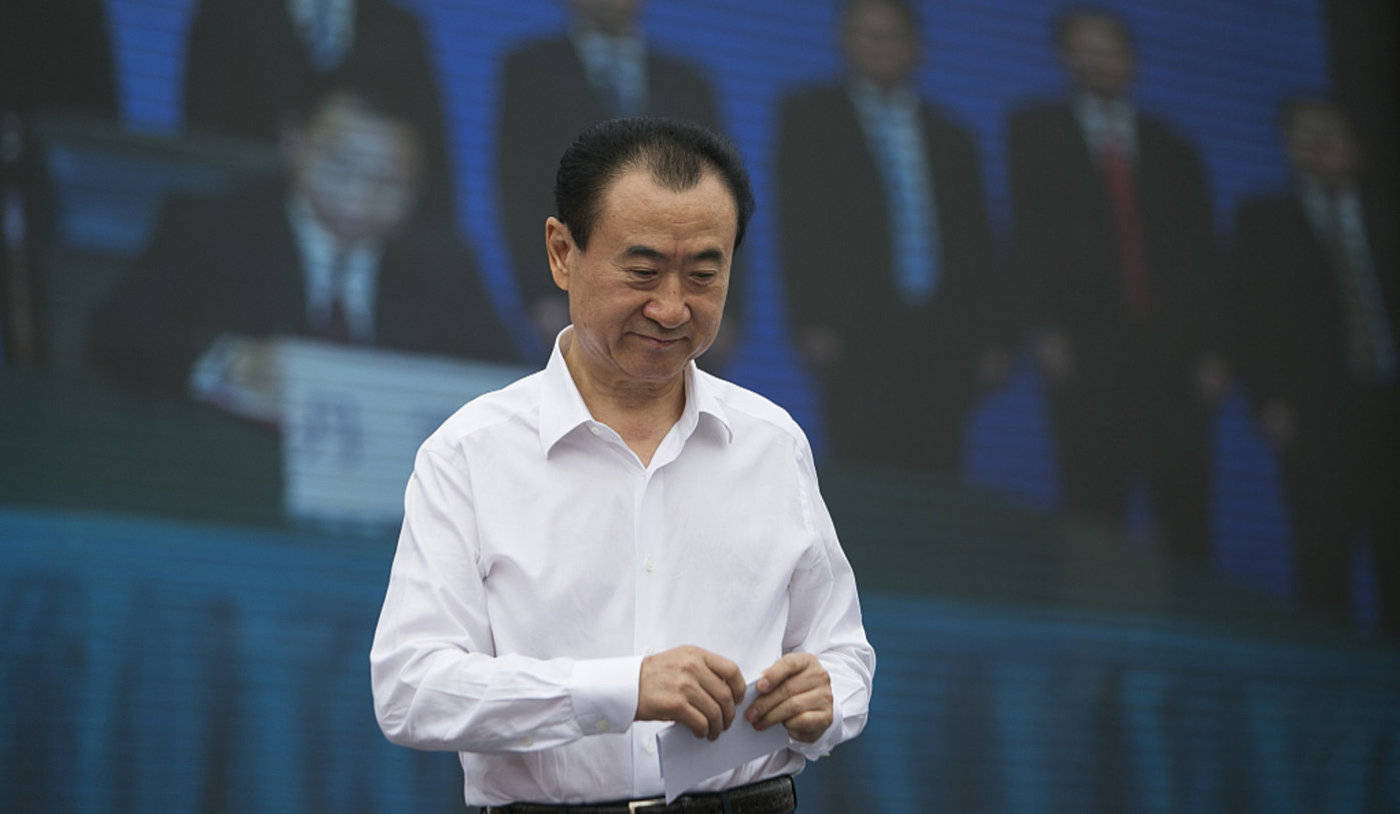
王健林最大的危机 ,不是被限制高消费,而是股权被冻结
Sou Hu Cai Jing· 2025-10-02 00:16
Group 1: Company Overview - Wang Jianlin, once the richest man in China, has faced significant financial decline, leading to restrictions on high consumption due to a debt of 1.86 billion [1] - In 2016, Wanda Group's revenue reached 255 billion, with total assets of 796.1 billion, marking the peak of Wang's wealth [1][4] - The real estate market experienced a significant boom from 2015 to 2019, with sales area and sales revenue growing rapidly, particularly in 2016 [2][4][6] Group 2: Financial Challenges - The real estate sector saw a drastic decline post-2021, with sales area dropping by 56% from its peak in 2021 to 2024 [12][14] - Wang's aggressive expansion strategy, including over $22 billion in overseas investments from 2012 to 2017, has led to liquidity issues as the market tightened [10][12] - The company's debt levels have increased significantly, with Evergrande's liabilities growing by 617% from 2014 to 2021, reflecting a broader trend in the industry [6][8] Group 3: Asset Liquidation and Strategy Shift - To address liquidity issues, Wang has sold nearly 100 Wanda Plaza locations and has been divesting shares in Wanda Commercial Management [18][20] - The shift towards a light-asset model has been accelerated, with Wang focusing on operational profits rather than ownership [20] - The freezing of shares in key companies poses a significant risk, as it limits Wang's ability to leverage assets for financing [20][21] Group 4: Industry Outlook - The commercial real estate sector faces challenges from the rise of e-commerce, leading to decreased foot traffic in shopping malls [22] - If the current downturn in the real estate market continues until 2027, asset values could decline by up to 50%, creating severe financial strain for companies like Wanda [22]

王健林,三日老赖
盐财经· 2025-10-01 10:38
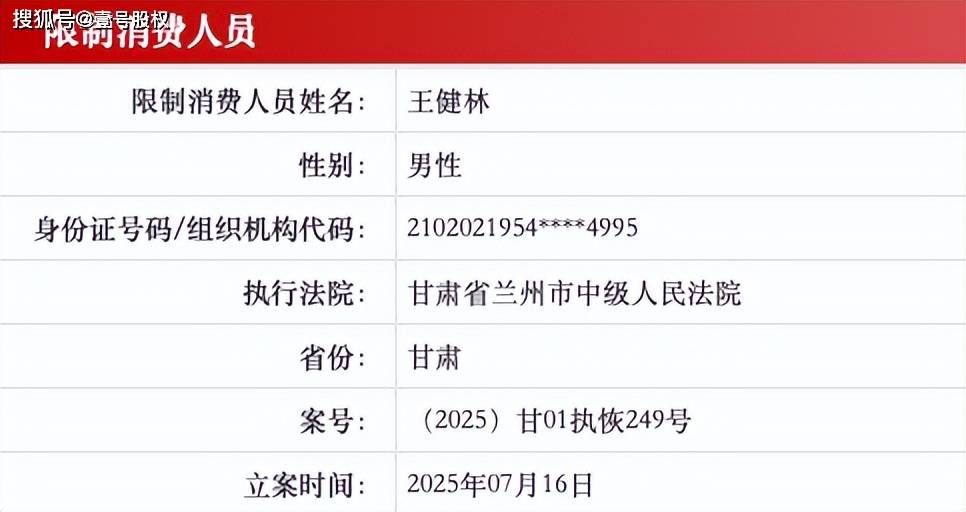
Core Viewpoint - The article discusses the recent financial troubles of Wang Jianlin, the former richest man in China, highlighting a court-imposed high consumption restriction due to a debt of 186 million yuan, which reflects the vulnerabilities of the Wanda Group and its founder's declining fortune [2][5]. Group 1: Financial Issues - Wang Jianlin was restricted from high consumption activities due to a court ruling related to a debt of 186 million yuan, which has since been lifted [2][5]. - Wanda Group has faced liquidity issues, with 11 new equity freeze notices in the past month, the highest amount reaching 8.562 billion yuan [9]. - As of now, Wanda Group has 10 execution cases with a total amount of 5.263 billion yuan, alongside 51 equity freeze notices [9][10]. Group 2: Asset Sales and Debt Management - To alleviate debt pressure, Wanda has been selling assets, including a package of 48 Wanda Plazas for a reported total of 50 billion yuan [11]. - Despite selling off various business segments, Wanda Plaza remains one of the few valuable assets left for Wang Jianlin [11]. - As of September 2024, Wanda Commercial Management reported total liabilities of 299.03 billion yuan and an asset-liability ratio of 48.7% [13][14]. Group 3: Historical Context and Business Strategy - Wang Jianlin's rise began in the 1990s with a successful real estate project, leading to the establishment of a vast network of commercial properties across China [17]. - The company expanded into cultural and tourism sectors, with significant investments in projects like the 40 billion yuan Nanchang Wanda City [21]. - However, by 2016, rumors of Wanda's 400 billion yuan debt surfaced, leading to a decline in stock and bond values, and ultimately forcing the sale of major assets [26][27]. Group 4: Current Status and Future Outlook - Wang Jianlin's net worth has plummeted to 29 billion yuan, a decrease of over 80% compared to a decade ago, reflecting broader challenges in the real estate sector [30]. - Despite past ambitions for Wanda to become a global powerhouse, the company has not achieved the projected growth, with significant setbacks in recent years [32][33].

王健林“限高”又解限背后
Xin Jing Bao· 2025-10-01 09:41
Core Viewpoint - The recent "high consumption restriction" incident involving Wang Jianlin, chairman of Wanda Group, highlights the company's ongoing liquidity crisis, multiple legal disputes, and pressure to sell assets, stemming from a 186 million yuan economic dispute [1][2]. Group 1: Incident Overview - Wang Jianlin was briefly restricted from high consumption due to an economic dispute involving a subsidiary of Wanda Group, which has since been resolved [1]. - The restriction was linked to a forced execution case concerning 186 million yuan, with Wanda Group and its real estate subsidiary listed as defendants [2]. Group 2: Legal and Financial Challenges - The core of the dispute involves a collaboration issue between Everbright Xinglong Trust and Wuhan Wanda Cultural Tourism Co., with a court order to freeze approximately 229 million yuan in bank deposits or seize equivalent assets [2]. - Wanda Group has faced significant legal pressures, with 10 execution cases totaling 5.26 billion yuan, and 424 execution cases against its real estate subsidiary, indicating severe financial strain [3]. Group 3: Asset Sales and Financial Strategy - To address its liquidity crisis, Wanda has sold over 80 Wanda Plaza locations and is actively seeking to divest more assets, including a 100% stake in Wanda Hotel Management for 2.49 billion yuan [3][4]. - The company has a short-term debt exceeding 43.9 billion yuan, while cash reserves stand at only 15.1 billion yuan, highlighting a significant funding gap [3]. Group 4: Future Outlook - Experts suggest that Wanda's path to recovery may involve packaging existing heavy asset projects for sale to generate quick cash flow, or successfully listing Wanda Commercial Management, although the latter depends on market conditions [5][6]. - Despite the challenges, Wanda still maintains a substantial asset base, with 498 Wanda Plazas operational across 227 cities in China, indicating potential for future recovery [6].
王健林“限高”又解限背后:万达流动性困境下的破局挑战
Bei Ke Cai Jing· 2025-10-01 08:44
Core Viewpoint - The recent "high consumption restriction" incident involving Wang Jianlin, chairman of Wanda Group, highlights the company's ongoing liquidity crisis and multiple legal disputes, stemming from a 186 million yuan economic dispute related to a subsidiary project [2][3][4]. Group 1: Incident Overview - Wang Jianlin was briefly subject to a "high consumption restriction" due to an economic dispute involving a subsidiary of Wanda Group [2]. - The restriction was linked to a forced execution case concerning a 186 million yuan claim by Everbright Xinglong Trust against Wuhan Wanda Cultural Tourism Co., Ltd. [3]. - The restriction was lifted within a day, indicating a potential misunderstanding in the execution process [2]. Group 2: Financial and Legal Challenges - Wanda Group has faced significant legal pressures, with a total of 10 execution cases amounting to 5.26 billion yuan, and 9 of these occurring in the current year [6]. - The company is also dealing with 424 execution cases related to its subsidiary, Wanda Real Estate Group, and has 127 consumption restrictions [6]. - As of September 2024, Wanda's short-term debt due within a year exceeds 43.9 billion yuan, while its cash reserves stand at only 15.1 billion yuan [9]. Group 3: Asset Sales and Liquidity Measures - To alleviate its liquidity crisis, Wanda has been actively selling assets, including the complete stake in Wanda Hotel Management for 2.49 billion yuan and 30% of Quick Money Financial for 240 million yuan [10]. - The company has sold over 80 Wanda Plaza locations across various cities to generate cash flow [12]. - The ongoing asset sales are part of a broader strategy to manage financial pressures and improve cash flow amid a tightening financing environment [13][14]. Group 4: Future Strategies - Analysts suggest that Wanda's path to recovery may involve packaging existing heavy asset projects for sale to generate quick cash flow [14]. - Another potential strategy is the successful listing of Zhuhai Wanda Commercial Management, which would depend on meeting capital market requirements [14].
多家新商场带来消费新体验
Bei Jing Ri Bao Ke Hu Duan· 2025-09-30 22:13
Group 1 - A series of new commercial projects have opened in Beijing ahead of the National Day and Mid-Autumn Festival, including six projects such as Ruilai Plaza and Datuanli, which aim to invigorate the consumer market [1] - Ruilai Plaza in Fangshan District features a commercial area of approximately 34,000 square meters, offering a new lifestyle space that integrates shopping, socializing, culture, leisure, and sports [1] - Datuanli commercial street in Chaoyang District spans 300 meters and includes a variety of businesses such as boutique hotels, food markets, and restaurants, catering to both local residents and travelers [1] Group 2 - The Daxing Airport area has seen the opening of the World Square, featuring over 70 brands, providing a one-stop quality lifestyle experience for local residents and industry personnel [2] - The opening of Xiaozhan Park in Changping District introduces a park-style commercial space with a 400 square meter IKEA design order center and several first stores in the region, addressing the demand for quality consumption [2] - Weibo IN Cross-Dimensional Gravity Field, located east of Chaoyang Park, has transformed from the 2008 Olympic beach volleyball venue into a tech and future-oriented complex, featuring the largest professional esports venue in North China [2]
锦艺集团控股(00565.HK)年度扭亏为盈至3902.7万港元
Ge Long Hui· 2025-09-30 14:52
Core Viewpoint - Jinyi Group Holdings (00565.HK) reported a total revenue of approximately HKD 140 million for the year ending June 30, 2025, an increase from HKD 110 million in 2024, and a profit of approximately HKD 39.03 million, recovering from a loss of HKD 27 million in 2024, with earnings per share at HKD 0.0156 [1] Group 1: Financial Performance - The company recorded total revenue of approximately HKD 140 million for the fiscal year ending June 30, 2025, compared to HKD 110 million in 2024, indicating a growth of about 27.27% [1] - The profit for the year was approximately HKD 39.03 million, a significant recovery from a loss of HKD 27 million in the previous year [1] - Earnings per share were reported at HKD 0.0156 [1] Group 2: Property Operations - The company leases an entire shopping center (Zone C) located in Zhengzhou, Henan Province, China, with a lease term expiring no later than 2040 [1] - The shopping center is a five-story commercial complex with a total floor area of approximately 80,118 square meters, including an underground commercial area [1] - As of June 30, 2025, approximately 95 tenants have occupied about 89.6% of the leasable area for retail, dining, and entertainment purposes [1] Group 3: Tenant Composition and Services - The shopping center offers a variety of services and products, including cinemas, KTV, photography studios, bookstores, jewelry stores, beauty shops, electronics stores, car sales, international brand fashion, fitness, lifestyle, leisure clothing, children's areas, educational services, and dining options [1] - Some areas of the shopping center are leased on a short-term basis for pop-up stalls and trendy items [1]
打造京城消费新引擎!北京五棵松商圈“科技+文化”双轮驱动成范本
Sou Hu Cai Jing· 2025-09-30 14:44
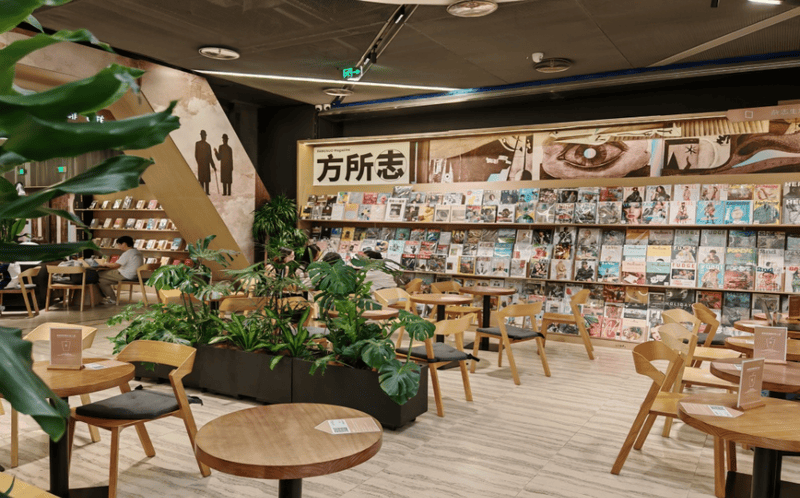
Core Insights - The article highlights the vibrant commercial activity in Beijing's Wukesong business district, driven by a combination of technology and cultural events, resulting in a sales increase of 23% year-on-year, reaching 1.87 billion yuan from January to August [1] Group 1: Business Performance - Wukesong business district achieved sales of 1.87 billion yuan in the first eight months of the year, marking a 23% increase compared to the previous year [1] - The district is recognized as a model for Beijing's international consumption center development, integrating sports, entertainment, leisure, and shopping [1] - The introduction of flagship and innovative concept stores has significantly enhanced the consumer experience, focusing on experiential consumption [1][6] Group 2: Cultural and Retail Innovations - The establishment of the "Fang Suo" bookstore in Wukesong Wanda has benefited from national tax incentives, reducing tax burdens and enhancing operational efficiency [3] - Wukesong Ailehui Art Space combines various cultural experiences, providing a multi-dimensional cultural consumption model that has seen improved ticket sales and audience engagement [4] - The "ticket root economy" initiative at Wukesong integrates event ticketing with retail discounts, fostering a cycle of increased consumer spending and longer customer dwell times [8] Group 3: Strategic Collaborations and Future Outlook - Wukesong Wanda collaborates with tax and business departments to offer support services for new businesses, aiming to reduce operational burdens and enhance sales, with projections of exceeding 2 billion yuan by 2025 [6] - The integration of diverse business models, including night economy and youth culture, positions Wukesong as a key destination for young consumers in Beijing [6] - Continuous communication between tax authorities and business operators aims to optimize industry layout and ensure the effective implementation of tax benefits, contributing to sustained economic growth in the area [8]
王健林跌落神坛,人越来越少逛的高档商场,还有没有未来呢?
Sou Hu Cai Jing· 2025-09-30 13:43
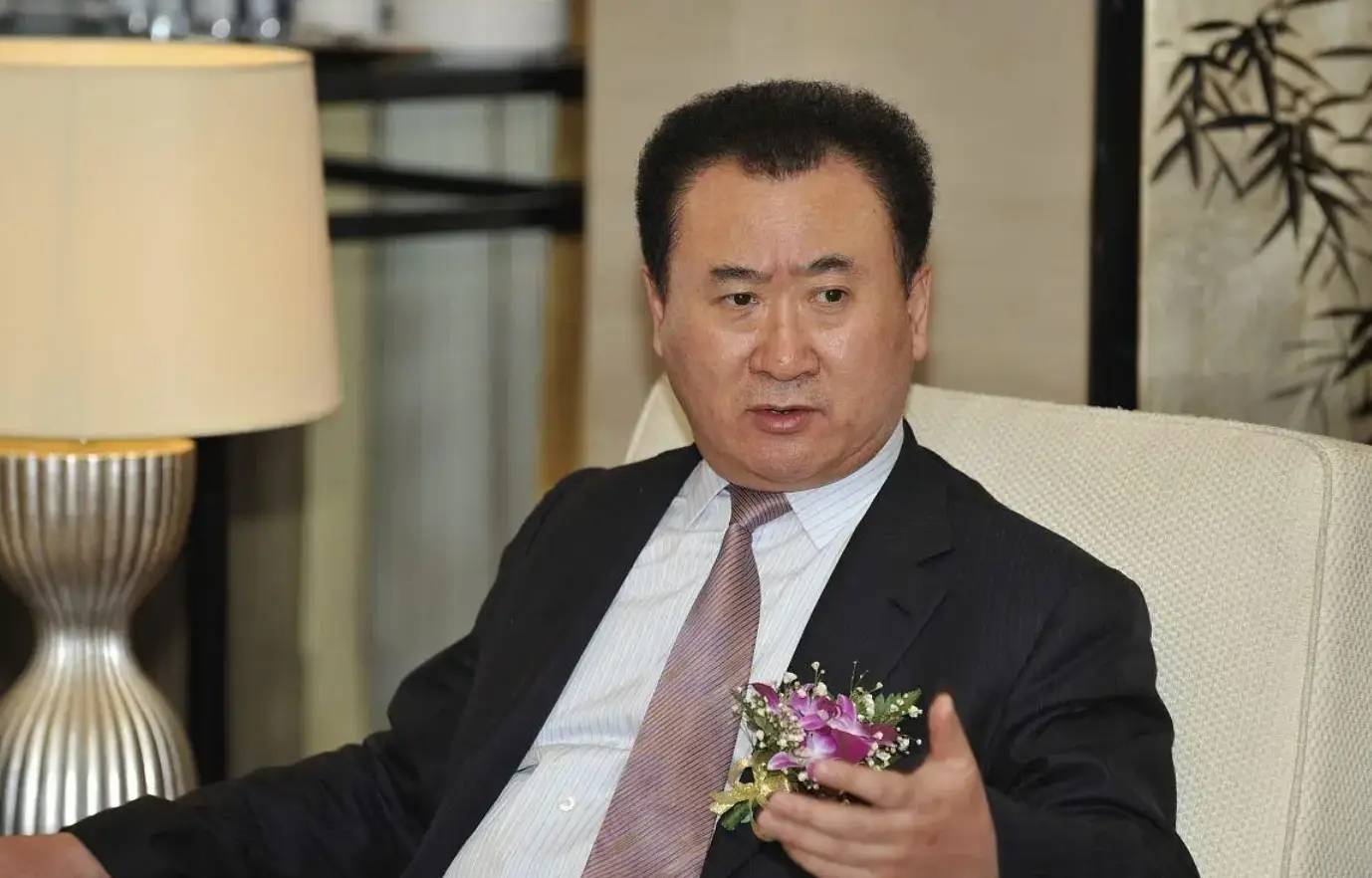
Core Insights - The decline of Wang Jianlin symbolizes a potential end to the era of commercial real estate in China, raising questions about the future of high-end shopping malls as foot traffic decreases [1] - The rapid expansion of commercial centers in China over the past decade has led to saturation, particularly in lower-tier cities, with a significant increase in the number of shopping centers and commercial space [3][5] Industry Development - From 2011 to 2024, the number of commercial centers surged from 816 to approximately 6,700, with total commercial building area expanding from under 100 million square meters to 630 million square meters, resulting in per capita commercial space growth from 0.03 square meters to 0.55 square meters [3] - The commercial real estate sector saw explosive growth due to rising consumer spending and economic development, with GDP increasing from 6.19 trillion to 15 trillion yuan between 2010 and 2020 [5][8] Market Saturation - By 2020, the market became oversaturated, particularly in lower-tier cities, leading to a significant drop in rental yields from an average of 8% to -10% as many projects were completed [8] - The average vacancy rate for shopping centers in key cities reached a four-year high, with cities like Fuzhou experiencing vacancy rates as high as 15.03% due to intense competition and market saturation [8][12] Impact of E-commerce - The rise of e-commerce, particularly mobile and online retail, has drastically changed the retail landscape, with online retail growth averaging 17.4% annually, while offline retail growth slowed to 3.5% [11] - The shift in consumer behavior has led to a decline in foot traffic in shopping malls, with many struggling to maintain high rental prices as online platforms dominate marketing and customer engagement [11][12] Future Outlook - The future of shopping malls in China appears bleak, with predictions that many will fail unless they are strategically located, can attract population inflow, effectively integrate online and offline marketing, and offer unique brands rather than homogeneous chain stores [12]



王健林连1.86亿都掏不出了,上市对赌只是表,无序扩张才是根
Sou Hu Cai Jing· 2025-09-30 13:41
Core Insights - Wang Jianlin, once a prominent figure in China's real estate sector, has faced significant financial difficulties, including being restricted from high consumption and having a forced execution of 186 million yuan, with Wanda Group's total executed amount exceeding 5.2 billion yuan [1][3] - Since 2017, Wang has been selling off assets, including tourism projects and hotels, to recover funds, indicating a desperate attempt to manage the company's debt [3][5] - The root cause of Wanda's financial troubles is attributed to Wang's early reckless expansion strategy, which was unsustainable in the long term [5][6] Company Financials - As of September last year, Wanda Group's short-term debt exceeded 40 billion yuan, highlighting the company's severe financial pressure [1] - The company's business model, primarily focused on commercial real estate, is capital-intensive, with a typical payback period for a shopping mall exceeding 20 to 30 years [6][8] Business Strategy - Wang Jianlin's rapid expansion was facilitated by leveraging debt, often borrowing significantly more than the initial capital invested, which ultimately led to unsustainable growth [10][11] - The strategy involved using pre-sales of properties to quickly recoup costs, allowing for further investments into new projects without addressing existing debts [11] Market Conditions - The initial success of Wang's business was largely due to favorable economic conditions, including rapid urbanization and rising property values, which have since reversed, leading to declining rental rates and occupancy [10][11] - The shift in market dynamics, with a decrease in population and property prices, has left Wanda with underperforming assets, including vacant shopping malls and high-cost land [11]
消费市场添活力!迎国庆北京多家新商场亮相
Bei Jing Ri Bao Ke Hu Duan· 2025-09-30 12:47
Group 1 - A series of new commercial projects opened in Beijing ahead of the National Day and Mid-Autumn Festival, including six projects such as Ruilai Plaza in Fangshan and Daitunli in Chaoyang [1][3] - Ruilai Plaza features a commercial area of approximately 34,000 square meters, offering a new lifestyle space for consumers in western Beijing [1] - Daitunli commercial street spans 300 meters and integrates various businesses, providing services for local residents and nighttime consumption for travelers [3] Group 2 - Wei Gong·Fanghua Li in Haidian District has become a new cultural landmark, featuring original art installations and multiple flagship stores [3] - The Daxing Airport area introduced the World Square, with over 70 brands opening, enhancing the quality of life for local residents [3] - The Shangde Yintai City in Daxing features over 100 brands, further stimulating consumer potential in southern Beijing [3] Group 3 - On National Day, the Xiaozhan Park in Changping opened, featuring a 400 square meter IKEA design center and over 20 first stores in the region [4] - The Weibo IN Cross-Dimensional Gravity Field opened in Chaoyang, transforming the former Olympic beach volleyball venue into a tech and culture complex [4] - The Diamond Center within the Weibo IN is the largest professional esports venue in North China, hosting esports events and cultural activities [4][5]