
合成生物学

Search documents
合成生物学周报:深圳合成生物新规落地,高纯度OPO结构脂“精准复刻”母乳-20251022
Huaan Securities· 2025-10-22 06:31
Investment Rating - The report does not explicitly state an investment rating for the synthetic biology industry Core Insights - The synthetic biology sector is experiencing a global biotechnology revolution, providing innovative solutions to major challenges such as health, climate change, and food security, as highlighted by the National Development and Reform Commission's "14th Five-Year Plan for Bioeconomic Development" [4] - The Huazhong Securities Synthetic Biology Index, which includes 58 companies involved in synthetic biology, has seen a decline of 4.96% recently, indicating a performance lag compared to the Shanghai Composite Index [5][22] Summary by Sections 1. Synthetic Biology Market Dynamics - The synthetic biology sector's stocks fell by 4.96% in the week of October 13-17, 2025, ranking 24th among sectors [22] - The top five gainers in this sector included Yuanli Technology (+11%) and Fuxiang Pharmaceutical (+11%), while the top five losers included Shengquan Group (-18%) and Jinziham (-18%) [23][27] 2. Company Business Developments - Huada Zhizao has signed a licensing agreement to expand its sequencing technology into the European and American markets [28] - Haineng Energy has been approved to enter the bio-aviation fuel "white list," allowing it to produce 158,000 tons of bio-aviation fuel annually [29] - Jinggong Holdings is set to launch a 50,000-ton green recycled material production line, which will be the largest chemical recycling polyester enterprise globally [30] 3. Industry Financing Tracking - The synthetic biology sector has seen accelerated financing, with nearly 100 companies completing new funding rounds in 2025 [35] - Zhejiang Ruiwei New Materials Technology Co., Ltd. completed a multi-million yuan financing round, focusing on biodegradable materials for the beauty and textile industries [35]

【科技日报】人工合成淀粉技术再升级
Ke Ji Ri Bao· 2025-10-22 03:28
Core Insights - The development of artificial starch synthesis represents a significant milestone in synthetic biology, allowing for starch production in a bioreactor that is equivalent to the yield from 5 acres of corn cultivation [1] - The energy conversion efficiency of artificial starch synthesis has improved by 3.5 times compared to corn, with an 8.5 times increase in synthesis speed and a 136 times increase in yield from the initial version [1] - The integration of artificial intelligence technology has accelerated the rational design process in synthetic biology, expanding its applications to complex molecules such as sucrose, hexose, and biodegradable materials [2] Group 1 - The artificial synthesis of starch can be achieved through a non-natural carbon fixation pathway designed by the research team, which includes 11 reaction steps [1] - The latest version of the artificial starch synthesis pathway has been optimized, indicating a shift towards industrial-scale production of starch, moving away from traditional agricultural methods [1] - The advancements in synthetic biology are providing new solutions for various industries, including food, energy, and pharmaceuticals [2]
湖北大学,加速合成生物创新创业转化
合成生物学与绿色生物制造· 2025-10-16 10:08
Core Insights - The article discusses the establishment of a Synthetic Biology Innovation and Entrepreneurship Center in Jiang'an District, Hubei Province, in collaboration with Hubei University, aimed at fostering the synthetic biology industry and linking local industrial needs with academic research resources [2][4]. Group 1: Establishment of the Center - Jiang'an District signed an agreement with Hubei University to co-establish a Synthetic Biology Innovation and Entrepreneurship Center, which will serve as a crucial link between local industry demands and university research capabilities [2][4]. - The center will accelerate the gathering of synthetic biology industries in Jiang'an, leveraging Hubei University's strengths in this field [4]. Group 2: High-Tech Enterprises Involvement - Several high-tech companies, including Wuhan Xingquan Gene and Health Technology Co., Ltd. and Wuhan Ruidu Biotechnology Co., Ltd., have moved into the collaborative innovation building, showcasing the effectiveness of the university-industry cooperation platform [5]. - Xingquan Gene focuses on early cancer screening technologies based on canine olfactory capabilities, while Ruidu Biotechnology specializes in unique DNA synthesis and assembly technologies derived from academic research [5]. Group 3: Supportive Infrastructure - The collaborative building offers a "zero-cost entrepreneurship space," providing two years of rent-free and three years of reduced rent for university entrepreneurs, promoting the growth of the synthetic biology innovation center and related industries [5]. - The initiative aims to create a comprehensive support system that includes industry funds, intellectual property, and professional services to enhance innovation and entrepreneurship [5]. Group 4: Future Plans and Policies - Jiang'an District plans to launch the "Bian Plan" in 2024, introducing nine key policies to support technological innovation in various sectors, including environmental protection and artificial intelligence [6]. - The district has also implemented a plan to promote zero-cost entrepreneurship, fostering a conducive ecosystem for innovation and job creation [6].

Science子刊 | 浙江大学陈卫教授团队在合成生物学领域取得重要进展
合成生物学与绿色生物制造· 2025-10-15 02:12
Core Viewpoint - The article discusses the advancements in glycosyltransferase engineering for the efficient glycosylation of flavonoids, highlighting the potential applications in health and wellness products, as well as in the fields of agriculture and biomedicine [5][11]. Summary by Sections Glycosylation of Flavonoids - Flavonoids are important plant secondary metabolites with significant biological activities used in disease prevention and treatment [3]. - The glycosylation of flavonoids is catalyzed by plant UDP-glycosyltransferases (UGTs), which is a green and economical method compared to traditional chemical synthesis [3][4]. Research Findings - The study identified a rare glycosyltransferase, UGT75AJ2, capable of catalyzing the glycosylation at C-3' and C-7 hydroxyl positions of flavonoids, leading to the directed synthesis of bioactive flavonoid glycosides [5][6]. - The research demonstrated that glycosylation at these positions enhances antioxidant and blood sugar-lowering activities [4]. Engineering Strategies - A custom FRISM strategy was developed for the rational design of UGTs, resulting in a quadruple mutant (Mut4-1) of UGT75AJ2 with 128 times the catalytic activity of the wild type [7]. - The strategy was also successfully applied to other glycosyltransferases, validating its effectiveness and versatility [7][8]. Implications and Applications - The study provides a new paradigm for enhancing the activity, donor promiscuity, and regioselectivity of plant glycosyltransferases, which is crucial for the biosynthesis of high-value flavonoid glycosides [11]. - This research integrates multiple disciplines, including food science, synthetic biology, artificial intelligence, and pharmacology, contributing to the development of health products with medicinal value [11].

全球丙氨酸龙头华恒生物赴港上市,“绿色野心”与三大隐忧
Sou Hu Cai Jing· 2025-10-12 09:49
Core Viewpoint - Anhui Huaheng Biotechnology Co., Ltd. (Huaheng Bio) has submitted an application for listing on the Hong Kong Stock Exchange, marking a significant step in its global strategy as a leader in synthetic biology [1][9] Company Overview - Huaheng Bio claims to be a global pioneer in synthetic biology, holding market shares of 43.3% in L-alanine and 26.9% in L-valine, leading the industry [3] - Revenue is projected to grow from 1.419 billion yuan in 2022 to 2.178 billion yuan in 2024, with a remarkable 46.54% increase in the first half of 2025, reaching 1.489 billion yuan [3] Financial Performance - Despite revenue growth, Huaheng Bio's profitability is under pressure, with gross margin dropping from 40.4% in 2023 to 24.8% in 2024, nearly halving [4] - In the first half of 2025, net profit fell by 23.26% to 115 million yuan, with gross margin further declining to 23.5% [4] - The company attributes these declines to a significant drop in average selling prices of amino acids and vitamins, highlighting the risk of a relatively narrow product structure [4] Industry Context - The synthetic biology sector has promising prospects, with the global bio-based product market expected to grow from $42.1 billion in 2024 to $109.1 billion by 2035, at a compound annual growth rate of 6.4% [5] - Government support for the bio-manufacturing industry in China, driven by carbon neutrality goals, provides a strong backing for the sector [5] Challenges Faced - Huaheng Bio acknowledges several risks in its prospectus, including changes in international trade policies, fluctuations in raw material prices, production technology iterations, and intellectual property protection [5] - The imposition of a 53.9% temporary anti-dumping duty by the EU and uncertainties regarding U.S. tariffs on Chinese goods cast a shadow over the company's overseas operations [5][6] Expansion and Financial Health - Huaheng Bio has rapidly expanded, operating four production bases across three provinces in China and continuing to increase capacity in Inner Mongolia [7] - The company's debt ratio was high, with asset-liability ratios of 68.3% in 2023 and 60.4% in 2024, and a net current liability of 626 million yuan at the end of 2023 [7] - The funds raised from the Hong Kong listing are intended for global expansion, technology research and development, capacity upgrades, and working capital, reflecting the company's need for financial resources [7] Common Dilemmas in the Industry - Huaheng Bio's situation mirrors the common challenges faced by Chinese synthetic biology companies: technological leadership but unproven commercialization capabilities, rapid expansion but unstable profitability, and a solid domestic market but challenges in internationalization [8] - The company has established partnerships with several research institutions, including the Chinese Academy of Sciences, emphasizing its commitment to research and development [8] Future Outlook - The decision to list in Hong Kong is driven by the market's international advantages and the need for funding to support global expansion [9] - While Huaheng Bio possesses a first-mover advantage and technological accumulation in synthetic biology, uncertainties in commercialization paths and challenges related to product concentration, profitability fluctuations, and complex international trade environments remain [9] - The company must balance technological investment with commercial returns and navigate the changing international market landscape to achieve its goal of transitioning from a "China leader" to a "global leader" [9]

Nature Biotechnology:华大发布DNA合成新技术,助力合成生物产业迈向新时代
生物世界· 2025-10-01 10:50
Core Viewpoint - The article discusses a groundbreaking DNA synthesis technology called mMPS, developed by BGI Life Sciences Research Institute, which overcomes traditional limitations in DNA synthesis efficiency, cost, and coverage, marking a significant advancement in synthetic biology [3][4][6]. Group 1: Technology Overview - mMPS technology utilizes a microchip-based approach, dividing a chip into independent millimeter-scale microchips, each synthesizing a single short DNA strand, allowing for identity tracking and sorting of DNA fragments [7][9]. - The technology enables a systematic breakthrough in synthesis throughput, yield, and quality, addressing the challenges of traditional high-throughput DNA synthesis methods [3][10]. Group 2: Performance and Applications - mMPS technology has demonstrated superior performance in complex sequence handling, high GC content regions, and repetitive sequences, providing reliable support for protein stability research and disease mutation mechanism analysis [10]. - The technology significantly reduces the time for constructing mutation libraries from weeks to days, enhancing the discovery and optimization process of antibody drugs [12]. - In the field of clinical diagnostics, mMPS can synthesize thousands of primer probes at once, reducing costs by over three times and enabling upgrades in multi-target detection capabilities [13]. Group 3: Industrial Impact - The mMPS technology is expected to transform DNA synthesis from a laboratory service into a foundational infrastructure for biomanufacturing, driving efficiency revolutions in pharmaceuticals and diagnostics [12]. - The cost of single-base synthesis is reduced by approximately 70% compared to traditional methods, facilitating large-scale industrial applications [12]. - The modular and automated characteristics of mMPS technology lay the groundwork for the emergence of "DNA synthesis as a service" platforms, integrating AI-driven design and automated synthesis [15]. Group 4: Future Prospects - The mMPS technology is anticipated to become the core engine of next-generation industrial-grade DNA synthesis factories, enabling the design, construction, and testing of complex biological systems [18]. - Experts believe that the integration of AI and automation with mMPS will drive deep integration and industrialization of synthetic biology in biomanufacturing and healthcare [18].

70年药企跨界做美妆,如何全链路布局?
FBeauty未来迹· 2025-09-30 09:39
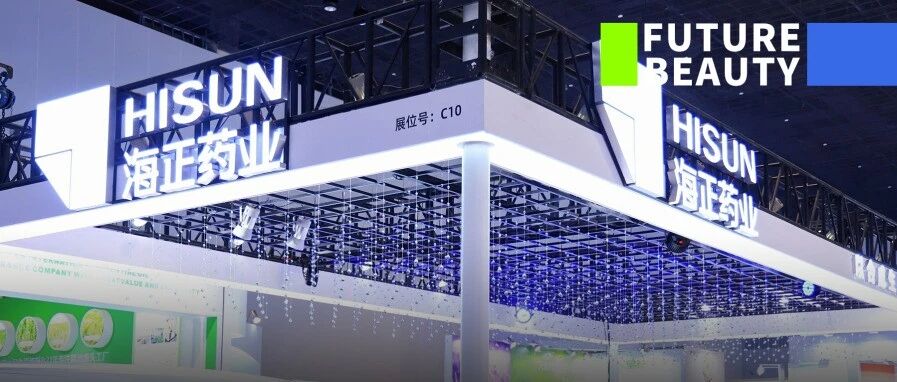
Core Viewpoint - The Chinese beauty industry is undergoing a deep upgrade driven by technology and consumer demand, with pharmaceutical companies emerging as key players due to their strong R&D capabilities and quality systems [3][4]. Industry Overview - Over 400 pharmaceutical companies in China are venturing into the cosmetics sector, aiming to transform pharmaceutical technology into effective skincare and health aesthetic products [3]. - The market for cosmetics in China reached approximately 1,073.82 billion yuan in 2024, continuing to exceed the trillion yuan mark for two consecutive years [8]. Company Profile: Zhejiang Haizheng Pharmaceutical Co., Ltd. - Established in 1956, Haizheng Pharmaceutical has a long history in chemical and pharmaceutical production, with a diversified business matrix focusing on various therapeutic areas [5][6]. - The company reported a revenue of 9.787 billion yuan and a net profit of 600 million yuan in 2024, with R&D investment reaching 420 million yuan [6]. Strategic Moves - Haizheng Pharmaceutical is actively engaging in the "pharmaceutical + aesthetics" trend, leveraging its industrial strength and R&D foundation to innovate in synthetic biology and health aesthetic products [4][9]. - The establishment of Haizheng Weilan and Luan Sheng Synthetic Biology marks the company's strategic entry into health aesthetics and synthetic biology, respectively [9][13]. Product Development and Innovation - Luan Sheng Synthetic Biology has developed over 30 raw material varieties, focusing on high-tech and high-value products to avoid low-level price competition [13][14]. - The company plans to create a product pyramid structure, including "road lamp products" for quick commercialization and "lighthouse products" for mid-term development [14]. Market Strategy - Haizheng Weilan aims to build a comprehensive health aesthetic platform, integrating pharmaceutical e-commerce and innovative business models [15][16]. - The company is focusing on nutrition, functional skincare, and medical beauty, utilizing its raw material advantages to develop products that address joint health and liver protection [18]. Future Outlook - The ultimate goal for Haizheng Pharmaceutical is to establish a complete value chain from synthetic biology raw material innovation to health aesthetic brand products, ensuring each link maintains pharmaceutical-grade quality [21][22]. - The company emphasizes a long-term approach to development, prioritizing solid R&D and reliable quality over quick market gains [22].

石化化工行业稳增长方案出台,平煤神马与河南能源拟战略重组 | 投研报告
Zhong Guo Neng Yuan Wang· 2025-09-29 08:46
Group 1: Industry Overview - The chemical sector's overall performance ranked 17th this week (2025/09/22-2025/09/26) with a decline of 0.95%, underperforming the Shanghai Composite Index by 1.16 percentage points and the ChiNext Index by 2.91 percentage points [2][3] - The chemical industry is expected to continue its trend of divergence in 2025, with a focus on synthetic biology, pesticides, chromatography media, sweeteners, vitamins, light hydrocarbon chemicals, COC polymers, and MDI [2] Group 2: Key Industry Trends - Synthetic biology is at a pivotal moment, with low-energy products likely to gain a longer growth window due to the shift in energy structure. Traditional chemical companies will need to focus on energy consumption and carbon tax costs [2] - The introduction of quota policies for third-generation refrigerants is anticipated to lead to a high-growth cycle, with supply constraints and stable demand growth from markets like heat pumps and cold chains [3] - The electronic specialty gases market is characterized by high technical barriers and value, with domestic production opportunities arising from the rapid upgrade of downstream industries [4] Group 3: Specific Chemical Segments - The trend towards light hydrocarbon chemicals is becoming global, with a shift from heavy naphtha to lighter feedstocks like ethane and propane, which are more cost-effective and environmentally friendly [5] - The industrialization of COC/COP (cyclic olefin copolymer) is accelerating in China, driven by domestic production capabilities and the need for supply chain security [6] - MDI (methylene diphenyl diisocyanate) is experiencing a favorable supply landscape due to its high technical barriers and the concentration of production among a few global players [9] Group 4: Price Tracking and Supply Chain - Weekly price tracking shows significant increases in liquid chlorine (252.38%) and paraquat (42%), while PX and bisphenol A saw declines of -5.56% and -4.27% respectively [10] - The supply side of the chemical industry is affected, with 155 companies reporting changes in production capacity, including 4 new shutdowns and 12 restarts this week [11]
石化化工行业稳增长方案出台,平煤神马与河南能源拟战略重组
Huaan Securities· 2025-09-28 15:37
Investment Rating - Industry investment rating: Overweight [1] Core Views - The chemical sector's overall performance ranked 17th this week, with a decline of 0.95%, underperforming the Shanghai Composite Index by 1.16 percentage points and the ChiNext Index by 2.91 percentage points [4][22] - The chemical industry is expected to continue its trend of differentiated growth in 2025, with recommendations to focus on synthetic biology, pesticides, chromatography media, sweeteners, vitamins, light hydrocarbon chemicals, COC polymers, and MDI [4] Summary by Sections Industry Performance - The chemical sector's performance this week was -0.95%, ranking it 17th among all sectors, while the top three performing sectors were power equipment, non-ferrous metals, and electronics [22][23] - The top three individual stocks in the chemical sector this week were Bluefeng Biochemical (61.16%), Shangwei New Materials (44.81%), and Huarsoft Technology (31.83%) [28] Key Industry Dynamics - A new plan for stable growth in the petrochemical industry was released by seven departments, aiming for an average annual growth of over 5% in value added from 2025 to 2026 [34] - The plan emphasizes the importance of technological innovation, digital empowerment, and environmental sustainability in the petrochemical sector [34] Investment Opportunities - Synthetic biology is highlighted as a key area for growth, with companies like Kasei Biotech and Huaheng Biological being recommended for investment [4][8] - The third-generation refrigerants are expected to enter a high prosperity cycle due to upcoming quota policies and stable demand growth from the air conditioning and cold chain markets [5] - The electronic specialty gases market presents significant domestic substitution opportunities, driven by rapid upgrades in the semiconductor and photovoltaic industries [6][8] - Light hydrocarbon chemicals are identified as a global trend, with a shift towards lighter raw materials expected to enhance the value of leading companies in this sector [8] - The COC polymer industry is accelerating its domestic industrialization process, with companies like AkzoNobel being recommended for attention [9] - Potash fertilizer prices are anticipated to rebound as supply tightens and demand increases due to rising agricultural planting intentions [10] - The MDI market is expected to improve due to oligopolistic supply dynamics and stable demand from polyurethane applications [12]


多位外籍院士前瞻合成生物“新纪元”: 规模化并非最大挑战,再生医学最值得期待
Di Yi Cai Jing· 2025-09-28 05:26
Core Insights - The discussion at the 2025 Pujiang Innovation Forum highlighted the core challenges and breakthrough strategies in the field of synthetic biology, which is seen as a disruptive field with a broad future [2][3] Challenges and Breakthroughs - The main challenge in synthetic biology is the complexity and uncertainty of biological systems, which requires an engineering approach to design life [3] - Key issues include stability during scaling processes, energy consumption of cell factories, and the lack of predictive design tools [3] - Current advancements in biological development processes, such as using engineered yeast in traditional industrial platforms, face fundamental challenges in strain engineering and construction models [3] - The need to address stability issues during strain expansion immediately rather than waiting until scaling is crucial for successful engineering [3] Perspectives on Scaling - The perception that scaling challenges in synthetic biology are exaggerated is noted, with emphasis on the high costs associated with scaling processes [4] - Solutions should focus on optimizing laboratory conditions to ensure that microbial performance in lab settings translates to scaled production [4] - The comparison of costs between synthetic biology and chemical products should be made on a fair basis, considering sustainability and environmental benefits [4] Global Collaboration and Market Entry - Collaboration between global synthetic biology technologies and Chinese factories is essential for achieving scalable progress [5] - China's stable policy environment, reliable competition, and the technical background of policymakers contribute to a favorable landscape for synthetic biology projects [5] - Scientists must have a long-term vision when commercializing disruptive technologies, considering distribution and sales alongside product development [6] Future Outlook - Synthetic biology is expected to make specialty chemicals more accessible and competitively priced, with localized production becoming more feasible [6][7] - The potential of synthetic biology in regenerative medicine is significant, offering solutions for chronic diseases and promoting healthier lifestyles through preventive measures [7]