水产养殖

Search documents
科技赋能“蓝色粮仓” 休渔期鲜活海鲜供应“不打烊”
Yang Shi Wang· 2025-07-11 09:36
Core Viewpoint - The article highlights the significant role of marine ranching in Guangdong, China, as a primary source of fresh seafood during the fishing moratorium period, emphasizing the increasing demand for seafood and the technological advancements in aquaculture [1][5]. Group 1: Market Dynamics - The fishing moratorium period has led to marine ranches in Guangdong ramping up their output to meet market demand for fresh seafood [1][3]. - Large fresh food supermarkets are increasing their procurement from domestic marine ranches to fill the supply gap during the fishing moratorium [5]. Group 2: Technological Advancements - The marine ranch employs an intelligent management system for centralized control, monitoring various water quality indicators in real-time [7]. - The use of gravity-type deep-water cages enhances the survival rate of fish compared to traditional fish rafts, with Guangdong having built 6,396 such cages, the highest in the country [9]. Group 3: Production and Supply - The marine ranch is accelerating feeding and fattening processes as fish fry approach maturity, planning to supply the market in the next two weeks [3]. - The continuous increase in production from marine ranches in Guangdong is not only meeting local consumption needs but also supplying seafood to various regions across the country [9].

常熟:蓝龙养殖带动龙虾经济
Xin Hua Ri Bao· 2025-07-10 23:02
Group 1 - The article highlights the rising popularity of blue crayfish, specifically the Australian freshwater crayfish, in Changshu, which is being marketed as a premium alternative to traditional crayfish [1][2] - The blue crayfish is larger and has a higher meat yield compared to regular crayfish, with prices being twice as high but offering three to five times the meat yield [1][2] - Local restaurants, such as Wang Si Restaurant and Changshu International Hotel, have begun to incorporate blue crayfish into their menus, reflecting a growing trend in the "crayfish economy" [1][2] Group 2 - The blue crayfish is cultivated locally by Suzhou Hengyang Aolong Agricultural Technology Co., which has developed proprietary breeding techniques and established seven seedling bases nationwide, achieving annual sales of over 3,000 tons and exceeding 100 million yuan in revenue [2] - The collaboration between local restaurants and the crayfish supplier aims to enhance the value of local agricultural products and provide unique dining experiences for both residents and visitors [2][3] - Continuous innovation in dish offerings and feedback loops between restaurants and suppliers are being emphasized to improve the quality of the blue crayfish and adapt to market demands [3]
湖北潜江龙虾交易规模领跑全国 冷链物流支撑鲜活供应
Zheng Quan Shi Bao Wang· 2025-07-10 15:03
Core Viewpoint - The development of the crayfish industry in Hubei, particularly in Qianjiang, is accelerating due to government initiatives and infrastructure improvements, establishing Qianjiang crayfish as a leading brand in China [1][2]. Group 1: Industry Growth and Economic Impact - The comprehensive output value of Qianjiang crayfish has surpassed 87 billion yuan, with an annual trading volume of 800,000 tons, accounting for 60% of Hubei's total output and 25% of the national output [1]. - The "Xia Tiao" policy has designated "Qianjiang Crayfish" as Hubei's sole regional public brand, promoting a unified marketing strategy across the province [1]. - The establishment of over 4,000 Qianjiang crayfish brand stores and more than 10,000 restaurants using Qianjiang crayfish ingredients and cooking standards has expanded market reach [1]. Group 2: Supply Chain and Logistics Development - A supply chain platform with an annual transaction value exceeding 16 billion yuan has been established, involving 1,094 enterprises and 138,700 registered users [2]. - The "Xia Gu Express" logistics service platform and the only crayfish logistics big data center in the country have been created to enhance the supply chain from production to consumption [2]. - The cold chain logistics delivery system allows for delivery to all provincial capitals within 4 to 14 hours, with a 94% average freshness rate for crayfish [2]. Group 3: Market Dynamics and Price Trends - Seasonal price fluctuations are normal, with prices typically dropping during the rice planting season (May-June) and rising during peak consumption (June-August) [3]. - The introduction of "four seasons of crayfish" technology is expected to stabilize prices by extending the supply window [3]. - A survey indicated that 69.4% of crayfish farmers reported stable or increased earnings compared to the previous year, with an average net income of 2,659.2 yuan per mu, reflecting a 9% year-on-year growth [3].
潜江小龙虾交易规模领跑全国,湖北“虾十条”助推扩大朋友圈
Di Yi Cai Jing· 2025-07-10 11:07
Group 1 - The "Four Seasons with Shrimp" model has significantly improved efficiency, with peak daily trading volume reaching 1,500 tons and a projected record trading scale this year [1] - The "Qianjiang Lobster" regional public brand value has reached 52.72 billion yuan, with over 4,000 brand stores opened nationwide [1] - The area for lobster farming in Qianjiang has reached 947,000 acres, with a production volume of 122,500 tons in the first half of 2023, a year-on-year increase of 4.6% [1][2] Group 2 - The "Shrimp Ten Articles" policy promotes the shrimp-rice co-cultivation standard model, with an expected order area of 697,300 acres in 2024, an increase of 44,500 acres from the previous year [2] - A comprehensive standard system for the entire lobster industry chain has been established, enhancing the cold chain logistics service standards to national level [2] - The focus on key technologies such as "Four Seasons with Shrimp" aims to address winter nutrition supply challenges, utilizing microbial fermentation technology to optimize feed [2][3] Group 3 - The "Four Seasons with Shrimp" model fills the winter market supply gap, with an expected output of 24,000 tons and a value of 2.19 billion yuan from December 2024 to February 2025 [3] - The model has increased per-acre output and land utilization, saving 1,000 yuan in seed costs per acre and increasing income by over 2,000 yuan per acre [3] - The average income per acre for shrimp farming in the first half of 2023 was 2,659.2 yuan, reflecting a year-on-year growth of 9% [4]
叮咚买菜加码上游供应链 投资庆渔堂数字渔仓
Zheng Quan Shi Bao Wang· 2025-07-10 04:25
Core Insights - The "Common Prosperity Digital Fish Warehouse" has officially launched, marking the first digital aquaculture complex in China, operated by Qingyu Hall and strategically invested by Dingdong Maicai [1][2] - The digital fish warehouse integrates various functions including production, temporary storage, and sales, utilizing IoT and AI technologies to enhance efficiency and reduce environmental impact [2][3] Group 1: Company Overview - Qingyu Hall, established in 2016, is a leading digital aquaculture service provider in China, with services covering approximately 15,000 fishpond users and over 200,000 acres of aquaculture area in the Yangtze River Delta [1] - The digital fish warehouse is expected to scale up to over 5,000 pools by 2024, with projected business growth of nearly 200% over the next three years [1] Group 2: Technological Advancements - The digital fish warehouse employs a zero-emission low-carbon circulation system, utilizing IoT sensors for real-time monitoring of water quality and oxygen levels, combined with AI algorithms for precise environmental control [2] - The project will operate nearly 3,000 intelligent breeding barrels, cultivating various fish species including bass, grass carp, and golden crucian carp [2] Group 3: Market Dynamics - Traditional aquaculture methods are characterized by high labor and resource demands, inefficiency, and significant environmental pressure, leading to challenges in adapting to market needs [2] - The digital fish warehouse aims to address these issues by establishing a "sales-driven production" mechanism, shortening market response times, and alleviating sales difficulties for farmers [2] Group 4: Strategic Collaboration - Dingdong Maicai's Chief Product Officer emphasized the importance of technology in creating a closed-loop system that enhances the entire supply chain, from sales to upstream production [3] - The collaboration between Qingyu Hall and Dingdong Maicai aims to upgrade traditional fisheries through the integration of IoT, AI, and big data, promoting income growth for low-income households [3]

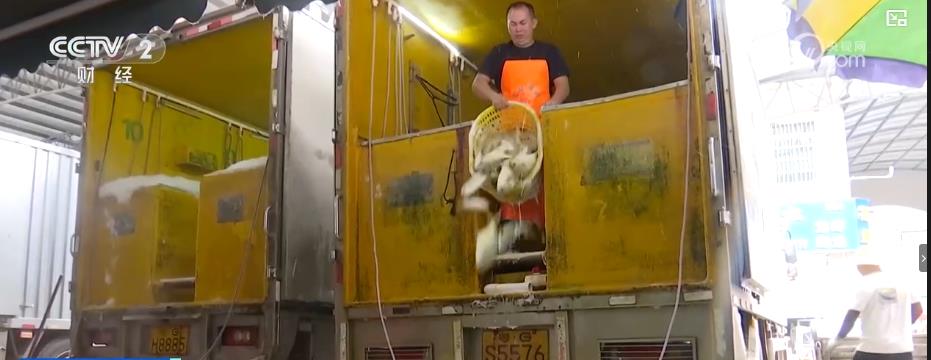
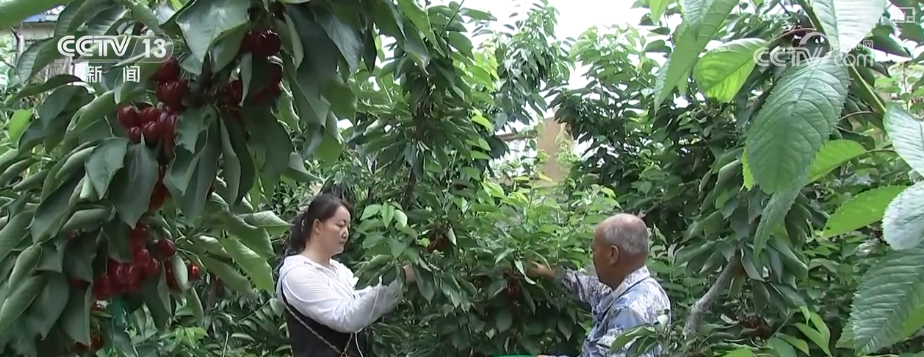
科技“锁鲜”赋能抢“鲜”生意竞速跑 天山脚下美味成百姓餐桌上“常客”
Yang Shi Wang· 2025-07-10 03:39
Group 1: E-commerce Logistics Demand - The Chinese e-commerce logistics index has reached a new high for the year, driven by strong seasonal demand for fresh produce and cold drinks during summer [1] - The logistics demand for seasonal products, particularly fresh cherries, has surged, necessitating robust cold chain logistics to maintain quality during long-distance transportation [1] Group 2: Cherry Transportation Process - In Dalian's Guojia Village, cherries are harvested and immediately placed into special vehicles for transport [4] - Cherries are carefully selected, packed with ice packs, and separated by absorbent paper to ensure freshness during the packing process [6] - After pre-cooling, cherries are transported to a transfer station where they are sorted and dispatched using different transportation methods based on distance [7] Group 3: Air Transportation of Cherries - Most cherries are transported by air to regions such as Beijing-Tianjin-Hebei and the Yangtze River Delta, with dedicated cargo planes ready for shipment [8] - The logistics system allows cherries to be delivered to consumers within 24 hours of harvest, ensuring freshness [10] Group 4: Salmon Cold Chain Logistics - Cold chain logistics is also crucial for transporting fresh products like salmon, which is surprisingly cultivated in Xinjiang, an inland region [12] - The high-quality cold water resources in Xinjiang are ideal for salmon farming, with the peak harvest season occurring from July to September [14] - Advanced processing and packaging equipment is used to prepare salmon, followed by rapid freezing in a liquid nitrogen facility to maintain quality [16] Group 5: Quality Assurance in Cold Chain - After processing, salmon undergoes a series of quality checks and is transported using specialized cold chain vehicles equipped with monitoring systems to ensure temperature control [18] - Continuous upgrades in cold chain technology are expanding the market for Xinjiang's high-quality salmon, making it a popular choice among consumers [20]
陕西定边县:“梭鱼”跃入千年盐湖 “土鸡”鸣唱生态乐章
Huan Qiu Wang· 2025-07-09 02:25
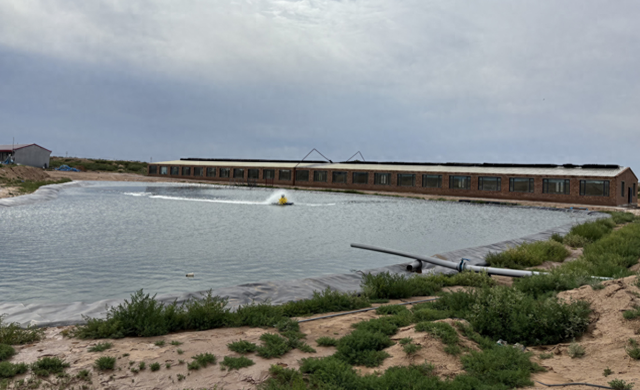
Group 1 - The core idea of the article is the successful development of aquaculture in saline lakes, particularly in Dingbian County, which has introduced various seafood species and is exploring sustainable farming practices [1][3][5] - The introduction of species such as South American white shrimp, blue crabs, clams, and now mullet, indicates a diversification strategy in aquaculture [1][3] - The company has implemented various farming models, including mixed farming of shrimp, crabs, and fish, to determine the most suitable approach for saline lake aquaculture [3][5] Group 2 - The company has overcome technical challenges related to water quality and salinity in saline lake shrimp farming, allowing for year-round production through the introduction of land-based circular tank farming [3][5] - A high-standard greenhouse has been established to facilitate all-weather farming, ensuring a continuous supply of shrimp throughout the year [5] - The integration of chicken farming using waste shrimp as feed demonstrates a circular economy approach, enhancing resource utilization and extending the industry chain [5][7] Group 3 - The establishment of partnerships with research institutions like Ningbo University and the Chinese Academy of Sciences aims to enhance technological innovation and resource utilization in saline lake aquaculture [5][7] - The company plans to develop smart aquaculture systems to monitor water quality and the growth of aquatic species, combining technology with traditional farming methods to improve efficiency [5][7] - The transformation of saline land into a thriving "seafood bay" reflects the successful implementation of ecological farming practices and high-tech applications [7]
湖北支持做大做强特色产业 打造10个全国知名“特色之乡”
Chang Jiang Shang Bao· 2025-07-08 00:35
Core Viewpoint - Hubei Province aims to enhance the development of its "Characteristic Towns" through a new action plan, targeting the establishment of 10 nationally recognized and 20 regionally influential "Characteristic Towns" by 2030, thereby boosting local economies and industry vitality [1]. Group 1: Action Plan Overview - The action plan outlines a strategy of "supporting a batch, cultivating a batch, and optimizing a batch" to leverage regional advantages and strengthen characteristic industries [1][3]. - The plan emphasizes the importance of integrating various sectors, including agriculture, forestry, industry, and culture, to enhance the competitiveness of "Characteristic Towns" [3][4]. Group 2: Specific Initiatives - Hubei will focus on supporting 12 key "Characteristic Towns," including Xiantao, known for its eel industry, and other towns recognized for their unique agricultural products [3]. - The plan includes eight main tasks aimed at strengthening characteristic industries, such as enhancing development scale, creating distinctive supply chains, and promoting cultural integration [4][5]. Group 3: Economic Impact - Xiantao's eel industry has achieved a comprehensive output value exceeding 10 billion yuan, with a projected brand value of 22.67 billion yuan for "Xiantao Eel" by 2024 [2]. - The non-woven fabric industry in Xiantao has expanded to cover over 130 product varieties across 32 categories, showcasing significant growth and international trade competitiveness [2]. Group 4: Future Goals - By 2030, Hubei aims to create a synergistic relationship between the "Characteristic Towns" and their respective industries, enhancing both brand recognition and economic impact [1][3]. - The action plan encourages the establishment of smart agricultural and industrial facilities, promoting digital integration within characteristic industries [5].
福建天马科技集团股份有限公司 2025年6月鳗鱼出池情况简报
Zheng Quan Ri Bao· 2025-07-07 21:38
Group 1 - The company reported a total eel output of approximately 2,553.46 tons in June 2025, with external sales accounting for about 1,896.84 tons and self-use for approximately 656.62 tons [1] - The output specifications for June 2025 primarily ranged from 1P to 4P, with sales prices varying between 57,000 yuan/ton and 87,000 yuan/ton [1] - Cumulatively, from January to June 2025, the company achieved an eel output of approximately 9,502.51 tons, with external sales of about 6,240.34 tons and self-use of around 3,262.17 tons [1] Group 2 - The output specifications are generally categorized by the number of eels per kilogram, referred to as P numbers [2] - The data provided is based on internal statistics and has not been audited, serving only as a reference for investors regarding the company's eel farming operations [4] - The company does not make any commitments or guarantees regarding future operational performance based on this data [4]

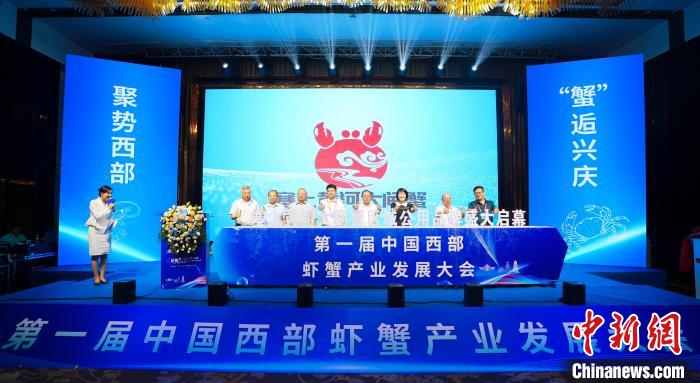
专家学者齐聚银川 为西部虾蟹产业发展把脉问诊
Zhong Guo Xin Wen Wang· 2025-07-07 16:50
Core Viewpoint - The first China Western Shrimp and Crab Industry Development Conference was held in Yinchuan, Ningxia, focusing on the development experiences of the shrimp and crab industry in the western region [1][3]. Group 1: Industry Development - The shrimp and crab industry connects agricultural production with market consumption, forming a value chain that integrates primary, secondary, and tertiary industries [3]. - Yinchuan's Xingqing District is recognized as a major aquaculture area and a national-level demonstration zone for green and healthy aquaculture, leveraging unique climate, quality Yellow River water, and saline-alkali soil for diverse species cultivation [3][5]. - The district aims to establish itself as the "Western Crab Valley," promoting industrial clusters, concentrated enterprises, integrated policies, and functional synergies to enhance the reach of aquatic products nationally and globally [3]. Group 2: Brand and Economic Impact - The "Saishang Yellow River Hairy Crab" regional public brand was launched, with a comprehensive quality control system established from breeding to sales [5][6]. - In 2024, the price of "Saishang Yellow River Hairy Crab" is expected to be 40%-60% higher than non-branded crabs, benefiting over 30 farming households and achieving an output value exceeding 100 million yuan [6]. - The district plans to invest at least 1 million yuan annually in brand promotion, technology research, and market expansion, supporting high-standard breeding bases and modern demonstration parks [6]. Group 3: Collaboration and Events - The conference featured expert discussions to address challenges in the shrimp and crab industry and foster collaboration among stakeholders [5]. - A series of cooperation agreements were signed, covering technical services, brand authorization, supply chain strategies, and the construction of the Western Crab Valley project [6]. - The first Shrimp and Crab Food Festival was launched simultaneously, allowing citizens and tourists to enjoy a culinary feast [6].