
Semiconductors

Search documents
AI算力逼疯芯片设计!国产EDA龙头芯和彻底彻底升维系统级
是说芯语· 2026-03-25 01:05
Core Viewpoint - The semiconductor industry is undergoing a significant transformation, with companies like Chip and Semiconductor redefining their roles from traditional EDA tool providers to comprehensive system design leaders, addressing the challenges posed by the AI era's demand for increased computational power [1][3]. Group 1: Industry Transformation - The traditional reliance on Moore's Law for semiconductor performance is becoming obsolete as AI models require exponentially more computational power, necessitating a shift from single-chip performance to system-level integration [3][5]. - The industry is moving towards a focus on system-level design, where factors such as advanced packaging, heterogeneous integration, and overall system architecture must be considered to avoid critical design failures [3][5]. Group 2: Chip and Semiconductor's Strategic Shift - Chip and Semiconductor's brand upgrade marks a transition from being a mere EDA tool provider to a system design navigator, expanding its services to cover advanced packaging, AI servers, and autonomous driving, thus tapping into a growing market driven by AI hardware proliferation [5][6]. - The company aims to enhance design accuracy and reduce costs by utilizing its unique multi-physical field coupling simulation engine, which allows for risk assessment in a virtual environment, thereby minimizing costly errors during production [6][7]. Group 3: Domestic EDA Landscape - The domestic EDA market has seen significant growth, with the number of companies increasing from a handful to over 120, and the domestic market share rising from 5% in 2019 to approximately 25% currently, with expectations to exceed 40% by 2026 [9][11]. - Despite the growth, many domestic EDA firms have focused on traditional chip design tools, leaving a gap in system-level EDA solutions, which Chip and Semiconductor aims to fill, positioning itself against established foreign competitors [9][11]. Group 4: Future Outlook - The transition to a system design navigator is not only a milestone for Chip and Semiconductor but also signals a broader shift in the domestic EDA industry from a follower to a leader in the post-Moore's Law era [11][12]. - By leveraging its STCO methodology and comprehensive system-level EDA platform, Chip and Semiconductor is poised to assist domestic chip and AI hardware companies in mitigating design risks and reducing R&D costs, thereby enhancing their competitiveness in the global AI computing landscape [12].


10 Stocks Grabbing Investor Attention Today: Viavi, Shift4 Payments, and More
Insider Monkey· 2026-03-25 00:46
Core Viewpoint - Despite a general market decline, ten stocks experienced significant gains, with four reaching new record highs, driven by positive corporate developments [1]. Group 1: Company Performances - Coherent Corp. (NYSE:COHR) saw a 6.78% increase to $272.33 after being added to the S&P 500 index, which typically boosts stock prices due to increased exposure to investors [4][5]. - In Q2 FY2026, Coherent reported a 41.9% increase in net income to $147 million and a 17.5% rise in revenues to $1.686 billion year-on-year [6]. - Viavi Solutions Inc. (NASDAQ:VIAV) reached a 24-year high, climbing 6.93% to $35.94, following a "buy" recommendation from Stifel and showcasing its AI solutions at a recent conference [9][10]. - PBF Energy Inc. (NYSE:PBF) hit a new record high of $50.64, closing up 7.51% at $50.09, amid rising tensions in the Middle East which increased investor interest in oil stocks [13][14]. - Dell Technologies Inc. (NYSE:DELL) soared 7.49% to $176.91, driven by an optimistic analyst rating from Goldman Sachs, which raised its price target to $195 [17][18]. - Hewlett Packard Enterprise Company (NYSE:HPE) experienced a 7.77% increase to $23.90, as investors bought shares to qualify for an upcoming dividend payment [20][21]. Group 2: Financial Highlights - Coherent Corp. anticipates continued strong growth in the second half of FY2026, driven by demand in data centers and communications [7]. - Dell Technologies reported a 30% increase in net income to $5.9 billion and a 19% rise in revenues to $113.5 billion for FY2026 [19]. - HPE's revenue for Q1 FY2026 increased by 18.5% to $9.3 billion, although net income declined by 29% to $423 million [22]. - HPE expects Q2 revenues to rise by 26% to 31.6%, targeting between $9.6 billion and $10 billion [22].

中信证券:建议关注国内头部AI PCB/覆铜板(CCL)厂商、存储厂商等
Xin Lang Cai Jing· 2026-03-25 00:41
Core Insights - Nvidia announced at GTC 2026 that AI computing power demand will continue to grow strongly in 2027 [1] - CITIC Securities believes that the addition of LPU and midplane in the Rubin/Rubin Ultra architecture will enhance specifications and usage, further expanding demand [1] - The CPO is expected to be implemented first in the Scale-out architecture of Rubin, with Scale-up applications anticipated to begin on the Feynman platform in 2028 [1] - The market's confidence in the sustained growth of the AI industry and the realization of incremental logic is expected to be reinforced by Nvidia's GTC 2026 conference [1] - Attention is recommended for leading domestic AI PCB and copper-clad laminate (CCL) manufacturers, as well as storage manufacturers [1]


存储芯片短缺,全面蔓延
半导体行业观察· 2026-03-25 00:40
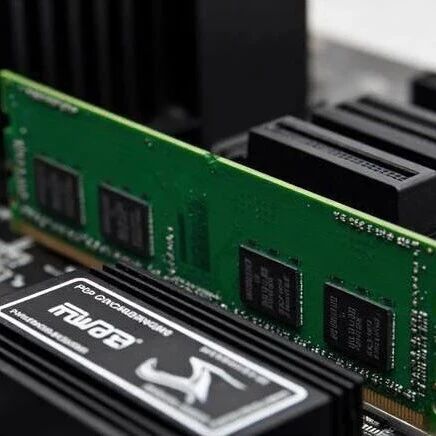
Group 1 - The current memory shortage driven by artificial intelligence has extended beyond high-end accelerator systems, with IDC indicating that DRAM and NAND flash prices are rising and supply tightening, reshaping the smartphone and PC market landscape by 2026 [2] - TrendForce predicts that PC DRAM contract prices will increase by over 100% quarter-on-quarter in Q1 2026, highlighting the significant impact of supply constraints [2] - Micron Technology has stated that the demand for both AI and traditional servers is limited due to insufficient DRAM and NAND flash supply, citing cleanroom capacity limitations and long production cycles as contributing factors [2] Group 2 - SK Hynix plans to invest approximately 21.6 trillion KRW (about 15 billion USD) in a new factory in Yongin, with the first cleanroom expected to be operational by February 2027, indicating a proactive approach to expanding DRAM capacity [3] - Samsung has announced plans to invest over 110 trillion KRW in factory construction and R&D by 2026 to solidify its leadership in the AI semiconductor sector, reflecting the industry's focus on future growth [3] - The semiconductor market is expected to experience strong growth led by memory products, with the World Semiconductor Industry Association (WSTS) forecasting no oversupply situation in the near future [3] Group 3 - Even if a supply surplus occurs, it may not be detrimental for most market participants, as it could provide relief for Raspberry Pi users, PC assemblers, device manufacturers, and gamers [4] - The demand for sustained shortages is not as absolute as some narratives suggest, with DeepSeek's report indicating that the training process for AI models is costly, which may temper the notion that every advancement in AI requires endless hardware investment [4] - If large-scale capacity expansion coincides with a more cautious approach to AI infrastructure spending, the next memory surplus may be viewed as a turning point for the memory market rather than a disaster [4]

芯片的未来,靠它们了
半导体行业观察· 2026-03-25 00:40
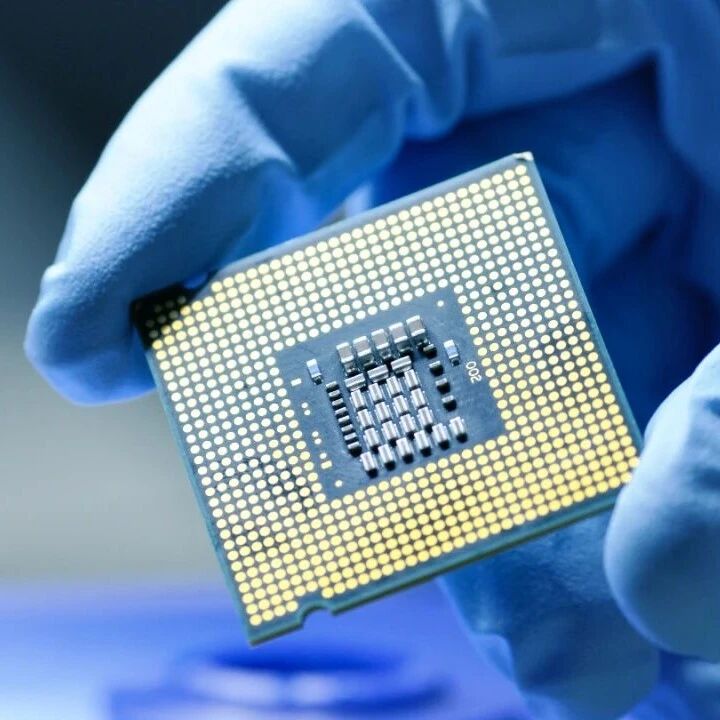
Core Viewpoint - The semiconductor industry is transitioning from a focus on transistor scaling to a more modular and flexible architecture, driven by advancements in glass substrates, UCIe standards, and CXL technology, which collectively enable higher performance without solely relying on transistor miniaturization [2][48][49]. Group 1: Transition to Glass Substrates - The shift from organic substrates to glass substrates marks a significant change in semiconductor packaging, with companies like Intel planning to introduce glass substrate technology in the latter half of this decade [5][7]. - Glass substrates help mitigate warping issues and support larger package sizes (approximately 100 mm × 100 mm), offering higher interconnect density compared to organic substrates [4][6]. - The glass substrate market is projected to reach $460 million by 2030 under optimistic adoption scenarios [6]. Group 2: UCIe Technology - UCIe (Universal Chiplet Interconnect Express) is a standardized die-to-die interconnect technology that enables chiplets from different process nodes and suppliers to work together within the same package [4][18]. - The evolution of UCIe from versions 1.0 to 3.0 reflects the industry's rapid adoption, with UCIe 3.0 supporting data rates of up to 64 GT/s, effectively doubling the bandwidth capabilities of earlier versions [20][19]. - UCIe enhances modularity in chiplet-based designs, allowing for cost-effective and efficient communication between components manufactured on different process nodes [22][24]. Group 3: CXL Technology - CXL (Compute Express Link) addresses the "memory wall" issue by decoupling memory from CPUs, allowing for shared memory pools that can dynamically allocate resources as needed [30][36]. - CXL 3.0 introduces a fabric architecture that supports up to 4,095 nodes, enabling efficient memory pooling and reducing idle memory [31][35]. - The implementation of CXL technology can lower overall memory requirements by 7% to 10%, potentially saving hyperscale data center operators hundreds of millions annually [36]. Group 4: Future Outlook - The integration of glass substrates, UCIe, and CXL into a unified architecture is expected to define the 2026 roadmap for semiconductor technology, leading to the development of System-on-Package (SoP) solutions [41][48]. - The anticipated AI processors of 2026 will feature a modular design with multiple chiplets on glass substrates, supporting advanced functionalities and high bandwidth [42][44]. - Future developments may include the integration of photonic technologies, enhancing signal transmission over longer distances and addressing the limitations of traditional copper interconnects [45][47].
Will Nvidia's Financial Results Be Hurt by the Iran War and High Oil Prices?
The Motley Fool· 2026-03-25 00:20
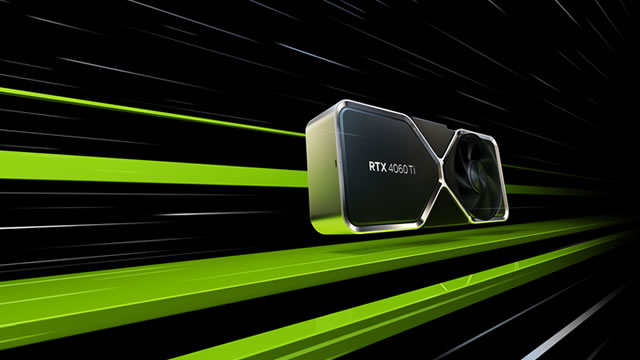
Core Viewpoint - The ongoing Iran war and its impact on supply chain costs are likely to affect Nvidia's financial results, but the overall impact may be minimal unless the situation persists for an extended period [2][8][11]. Supply Chain Costs - Supply chain costs are rising due to increased transportation expenses, primarily driven by soaring crude oil prices following the Iran war [2][4]. - Crude oil prices have surged as Iran has effectively closed the Strait of Hormuz, a critical passage for global oil supply, affecting about 20% of the world's oil [3]. Impact on Nvidia - Nvidia sources components globally, especially from Taiwan, where its GPUs are manufactured. Increased inbound freight costs are expected to negatively impact Nvidia's gross and profit margins [5][6]. - Higher transportation costs will also elevate delivery expenses to customers, further affecting operating and profit margins [6]. Financial Performance Expectations - Despite the anticipated impact of increased supply chain costs, Nvidia is expected to report strong fiscal first-quarter results, surpassing Wall Street estimates, based on positive comments from CEO Jensen Huang [10]. - Nvidia's gross margin was reported at 71.3% and profit margin at 54.2% for the last fiscal year, indicating a buffer against the impacts of rising costs [11]. Market Position - Nvidia's status as a large company may provide leverage with transportation companies, and the high demand for its AI-enabling GPUs could allow it to pass some costs onto customers [9]. - The stock has been relatively stable despite market fluctuations caused by the Iran war, and it is projected to perform well in the mid- to long-term [12].
SK Hynix files for US listing that source says could raise up to $14 billion
Reuters· 2026-03-24 23:11
Group 1 - SK Hynix has submitted a confidential filing to the U.S. Securities and Exchange Commission for a potential listing of American depository receipts in 2026 [1] - The company aims to raise between 10 trillion to 15 trillion won (approximately $10.03 billion) through the U.S. listing to expand production capacity for advanced memory chips [2] - A U.S. listing could provide SK Hynix access to a broader pool of capital and help improve its valuation relative to global competitors like Micron [3]

Better Crypto Buy: Bitcoin or a Bitcoin ETF?
Yahoo Finance· 2026-03-24 22:57
Group 1: Bitcoin Investment Options - The SEC approved the first group of Bitcoin ETFs in January 2024, accumulating over $90 billion in assets under management (AUM) by March 20, 2026 [1] - Cryptocurrency purists prefer buying Bitcoin directly for ownership of actual coins and slightly better returns by avoiding ETF management fees, which range from 0.15% to 0.25% per year [2] - Bitcoin ETFs offer significant advantages for long-term investors, especially when held in a Roth IRA, allowing tax-free growth and withdrawals after age 59 1/2 [3] Group 2: Roth IRA Considerations - Most Roth IRAs allow investment in Bitcoin ETFs but not in Bitcoin itself, leading to capital gains taxes if Bitcoin is sold for profit outside of these accounts [4] - Roth IRAs have contribution limits of $7,500 in 2026 for individuals under 50 and income limits, making them not suitable for everyone [5] Group 3: Stock Investment Insights - The Motley Fool Stock Advisor analyst team identified 10 stocks as the best investment options currently, excluding Bitcoin from this list [6] - Historical examples show significant returns from stocks recommended by the Motley Fool, such as Netflix and Nvidia, highlighting the potential for high returns in stock investments [7]
Arm首颗自研芯片:3nm CPU,136核
半导体行业观察· 2026-03-24 22:52
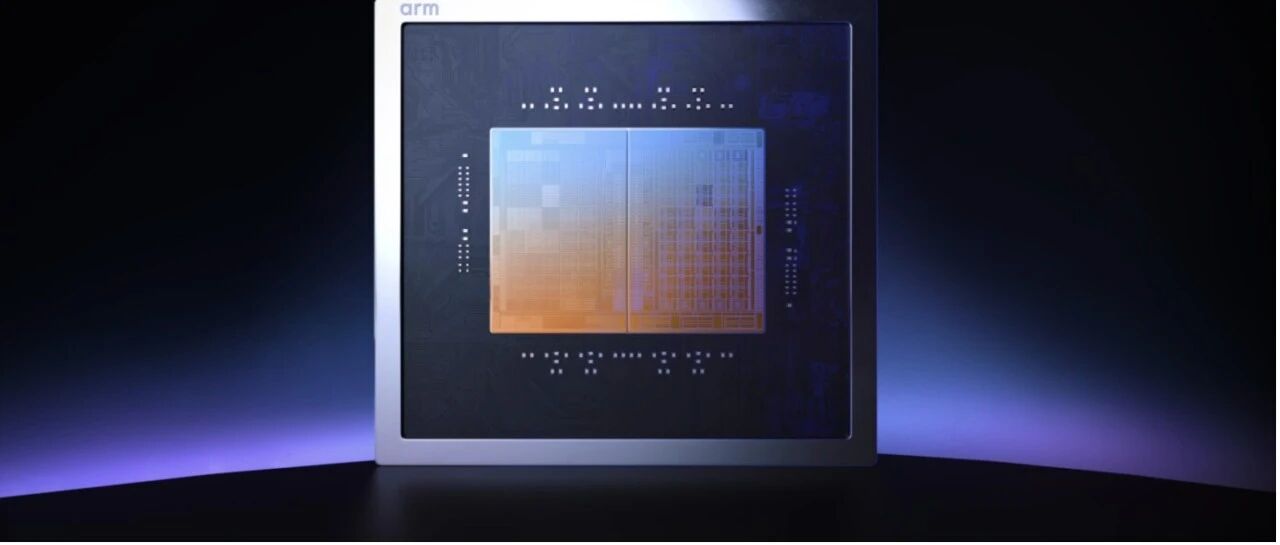
Core Viewpoint - The launch of the Arm AGI CPU marks a historic breakthrough for the company, shifting its long-standing business model of licensing IP to manufacturing and selling chips directly, raising concerns about this transition [1][21]. Group 1: Product Overview - The Arm AGI CPU is a 300-watt processor composed of two chiplets, featuring 136 Neoverse V3 cores with a maximum frequency of 3.7 GHz and a base frequency of 3.2 GHz, manufactured using TSMC's 3nm process [6]. - Each core is equipped with 2 MB of L2 cache and 128 MB of shared system-level cache (SLC), supporting 12 channels of DDR5 memory with speeds up to 8800 MT/s, resulting in a total bandwidth of 825 GB/s, or 6 GB/s per core [6]. - The CPU is designed to meet the increasing demand for AI workloads, with the number of CPUs required per gigawatt expected to quadruple compared to the previous year, from 30 million to 120 million cores per 1,000 gigawatts [3]. Group 2: Market Position and Strategy - Arm's decision to produce the AGI CPU provides customers with more options, particularly in the context of the growing demand for AI infrastructure [1]. - The company emphasizes that the AGI CPU will be the most efficient agentic CPU on the market, claiming higher performance per watt compared to the latest x86 chips from Intel and AMD, which could lead to significant savings in electricity and capital expenditures for customers [11]. - Meta has become the first customer for the AGI CPU, collaborating with Arm to develop next-generation CPUs aimed at supporting AI-optimized data centers [13][14]. Group 3: Customer Base and Production Plans - Besides Meta, other companies such as OpenAI, SAP, Cerebras, Cloudflare, SK Telecom, and Rebellions have also agreed to purchase the AGI CPU, with full-scale production expected in the second half of the year [16]. - Arm has invested $71 million to establish three new laboratories in Austin, Texas, to facilitate the development and testing of the AGI CPU, expanding its team to over 1,000 people [19]. - The company aims to provide a competitive pricing model for the AGI CPU, targeting companies that cannot afford to produce their own processors [20].


Arm Conference: Arm Unveils AGI Data Center CPU, Bets Big on AI With CSS and Software Push
Yahoo Finance· 2026-03-24 22:45
Core Insights - Arm is transitioning from supplying individual IP blocks to delivering compute subsystems (CSS), which are expected to account for 25% of mobile royalties, enhancing customer product performance and reducing time-to-market [1][6][11] - The Edge business unit anticipates a 40% increase in total addressable market (TAM) over the next five years, driven by AI workloads [3] - Arm's multi-business strategy focuses on higher-performance CPU platforms, expanded software support, and entry into the data center CPU market, responding to reshaped demand from edge devices to cloud infrastructure [4] Financial Projections - Arm expects combined IP and chip revenue of approximately $25 billion and over $9 non-GAAP EPS by FY2031, with a royalty CAGR of around 20% over the next five years [5][22] - The AGI CPU is projected to generate significant revenue, with expectations of reaching about $15 billion by FY2031 [6][19] - Arm's royalty revenue has grown at a CAGR of about 14% over the past five years, with projections of 20% CAGR over the next five years [19] Market Opportunities - The semiconductor logic opportunity is estimated at over $500 billion today, growing to more than $1.5 trillion by FY2031, with Cloud AI, Edge AI, and Physical AI being key segments [17] - The data center CPU market is expected to exceed $100 billion by FY2031, with Arm's AGI CPU targeting this growth [12][18] - Physical AI is projected to grow from a TAM of $25 billion today to approximately $50 billion, driven by increased compute content in applications [8][10] Software and Ecosystem - Arm has over 2,100 team members focused on software, with a large ecosystem of 22+ million developers and over 50,000 partners [15] - The company emphasizes the importance of software in unlocking hardware value, with ongoing collaborations to enhance AI framework integration [15] Business Model Evolution - Arm's shift from Armv8 to Armv9 and now to CSS has resulted in doubled royalty rates, enhancing value per design win [11] - The introduction of the AGI CPU is seen as a way to expand revenue without displacing the existing IP model, aiming for a combined growth strategy [16]