机器人制造

Search documents
车企造人,急不来
虎嗅APP· 2025-06-19 14:42
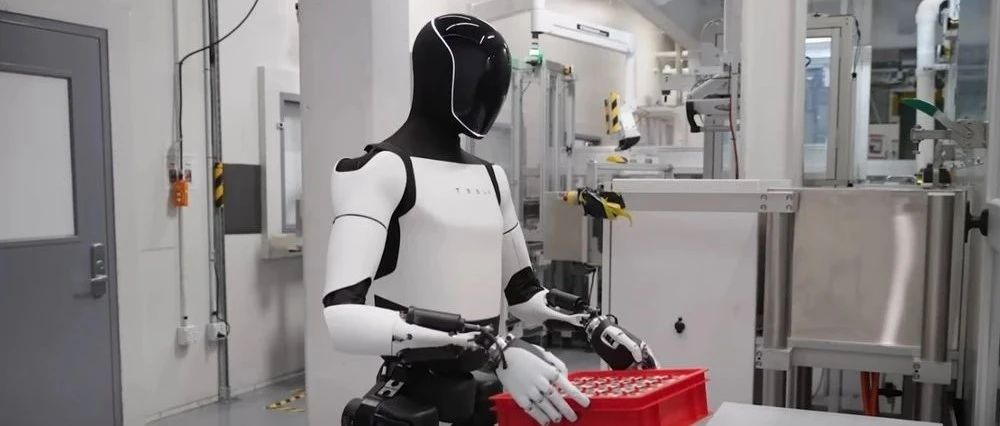
Core Viewpoint - The automotive industry is increasingly exploring humanoid robots as a new business growth point, driven by the success of Tesla's robot initiatives and the potential market opportunities in this sector [2][3][21]. Group 1: Market Potential and Growth - The humanoid robot market in China is projected to reach approximately 2.76 billion yuan in 2024 and 75 billion yuan by 2029, with an expected shipment of 350,000 units by 2030 [2]. - The automotive industry sees humanoid robots as a more lucrative business opportunity compared to traditional automotive manufacturing [2]. Group 2: Current Industry Involvement - Various automotive companies are at different stages of involvement in the humanoid robot sector, with some like Xpeng and Xiaomi already launching products, while others are still in the research phase [1][3]. - Despite the enthusiasm, many companies have not yet clarified whether their robots are developed in-house or purchased, and most products lack detailed specifications [4][21]. Group 3: Technical Challenges - The transition from automotive technology to humanoid robotics presents significant technical challenges, with only about 20% of the necessary standards and specifications established for humanoid robots compared to 80% for automobiles [7][10]. - Key components such as motors, dexterous hands, and sensors are still under development, and the hardware limitations affect the robots' operational capabilities [10][12]. Group 4: Data and Training Limitations - The data requirements for training humanoid robots are substantially higher than for autonomous vehicles, with most companies currently lacking sufficient data to validate their models [14][15]. - The industry consensus is that at least 10 million data points are needed to effectively train humanoid robots, yet most companies have collected fewer than 1 million [15]. Group 5: Industrial Application Challenges - The integration of humanoid robots into automotive factories is fraught with challenges, as the complexity of tasks such as assembly and quality control requires advanced capabilities that current robots do not possess [17][20]. - The cost of humanoid robots remains high, with Tesla's Optimus priced at $60,000 and other models ranging from 500,000 to 600,000 yuan, making it economically unfeasible to replace human labor in the near term [20][21]. Group 6: Industry Reality vs. Expectations - Many companies' claims about the readiness of humanoid robots for factory work are often overstated, with actual deployment being limited and primarily focused on training rather than operational tasks [21][23]. - The historical context of failed projects, such as Honda's ASIMO, serves as a cautionary tale for the automotive industry as it navigates the complexities of humanoid robotics [22].


东港股份(002117) - 002117东港股份投资者关系管理信息20250619
2025-06-19 07:36
Group 1: Investor Relations Activities - The investor relations activity involved a specific audience research meeting with representatives from various financial institutions [2] - The meeting took place on June 18, 2025, at Donggang Co., Ltd. [2] - Key personnel included the Vice President and Financial Officer, Zheng Li, and the Board Secretary, Qi Liguo [2] Group 2: Company Overview and Business Situation - The company showcased its products and usage scenarios to investors during the visit [2] - The price range for the company's robot products varies from tens of thousands to over 200,000 yuan, depending on functionality and application [2] - The company anticipates significant growth in robot business revenue in 2025 due to rising market demand and improved product adaptability [2] Group 3: Product Development and Market Focus - Currently, the company focuses on wheeled and leg-lifting robots, with strong stability and task execution efficiency [2] - The company is monitoring the development of biped robots and will advance product layout based on market readiness [2] - The company is actively expanding its smart card product line, with increasing customer numbers and revenue growth [2] Group 4: Future Business Opportunities - The company is exploring potential applications of stablecoins in cross-border payments and asset digitization, with solid technical foundations in blockchain and smart contracts [3] - The educational robot, "Xiao Zhi," is designed for multi-modal human-computer interaction and has been involved in several pilot projects in Beijing [3] - The company is seeking new business opportunities that align with its resources and capabilities [3]

发球机器人进化,“AI刘国梁”走到哪一步了?
第一财经· 2025-06-18 15:03
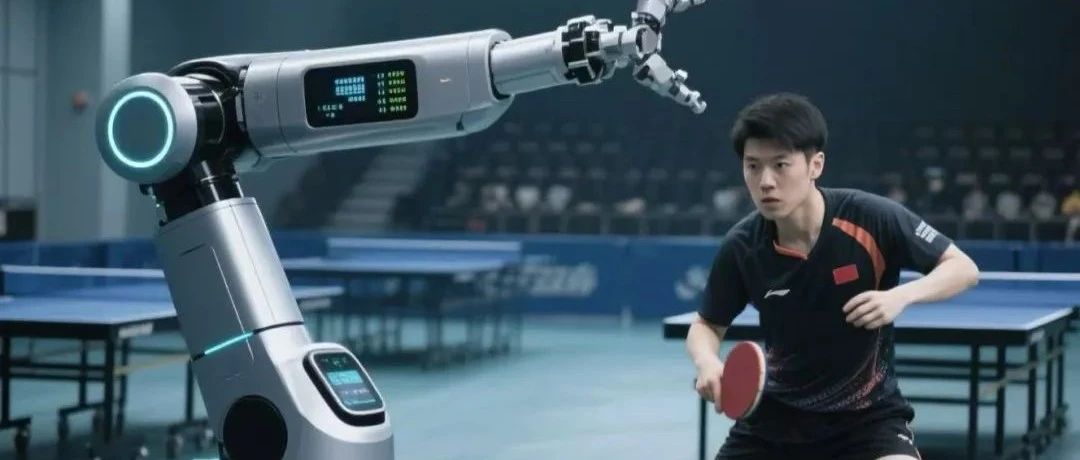
Core Viewpoint - The development of intelligent table tennis serving robots is evolving from simple machines to more sophisticated AI coaches, aiming to provide personalized training experiences similar to that of a human coach [1][10]. Group 1: Market Dynamics - The cost of using serving robots is significantly lower than that of human coaches, with prices for robot sessions around 80 yuan per hour compared to 150 yuan for human coaches, making them an attractive option for users [3]. - The market for serving robots is expanding, with a notable increase in consumer demand, as evidenced by over 50% of orders coming from individual users rather than educational institutions [8]. Group 2: Technological Challenges - Current serving robots primarily utilize a modular architecture, which presents challenges in real-time data processing necessary for the fast-paced nature of table tennis [5][6]. - The transition from basic functionality to a more intelligent system requires advancements in sensor technology, algorithms, and strategy mechanisms, which are still under development [6][10]. Group 3: Future Prospects - The potential for a generalized "sports ChatGPT" model exists, but significant engineering challenges remain, including the integration of multi-modal data (image, action, language) and overcoming computational delays [9]. - The global market for tennis serving machines is projected to grow from $27.4 million in 2024 to $40.3 million by 2035, indicating a broader market opportunity for similar technologies in table tennis [9].
广西首台工业版人形机器人今日在柳州下线
news flash· 2025-06-18 15:02
Core Viewpoint - The launch of the first industrial humanoid robot, Walker S1, in Liuzhou, Guangxi, marks a significant advancement in high-end robot manufacturing, filling a gap in the region's core components and complete machine production [1] Group 1: Product Launch - The first industrial humanoid robot, Walker S1, has been produced, with a total of 20 units being launched [1] - The humanoid robot features a human-like form, flexible joints, and advanced intelligent decision-making capabilities, allowing it to quickly adapt to complex production line demands [1] Group 2: Industry Impact - The humanoid robots will soon be deployed for training at a local automotive company, indicating their practical application in the industry [1] - The integration of these robots with traditional automation equipment aims to address the challenges of flexible and unmanned production in complex scenarios, contributing to the transformation and upgrading of the automotive industry in Liuzhou and across China [1]

博盈特焊: 关于完成工商变更登记并换发营业执照的公告
Zheng Quan Zhi Xing· 2025-06-18 08:20
Group 1 - The company, Guangdong Boying Special Welding Technology Co., Ltd., held meetings on April 22, 2025, and May 23, 2025, to approve the application for multiple business addresses and amendments to the Articles of Association [1][2] - The company has completed the business registration changes and the filing of the amended Articles of Association, obtaining a new business license from the Jiangmen Market Supervision Administration [2] - The business license includes various manufacturing and service activities such as special equipment manufacturing, industrial robot manufacturing, and metal cutting and welding equipment manufacturing [2]
核电人形机器人市场发展趋势分析及“十五五”投资战略可行性评估预测报告(2025版)
Sou Hu Cai Jing· 2025-06-18 06:50
Industry Overview - The domestic nuclear power humanoid robot industry is accelerating its development, with significant support from national and local policies aimed at integrating humanoid robots into the nuclear power sector [3][4] - The first humanoid robot specifically designed for the nuclear industry has been successfully deployed, enhancing operational efficiency and safety in extreme environments [3][4] Technology and Applications - Nuclear humanoid robots are designed to withstand high radiation and perform various functions such as inspection, maintenance, and emergency response, significantly improving operational efficiency [3][4] - The robots are equipped with advanced sensors and algorithms, allowing them to perform tasks like corrosion detection, real-time monitoring in high-radiation areas, and dynamic environmental sensing [6] Market Dynamics - The nuclear humanoid robot industry encompasses upstream raw material supply, midstream production, and downstream applications, with a broad market potential driven by the expansion of the nuclear industry and increasing demand for spent fuel management [4][5] - Several listed companies are actively investing in the nuclear humanoid robot sector, including Jingye Intelligent, Shenhao Technology, and Shanghai Electric, indicating a competitive landscape [4][5] Application Scenarios - Humanoid robots are utilized in various scenarios, including routine maintenance, radiation monitoring, and the delivery of special materials, thereby supporting the advancement of nuclear-related operations [5][6] - The deployment of quadruped robot clusters is becoming crucial for security systems, capable of providing all-weather surveillance in sensitive areas [7] Future Outlook - The "14th Five-Year Plan" is expected to identify new growth points for the nuclear humanoid robot industry, with a focus on technological development and market expansion from 2024 to 2030 [12][13]

省人大常委会在杭开展《浙江省优化营商环境条例》执法检查
Hang Zhou Ri Bao· 2025-06-18 02:01
执法检查组在充分肯定我市《条例》执行工作成效后指出,开展《条例》执法检查,是贯彻落实习 近平总书记关于全面深化改革的重要论述精神,塑造高质量发展新动能新优势的重要举措,也是提高营 商环境法治化水平的具体行动。要紧扣中央和省委部署要求,以此次执法检查为契机,着力破解制约创 新发展的体制机制障碍,持续深化营商环境建设,扛起经济大省挑大梁、打造营商环境最优省的使命担 当。要精准聚焦重点,对照《条例》规定和配套政策,围绕政务增值服务、创新生态培育、教育科技人 才一体化改革等方面,推动法规制度切实转化为发展红利。要紧扣市场需求,紧盯营商环境建设的重点 领域和薄弱环节,积极回应市场主体急难愁盼,进一步完善更加稳定、公平、透明、可预期的营商环 境。要密切联动协同,用好"四督联动"等机制,跟踪推动问题整改,统筹推进执法检查与宣传引导,不 断巩固提升营商环境建设成果,加快打造市场化、法治化、国际化一流营商环境。 执法检查组先后来到杭州凯尔达焊接机器人股份有限公司、西安电子科技大学杭州研究院、萧山区 企业综合服务中心,实地调研智能制造、高新技术研发、机器人小镇优化营商环境、教科人一体贯通赋 能产业高质量发展、政务服务品牌打造和增 ...
国产割草机器人走俏海外
机器人圈· 2025-06-17 09:37
Core Viewpoint - The article highlights the growing popularity of Chinese-made robotic lawn mowers in overseas markets, driven by technological advancements, competitive pricing, and increasing demand for automated gardening solutions. Group 1: Market Demand and Growth - The demand for robotic lawn mowers is increasing in Europe and Australia due to large residential lawns, lower population density, and the inefficiency of traditional manual mowing methods [8][9]. - Factors such as aging populations, faster lifestyles, and increased outdoor space needs are contributing to the growth in demand for robotic lawn mowers [9]. - The global market for robotic lawn mowers is projected to reach approximately $4 billion by 2028 [9]. Group 2: Technological Advantages - Chinese brands like Ecovacs and Greebo are gaining traction in international markets due to their advanced technology, including RTK satellite positioning and multi-sensor systems that enhance navigation and obstacle avoidance [12][13]. - Innovations such as laser radar and intelligent algorithms have significantly improved the performance and user experience of robotic lawn mowers, allowing for features like remote control via mobile apps [13][14]. - The ability to adapt to various lawn sizes and conditions, along with cost-effective production due to a complete domestic supply chain, has positioned Chinese manufacturers favorably in the global market [14][15]. Group 3: Industry Landscape - As of May, there are 177 companies in China explicitly involved in the robotic lawn mower sector, with significant concentrations in cities like Suzhou and Shenzhen [14]. - Companies like Ninebot and Anker are expanding their overseas sales channels, with Anker reporting over 4,000 units sold in the first month of launching new models [16]. - The robust supply chain and cross-border e-commerce platforms are facilitating the growth of Chinese robotic lawn mower exports, enhancing brand visibility and market reach [16].




节约时间精力、自动避障防盗、精细呵护草坪!国产割草机器人走俏海外
Ren Min Ri Bao Hai Wai Ban· 2025-06-17 03:42
Core Viewpoint - Chinese brands of smart lawn mowers are gaining popularity among overseas customers, particularly in Europe and Australia, due to their competitive pricing, advanced technology, and effective after-sales service [1][3][12]. Group 1: Market Demand and Trends - The demand for lawn mowers is increasing in regions like Europe and Australia, where large suburban homes and low population density make traditional manual mowing inefficient and costly [4][5]. - Factors such as an aging population, faster-paced lifestyles, and increased outdoor space needs are driving the growth of lawn mower demand [5]. - The global market for lawn mowers is projected to reach approximately $4 billion by 2028 [5]. Group 2: Technological Advantages - Chinese lawn mowers are praised for their performance, ease of installation, and advanced features like obstacle avoidance and energy efficiency [7][9]. - Innovations such as centimeter-level satellite positioning, visual navigation, and multi-sensor fusion systems have significantly improved product performance and user experience [9][10]. - The integration of advanced technologies like laser radar and intelligent algorithms has enhanced the automation and intelligence of lawn mowers, leading to better operational efficiency [10][13]. Group 3: Industry Growth and Expansion - Companies like Ecovacs and Greebo are rapidly expanding their overseas business, with Ecovacs reporting a year-on-year increase of 186.7% in overseas revenue and 271.7% in sales volume for 2024 [12]. - The number of companies involved in the lawn mower industry in China has reached 177, with significant concentrations in cities like Suzhou and Shenzhen [12]. - A complete industrial chain and supply chain in China are facilitating product innovation and cost reduction, enabling companies to scale up production and enhance competitiveness in the global market [13][14].
国产割草机器人走俏海外
Ren Min Wang· 2025-06-16 22:08
Core Viewpoint - The article highlights the growing popularity of Chinese-made robotic lawn mowers in overseas markets, particularly in Europe and Australia, driven by technological advancements and changing consumer preferences towards automation and eco-friendliness [8][9][10]. Industry Overview - The global market for robotic lawn mowers is projected to reach approximately $4 billion by 2028, indicating significant growth potential [10]. - The demand for robotic lawn mowers is fueled by factors such as an aging population, increased outdoor space needs, and a faster-paced lifestyle [9][10]. Company Performance - Companies like Ecovacs, Greebo, and Ninebot have reported rapid growth in overseas sales of robotic lawn mowers, with Ecovacs expecting a year-on-year sales increase of over 271.7% in 2024 [10][14]. - The performance of these companies is attributed to their ability to innovate and adapt to local market needs, such as providing localized after-sales support [9][10]. Technological Advancements - Chinese manufacturers have made significant technological breakthroughs, including centimeter-level satellite positioning and multi-sensor fusion systems, which enhance the performance and user experience of robotic lawn mowers [12][13]. - Innovations such as laser radar and smart algorithms have improved navigation, obstacle avoidance, and energy efficiency, leading to better product performance [13][15]. Market Dynamics - The article notes that the complete industrial chain and supply chain in China provide a strong foundation for product innovation and cost reduction, facilitating the rapid expansion of robotic lawn mowers in international markets [14][15]. - The rise of cross-border e-commerce platforms has also contributed to the growth of these products overseas, simplifying trade processes and enhancing brand visibility [15].