
互联网服务

Search documents
2025年抖音生活服务心动榜餐厅再发榜:百城超3300家餐厅入选
Zheng Quan Shi Bao Wang· 2025-09-24 07:18
Core Insights - Douyin Life Service has expanded its "Heartfelt List" of restaurants for 2025 from 40 to 101 cities, featuring over 3,300 restaurants, with more than 1,000 new entries [1][2] - The focus has shifted from merely "delicious" food to a comprehensive "pleasant experience," with "atmosphere" becoming a key consumer consideration [1][2] - 67% of consumers rank "good atmosphere" among their top three factors for choosing a restaurant, with related content on Douyin seeing a 101% year-on-year increase [1][2] Industry Trends - The dining experience is evolving from the "taste era" to the "experience era," driven by emotional value, leading to four emerging trends: Eastern Aesthetics, Mountain Nature, Relaxed Fashion, and Future Vanguard [1][2] - Restaurants related to Eastern Aesthetics have seen video views exceed 4 billion, with order growth over 170% year-on-year; Mountain Nature restaurants have experienced a GMV growth of 102% [2] - The "Relaxed Fashion" category, targeting young social groups, has seen Douyin payment orders increase 15 times, while Future Vanguard restaurants marked with "tech style" and "cyberpunk" tags have seen order numbers grow by 131% [2] Heartfelt Index and Business Impact - The "Heartfelt Index" quantifies user preferences by integrating various engagement metrics, significantly reducing the decision-making cost for users when selecting restaurants [2][3] - Restaurants featured on the Heartfelt List have experienced an overall sales growth of 30%, with those focusing on atmosphere and emotional experiences converting user sentiment into data, leading to increased visibility and repeat purchases [2] - The Heartfelt List serves as a crucial link between content popularity, in-store conversion, and brand equity, fostering a closed-loop experience from discovery to consumption and sharing [3] Event and Strategic Goals - On September 23, Douyin Life Service and Xinhua Net launched the "Heartfelt List" restaurant event in Shanghai, aiming to provide differentiated dining guides and promote regional specialty restaurants nationwide [3] - The platform seeks to encourage users to dine out, thereby generating more business opportunities for the restaurant industry [3]
招银国际:维持腾讯控股(00700)“买入”评级 目标价705港元
智通财经网· 2025-09-24 06:26
Core Viewpoint - 招银国际 maintains a "Buy" rating for Tencent Holdings (00700) with a target price of HKD 705, highlighting the company's strategic focus on AI and globalization as key growth drivers [1] Group 1: Strategic Directions - Tencent Cloud is focusing on two main strategic directions: "intelligent" and "global" engines, with AI empowerment for clients and global business expansion as priorities [1] - The company is accelerating the implementation of AI applications for both C-end and B-end, and has released a comprehensive strategy for its intelligent agent solutions to assist enterprises in building intelligent systems [1] Group 2: Business Growth - Over the past year, Tencent Cloud's international business has achieved high double-digit growth, with the number of overseas customers doubling year-on-year [1] - The company plans to enhance its international business layout by strengthening infrastructure, product technology, and service capabilities [1] Group 3: Future Outlook - The long-term outlook is positive, with expectations that demand for AI products and overseas business will be significant drivers of revenue growth for Tencent Cloud [1]

阿里巴巴估计大幅飙涨近6%
Xin Lang Cai Jing· 2025-09-24 03:23
消息面上,9月24日,阿里巴巴集团CEO、阿里云智能集团董事长兼CEO吴泳铭在云栖大会上表示,为 了迎接ASI(超级人工智能)时代的到来,对比2022年这个生成式AI元年,到2032年阿里云全球数据中 心的能耗规模将提升10倍。这意味着阿里云算力投入将指数级提升。在资本开支方面,阿里会在今年2 月宣布的未来三年投资3800亿的基础上,增加更多的投入。 9月24日,阿里巴巴股价大幅飙涨,截至发稿时涨近6%,摸高至168.9港元/股。 ...

天地在线:下调佳投集团收购对价19%三年业绩承诺同步下调为1.04亿元
Ge Long Hui A P P· 2025-09-24 02:40
格隆汇9月24日|天地在线近日公告调整交易方案,将收购上海佳投互联网技术集团有限公司100%股权 的交易价格从36,000万元下调至29,000万元,降幅达19.44%。同时,公司配套募集资金总额从原计划的 21,600万元调整为不超过17,400万元。本次募集资金将用于支付现金对价、标的公司佳投广告交易系统 升级项目及中介费用。业绩承诺方案同步调整,标的公司2025年至2027年扣非归母净利润承诺分别从不 低于4,000万元、4,600万元和5,290万元,调整为不低于3,000万元、3,450万元和3,980万元。 ...

高德持续助力商家“减负” 即日起所有餐饮商家免一年入驻年费
Zheng Quan Ri Bao· 2025-09-23 12:40
Core Insights - Alibaba's Gaode has announced a one-year waiver of entry fees for all restaurant merchants, along with various support services such as traffic subsidies, dedicated customer service, and smart cash register solutions [1][2] - The initiative aims to reduce operational costs for restaurant merchants while increasing customer traffic and digital opportunities [1] - This announcement follows the launch of the "Gaode Street Ranking" and "Smoke Fire Good Store Support Plan," which were introduced just ten days prior to further support the restaurant industry [1] Summary by Categories Company Initiatives - Gaode is providing free entry for restaurant merchants and will continuously update measures based on their actual needs to help them gain more business opportunities [1] - The "Gaode Street Ranking" aims to build a real offline service credit system, connecting consumers with well-managed restaurants [2] - The "Smoke Fire Good Store Support Plan" includes over 1 billion yuan in travel and transaction subsidies to encourage consumer visits to physical stores [1][2] User Engagement - Gaode has over 170 million daily active users, making it the largest map and travel app in China [2] - On the first day of the "Gaode Street Ranking" launch, user engagement exceeded 40 million [2]
为什么公司业务再好,你买的股票也可能一跌到底?
Hu Xiu· 2025-09-23 12:34
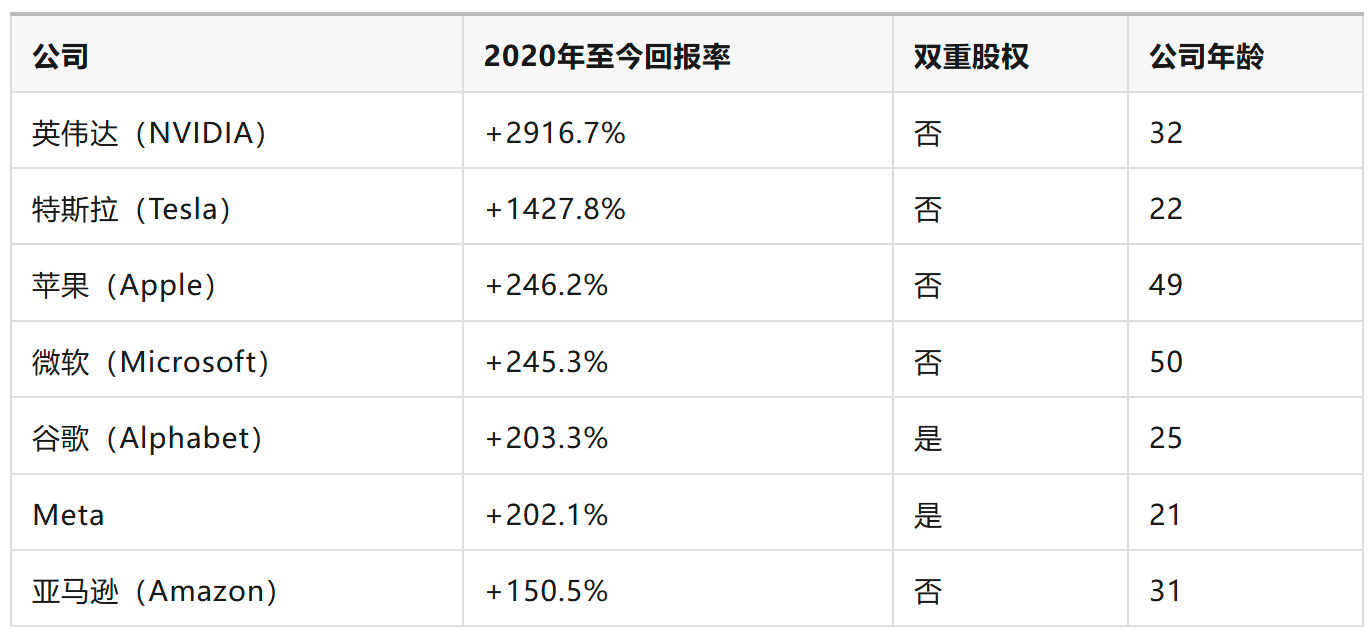
Core Insights - The article discusses the imbalance of power and information between management and shareholders in modern corporations, highlighting the challenges faced by retail investors in influencing corporate governance [3][4][6]. Group 1: Management vs. Shareholders - Middle management in internet companies often prioritizes hiring to increase their influence and job security, while the costs are borne by the company [1][2]. - Shareholders (top management) fund the business but rely on reports from managers to monitor their performance, creating a disconnect in accountability [2][4]. - The separation of ownership and control leads to managers being more informed about the company's operations than shareholders, which can result in misaligned interests [3][4]. Group 2: Governance Structure - The concept of corporate governance structure is crucial for investors to ensure that management does not misuse funds and returns profits to shareholders [4][6]. - Many investors, including professionals, lack knowledge about corporate governance, which is often categorized under management studies rather than investment studies [5][6]. Group 3: Retail Investor Dilemma - Retail investors face a core dilemma as they lack control over companies due to dispersed ownership, becoming passive capital providers [7][8]. - Managers can act in their own interests even with minimal or no equity ownership, often prioritizing personal benefits over shareholder value [8][9]. Group 4: Cash Flow and Decision-Making - There can be a divergence in interests when companies generate free cash flow, with investors wanting dividends while managers may prefer reinvestment to expand their power [13][15]. - The "free cash flow hypothesis" suggests that excess cash can lead to poor investment decisions by management, as seen in historical cases like the oil crisis [17][18]. Group 5: Dual-Class Share Structures - The rise of dual-class share structures in internet companies has concentrated decision-making power among founders and management, often at the expense of shareholder rights [22][23]. - Companies like Snap have issued shares with no voting rights for public investors, limiting their influence over corporate decisions [23][24]. Group 6: Case Studies - Examples like Bilibili and WeWork illustrate how management can prioritize personal gain over shareholder returns, leading to significant losses for investors [27][29]. - The performance of companies with dual-class structures has been poor, with many unable to recover their historical highs, while companies like NetEase and Ctrip, which do not have such structures, have fared better [35][36]. Group 7: Investor Strategies - Investors need to focus on corporate governance and the distribution of power within companies to ensure their interests are protected [42][43]. - Strategies such as avoiding companies with complex governance structures and recognizing the importance of shareholder rights can lead to better investment outcomes [42][45].


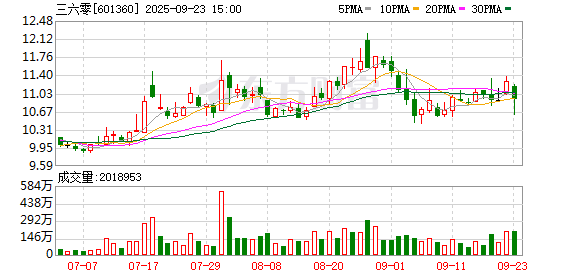
三六零:2025年半年度权益分派实施公告
Zheng Quan Ri Bao· 2025-09-23 12:09
Group 1 - The company announced a profit distribution plan for the first half of 2025, proposing a cash dividend of 0.1 yuan per share (tax included) for A-shares [2] - The record date for the dividend is set for September 29, 2025, with the ex-dividend date and payment date both on September 30, 2025 [2]

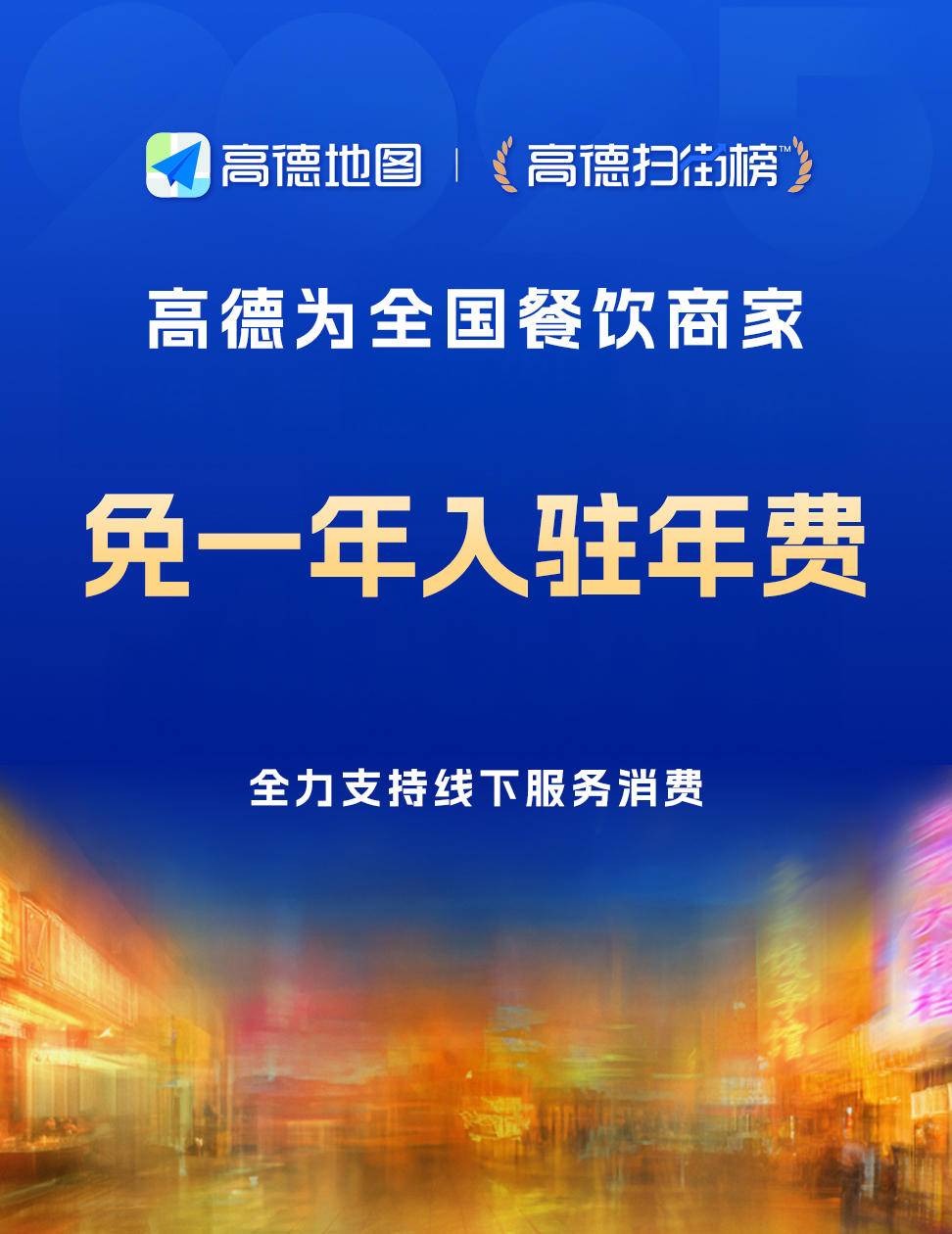
持续助商家“减负”,高德官宣称即日起所有餐饮商家免一年入驻年费
Yang Zi Wan Bao Wang· 2025-09-23 10:36
Core Insights - Alibaba's Gaode has announced a one-year waiver of entry fees for all restaurant merchants, along with various support services such as traffic subsidies, dedicated customer service, and smart cash register systems [2] - The initiative aims to reduce operational costs for restaurant merchants while increasing customer traffic and digital opportunities [2] Support Measures - **Support One: Waiver of Store Fees** Restaurant merchants can start with zero burden, as the first-year store fee of up to 4,800 yuan is waived [6] - **Support Two: Traffic Subsidy** A traffic subsidy worth 1,000 yuan is provided to help attract customers, with additional incentives for sharing the entry [7] - **Support Three: Consumption Subsidies** The platform will issue over 9.5 billion yuan in consumption subsidies and 2 billion yuan in travel subsidies to boost customer flow during the Golden Week [8] - **Support Four: Smart Cash Register Upgrade** Free upgrades to smart cash register systems will be provided, allowing customers to make payments easily and enjoy discounts [8] - **Support Five: Dedicated Services** Online support services will be available to assist merchants [9] Recent Initiatives - On September 10, Gaode launched the "Gaode Street Ranking" and the "Smoke Fire Good Store Support Plan," aiming to create a new offline service credit system and encourage consumer traffic to physical stores [11] - The "Gaode Street Ranking" has over 1.7 million daily active users, with more than 40 million users on its first day, becoming the largest food and lifestyle ranking in China [11] - In the first week, restaurants listed in the "Gaode Street Ranking" saw a 187% increase in traffic [11]
V字之下的尴尬 | 谈股论金
水皮More· 2025-09-23 09:51
Market Overview - The A-share market experienced wide fluctuations today, with the Shanghai Composite Index down 0.18% at 3821.83 points, the Shenzhen Component down 0.29% at 13119.82 points, and the ChiNext Index up 0.21% at 3114.55 points [3][4] - The total trading volume in the Shanghai and Shenzhen markets reached 24.944 trillion yuan, an increase of 372.9 billion yuan compared to the previous day [3][4] Market Dynamics - The market showed a typical pattern of volume decline, with over 4500 stocks declining at one point during the day, and 4074 stocks closing down, with a median decline of around 1.5% [4] - The main reason for the market's volatility is attributed to the "long-term stagnation leads to decline" principle, as the Shanghai Composite Index has been fluctuating within the 3800 to 3900 point range for nearly a month [4] Sector Performance - The banking sector played a protective role, with the four major banks rising between 2% and 3%, contributing to a 1.28% increase in the banking sector overall [6] - The semiconductor sector initially dropped 2.09% but ultimately rose 1.12%, while software development and internet services saw declines of up to 4.6% but narrowed to around 2.6% by the end of the day [7][8] Capital Flow - Major capital outflows were observed in the software development sector (net outflow of 9.4 billion yuan), internet services (8.3 billion yuan), and semiconductor sector (7.6 billion yuan), indicating a cautious sentiment among investors [8] International Market Influence - In the U.S. market, Nvidia's stock surged by 4% after announcing a $100 billion investment in OpenAI, highlighting the interdependence of major tech companies and the potential risks associated with capital expenditures that may not yield immediate profits [9][10] Conclusion - The current market sentiment reflects a cautious approach, with significant fluctuations and sector-specific performances indicating a complex interplay of factors influencing investor behavior and market dynamics [4][6][8]

腾讯控股9月23日斥资5.50亿港元回购86.7万股
Zhi Tong Cai Jing· 2025-09-23 09:20
Group 1 - Tencent Holdings announced a share buyback of 550 million HKD to repurchase 867,000 shares on September 23, 2025 [1] - On the same date, the company issued 29,300 shares due to the exercise of stock options [1]