汽车测评

Search documents
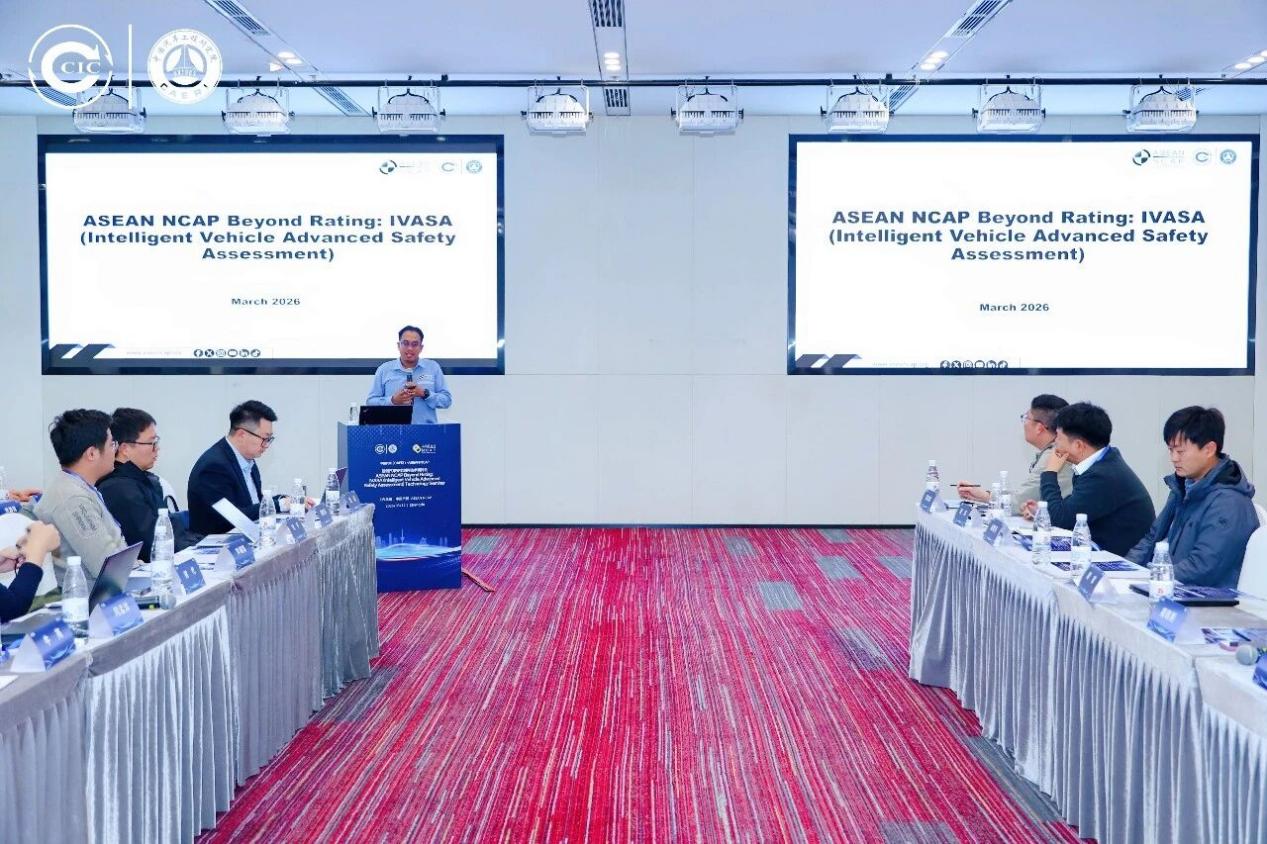
中国汽研联合ASEAN NACP发布东盟地区智能汽车驾舱融合测评框架
Zhong Guo Qi Che Bao Wang· 2026-03-17 01:26
Core Viewpoint - The collaboration between China Automotive Engineering Research Institute (China Automotive Research) and ASEAN NCAP aims to enhance intelligent vehicle safety assessment standards in the ASEAN region through the introduction of the IVASA framework, which integrates local traffic characteristics and consumer needs [1][2]. Group 1 - The IVASA framework includes assessment requirements for L1-L2 intelligent driving assistance systems and smart cockpit evaluations that consider driving interaction safety and major local languages in ASEAN [2]. - The event gathered experts from various renowned institutions, facilitating discussions on ASEAN road safety and the development of intelligent vehicle assessment technologies [2]. - The IVISTA China Intelligent Vehicle Index is the first L2 driving assistance assessment standard in China, addressing challenges in quantifying automotive intelligent systems and has tested over a hundred mainstream intelligent connected vehicle models since its inception in 2018 [6]. Group 2 - The demonstration of IVASA testing scenarios for right-hand drive vehicles in the ASEAN market provided insights into typical road traffic signs and testing methods relevant to the region [4].


【回望2025】提升健康标准,守护方寸空间:C-AHI中国汽车健康指数的创新行动
Zhong Guo Qi Che Bao Wang· 2026-01-30 01:21
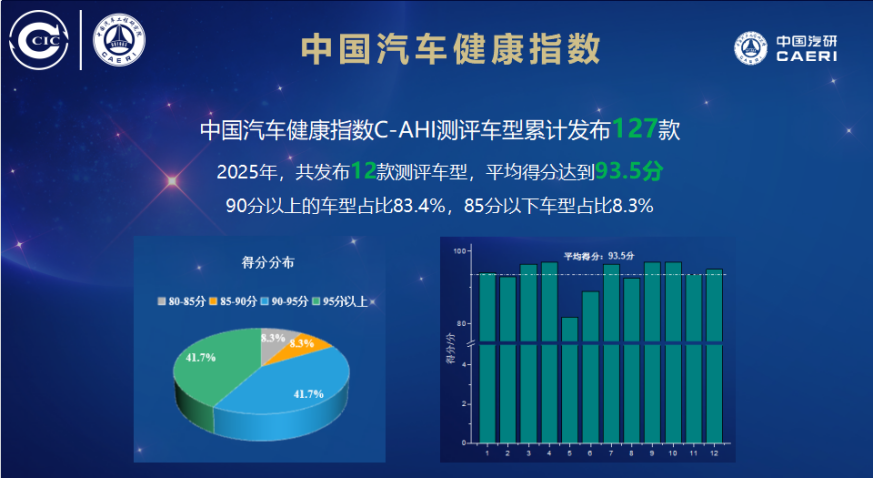
Core Insights - The 2026 New Year message from the President emphasizes the importance of innovation for high-quality development, the significance of public welfare, and the need for global engagement. The C-AHI health index aligns with national strategies and industry development by focusing on innovation, responsibility, and a global perspective [1]. Group 1: Health Index Overview - In 2025, the C-AHI health index published evaluations for 12 vehicle models, achieving an average score of 93.5, with 83.4% of models scoring above 90, indicating significant progress in overall industry health [2]. - The assessment is based on three main areas: fresh air, health protection, and green travel, which document positive industry advancements and provide guidance for future technical optimizations [2]. Group 2: Fresh Air Quality - Vehicle air quality has shown improvement, with approximately 67% of models achieving good levels in volatile organic compound (TVOC) control, indicating reduced chemical odors [4]. - The "new car smell" issue has significantly improved, with average odor levels nearing the acceptable range, although challenges remain with formaldehyde and acetaldehyde release after exposure to sunlight [4]. Group 3: Health Protection - Vehicles demonstrate balanced performance in health protection, effectively blocking most particulate matter, with an average purification time of 2.71 minutes for air quality maintenance [6]. - The risk of skin and respiratory allergens has been significantly reduced, with a 100% five-star rating for allergen control in evaluated models, reflecting successful investments in material safety [7]. - Antibacterial and anti-mold capabilities have improved, with average scores rising by 4.5 points compared to 2024 [8]. Group 4: Green Travel - The green travel segment focuses on vehicle energy consumption and reliable range across various scenarios, showing a steady improvement in average range retention under WLTC conditions [12]. - Average energy consumption has decreased, lowering user costs, although electric vehicles still face range reduction issues in cold weather and high-speed scenarios [12]. - The rise in ultra-fast charging technology has reduced charging times, alleviating user anxiety regarding charging [12]. Group 5: Standards and Innovations - The C-AHI health index has established the first comprehensive assessment standard for in-vehicle environmental pollution in China, laying the foundation for vehicle interior quality development [14]. - It has created assessment methods tailored to local user needs, leading innovations in low-carbon and range evaluation technologies [14]. - The index collaborates with research teams to publish a five-star health evaluation standard, promoting overall industry health improvements [14]. Group 6: Future Outlook - The C-AHI health index aims to continue driving innovation and refining assessment protocols, integrating health with intelligence and low-carbon initiatives, and advancing from "meeting standards" to "enjoying excellence" in automotive health [16]. - The index is committed to supporting the "Healthy China" initiative in the automotive sector, establishing benchmarks for the global health travel market [16].
【回望2025】创新科普形式,赋能未来成长:汽车指数科普践行路上的“责任”答卷
Zhong Guo Qi Che Bao Wang· 2026-01-15 07:59
Core Viewpoint - The 2026 New Year message from the national president emphasizes the importance of innovation for high-quality development, the significance of public welfare, and the need for openness to the world. The China Automotive Research Institute (CARI) is committed to these principles through its automotive index, focusing on innovation, responsibility, and a global perspective in 2025 [1]. Group 1: Public Release - CARI prioritizes "public release" as a key action to fulfill social responsibility, aiming to transform rigorous evaluation results into trustworthy consumer references. In 2025, the automotive index published results from 8 evaluation batches, covering over 60 popular market models, providing comprehensive and reliable guidance for consumers [2]. Group 2: Public Science Popularization - CARI is dedicated to creating a new ecosystem for public science popularization, introducing a science popularization IP character named "Little Lion Pointer" to bridge the gap between professional evaluation technology and public understanding. This character, inspired by a lion, aims to make technical knowledge more accessible and relatable [4][6]. Group 3: Public Welfare Activities - CARI's public welfare initiatives have reached various communities, including universities and schools, to spread knowledge. The "University Tour" engaged nearly 3,000 students through technical lectures on topics like automotive safety and intelligent driving evaluation, fostering innovation and talent in the industry [7]. - The "Campus Tour" provided traffic safety education to children through interactive methods, encouraging them to become "safety little supervisors" within their families. This initiative aims to influence entire families through the education of a single child [10]. - CARI participated in national science popularization events, such as the World Intelligent Industry Expo, showcasing the "Little Lion Pointer" and offering immersive evaluation experiences to the public, enhancing understanding of professional evaluation results [15][19].
【回望2025】汇聚全球智慧,共筑安全未来:汽车指数国际化征程的“致远”篇章
Zhong Guo Qi Che Bao Wang· 2026-01-12 08:15
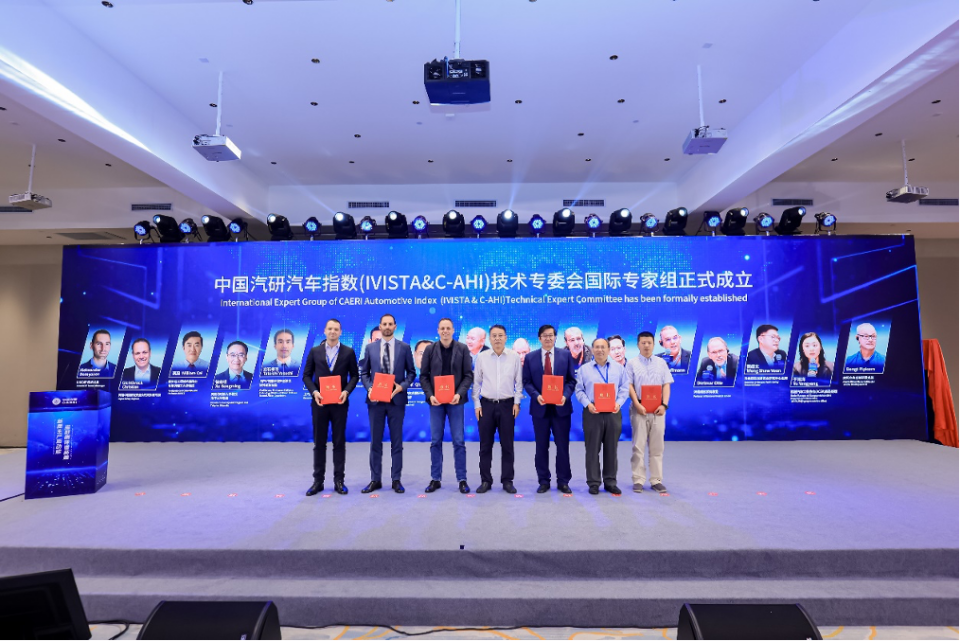
Core Viewpoint - The 2025 China Automotive Research Index emphasizes innovation as a key driver for high-quality development, aligning with national strategies and fostering international collaboration in the automotive industry [1]. Group 1: International Collaboration and Standards - The automotive index has established an international expert think tank, recruiting nearly 20 top experts from Europe, America, and Asia to enhance its global perspective and ensure alignment with international technological trends [2]. - The index has deepened its international strategy by actively participating in global governance and contributing constructively to the international standards ecosystem, including hosting influential conferences and workshops [4]. - Collaborations with organizations like Euro NCAP and Green NCAP aim to align Chinese automotive standards with international benchmarks, facilitating smoother exports to Europe and reducing trade barriers [6]. Group 2: Industry Recognition and Contributions - The automotive index has received significant international accolades, including the "ASEAN Safety Excellence Contribution Award" from the Malaysian Ministry of Transport for its contributions to road safety [9]. - The index's case study on enhancing Chinese automotive enterprises' global outreach was selected as a notable example for BRICS nations, showcasing a model for industrial cooperation in emerging markets [9]. - Research teams have presented cutting-edge studies at top academic conferences, highlighting advancements in automotive safety technology and reinforcing the index's global academic presence [10]. Group 3: Future Directions - The automotive index plans to host the "2026 Euro NCAP Model Technology Observation (China Station)" in Chongqing, further solidifying China's role in global automotive safety technology exchange and standard development [8]. - The index aims to continue contributing to the globalization of the Chinese automotive industry by deepening mutual learning and providing innovative solutions on the international stage [12].
中汽测评:C-NESA与CCRT创新联动,以“大安全”观定义选车新标准
Zhong Guo Qi Che Bao Wang· 2025-12-19 05:37
Core Viewpoint - The automotive industry is witnessing a strong return to innovation and competition with safety as the baseline, supported by a scientific, fair, systematic, and transparent evaluation system [1][12]. Group 1: Industry Developments - The China Automotive Technology and Research Center (CATARC) held a release event for the second batch of CCRT evaluation results for 2025, introducing the first batch of evaluation reports for the C-NESA (China New Energy Vehicle Electric Safety Assessment) [3][9]. - The C-NESA report marks a significant step in evaluation innovation, focusing on a "big safety" perspective to define new vehicle selection standards and establish rigorous safety technology benchmarks for the industry [3][12]. Group 2: Market Insights - The CCRT's second batch of evaluation results includes 15 recommended models across the new energy MPV, compact sedan, and small car markets, with a particular focus on the rapidly growing new energy MPV segment [4]. - The market insight report reveals that the core users of high-end new energy MPVs are characterized by an average age of 37, married with children, and a family annual income of approximately 390,000 yuan, indicating a shift from traditional luxury car user profiles [4][5]. Group 3: Consumer Behavior - The user decision-making process is marked by a clear filtering logic, with over 54.7% of users prioritizing vehicle power type and 53.7% focusing on budget at the initial stage of their purchase journey [5]. - The final decision to purchase is often influenced by the vehicle's compatibility with high-frequency life scenarios, such as low floor design for easy access and spaciousness for family outings [6]. Group 4: Product Evaluation - The C-NESA evaluation encompasses six key dimensions: charging safety, electromagnetic safety, functional safety, battery safety, high-voltage safety, and fire safety, providing a comprehensive assessment of new energy vehicles [9][10]. - The report highlights existing experience shortcomings in new energy MPVs, which are critical for user satisfaction and repurchase intentions, indicating areas for differentiation in competitive strategies [7][11]. Group 5: Future Outlook - The collaboration between C-NESA and CCRT aims to establish a new standard for vehicle manufacturing and selection, emphasizing that true safety extends beyond accident prevention to encompass a relaxing and enjoyable travel experience for users [12][13]. - The automotive industry is moving towards a new ecosystem characterized by high-end electric dominance, upgraded intelligent experiences, and segmented family scenarios, fostering a healthy and competitive environment [7][12].

C-NCAP,为全球共筑汽车安全堡垒贡献“中国智慧”
Zhong Guo Qi Che Bao Wang· 2025-10-22 05:58
Core Viewpoint - The global automotive industry is undergoing significant transformation, with a focus on safety as a fundamental aspect of development and innovation. China is emerging as a leader in automotive safety technology and standards, contributing to the global vision of "zero fatalities" on the roads [2][5][10]. Group 1: Global Automotive Safety Initiatives - The 2025 World NCAP Conference held in Shanghai gathered representatives from various global automotive safety organizations to promote international recognition of safety standards and testing capabilities [2][10]. - The "Shanghai Declaration" was launched, committing to upgrade vehicle safety standards, ensure transparency, and foster collaboration to achieve a world where everyone benefits from safe vehicles and information [10][11]. Group 2: Collaborative Efforts and Innovations - The automotive safety sector emphasizes the need for global collaboration to enhance safety technologies and achieve the "zero fatalities" vision, recognizing that this is a collective responsibility [5][11]. - C-NCAP has played a crucial role in advancing automotive safety in China, conducting nearly 2000 crash tests on over 580 popular models since its inception in 2006, reflecting significant improvements in safety performance [13][14]. Group 3: Future Directions and Goals - C-NCAP aims to develop a comprehensive testing system covering vehicle-road collaboration and battery safety to address complex safety challenges [18]. - The organization plans to deepen collaboration with Euro NCAP and Global NCAP, sharing testing resources and supporting Chinese automotive companies in international markets [18].

海外华媒走进中国汽研 共话汽车指数发展新篇章
Zhong Guo Xin Wen Wang· 2025-07-29 09:30
Core Viewpoint - The article highlights the advancements made by China Automotive Engineering Research Institute Co., Ltd. (China Automotive Research) in developing a dual-core network simulation laboratory for automotive communication, which aims to enhance the adaptability of vehicles in complex wireless network environments globally [1] Group 1: Laboratory Innovations - The laboratory features a Huawei and Nokia dual-core network simulation system that can simulate network signals from over 100 countries and 300 operators, allowing for comprehensive assessments of automotive wireless network adaptability [1] - This facility enables Chinese automotive companies to conduct preliminary testing locally, facilitating the development of vehicles suited for international markets [1] Group 2: Data and Database Development - China Automotive Research has established a "Typical Overseas Road Test Scenario Database" and a "Best Practices Database for Overseas Road Testing," which includes over 600 typical overseas road scenarios and collects more than 10,000 overseas road test issues [1] - The analysis of big data from overseas road tests, along with domestic and international standards and regulations, allows for the recreation of complex traffic environments and vehicle usage scenarios in major global markets, aiding automotive companies in addressing connectivity issues for overseas exports [1]
12类场景的综合通过率均低于50%?懂车帝回应智驾安全实测
Bei Jing Ri Bao Ke Hu Duan· 2025-07-25 08:31
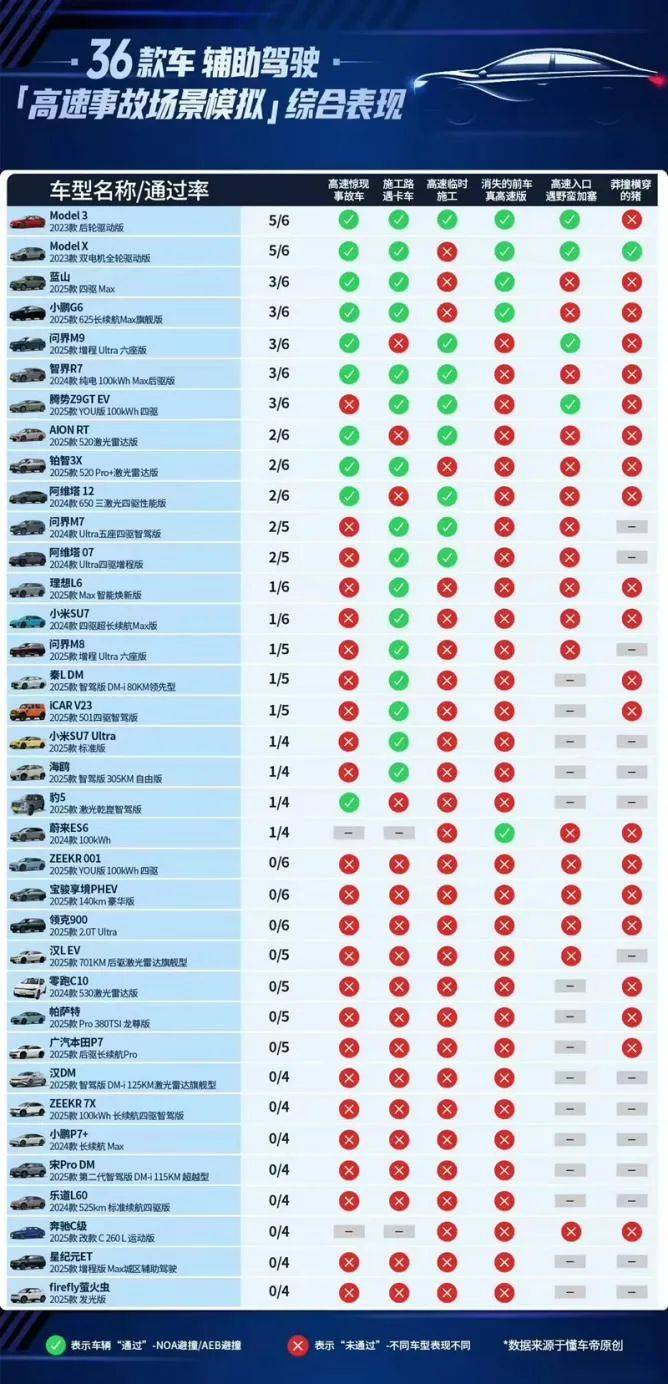
Core Insights - The collaboration between Dongchedi and CCTV conducted a safety test program for intelligent driving, revealing that the overall pass rate across 12 scenarios was below 50%, sparking public discussions on intelligent driving safety [1] - The program aimed to enhance public understanding of intelligent driving and to address the blind trust in current intelligent driving features, urging consumers to be more aware of safety [3] Group 1: Test Details - The program tested nearly 40 models from over 20 popular brands in real accident scenarios, including 15 scenarios in urban and highway environments [1] - In urban scenarios, the pass rates for "merging into a roundabout," "schoolchildren crossing the road," and "stopping for a child at a zebra crossing" exceeded 50%, while the lowest pass rate was 23% for "entering a roundabout" [1] - The highest pass rate in highway scenarios was 47% for "encountering a truck in construction," indicating lower performance in more complex situations [1][2] Group 2: Public Reaction and Criticism - The release of the program generated significant online discussion, with some viewers expressing increased awareness of intelligent driving safety, while others criticized the scientific rigor of the tests [2] - Concerns were raised regarding the variability in following distances between different models and the potential for human control during the tests [2] Group 3: Company Response and Future Directions - The company emphasized that the selected models were based on market sales, user interest, and the configuration of driving assistance features, ensuring they were mass-produced vehicles available to consumers [2] - The program's intent was to promote scientific understanding of intelligent driving and to encourage manufacturers to avoid overstating the capabilities of their intelligent driving systems [3]
懂车帝的测试可信吗?
Hu Xiu· 2025-07-25 08:05
Core Viewpoint - The testing conducted by Dongche Di, which simulated real accident scenarios to evaluate the performance of various driver assistance systems, yielded mixed results, highlighting both successful and unsuccessful outcomes across different vehicle models [1][3]. Group 1: Testing Overview - The test involved 15 driver assistance-related subjects and nearly 40 vehicle models from mainstream brands such as Xiaomi and Tesla, using real accident scenarios for simulation [6][8]. - The results indicated that only 3 out of 15 urban scenarios had a passing rate above 50%, with specific scenarios like highway night construction and child pedestrian situations showing only 47% and 58% success rates, respectively [23]. Group 2: Methodology and Criticism - The testing methodology faced scrutiny regarding its execution and the use of fabric vehicles instead of real cars, raising questions about the validity of the results, especially for models relying on laser radar technology [10][12]. - Despite criticisms, the testing was deemed to have social value, as it aimed to assess the practical applicability of testing standards in real-world scenarios [8][9]. Group 3: Industry Implications - The results of the tests could potentially benefit brands that emphasize autonomous driving features, as the overall performance across various models was subpar in challenging scenarios [26]. - The testing process highlighted the need for industry-wide collaboration in establishing testing standards, suggesting that Dongche Di should involve authoritative organizations to enhance credibility and address concerns about bias [31][38].
浪人早报 | 懂车帝回应辅助驾驶测评争议、比亚迪回应天府机场车辆失控、曝魏建军与贾跃亭合作…
Xin Lang Ke Ji· 2025-07-25 00:43
Group 1 - Dongchedi responded to controversies regarding its assisted driving evaluation program, clarifying that the vehicle's automatic emergency braking (AEB) system was triggered, which suppressed the autonomous navigation function, and the driver did not intervene [2] - BYD addressed an incident at Tianfu Airport where a vehicle was reported to be driving erratically, confirming that the vehicle's braking system was functioning normally and that the driver was not under the influence of alcohol or drugs [3] - Wei Jianjun is collaborating with Jia Yueting to introduce a new model under the FF brand, aiming to facilitate Great Wall Motors' entry into the U.S. market [4] Group 2 - The food delivery industry is facing challenges, with merchants reporting a forced price war leading to a 15% reduction in income and a drop in average order value by 7 to 10 yuan [5][6] - Xiaomi's automotive division completed extensive road testing across various challenging terrains, covering 719,000 kilometers and 337 cities [7] - TikTok's revenue for 2024 is projected to grow by 42.8% to $23 billion, making it the fourth largest social media app by revenue globally [8] - Intel announced a 15% workforce reduction as part of a new cost-control strategy, significantly cutting middle management levels [9]