
演出服务

Search documents
猫眼娱乐(01896)发盈喜 预计2025年股东应占溢利约5.4亿元至5.9亿元 同比增长约1...
Xin Lang Cai Jing· 2026-02-24 11:17
Group 1 - The company expects its revenue for the fiscal year 2025 to be between approximately RMB 4.6 billion and RMB 4.7 billion, representing a growth of about 12.7% to 15.1% compared to the fiscal year 2024 revenue of RMB 4.082 billion [1] - The company anticipates that the profit attributable to owners for the fiscal year 2025 will be between approximately RMB 540 million and RMB 590 million, reflecting a significant increase of about 196.9% to 224.4% from the fiscal year 2024 profit of RMB 182 million [1] - The board attributes the expected increase in profitability primarily to the anticipated growth in the national film box office, projected at RMB 51.832 billion for 2025, which is a year-on-year increase of 21.95%, along with a 22.57% increase in audience attendance [1] Group 2 - The national performance market is expected to show robust growth in 2025, with box office revenue projected at RMB 61.655 billion, a year-on-year increase of 6.39%, and audience numbers expected to grow by 4.22% [2] - The company continues to invest in and develop its live performance business, achieving record high GMV that significantly exceeds industry growth rates, thereby enhancing its competitive position [2] - The company is implementing lean management practices, focusing on high-quality content development and investment, optimizing accounts receivable management, and controlling expenses to improve overall net profit [2]
猫眼娱乐(01896)发盈喜 预计2025年股东应占溢利约5.4亿元至5.9亿元 同比增长约196.9%至224.4%
智通财经网· 2026-02-24 11:10
Group 1 - The company expects its revenue for the fiscal year 2025 to be between RMB 4.6 billion and RMB 4.7 billion, representing a growth of approximately 12.7% to 15.1% compared to RMB 4.082 billion for the fiscal year 2024 [1] - The company's profit attributable to shareholders for fiscal year 2025 is projected to be between RMB 540 million and RMB 590 million, indicating a significant increase of approximately 196.9% to 224.4% from RMB 182 million in fiscal year 2024 [1] - The board attributes the expected increase in profitability to the anticipated growth in the national film box office, projected at RMB 51.832 billion for 2025, a year-on-year increase of 21.95%, with total audience attendance expected to reach 1.238 billion, up 22.57% [1] Group 2 - The national performance market is expected to show robust growth in 2025, with box office revenue projected at RMB 61.655 billion, a year-on-year increase of 6.39%, and audience numbers expected to grow by 4.22% [2] - The company continues to invest in and develop its live performance business, achieving record GMV that significantly exceeds industry growth rates, thereby enhancing its competitive position [2] - The company is implementing lean management practices, focusing on high-quality content development and investment, optimizing accounts receivable management, and enhancing cost control to improve overall net profit [2]
多部门搭建“1+N”政策体系 加快培育服务消费新增长点
Chang Jiang Shang Bao· 2026-02-09 00:00
Core Viewpoint - The joint interpretation of the "Plan for Accelerating the Cultivation of New Growth Points in Service Consumption" highlights the shift in consumer spending from goods to services, emphasizing the importance of service consumption as a key driver for high-quality economic development [1][2]. Group 1: Economic Growth and Consumer Behavior - From 2020 to 2025, per capita service consumption expenditure is expected to grow at an annual rate of 8.5%, indicating strong growth momentum [1]. - The proportion of per capita service consumption expenditure in total per capita consumption is projected to increase to 46.1%, up by 3.5 percentage points [1]. Group 2: Policy Framework and Support Measures - The Ministry of Commerce will establish a "1+N" policy system to support the cultivation of new growth points in service consumption, with the "Plan" as the central framework [1]. - Specific policies will be developed for over 10 areas, including home services, automotive aftermarket, performing arts, and inbound consumption, aimed at removing unreasonable restrictions and optimizing the policy environment [1][2]. Group 3: Focus Areas for Development - The "Plan" emphasizes stimulating key sectors such as transportation services, home services, online audio-visual services, and inbound consumption, while also identifying potential areas like performance services and experiential services [2]. - The Ministry of Transport plans to enhance self-driving tourism by improving traffic conditions and aims to build over 10,000 charging stations on national highways by 2026, with at least 25% being high-power chargers [2]. Group 4: Integration of Services - The National Radio and Television Administration will implement the "Micro Short Drama+" action plan to enhance service consumption across various sectors, focusing on the integration of technology and industry [2]. - The General Administration of Sports aims to address challenges in the sports economy and promote consumption through events, integrating sports with tourism and culture to expand the consumer market [3].
服务消费发展迎来新机遇(锐财经)
Ren Min Ri Bao Hai Wai Ban· 2026-02-07 00:28
Core Insights - The article emphasizes the significant growth potential of service consumption in China, with an annual growth rate of 8.5% projected from 2020 to 2025, indicating a strategic opportunity for the service sector to enhance economic development [4][5]. Group 1: Service Consumption Growth - By 2025, the proportion of per capita service consumption expenditure is expected to reach 46.1% of total per capita consumption expenditure, highlighting the shift towards a balanced consumption structure between goods and services [5]. - The demand for personalized, diverse, and high-quality service consumption products is increasing, reflecting a change in consumer focus from mere availability to quality [6]. Group 2: Diverse Service Consumption Forms - Various forms of service consumption are emerging, including transportation, domestic services, and cultural services, with the ice and snow economy being a notable example, where ski resorts are projected to attract 118 million visitors and generate a total consumption of 69.15 billion yuan during the 2025-2026 season [7]. - The rise of micro-short dramas has created a new cultural service consumption sector, with a market size exceeding 100 billion yuan in 2024, doubling from the previous year, and nearly 70 million domestic users engaging with this content [8]. Group 3: New Growth Points in Service Consumption - The Ministry of Commerce and the Ministry of Finance have initiated pilot projects for new consumption formats, with 50 cities selected for support, aiming to enhance service consumption through innovative business models and scenarios [9]. - The short-term rental market for small vehicles is expected to grow at an annual rate of 15% during the 14th Five-Year Plan period, indicating a robust development trajectory for this segment [9]. - The promotion of inbound tourism and consumption is crucial, with nearly 13,000 tax refund shops expected by the end of 2025, and a 95.9% year-on-year increase in sales of tax refund goods [10].

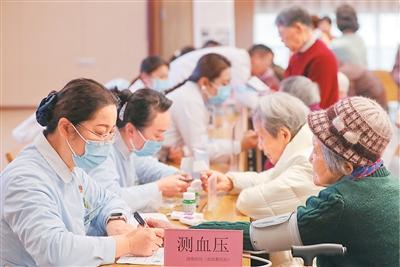
多部门联合解读!旅行服务出口、发展夜游船、扩大游艇消费等领域政策将出台
证券时报· 2026-02-06 12:57
Core Viewpoint - The article discusses the "Work Plan for Accelerating the Cultivation of New Growth Points in Service Consumption," which aims to enhance service supply and adapt to consumer demand, highlighting the importance of service consumption in China's economic development [1][3]. Group 1: Policy Framework - The "1+N" policy system will be established to support the cultivation of new growth points in service consumption, with a focus on specific sectors such as home services, automotive aftermarket, and inbound consumption [4]. - The plan includes over 60 specific measures to improve service quality and meet consumer demands in areas like cultural entertainment, tourism, and sports events [4]. Group 2: Service Consumption Trends - From 2020 to 2025, China's per capita service consumption expenditure is expected to grow at an annual rate of 8.5%, with the share of service consumption in total household expenditure rising by 3.5 percentage points to 46.1% by 2025 [3]. - The article emphasizes the shift in consumer behavior towards a balanced focus on both goods and services, marking service consumption as a key driver of high-quality economic growth [3]. Group 3: Inbound Consumption and Travel Services - Measures will be introduced to promote travel service exports and expand inbound consumption, including optimizing tax refund services and enhancing the "Shopping in China" brand [6]. - By 2025, it is projected that 82.035 million inbound travelers will visit China, representing a 26.4% year-on-year increase, with tax refund sales expected to grow by 95.9% [6]. Group 4: Emerging Sectors - The night cruise economy and yacht consumption are identified as new growth points in the transportation service sector, with plans to develop these areas further [8]. - The sports sector is also highlighted for its potential to drive consumption, with significant events planned to enhance the sports economy and integrate it with tourism and cultural activities [9].

万联晨会-20260203
Wanlian Securities· 2026-02-03 01:58
Core Viewpoints - The A-share market experienced fluctuations with the Shanghai Composite Index falling by 2.48% to 4015.75 points, and the Shenzhen Component Index dropping by 2.69% [2][7] - The total trading volume in the A-share market reached 2.61 trillion RMB, with over 4600 stocks declining [2][7] - In the industry sectors, only food and beverage and banking sectors saw gains, while non-ferrous metals and steel sectors led the declines [2][7] - The Hang Seng Index in Hong Kong decreased by 2.23%, and the Hang Seng Technology Index fell by 3.36% [2][7] - In international markets, all three major U.S. stock indices rose, with the Dow Jones increasing by 1.05%, the S&P 500 by 0.54%, and the Nasdaq by 0.56% [2][7] Important News - The State Administration of Taxation has further adjusted and optimized the criteria for determining the value-added tax (VAT) threshold for individuals, raising the threshold for single-instance taxation from 500 RMB to 1000 RMB [3][8] - Specific scenarios, such as renting out real estate and selling scrapped products, will now follow a monthly sales threshold of 100,000 RMB instead of the per-instance threshold [3][8] Industry Insights - The report highlights the acceleration of service consumption growth, emphasizing its increasing importance in the economy [9][10] - The "Work Plan for Accelerating the Cultivation of New Growth Points in Service Consumption" outlines 12 policy measures aimed at optimizing and expanding service supply, focusing on key and potential areas for development [9][10] - Service consumption accounted for 46.15% of per capita consumer spending in 2025, showing a steady increase from 2024, with service retail sales growing by 5.5%, outpacing the overall retail sales growth by 1.8 percentage points [10] Investment Recommendations - The shift in consumption structure from goods to a balanced focus on goods and services is expected to position service consumption as a primary growth engine [11][12] - The report suggests monitoring companies in the travel chain benefiting from policy catalysts and improving consumer confidence, as well as leading duty-free companies capitalizing on the Hainan Free Trade Port opportunities [12] - Attention is also drawn to chain restaurant leaders in a critical phase of expansion and the early-stage value of emerging experiential sectors like sports events and concerts [12]
国办印发工作方案加快培育服务消费新增长点
Xin Hua She· 2026-02-02 00:40
Core Viewpoint - The State Council has issued a work plan to accelerate the cultivation of new growth points in service consumption, emphasizing the importance of service consumption as a key driver for high-quality economic development in China [1][2]. Group 1: Support Policies - The work plan outlines three main areas of support: focusing on key sectors such as transportation, housekeeping, online audio-visual services, and inbound consumption; enhancing potential sectors like performance services and experiential services; and strengthening support through standard systems and financial backing [2][3]. - Specific measures include optimizing service supply, promoting pilot programs, innovating consumption scenarios, and enhancing talent training to stimulate development vitality [2]. Group 2: Network Audio-Visual Services - The plan aims to support private capital in legally conducting online audio-visual services, enhancing the policy framework to promote orderly competition and innovation in the market for ultra-high-definition and micro-short video services [3]. - It emphasizes the need for technological advancements and improvements in production and broadcasting capabilities, as well as network upgrades [3]. Group 3: Inbound Consumption - The work plan proposes extending the trial period for unilateral visa-free countries and expanding the applicability of visa-free policies to enhance inbound tourism [3]. - It aims to improve the convenience of entry and residence for foreign visitors, promote high-quality international events, and enhance the international consumption environment [3]. Group 4: Financial Support - The plan highlights the need for strengthened financial support, including optimizing loan interest subsidy policies for service industry operators and encouraging financial institutions to increase credit investment in new growth areas [4]. - It also supports qualified enterprises in cultural, tourism, education, and other service sectors to issue bonds and encourages the development of financial products tailored to service consumption characteristics [4].
政策高频 | 加快培育服务消费新增长点(申万宏观·赵伟团队)
申万宏源宏观· 2026-02-01 16:04
Group 1 - The State Council's plan aims to optimize service supply and cultivate new growth points in service consumption to enhance quality of life and support high-quality economic development [1] - Key areas of focus include promoting the integration of transportation services and tourism, expanding inbound consumption, and optimizing performance management in the entertainment sector [1][2] - The plan emphasizes the importance of financial and fiscal support, establishing credit systems in sectors like elderly care and tourism, and developing relevant standards for service consumption [1] Group 2 - The National Science and Technology Work Conference highlighted the need to strengthen basic research and enhance the capacity for independent research and development [3][4] - The conference emphasized the integration of technological innovation with industrial innovation and the importance of international cooperation to improve the overall effectiveness of the national innovation system [3] Group 3 - The National Taxation Work Conference outlined a focus on high-quality tax practices, emphasizing the need for legal compliance, digital transformation, and strict tax management [5][6] - Key goals include creating a comprehensive tax revenue governance system and addressing issues related to tax compliance and management in key sectors [5] Group 4 - The Ministry of Civil Affairs and the Ministry of Finance released guidelines to improve the temporary assistance system, focusing on providing quick aid for urgent needs and supporting vulnerable families [7][8] - The guidelines aim to enhance the efficiency and accessibility of temporary assistance, particularly for families facing sudden financial burdens [7] Group 5 - The Ministry of Natural Resources and other departments introduced measures to lower costs and optimize resource use to support the reform and development of elderly care services [9][10] - Key initiatives include allowing flexible land use for elderly care facilities and promoting innovative resource combinations to enhance service delivery [9] Group 6 - The Ministry of Commerce announced plans to deepen "Belt and Road" cooperation and optimize foreign investment policies to enhance market access and support foreign enterprises [11][12] - The focus is on expanding cooperation in emerging sectors such as green minerals, clean energy, and digital economy [11][12] Group 7 - The State-owned Assets Supervision and Administration Commission outlined the direction for the next round of state-owned enterprise reforms, focusing on optimizing the layout and structure of state-owned economies [14][15] - Emphasis is placed on promoting technological innovation and enhancing the management and supervision of state-owned assets [14] Group 8 - The Ministry of Human Resources and Social Security outlined key tasks in employment, social security, talent development, and labor relations to enhance social welfare [17] - Initiatives include expanding employment opportunities, reforming social security systems, and protecting the rights of new employment forms [17]
加快培育服务消费新增长点政策如何影响你我生活 专家详解
Yang Shi Xin Wen· 2026-01-29 21:33
Core Insights - The "Work Plan for Accelerating the Cultivation of New Growth Points in Service Consumption" was officially released on January 29, focusing on innovative business models, rapid growth, and strong driving effects in the service consumption sector [1][17] - The plan outlines 12 key measures aimed at continuously releasing the potential of service consumption and activating the endogenous power of economic development [1] Group 1: Key Measures - The plan targets six major areas of service consumption: transportation services, housekeeping services, online audio-visual services, travel and residence services, automotive aftermarket services, and inbound consumption, proposing policies to optimize service supply and promote innovation [1][12] - It emphasizes the development of performance services, sports event services, and experiential services, suggesting the establishment of incentive mechanisms and the cultivation of quality brands [3][16] - The plan includes strengthening support and guarantees, such as improving standards and credit systems, enhancing financial support, and guiding financial institutions to increase support for service consumption growth areas [7][20] Group 2: Economic Impact - Experts believe that expanding and upgrading service consumption will better promote the high-quality development of the service industry, stabilize employment, and increase residents' income, creating a virtuous cycle from employment to consumption [5][16] - The service consumption sector is showing strong growth, with retail service revenue expected to grow by 5.5% year-on-year by 2025, outpacing goods retail growth by 1.7 percentage points [18][22] - The integration of various service sectors, such as food, culture, and tourism, along with the deep empowerment of artificial intelligence and digital technology, is expected to enhance the quality and accessibility of services [20][22]

国办12条举措加快培育服务消费新增长点 首次对交通、家政、汽车后市场等重点领域进行集中部署
Shang Hai Zheng Quan Bao· 2026-01-29 18:46
Core Viewpoint - The State Council's recently released "Work Plan for Accelerating the Cultivation of New Growth Points in Service Consumption" aims to stimulate development in key areas, nurture potential sectors, and strengthen support measures through 12 specific initiatives [1][2]. Group 1: Key Areas of Focus - The plan emphasizes six key areas: transportation services, domestic services, online audio-visual services, travel and accommodation services, automotive aftermarket services, and inbound consumption, aiming to enhance service supply and innovate consumption scenarios [2][3]. - It also identifies three potential areas: performance services, sports event services, and experiential services, focusing on improving incentive mechanisms and cultivating quality brands [2]. Group 2: Operational Measures - Specific measures include transforming transportation facilities into consumption scenarios and regulating the ticketing market to address public concerns about scalping [3]. - The plan highlights the importance of service attributes, moving from merely filling gaps to creating a sustainable ecosystem for service consumption [3]. Group 3: Market Dynamics - The service consumption sector is experiencing rapid growth, with service retail growth outpacing goods retail. By 2025, service retail is projected to grow by 5.5%, with per capita service consumption spending increasing by 4.5% [4]. - The consumption structure is shifting from material-based to service-oriented and quality-focused, with significant growth in sectors like dining, cultural tourism, and health services [4]. Group 4: Challenges and Opportunities - The primary challenge facing service consumption is the imbalance between insufficient high-quality supply and structural issues, particularly in sectors like elderly care and healthcare [4][5]. - The plan aims to optimize service supply and enhance consumer experience, particularly in domestic services, travel, and cultural entertainment, thereby meeting diverse consumer needs [6]. Group 5: Future Outlook - Service consumption is expected to be a key driver for domestic demand and high-quality development, with growth fueled by demographic changes, lifestyle upgrades, and technological advancements [6]. - Continuous improvement in standards, regulation, and credit systems will enhance service quality, allowing for deeper integration of technology and innovation in the service industry [6].