烹饪

Search documents
春节餐桌上的味觉原乡
Xin Lang Cai Jing· 2026-02-21 23:22
Core Viewpoint - The revival and preservation of Fujian cuisine, particularly during the Spring Festival, highlight its cultural significance and the need for meticulous craftsmanship in its preparation [1][2][4]. Group 1: Cultural Significance of Fujian Cuisine - Fujian cuisine, one of China's eight major culinary traditions, is recognized for its historical depth and has been included in the national intangible cultural heritage list [2]. - The essence of Fujian cuisine lies in the meticulous attention to detail by generations of chefs, exemplified by dishes like Buddha Jumps Over the Wall, which requires hours of careful preparation [2][4]. Group 2: Preservation Efforts - To combat the decline of traditional cooking techniques, the Fujian Cuisine Skills Research Association has engaged veteran chefs to compile a comprehensive guide titled "Chinese Fujian Cuisine," documenting nearly 150 traditional recipes [3][6]. - The book aims to create a "Fujian cuisine archive" that future generations can reference, ensuring the authenticity of traditional cooking methods [3][6]. Group 3: Characteristics of Fujian Cuisine - Fujian cuisine emphasizes fresh and light flavors, primarily using seafood, and is characterized by its simple seasoning methods, relying mainly on salt, MSG, and rice wine [4][5]. - The cuisine's unique flavor profile includes a balance of sweetness, sourness, and subtlety, reflecting the delicate style typical of southern Chinese culinary traditions [5]. Group 4: Challenges and Innovations - The rise of fast food culture and a lack of dedication to traditional craftsmanship pose significant threats to the preservation of Fujian culinary techniques [2][6]. - While innovation in cooking methods is encouraged, it is crucial to maintain the foundational techniques that define Fujian cuisine, preventing it from being overshadowed by other culinary styles [5][6]. Group 5: Engagement with Younger Generations - The publication of "Chinese Fujian Cuisine" and the accompanying multimedia projects aim to engage younger audiences, encouraging them to connect with traditional cooking during family gatherings, especially during the Spring Festival [6][7]. - The detailed recipes provided in the book are designed to be accessible, allowing families to recreate classic dishes and foster a deeper appreciation for Fujian culinary heritage [6][7].
2025年度广东烹饪协会年会在广州鸣泉居酒店成功举办
Zhong Guo Fa Zhan Wang· 2026-01-13 17:02
Core Insights - The event focused on the theme "Doing Well, Speaking Well," emphasizing the importance of storytelling in food culture and the promotion of Cantonese cuisine [1][2][7] - The discussion included insights from industry experts on how to effectively convey the cultural value behind Cantonese dishes and enhance their global influence [3][4][7] Group 1: Event Overview - The Guangdong Culinary Association's annual meeting was successfully held in Guangzhou, featuring a cultural salon titled "Master of Taste" [1] - The salon included notable guests from various sectors, including culinary arts, media, and cultural research, who shared their experiences and thoughts on food storytelling [2] Group 2: Expert Contributions - Liu Yaning discussed the macro-level significance of enhancing China's culinary soft power and creating a unique food evaluation system to improve the global perception of Chinese cuisine [3] - Zhang Xinmin shared insights on the preservation and evolution of Chao cuisine, emphasizing the importance of understanding local stories and historical details [2] - Li Yiping highlighted the media's role in authentically documenting the craftsmanship of Cantonese chefs and enhancing the value of local food IP [2] Group 3: Industry Challenges and Opportunities - The salon addressed the challenges of insufficient depth in the storytelling of Chinese culinary culture and the need for greater international engagement from industry practitioners [4] - The discussion included strategies for integrating food with tourism, inviting international chefs to explore local ingredients, and uncovering the cultural narratives behind culinary practices [3] Group 4: Cultural Exchange and Innovation - The event concluded with a focus on the need for continuous innovation in the culinary sector to meet evolving aesthetic demands and to effectively communicate the stories of Cantonese cuisine to a global audience [4][7] - The sharing session highlighted the importance of cultural integration, with representatives discussing the fusion of traditional Chinese food with international culinary practices [5][6]
济南最早的菜谱与价格手册
Xin Lang Cai Jing· 2026-01-01 16:39
Core Viewpoint - The earliest known cookbook related to Jinan cuisine is "Jinan Famous Dishes," published in March 1959, which documents 100 dishes and reflects the culinary history and techniques of the region [2][3]. Group 1: Historical Significance - "Jinan Famous Dishes" is recognized as the earliest cookbook in Jinan's culinary history, recording signature dishes from various renowned restaurants and chefs [3]. - The book serves as a crucial document for understanding the cooking techniques of famous chefs in Jinan, providing detailed records of their culinary skills [3]. Group 2: Comparison with Other Cookbooks - A comparison between "Jinan Famous Dishes" and "Chinese Famous Dishes" (Volume 6, Shandong Dishes) reveals striking similarities in dish arrangement, ingredients, and preparation methods, indicating that the former may have been compiled as a draft for the latter [3]. - "Chinese Famous Dishes" contains 78 dishes and 15 snacks, while "Jinan Famous Dishes" lists 100 dishes, suggesting a broader scope in the latter [3]. Group 3: Development of Culinary Literature - The first banquet menu, titled "Knowledge of Banquets," was compiled in June 1961, based on materials provided by chef Zhang Jixing, and includes detailed recipes for various banquet dishes [4]. - This banquet menu is noted for its historical value in studying traditional high-end Shandong cuisine, containing 108 dishes with comprehensive details on ingredients and preparation [4]. Group 4: Pricing Documentation - The "Jinan City Catering Industry Price Management Manual," published in February 1977, is the only pricing manual from the Jinan catering company, detailing pricing management methods and standard prices for various dishes [6][7]. - This manual is significant for researching the culinary landscape of Jinan in the late 20th century, providing insights into dish varieties, ingredient costs, and profit margins [7].
北京烹饪协会选举新一届理事会和协会负责人
Bei Ke Cai Jing· 2025-12-30 11:37
Core Viewpoint - The Beijing Cooking Association held its eighth member congress, electing a new leadership team aimed at enhancing the industry through various initiatives and platforms [1] Group 1: Leadership and Structure - Zhou Yanlong, General Manager of Quanjude Group, was elected as the President of the Beijing Cooking Association [1] - Zong Zhiwei was elected as the Executive Vice President, with Dong Zhenxiang and others elected as Vice Presidents [1] Group 2: Strategic Initiatives - The new leadership plans to deepen foundational work and establish five specialized platforms over the next five years [1] - The focus will be on guiding industry transformation, emphasizing "cost-performance" and "quality-price" ratios, and promoting technological empowerment [1] - There will be an emphasis on the inheritance of culinary skills and the cultivation of craftsmanship [1] - The association aims to strengthen industry collaboration, enhance rights protection, and improve coordination [1] Group 3: Events and Activities - Under the guidance of the Beijing Municipal Bureau of Commerce, the association has successfully cultivated several consumer promotion brand activities, including the Spring Song Jingdian Snack Culture Festival and the Hot Pot Food Festival [1]
在男性霸占90%的职场,她凭什么封神?
3 6 Ke· 2025-11-28 10:14
Core Insights - The article highlights the journey of Qu Yuyu, who gained recognition through the cooking competition show "Yi Fan Feng Shen," showcasing her emotional release upon winning and her determination in a male-dominated kitchen environment [1][2][3] Group 1: Personal Journey and Challenges - Qu Yuyu's success is attributed to her relentless practice and self-discipline, which allowed her to remain calm under pressure during competitions [3][4] - Her experience in a boarding school from a young age shaped her resilience and ability to manage her emotions, leading her to develop a strong sense of independence [5][6] - Qu faced significant challenges in her early career, including gender bias and the struggle to prove herself in a male-dominated industry, which she navigated through hard work and determination [12][14] Group 2: Professional Development - After entering the culinary field, Qu Yuyu initially worked in cold kitchens, where women were often relegated to less demanding roles, but she aspired to work in hot kitchens, which represented skill and advancement [9][13] - She took proactive steps to improve her skills, including working long hours and seeking additional responsibilities to gain experience in hot kitchens [12][15] - Qu's transition to external catering events allowed her to further develop her culinary knowledge and adaptability, as she faced unpredictable challenges in various environments [20][23] Group 3: Culinary Philosophy and Future Aspirations - Qu Yuyu emphasizes the importance of hands-on experience with ingredients, believing that true understanding comes from direct interaction rather than theoretical knowledge [26][27] - Her passion for cooking drives her to continuously explore new flavors and techniques, aiming to create memorable dining experiences for her guests [24][27] - Looking ahead, Qu Yuyu remains committed to her culinary dreams, eager to explore new possibilities and challenges in her career [27]

非遗满汉全席技艺传承:20位新弟子拜师张袀硕大师
Zhong Guo Shi Pin Wang· 2025-10-20 07:14
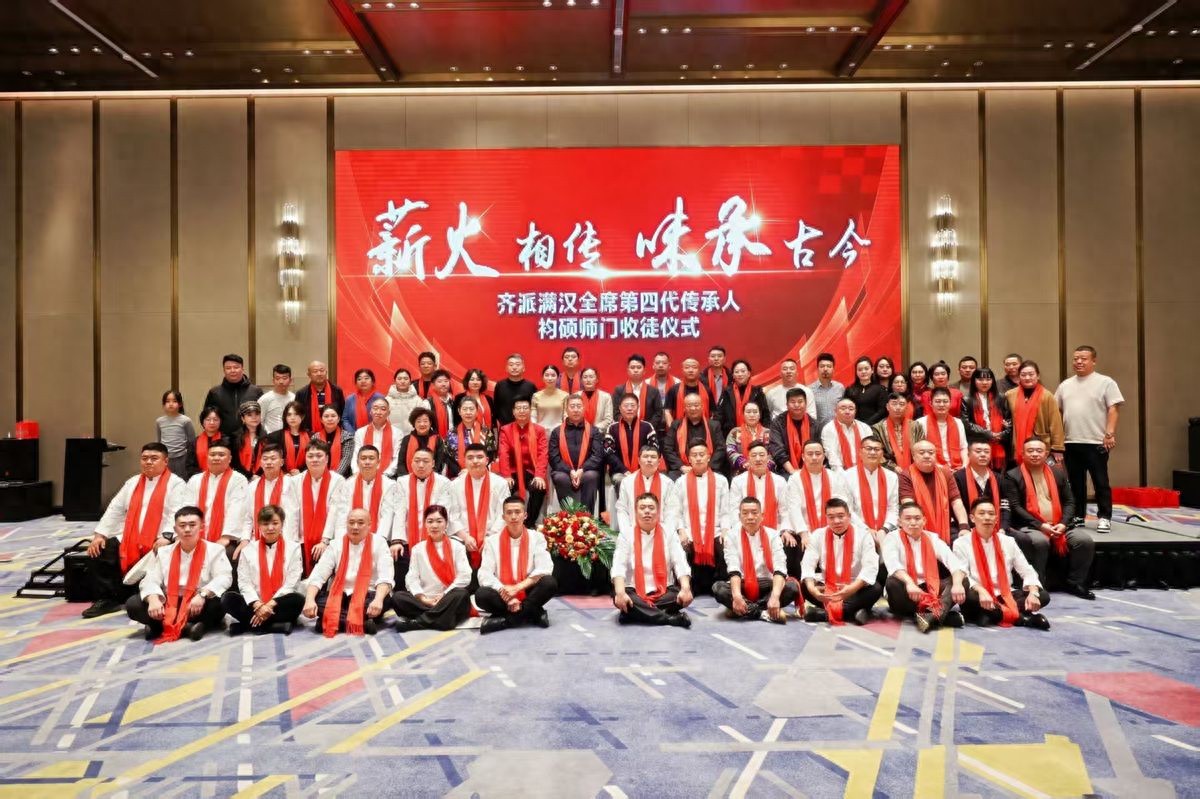
Core Viewpoint - The recent disciple initiation ceremony led by Master Zhang Yunshuo marks a significant step in the transmission of the Manchu-Han Imperial Feast culinary art, with 20 new disciples joining the fourth generation of this tradition [1][3][10] Group 1: Ceremony Highlights - The initiation ceremony took place on October 19, 2025, at the Changchun International Convention Center, celebrating the addition of new disciples to the Manchu-Han Imperial Feast tradition [1] - The event was supported by prominent figures in the culinary industry, including Master Qi Jinzhu, who emphasized the importance of passing down culinary skills as a vital tradition in the restaurant industry [4] Group 2: Master and Disciples - Master Zhang Yunshuo, who has trained under Master Qi Jinzhu for 27 years, has received numerous accolades and holds various leadership positions in the culinary field, showcasing his influence and expertise [7] - The disciples expressed their gratitude and commitment to uphold Master Zhang's culinary philosophy and contribute to the development of the culinary arts [6] Group 3: Culinary Culture and Legacy - Master Zhang emphasized the importance of not only mastering cooking techniques but also fostering a passion for food and life among his disciples, which serves as a guiding principle for their culinary journey [3][10] - The ceremony reflects a broader mission to preserve and promote culinary culture, with Master Zhang leading by example and inspiring his team to strive for excellence [8]
未来10年,别再执着买房!把钱换成这4类资产,日子能过得更稳
Sou Hu Cai Jing· 2025-10-08 10:24
Core Viewpoint - The era of relying solely on real estate for wealth accumulation has ended, prompting a shift towards alternative hard assets for investment and protection against inflation [1] Group 1: Skills and Crafts - Acquiring a skill or craft is essential for job security in a competitive job market, as those with specialized skills are less likely to be replaced [2] - Practical skills such as appliance repair, cooking, and design are in high demand and can provide stable income [2] Group 2: Gold as a Hard Asset - Gold is considered a stable hard currency that retains value regardless of economic fluctuations, making it a prudent investment [3] - The price of gold has increased significantly, demonstrating its potential for value appreciation over time [5] Group 3: Health Investment - Investing in health is crucial, as poor health can negate financial gains; maintaining good health is essential for long-term wealth creation [6][8] - Simple lifestyle changes can significantly improve health and reduce future medical expenses [8] Group 4: Real Estate Investment - Not all real estate is depreciating; certain types of properties, such as low-rise buildings, quality school district homes, and communities with separated pedestrian and vehicle traffic, are expected to retain or increase in value [9][10] - The demand for quality living environments is rising, making these property types more attractive for investment [9] Group 5: Cautionary Advice - Ordinary individuals should avoid blind entrepreneurship and speculative investments in stocks and funds, as these carry high risks and often lead to losses [11] - A focus on stable asset allocation and health maintenance is recommended for long-term security and peace of mind [11]

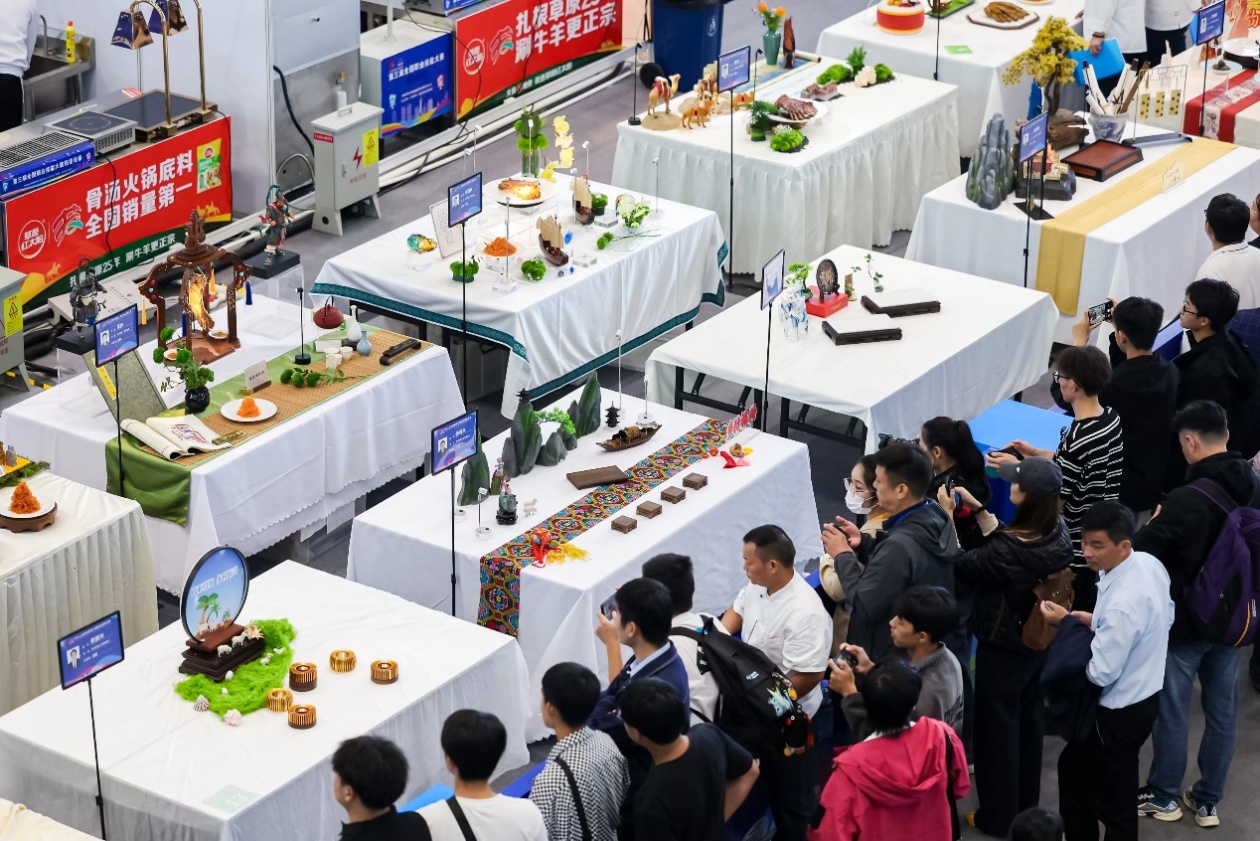
第三届全国技能大赛:美食竞技吸睛引围观
Huan Qiu Wang· 2025-09-25 03:37
Group 1 - The third National Skills Competition was held in Zhengzhou, Henan, featuring 106 projects and attracting over 3,400 professional competitors [1] - Culinary competitions such as Chinese pastry, Chinese cooking, and baking drew significant audience interest, becoming the "most fragrant" events of the competition [1][3]