
鲁菜

Search documents
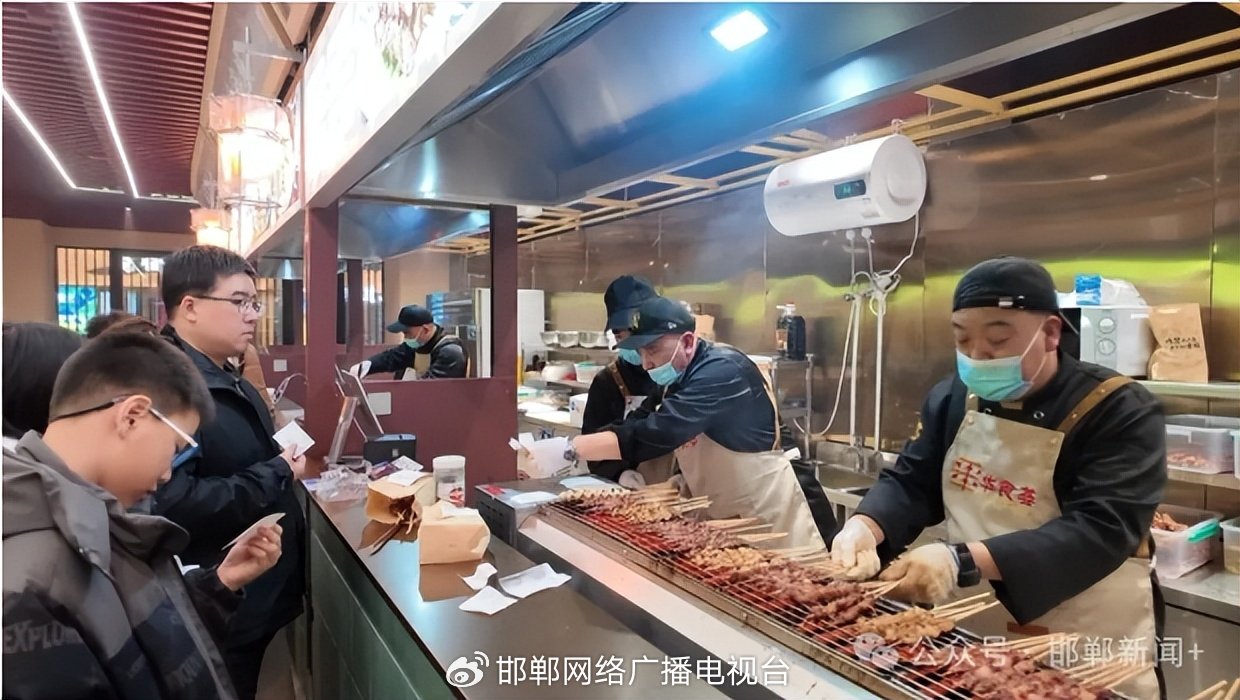
邯郸道中华美食场景荟热闹开市
Xin Lang Cai Jing· 2026-02-21 06:56
Core Viewpoint - The event at Handan Road's Chinese Food Scene Fair combines traditional culture and culinary experiences, attracting both locals and tourists to enjoy a diverse range of authentic Chinese cuisines during the Spring Festival [1][3]. Group 1: Event Overview - The Chinese Food Scene Fair at Handan Road features a variety of regional cuisines, including Northeast lamb skewers, Southern dumplings, and Hong Kong milk tea, with vendors preparing food on-site [3]. - The fair showcases eight major Chinese culinary styles, including Shandong, Sichuan, Cantonese, and Hunan cuisines, offering a one-stop experience for visitors to enjoy food and culture [3][5]. Group 2: Visitor Experience - Visitors express excitement about the fair, highlighting the festive atmosphere and the opportunity to taste dishes from across the country in one location [5]. - The event includes eight themed performance areas and interactive games, enhancing the overall experience by allowing guests to eat, explore, and engage in activities [5]. Group 3: Economic Impact - The Chinese Food Scene Fair aims to stimulate consumer activity and create a new cultural tourism brand for the city by integrating food, culture, and entertainment [7].

备年货、品美食、活力足,迎新春!各地年味上线氛围感已拉满
Yang Shi Wang· 2026-02-10 09:21
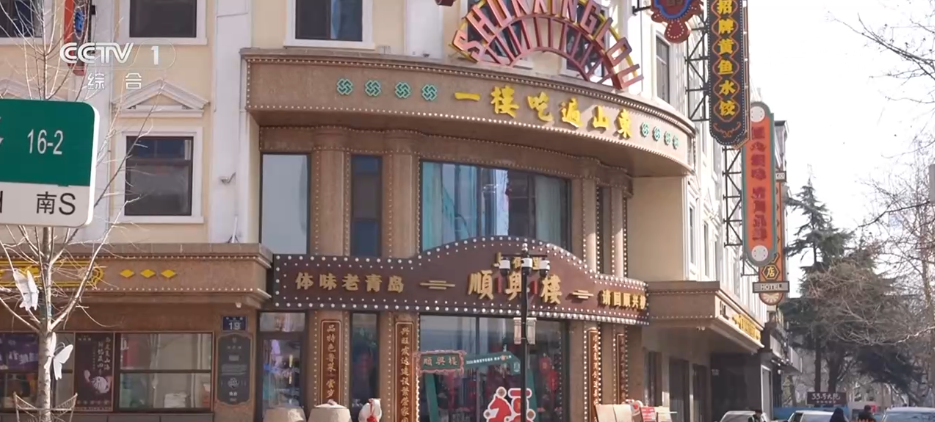
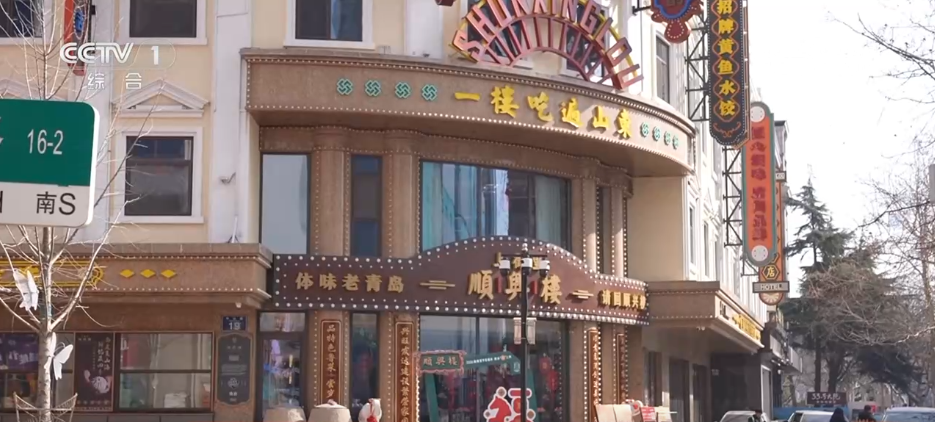
Group 1: Consumer Trends - The demand for dining, accommodation, and cultural tourism is increasing as the Spring Festival approaches, with significant growth in reservations across various sectors [1] - In Qingdao, traditional restaurants are innovating their dining environments and menu offerings to attract consumers, leading to a rise in popularity [1][4] - In Beijing, suburban homestays are becoming popular choices for consumers celebrating the New Year, featuring festive decorations and appealing local dishes [6][8] Group 2: Robot Rental Market - The robot rental market is experiencing a surge in popularity, particularly during the Spring Festival, with new service models emerging that provide comprehensive solutions for users [7][10] - By 2025, over 1,500 robot rental companies are expected to be established nationwide, marking a 48.1% increase compared to 2024 [10] Group 3: Agricultural Supply - In Taiyuan, large agricultural markets are actively organizing supplies to ensure a rich variety of products for the Spring Festival, with daily vegetable trading volumes between 1,500 to 2,000 tons [11][14] - The supply of various fruits and vegetables is currently sufficient, and prices remain stable [14] Group 4: Floral Market - The flower market is heating up as the Spring Festival approaches, with various auspicious flowers gaining popularity among consumers [15][19] - The flower exhibition at Lianhuachi Park features a vibrant display of flowers, enhancing the festive atmosphere for consumers [17][19] Group 5: Cultural Events - The Shanghai Spring Festival Garden Party has attracted many visitors, featuring traditional performances and new store openings to invigorate the cultural tourism market [20]
权威发布|山东2026年重点抓好消费领域六件民生实事
Sou Hu Cai Jing· 2026-02-10 09:17
Core Viewpoint - The Shandong Provincial Government is focusing on promoting consumption, stabilizing the market, and benefiting people's livelihoods during the 2026 Spring Festival holiday, emphasizing the importance of consumer demand for economic growth [4][5]. Group 1: Consumption Promotion Strategies - In 2025, Shandong implemented a comprehensive consumption promotion plan, including a subsidy program for replacing old goods, which provided nearly 25 billion yuan in subsidies and generated over 185 billion yuan in sales, benefiting 20 million consumers [4]. - Over 6,000 promotional events were held throughout the year, leading to sales exceeding 100 billion yuan [4]. - The province introduced new consumption models and experiences, establishing national-level pilot projects for new consumption formats and international consumption environments, along with 10 "Good Products Shandong" e-commerce centers and 16 live-streaming centers [4]. Group 2: Key Initiatives for 2026 - The Shandong Provincial Commerce Department plans to focus on six key initiatives to enhance consumer welfare, including brand promotion activities, service consumption enhancement, new consumption cultivation, e-commerce development, integration of domestic and foreign trade, and improvement of commercial circulation networks [5]. - Specific actions include optimizing the old-for-new policy, hosting over 500 service consumption events, and promoting new consumption trends such as IP consumption and AI integration [5]. Group 3: Spring Festival Activities - The 2026 Spring Festival will feature the "Happy Shopping New Year - Fortune Fills Qilu" theme, with six categories of activities designed to enhance the festive atmosphere and stimulate consumer spending [7]. - Activities will focus on food, accommodation, transportation, tourism, shopping, and entertainment, aiming to provide a warm and enjoyable experience for residents and visitors alike [7][8]. - The government is committed to ensuring the supply and price stability of essential goods during the holiday, with measures in place to monitor and respond to market conditions [6].
备年货、品美食、活力足,迎新春!各地“年味”上线氛围感已拉满
Yang Shi Wang· 2026-02-10 01:51
Group 1: Tourism and Dining Industry - The demand for dining reservations, especially for New Year's Eve dinners, is peaking as the Spring Festival approaches, with traditional restaurants in cities like Qingdao innovating their offerings to attract consumers [1][4] - In Beijing, suburban homestays are becoming popular choices for families celebrating the New Year, featuring festive decorations and appealing local dishes [6][7] Group 2: Robot Rental Market - A new trend in service robotics rental is emerging, particularly during the Spring Festival, with a notable increase in demand for robots in various applications, including entertainment [8][10] - The number of robot rental companies in China has surged, with over 1,500 established by 2025, marking a 48.1% increase compared to 2024 [10] Group 3: Agricultural Market Supply - In Taiyuan, large agricultural markets are actively organizing supplies to ensure adequate availability of fresh produce for the Spring Festival, with daily vegetable trading volumes between 1,500 to 2,000 tons [12] Group 4: Floral Market - The flower market is experiencing a surge in activity as the Spring Festival approaches, with various auspicious flowers being popular among consumers, enhancing the festive atmosphere [13][15][17] Group 5: Cultural and Entertainment Events - The Zhangyuan New Year Garden Party in Shanghai has attracted many visitors, featuring traditional performances and the opening of new stores, contributing to the vibrancy of the Spring Festival cultural and tourism market [17]
专项投入75亿元点燃消费热潮
Xin Lang Cai Jing· 2026-01-25 18:14
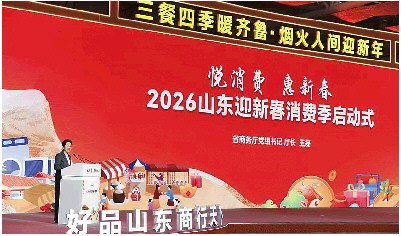
Core Viewpoint - The "2026 Shandong New Year Consumption Season" aims to stimulate consumer spending and boost market confidence through various initiatives and financial support, with a total of over 27 billion yuan allocated for consumption promotion throughout the year [2]. Group 1: Consumption Promotion Initiatives - The event features a theme of "Three Meals, Four Seasons Warm Qi Lu," focusing on creating a vibrant consumption atmosphere during the New Year [2]. - A matrix of ten themed activities, including the "Qilu New Year Goods Shopping Festival" and "Winter Travel Qi Lu," will be organized to enhance consumer engagement [2]. - A total of 327 unique promotional activities will be held across the province, leveraging various consumer venues such as shopping districts and scenic spots [2]. - The government will allocate over 27 billion yuan for initiatives like trade-in programs for consumer goods and subsidies for elderly care services [2]. - During the New Year period, a special investment of 7.5 billion yuan will be made to provide discounts and consumer vouchers in shopping, cultural tourism, and dining sectors [2]. Group 2: Cultural and Sports Activities - The provincial tourism department announced four major themes for cultural and tourism consumption activities, including 834 performances and 29,000 community cultural events to enhance New Year celebrations [3]. - The sports department will promote winter sports with a budget of 10 million yuan for the Ice and Snow Consumption Season and will host over 100 winter sports events [3]. - Nineteen "brand destinations" and ten "premium outdoor sports routes" will be promoted to develop the ice and snow tourism sector [3]. Group 3: Local Government Initiatives - Jinan city will enhance its "Spring Festival Consumption Season" with initiatives to immerse visitors in local culture and traditions [4]. - A budget of 50 million yuan will be allocated for automotive consumption subsidies and programs for upgrading household appliances [4]. - The city will host its first Ice and Snow Consumption Season, featuring high-profile sports events to attract visitors [4]. Group 4: Industry Collaboration - Various national commercial associations have launched initiatives to stimulate consumer spending, emphasizing quality, innovation, and market fairness [5]. - The event showcased five major exhibition areas focusing on service consumption, green product trade-ins, and traditional brands [6]. - The exhibitions included displays of international products and local specialties, promoting a seamless shopping experience for consumers [6].
北京老字号师傅抻的龙须面能穿针
Bei Jing Ri Bao Ke Hu Duan· 2026-01-09 07:06
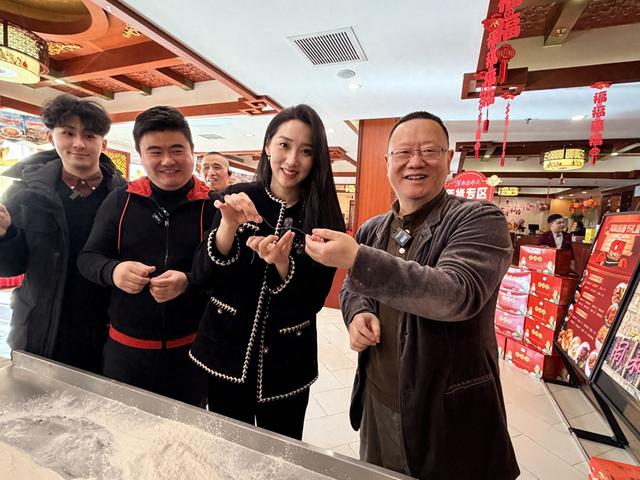
Core Viewpoint - The event "240 Hours in Beijing" aims to promote Beijing's cultural heritage and culinary arts through a blend of cultural experiences, commercial consumption, tourism promotion, and sports health, leveraging the 240-hour visa-free transit policy to attract domestic and international tourists [1] Group 1: Event Overview - The event featured Sun Chubo, a performer from the China Opera and Dance Drama Theatre, acting as a "Cultural Heritage Experience Officer" to showcase Beijing's culture and intangible heritage [1] - The event included a live demonstration of traditional noodle-making by Zhang Gang, the chief pastry chef of Tongheju, who transformed dough into over 16,000 strands of fine noodles [1] - The event highlighted the artistic and skilled nature of traditional crafts, emphasizing the dedication of artisans in preserving cultural heritage [1] Group 2: Cultural and Culinary Insights - Chinese culinary master Wu Genshen, the sixth-generation inheritor of Shandong cuisine at Tongheju, shared the cultural stories and essence behind the dishes, illustrating the blend of tradition and innovation in Beijing's culinary scene [1] - Participants, including food enthusiast Cheng Sheng, expressed their appreciation for the depth of Beijing's food culture, mentioning iconic dishes such as Shandong cuisine at Tongheju, hot pot at Donglaishun, and Peking duck at Quanjude as must-try delicacies [1] - The event also encouraged exploration of Beijing's parks and natural beauty, such as Zizhuyuan Park and Lianhuachi Park, enhancing the cultural experience for visitors [1]
走进老字号,共绘新图景,孙楚泊化身非遗体验官
Bei Jing Ri Bao Ke Hu Duan· 2026-01-09 00:44
Core Viewpoint - The event "240 Hours in Beijing" aims to promote Beijing's cultural heritage and culinary arts to both domestic and international tourists, leveraging the 240-hour visa-free transit policy to enhance cultural experiences and tourism [5]. Group 1: Event Overview - The event features performances and culinary demonstrations, including a bamboo flute performance by Sun Chubo and a noodle-pulling demonstration by Chef Zhang Gang, showcasing the artistry and skill involved in traditional Chinese cuisine [3][5]. - The event is designed to integrate cultural experiences, commercial consumption, tourism promotion, and sports health, thereby enhancing the city's image and cultural depth [5]. Group 2: Cultural and Culinary Insights - Chef Wu Genshen, a sixth-generation inheritor of Shandong cuisine at Tongheju, shared the cultural stories and technical essence behind the dishes, emphasizing the importance of culinary heritage and innovation in Beijing's food culture [5]. - Sun Chubo highlighted the culinary surprises in Beijing, mentioning iconic dishes such as Shandong cuisine at Tongheju, hot pot at Donglaishun, and Peking duck at Quanjude, while also recommending parks like Zizhuyuan and Lianhuachi for experiencing the city's cultural and natural beauty [5].
济南最早的菜谱与价格手册
Xin Lang Cai Jing· 2026-01-01 16:39
Core Viewpoint - The earliest known cookbook related to Jinan cuisine is "Jinan Famous Dishes," published in March 1959, which documents 100 dishes and reflects the culinary history and techniques of the region [2][3]. Group 1: Historical Significance - "Jinan Famous Dishes" is recognized as the earliest cookbook in Jinan's culinary history, recording signature dishes from various renowned restaurants and chefs [3]. - The book serves as a crucial document for understanding the cooking techniques of famous chefs in Jinan, providing detailed records of their culinary skills [3]. Group 2: Comparison with Other Cookbooks - A comparison between "Jinan Famous Dishes" and "Chinese Famous Dishes" (Volume 6, Shandong Dishes) reveals striking similarities in dish arrangement, ingredients, and preparation methods, indicating that the former may have been compiled as a draft for the latter [3]. - "Chinese Famous Dishes" contains 78 dishes and 15 snacks, while "Jinan Famous Dishes" lists 100 dishes, suggesting a broader scope in the latter [3]. Group 3: Development of Culinary Literature - The first banquet menu, titled "Knowledge of Banquets," was compiled in June 1961, based on materials provided by chef Zhang Jixing, and includes detailed recipes for various banquet dishes [4]. - This banquet menu is noted for its historical value in studying traditional high-end Shandong cuisine, containing 108 dishes with comprehensive details on ingredients and preparation [4]. Group 4: Pricing Documentation - The "Jinan City Catering Industry Price Management Manual," published in February 1977, is the only pricing manual from the Jinan catering company, detailing pricing management methods and standard prices for various dishes [6][7]. - This manual is significant for researching the culinary landscape of Jinan in the late 20th century, providing insights into dish varieties, ingredient costs, and profit margins [7].
最高荣誉!知味斋入选中国民族品牌饭店并获评“至樽”称号
Qi Lu Wan Bao· 2025-12-05 15:04
Core Viewpoint - The Zibo Zhiweizhai Grand Hotel has been awarded the title of "Chinese National Brand Hotel," becoming the first establishment in Zibo to receive this national honor, which signifies its strong brand value, market position, cultural heritage, and future development potential [1][2] Group 1: Recognition and Evaluation - The "Chinese National Brand Hotel" evaluation aims to select benchmark enterprises that represent the essence of Chinese culinary culture and possess outstanding brand influence and market competitiveness [1] - The evaluation system is rigorous, assessing multiple dimensions including cultural heritage, brand building, service quality, operational management, and social benefits, with "至樽" being the highest honor [1] Group 2: Cultural Heritage and Innovation - Zhiweizhai Grand Hotel is recognized for its deep cultural heritage and relentless pursuit of quality, serving as an important inheritor and innovator of Shandong cuisine [1] - The hotel focuses on protecting and inheriting classic Shandong culinary techniques while innovating based on tradition, integrating modern dietary health concepts to create a unique dish system that combines traditional charm with modern appeal [1] Group 3: Brand Building and Market Impact - The brand "Zhiweizhai" has transcended its identity as merely a restaurant name, becoming a symbol of culinary memory and cultural sentiment in Zibo and the Shandong region [1] - The establishment has built a comprehensive brand image through a warm and elegant dining environment and meticulous hotel service processes, earning widespread trust and reputation among consumers [1] Group 4: Future Aspirations - The general manager of Zhiweizhai, Feng Juanning, stated that receiving this honor marks a "new starting point" for the hotel, indicating a commitment to higher standards, enhanced service, and expanded brand influence to drive industry development [2] - The successful experience of Zhiweizhai may provide valuable insights for the branding and quality development of the regional catering industry [2]
数据显示川菜餐厅数量位居上海地方菜系第一位
Zhong Guo Xin Wen Wang· 2025-08-17 01:45
Core Insights - The "Shanghai Summer" International Consumption Season and Global Food Festival has opened, showcasing local spicy cuisine and aiming to boost Shanghai's nighttime economy and dining market growth [1][2] - Meituan reported that the number of Sichuan cuisine restaurants in Shanghai exceeds 7,500, making it the leading local cuisine in the city [1] Group 1: Event Overview - The event is guided by the Shanghai Municipal Commission of Commerce and the Jing'an District People's Government, and is hosted by Dazhong Dianping and Wanglaoji, lasting for three days [1] - The festival features various spicy local cuisines, including Jiangxi, Hunan, and Sichuan, as well as Shanghai's local dishes, Shandong cuisine, Anhui cuisine, and Taiwanese cuisine [1] Group 2: Market Trends - From January to July this year, the top five spicy cuisine categories in Shanghai by consumption growth are Jiangxi, Hubei, Yunnan, Guizhou, and Shaanxi [1] - Jiangxi cuisine has seen a 115% year-on-year increase in consumption, making it the fastest-growing local cuisine in Shanghai [1] - Jiangxi cuisine is known for its "fresh, spicy, fragrant, and mellow" flavors, and local restaurants are increasingly popular among consumers in Shanghai [1] Group 3: Featured Dishes - The festival showcases local specialties such as Nanchang's "Woguanli" meat sauce mixed rice noodles, "Wanyan" Mengcheng baked cakes, "Lucai" spicy seafood, and "Guanguanji Halal Restaurant" hand-grabbed lamb [1]