
珠宝首饰业

Search documents
金价猛涨!新一轮黄金大行情已开启,还在等回调的人要慌了
Sou Hu Cai Jing· 2026-02-26 19:16
Core Viewpoint - The international gold market is experiencing significant price increases, with gold prices surpassing $5200 per ounce, driven by strong demand from central banks, geopolitical risks, and expectations of lower interest rates from the Federal Reserve [1][3][4]. Group 1: Price Movements - London spot gold prices opened above $5200 per ounce, reaching a high of $5216, marking a daily increase of over 1% [1]. - The Shanghai Gold Exchange reported gold T D contracts at 1149.5 yuan per gram, with the main contract hitting 1152.98 yuan per gram [1]. - Retail prices for gold jewelry from brands like Chow Tai Fook and Lao Feng Xiang reached between 1566 to 1570 yuan per gram [1][3]. Group 2: Driving Factors - Central banks globally have been consistently purchasing gold, with a net purchase of 863 tons in 2025, establishing gold as a core asset for risk diversification [3]. - Ongoing geopolitical tensions in regions like the Middle East and Eastern Europe have increased market uncertainty, making gold a preferred safe-haven asset [3][4]. - Expectations of continued interest rate cuts by the Federal Reserve in 2026 are lowering the opportunity cost of holding non-yielding assets like gold, contributing to rising prices [4]. Group 3: Investment Trends - In January 2026, global physical gold ETFs saw an inflow of $19 billion, the highest monthly record, bringing total assets under management to $669 billion [6]. - Asian markets accounted for approximately $10 billion of the inflow, indicating strong investment interest despite high gold prices [6]. - Financial institutions have varying predictions for future gold prices, with UBS projecting a mid-2026 target of $6200 per ounce, while Goldman Sachs has a more conservative estimate of $5400 per ounce by the end of 2026 [6][7]. Group 4: Market Dynamics - The structure of the gold market is changing, with strong investment demand and a shift in central bank purchasing strategies from short-term to long-term [9]. - Despite high retail prices, demand for physical gold remains robust due to cultural factors and industrial applications [9]. - The supply of gold is not keeping pace with demand, leading to a widening gap between supply and demand [9]. Group 5: Consumer Behavior - Investor behavior is diverging, with some viewing price dips as buying opportunities, while others are more cautious and seeking better value in smaller, more transparent gold products [9][10]. - The gold recycling market is also growing, with recovery prices for 999 gold around 1120 to 1140 yuan per gram, prompting many to consider liquidating old jewelry [10]. Group 6: Market Volatility - Gold prices have shown extreme volatility, with significant fluctuations observed in late January and February 2026 [12]. - The disparity between international and domestic gold prices presents potential arbitrage opportunities for investors [12].


注意!今日金价再迎异动,黄金接下来或将出现大惊喜
Sou Hu Cai Jing· 2026-02-23 02:03
Core Viewpoint - The international gold market experienced a significant surge on February 22, 2026, with prices breaking through the psychological barrier of $5,100 per ounce, reaching a peak of $5,107, marking a daily increase of $117 or 2.35%, and closing at $5,104.24 [1][17] Price Discrepancy - The domestic gold market remained closed due to the Spring Festival holiday, with Shanghai Gold Exchange's T D gold price at 1,108.5 yuan per gram and the main futures contract at 1,110.1 yuan per gram, showing a slight decline compared to the last trading day before the holiday [3] - The stark contrast between the international price surge and the domestic market's stagnation led to confusion in gold pricing across different circulation channels, with retail prices at major brands like Chow Tai Fook reaching 1,560 yuan per gram, significantly higher than bank investment gold bars priced around 1,123.5 to 1,133.52 yuan per gram [3][4] Wholesale and Recovery Prices - In the upstream market, the wholesale price for 999 pure gold at Shenzhen's Shui Bei International Jewelry Trading Center was approximately 1,274 yuan per gram, with additional processing fees for consumers [4] - The gold recovery market showed a different pricing logic, with recovery prices for pure gold at about 1,100 yuan per gram, closely aligned with raw gold market prices, regardless of brand [6] Market Drivers - The surge in international gold prices was driven by heightened geopolitical risks, particularly the significant military buildup by the U.S. in the Middle East, leading to increased safe-haven buying in gold [6] - Expectations of a potential interest rate cut by the Federal Reserve in 2026, with a projected cumulative reduction of 50 to 75 basis points, contributed to a weaker dollar, further boosting gold prices [6][17] Central Bank Purchases - Global central banks have maintained a net buying trend for 16 consecutive years, with 2025 seeing a net purchase of 863 tons of gold, indicating strong structural support for gold prices [7][9] - The People's Bank of China has been actively increasing its gold reserves, reaching 7,419 million ounces by the end of January 2026, marking the 15th consecutive month of increases [9] Market Volatility - The gold market has experienced extreme volatility, with prices soaring from around $4,500 per ounce in January 2026 to a peak of $5,598.75, followed by a sharp drop of 9.25% in a single day [9][10] - Technical indicators showed extreme market sentiment, with the relative strength index exceeding 90 before the January price drop, indicating overbought conditions [10] Investment Strategies - Ordinary investors have shown varied strategies in response to gold price fluctuations, with some opting for gold ETFs that closely track domestic gold prices, while others prefer bank investment gold bars despite higher premiums [10][12] - The gold jewelry consumption market has seen a decline in demand volume, with global gold jewelry demand dropping to 1,542 tons in 2025, while the total consumption value increased by 18% to a record $172 billion [12] Changing Market Dynamics - The structure of market participants is evolving, with traditional Wall Street funds showing lower participation, while central banks, retail investors, and long-term option market funds are becoming more prominent [13] - The pricing logic of gold is undergoing significant changes, with geopolitical risk premiums and reassessment of the global monetary credit system becoming more critical drivers than traditional correlations with U.S. Treasury yields [13] Consumer Awareness - Consumers need to distinguish between investment and consumption in the gold market, as purchasing branded jewelry often involves high premiums that do not translate into recovery value [15] - Professional recommendations suggest that gold should constitute 5% to 15% of household investable assets, primarily as a risk hedging tool rather than for high returns [15]
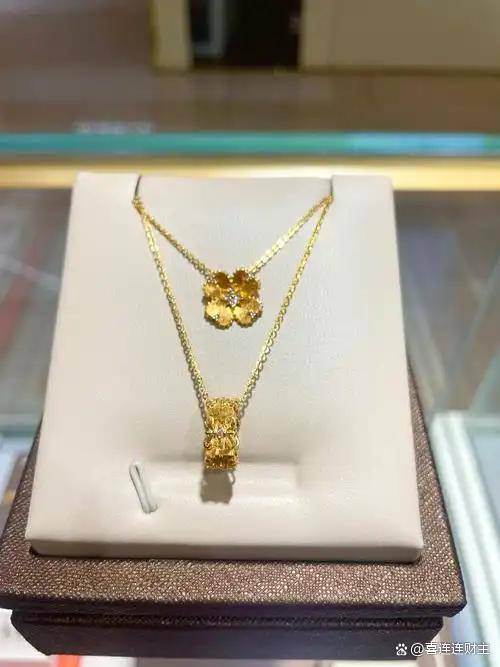
2月21日金价,大家做好准备,节后估计迎更大变盘?
Sou Hu Cai Jing· 2026-02-22 03:35
Core Viewpoint - The international gold price has reached a high of $5098 per ounce, with domestic retail prices for gold jewelry also rising significantly, indicating potential volatility in the gold market post-Chinese New Year [1][3]. Group 1: Gold Price Movements - On February 21, 2026, the London spot gold price was $5098.85 per ounce, an increase of $103 from the previous day, marking a rise of over 2% [3]. - The COMEX gold futures price reached $5130 per ounce, indicating strong demand in the futures market [3]. - Domestic gold prices at major retailers like Chow Tai Fook and Chow Sang Sang ranged from 1499 to 1533 yuan per gram, reflecting significant brand premiums and craftsmanship costs [3]. Group 2: Influencing Factors on Gold Prices - The first driving force behind the high gold prices is the divergence in the U.S. Federal Reserve's monetary policy, with discussions around potential interest rate cuts or hikes, impacting market expectations [6]. - Global central banks have maintained a trend of net gold purchases for 16 consecutive years, with 95% of central banks expecting to increase their gold holdings in the coming year, the highest level in nearly a decade [9]. - The ongoing geopolitical tensions in the Middle East, particularly between the U.S. and Iran, have contributed to market uncertainty and increased demand for gold as a safe-haven asset [11][12]. Group 3: Domestic Gold Market Dynamics - The demand for gold jewelry remains strong during the Chinese New Year, driven by wedding needs, gift-giving, and concerns over value retention, leading to a surge in consumer purchases [16]. - Retailers are employing various strategies to attract consumers, such as discounts on craftsmanship fees and promotional offers, to counteract the impact of high gold prices on sales [17]. - The gold recycling market is emerging, with new stores opening in urban areas, allowing consumers to exchange old gold for new items without worrying about price fluctuations [19].
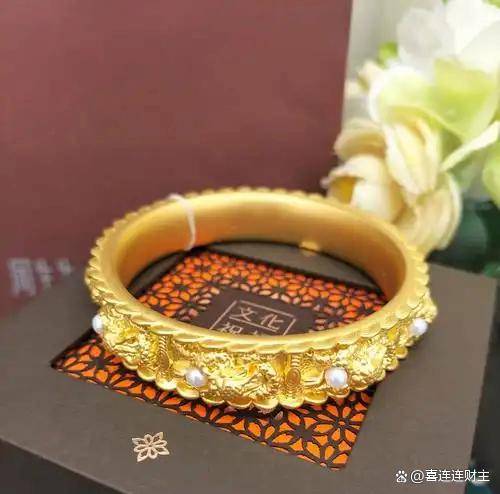
金价回调了!今年2月19日最新行情,明后两天或迎更大变盘
Sou Hu Cai Jing· 2026-02-19 18:32
Group 1 - The gold price has experienced adjustments, with significant fluctuations expected in the next 48 hours, suggesting potential buying opportunities for jewelry and gold bars [1] - Retail prices for gold jewelry from various brands are reported to be around 1499 to 1510 yuan per gram, with differences primarily due to brand and processing fees [1][2] - The wholesale price for AU9999 gold is reported at 1109 yuan per gram, with retail prices in major cities like Beijing and Shanghai reflecting higher prices due to festive demand [2][4] Group 2 - Bank gold prices vary, with Industrial and Commercial Bank's gold bar priced at 1105.14 yuan per gram and Agricultural Bank's at 1144.92 yuan per gram, typically adding 12-18 yuan per gram as channel costs [4] - The Shanghai Gold Exchange's latest price for gold is 1108.50 yuan per gram, with daily highs and lows indicating market volatility [4] - The price differences between spot and futures contracts can create emotional market responses, highlighting the need for careful consideration before purchasing [4]
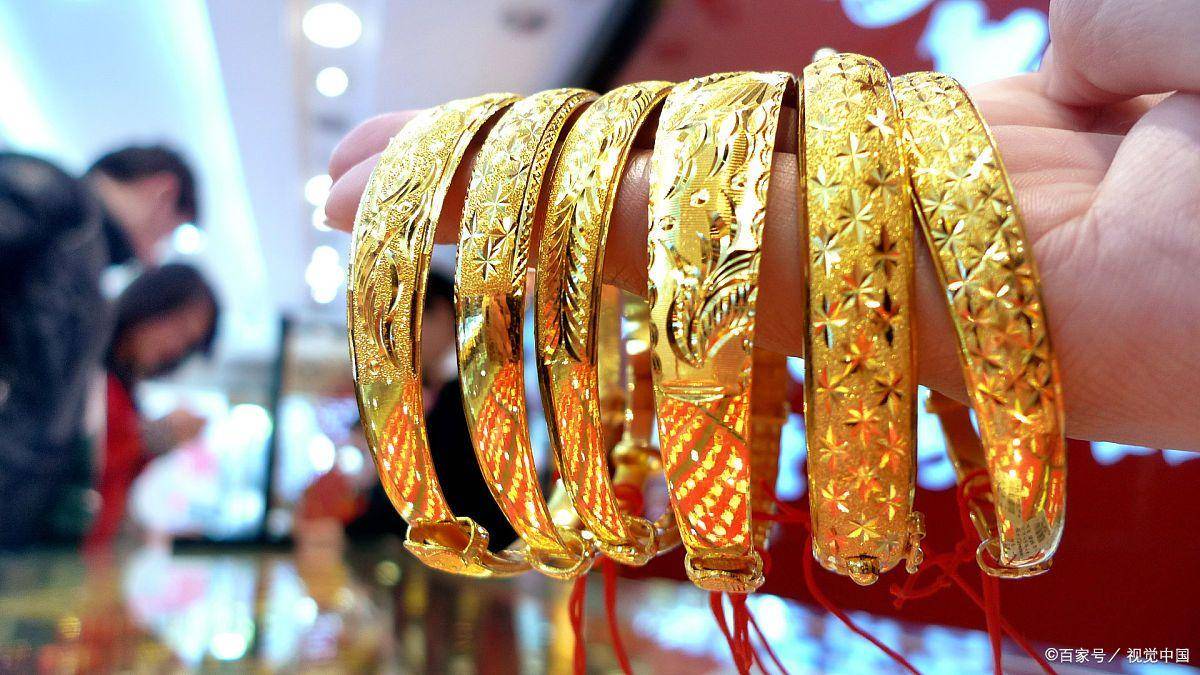
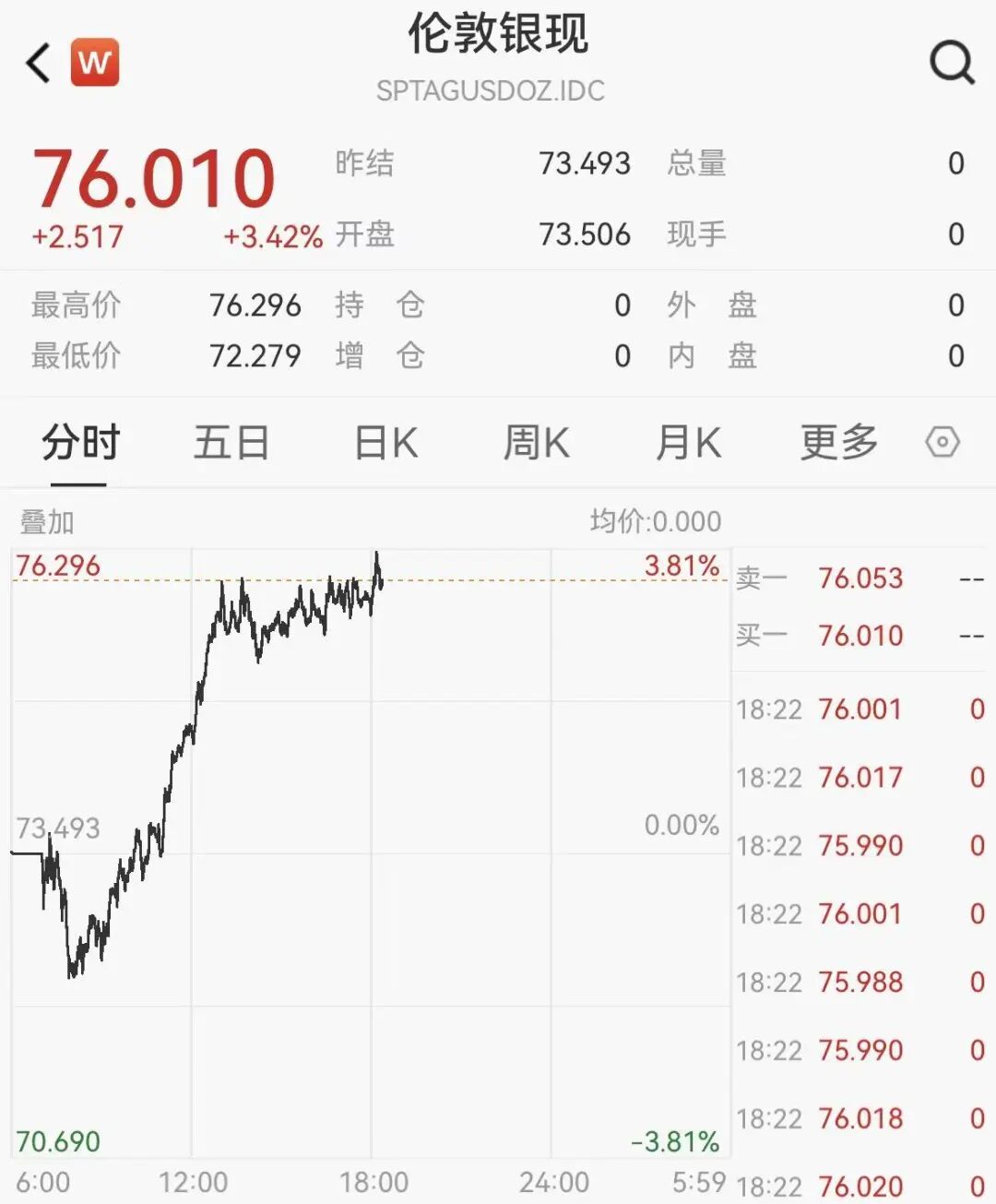
白银飙升近4%,金饰克价跌破1500元,老铺黄金又要涨价
2 1 Shi Ji Jing Ji Bao Dao· 2026-02-18 10:53
Group 1 - International gold prices experienced a short-term surge, with spot gold rising over 1.3% to reach $4,940 per ounce, and settling at $4,920 per ounce [1] - Spot silver also saw significant gains, increasing over 3.8% to surpass $76 per ounce [1] - Multiple gold jewelry brands in China reported a decrease in domestic gold jewelry prices, with major brands like Chow Tai Fook and Lao Miao Gold quoting prices below 1,500 yuan per gram [2] Group 2 - A global fund manager survey by Bank of America indicated that buying gold has become the most crowded trade for the second consecutive month, with 50% of fund managers indicating a bullish stance on gold, slightly down from 51% in January [6] - Recent comments from Federal Reserve officials have garnered market attention, with indications that there is approximately 75 basis points of rate cut space before reaching neutral rates, and potential for multiple rate cuts if inflation continues to decline [6] - Lao Pu Gold announced a price adjustment for its products effective February 28, 2026, following three price increases in 2025 [3]

急跌!2月15日金价大跳水,金条降价,金店最新价出炉
Sou Hu Cai Jing· 2026-02-16 19:24
Group 1 - The global gold market experienced a dramatic surge, with London spot gold prices exceeding $5000 per ounce, marking a single-day increase of over $120, which has heightened investor interest [1] - In contrast, the Shanghai Gold Exchange reported a significant drop in gold TD contract prices, closing at 1108.5 RMB per gram, down 16.55 RMB from the previous trading day, indicating a notable decline [1][3] - Major banks adjusted their physical gold bar prices, with Industrial and Commercial Bank of China quoting 1114.55 RMB per gram, while China Construction Bank's price reached 1140.30 RMB per gram, reflecting additional costs for packaging and services [3] Group 2 - Retail prices for gold jewelry in brand stores differ significantly from investment gold bars, with prices for gold jewelry from Chow Tai Fook and others ranging from 1480 to 1560 RMB per gram, exceeding the bank gold bar prices by over 400 RMB [3][5] - The price difference in jewelry is attributed to craftsmanship costs, brand premiums, and operational expenses such as rent and marketing, indicating that jewelry is primarily a consumer product rather than an investment [5] - For those looking to liquidate old gold jewelry, the recovery price for 999 purity gold is approximately 1110 to 1120 RMB per gram, which is lower than bank gold bar prices due to the need for profit margins by recovery agents [5][7] Group 3 - The surge in international gold prices is driven by global macroeconomic data and increased market risk aversion, leading to significant capital inflows into gold as a traditional safe-haven asset [7] - Domestic gold prices are influenced by the exchange rate of the RMB against the USD; if the RMB appreciates while international gold prices rise, the domestic price increase may be offset or even lead to a decline [7] - Consumers are advised to clarify their purpose for purchasing gold; for investment, options like bank gold bars or gold ETFs are recommended due to their closer alignment with raw gold prices, while for gifts or weddings, brand jewelry may be more suitable [7][9] Group 4 - Caution is advised when selecting purchasing channels; banks and brand stores are considered safer options due to transparent pricing and regulatory compliance [8] - Consumers should be wary of offers that seem too good to be true, such as significantly higher recovery prices or low sales prices, as these may indicate unregulated practices [8] - The rise of online platforms has introduced risks, including misleading promotions and potential fraud, emphasizing the need for consumers to verify the authenticity of gold products [8][9]

昨天买对阵今天买!2月15日腊月二十八金价大跌16.55元,差价真的太扎心
Sou Hu Cai Jing· 2026-02-16 00:00
Core Viewpoint - The global gold market is experiencing a significant divergence in pricing, with international gold prices soaring above $5000 per ounce, while domestic prices in China are declining, leading to confusion among consumers [1][3][7]. Group 1: International Gold Market - On February 15, 2026, international gold prices reached $5040.56 per ounce, marking a daily increase of $121.6 or 2.47% [1]. - The New York Mercantile Exchange saw gold futures prices rise to $5064.38 per ounce, reflecting strong international demand [1]. Group 2: Domestic Gold Market - In contrast, the Shanghai Gold Exchange reported a closing price of 1108.50 yuan per gram, down 16.55 yuan or 1.47% from the previous day [3]. - The main futures contract in Shanghai fell to 1110.10 yuan per gram, a decrease of 18.16 yuan or 1.61% [3]. Group 3: Price Discrepancies - There is a notable price discrepancy within the domestic market, with different sales channels offering prices that can vary by over 400 yuan per gram for the same gold quality [3][4]. - Prices for investment gold bars at various banks range from 1121.60 yuan to 1144.92 yuan per gram, while retail prices for gold jewelry are significantly higher, averaging around 1548 yuan per gram [4][10]. Group 4: Market Dynamics - The divergence in pricing is attributed to the timing of the Chinese New Year, with the domestic market closed for the holiday while international markets continued to trade [7]. - Domestic market conditions, including tight liquidity and the behavior of small institutions needing to liquidate positions, have contributed to the downward pressure on prices [9]. Group 5: Recovery and Investment - The gold recovery market shows that gold jewelry purchased at high retail prices can lose nearly 30% of its value when resold, with recovery prices around 1067 yuan per gram for 999 gold [6][13]. - Despite short-term fluctuations, long-term support for gold prices remains strong due to ongoing central bank purchases and geopolitical uncertainties [15]. Group 6: Consumer Behavior - Different consumer segments exhibit varying preferences, with wedding consumers prioritizing style and brand, while investors focus on purity and price differentials [16][18]. - The market offers differentiated products catering to these diverse needs, from investment bars to fashion jewelry, reflecting a complex pricing structure [19].
黄金一夜变天!2026年2月15日最新报价,全国价差竟这么大?
Sou Hu Cai Jing· 2026-02-15 19:32
Core Viewpoint - The domestic gold market is experiencing a slight correction, with significant price discrepancies between retail and wholesale gold prices, influenced by various factors including operational costs and market demand fluctuations [1][4]. Group 1: Gold Prices - The current price of gold in RMB is reported at 1108.50 yuan per gram, down by 14.42 yuan from the previous trading day, while international gold prices hover around 5038 USD per ounce [1]. - Major brand stores like Chow Tai Fook and Luk Fook are pricing their gold at around 1529 to 1548 yuan per gram, while more affordable options like Caibai and China Gold are around 1515 yuan per gram, showing a price difference of up to 33 yuan among brands [1]. - In the Shenzhen Shui Bei wholesale market, the price for 999 gold is approximately 1272 yuan per gram, which is 257 yuan cheaper than major brand stores [1]. Group 2: Investment Gold Bars - Prices for bank gold bars are significantly lower, with Industrial and Commercial Bank's gold bar priced at 1143.43 yuan per gram, and other banks offering similar prices, all nearly 400 yuan less than brand store prices [2][4]. - The Shanghai Gold Exchange offers even lower prices at 1104.95 yuan per gram, although these are less accessible to ordinary consumers [4]. Group 3: Price Discrepancies - The substantial price differences are attributed to international gold price fluctuations, macroeconomic factors, and the operational costs associated with brand stores, which include high rent and marketing expenses [4]. - Brand stores often adopt a "follow the rise, not the fall" pricing strategy, especially before peak demand periods like the Spring Festival, which further exacerbates the price gap [4].
女子一次出手8公斤金条,套现近900万元!近期千万元级别套现每天都有
Sou Hu Cai Jing· 2026-02-12 00:19
Core Viewpoint - The investor sentiment is shifting towards risk aversion amid significant fluctuations in gold prices, leading to increased selling and cautious buying behavior in the gold market [1][2]. Group 1: Investor Behavior - A notable increase in large-scale gold selling has been observed, with some investors cashing out millions due to high gold prices, such as a woman selling 8 kilograms of gold bars for nearly 9 million yuan [5][6]. - Many investors are opting to sell portions of their gold holdings to mitigate risk, even while maintaining a long-term positive outlook on gold prices [6][10]. - Smaller gold bars are becoming more popular among investors, with many choosing to make multiple smaller purchases rather than large single transactions to manage risk [8][10]. Group 2: Market Adjustments - Gold retailers, such as Cai Bai Jewelry, are adjusting their business strategies in response to market volatility, including implementing new buyback regulations and limiting the amount of gold that can be repurchased [6][12]. - Several banks have raised the minimum investment thresholds for gold accumulation products, reflecting a tightening of market conditions and a focus on risk management [11][12]. - The trading environment is becoming more controlled, with banks like ICBC implementing limits on gold accumulation and redemption during non-trading days to manage cash flow and risk exposure [12].

贵金属风控升级 金店暂停节假日回购 银行清退“三无”客户
2 1 Shi Ji Jing Ji Bao Dao· 2026-02-10 23:14
Core Viewpoint - The recent volatility in gold prices has led to significant adjustments in gold repurchase policies by various gold retailers and banks in China, aimed at risk management and operational efficiency [1][2][3]. Group 1: Adjustments in Gold Repurchase Policies - China Gold announced the suspension of gold repurchase services on non-trading days starting February 7, 2026, to manage risks associated with price volatility [1][2]. - Beijing Caishikou Department Store has also updated its gold repurchase rules, halting services on weekends and holidays, and reducing the daily gold repurchase limit from 200 kilograms to 100 kilograms [2]. - The adjustments include limits on repurchase amounts for individual customers, requiring advance reservations, with the limits dynamically adjusted based on market conditions [2][3]. Group 2: Market Conditions and Risk Management - The sharp increase and volatility in gold prices have made it difficult for retailers to establish fair repurchase prices, leading to potential disputes and financial pressure [3]. - Analysts expect more gold retailers to follow suit in tightening repurchase policies, focusing on risk control and operational cost management as high volatility becomes the norm [3]. - The Shanghai Gold Exchange has raised margin requirements and adjusted trading limits for gold contracts in response to market conditions, indicating a proactive approach to risk management [4]. Group 3: Banking Sector Adjustments - Several banks have begun to limit services for "three no" clients (no holdings, no inventory, no debts) in the gold trading sector, reflecting a broader trend of tightening regulations in response to market risks [4][5]. - Since September 2025, at least 11 banks have announced adjustments to their gold trading services, including suspending new trades and closing online trading channels for inactive clients [5][6]. - The banking sector's adjustments are part of a larger strategy to mitigate risks associated with market volatility, with a focus on compliance and operational integrity [6].



