
黄金避险

Search documents
以史为鉴 | 美伊冲突对金价的五维影响分析
对冲研投· 2026-03-16 11:01
Core Viewpoint - The article discusses the impact of the recent geopolitical conflict between Israel and Iran on gold prices, highlighting that gold, as a safe-haven and anti-inflation asset, is expected to benefit from rising prices due to increased geopolitical risks and inflation expectations [4][7]. Group 1: Geopolitical Conflict Analysis - The conflict in Iran is analyzed through five dimensions, indicating that while Iran's economy is small and poses no existential risk, there is a potential for a downgrade in its sovereign credit rating, which could increase gold demand from both official and emerging economies [4][8]. - Historical data from 1970 to present shows that geopolitical conflicts typically lead to short-term price surges in gold, with the current situation likely to follow a similar pattern, particularly influenced by oil supply disruptions [5][22]. Group 2: Economic Impact of Iran - Iran's GDP for the fiscal year 2024/2025 is projected at $436.9 billion, ranking 35th globally, with a forecasted economic contraction of -1.7% and -2.8% for the following two fiscal years, alongside inflation rates expected to exceed 40% [9][11]. - The conflict is not expected to trigger a large-scale refugee crisis, but regional instability may provide moderate support for gold prices through risk premiums and capital flows into developed markets [10][13]. Group 3: Gold Supply and Demand Dynamics - Iran's gold production is minimal, accounting for only 0.23% of global output, which suggests a weak neutral impact on gold prices from supply disruptions [15]. - The estimated gold import for Iran in the fiscal year 2024/2025 is around 100 tons, with some estimates suggesting it could be as high as 260 tons, indicating a potential for local price premiums due to currency devaluation and sanctions [17][19]. Group 4: Energy and Commodity Influence - Iran is a critical player in global energy markets, being the third-largest oil producer in OPEC+ and controlling key shipping routes like the Strait of Hormuz, which is vital for global oil transport [19][20]. - Disruptions in Iranian oil supply could lead to significant increases in global inflation, thereby enhancing gold's appeal as a hedge against inflation [20][22]. Group 5: Historical Context and Price Trends - The article outlines historical patterns of gold price movements in response to geopolitical conflicts, noting that significant price increases often occur after the outbreak of conflicts, particularly during bull market cycles [24][28]. - The analysis categorizes the impact of conflicts on gold prices into three scenarios, emphasizing that the current situation is likely to lead to price increases within a month following the conflict's escalation [64][48].

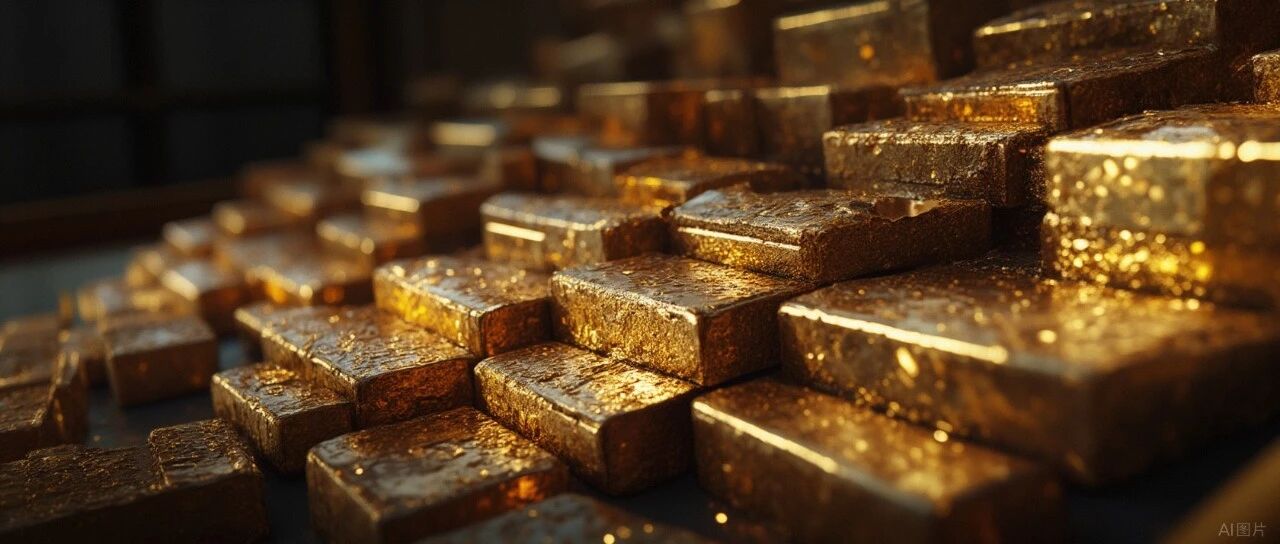
金价真是大变天了,全国价竟差这么多,是该入手的好时机?
Sou Hu Cai Jing· 2026-02-25 23:53
Core Viewpoint - The Chinese gold market exhibits a significant price disparity, with the same gold item priced differently across various platforms, leading to a price difference of up to 419 yuan per gram [1][4][15] Price Structure - The base price for gold in China is set at the Shanghai Gold Exchange, where the price for 9999 gold was approximately 1146 yuan per gram on February 25, 2026, closely following international market fluctuations [3][15] - Major banks, such as Industrial and Commercial Bank of China, sell investment gold bars at prices slightly above the exchange rate, with quotes around 1166.95 yuan per gram, reflecting minimal processing and management fees [3][4] - The Shenzhen Water Bay wholesale market offers 999 gold at about 1314 yuan per gram, with additional processing fees for turning raw gold into jewelry, still lower than retail prices [3][4] Retail Market Dynamics - Brand jewelry stores like Chow Tai Fook and Lao Feng Xiang sell gold jewelry at retail prices ranging from 1565 to 1589 yuan per gram, with the price difference attributed to high rental costs, marketing expenses, and craftsmanship fees [4][12] - The disparity in pricing between wholesale and retail markets highlights the transformation of gold from a financial asset to a luxury consumer good, with significant added costs [4][9] Recovery Market - The gold recovery market offers a stark contrast, with a standard buyback price around 1120 yuan per gram, regardless of the original purchase price, leading to potential losses for consumers [6][12] - Recovery practices can involve deceptive tactics, such as misrepresenting purity or weight, resulting in lower than expected buyback prices [6][12] Consumer Behavior - There is a noticeable shift in consumer behavior, with younger buyers increasingly opting for wholesale markets like Shenzhen Water Bay for bulk purchases, while traditional consumers still prefer brand stores for their perceived value and service [9][10] - For investors focused on asset allocation, bank gold bars and gold ETFs are favored due to their lower premiums and better alignment with market prices [9][10] Market Influences - Global central banks have been net buyers of gold for 16 consecutive years, providing structural support for gold prices despite recent volatility [10][13] - Geopolitical risks, such as tensions in the Middle East and new global tariffs, have heightened market demand for gold as a safe-haven asset [13][15]

行业点评:节后金价能否持续走强
LIANCHU SECURITIES· 2026-02-25 06:25
Investment Rating - The report upgrades the investment rating to "Positive" for the gold industry [6] Core Insights - The recent surge in gold prices is attributed to two main factors: increased uncertainty from U.S. tariff policies and heightened geopolitical risks, particularly regarding potential military actions in the Middle East [7][8] - The gold price reached $5,132 per ounce as of February 24, with a peak of $5,250 per ounce, marking a 2.74% increase compared to pre-Spring Festival levels [4] - The report anticipates that gold prices will maintain a strong upward trend in the short term, despite potential limitations on further price increases due to various economic factors [8][9] Summary by Sections U.S. Tariff Policy - The U.S. Supreme Court ruled against the Trump administration's large-scale tariffs, leading to a temporary halt in related import duties. However, the administration quickly introduced alternative tariffs, indicating a continued focus on trade policy as a tool for geopolitical strategy [3][5] - The political landscape in the U.S. is influencing tariff decisions, with Trump's approval ratings declining to around 40%, suggesting increased domestic pressure as the 2026 midterm elections approach [3] Gold Price Dynamics - The gold market is experiencing strong demand driven by fears surrounding global trade and geopolitical tensions, particularly in the Middle East, which are expected to sustain bullish sentiment [7][8] - The report notes that while gold prices are likely to remain strong, there are factors that may limit significant upward movement, including the Federal Reserve's monetary policy and potential easing of U.S.-China relations [9]
2026开工黄金市场分析:多维度解读,趋势仍有空间
Sou Hu Cai Jing· 2026-02-24 05:24
Group 1: Tariffs and Trade - The U.S. ruling on Trump's tariffs deemed them illegal, but Trump plans to continue imposing additional tariffs regardless of legality, which is seen as detrimental to global trade and economic development [4] - The uncertainty in global trade is expected to support gold prices, as gold is viewed as a safe-haven asset during times of instability, with recent prices reaching $5,100 per ounce [4] Group 2: U.S. Employment and Monetary Policy - The U.S. employment situation appears grim despite optimistic official data, indicating a potential discrepancy in reported figures [6] - Incoming Federal Reserve Chair Kevin Warsh is expected to continue interest rate cuts while also shifting from quantitative easing to balance sheet reduction to control inflation, which may create a more flexible monetary policy environment [6][8] Group 3: Geopolitical Tensions - Ongoing tensions in the Russia-Ukraine conflict and the U.S.-Iran situation are contributing to a sustained demand for gold as a safe-haven asset, despite no significant breakthroughs in negotiations [10][12] - The market's reaction to the U.S.-Iran verbal confrontations has already led to a slight increase in gold prices, highlighting the impact of geopolitical uncertainty on investor sentiment [12] Group 4: Market Sentiment and ETF Holdings - Recent data shows significant increases in holdings of gold and silver ETFs, with silver ETF holdings rising by 312 tons and gold ETF holdings increasing by approximately 10 to 11 tons [15] - The overall market environment remains supportive of gold, with no clear negative signals emerging, despite potential short-term fluctuations due to policy uncertainties and bond yield volatility [17]

避险情绪再起,金价震荡走强,黄金股票ETF(517400)开盘涨超5.2%
Sou Hu Cai Jing· 2026-02-24 02:41
Core Viewpoint - The recent rise in gold prices and related stocks is driven by increased risk aversion, geopolitical tensions, and macroeconomic policy uncertainties, leading to a resurgence in demand for gold as a safe-haven asset [1][2]. Group 1: Market Dynamics - The gold market has seen a significant upward movement, with New York gold prices rising from approximately $5000 to over $5200, influenced by geopolitical tensions and tariff policy uncertainties [2]. - The current environment of global economic uncertainty and potential inflation has reinforced gold's dual role as a hedge against inflation and a safe-haven asset [2]. Group 2: Industry Impact - The upward shift in gold prices enhances the profitability of gold mining companies, as their profits are highly sensitive to gold price fluctuations, leading to improved cash flow and profitability [3]. - Historical trends indicate that during periods of rising gold prices, gold stocks tend to exhibit amplified price elasticity, benefiting from higher unit profits due to fixed cost structures [3]. Group 3: Investment Logic - The investment rationale for gold can be summarized in three key points: 1. Risk aversion driven by geopolitical conflicts and economic uncertainties enhances demand for gold [4]. 2. Gold serves as a traditional hedge against inflation amidst global fiscal expansion and changing monetary policies [4]. 3. Gold assets have low correlation with equities and bonds, providing diversification benefits in investment portfolios, especially during periods of increased market volatility [4]. - The gold stock ETF (517400) is positioned as a tool for investors to gain exposure to the gold sector, combining the price elasticity of gold with the liquidity of the stock market [4].
昨天买对阵今天买!2月15日腊月二十八金价大跌16.55元,差价真的太扎心
Sou Hu Cai Jing· 2026-02-16 00:00
Core Viewpoint - The global gold market is experiencing a significant divergence in pricing, with international gold prices soaring above $5000 per ounce, while domestic prices in China are declining, leading to confusion among consumers [1][3][7]. Group 1: International Gold Market - On February 15, 2026, international gold prices reached $5040.56 per ounce, marking a daily increase of $121.6 or 2.47% [1]. - The New York Mercantile Exchange saw gold futures prices rise to $5064.38 per ounce, reflecting strong international demand [1]. Group 2: Domestic Gold Market - In contrast, the Shanghai Gold Exchange reported a closing price of 1108.50 yuan per gram, down 16.55 yuan or 1.47% from the previous day [3]. - The main futures contract in Shanghai fell to 1110.10 yuan per gram, a decrease of 18.16 yuan or 1.61% [3]. Group 3: Price Discrepancies - There is a notable price discrepancy within the domestic market, with different sales channels offering prices that can vary by over 400 yuan per gram for the same gold quality [3][4]. - Prices for investment gold bars at various banks range from 1121.60 yuan to 1144.92 yuan per gram, while retail prices for gold jewelry are significantly higher, averaging around 1548 yuan per gram [4][10]. Group 4: Market Dynamics - The divergence in pricing is attributed to the timing of the Chinese New Year, with the domestic market closed for the holiday while international markets continued to trade [7]. - Domestic market conditions, including tight liquidity and the behavior of small institutions needing to liquidate positions, have contributed to the downward pressure on prices [9]. Group 5: Recovery and Investment - The gold recovery market shows that gold jewelry purchased at high retail prices can lose nearly 30% of its value when resold, with recovery prices around 1067 yuan per gram for 999 gold [6][13]. - Despite short-term fluctuations, long-term support for gold prices remains strong due to ongoing central bank purchases and geopolitical uncertainties [15]. Group 6: Consumer Behavior - Different consumer segments exhibit varying preferences, with wedding consumers prioritizing style and brand, while investors focus on purity and price differentials [16][18]. - The market offers differentiated products catering to these diverse needs, from investment bars to fashion jewelry, reflecting a complex pricing structure [19].

黄金报价早知道!02月12日,黄金市场最新消息!
Sou Hu Cai Jing· 2026-02-13 02:01
Core Viewpoint - The international gold price has stabilized above $5000 per ounce, marking a significant increase compared to the previous month, driven by various economic and geopolitical factors [1][3]. Price Trends - On January 26, the international gold price first surpassed the psychological barrier of $5000, reaching a record high of $5111.17 per ounce before experiencing a brief decline and rebounding above $5000 in early February [3]. - In 2025, the international gold price increased by 67%, the best annual performance since 1979, with a rapid rise from $3000 in March to over $5000 by January 2026, reflecting a total increase of over 215% since September 2022 [3]. Influencing Factors - Key factors driving the rise in gold prices include investor expectations regarding the Federal Reserve's monetary policy, ongoing inflation issues, and downward pressure on the U.S. economy [3]. - Geopolitical events, such as U.S. tariffs on Canada and military movements in the Middle East, have heightened market tensions, prompting investors to seek refuge in gold [5]. - Central banks globally have been consistently purchasing gold, with annual purchases exceeding 1000 tons from 2022 to 2024, and China's gold reserves reaching 7415 million ounces by the end of 2025 [5]. Market Dynamics - The gold ETF market has seen significant inflows, with approximately 112 billion yuan entering China's gold ETFs in 2025, leading to a total management scale of 242 billion yuan by the end of the year [5]. - The price of gold varies significantly across different sales channels, with bank investment gold bars priced between 1135-1141 yuan per gram, while brand jewelry prices exceed 1570 yuan per gram [7]. Future Outlook - Analysts have differing views on future gold prices, with Goldman Sachs raising its 2026 year-end target to $5400 per ounce, while Jefferies Group suggests a target of $6600 per ounce [7]. - Technical analysis indicates key support levels at $5000 and $4800, with resistance levels at $5150 and $5200 [8]. - Factors supporting future price increases include the Federal Reserve's potential interest rate cuts, ongoing central bank demand for gold, geopolitical uncertainties, and the expanding U.S. fiscal deficit [10].
金荣中国:白银亚盘震荡回落微跌,关注回落支撑位多单布局
Sou Hu Cai Jing· 2026-02-10 06:19
Fundamental Analysis - Silver prices have rebounded to $89.20 per ounce, with market focus shifting to upcoming U.S. economic data releases, including the delayed January non-farm payroll report, consumer price index, retail sales, and initial jobless claims [1] - The market anticipates only 70,000 new jobs added in January, aligning with White House economic advisor Hassett's view of a slowdown in job growth in the coming months [1] - Weak economic data could strengthen expectations for a Federal Reserve rate cut, potentially driving gold prices higher [1] Federal Reserve Insights - Federal Reserve Governor Milan's recent comments suggest that the impact of tariffs is mild, primarily borne by foreign entities rather than American citizens [3] - Despite conflicting research indicating an average tariff burden of $1,400 per household, Milan asserts that tariffs have not triggered significant inflation, with core inflation nearing target levels [3] - The Fed's internal view is that tariffs have led to one-time price increases rather than sustained inflation, which may provide more room for rate cuts under the leadership of Walsh later this year [3] Inflation and Market Expectations - The 5-year and 10-year TIPS breakeven rates are reported at 2.521% and 2.337%, respectively, indicating market expectations of an average annual inflation rate of about 2.3% over the next decade [3] - If the upcoming CPI data falls below expectations, it could further weaken the dollar and boost gold prices, with a 17.8% probability of a 25 basis point rate cut in March [3] Geopolitical Risks - Geopolitical uncertainties, particularly the escalation of the Russia-Ukraine conflict, are providing additional support for gold as a safe-haven asset [3] - The Russian Defense Ministry reported strikes on Ukrainian military infrastructure, while Ukraine claims to have shot down numerous Russian drones, highlighting the ongoing conflict [3] - The situation in the Middle East, with U.S.-Iran nuclear negotiations, adds to global uncertainty, prompting investors to turn to gold [4] Silver Market Trends - The current trend for silver is upward, with strategies suggesting support for long positions and resistance for short positions [7] - Technical analysis indicates a support level around $83.15, with a bullish MACD pattern suggesting a potential upward trend [7] - Suggested trading strategies include a long position near $77.91 with a stop loss at $77.30 and a take profit target in the $83.69 to $85.90 range [7]
越跌越买!1月黄金ETF净流入创历史,亚洲扛起全球避险大旗,金价反弹站上5000美元
Sou Hu Cai Jing· 2026-02-10 05:20
Core Insights - The global gold market experienced a significant "reverse operation" in January 2026, with gold prices suffering their worst monthly drop in decades, while simultaneously, investors rushed to buy, leading to record inflows into gold ETFs [1][3] - The World Gold Council reported that global gold ETF net inflows reached 120 tons in January 2026, equivalent to nearly $19 billion, marking the strongest monthly performance in history [1][3] Market Dynamics - The primary reason for the surge in gold ETF investments despite falling prices is the increasing global uncertainty, which enhances gold's role as a "safe haven" asset [3] - The January price drop was attributed to multiple short-term factors, including the appointment of a hawkish Federal Reserve chair, leading to a rebound in the dollar and a temporary decrease in gold's attractiveness [3] - The global debt reached $345.7 trillion, 3.1 times the global GDP, alongside rising geopolitical tensions, which continue to amplify economic risks, reinforcing the long-term demand for gold as a risk hedge [3] Regional Insights - Asia emerged as the dominant force in the global gold accumulation trend, with January inflows into Asian gold ETFs reaching 62 tons, valued at approximately $10 billion, accounting for 51.7% of global inflows [4][5] - China and India were the main contributors to this trend, with China leading at around $6 billion in inflows, driven by high gold prices and geopolitical risks, while India saw about $2.5 billion due to asset diversification needs amid stock market weaknesses [4][5] Price Recovery - Following the significant inflows, gold prices rebounded, with spot gold reaching $5,064.10 per ounce by February 9, 2026, marking a strong recovery from the January lows [6] - The rebound was supported by ongoing geopolitical tensions, central banks accumulating gold, a weaker dollar, and technical corrections following the January price drop [6] Investment Strategy - The historical net inflows into gold ETFs and the subsequent price rebound signal that gold remains an essential asset in the current complex economic environment [7] - Investors are advised to adopt a rational approach to gold investment, focusing on low-cost options like gold ETFs and avoiding high leverage and chasing prices [7] Future Outlook - The Asian market is expected to continue playing a pivotal role in the global gold landscape, driven by its economic growth and capital liquidity, further solidifying gold's status as a reliable asset in uncertain times [8]

俄乌冲突升级强化黄金避险逻辑 日内紧盯4930美元关键位
Jin Tou Wang· 2026-02-09 06:06
Group 1 - The conflict between Ukraine and Russia has escalated into a new phase characterized by long-range attacks and infrastructure damage, impacting global energy security and inflation expectations [2][3] - Ukrainian President Zelensky has reported over 3,300 artillery attacks in a week, with significant damage to energy and logistics facilities, leading to widespread power outages [1][2] - Ukraine's military strategy has shifted to target Russian energy infrastructure, aiming to disrupt Russia's ability to fund its military operations through oil sales [2] Group 2 - The current geopolitical situation has led to increased demand for gold as a hedge against complex risks, with prices rising approximately 0.7% to around $5,000, briefly touching $5,046 [1][3] - Analysts suggest that if gold prices can maintain momentum and break through $5,100, it could indicate a strong upward trend, while failure to do so may expose the market to potential corrections [3] - The focus for gold trading is on the $4,930 level, with strategies to buy on dips above this point and adjust positions if it falls below [3]