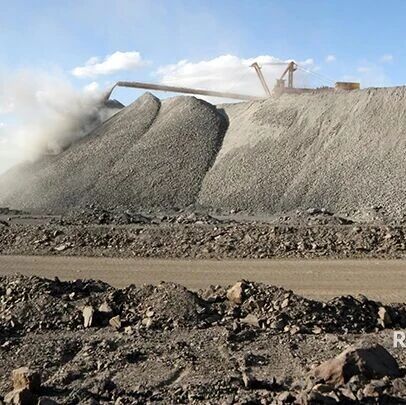
稀土开采与加工

Search documents
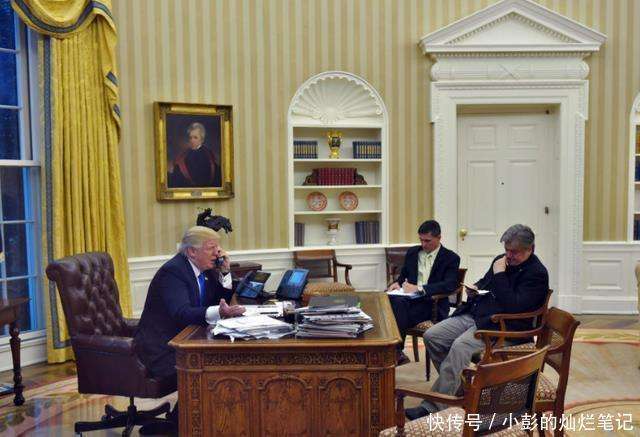
特朗普笑了,冤大头终于出现:一年后,稀土会多到用不完
Sou Hu Cai Jing· 2026-01-17 06:17
Core Viewpoint - The agreement between the United States and Australia aims to reduce dependence on certain countries for critical minerals, particularly rare earth elements, by establishing a complete supply chain in Australia with significant investment from the U.S. [1][3] Investment and Financial Aspects - Both countries will invest $1 billion each within six months to support mining development, focusing on rare earth extraction and processing, with the total project value expected to exceed $50 billion [3]. - The agreement is projected to create a pipeline worth $8.5 billion, enhancing cooperation between the two nations [1]. Industry Challenges - China currently controls over 80% of the global rare earth refining market, presenting a significant barrier for Australia and the U.S. to establish independent processing capabilities [3][5]. - Australia has historically sent 90% of its rare earth ores to China for processing, indicating a heavy reliance on Chinese technology and expertise [3]. - The establishment of processing facilities in Australia is expected to take at least three years and will incur costs approximately 30% higher than current operations [5]. Geopolitical Context - The alliance between Australia and the U.S. is strengthened under the AUKUS framework, where Australia provides resource support in exchange for U.S. assistance in building nuclear submarines [3][7]. - Australia's largest trading partner is China, raising concerns about potential diplomatic tensions due to its alignment with U.S. interests [3][7]. Future Outlook - The implementation of the agreement faces significant challenges, including strict environmental regulations, high waste disposal costs, and a shortage of skilled technical personnel [5][10]. - The timeline for the rare earth projects may see trial operations by 2026, but achieving self-sufficiency in the West remains a distant goal [10]. - The ongoing competition in the rare earth sector highlights the complexities of industrial systems, with China having spent decades developing a comprehensive supply chain that Western countries struggle to replicate [7][10].

稀土价格高涨趋于常态
日经中文网· 2025-12-05 08:00
Core Viewpoint - The ongoing geopolitical tensions between China, the U.S., and Japan are significantly impacting the rare earth market, with prices continuing to rise despite temporary measures to delay stricter export controls from China [2][6]. Group 1: Rare Earth Prices - Rare earth prices are experiencing a significant increase, with cesium reaching $910 per kilogram, over three times the pre-export control level, and terbium at $3,700 per kilogram, approximately four times higher, marking the highest levels since May 2015 [4]. - The market remains skeptical about the effectiveness of the U.S.-China agreements, with analysts predicting that high prices will persist due to ongoing supply concerns, particularly for markets outside the U.S. [6][9]. Group 2: Export Controls and Geopolitical Tensions - China has been limiting the export of rare earths since April, with new regulations requiring permits for products containing even small amounts of Chinese rare earths [6]. - Following the October U.S.-China summit, China postponed the implementation of stricter export controls for one year, while the U.S. delayed imposing additional tariffs [6][7]. - Concerns are rising regarding Japan's relationship with China, reminiscent of past export halts, prompting Japanese companies to consider sourcing rare earths outside of China [9]. Group 3: Gallium Market - Similar to rare earths, gallium prices are also on the rise, with prices reaching $1,325 per pound, approximately 2.3 times higher than at the beginning of the year, marking the highest level since 2002 [7]. - China's dominance in gallium production is notable, with 99% of the output expected to be from China by 2024, and existing export controls are likely to remain in place for regions outside the U.S. [6][7].
中方这张牌太好用了,普京心里直羡慕,下令12月前敲定稀土开发路线图
Sou Hu Cai Jing· 2025-11-08 07:38
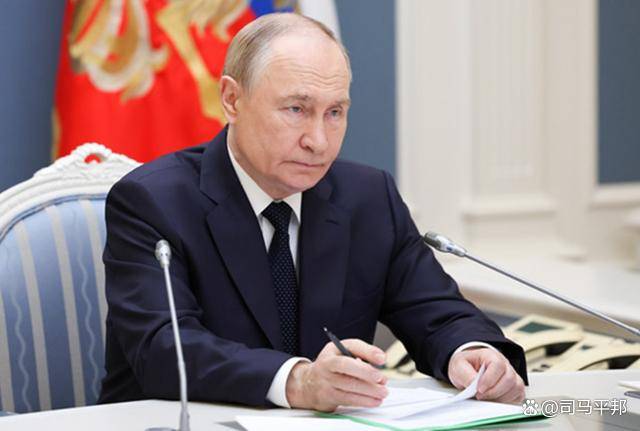
Core Insights - Russia is taking significant steps to develop its rare earth metals industry, prompted by the global dominance of China in this sector and the need to establish an independent supply chain [1][3][9] Group 1: Russia's Rare Earth Resources - Russia possesses approximately 658 million tons of rare metal reserves, including 28.5 million tons of rare earth elements, ranking fifth globally in rare earth reserves [3] - Despite its substantial reserves, Russia currently produces only 1% of the world's rare earths and lacks refining and processing capabilities [3][7] Group 2: Strategic Moves and International Relations - The Russian government has been tasked with approving a long-term development roadmap for rare earth mining and production by December 1 [1] - Russia aims to leverage its rare earth resources to engage with the United States, potentially using them as a bargaining chip to ease sanctions [5] - President Putin has expressed a desire for cooperation with the U.S. in the rare earth sector, highlighting that Russia's resources surpass those of Ukraine [5] Group 3: Future Development Plans - Russia intends to move beyond raw material exports to high-tech product manufacturing, similar to China's approach [7] - The country’s rare earth reserves are expected to meet domestic needs for decades while also ensuring a long-term supply for international markets [7] - Challenges remain, including technological gaps in high-value product production and limited financing options due to sanctions [7][9]
稀土资源用不完的美国,和澳大利亚强强联手,开采挑战严峻!
Sou Hu Cai Jing· 2025-11-05 08:11
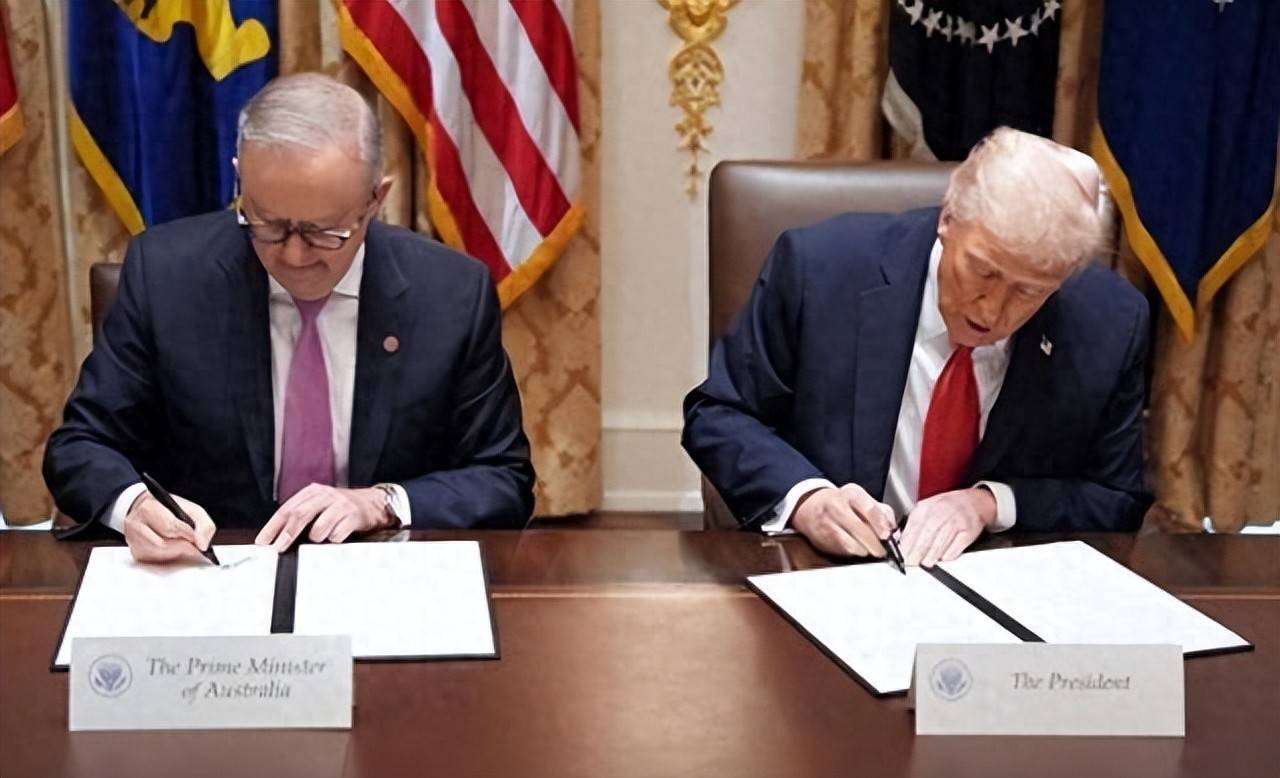
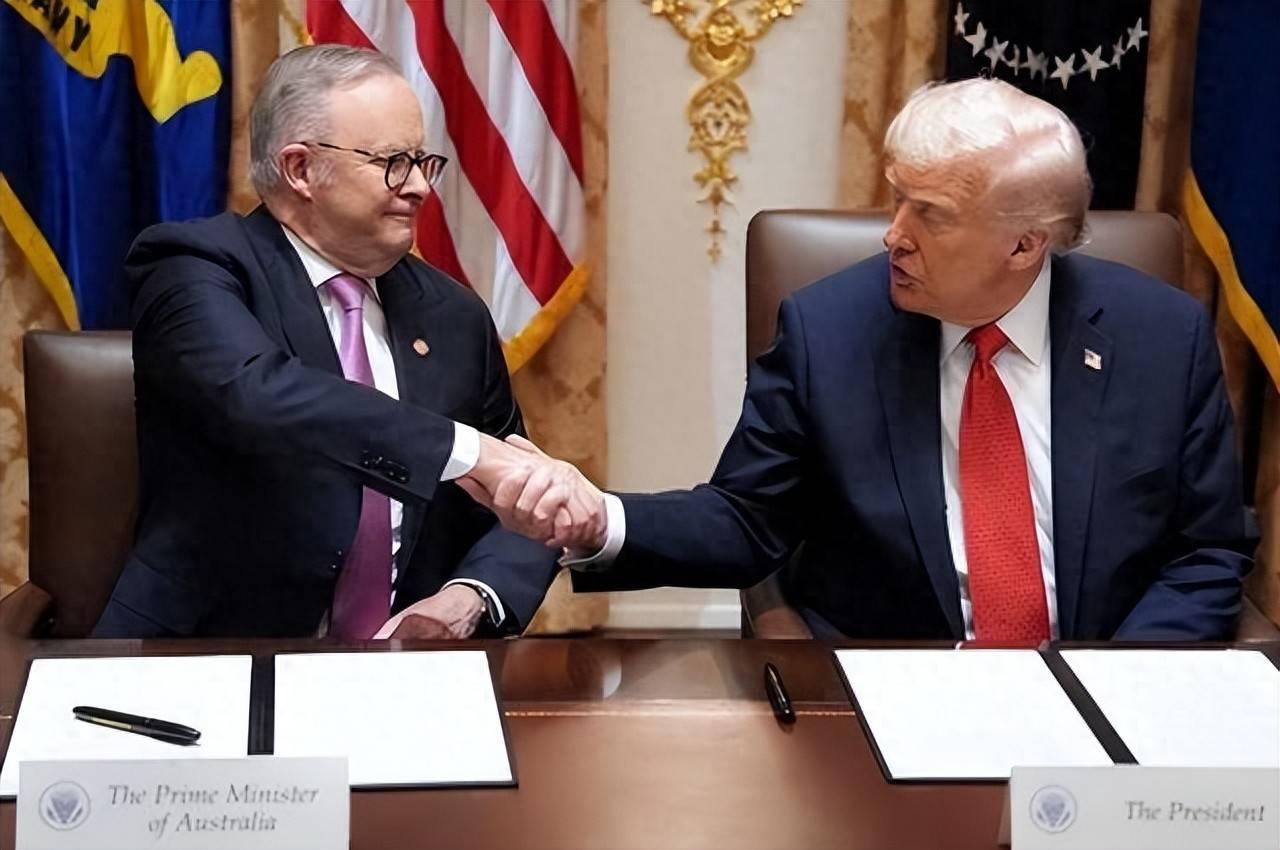
Core Points - The signing of the "U.S.-Australia Critical Minerals and Rare Earths Supply Security Framework Agreement" aims to enhance cooperation in critical minerals and rare earths between the two countries [1][3] - Both governments will invest $1 billion each over the next six months for exploration, development, and processing of critical minerals [1] - The agreement establishes a U.S.-Australia Critical Minerals Supply Security Response Group to identify priority minerals and analyze supply chain vulnerabilities [1][3] Group 1: Strategic Importance - The agreement is a significant step for the U.S. to achieve dominance in critical minerals and energy [3] - It elevates U.S.-Australia cooperation in critical resources to an unprecedented level, injecting new strategic meaning into bilateral relations [3][7] - The collaboration aims to reduce dependence on other countries, particularly China, for critical mineral supply chains, thereby enhancing supply security [7][10] Group 2: Resource and Technology Complementarity - Australia possesses abundant rare earth resources and mature mining technology, while the U.S. has significant advantages in industrial transformation and research capabilities [5] - This partnership is expected to create a complementary relationship between resources and technology, boosting competitiveness in the global critical minerals sector [5] Group 3: Global Context and Challenges - The cooperation reflects a broader global trend where countries are strengthening control over strategic resources to safeguard national interests [8] - Despite confidence in the partnership, challenges remain, particularly in Australia's relatively weak rare earth processing capabilities, with over 80% of global processing currently concentrated in China [10] - The U.S. will still need to invest in long-term development, as Australia cannot meet all U.S. demands [10] Group 4: Trade Relations and Policy Implications - Australia's disappointment with U.S. tariff policies may impact its interests, although it aims to maintain and develop relations with China simultaneously [12] - The agreement's implementation will face challenges related to technology, supply chains, and trade policies, necessitating ongoing adjustments and advancements by both countries [12]
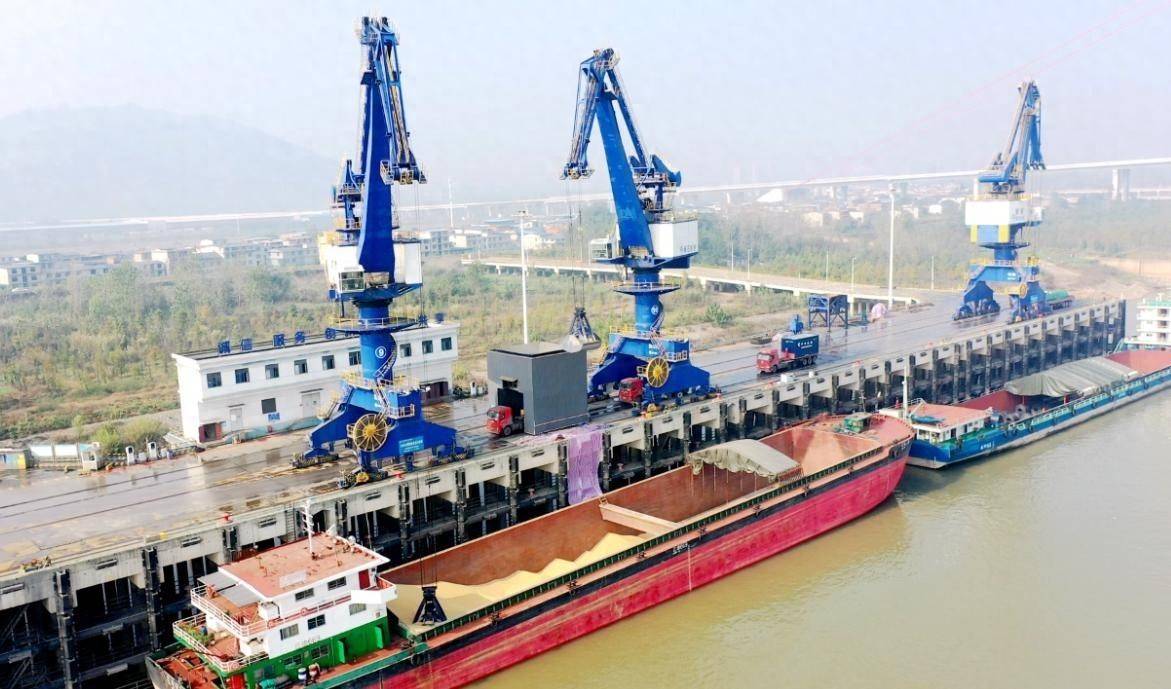
中方刚下单4船美豆,美财长就放话威胁加税:不许在稀土上“出尔反尔”
Sou Hu Cai Jing· 2025-11-03 11:42
Core Insights - The recent U.S.-China trade negotiations have highlighted a complex "trade game," with the U.S. government relieved by China's agreement to purchase 12 million tons of U.S. soybeans and to suspend rare earth export controls, indicating a slight thaw in relations [1][3] - However, underlying tensions remain, as U.S. Treasury Secretary Yellen's contradictory statements reveal a struggle between maintaining a tough stance and acknowledging rising economic costs [1][5] Group 1: U.S.-China Trade Dynamics - China has shown a willingness to cooperate by suspending new rare earth export controls and increasing agricultural purchases, indicating a desire for a win-win situation [3][10] - The U.S. response has been to overlook these gestures of goodwill, opting instead for threats and sanctions, which reflects deeper anxieties regarding rare earth supply chains [3][5] - The U.S. has not significantly improved its dependence on rare earths, despite claims of building a domestic industry within two years, revealing a gap in mining and processing technology [3][5] Group 2: Internal U.S. Conflicts - U.S. Secretary Yellen's dual role as a farmer and decision-maker complicates his position, as he must balance agricultural interests with national strategy, especially ahead of the 2026 midterm elections [5][7] - The U.S. government appears confused in its international strategy, attempting to form a "rare earth alliance" while simultaneously benefiting from globalization, which may lead to increased isolation [7][8] Group 3: Future Outlook - The U.S.-China relationship has evolved into a stalemate, with both sides unable to fully "decouple" due to economic interdependence, suggesting that unilateral actions may lead to mutual losses [8][10] - Long-term consensus on trade issues can only be achieved through honest and equal cooperation, as threats and sanctions provide only temporary economic benefits without addressing structural problems [10]
特朗普再拉盟友围堵,美日澳稀土结盟,中国产业链优势无可替代
Sou Hu Cai Jing· 2025-10-30 10:41
Group 1 - The core point of the article is the newly formed trilateral cooperation agreement between the US, Japan, and Australia aimed at reducing dependence on Chinese rare earth resources, but it faces significant operational challenges and potential pitfalls [4][12][24] - The agreement involves the US providing market access and some resource support, Japan contributing its rare earth refining technology, and Australia supplying the raw materials, with plans to build a rare earth refining plant in Australia [4][10] - The US rare earth industry is struggling due to a lack of domestic refining capacity, relying heavily on Chinese technology for processing, which poses risks for its military, semiconductor, and automotive sectors [7][10] Group 2 - Japan's refining technology is advanced, but it lacks domestic rare earth resources, making it dependent on imports and limiting its influence in the supply chain [9][24] - Australia has abundant rare earth minerals but lacks mature refining technology, complicating the partnership's ability to create a fully functional supply chain [10][24] - The cooperation faces significant hurdles, including the need for substantial investment and time to establish effective refining capacity, as well as reliance on Chinese patents for key processes [12][14] Group 3 - China's new regulation requires approval for any products containing Chinese rare earths or utilizing Chinese technology for export, directly impacting the trilateral alliance's plans [14][16] - The regulation highlights China's dominant position in the global rare earth market, where it controls a significant portion of refining technology and has a complete supply chain from extraction to application [16][24] - Japan's strategy of aligning closely with the US may backfire, as it risks losing its own strategic autonomy and could lead to negative consequences for its trade relationship with China [18][22][24] Group 4 - The article suggests that Japan's approach of relying on the US for rare earth supply stability is overly optimistic, given the historical volatility of US ally policies [21][24] - Japan's dependence on the US could lead to a precarious position, especially as it faces challenges in balancing its relationship with China, a key trade partner [22][24] - The future of the rare earth industry may see increased competition and diversification, but China's technological and production advantages are unlikely to be disrupted in the short term [28]
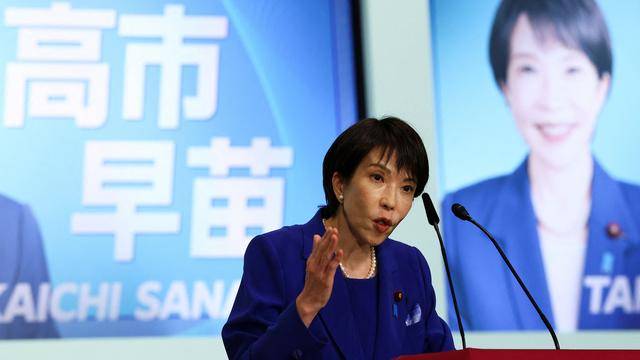
日本“双面豪赌”——稀土靠美国 能源靠俄罗斯
Jin Tou Wang· 2025-10-29 07:20
Core Points - The meeting between US President Trump and Japan's new Prime Minister Kishi Suga resulted in a project list focusing on energy, artificial intelligence, and critical minerals, with Japanese companies considering investments up to $400 billion [1] - Japan has committed to providing $550 billion in strategic investments, loans, and guarantees to the US to negotiate the removal of punitive import tariffs [1] - A significant agreement was signed to strengthen the supply of critical minerals and rare earths, with plans for funding support for selected projects within six months [1] Group 1: Strategic Investments and Agreements - The US and Japan aim to diversify and create a robust market for critical minerals and rare earths, reducing reliance on China [1] - Japan's commitment to increase defense spending to 2% of GDP is part of efforts to solidify ties with the US [1] - The collaboration is seen as an attempt to establish a supply chain that excludes China, enhancing supply chain resilience [1] Group 2: Challenges and Diplomatic Dynamics - China dominates the rare earth market, controlling nearly 90% of refining and separation capacity, posing challenges for US and Japan's supply chain independence [2] - Establishing an independent rare earth supply chain involves significant environmental and time costs, with slow domestic expansion in the US and limited success in Japan's overseas investments [2] - Japan's actions reflect a dual strategy, aligning with the US on strategic minerals while prioritizing its own energy needs, such as continuing imports from Russia for economic reasons [3]
日本“双面豪赌”——稀土靠美国,能源靠俄罗斯
Sou Hu Cai Jing· 2025-10-28 23:50
Group 1 - The core point of the articles highlights the strategic partnership between the United States and Japan, focusing on significant investments in energy, artificial intelligence, and critical minerals, with Japan considering investments up to $400 billion [1] - Japan has committed to providing $550 billion in strategic investments, loans, and guarantees to the U.S. in exchange for exemptions from punitive import tariffs [3] - A notable agreement was signed to strengthen the supply chain of critical minerals and rare earths, aiming to diversify and create a fair market, with funding support planned for selected projects within six months [3] Group 2 - The U.S. and Japan are attempting to reduce reliance on China for rare earths, as China dominates the global market, controlling nearly 90% of refining and separation capacity [4] - Establishing an independent rare earth supply chain poses significant environmental and time costs, with slow domestic expansion in the U.S. and Japan's past investment efforts yielding limited results [4] - Japan's diplomatic strategy appears dual-faced, aligning closely with the U.S. on strategic minerals while prioritizing its own economic interests by continuing to import Russian liquefied natural gas [6]
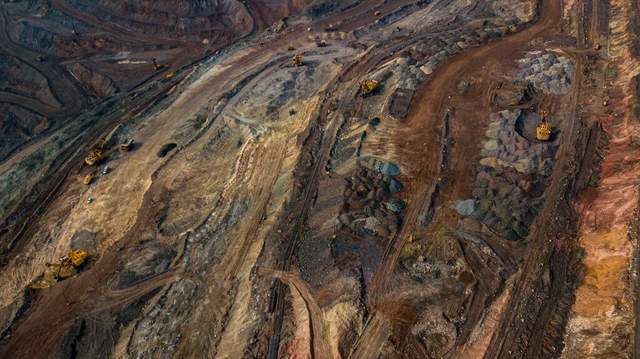
“战斧”只是幌子:用“新俄罗斯”换取稀土?绍伊古受命主管项目
Sou Hu Cai Jing· 2025-10-27 04:30
Core Viewpoint - Russia plans to establish a critical metals deep processing industrial cluster in the Angarsk-Yenisei economic region, with an investment exceeding 700 billion rubles, highlighting the importance of rare earth metals for national security and modern economic development [1][3]. Group 1: Investment and Economic Potential - The planned investment for the industrial cluster is over 700 billion rubles, aimed at enhancing Russia's economic strength and defense capabilities [1]. - Russia has significant rare earth metal reserves, estimated at 28.5 million tons, ranking second globally after China [3]. - Despite having the second-largest reserves, Russia's market share in global rare earth mining and processing is less than 2%, indicating substantial growth potential [3]. Group 2: Strategic Importance of Rare Earth Metals - Rare earth metals are essential for various high-tech industries, including electronics, aerospace, and defense, making them critical for modern society and national security [1]. - The unique properties of rare earth metals enable the production of vital components such as strong magnets, lasers, and semiconductors [1]. Group 3: Geopolitical Context - The U.S. has shown interest in expanding its domestic production of critical minerals and rare earth metals, with recent agreements to import from Australia, indicating a strategic move to reduce reliance on other countries [6]. - The geopolitical landscape surrounding rare earth resources is complex, with potential collaborations between Russia and the U.S. being discussed, particularly in light of the ongoing Ukraine conflict [7][9]. - There are indications that Russia's rare earth resources could be leveraged in negotiations regarding the Ukraine situation, although the value of territory is deemed more significant than resource exploitation [9].
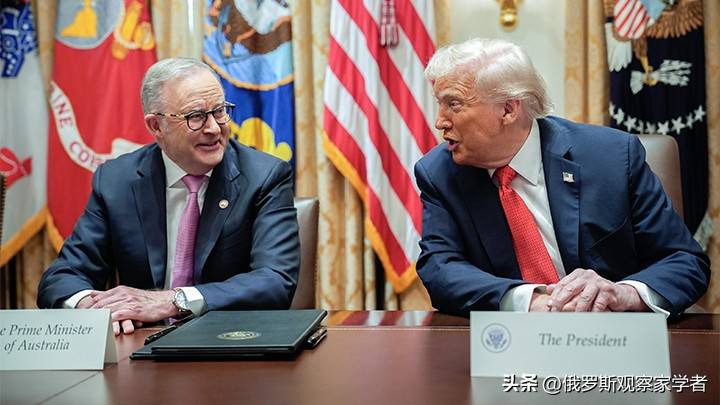
特朗普宣布大胜,中国伙伴出手,签85亿稀土大单,助美解决卡脖子
Sou Hu Cai Jing· 2025-10-26 09:03
Core Points - The US and Australia signed a significant mineral agreement valued at $8.5 billion, focusing on the mining and processing of rare earth and critical minerals [2][4] - The agreement aims to reduce US dependence on China for rare earth supplies, as China dominates the global supply chain [4][10] - Both governments committed to investing at least $1 billion each in mining and processing projects over the next six months [2][4] Group 1: Agreement Details - The US Export-Import Bank will provide over $2.2 billion in financing to various Australian mining companies [2] - The agreement includes joint projects, with the US investing in Australian processing facilities [4][6] - A minimum price for critical minerals will be established, addressing long-standing concerns of Western miners [6] Group 2: Strategic Context - The agreement is part of a broader US-Australia alliance, including the AUKUS nuclear submarine pact [8] - The deal was expedited due to China's recent export control measures on rare earths [4][8] - The agreement aims to enhance supply chain security and reduce reliance on Chinese processing capabilities [4][12] Group 3: Industry Implications - The US faces challenges in achieving short-term results due to existing technological and processing barriers [12] - Australia currently relies heavily on China for the processing of its rare earth minerals, with over 90% of its rare earth concentrates sent to China [6][12] - The agreement seeks to develop local processing capabilities in Australia to mitigate external dependencies [12]