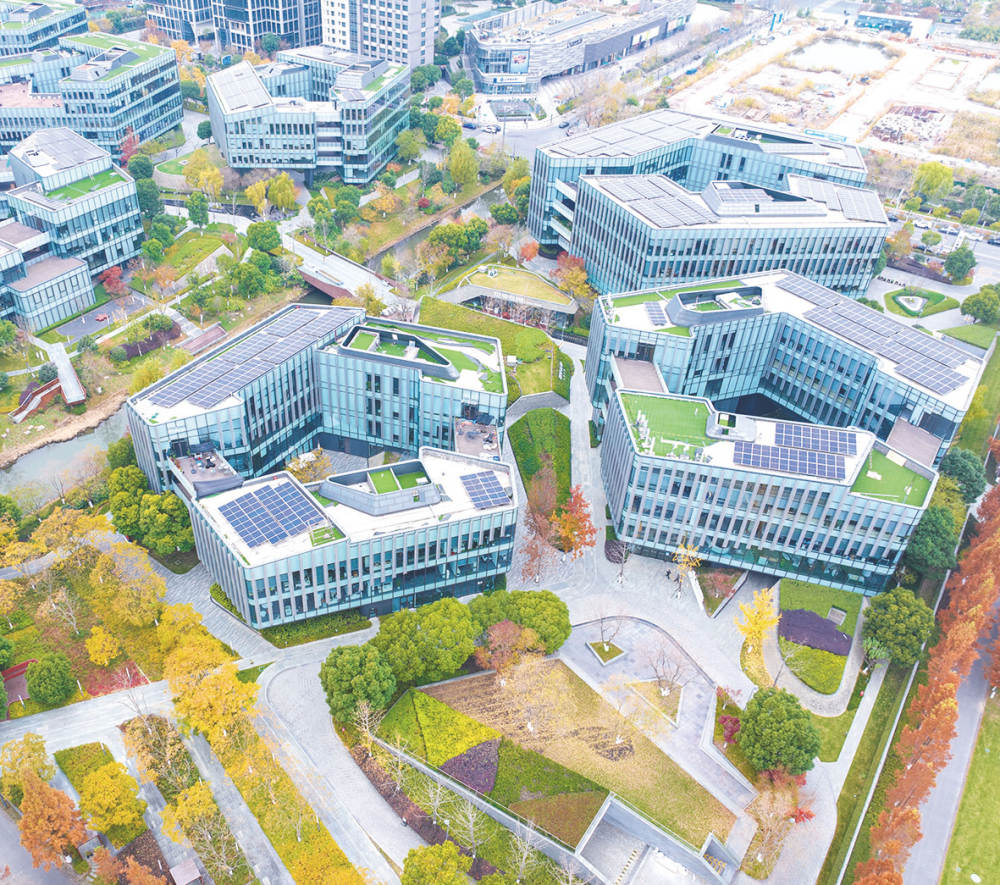
算力中心

Search documents
瑞风新能源(00527) - 自愿公告 - 最新业务发展 -宣化人工智能算力中心项目
2026-02-09 11:27
香港交易及結算所有限公司及香港聯合交易所有限公司對本公告的內容概不負責,對其準確 性或完整性亦不發表任何聲明,並明確表示概不就因本公告全部或任何部份內容而產生或因 倚賴該等內容而引致的任何損失承擔任何責任。 CHINA RUIFENG RENEWABLE ENERGY HOLDINGS LIMITED 中國瑞風新能源控股有限公司 (於開曼群島註冊成立的有限公司) (股份代號:00527) 自願公告 最新業務發展 — 宣化人工智能算力中心項目 本公告乃由中國瑞風新能源控股有限公司(「本公司」,連同其附屬公司統稱「本 集團」)自願刊發,以向股東及潛在投資者提供有關本集團宣化人工智能算力 中心項目的最新發展。 人工智能算力中心 本公司董事會(「董事會」)欣然宣佈,於二零二六年二月九日(交易時段後),本 公司與中華人民共和國河北省張家口市宣化經濟開發區管理委員會(「宣化經 開管委會」)正式簽署投資框架協議(「投資框架協議」),將總投資約人民幣240 億元,在宣化區啟動建設華北地區規模最大的推理算力集群園區 — 宣化人工 智能算力中心項目(「本項目」),全力打造全國一體化算力網路張家口國家樞 紐節點核心園區。 根據投資 ...
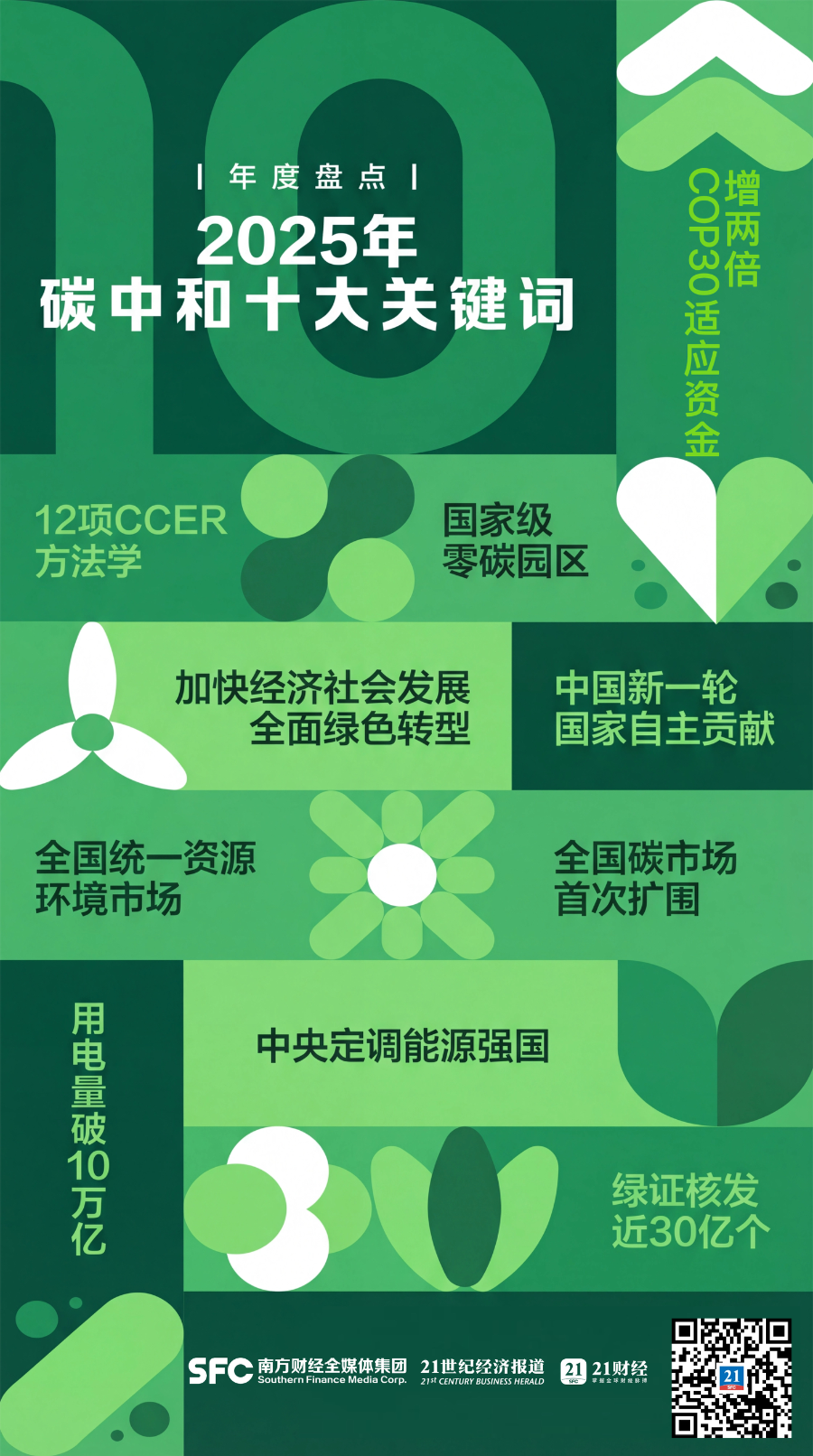
能源强国、新NDC……速览2025年碳中和十大关键词
2 1 Shi Ji Jing Ji Bao Dao· 2026-01-28 09:49
Group 1 - The core viewpoint of the articles emphasizes China's commitment to accelerating a comprehensive green transformation in its economy and society, with a focus on achieving carbon neutrality by 2035 [1][4][5] - The 20th Central Committee of the Communist Party of China has set "accelerating comprehensive green transformation" as a core task for the 14th Five-Year Plan, highlighting the importance of ecological security and green development [4][5] - Key mechanisms for carbon neutrality have made significant progress, including the expansion of the national carbon market to cover steel, cement, and aluminum industries, and the establishment of national zero-carbon parks [1][6][11][13] Group 2 - China's new round of Nationally Determined Contributions (NDC) aims for a 7%-10% reduction in greenhouse gas emissions by 2035, with non-fossil energy consumption reaching over 30% of total energy consumption [6][10] - The national unified resource and environmental market is being developed to enhance market efficiency and promote the marketization of resource and environmental factors [7][8] - The total electricity consumption in China surpassed 10 trillion kilowatt-hours in 2025, marking a significant milestone and reflecting the resilience and vitality of the economy [9][10] Group 3 - The energy power strategy emphasizes energy security, green transformation, and technological self-reliance, with a focus on seven key tasks for energy work in 2026 [10][11] - The first batch of national zero-carbon parks has been established, with 52 parks across various regions, focusing on low-energy, low-pollution, and high-value-added industries [11][12] - The national carbon market has expanded to include three major high-energy-consuming industries, significantly increasing the coverage of carbon emissions [13][15] Group 4 - The issuance of green certificates reached nearly 3 billion in 2025, with international recognition from the RE100 initiative, enhancing the credibility and market demand for Chinese green certificates [16][17] - Twelve new CCER methodologies were implemented in 2025, focusing on key areas for voluntary emission reductions, which is expected to activate the voluntary carbon market [18][19] - The COP30 conference resulted in a commitment from wealthy nations to double funding for climate change adaptation by 2035, although the omission of fossil fuel references in the final text raised concerns [20][21]

全社会用电量首破10万亿千瓦时说明什么?
Bei Jing Qing Nian Bao· 2026-01-19 05:57
Group 1 - In 2025, China's total electricity consumption is projected to exceed 10 trillion kilowatt-hours for the first time, reaching 10.4 trillion kilowatt-hours, marking a 5% year-on-year increase, which is unprecedented for a single country globally [1][2] - The growth in electricity consumption reflects the active state of economic activities, with significant contributions from high-tech industries, digital economy, and green energy sectors, indicating a profound transformation in the structure of electricity consumption [2][3] - The electricity consumption in the manufacturing sector continues to rise, demonstrating the resilience and expansion of China's manufacturing capabilities, while the electricity demand from computing centers is expected to outpace overall electricity consumption growth [3] Group 2 - By the end of October 2025, China's renewable energy capacity is expected to reach 2.22 billion kilowatts, accounting for 59.2% of the total power generation capacity, with hydropower, wind, and solar power leading globally [4] - The increasing electricity consumption is supported by the rapid growth of high-tech and equipment manufacturing, as well as the deepening of green development concepts, showcasing China's commitment to economic transformation and sustainable growth [4]
普洛斯中国新CEO上任!向市场释放三大信号
21世纪经济报道· 2026-01-16 08:24
Core Viewpoint - GLP has appointed Zhao Mingqi as the CEO of GLP China, a newly established position, to lead logistics, industrial infrastructure, computing centers, new energy, and fund management in the Chinese market, reporting to global CEO Mei Zhimin [1][4] Group 1: Business Strategy and Leadership - The internal promotion of a senior executive reflects GLP's commitment to local talent development and succession planning, emphasizing the importance of business synergy in China's new economy [4][12] - Zhao Mingqi has played a crucial role in driving the rapid growth of GLP's China business since its entry into the market in 2003, including the incubation of new business models in the technology park sector [4][5] Group 2: Infrastructure and Market Position - GLP operates in over 70 cities with a logistics and industrial infrastructure covering 40 million square meters, serving over 2,500 clients, primarily focused on domestic consumption, manufacturing, and import-export trade [6][13] - The company has established 20 data centers across China, providing an IT load of 1.4 GW, and is among the top five service providers in the domestic computing center market [6][10] Group 3: New Infrastructure Initiatives - GLP's new infrastructure assets, including logistics parks and computing centers, are essential for supporting the digital economy, smart manufacturing, and green energy sectors, enhancing efficiency and innovation [7][10] - Recent projects, such as the Shanghai New Northwest Logistics Park, have achieved significant milestones, including a "zero carbon" certification, showcasing GLP's commitment to high standards in new infrastructure [10][9] Group 4: Focus on Domestic Market - GLP's strategy emphasizes deepening its presence in the Chinese market, with nearly 90% of its operational space serving domestic demand, and a client base consisting of 80% local enterprises [12][13] - The company has continuously adapted its warehousing standards to meet the evolving market environment and has actively participated in setting national and industry standards [12][13]
普洛斯中国新CEO上任!向市场释放三大信号
2 1 Shi Ji Jing Ji Bao Dao· 2026-01-16 07:29
Core Viewpoint - GLP has appointed Zhao Mingqi as the CEO of GLP China, a newly established position, to lead logistics, industrial infrastructure, computing centers, new energy, and fund management in the Chinese market, reporting to global CEO Mei Zhimin [1][3]. Group 1: Leadership and Strategic Direction - Zhao Mingqi has been with GLP since its inception in China in 2003 and has played a crucial role in driving the rapid growth of the business and building a strong industrial ecosystem [3][4]. - The appointment of an internal candidate reflects GLP's commitment to local talent development and succession planning, emphasizing the importance of business synergy in the new economy [3][4]. Group 2: Business Development and Infrastructure - Since 2003, Zhao has led the development of innovative industrial parks, catering to the emerging needs of R&D and high-tech enterprises, injecting new growth momentum into GLP's operations in China [4]. - GLP operates logistics and industrial infrastructure across 70 cities, with a total operational area of 40 million square meters, serving over 2,500 clients [4][10]. - The company has established 20 data centers nationwide, providing an IT load of 1.4 GW, ranking among the top five service providers in the domestic computing center market [4][5]. Group 3: New Infrastructure and Sustainability - GLP's core businesses, including logistics parks, computing centers, and new energy facilities, are crucial for supporting the upgrade of China's manufacturing sector and promoting green transformation [5][6]. - The company is committed to high-standard new infrastructure, as evidenced by the recent launch of the Shanghai New Northwest Logistics Park, which has received a "zero-carbon" certification [7][9]. - GLP is exploring the synergy between new energy and computing centers, aiming to transform traditional power consumption models into core collaborators in new energy systems [9][10]. Group 4: Market Position and Future Outlook - GLP's strategic moves indicate a strong belief in the potential of the Chinese market, with nearly 90% of its operational space serving domestic demand [10]. - The company has received backing from top investors like the Abu Dhabi Investment Authority (ADIA), opening new possibilities for capital market actions and further integration of its logistics, data center, and new energy advantages [11].
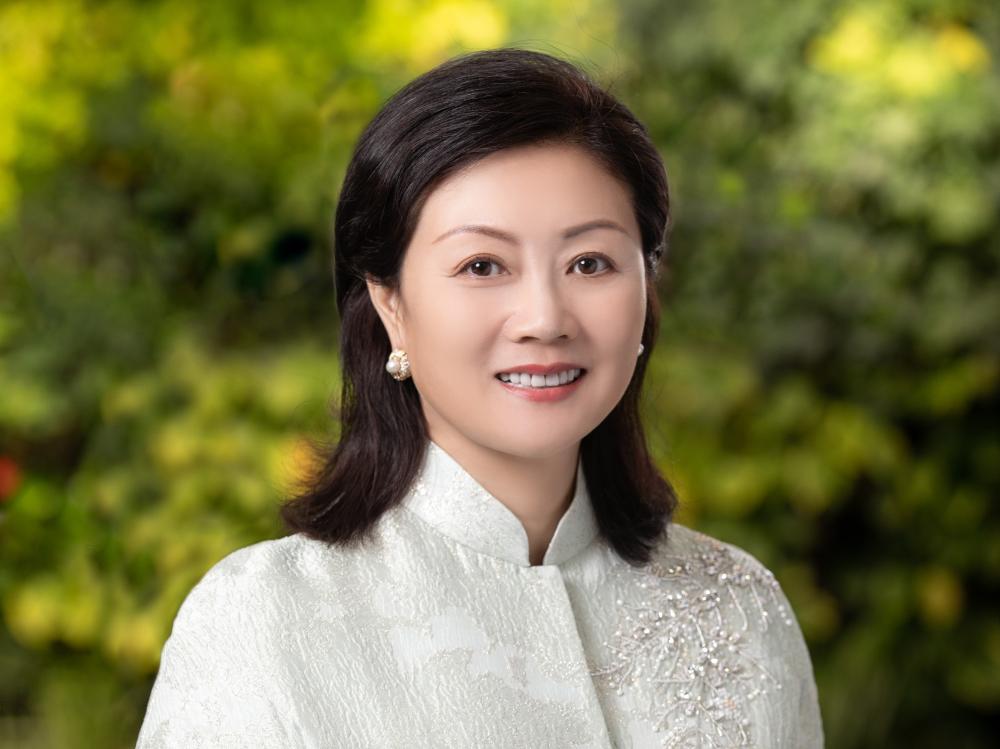
普洛斯中国任命新CEO,“新基建+新经济”协同发展再提速
财富FORTUNE· 2026-01-15 13:07
Core Viewpoint - GLP Pte Ltd has appointed Zhao Mingqi as the CEO of GLP China, emphasizing the company's commitment to local talent development and its confidence in the long-term potential of the Chinese market [1][3]. Group 1: Leadership and Strategic Direction - Zhao Mingqi has been with GLP since its inception in China in 2003 and has played a crucial role in driving the rapid growth of the company's operations in the region [5]. - Under her leadership, GLP China has expanded its business into large-scale data centers and the renewable energy sector, while maintaining a strong reputation in private and public real estate funds and private equity investments [3][5]. - The appointment reflects GLP's strategic focus on enhancing the synergy of its new economy businesses in China [3]. Group 2: Business Expansion and Infrastructure - GLP's services have evolved from traditional logistics warehousing to encompass supply chain, data centers, and renewable energy, with a national footprint of 20 data centers providing 1.4 GW of IT load [6]. - The company has delivered over 400 MW of capacity and ranks among the top five data center service providers in China [6]. - GLP's renewable energy initiatives include investments in distributed and centralized solar power, wind energy, and energy storage, with an installed capacity exceeding 1 GW [6]. Group 3: Market Position and Future Outlook - The new economy infrastructure sector is experiencing unprecedented opportunities, aligning with national strategies for digital economy and green energy transitions [9]. - GLP's comprehensive capabilities across strategic planning, investment development, and operational management position it as a key player in the new infrastructure landscape [9]. - The company has attracted significant investment, including a $1.5 billion investment from the Abu Dhabi Investment Authority, highlighting confidence in GLP's role in China's new economy [9]. Group 4: Investment Products and Performance - GLP's real estate funds, such as the CICC GLP REIT, have been recognized for their robust performance, with 14 distributions totaling nearly 1.4 billion yuan since its launch [10]. - The REIT is noted for its market-oriented operations and reflects GLP's expertise in asset management and operational efficiency [10]. - Zhao Mingqi expressed optimism about leveraging GLP's unique business platform to capture new opportunities and drive sustainable growth [10].
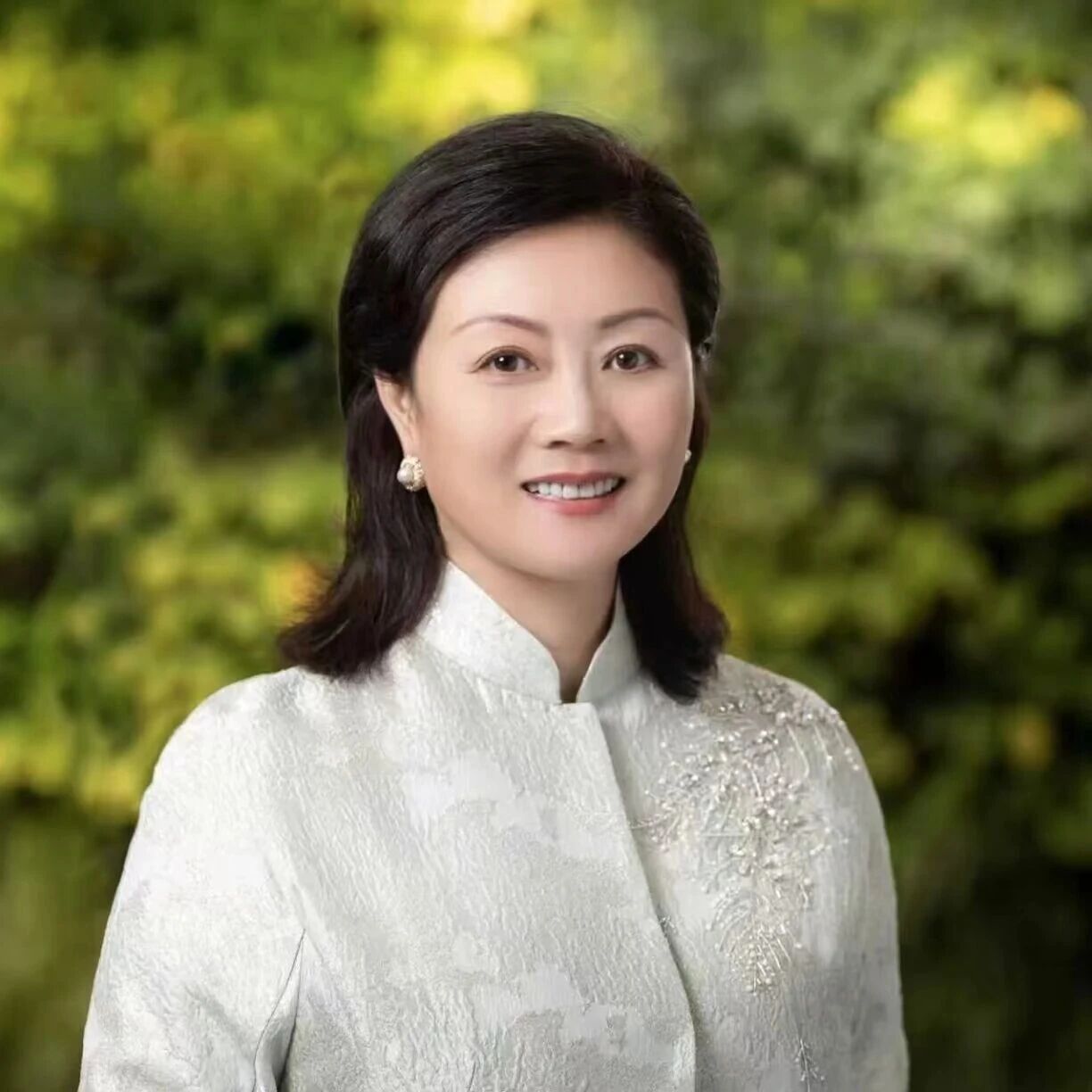
赵明琪获任普洛斯中国CEO,聚焦新经济业务协同增效
Di Yi Cai Jing Zi Xun· 2026-01-14 07:59
Core Viewpoint - GLP Pte Ltd, a leading new economy infrastructure asset management and productive service company, has appointed Zhao Mingqi as the CEO of GLP China, marking a strategic move to enhance collaboration in its logistics, industrial infrastructure, computing centers, and renewable energy sectors [1][3]. Group 1: Leadership Appointment - Zhao Mingqi, a founding member of GLP, has been appointed as the CEO of GLP China, overseeing various business segments and reporting to the global CEO, Mei Zhimin [1][3]. - This appointment reflects GLP's commitment to local talent development and succession planning, emphasizing the importance of strengthening its new economy business in China [3]. Group 2: Business Expansion and Strategy - GLP China has expanded its operations from logistics supply chains to large-scale computing centers and renewable energy, establishing a highly integrated ecosystem [4]. - The company has built a strong reputation in private and public real estate funds and private equity investments, showcasing its collaborative business model [4]. Group 3: Operational Excellence - Zhao Mingqi has led a team of over 500 professionals, managing logistics and industrial infrastructure assets across 70 cities, with an operational area of 40 million square meters, serving over 2,500 clients [5]. - The company’s infrastructure solutions have significantly improved logistics supply chain efficiency, contributing to high occupancy rates and operational performance [5]. Group 4: Market Insights and Adaptation - GLP has continuously adapted its warehousing standards to meet the evolving needs of the Chinese market, participating in the development of national and industry standards [6][7]. - The company has transitioned its service focus from multinational corporations to local leading enterprises, with nearly 90% of its operations now supporting domestic demand [7]. Group 5: New Economy Infrastructure - GLP's services have expanded to include supply chain, computing, and renewable energy infrastructure, with 20 data centers providing 1.4 GW of IT load and over 1 GW of renewable energy capacity under management [7][9]. - The company plays a crucial role in supporting China's manufacturing upgrades, consumption boosts, and green transitions, aligning with national strategies for economic development [8][9]. Group 6: Investment and Future Outlook - GLP's real estate funds, such as the CICC GLP REIT, have been recognized for their robust performance, with significant dividends paid since its launch [10]. - Zhao Mingqi expressed confidence in leveraging GLP's unique business platform and insights to capture new opportunities for sustainable growth [10].

赵明琪获任普洛斯中国CEO,聚焦新经济业务协同增效
第一财经· 2026-01-14 07:53
Core Viewpoint - The appointment of Zhao Mingqi as CEO of GLP China signifies the company's commitment to local talent development and strategic focus on enhancing synergies in China's new economy business [3][5][8]. Group 1: Leadership and Strategy - Zhao Mingqi, a founding member of GLP, has played a crucial role in driving the rapid growth of the company's operations in China and has a strong sense of responsibility and mission towards the company's goals [3][5]. - The "Glocal" culture emphasizes the importance of local talent and empowerment, which is seen as a key factor for GLP's rapid development and competitive advantage in the Chinese market [5]. - Under Zhao's leadership, GLP has expanded its operations to include large-scale data centers and the renewable energy sector, while maintaining a strong reputation in private and public real estate funds and private equity investments [3][5][9]. Group 2: Market Position and Growth - GLP has established a comprehensive ecosystem by integrating logistics, industrial infrastructure, computing power, and renewable energy, which supports the rapid development of China's domestic industries and modern service sectors [8][9]. - The company operates over 40 million square meters of logistics and industrial infrastructure across 70 cities, serving more than 2,500 clients, with a focus on meeting domestic consumption needs [5][9]. - GLP's services have evolved from traditional logistics to encompass supply chain, computing power, and renewable energy, positioning the company as a key player in the new economy infrastructure sector [9][10]. Group 3: Investment and Financial Performance - GLP's real estate funds, such as the CICC GLP REIT, have been recognized for their robust performance, with 14 distributions totaling nearly 1.4 billion yuan since its launch, showcasing the company's expertise in asset management and operational efficiency [11]. - The company has attracted significant investment, including a $1.5 billion investment from the Abu Dhabi Investment Authority, highlighting confidence in GLP's prospects in China's new economy [10].
赵明琪获任普洛斯中国首席执行官
Zheng Quan Shi Bao Wang· 2026-01-14 04:33
Core Viewpoint - ProLogis has appointed Zhao Mingqi, the head of logistics warehousing and manufacturing R&D infrastructure, as the CEO for the China region, aiming to lead a collaborative industrial ecosystem that includes logistics and industrial infrastructure, computing centers, new energy, and fund management [1]. Group 1 - ProLogis is focusing on enhancing its logistics and industrial infrastructure in China [1]. - The appointment of Zhao Mingqi is part of a strategic move to strengthen leadership in the region [1]. - The company aims to integrate various business sectors, including computing centers and new energy initiatives [1].
从入选到建成有多远?刘翠玲:国家级零碳园区技术、资金仍待解
2 1 Shi Ji Jing Ji Bao Dao· 2025-12-29 10:22
Core Insights - The first batch of national-level zero-carbon parks has been announced, including 52 parks across all 31 provinces, autonomous regions, and municipalities, with construction periods set between 2025 and 2030 [1][2] - The parks focus on low-energy, low-pollution, and high-value-added industries, primarily in new energy equipment manufacturing, advanced equipment manufacturing, and green computing [1][2] Industry Characteristics - The selected parks emphasize a "green production" approach, aligning industrial development with clean energy consumption capabilities, creating a virtuous cycle of "green drives production, production promotes green" [2] - Energy utilization models will rely on local renewable resources, with a target of at least 50% of the parks' electricity coming from green power [2] Technological and Financial Challenges - The construction of zero-carbon parks faces challenges in technology integration, funding balance, policy coordination, and stable operation [8][10] - A significant upfront investment is required, with costs varying widely based on park type, location, and industry focus, potentially ranging from tens of billions to hundreds of billions [12] Positive Effects on Industry - Zero-carbon parks can lead to cost reductions of 20-30% in electricity costs, enhancing profitability and market competitiveness [5] - Support from national and local governments through funding, special bonds, and credit will alleviate financial pressures on companies transitioning to green operations [5] - The initiative encourages innovation in green technologies, improving core technological competitiveness and creating green technology barriers [5][6] Key Performance Indicators - The parks will operate under a "1 core indicator + 5 guiding indicators" framework, focusing on reducing carbon emissions per unit of energy consumption to one-tenth of the current average [7] - The guiding indicators will support the core goal by addressing energy supply, industrial consumption, and resource recycling [7]