
航空运输服务保障

Search documents
声音 | 剧锦文:国资新重组体现国家战略引领
Xin Lang Cai Jing· 2026-01-13 11:27
Core Viewpoint - The recent restructuring of state-owned enterprises (SOEs) in China, specifically the merger of China Petroleum & Chemical Corporation (Sinopec) and China Aviation Oil Group, reflects a continuation of strategic reorganizations aimed at optimizing the state-owned economy in alignment with national strategies [3][13]. Group 1: Ensuring Economic Security - The restructuring aims to safeguard the operation of the national economy amidst increasing external complexities and uncertainties, emphasizing the importance of economic security [4][14]. - The merger of Sinopec and China Aviation Oil is particularly focused on enhancing energy security, as Sinopec is the world's largest refining company and a major aviation fuel producer, while China Aviation Oil is the largest aviation fuel service provider in Asia [4][14]. Group 2: Improving Asset Allocation Efficiency - The restructuring seeks to enhance the efficiency of state asset allocation, addressing the need for improved operational efficiency within SOEs, which have historically prioritized stability [5][15]. - The total assets of central enterprises under the State-owned Assets Supervision and Administration Commission (SASAC) are projected to reach 90 trillion yuan by 2025, highlighting the necessity for better asset allocation [5][15]. Group 3: Cultivating World-Class Enterprises - The goal of fostering globally competitive world-class enterprises has been reiterated in multiple national congresses, with a focus on characteristics such as product excellence, brand strength, innovation leadership, and modern governance [6][16]. - The merger of Sinopec and China Aviation Oil is expected to set a benchmark in the petrochemical sector, enhancing resource allocation, technological leadership, and industry influence [6][16]. Group 4: Responding to Technological and Industrial Revolutions - The restructuring is also a response to the new technological and industrial revolution, emphasizing the need for SOEs to integrate and invest in strategic emerging industries [7][17]. - The focus on high-tech sectors such as renewable energy, artificial intelligence, quantum technology, and 6G is crucial for advancing the capabilities of SOEs, leveraging their strengths in data and power supply [7][17].



剧锦文:国资新重组体现国家战略引领
Huan Qiu Wang· 2026-01-12 22:54
Core Viewpoint - The restructuring of China Petroleum & Chemical Corporation (Sinopec) and China Aviation Oil Group is a continuation of strategic restructuring in state-owned enterprises (SOEs) aimed at optimizing the layout and structure of state-owned economy, driven by national strategy [1] Group 1: Economic Security - The restructuring aims to ensure the safe operation of the national economy, especially in the context of increasing external complexities and uncertainties [2] - The merger will enhance the security of China's oil energy supply chain, as Sinopec is the world's largest refining company and the largest aviation fuel producer in China, while China Aviation Oil is the largest aviation fuel service provider in Asia [2] Group 2: Asset Allocation Efficiency - The restructuring focuses on improving the efficiency of state-owned asset allocation, addressing the need for better operational efficiency in SOEs, which have historically been seen as stabilizers of the economy [3] - The total assets of central enterprises under the State-owned Assets Supervision and Administration Commission (SASAC) are projected to reach 90 trillion yuan by 2025, highlighting the necessity for enhanced asset allocation efficiency [3] Group 3: World-Class Enterprises - The goal of cultivating world-class enterprises has been emphasized in national strategies, with specific characteristics such as product excellence, brand prominence, innovation leadership, and modern governance [4] - The merger of Sinopec and China Aviation Oil is expected to create a benchmark for world-class enterprises in the petrochemical sector, enhancing resource allocation, technological leadership, and industry influence [4] Group 4: Technological and Industrial Revolution - The restructuring is also a response to the new technological and industrial revolution, focusing on integrating into strategic emerging industries and increasing investment in high-tech sectors [5] - State-owned enterprises are encouraged to leverage their advantages in data and electricity supply to support the rapid development of industries like artificial intelligence and quantum technology [5]
两大央企重组!能源领域格局再变→
Sou Hu Cai Jing· 2026-01-10 02:35
Group 1 - China Petroleum & Chemical Corporation (Sinopec) is the largest supplier of refined oil and petrochemical products in China, the world's largest refining company, and the second-largest chemical company, with the second-highest number of gas stations globally [2] - China Aviation Oil Holding Company (China Aviation Oil) is the largest integrated aviation fuel procurement, transportation, storage, testing, sales, and refueling service provider in Asia [2] Group 2 - The restructuring of Sinopec and China Aviation Oil is expected to create green collaborative value in the context of China's "dual carbon" goals, particularly in the civil aviation sector, which is a key area for carbon emission reduction [3] - Sustainable aviation fuel (SAF) is identified as a critical pathway for reducing emissions in the aviation industry, with Sinopec focusing on the development of new energy technologies and sustainable aviation fuel as a key area of interest [3] - Analysts believe that the collaboration between Sinopec and China Aviation Oil in green energy transition will not only reshape the competitive landscape of the traditional energy market but also have a profound impact on the green transformation of China's aviation industry [3]
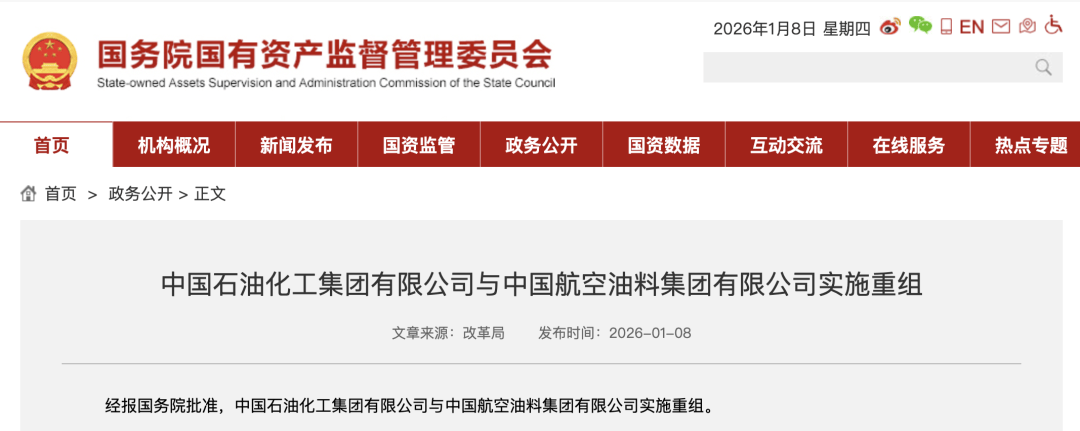
中国石化、中国航油官宣重组 机构:将重塑传统能源市场的竞争格局
2 1 Shi Ji Jing Ji Bao Dao· 2026-01-09 04:19
Core Viewpoint - The restructuring between China Petroleum & Chemical Corporation (Sinopec) and China Aviation Oil Group is approved by the State Council, aiming to enhance market competitiveness and achieve strategic synergies [1][4]. Group 1: Restructuring Details - The restructuring requires further procedures and approvals but is not expected to significantly impact the normal operations of the companies involved [4]. - China Aviation Oil Group is the largest aviation fuel service provider in Asia, serving 258 transport airports and 454 general airports, and has been listed in the Fortune Global 500 for 13 times since 2011 [4]. Group 2: Strategic Benefits - The merger is anticipated to create significant strategic complementarity and synergy, enhancing the overall market competitiveness of both companies [5]. - Sinopec can leverage China Aviation Oil Group's distribution network to expand its market share in aviation fuel and integrate production and sales [5]. - China Aviation Oil Group will gain more stable upstream resource supply, improving its bargaining power in the international aviation fuel market [5]. Group 3: Green Transition - The restructuring aligns with China's "dual carbon" goals, as the civil aviation sector is a key area for achieving these targets, with approximately 99% of carbon emissions from aviation coming from fuel consumption [5]. - Sinopec is focusing on the development of sustainable aviation fuel (SAF) as a critical path for emissions reduction, having made significant advancements in this area since 2014 [5][6]. - The collaboration is expected to reshape the competitive landscape of the traditional energy market and have a profound impact on the green transition of China's aviation industry [6].
中国石化与中国航油实施重组带来哪些利好?航空业向“新”向“绿”向优发展
Yang Shi Wang· 2026-01-09 01:55
Core Viewpoint - The restructuring of China Petroleum & Chemical Corporation (Sinopec) and China Aviation Oil Group aims to enhance the integration of the aviation fuel industry chain, reduce supply costs, and accelerate the green and low-carbon transformation of aviation energy supply, thereby improving international competitiveness [1][4][8]. Group 1: Industry Growth and Demand - During the 14th Five-Year Plan period, China's aviation fuel demand is expected to grow at an annual rate of approximately 4%, reaching around 50 million tons by 2030 and about 75 million tons by 2040 [3]. Group 2: Innovation and Integration - The merger is expected to facilitate the construction of an innovative system for aviation fuel technology, accelerating the integration of the innovation and industry chains [4][6]. - The restructuring will leverage Sinopec's research and development capabilities in oil products and China Aviation Oil's market supply advantages, promoting the integration of the aviation fuel industry's innovation and supply chains [6]. Group 3: Sustainable Development - The merger will support the high-quality development of sustainable aviation fuel industries and assist the aviation sector in its green and low-carbon transition [8][10]. - Sustainable aviation fuel technology is recognized as a primary route for reducing carbon emissions in the aviation sector, which is one of the most challenging areas for emissions reduction in transportation [8]. - Sinopec is the first company in Asia to have independent research and production capabilities for bio-jet fuel, which will accelerate the research, use, and continuous iteration of sustainable aviation fuel technologies post-restructuring [10][12].

中国石化与中国航油实施重组 助力航空业绿色低碳转型
Huan Qiu Wang· 2026-01-09 01:24
Core Viewpoint - The restructuring of China Petroleum & Chemical Corporation (Sinopec) and China National Aviation Fuel Group Corporation (CNAF) aims to enhance the integration of the aviation fuel industry chain, reduce supply costs, and promote a green and low-carbon transition in aviation energy supply [1][3]. Group 1: Industry Integration and Innovation - The merger will leverage Sinopec's oil product research and development capabilities alongside CNAF's market supply advantages, facilitating the integration of innovation within the aviation fuel industry chain [3]. - Currently, there is a disconnect between the research, production, sales, and application sectors in China's aviation fuel industry, which the restructuring aims to address [1]. Group 2: Green and Low-Carbon Transition - The restructuring is expected to support the high-quality development of sustainable aviation fuel, contributing to the aviation industry's green and low-carbon transition [3][5]. - Sustainable aviation fuel technology is recognized as a key pathway for reducing carbon emissions in the aviation sector, which faces significant challenges in emission reductions [3]. Group 3: Sustainable Aviation Fuel Development - Sinopec is the first company in Asia to develop and commercialize bio-jet fuel production technology, and the restructuring will accelerate the research, usage, and iteration of sustainable aviation fuel technologies [5]. - The global sustainable aviation fuel consumption is projected to reach 6 million tons by 2025 and 18 million tons by 2030, highlighting the growing demand for such fuels [7].
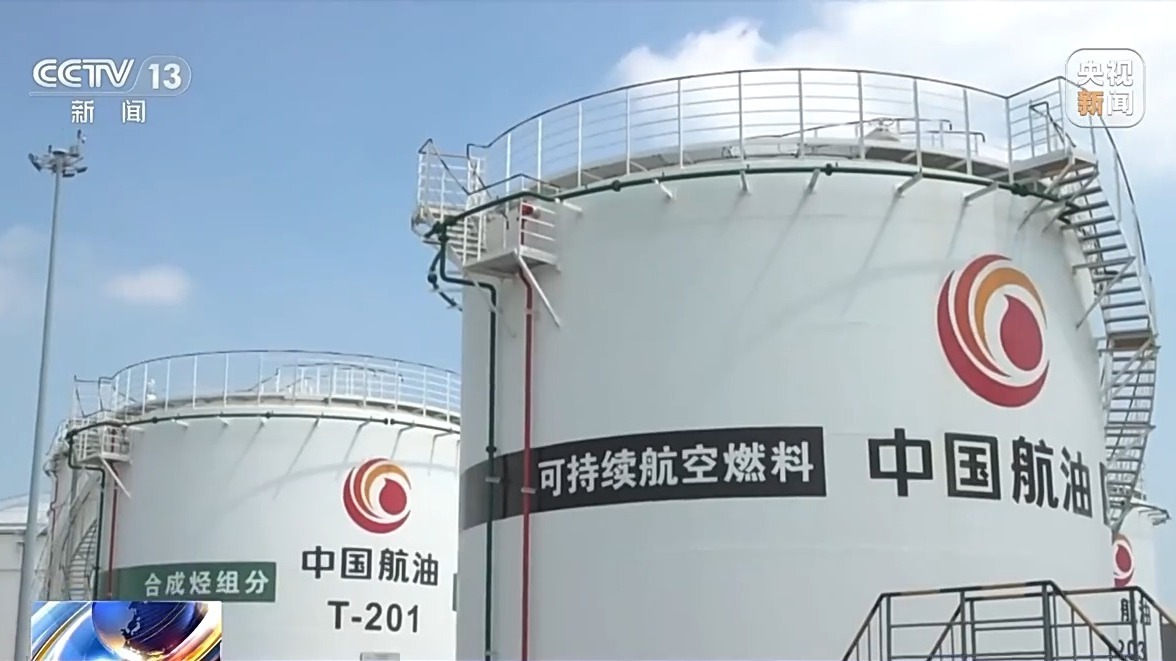
中国石化“牵手”中国航油影响几何?
Xin Lang Cai Jing· 2026-01-08 19:02
Group 1 - The core point of the news is the strategic merger between China Petroleum & Chemical Corporation (Sinopec) and China Aviation Oil Group, which aims to enhance the efficiency and competitiveness of the aviation fuel supply chain in China [1][2][3] - Sinopec is recognized as the world's largest refining company and the leading aviation fuel producer in China, while China Aviation Oil is the largest integrated aviation fuel service provider in Asia, serving numerous airports and global aviation clients [1][2] - The merger is expected to create a comprehensive supply chain from crude oil refining to aircraft refueling, potentially reducing costs and improving energy security for China's aviation industry [1][3] Group 2 - The aviation industry is increasingly focusing on sustainable aviation fuel (SAF) as a key measure to address climate change and reduce carbon emissions, with Sinopec being one of the first companies in China to have SAF production capabilities [2][4] - The collaboration between Sinopec and China Aviation Oil is anticipated to break the commercialization bottleneck of SAF and promote its large-scale application at domestic airports, facilitating a green and low-carbon transition in the aviation sector [2][4] - The ongoing restructuring of state-owned enterprises (SOEs) reflects a broader trend of optimizing the layout and structure of state-owned economies, driven by the need to adapt to industrial changes and enhance core competitiveness [3][4] Group 3 - The restructuring of these two energy SOEs is part of a larger trend of accelerated mergers and integrations among central enterprises, with several other significant mergers occurring in various sectors [3][4] - Experts emphasize that while the merger is a crucial first step, the real challenge lies in achieving effective integration and synergy between the two companies to ensure national energy security and meet carbon reduction goals [4] - The upcoming "14th Five-Year Plan" suggests a focus on optimizing the layout of state-owned economies and enhancing the core functions and competitiveness of state-owned enterprises [3][4]
中国石化“牵手”中国航油 影响几何?
Xin Hua She· 2026-01-08 14:05
Core Viewpoint - The restructuring of China Petroleum & Chemical Corporation (Sinopec) and China Aviation Oil Group is a strategic move aimed at enhancing the efficiency and competitiveness of the aviation fuel supply chain in China, aligning with national energy security and carbon reduction goals [2][3]. Group 1: Strategic Considerations - The merger allows for a comprehensive integration from crude oil refining to aircraft refueling, potentially reducing supply costs and enhancing the international competitiveness of China's aviation fuel industry [3]. - Sinopec is recognized as the earliest enterprise in China to possess sustainable aviation fuel (SAF) production capabilities, while China Aviation Oil has been proactive in promoting SAF applications [3]. Group 2: Industry Trends - The restructuring reflects a broader trend of central enterprise consolidation, with multiple state-owned enterprises undergoing strategic mergers to optimize resource allocation and enhance industrial resilience [4]. - The "14th Five-Year Plan" emphasizes the need for optimizing the layout and structure of state-owned enterprises, aiming to strengthen core functions and competitiveness [4]. Group 3: Challenges Ahead - Post-merger, the companies face the challenge of transitioning from "physical integration" to "chemical fusion," which is crucial for realizing the full benefits of the merger [5]. - There are significant challenges in ensuring national energy security and achieving the "dual carbon" goals, with expectations for the merger to create a win-win scenario for the market, industry, and society [5].
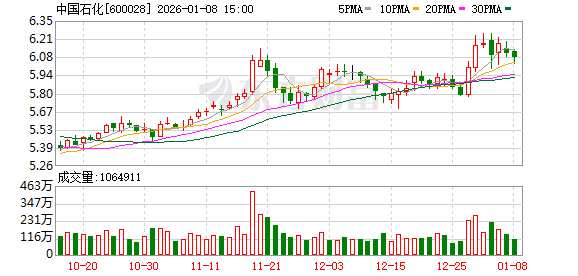
中国石化和中国航油获批实施重组
Zheng Quan Shi Bao Wang· 2026-01-08 12:52
Group 1 - The restructuring of China Petroleum & Chemical Corporation (Sinopec) and China Aviation Oil Group is expected to enhance national aviation energy supply security and promote a green low-carbon transition in aviation energy supply, aiming to create a world-class aviation energy supplier [1] - Sinopec is the largest refined oil and petrochemical product supplier in China, the world's largest refining company, and the second-largest chemical company, with a comprehensive energy industry chain [1] - China Aviation Oil is the largest aviation fuel procurement, transportation, storage, testing, sales, and refueling service provider in Asia, with its main business covering five sectors: aviation fuel, petroleum, logistics, international, and general aviation [1] Group 2 - According to the latest report from Sinopec Economic and Technical Research Institute, the demand for aviation kerosene in China is projected to reach approximately 50 million tons by 2030, with an average annual growth rate of around 4% during the 14th Five-Year Plan [2] - Standard & Poor's predicts that China's aviation fuel consumption will grow to 75 million tons by 2040, with Sinopec positioned as the largest aviation fuel producer in the country, solidifying the resource foundation for aviation fuel production [2] - The merger is expected to create significant synergies, leveraging advantages in refining integration and aviation fuel supply assurance systems, reducing intermediate links, lowering supply costs, and promoting high-quality development of the industry chain [2] Group 3 - The merger is anticipated to facilitate the high-quality development of the sustainable aviation fuel (SAF) industry, with Sinopec being the first in Asia to have independent research and production technology for bio-jet fuel and the first to establish a commercial production facility [3] - China Aviation Oil plays a crucial role in the promotion and application of SAF, and the merger will deepen collaboration in SAF and other related fields [3] - This restructuring marks the first central enterprise-level merger case entering the 14th Five-Year Plan, aligning with the government's push for strategic and professional mergers and acquisitions to enhance competitiveness in key sectors [3]
中国石化与中国航油重组落地 打通原油炼化到飞机加油全链条
Xin Lang Cai Jing· 2026-01-08 11:31
Core Viewpoint - The restructuring of China Petroleum & Chemical Corporation (Sinopec) and China Aviation Oil Group is aimed at enhancing core competitiveness and streamlining operations within the state-owned enterprise sector [1][4]. Group 1: Company Overview - China Aviation Oil Group was established in 1990 and became a central enterprise directly managed by the State-owned Assets Supervision and Administration Commission (SASAC) in 2003 [1][3]. - The company is recognized as Asia's largest integrated aviation fuel supply service provider, covering procurement, transportation, storage, testing, sales, and refueling [1][3]. Group 2: Financial Performance - China Aviation Oil's subsidiary, China Aviation Oil (Singapore) Corporation Ltd. (referred to as "China Aviation Oil"), previously submitted an application for listing in 2020 but withdrew it in January 2024 [1][3]. - The company's revenue primarily comes from refined oil sales, storage services, and urban gas business, with annual refined oil trading volume exceeding 10 billion yuan, ranking fifth among central enterprises in the industry [1][3]. Group 3: Strategic Implications - The merger is expected to create a seamless integration from crude oil refining to aircraft refueling, potentially reshaping the competitive landscape of the refining market [2][3]. - The restructuring aligns with recent state-owned enterprise reforms that focus on core responsibilities and enhancing competitiveness through consolidation [4].