连锁经营

Search documents
鸣鸣很忙(01768):港股公司点评:Q4保持开店势能,盈利环比改善
SINOLINK SECURITIES· 2026-03-31 15:30
Investment Rating - The report maintains a "Buy" rating for the company, expecting a price increase of over 15% in the next 6-12 months [5]. Core Insights - The company achieved a revenue of 66.17 billion yuan in 2025, representing a year-on-year growth of 68.19%. The net profit attributable to shareholders was 2.33 billion yuan, up 179.37% year-on-year, with adjusted net profit reaching 2.69 billion yuan, an increase of 194.97% [2]. - The company continues to expand its store network rapidly, ending 2025 with 21,948 stores, a net increase of 7,554 stores throughout the year. The majority of new openings are in lower-tier cities, with a low closure rate of 1.2% [3]. - The gross margin for 2025 improved to 9.83%, up 2.21 percentage points year-on-year, driven by enhanced bargaining power with suppliers and supply chain optimization [4]. - The company expects continued profit growth in 2026, supported by scale effects, supply chain improvements, and reduced share-based payments [4]. Summary by Sections Financial Performance - In Q4 2025, the company reported revenue of 19.80 billion yuan, a 53.74% increase year-on-year, and a net profit of 770 million yuan, up 126.39% year-on-year [2]. - The annualized average revenue per store was 3.64 million yuan, a slight decrease of 2.7% year-on-year, indicating a narrowing decline compared to the first half of the year [3]. - The adjusted net profit margin for Q4 was 4.46%, reflecting a year-on-year increase of 1.50 percentage points [4]. Store Expansion and Operations - The company opened 2,431 new stores in Q4 2025, maintaining a strong opening pace despite the off-peak season [3]. - The closure of franchise stores was limited to 265 for the year, with only 54 closures in Q4, indicating strong operational performance [3]. Profitability and Margins - The adjusted net profit margin for the full year was 4.07%, an increase of 1.77 percentage points year-on-year, with Q4 margins also showing improvement [4]. - The company anticipates that the net profit margin will continue to rise in 2026 due to the combined effects of scale, supply chain optimization, and reduced share-based payments [4]. Future Projections - The company expects net profits of 3.56 billion yuan in 2026, 4.60 billion yuan in 2027, and 5.41 billion yuan in 2028, with growth rates of 53%, 29%, and 17% respectively [5]. - The report projects a price-to-earnings ratio of 19x for 2026, 15x for 2027, and 12x for 2028, reflecting a positive outlook on the company's valuation [5].
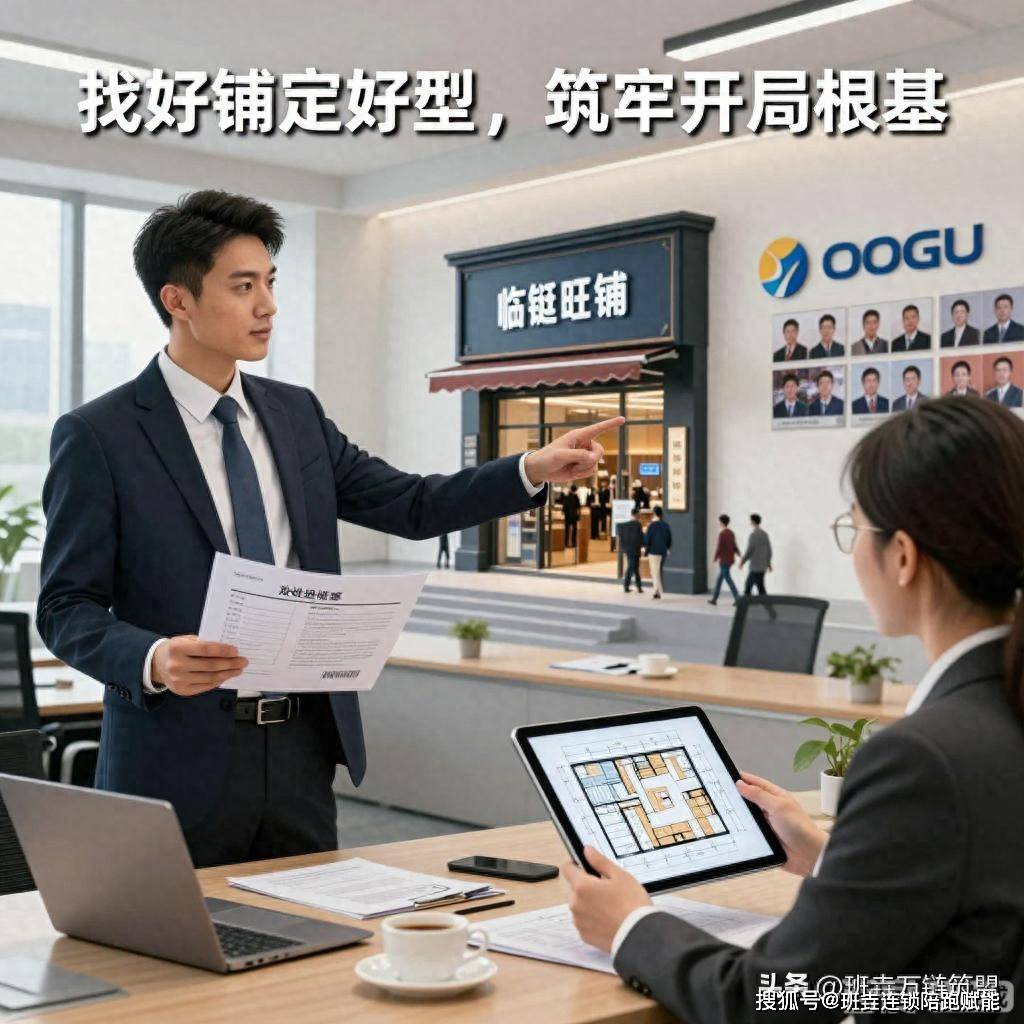
第二十六篇,连锁企业新市场拓展:找好铺定好型,筑牢开局根基
Sou Hu Cai Jing· 2026-02-26 17:57
Core Insights - The success of the first battle in new market expansion is crucial, as it determines the momentum for subsequent growth. Winning leads to increased opportunities, while losing results in resource depletion and challenges [2][15] - The foundation for success lies in the precise matching of quality locations ("good shops") with optimal store types ("good types"), rather than blindly expanding [2][10] Group 1: Importance of Location - Identifying a "good shop" is the first and most critical step in new market expansion, which is more important than subsequent operations and marketing efforts [3][5] - A quality location is defined not by foot traffic alone but by its alignment with the company's core customer base and profitability potential [5][6] - Many companies mistakenly equate high foot traffic with a good location, leading to poor performance due to mismatched customer demographics [5][6] Group 2: Cost and Profitability Considerations - Evaluating the profitability potential of a location involves three key assessments: rent, customer flow, and overall costs [6][9] - Rent should ideally be 15%-25% of the estimated store revenue; high rent can hinder profitability even with sufficient foot traffic [6] - Hidden costs, such as unstable foot traffic or high transfer fees, can significantly impact operational costs and profitability [6][9] Group 3: Competitive Landscape - In new market expansion, it is essential to assess the competitive environment surrounding a potential location, including the number and strength of competitors [7] - If a location is saturated with strong competitors, it may be wise to avoid it unless the company has a clear differentiation strategy [7] - Successful companies often choose locations with fewer competitors to leverage their unique advantages and avoid price wars [7] Group 4: Operational Capabilities - The selection of quality locations must align with the company's supply chain and operational capabilities to ensure effective management and service quality [9] - Companies should avoid locations that exceed their logistical reach or operational capacity to maintain product quality and service standards [9] Group 5: Store Type Matching - After identifying a quality location, selecting the appropriate store type is crucial for maximizing value and achieving synergistic effects [10][11] - Store types should be tailored to the specific characteristics of the location, customer needs, and the company's operational capabilities [10][11] - The store type must match the scale of the location, customer demand, and the company's standardization capabilities to ensure efficient operations [10][11][12] Group 6: Strategic Foundation - The process of finding quality locations and defining store types is not merely a logistical task but a strategic foundation for successful market entry [13][15] - Companies must focus their resources on these core actions to ensure that each location can support profitability and each store type can provide a competitive edge [13][15]

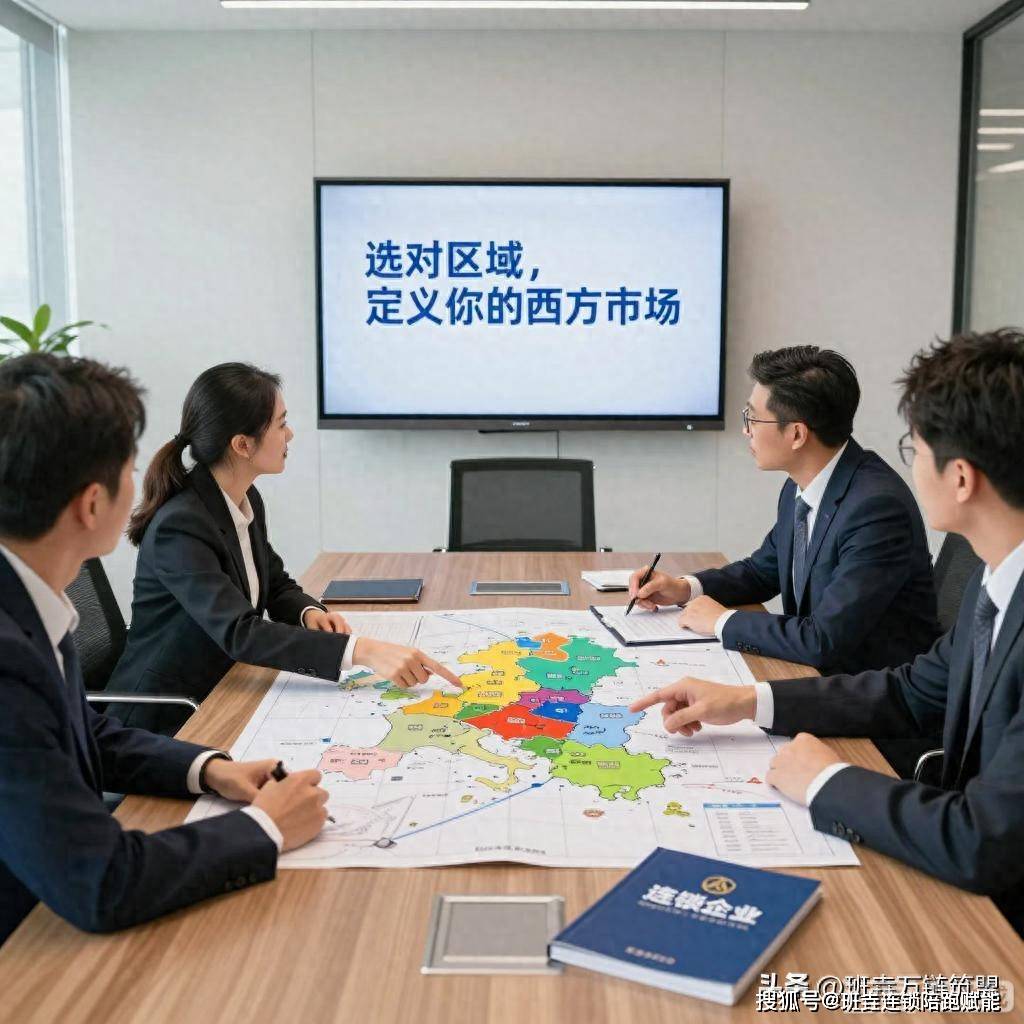
第十二篇,连锁企业扩张:选对区域,定义你的西方市场
Sou Hu Cai Jing· 2026-02-24 10:10
Core Insights - The article emphasizes the importance of regional selection for chain enterprises, stating that choosing the right region is crucial for successful expansion [2][3] Group 1: Regional Selection Strategy - Chain enterprises should first identify their "Western market," which refers to the most promising and suitable core regions for their expansion based on their positioning and resource capabilities [2][4] - Many chain enterprises fail due to chaotic regional selection, lacking a clear core area and blindly pursuing national expansion without considering regional consumer habits and competition [3] - The selection of regions must align with the company's core positioning and product characteristics, ensuring that regional demand matches the enterprise's offerings for quick consumer acceptance [4] Group 2: Resource and Capability Alignment - The chosen regions must also match the company's resource and capability boundaries, ensuring that supply chains, talent, and funding can support the expansion [4] - If a company's supply chain can only cover nearby provinces, it should avoid nationwide expansion; similarly, if talent reserves can only support a single region, it should not rush into multiple areas [4] Group 3: Market Potential and Development Space - Core regions should have sufficient market potential, including a large population base and unmet consumer demand, while also having a relatively relaxed competitive landscape [5] - For example, underdeveloped county markets with significant population and consumption potential, but limited coverage by leading brands, represent ideal "Western markets" for budget-friendly dining and convenience store chains [5] Group 4: Focused Expansion Approach - After defining the "Western market," the focus should be on deepening the presence in core regions rather than rushing to expand [8] - Companies should concentrate resources to establish a leading position in the core area, creating a robust supply chain and operational system to form regional barriers against competitors [8] - The case of Meiyijia illustrates this approach, as it initially focused on the Guangdong region, identifying opportunities in the convenience store market, and later expanded nationally after solidifying its position [8]
从单店到万店:创始人必须押注的 “非对称机会”
Sou Hu Cai Jing· 2026-02-13 09:44
Core Insights - 90% of chain brands are trapped in a "homogenization red sea," relying on price wars for profitability, while only 10% can break through to thousands of stores by seizing "asymmetric opportunities" that are small yet create long-term barriers with low investment and high returns [2] - Successful examples of asymmetric opportunities include the supply chain of Mixue Ice City in lower-tier markets, the convenience ecosystem of 7-Eleven, and the digital platform of Luckin Coffee, which focus on finding overlooked value areas rather than direct competition [2] Asymmetric Opportunities Characteristics - The essence of asymmetric opportunities is to "attack the opponent's weaknesses using one's own strengths," characterized by low competition, high barriers, and high leverage [3] - Many founders fall into the trap of competing in symmetric fields like product taste and marketing, leading to a cycle of increasing investment and decreasing profits [3] Supply Chain as a Competitive Advantage - The core of chain operations is "supply chain competition," yet many founders overlook this opportunity [5] - Mixue Ice City focuses on supply chain reconstruction by building a central factory with over 90% self-sufficiency in core ingredients, achieving the lowest raw material costs in the industry [5] - The goal is to maintain supply chain costs 15%-20% lower than the industry average, thus becoming a price setter [5] User Trust as a Long-term Asset - With the decline of traffic dividends, "user trust" has become a scarce asymmetric opportunity [7] - Brands that focus on building trust, like Baiguoyuan with its fruit grading standards and return policies, achieve high repurchase rates and stable profitability [8] Organizational Empowerment - Many founders mistakenly believe that scaling relies solely on the number of stores, neglecting the importance of organizational empowerment [10] - 7-Eleven emphasizes an organizational empowerment system that includes a regional supervisor and a digital platform to support franchisees, ensuring high retention rates and effective training [11] Investment and Timeframe - Asymmetric opportunities require a solid single-store profitability model before scaling [13] - Companies should focus on one asymmetric opportunity at a time, such as supply chain or user trust, to avoid spreading resources too thin [14] - The returns from asymmetric opportunities typically manifest in 3-5 years, necessitating a long-term perspective [16] Conclusion - Transitioning from single-store to thousands of stores is not merely about increasing store count but about betting on asymmetric opportunities that create barriers difficult for competitors to overcome [19]

财务“流水线”减负 80% 以后:连锁企业如何让省下来的人力真正去“管经营”?【502线上同行】
虎嗅APP· 2026-02-06 10:18
Core Insights - The article emphasizes the accelerated adoption of AI financial auditing in the chain food industry, driven by the need for cost reduction, technological maturity, and external market pressures [5] - AI financial auditing has transitioned from an optional tool to a necessity for chain enterprises, particularly as they face increased cost pressures and the need for compliance [5] Group 1: AI Financial Auditing Implementation - Leading chain brands are integrating AI into core financial auditing and expense management processes, resulting in significant improvements in auditing efficiency and compliance risk reduction [5] - The case study of "Good Idea" illustrates the challenges faced before AI implementation, including organizational and procedural resistance, and highlights the changes in collaboration between finance, business, and store headquarters [6] Group 2: Adaptation of AI in Different Chain Models - The article presents various case studies from different chain models, such as "Mingming Very Busy," "Kaojiang," and "Yunhai Yao," focusing on their unique financial challenges and AI implementation strategies [7] - It discusses the essential differences in financial compliance requirements across various chain business models and defines the jurisdiction of AI auditing, identifying which expenses can be fully managed by AI and which require human intervention [7] Group 3: Limitations and Future of AI in Financial Auditing - The article outlines the conditions under which AI financial auditing is effective, including rule stability, reimbursement frequency, and control granularity [8] - It identifies characteristics of enterprises that are unsuitable for AI implementation, such as lack of standardized rules and resistance to organizational change [8] - A roundtable discussion addresses the potential limitations of AI in financial auditing, including overlooked foundational assets and the balance between technology and management in enhancing efficiency [8]

中国连锁经营行业白皮书
中国连锁经营协会· 2026-01-10 07:35
Investment Rating - The report assigns an investment rating of "Buy" for the AI industry, indicating strong growth potential and favorable market conditions [3]. Core Insights - The AI sector is projected to experience significant growth, with an expected increase in market size from $283 billion to $1 trillion by 2028, reflecting a compound annual growth rate (CAGR) of approximately 28% [3][4]. - The report highlights the transformative impact of AI technologies across various industries, including healthcare, finance, and manufacturing, emphasizing their role in enhancing efficiency and driving innovation [3][7]. - Key drivers of growth include advancements in machine learning, natural language processing, and automation technologies, which are expected to create new business opportunities and improve operational efficiencies [3][6]. Summary by Sections Market Overview - The AI market is currently valued at $283 billion, with projections indicating a potential growth to $1 trillion by 2028, representing a CAGR of 28% [3][4]. - The report notes that the adoption of AI technologies is accelerating across multiple sectors, driven by the need for digital transformation and improved decision-making capabilities [3][7]. Growth Drivers - Major growth drivers identified include advancements in machine learning, natural language processing, and automation technologies, which are expected to enhance productivity and create new revenue streams [3][6]. - The increasing demand for AI solutions in sectors such as healthcare, finance, and manufacturing is highlighted as a key factor contributing to market expansion [3][7]. Competitive Landscape - The report outlines a competitive landscape characterized by rapid innovation and the emergence of new players, alongside established tech giants [3][4]. - Companies that effectively leverage AI technologies to enhance their product offerings and operational efficiencies are expected to gain a competitive edge in the market [3][6].
沈阳沈北新区:政企联动聚合力 供需对接促发展
Sou Hu Cai Jing· 2025-12-26 07:40
Core Viewpoint - The "Government Platform, Supply and Demand Connection, Win-Win Development" event in Shenyang's Shenbei New District successfully facilitated cooperation between enterprises, enhancing the local business environment and promoting industrial development [1][3][4] Group 1: Event Outcomes - The event attracted 40 supply and demand enterprises, including central enterprises and top 500 companies, resulting in 5 signed cooperation agreements and in-depth discussions among 12 enterprises [1] - Shenbei New District aims to create a leading business environment in Northeast China by continuously improving its service system and fostering a collaborative industrial ecosystem [1][3] Group 2: Multi-Dimensional Linkages - The district focuses on three key linkages: government-enterprise, enterprise-enterprise, and government-association, to promote coordinated development across the industrial chain [3] - Regular activities are conducted to address enterprise needs and enhance collaboration between leading and small to medium enterprises, creating a closed-loop supply chain [3] Group 3: Service Enhancement - The district extends its services to ensure deep government-enterprise collaboration, positioning itself as a reliable partner for businesses [3] - The establishment of promotional areas in the "Colorful Government Affairs Hall" allows for free showcasing of quality enterprises, enhancing market visibility [3] Group 4: New Government-Business Relationship - The district fosters a new type of government-business relationship that encourages enterprises to deepen their commitment to the region [4] - A collaborative framework is established where government support, enterprise responsibility, and market operations work together to enhance product visibility and consumer access [4]

品牌资产指数首发布,深圳成立“首发经济服务中心”
Nan Fang Du Shi Bao· 2025-12-02 06:24
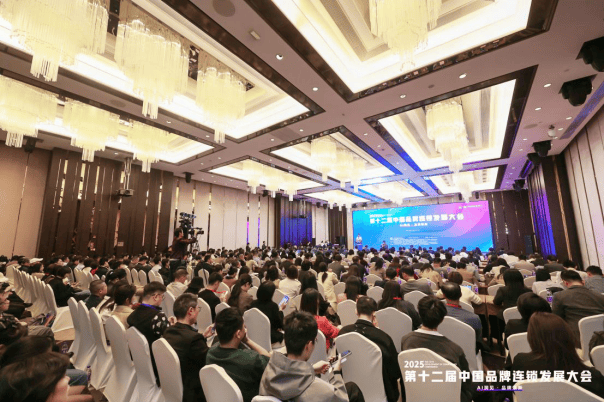
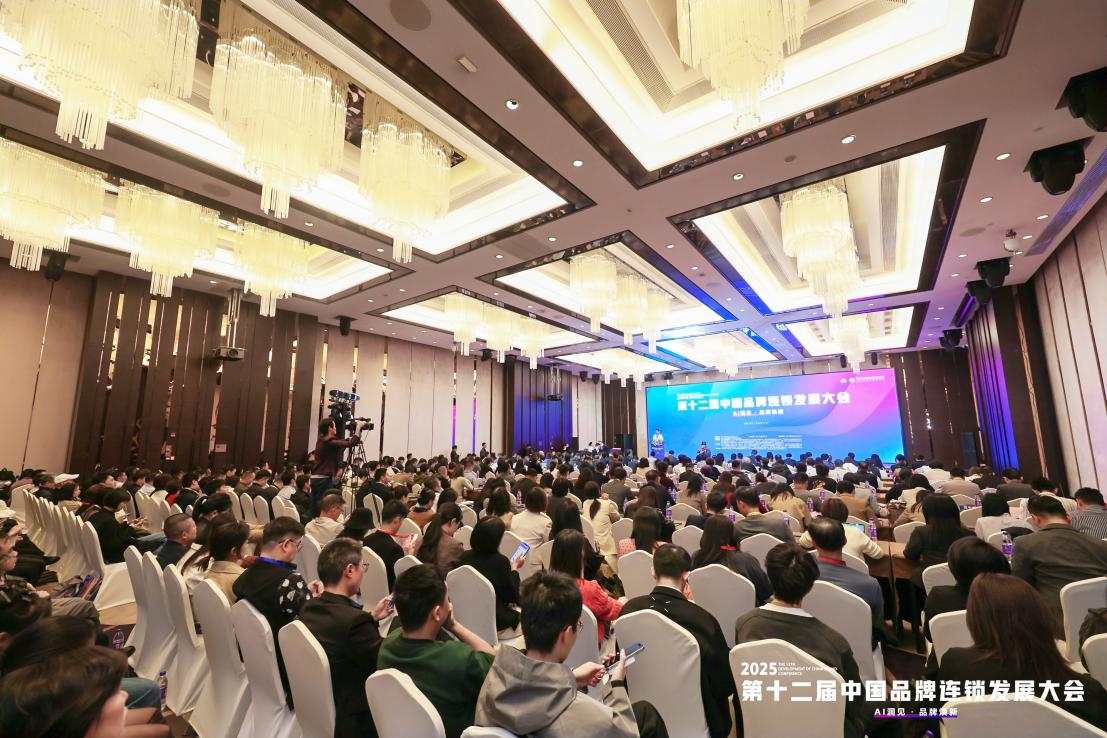
Core Insights - The 12th China Brand Chain Development Conference was held in Shenzhen, focusing on high-quality development of consumer brands through the launch of the "China Brand Asset Price Index" and the "China Consumer Brand Empowerment Plan" [1][3][10] Group 1: Brand Asset Pricing - The "China Brand Asset Price Index" was introduced as a systematic solution to quantify brand value and establish pricing in the capital market, developed by the China Human Rights Development Foundation [3] - The index is based on the theory that "the essence of a brand is information," utilizing three dimensions: brand information volume, unit information price, and industry price average, covering 32 representative industries [3] - This index is the first purely price-oriented brand index, addressing the gap in pricing for intangible brand assets [3] Group 2: Empowerment Plan - The "China Consumer Brand Empowerment Plan" was launched to address brand development challenges, focusing on ten empowerment directions to create a full-service system [5] - The plan emphasizes new trends such as the silver economy and instant retail, providing comprehensive support from strategy to financing and global expansion [5] - The establishment of the "First Economic Service Center" aims to integrate government and enterprise resources to support innovative models like brand launches and IP collaborations [5] Group 3: AI and Transformation - The conference highlighted the role of AI in driving business transformation, with examples of companies leveraging AI for operational efficiency and product innovation [9] - AI is recognized as a consensus for industry transformation, with companies like Baima Tea and Zhixingli showcasing their digitalization journeys [9] - The event featured a brand and service area for resource matching, demonstrating a complete ecosystem of "brand-technology-service" [9] Group 4: Industry Trends and Future Directions - The conference outlined three major paths for industry transformation: embracing cross-industry integration with policies, reshaping business models with AI, and creating emotional new scenes through culture [10] - The promotion of the "China Brand Asset Price Index" and the implementation of the empowerment plan are expected to accelerate the transition of consumer brands from "product output" to "value output" in the global market [10]
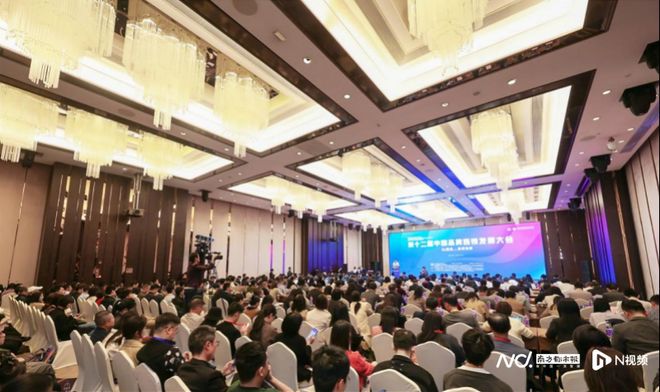
AI 洞见・品牌焕新,第十二届中国品牌连锁发展大会成功举办
Zhong Guo Zhi Liang Xin Wen Wang· 2025-11-28 14:16
Core Insights - The 12th China Brand Chain Development Conference was successfully held in Shenzhen, gathering over 500 enterprises, highlighting the importance of brand development in the current economic landscape [1][3] Group 1: Industry Trends - The consumer industry in China is undergoing a profound transformation driven by policy, technology, and demand, with AI technology evolving from an efficiency tool to a core engine for demand insight and operational optimization [3] - Brands are urged to leverage policy and technological opportunities to deepen AI digital transformation, promote omnichannel integration, and build a collaborative supply chain network [3] - The "dual circulation" new pattern is expected to further expand international markets for Chinese consumer brands, leading to high-quality growth [3] Group 2: Brand Development Initiatives - The China Brand Asset Price Index was introduced to provide a new reference for quantifying brand value, reflecting the global market's valuation of Chinese brand assets [4] - The "China Consumer Brand Empowerment Plan" was launched, focusing on ten key empowerment areas to support brands from strategy to execution, financing to international expansion [4][6] - The establishment of the "First Economy Service Center" aims to create a complete service ecosystem to boost consumption in Shenzhen [6] Group 3: Notable Presentations - Unique Erin's co-founder shared insights on the emotional value behind the brand, emphasizing its role as a lifestyle brand for contemporary women [7] - The general manager of Zhixingli presented AI business empowerment solutions aimed at enhancing employee efficiency and performance [7] - JD MALL's innovative retail model was discussed, focusing on creating an ultimate experience and meeting all home needs through a dual-driven approach [7][9]
中国品牌资产价格指数在深发布!第十二届中国品牌连锁发展大会举办,AI时代品牌如何焕新升级?
Sou Hu Cai Jing· 2025-11-28 10:14
Group 1 - The 12th China Brand Chain Development Conference was held in Shenzhen, focusing on "AI Insights and Brand Renewal," with over 500 companies participating to explore brand elevation paths in the AI era [1][5] - The conference featured the launch of the "China Brand Asset Price Index," which reflects the global market's valuation of Chinese brand assets based on the average price of brand information units across 32 representative industries [3][4] - The "China Consumer Brand Empowerment Plan" was officially launched, aiming to promote pilot work for new consumption formats, scenarios, and models, facilitating brands' comprehensive upgrade from domestic to international markets [3][4] Group 2 - The conference emphasized the importance of AI in reshaping business and marketing ecosystems, with experts discussing the need for brands to leverage AI for insights, demand prediction, and operational optimization [7] - Notable case studies of innovative consumption models were shared, highlighting unique brand philosophies and approaches, such as the emotional value of unique fragrance brands and innovative retail models by JD MALL [7] - A "First Release Economic Service Center" was established to create a complete service ecosystem, aiming to boost consumption and release new vitality in Shenzhen's market [4][8]