
AI技术

Search documents
石油危机与滞胀幻影:黄金与科技股该如何配置?
李迅雷金融与投资· 2026-03-26 13:00
Core Viewpoint - The article argues that the current oil price shock due to the US-Iran conflict is unlikely to lead to a typical stagflation scenario similar to the 1970s, despite rising oil prices and market concerns about inflation [1][43]. Group 1: Oil Price Shock and Stagflation - The oil price shock is primarily driven by the geopolitical tensions in the Strait of Hormuz, which is a crucial passage for global oil supply, accounting for about 20% of global oil consumption [1][3]. - The conditions that led to stagflation in the 1970s, such as high concentration of oil supply in the Middle East, high oil intensity per GDP in developed economies, and lack of domestic supply buffers in the US, are not present today [2][3]. Group 2: Changes in Oil Supply and Demand Dynamics - The concentration of oil supply from the Middle East has decreased significantly, with Iran's share of global oil production expected to drop from 8.5% in 1978 to 3-5% by 2026, while non-Middle Eastern supply sources are increasing [3][4]. - The energy structure has changed, with a significant reduction in oil intensity per GDP from approximately 0.92 barrels per thousand dollars in the 1970s to 0.32 today, indicating a lower dependency on oil [6][10]. Group 3: Impact of Energy Transition and US Supply Flexibility - The rapid adoption of electric vehicles in China is expected to change the trajectory of oil demand, with a potential inflection point around 2024-2025 [10]. - The US shale oil revolution has enhanced supply flexibility, allowing the US to increase its oil production from about 5 million barrels per day to 13-14 million barrels per day, making it the largest oil producer globally [11][43]. Group 4: Limited Transmission of Oil Price Increases to Inflation - The article highlights that the transmission of oil price increases to inflation is limited due to the current structure of the Consumer Price Index (CPI), where major components like housing and medical costs are less sensitive to oil price changes [18][21]. - Historical data from the 2022 Russia-Ukraine conflict shows that even significant oil price increases had a limited impact on overall CPI, primarily due to pre-existing inflationary pressures from other sectors [12][16]. Group 5: Corporate Responses to Cost Increases - Companies are likely to respond to rising costs from oil price increases by focusing on cost-cutting measures rather than passing costs onto consumers, which contrasts with the conditions of the 1970s where demand was strong enough to allow for price increases [22][23]. - The adoption of AI technologies may accelerate as companies seek to reduce costs in response to rising input prices, leading to a shift in resource allocation towards efficiency rather than consumer expansion [24][30]. Group 6: Market Implications and Asset Performance - Gold is facing short-term pressures due to liquidity constraints and market expectations of limited interest rate cuts by the Federal Reserve, despite a potential long-term upward trend [44]. - The technology sector, particularly AI-related investments, is expected to experience a divergence in performance, with short-term pressures but long-term growth potential driven by increased capital expenditures [45][47].


美股异动|斯伦贝谢涨2.5%,与英伟达将AI技术应用于能源行业
Ge Long Hui· 2026-03-25 14:36
Group 1 - Schlumberger (SLB.US) shares increased by 2.4%, reaching $51.8 [1] - Schlumberger announced an expansion of its technical collaboration with NVIDIA to design and deploy critical AI infrastructure and models for the energy sector [1] - In response to a slowdown in drilling demand, Schlumberger and other oilfield contractors are seeking growth by providing power equipment, turbines, and data solutions to data centers and related AI infrastructure [1]


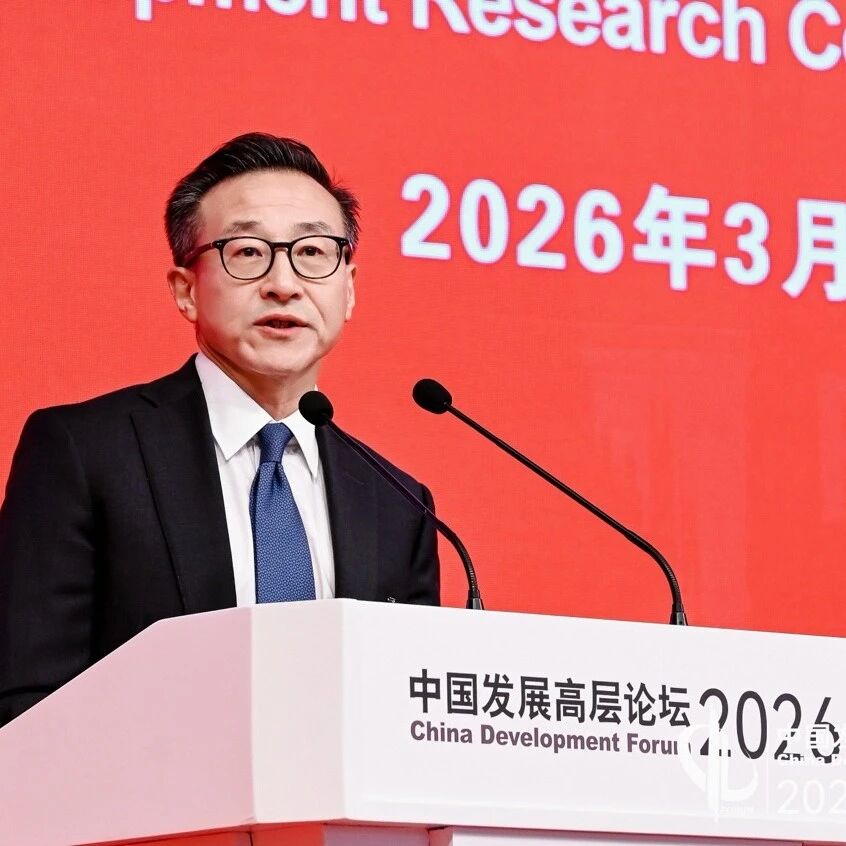
AI向善、产业向新,中国发展高层论坛上企业家共话机遇
第一财经· 2026-03-23 14:39
Core Viewpoint - The article discusses the insights shared by various industry leaders at the China Development Forum 2026, focusing on the role of AI in driving technological innovation and future industrial development in China [3]. Group 1: AI Development and Challenges - Alibaba's Chairman, Cai Chongxin, emphasized that the ultimate goal of AI is to make its applications widespread and beneficial to society, highlighting a shift from a "period of accumulation" to an "explosion period" in China's tech development [3][4]. - Ant Group's CEO, Han Xinyi, identified four major challenges in achieving shared prosperity through AI: foundational computing power and energy consumption, model and data security, ensuring AI benefits humanity, and human development [4]. - Han Xinyi noted that achieving Ant Group's 2030 net-zero emissions goal is complicated by AI advancements, necessitating a focus on green computing technologies and responsible energy planning [4]. Group 2: Talent Development and Corporate Responsibility - Han Xinyi stressed the importance of lifelong learning for individuals, particularly CEOs, to understand technological trends and boundaries, asserting that talent is the most crucial asset in the AI era [5]. - Companies must invest in their workforce to harness employee creativity and initiative, as AI will fundamentally alter work mechanisms and job designs [5]. - The article highlights a growing market where individuals are increasingly investing in their own AI education and skills [5]. Group 3: Modern Industrial System and Globalization - TCL's founder, Li Dongsheng, discussed the need for a dual drive of technology and capital to transition from cutting-edge technology research to industrial application, particularly in emerging industries like integrated circuits and new energy [6]. - He proposed that companies should enhance basic research and cultivate long-term capital to support the development of a modern industrial system [6]. - Li Dongsheng called for a more open approach to embrace global opportunities, suggesting that Chinese industries should seek to contribute to global economic development [7].
弱美元无法TACO-全球风险转向美国本土
2026-03-12 09:08
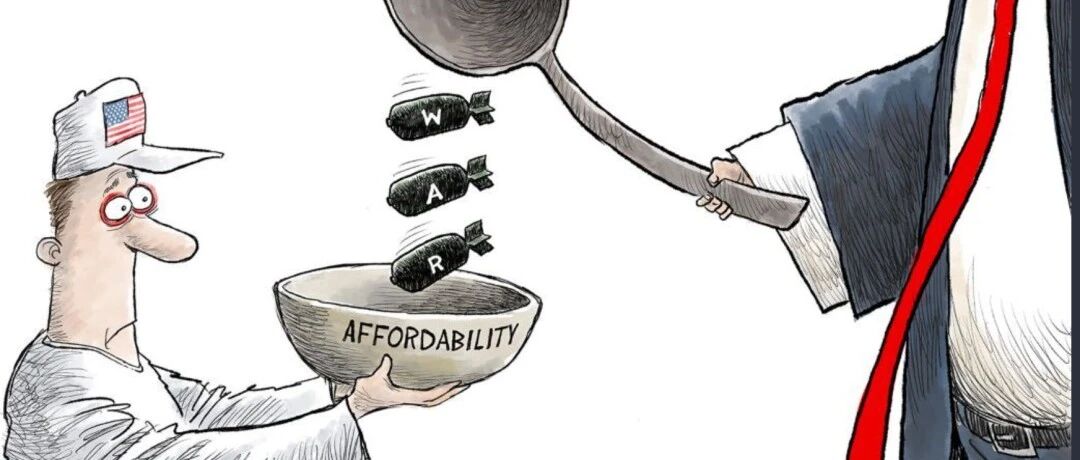
Summary of Conference Call Records Industry Overview - The discussion primarily revolves around the **AI industry** and its impact on the **U.S. economy** and global macroeconomic conditions [1][2][4]. Core Insights and Arguments - The **AI industry** is characterized as a "profit-sucking pool," heavily reliant on high capital expenditures, which exacerbates labor-capital conflicts in the U.S. and diminishes purchasing power for residents [1][4]. - The **U.S. debt expansion** is constrained, leading to attempts to attract capital back through geopolitical conflicts and a strong dollar, but military weaknesses are undermining the credibility of the dollar [1][3]. - The **current global debt cycle** is under pressure, with the inability to expand debt leading to economic stagnation and increasing internal contradictions, particularly in labor-capital relations [2]. - The **AI sector's high capital intensity** requires substantial profits to sustain its high return on equity (ROE) expectations, which is leading to a concentration of profits in the AI sector at the expense of other economic sectors [2][4]. - The **U.S. government's historical role** in creating demand through debt is now limited, complicating the resolution of supply-demand imbalances caused by technological capital expenditures [2]. Challenges and Risks - The strategy of using **geopolitical conflicts** to resolve internal economic issues is fraught with challenges, including military vulnerabilities that could damage the dollar's credibility over the long term [3]. - Both **weak dollar** and **strong dollar** paths fail to address the core contradictions of the U.S. economy, such as the disconnect between debt cycles, AI development, and real economic demand [3]. - The **AI industry's reliance** on future high ROE to manage current debt levels poses a significant risk; failure to achieve this could lead to unsustainable debt levels [4]. Asset Allocation Strategy - The recommended **asset allocation strategy** focuses on energy and energy-related assets as a defensive measure, with key observation points for oil prices set between **$120 and $160 per barrel** [1][5]. - There is a strong confidence in **Chinese assets**, attributed to their systemic advantages and lack of significant weaknesses, with a focus on long-term valuation potential and high ROE in sectors like insurance and heavy assets [5][6]. - The strategy includes a cautious market outlook, with a willingness to adjust positions based on market conditions, particularly regarding oil prices [5][6].
AI时代的“她决策”:在算法浪潮中,重思、重塑与定义未来
清华金融评论· 2026-03-12 09:08
Core Viewpoint - The article discusses the impact of AI on women's decision-making in the workplace, emphasizing the importance of leveraging emotional intelligence and soft skills as competitive advantages in the AI era [5][6][12]. Group 1: AI's Impact on Decision-Making - AI is transforming workplace structures and decision-making processes, prompting a reevaluation of women's roles and values in society [5][11]. - Women possess inherent qualities such as empathy and resilience, which can become significant advantages in an AI-driven environment [5][6]. - The integration of AI tools allows women to enhance their decision-making capabilities by quickly accessing data and market insights, thus supporting business stability [6][12]. Group 2: The Role of Women in AI - Female leaders are seen as having a unique advantage in the AI landscape due to their soft skills and emotional intelligence, which are increasingly valuable as AI takes on more routine tasks [5][6]. - The discussion highlights that as AI becomes a foundational element in society, women's value will not diminish but may be redefined in new ways [6][12]. - The importance of women participating in technology development and decision-making processes is emphasized, as their perspectives can lead to more inclusive and effective AI applications [15][16]. Group 3: AI as a Tool for Empowerment - AI is viewed as a "second brain" that aids in making complex decisions rather than replacing human judgment [8][11]. - The efficiency brought by AI allows individuals to focus on strategic thinking and creative problem-solving, which are essential in the evolving job landscape [9][12]. - The article suggests that the future of work will involve a collaboration between AI systems and human employees, with a shift towards roles that require strategic judgment and complex decision-making [12][13]. Group 4: Governance and Ethical Considerations - The need for robust governance frameworks around AI is highlighted, including the establishment of diverse AI governance committees to ensure inclusive technology development [15][16]. - The article raises concerns about potential biases in AI systems and the importance of addressing these issues to promote fairness and equity in the workplace [16][18]. - It advocates for a proactive approach to embracing AI, focusing on how individuals can harness technology to enhance their roles and contributions in society [16][18].

美国经济面临“戴维斯双杀”(国金宏观钟天)
雪涛宏观笔记· 2026-03-08 23:46
Core Viewpoint - The U.S. economy is facing significant downward risks, characterized by a "Davis Double Kill" moment, where both the profit and valuation aspects of the economy are deteriorating due to the Federal Reserve's inaction and adverse political actions [2][6]. Group 1: Labor Market and Employment - The non-farm payroll data continues to show weakness, with a 4.44% unemployment rate and a loss of 86,000 jobs in the private sector, indicating that the labor market is not as robust as previously suggested by Federal Reserve officials [7][12]. - The permanent unemployment rate is slowly rising, and the full-time employment rate has declined more than seasonal trends would suggest, signaling further deterioration in the labor market [9][12]. - The core private sector employment growth turned negative in September 2024, which historically corresponds with recognized economic recessions, indicating a potential hard landing for the economy [13]. Group 2: Economic Growth and AI Dependency - The relationship between traditional economic growth and AI is highlighted, with the assertion that without AI, there is no growth. The core components of GDP, excluding volatile factors, have remained stable, but the cyclical parts are showing a significant slowdown [14][17]. - The cyclical economic portion, which constitutes 16.5% of nominal GDP, is the target of monetary policy, and its contraction since Q4 2022 raises concerns about the effectiveness of the Federal Reserve's actions [19][21]. Group 3: Inflation and Cost Pressures - Rising oil prices and the need for manufacturing restocking are putting pressure on U.S. residents' affordability, with the PMI showing only slight rebounds that are more reflective of forced restocking rather than genuine demand recovery [22]. Group 4: Valuation and Geopolitical Risks - The narrative surrounding AI is becoming unstable, with fears of both overestimation and underestimation of its impact on the economy. This uncertainty is affecting market valuations and investor sentiment [25][26]. - Ongoing geopolitical tensions, particularly in the Middle East, are expected to further challenge the attractiveness of dollar-denominated assets, as the U.S. may face prolonged military engagements [27].
两会|AI赋能产业发展存在哪些堵点痛点?
证券时报· 2026-03-03 23:56
Core Viewpoint - The article discusses the urgent need for the integration of artificial intelligence (AI) with economic and social development in China, emphasizing the importance of computing power as a core infrastructure for AI advancement [1]. Group 1: Computing Power Development - The distinction between training computing power and inference computing power is crucial, with a growing demand for inference computing as the industry transitions into the "AI+" application era [2]. - There is a current gap in the supply of intelligent computing power that meets modern demands, suggesting the establishment of an AI model training dedicated computing power open platform to achieve load balancing [2]. - A tiered pricing and subsidy policy is recommended to promote the healthy development of AI large models and support the real economy [2]. Group 2: AI Technology Application - The transition from "computing power infrastructure" to "commercial closed-loop and governance collaboration" is critical, with a tendency to focus more on construction than application in some regions [3]. - The implementation of "AI+ scenario closed-loop" demonstration projects is suggested, focusing on key areas like industrial manufacturing and smart finance to create collaborative innovation [3]. - A comprehensive AI governance system is needed, including legislative research and sandbox regulatory trials to ensure safety and ethical standards [3]. Group 3: Data Governance and Industrial Integration - Systematic advancement of industrial data governance is essential to eliminate barriers for AI empowerment in manufacturing [4]. - Key breakthroughs should be targeted through technology research and pilot demonstrations, such as establishing a technology project for "industrial data governance and AI integration" [4]. - The creation of benchmark factories and industrial clusters that effectively utilize AI applications is recommended to showcase successful integration [4].

上海开年首场大型招聘会:AI岗位数量与薪酬双增长
第一财经· 2026-03-03 11:39
Core Viewpoint - The job market in Shanghai is showing positive trends, particularly in AI-related positions, with a significant increase in demand and salary levels for these roles [3]. Group 1: Job Market Trends - The first large-scale recruitment event of the year in Shanghai highlighted AI-enabled positions as the main focus of the job market [3]. - Over 1,300 companies expressed interest in participating in the recruitment event, indicating a strong recovery in employment conditions [3]. - The recruitment event offered more than 13,000 job openings, with a notable increase of over 10% in demand for positions in emerging fields like AI [3]. Group 2: AI Talent Demand - Companies are competing for AI talent, with over 90% of positions in some firms being related to AI [4]. - Specific roles such as algorithm engineers for large models can command monthly salaries of up to 40,000 yuan [3]. - The complexity of AI systems in fields like autonomous driving is increasing, necessitating a diverse knowledge base among potential hires [5]. Group 3: Educational and Training Initiatives - The human resources department plans to categorize and match AI-related job positions based on specific company needs [5]. - Collaboration with educational institutions is underway to provide training in AI skills for job seekers [5]. - The recruitment event also included resources for internships and practical experiences to help workers gain exposure to AI technologies [5].

AI冲击“未来现金流”,华尔街量化策略的“传统因子”失效了
Hua Er Jie Jian Wen· 2026-02-28 01:03
Group 1 - The development of artificial intelligence (AI) is disrupting the investment toolbox of professional fund managers on Wall Street, challenging traditional quantitative strategies that support trillions of dollars in asset allocation [1] - A report by Citrini on Substack outlined a dystopian future where AI rapidly eliminates white-collar jobs, leading to significant market turmoil, including IBM's stock experiencing its largest drop in 25 years [1] - Investors are losing confidence in long-term cash flows and are shifting towards stocks with immediate fundamentals and low valuations, or companies that can provide AI infrastructure support [1] Group 2 - The "quality" factor, which typically represents companies with high profit margins and stable earnings, is being punished in the current AI disruption, with high-quality stocks underperforming compared to value stocks [2] - In February, high-quality stocks in the Russell 1000 index lagged behind value stocks by over 5 percentage points, marking the worst performance since 2021 [2] - The "momentum" factor is also showing internal contradictions, as recent stock price increases are less correlated with fundamental improvements reflected in analyst earnings upgrades [3] Group 3 - Investors are no longer willing to bet on cash flows that may not exist in five years due to the rapid disruption caused by AI across multiple industries [4] - Companies that can provide the necessary infrastructure for AI, such as utilities and semiconductor manufacturers, are becoming popular investments, referred to as "heavy asset, low obsolescence" (HALO) stocks [4] - There is a growing demand for stocks with current fundamentals and low prices, with significant inflows into ETFs focused on high dividends and stock buybacks [4] Group 4 - AI is a specific force driving changes in factor relationships, and typical factor relationships are expected to continue breaking down over the next year [5] - If the disruptive impact of AI proves narrower than expected, or if an economic slowdown allows for a return to quality-focused trading, traditional quantitative strategies may quickly recover [5]
超200名谷歌与OpenAI员工签署公开信 拒绝向五角大楼提供军事AI技术
Feng Huang Wang· 2026-02-27 11:35
Core Viewpoint - Google and OpenAI employees have united to advocate for strict limitations on the use of advanced AI in military and surveillance applications, opposing the Pentagon's requests for AI technology support [1] Group 1: Employee Actions - Over 200 employees from Google and OpenAI signed an open letter supporting Anthropic's stance against the military use of AI [1] - The letter has been verified by more than 160 Google employees and over 40 OpenAI employees, with some choosing to remain anonymous [1] - Employees urge management to set aside differences and collectively resist military demands for AI technology [1] Group 2: Industry Implications - The letter challenges existing compliance and business decisions of major tech companies [1] - Google previously revoked its internal policy prohibiting the use of AI for weapons and surveillance in February 2025 [1] - The focus is on whether this employee action can effectively compel management to re-establish ethical boundaries for AI technology authorization [1]
