智能传感器

Search documents
深圳南山区两大园区开园 首批企业入驻
Xin Lang Cai Jing· 2026-02-26 03:10
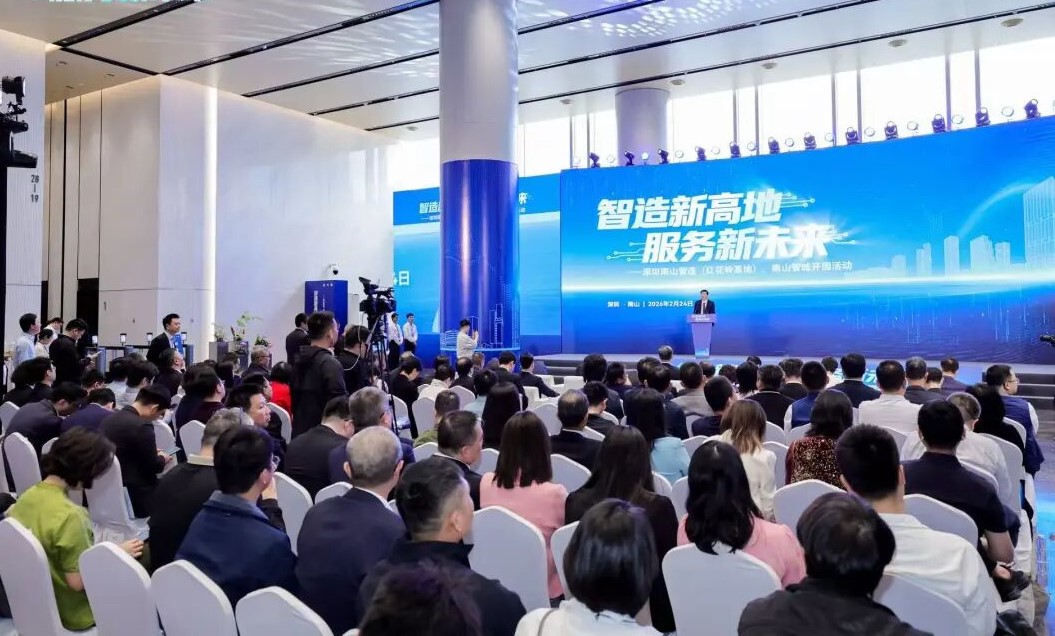
Group 1 - The core viewpoint of the article highlights the opening of the Nanshan Intelligent Manufacturing (Honghualing Base) and Nanshan Intelligent City, which aims to create a collaborative model of "R&D innovation + high-end manufacturing" [1] - The Honghualing Base is a typical practice of the "industrial upgrading" concept, with a total construction area of 705,500 square meters and a floor area ratio of 6.71, featuring 16 floors with varying heights to accommodate heavy manufacturing [2] - The base has attracted 14 leading enterprises, including SUTENG, YUEJIANG Technology, and others, forming six core industrial clusters, with an estimated total output value exceeding 183 billion yuan in five years [4] Group 2 - Nanshan Intelligent City is designed as a high-standard innovative industrial property project, serving as a key hub connecting the Xili Lake International Science and Education City and Xili High-speed Rail New City, focusing on the development of three major industries: new generation information technology, artificial intelligence, and biomedicine [7] - The city will gradually establish eight specialized industrial platforms and seven common service platforms to support the full lifecycle of enterprise growth, addressing needs from technology breakthroughs to market entry [7]

合肥庐阳今年将新开工30个亿元以上项目
Xin Lang Cai Jing· 2026-02-25 16:55
Group 1 - The core focus of the Hefei Luyang District is on advancing infrastructure, industrial bases, and urban renewal projects, with a total of 116 key projects planned for the year, including at least 30 projects with an investment of over 100 million yuan [1] - Key projects include the acceleration of the "Chip Luyuzhou" Phase II and the salt company site, along with the ongoing enhancement of 37 projects such as Future Innovation Valley and the Intelligent Sensor Industrial Park [1] - The district aims to attract over 160 key projects this year, focusing on industries like intelligent sensors and next-generation semiconductors, while enhancing collaboration with industry associations and research institutions [1] Group 2 - The district plans to leverage platforms like the Provincial Fusion Industry Association to target future industries such as superconductors and aerospace information, promoting deep integration of technological achievements with industrial needs [1] - There is a strategic emphasis on software and information technology industries, particularly in algorithm development, simulation software, and application services, to strengthen industrial clusters [1] - The district is poised to capitalize on the strategic opportunity presented by the construction of the Hefei Future Science City, enhancing its capacity for technology transfer and focusing on attracting leading enterprises in key sectors [1]
深圳南山智造(红花岭基地)和南山智城开园
Xin Lang Cai Jing· 2026-02-25 08:08
Core Viewpoint - The opening of Nanshan Intelligent Manufacturing (Honghualing Base) and Nanshan Intelligent City marks a significant development in Shenzhen's advanced manufacturing sector, attracting initial enterprises and enhancing industrial collaboration [1] Group 1: Project Overview - Nanshan Intelligent Manufacturing (Honghualing Base) is strategically located near University Town, with various infrastructure including factories, office buildings, and dormitories [1] - The project has established a "123+N" industrial operation service system, offering specialized services such as "industrial upgrading," green low-carbon energy management, full investment chain industrial financial services, digital operation services, overseas expansion support, and innovative production services [1] Group 2: Initial Enterprises and Industry Focus - The first batch of enterprises to settle in the park includes SUTENG Juchuang, Zhongqing Robotics, and Yuejiang Technology, focusing on advanced manufacturing sectors such as robotics, new energy smart connected vehicles, semiconductors and integrated circuits, smart terminals, smart sensors, and network and communication [1] - The initiative aims to strengthen collaboration across the industrial chain and promote clustered development of enterprises [1]
安徽蚌埠出台政策条例 助推智能传感器产业“加速跑”
Xin Lang Cai Jing· 2026-02-06 21:01
Group 1 - The core viewpoint of the news is the launch of the "Support for the Development of China's Sensor Valley Policy (Version 2.0)" and the "Regulations on Promoting the Development of the Intelligent Sensing Industry in Bengbu City," which aim to enhance the development of the intelligent sensing industry through policy support and legal frameworks [1][2]. - The "Policy 2.0" emphasizes the integration of technology and industry, application scenarios, and departmental collaboration, focusing on urgent technological needs in the intelligent sensor industry, with provincial support for individual projects exceeding 100 million yuan [1][4]. - The "Regulations" are the first local legislation in China to promote the intelligent sensing industry, establishing principles such as government guidance, market leadership, and innovation-driven development, while clarifying responsibilities among government levels and related departments [2][4]. Group 2 - The intelligent sensing industry in Bengbu has formed a complete ecosystem covering materials, equipment, research and design, wafer manufacturing, packaging testing, and terminal applications, with an industry output value expected to exceed 10 billion yuan by 2025, reflecting a 29% increase from the previous year [4]. - The implementation of the "Policy 2.0" and the "Regulations" is seen as a timely boost for the intelligent sensing industry, with plans for extensive training and promotion to ensure that enterprises understand and benefit from the policies [4]. - The focus will be on building a significant cluster for the intelligent sensing industry, particularly in core areas like wafer manufacturing, aiming to cultivate high-tech enterprises and industry leaders with substantial influence both domestically and internationally [4].

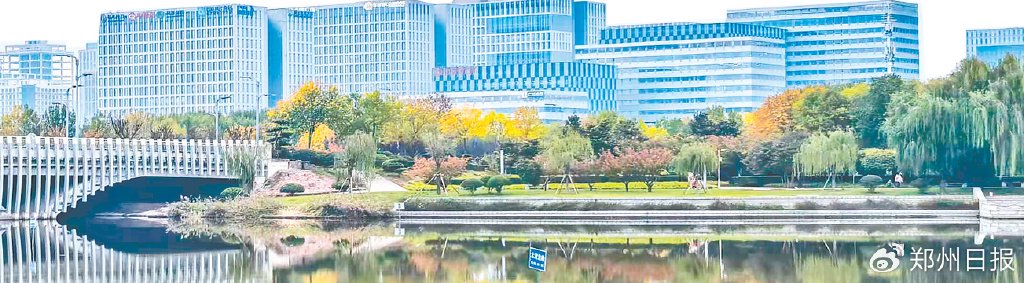
聚力高质量 发展挑大梁
Zheng Zhou Ri Bao· 2026-02-04 00:59
Group 1 - Zhengzhou's GDP has historically surpassed 1.5 trillion yuan, marking a new starting point for high-quality development [2] - The city has seen a continuous increase in urban area and has been recognized as a national urban agglomeration, enhancing its urban capabilities [2] - The industrial output value of key sectors such as automotive and modern food processing has shown an annual growth rate of 9% [2][3] Group 2 - The city has established 68 national-level R&D platforms and 35 key laboratories, with technology contract transaction volume exceeding 100 billion yuan [3] - The electronic information industry has surpassed 800 billion yuan, and the automotive sector has an annual production exceeding 1.2 million vehicles, ranking among the top ten in the country [3] - The digital economy has also reached a scale of over 800 billion yuan, placing Zhengzhou among the top cities in the nation [3] Group 3 - Significant reforms have been implemented, including the successful operation of an intelligent bidding system and the establishment of a free trade zone, enhancing the business environment [6] - Policies supporting cross-border e-commerce have led to substantial growth for small businesses, with one entrepreneur reporting a sales increase of over 60% [6] Group 4 - The city has made strides in improving the quality of life, with air quality reaching its best levels and urban renewal projects revitalizing older areas [7] - Infrastructure developments include over 450 kilometers of operational rail transit and the establishment of community service centers, enhancing public welfare [7] Group 5 - Looking ahead, Zhengzhou aims to continue its high-quality development trajectory, playing a leading role in the province's future growth [8]
深圳光明发展的“强引擎”,科学与产业今年有何新谋划?
Nan Fang Du Shi Bao· 2026-01-29 01:35
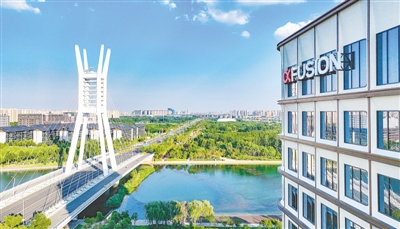
Core Viewpoint - The Shenzhen Guangming District is accelerating the construction of a world-class science city and aims to enhance its scientific and industrial capabilities as part of its development goals for the 14th and 15th Five-Year Plans [1][2]. Science - Guangming District has established 22 major scientific innovation carriers, significantly enhancing its capacity for high-level scientific operations [2]. - The district has seen a substantial increase in innovation platforms, with the number of major scientific innovation carriers rising from 7 to 22, and the establishment of 235 key laboratories [2]. - Over the past five years, the district has attracted 67 academicians and more than 3,200 high-level talents, with total R&D investment exceeding 10 billion yuan for three consecutive years [2]. - In 2025, the innovation carriers in Guangming accelerated their construction, serving over 470 users, and new innovation platforms were established [3]. - The report emphasizes the importance of high-level operation of facilities and the transformation of scientific achievements as key priorities for 2026 [4]. Industry - Guangming District is focusing on the deep integration of technological and industrial innovation, aiming to cultivate new productive forces and drive an industrial transformation [5]. - The district has accelerated the development of the "3+3+1" industrial cluster, with significant growth in key industries: ultra-high-definition display, high-performance materials, and high-end medical devices, each surpassing 250 billion yuan, 140 billion yuan, and 55 billion yuan respectively [5]. - The report outlines plans to strengthen the manufacturing sector, enhance emerging industries, and optimize traditional industries while supporting the growth of large, medium, and small enterprises [6]. - In the coming year, Guangming will focus on enhancing the biopharmaceutical industry ecosystem and solidifying its leading position in biomanufacturing [7].
光明今年将全面建成鹏城云脑Ⅲ
Nan Fang Du Shi Bao· 2026-01-28 23:12
Core Viewpoint - The Guangming District is accelerating the construction of a world-class science city, focusing on integrating science and industry as a key driver for development, with significant emphasis on artificial intelligence (AI) and technological innovation [3][4]. Group 1: Development Plans and Infrastructure - Guangming aims to establish a "one city, three districts" framework, enhancing its role as a comprehensive national science center and a hub for technological innovation in the Greater Bay Area [3]. - The district plans to enhance its scientific competitiveness by prioritizing high-level operation of facilities, technological breakthroughs, and the transformation of research outcomes [3][4]. - Key projects include the Shenzhen Measurement Innovation Institute, Shenzhen Medical Academy, and the International Technology Information Center, which are set to boost the operational efficiency of major scientific infrastructures [3][4]. Group 2: AI Integration in Research - The development of AI is positioned as a foundational element for scientific research, with the establishment of two major computing platforms: Pengcheng Cloud Brain III and the National Supercomputing Center Shenzhen [4]. - The report emphasizes the exploration of AI for Science, aiming to significantly enhance research efficiency and facilitate breakthroughs in fundamental research and original innovation [4][5]. Group 3: Industrial Development and AI Applications - Guangming is focusing on the integration of AI across various sectors, including manufacturing, to support the transformation and upgrading of traditional industries and to foster new strategic industries [6][8]. - The district plans to develop industry-specific and general-purpose industrial AI systems, promoting smart upgrades in industrial equipment and creating new growth avenues for enterprises [6][7]. Group 4: Urban Management and AI Implementation - The district is set to implement an "All In AI" strategy to enhance urban governance through AI, aiming to improve management capabilities across various sectors such as government, healthcare, education, and transportation [8]. - Guangming will leverage opportunities in open-source technologies to build a robust digital infrastructure, creating a city-wide AI ecosystem [8]. Group 5: Emerging Industries and Economic Growth - The district is committed to nurturing emerging industries, particularly in biomanufacturing and medical technology, with plans to establish innovation zones and support unicorn development in niche sectors [9][10]. - Guangming aims to optimize its industrial structure by focusing on high-performance materials, medical devices, and intelligent sensors, ensuring the growth of key industries [9][10].
历城区:以内涵式发展锻造高质量发展新引擎
Qi Lu Wan Bao· 2026-01-20 03:30
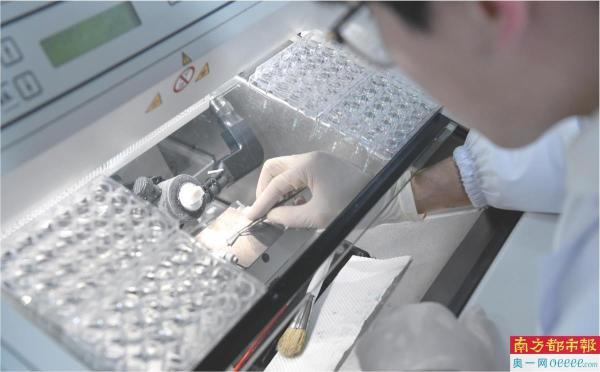
Core Insights - The transformation and development of Licheng District is characterized by proactive innovation, urban-rural integration, and a commitment to improving the well-being of its residents [1] Group 1: Industrial Transformation - Licheng District is shifting from a reliance on traditional industries to a focus on four leading sectors: digital economy, biomedicine, trade logistics, and emerging services, along with a "3+2" industrial chain [3] - The district has attracted 50 leading enterprises, including Zhongke Shuguang and Bond Laser, and has established a digital economy park and a digital economy pilot zone [3] - By the first half of 2025, the output value of high-tech manufacturing in Licheng is expected to account for 70.2% of the industrial output above designated size, surpassing provincial and city averages [4] Group 2: Innovation Ecosystem - Licheng has over 700 high-tech enterprises, with R&D investment reaching 3.5% of GDP, and is home to 16 national-level "little giant" enterprises [5][6] - The district has established a multi-layered innovation network, including national key laboratories and various research institutions, facilitating the transformation of research outcomes into practical applications [6] - Talent resources in Licheng have exceeded 270,000, supported by initiatives like the "Zhihui Licheng" plan and the establishment of a talent development group [6] Group 3: Urban-Rural Integration - Licheng is focusing on "systematic promotion" of urban renewal, transitioning from isolated projects to comprehensive development strategies [7] - The district is enhancing urban infrastructure with projects like the Supercomputing Technology City and International Land Port, while also promoting rural revitalization through integrated development [8] - The urbanization rate in Licheng has reached 90.92%, with a reduction in the income disparity between urban and rural residents from 2.24:1 to 2.09:1 [8] Group 4: Quality of Life Improvements - Over 80% of Licheng's fiscal expenditure is directed towards improving living standards, transitioning from basic support to quality enhancement [9] - The district has created 20,400 new urban jobs this year, contributing to a steady increase in per capita disposable income [9] - Educational improvements include the construction of 46 new or expanded schools, resulting in an additional 43,500 student places [10]
历城以内涵式发展锻造高质量发展新引擎
Qi Lu Wan Bao· 2026-01-20 01:40
Core Insights - The transformation of Licheng District is characterized by proactive innovation and structural adjustment, focusing on digital economy, biomedicine, trade logistics, and emerging services as the four leading industries [2][10] - The district aims to shift from scale expansion to qualitative improvement in economic and social development during the 14th Five-Year Plan period [1][10] Industry Transformation - Licheng has moved from a reliance on single industries to a diversified industrial ecosystem, establishing a new industrial structure that includes digital economy, biomedicine, and integrated circuits [2][3] - Key projects such as the Intelligent Sensor Industrial Park and Supercomputing Technology City are being developed, attracting over 50 leading enterprises [2][3] Economic Performance - By the first half of 2025, high-tech manufacturing output in Licheng is expected to account for 70.2% of the industrial output above designated size, surpassing provincial and municipal averages [3] - Investment in the "Four New" economy has increased from 25.5% in 2022 to 43.3% of fixed asset investment, becoming a major growth driver [3] Innovation Ecosystem - Licheng has over 700 high-tech enterprises, with R&D investment reaching 3.5% of GDP, and has established a multi-layered innovation network [4][5] - The district has created a collaborative environment for enterprises, platforms, and talent, fostering innovation and technological advancement [4][5] Urban Development - The district is focusing on systematic urban renewal, transitioning from point-based improvements to comprehensive development strategies [6][7] - Urbanization rate has increased to 90.92%, with efforts to reduce the urban-rural income gap from 2.24:1 to 2.09:1 [7] Social Welfare - Over 80% of fiscal expenditure is directed towards social welfare, enhancing employment stability and income growth [8] - Significant improvements in education and governance have been made, with new schools and smart governance initiatives enhancing community well-being [8][9]
【践行“两高四着力”一线调研行】高新攀新高
Zheng Zhou Ri Bao· 2026-01-14 02:24
Core Viewpoint - Zhengzhou High-tech Zone is establishing itself as a new benchmark for high-quality development through a five-dimensional highland approach, focusing on innovation and technology-driven industries. Economic Performance - In the first three quarters of 2025, Zhengzhou High-tech Zone achieved a GDP of 48.27 billion yuan, representing a year-on-year growth of 5.2%, an increase of 1.3 percentage points compared to the same period in 2024 [1]. Innovation Ecosystem - The zone has attracted over 110,000 business entities, 80,000 enterprises, and 120,000 technology talents, forming a modern industrial system characterized by "2+4+3" [2]. - Zhengzhou High-tech Zone is home to 654 provincial-level and above research platforms, including 33 national-level ones, showcasing its strong innovation capabilities [5]. Industry Development - The zone has been recognized as a key cultivation area for "advanced computing internet" and "new hydrogen fuel cells," being the only high-tech zone in the province to receive such recognition [5]. - The sensor industry has seen rapid growth, with over 2,900 related enterprises established, covering various applications from gas to agriculture [10]. Policy Environment - Zhengzhou High-tech Zone has implemented various policies to optimize the business environment, including measures to support enterprises in reducing costs and enhancing efficiency [13][15]. - The government has established a comprehensive financial service system, with a fund scale of 17 billion yuan and a venture capital management scale exceeding 195 billion yuan [18]. Talent Development - The zone has attracted a significant number of high-level talents, including 24 academicians and 12 national-level candidates, contributing to its innovation-driven development [19]. - A new talent policy has been introduced, offering up to 20 million yuan in support to attract young talents and stimulate enterprise recruitment [20]. Cultural Integration - Zhengzhou High-tech Zone is integrating cultural heritage with modern innovation, promoting industries like micro-short films and animation, which have become significant cultural assets [22][25].