
一级能效和水效家电

Search documents
政策支持和改革创新并举 确保“十五五”开好局
Zhong Guo Fa Zhan Wang· 2026-01-27 10:07
Core Viewpoint - The article emphasizes the achievements and future plans of China's economic development under the leadership of the central government, highlighting the importance of macro policies, technological innovation, and reforms to ensure a strong start for the 14th Five-Year Plan. Economic Growth and Policies - The implementation of proactive macro policies has led to a significant increase in economic strength, with the total economic output reaching 140 trillion yuan and a growth rate of 5.0%, maintaining a leading position among major global economies [2] - The focus on high-level technological self-reliance has resulted in breakthroughs in new productive forces, with advancements in AI, biomedicine, and robotics, solidifying China's position as a global leader in manufacturing [2] Reforms and Market Development - Efforts to eliminate bottlenecks in economic circulation have led to significant reforms, including the introduction of the Private Economy Promotion Law and over 120 meetings with private entrepreneurs to address development challenges [3] - The establishment of a unified national market has enhanced market advantages, with a 6.1% increase in exports and a total import value of 18.48 trillion yuan, representing about 10% of global imports [3] Urbanization and Social Welfare - The new urbanization strategy has resulted in an urbanization rate of 67.89% by the end of 2025, allowing over 10 million people to enjoy modern urban life [3] - Initiatives to improve public welfare have led to a stable urban unemployment rate of 5.2% and the implementation of various social support measures, enhancing the quality of life for citizens [4] Future Economic Outlook - The economic structure is expected to continue improving, with new growth points emerging in sectors such as renewable energy and quantum technology, and the digital economy projected to reach 49 trillion yuan by 2025, accounting for approximately 35% of GDP [5][6] - The focus on expanding domestic demand and enhancing the modern industrial system will drive economic growth, with an emphasis on innovation and the development of new industries [7][8] Policy Implementation and Effectiveness - The "Two New" policies have significantly boosted investment and consumption, with over 8400 projects supported, leading to an investment increase of 11.8% and a retail sales growth of 0.6% [9] - Strategies to improve the efficiency of fund usage and enhance policy effectiveness are being implemented, including lowering barriers for project applications and strengthening regulatory oversight [10][11] Unified Market Construction - The construction of a unified national market has made significant progress, with enhanced social consensus and improved market infrastructure, facilitating resource aggregation and economic growth [12][13] - Future efforts will focus on deepening institutional reforms, promoting high-quality development, and addressing competitive issues to ensure a fair market environment [13]
我国经济结构逐“绿”向新
中国能源报· 2026-01-25 02:08
Group 1 - The core viewpoint of the article emphasizes the steady improvement of energy-saving and carbon reduction standards, alongside the continuous growth of green energy investments [1][5] - By 2025, China's economy is projected to achieve a qualitative effective enhancement and reasonable quantitative growth, reaching a total economic output of 140 trillion yuan with a growth rate of 5%, maintaining a leading position among major global economies [3] - New economic growth points such as new energy, new materials, aerospace, quantum technology, and biomanufacturing are emerging, with the installed capacity of new energy storage exceeding 100 million kilowatts, accounting for over 40% of the global total [3][9] Group 2 - The implementation of the "Two New" policy has led to significant advancements in recycling and circular economy, with over 69 million tons of standard coal saved and a reduction of over 170 million tons of carbon emissions [5] - The focus on innovation-driven development is evident, with breakthroughs in key core technologies and advancements in artificial intelligence, biomedicine, and robotics, positioning China at the forefront of global research and application [6] - The construction of a unified national market has made positive progress, enhancing the flow of factors and supporting high-quality economic development [9] Group 3 - The article highlights the importance of accelerating energy transition and promoting industrial upgrades, with a dual approach of developing green low-carbon industries while phasing out inefficient production capacities [10] - The commitment to achieving carbon peak and carbon neutrality by 2030 and 2060 respectively is underscored, with a focus on comprehensive energy conservation and the promotion of a green low-carbon lifestyle [10] - The growth of high-tech service industry investments, particularly in green energy, is noted, with a 3.5% increase in investment last year [8]

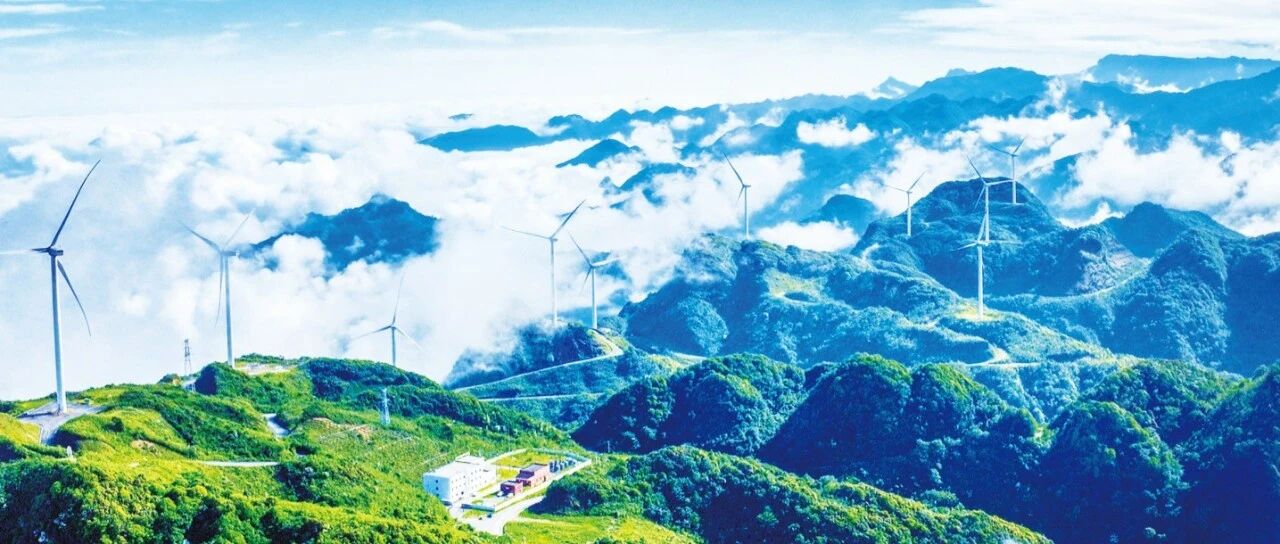
持续放大“两新”政策效能
Jing Ji Wang· 2026-01-21 03:13
Group 1 - The core viewpoint of the article emphasizes the significant achievements of the "Two New" policy since its implementation in 2024, aimed at promoting large-scale equipment updates and consumer goods recycling to expand domestic demand [1] - The policy has effectively stimulated investment growth, with over 8,400 equipment update projects supported by long-term special government bonds, leading to a total investment exceeding 1 trillion yuan and a year-on-year increase of 11.8% in equipment purchases [1] - The policy has also boosted consumer activity, with over 360 million people applying for subsidies for replacing old consumer goods, resulting in sales exceeding 2.6 trillion yuan and a direct contribution of 0.6 percentage points to the total retail sales of consumer goods [1] Group 2 - The "Two New" policy has accelerated the establishment of a recycling and circular economy, with over 29,000 new smart community recycling facilities added nationwide and significant advancements in energy-saving and carbon reduction standards [2] - The policy has led to cumulative energy savings of over 69 million tons of standard coal and a reduction of over 170 million tons of carbon emissions [2] - The 2026 arrangements for the "Two New" policy include optimizing support scope, subsidy standards, and implementation mechanisms, with an initial allocation of 62.5 billion yuan in special government bonds for consumer goods recycling [2] Group 3 - In terms of equipment updates, the policy aims to lower investment thresholds for project applications, enhance support for small and medium-sized enterprises, and improve project review standards to prevent resource waste [2] - For consumer goods recycling, the policy focuses on optimizing fund distribution based on consumption potential, establishing unified subsidy standards across various categories, and ensuring balanced fund usage to alleviate financial pressures on enterprises [3] - The policy also emphasizes strict fund audits to combat illegal activities, ensuring that any fraudulent behavior is identified and dealt with promptly [3]
国家发改委:“两新”政策实施已累计形成年节能量超过6900万吨标准煤 减少碳排放超过1.7亿吨
Cai Jing Wang· 2026-01-20 09:05
Core Insights - The implementation of the "Two New" policy has significantly improved the recycling and circular economy system, with over 29,000 new intelligent community recycling facilities established nationwide [1] - Energy-saving and carbon reduction standards have been steadily enhanced, with all 294 national standards related to energy consumption and emissions published [1] - The promotion of green and low-carbon products has accelerated, with nearly 60% of consumer purchases being new energy vehicles and over 90% for first-level energy efficiency and water efficiency appliances [1] - Cumulatively, the "Two New" policy has resulted in energy savings of over 69 million tons of standard coal and a reduction of carbon emissions by more than 170 million tons [1]
国家发改委答21:统一汽车、家电“国补”标准,按季度下达资金
2 1 Shi Ji Jing Ji Bao Dao· 2026-01-20 05:40
Core Viewpoint - The implementation of the "Two New" policy in 2025 is expected to significantly boost China's GDP growth, with a target of surpassing 140 trillion yuan, driven by measures to expand domestic demand and support investment and consumption [1][2]. Group 1: Economic Impact - In 2025, the "Two New" policy is projected to support approximately 8,400 equipment upgrade projects, leading to total investments exceeding 1 trillion yuan and contributing to an 11.8% year-on-year increase in equipment investment [2]. - The policy has resulted in over 360 million people applying for subsidies for replacing old consumer goods, generating sales exceeding 2.6 trillion yuan and directly increasing retail sales of consumer goods by 0.6 percentage points [2]. - The implementation of the "Two New" policy has led to a cumulative energy saving of over 69 million tons of standard coal and a reduction of carbon emissions by more than 170 million tons [2]. Group 2: Policy Implementation for 2026 - The National Development and Reform Commission (NDRC) and the Ministry of Finance have announced the support scope and subsidy standards for the "Two New" policy for 2026, with an initial allocation of 62.5 billion yuan for consumer goods replacement [3]. - The 2026 policy aims to optimize the support scope and subsidy standards, ensuring a smooth transition and orderly implementation of the policy [3]. Group 3: Enhancements to Policy Effectiveness - To improve the effectiveness of fund utilization and amplify policy impact, the following measures are proposed: lowering investment thresholds for project applications, enhancing project review standards, and strengthening regulatory oversight [4][5]. - A unified subsidy standard will be implemented nationwide for various categories, including automobile replacements and home appliances, to ensure consistency across regions [5]. - The policy will also focus on combating fraudulent activities related to subsidies, ensuring strict fund audits and management to prevent abuse [5].
利好!重磅发布会 信息量很大
Zhong Guo Ji Jin Bao· 2026-01-20 04:54
Core Viewpoint - The Chinese government is focused on implementing policies to ensure a strong start for the 14th Five-Year Plan, emphasizing economic resilience, high-quality development, and improved living standards [1][3]. Economic Development Goals - By 2025, the main economic and social development goals are expected to be achieved, with economic operations showing steady progress and resilience [3]. - The government aims to implement more proactive macro policies, promote high-level technological self-reliance, and enhance the quality of life for citizens [3]. Technological and Industrial Advancements - The digital economy's added value is projected to reach 49 trillion yuan by 2025, accounting for approximately 35% of GDP, creating significant market opportunities [4]. - The government is planning to advance several major high-tech industry projects during the 14th Five-Year Plan period [4]. Domestic Demand and Supply Optimization - The government recognizes the current imbalance of strong supply and weak demand, aiming to expand domestic demand and optimize supply to achieve a dynamic balance [6]. - Key strategies include focusing macro policies on strengthening domestic circulation, enhancing the real economy, and promoting a unified national market [7]. Investment and Consumption Initiatives - In 2025, over 360 million people are expected to apply for subsidies for replacing old consumer goods, driving sales of related products to exceed 2.6 trillion yuan [9]. - The "Two New" policies are expected to support over 8,400 equipment upgrade projects, leading to total investments exceeding 1 trillion yuan and a projected 11.8% increase in equipment investment [9]. Policy Effectiveness and Future Plans - The government plans to optimize the "Two New" policies to enhance their effectiveness, including lowering barriers for project applications and improving management of funding [11][12]. - Future initiatives will focus on increasing residents' income to boost consumption, with plans for a new action plan aimed at stabilizing jobs and increasing urban and rural residents' income [14].
利好!重磅发布会,信息量很大
中国基金报· 2026-01-20 04:35
Core Viewpoint - The article discusses the implementation of the Central Economic Work Conference's spirit and the efforts to achieve a good start for the "14th Five-Year Plan," highlighting the resilience of China's economic development and the focus on enhancing domestic demand and innovation [1][3]. Group 1: Economic Development Goals - By 2025, the main goals for economic and social development are expected to be achieved, with economic operations showing stability and progress, and improvements in people's livelihoods [3]. - The focus will be on implementing more proactive macro policies, advancing high-level technological self-reliance, and breaking through economic circulation bottlenecks [3][4]. Group 2: Digital Economy and Innovation - The digital economy's added value is projected to reach 49 trillion yuan by 2025, accounting for approximately 35% of GDP, indicating significant market potential [4]. - China currently has 24 global top 100 innovation clusters, maintaining the highest number in the world, which enhances the role of innovation in driving economic growth [4]. Group 3: Domestic Demand and Supply Optimization - There is a current imbalance in the economy characterized by strong supply and weak demand, necessitating a focus on expanding domestic demand and optimizing supply to achieve a dynamic balance [6]. - The strategy includes three key focuses: strengthening domestic circulation, emphasizing the real economy, and advancing the construction of a unified national market [6][7]. Group 4: Investment and Consumption Policies - In 2025, over 360 million people are expected to apply for subsidies for replacing old consumer goods, which will boost related sales by over 2.6 trillion yuan [9]. - The "Two New" policies are expected to play a significant role in stabilizing investment, expanding consumption, and promoting transformation, with a total investment increase of 1.8 percentage points expected from these initiatives [9]. Group 5: Enhancing Consumer Capacity - Plans are underway to enhance residents' income through actions aimed at stabilizing and expanding employment, which is crucial for boosting domestic demand [13][14]. - The government will focus on combining investment in physical and human capital to improve investment efficiency and promote consumer demand [14].
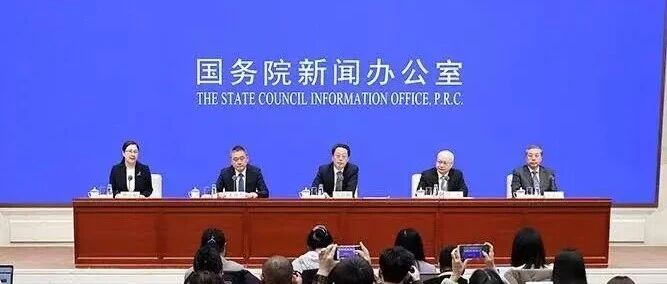
利好!重磅发布会,信息量很大
Zhong Guo Ji Jin Bao· 2026-01-20 03:42
Core Viewpoint - The Chinese government is committed to implementing policies that promote economic stability and growth, focusing on enhancing domestic demand and optimizing supply to achieve a balanced and sustainable economic development during the 14th Five-Year Plan period [2][4][10]. Group 1: Economic Development Goals - By 2025, the main economic and social development goals are expected to be achieved, with economic operations showing steady progress and resilience [2]. - The focus will be on implementing proactive macro policies, advancing high-level technological self-reliance, and addressing economic circulation bottlenecks [2][4]. - The digital economy's added value is projected to reach 49 trillion yuan by 2025, accounting for approximately 35% of GDP, indicating significant market potential [3]. Group 2: Domestic Demand and Supply Optimization - The government aims to expand domestic demand and optimize supply to achieve a dynamic balance and virtuous cycle at a higher level [4][10]. - A strategic plan for expanding domestic demand from 2026 to 2030 is being developed to align new demand with new supply [4]. - Emphasis will be placed on strengthening the real economy and modernizing the industrial system, with a focus on innovation and the development of new industries [5]. Group 3: Investment and Consumption Initiatives - In 2025, over 360 million people are expected to apply for subsidies for replacing old consumer goods, driving sales of related products to exceed 2.6 trillion yuan [6][7]. - The "Two New" policies are expected to support over 8,400 equipment renewal projects, leading to total investments exceeding 1 trillion yuan and a projected 11.8% increase in equipment investment [7]. - The government plans to enhance the effectiveness of the "Two New" policies by optimizing support ranges and subsidy standards, ensuring better management of project funding [8][9]. Group 4: Consumer Income and Spending Power - Increasing consumer income is identified as a crucial aspect of boosting domestic demand, with plans for actions to stabilize and expand employment and enhance residents' income [10]. - The government will continue to implement the old-for-new consumption policy, with an initial allocation of over 60 billion yuan to stimulate consumption [10]. - A combination of policy support and reform innovation will be pursued to enhance the effectiveness of domestic demand strategies [11].
“两新”政策实施以来年节能量超过6900万吨标准煤
Zhong Guo Jing Ji Wang· 2026-01-20 03:34
Core Viewpoint - The implementation of the "Two New" policy has significantly contributed to energy savings, carbon emission reductions, and economic growth in China, with substantial investments and consumer engagement observed since its launch in 2024 [1][2]. Group 1: Economic Impact - The "Two New" policy has led to cumulative energy savings exceeding 69 million tons of standard coal and a reduction of over 170 million tons of carbon emissions, supporting China's dual carbon goals [1]. - By 2025, over 8,400 equipment upgrade projects will be supported by long-term special government bonds, driving total investments beyond 1 trillion yuan and contributing to an 11.8% year-on-year increase in equipment investment [1]. - The policy has directly boosted overall investment growth by 1.8 percentage points, laying a solid foundation for industrial upgrades [1]. Group 2: Consumer Engagement - More than 360 million people have applied for subsidies under the "old-for-new" consumption policy, resulting in sales exceeding 2.6 trillion yuan and a 0.6 percentage point increase in retail sales of consumer goods [1]. - The policy has effectively activated consumer market vitality and provided tangible benefits to the public [1]. Group 3: Green Transition - The recycling and circular economy system has been enhanced, with over 29,000 new smart community recycling facilities established, integrating green and low-carbon concepts into daily life [2]. - A comprehensive energy-saving and carbon reduction standard system has been developed, with all 294 national standards related to energy consumption and emissions published [2]. - The promotion of green low-carbon products has been successful, with nearly 60% of consumers purchasing new energy vehicles and over 90% opting for energy-efficient appliances [2]. Group 4: Future Plans - The 2026 "Two New" policy has been officially released, with the first batch of 62.5 billion yuan in long-term special government bonds allocated [2]. - The policy will be optimized in terms of support scope and subsidy standards, with a focus on enhancing the accuracy, convenience, and effectiveness of implementation mechanisms [2].
国家发改委:2026年持续放大“两新”政策效能
Zhong Guo Xin Wen Wang· 2026-01-20 03:26
Core Viewpoint - The implementation of the "Two New" policy is a significant decision by the central government aimed at promoting high-quality development, expanding domestic demand, and enhancing macroeconomic counter-cyclical adjustments, with notable effects observed since its launch in 2024 [1][2]. Investment Growth - In 2025, over 8,400 equipment update projects will be supported by special long-term government bonds, driving total investment exceeding 1 trillion yuan, which will support a year-on-year increase of 11.8% in equipment and tool purchases, contributing 1.8 percentage points to overall investment growth [1][2]. Consumer Activity - More than 360 million people are expected to apply for subsidies under the "old for new" consumer goods program in 2025, leading to related sales exceeding 2.6 trillion yuan and directly boosting retail sales of consumer goods by 0.6 percentage points [2]. Green Transition - The "Two New" policy has accelerated the establishment of recycling systems, with over 29,000 new smart community recycling facilities added nationwide. Energy-saving and carbon reduction standards have been steadily improved, with 294 national standards related to energy consumption and emissions published. The promotion of green low-carbon products has led to nearly 60% of purchased vehicles being new energy vehicles, and over 90% of major appliances meeting first-level energy and water efficiency standards. Cumulatively, the policy has resulted in energy savings of over 69 million tons of standard coal and a reduction of over 170 million tons of carbon emissions [2][3]. Policy Optimization for 2026 - The 2026 "Two New" policy arrangements have been released, optimizing support scope, subsidy standards, and implementation mechanisms. The first batch of 62.5 billion yuan in special long-term government bonds for the "old for new" consumer goods program has been allocated, ensuring a smooth transition and orderly implementation of the policy [2][3]. Equipment Update Measures - To enhance the effectiveness of equipment updates, the policy will lower investment thresholds for project applications, strengthen project condition specifications and review standards, and improve management responsibilities through enhanced supervision and daily monitoring [3]. Consumer Goods Measures - For the "old for new" consumer goods program, the policy will optimize fund allocation based on consumption potential and execution status, implement unified subsidy standards nationwide, and ensure balanced fund usage while combating illegal activities related to subsidy claims [3].