三黄鸡

Search documents
炖只鸡,差价怎么那么高?
Yang Zi Wan Bao Wang· 2026-01-20 15:28
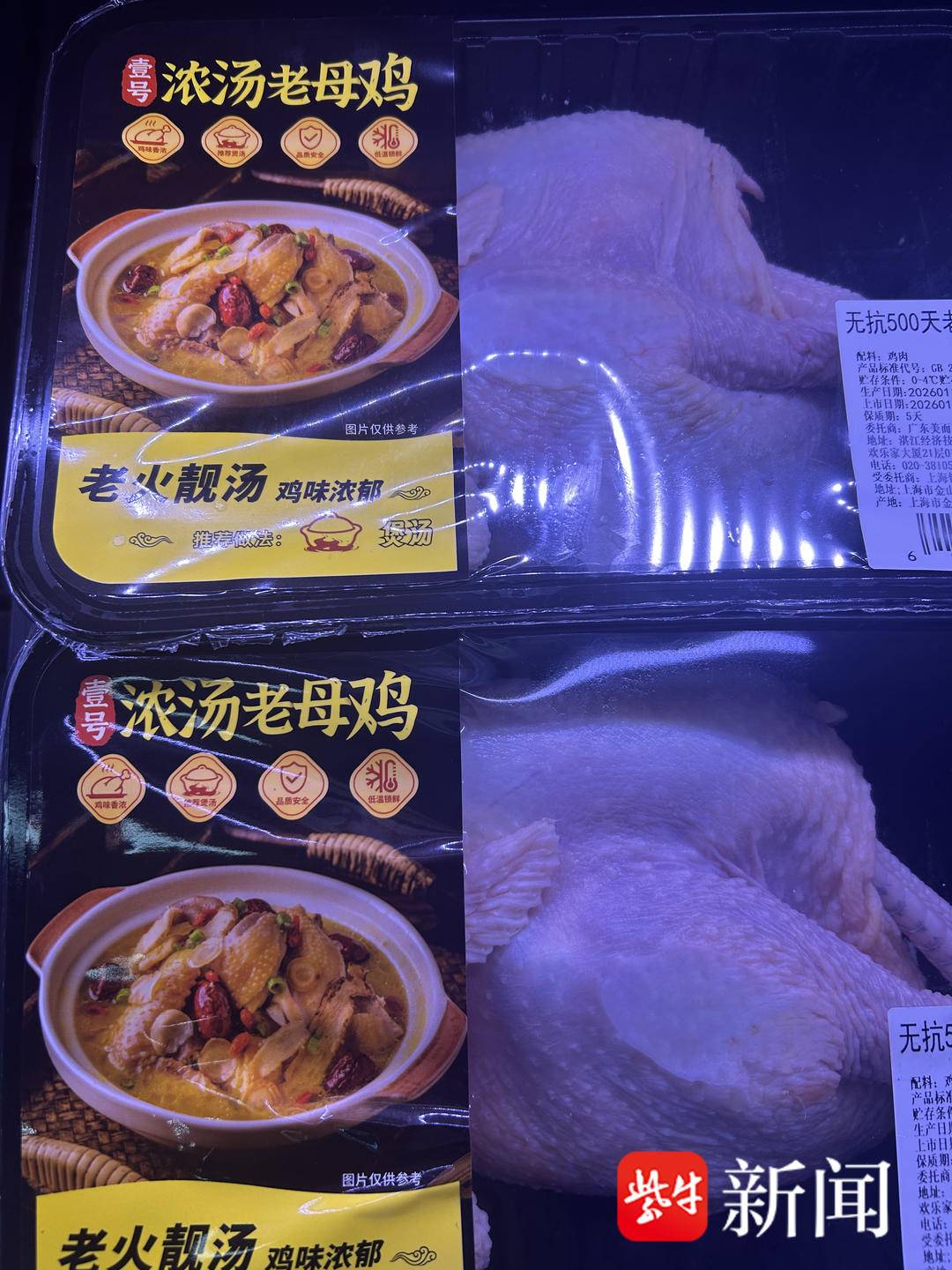
Core Insights - The recent sale of Anhui Mahuang chicken at a low price of 83 yuan for three has sparked industry association concerns and increased public attention on price disparities in the chicken market [1] - A significant price difference exists between different types of chickens, with prices ranging from 17 yuan per pound to 168 yuan per chicken [3] Price Disparities - In local markets, the price of a yellow butter hen is 19 yuan per pound, while a three-yellow chicken is priced at 17 yuan per pound, indicating a substantial price difference for consumers [4] - In a large supermarket, a free-range Anhui butter hen weighing about 1 kg is priced at 29.9 yuan, while another slow-raised yellow feather chicken of the same weight costs 59.9 yuan, and an organic free-range hen is priced at 168 yuan [4] Factors Influencing Price - The price differences are attributed to breed and rearing period, with fast-growing chickens like "three-yellow" and "young roosters" being cheaper due to lower costs and shorter growth cycles [5] - Yellow butter hens, which are typically free-range and raised for longer periods (over 300 days), have higher costs due to time, feed, and mortality rates, leading to higher prices [5] - The "no antibiotics" concept also contributes to higher prices, as it requires better management and biosecurity measures during rearing [6] Consumer Guidance - Consumers are advised to choose based on their cooking needs; for making rich chicken soup, longer-raised products like "old hens" or "free-range local chickens" are recommended, while for everyday cooking, "three-yellow" or "young roosters" offer better value [6]

2025年“桂字号”畜产品走进大湾区产销对接(珠海)活动举办
Nan Fang Nong Cun Bao· 2025-12-09 13:08
Core Viewpoint - The 2025 "Gui" branded livestock products event successfully took place in Zhuhai, Guangdong, aiming to enhance the production and sales collaboration between Guangxi and the Greater Bay Area [2][6]. Group 1: Event Overview - The event was organized by the Guangxi Zhuang Autonomous Region Agricultural and Rural Affairs Department, in collaboration with various local agricultural bodies and associations [3][4]. - Over 200 representatives from professional buyers, media, and leading enterprises in Guangxi attended the event to discuss the collaboration in livestock product sales [5][6]. Group 2: Market Demand and Supply Gap - Zhuhai has a strong demand for livestock products, consuming nearly 1 million pigs, 50,000 cattle, 20,000 sheep, and 30 million poultry annually, but faces a significant supply gap [15][16]. - Local production is insufficient, with less than 100,000 pigs and poultry, and all cattle and sheep being sourced from outside [15][16]. Group 3: Strategic Goals and Collaborations - The event aims to leverage Zhuhai's geographical and market advantages to facilitate the direct supply of high-quality "Gui" branded livestock products to the Greater Bay Area [10][11]. - A strategic cooperation agreement was signed between Guangxi agricultural enterprises and Guangdong agricultural associations to enhance collaboration in quality standards, logistics, and e-commerce talent [26][27]. Group 4: Product Promotion and Engagement - 35 Guangxi exhibiting companies showcased over 60 unique livestock products, emphasizing ecological value and brand strength [20][22]. - The event included a tasting area to highlight the quality and advantages of "Gui" branded products, attracting significant attention from buyers [22][23]. Group 5: Future Directions - The event is seen as a stepping stone to establish a regular production and sales connection platform, improve cold chain logistics, and promote mutual recognition of agricultural product standards [17][18]. - The ongoing collaboration aims to ensure that more "Gui" quality ecological livestock products enter the Greater Bay Area market while also facilitating the entry of Guangdong's quality aquatic products into Guangxi [19][34].

从“不用记”到“不记不行” 这名脱贫户的账本为何越记越详细
Xin Hua Wang· 2025-11-11 23:48
Core Insights - The article highlights the transformation of Bai Yinbao's family from poverty to stable income through diversified agricultural practices and government support [2][5] - It emphasizes the importance of ecological protection and sustainable farming methods in improving the livelihoods of local farmers [4][5] Group 1: Economic Transformation - Bai Yinbao's family income increased from less than 4,000 yuan per capita in 2014 to over 10,000 yuan after stable poverty alleviation in 2020, reflecting a significant economic improvement [2] - The family now has multiple income sources, including livestock sales, subsidies, and crop production, with at least seven to eight different revenue streams [2][3] - Bai Yinbao's livestock count has grown to 170 sheep and 32 cattle, with additional income from a subsidy of 11,000 yuan for calves produced [3] Group 2: Agricultural Practices - The introduction of a 1.19 million square meter livestock breeding area in 2022 has improved livestock health and productivity through centralized feeding and mature breeding techniques [3] - Bai Yinbao participates in a "borrow chicken return chicken" project, receiving 100 free chicks and generating over 10,000 yuan annually from chicken sales and subsidies [3] - The cultivation of 120 acres of corn and 30 acres of soybeans, along with 2 acres of beans in the yard, yields over 60,000 yuan annually from crop sales and subsidies [3] Group 3: Ecological Initiatives - The establishment of a 1,500-acre seabuckthorn forest in 2019 has improved land conditions and generated an annual collective income of 200,000 yuan for the village [3] - Bai Yinbao served as a forest ranger in 2020, earning a salary of 10,000 yuan, and received ecological compensation of 2,846.58 yuan for planting shrubs to combat desertification [4] Group 4: Government Support and Monitoring - The local government conducts regular monitoring of 1,676 households at risk of returning to poverty, implementing targeted support measures based on identified risks [5] - New monitoring efforts have identified 367 households and 972 individuals this year, with tailored assistance plans developed to prevent poverty [5]
这名脱贫户的账本为何越记越详细(不掉队 赶上来)
Ren Min Ri Bao· 2025-11-11 22:40
Core Insights - The article highlights the transformation of a poverty-stricken household in Inner Mongolia, showcasing the impact of targeted poverty alleviation measures and diversified income sources [2][5]. Group 1: Economic Transformation - Baiyinbao's family income increased from less than 4,000 yuan per person in 2014 to over 10,000 yuan per person by 2020, marking a significant improvement in their economic status [2]. - The family now has multiple income streams, including livestock sales, agricultural subsidies, and participation in various projects, leading to a more detailed record-keeping practice [2][3]. Group 2: Livestock and Agriculture - Baiyinbao's livestock count has grown to 170 sheep and 32 cattle, with the family benefiting from subsidies and a centralized breeding facility established in 2022 [3]. - The introduction of the "borrow chicken, return chicken" project has allowed Baiyinbao to raise chickens at low costs, contributing to an additional income of over 10,000 yuan annually [3]. Group 3: Environmental Initiatives - The establishment of a 1,500-acre seabuckthorn forest has improved land conditions and generated collective income for the village, demonstrating the ecological and economic benefits of environmental restoration efforts [4]. - Baiyinbao's role as a forest ranger and participation in ecological compensation programs further illustrate the community's commitment to sustainable practices [4]. Group 4: Ongoing Support and Monitoring - The local government conducts regular monitoring of households at risk of falling back into poverty, with 1,676 households currently under observation and tailored support plans in place [5]. - New monitoring efforts have identified 367 households this year, ensuring that assistance is targeted and effective in preventing poverty recurrence [5].
广西学用“千万工程”经验 加快建设宜居宜业和美乡村
Guang Xi Ri Bao· 2025-11-07 02:52
Core Insights - Guangxi is focusing on the implementation of the "Ten Million Project" to enhance rural development and quality of life, with significant financial support from the central government and local initiatives [1][2] Group 1: Financial Support and Investment - Since the beginning of the 14th Five-Year Plan, Guangxi has secured 700 million yuan in central budget funds to support the construction of beautiful rural areas across 35 counties [1] - For the years 2024-2025, the autonomous region will allocate 1 billion yuan annually to implement the "Ten Million Project" and leverage social capital and community labor [1] Group 2: Infrastructure Development - The completion rate of rural infrastructure has significantly improved, with 99% of townships connected to tertiary roads and 100% of administrative villages having access to graded roads [2] - The rural water supply coverage has reached 92.4%, and over 32,000 rural houses have been renovated to eliminate safety hazards [2] - The coverage of 5G and gigabit fiber networks in administrative villages has reached 100% [2] Group 3: Improvement in Living Conditions - The penetration rate of sanitary toilets in rural areas has reached 95.29%, surpassing the national average [2] - The coverage of sewage treatment facilities in built towns has achieved 100%, making Guangxi the seventh province in the country to reach this milestone [2] - The rate of rural waste management has improved, with 95% of village groups now able to collect and process waste [2] Group 4: Public Services Enhancement - A total of 27.46 billion yuan has been allocated for the construction and expansion of 6,407 compulsory education schools, including 204 new schools [3] - The region has established 1,265 township health centers and 17,800 village clinics, significantly enhancing healthcare access [3] - The coverage of regional elderly care service centers has reached 60.9% [3] Group 5: Agricultural Development - Guangxi has implemented a three-year action plan for modern characteristic agricultural development, creating six agricultural industry clusters with annual outputs exceeding 100 billion yuan [3] - The region has established 10 national-level advantageous characteristic industry clusters and 13 national-level modern agricultural parks [3] - Innovative applications of AI in agriculture, such as "unmanned farms" and "smart pest control," are emerging [3] Group 6: Governance and Community Engagement - The proportion of star-rated village party organizations has reached 49.1%, indicating strong party leadership in rural governance [4] - New forms of village-level consultation and governance have been developed, enhancing community participation [4] - Efforts in rural spiritual civilization construction are being advanced alongside governance initiatives [4]
湘佳股份生鲜家禽进驻中国香港最大连锁超市
Zheng Quan Ri Bao· 2025-09-18 06:08
Core Insights - Xiangjia Co., Ltd. has officially launched its fresh poultry products in Hong Kong's largest supermarket chain, Wellcome Supermarket, marking a significant expansion into the Hong Kong market [2] - The Hong Kong Food and Environmental Hygiene Department recognized Xiangjia's quality management and food safety monitoring systems during an inspection in August, supporting the brand's growth in the region [2] Company Expansion - Wellcome Supermarket, established in 1945, has over 240 stores and is a leading choice for food and daily necessities among Hong Kong residents, providing a strong platform for Xiangjia's products [2] - Xiangjia's products, including "San Huang Chicken" and "Farm Chicken," have received positive feedback for their tender meat and rich flavor, indicating strong consumer acceptance [2] Market Response - Sales of Xiangjia's products exceeded expectations shortly after being listed at Wellcome Supermarket, reflecting a robust market response [2] - The company plans to leverage its "farm-to-table" advantage to expand its range of quality products, including chicken, duck, pigeon, pork, eggs, and oranges, aiming to deliver safe and healthy food to more consumers [2]
重庆市铜梁区市场监督管理局关于262批次食品安全抽检情况的通告(2025年第4号)
Zhong Guo Zhi Liang Xin Wen Wang· 2025-08-06 03:03
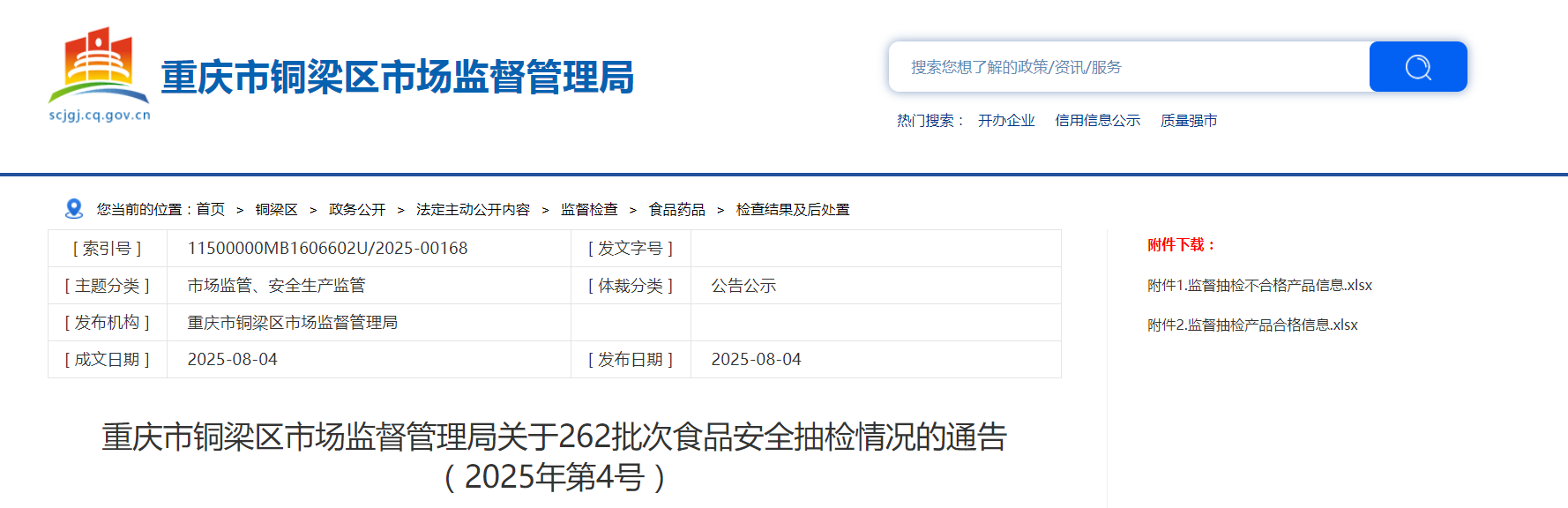
Core Points - The Chongqing Tongliang District Market Supervision Administration conducted a food safety inspection, testing 262 samples across various categories, with 254 passing and 8 failing the safety standards [1]. Group 1: Inspection Results - A total of 262 samples were tested, with 254 samples deemed compliant and 8 samples identified as non-compliant [1]. - The non-compliant products were subjected to legal actions as per the Food Safety Law of the People's Republic of China, including recall and removal from shelves [1]. Group 2: Non-compliant Products - Specific non-compliant products included items with pesticide residues exceeding the permissible limits, such as: - Imidacloprid at 0.244 mg/kg (limit ≤0.05 mg/kg) [1] - Cadmium at 0.493 mg/kg (limit ≤0.05 mg/kg) [1] - Enrofloxacin at 157 µg/kg (limit ≤100 µg/kg) [1] - The inspection revealed multiple instances of pesticide and heavy metal residues in various food products, indicating potential health risks [1].