牛羊

Search documents
魏锋华:2025年农业经济形势稳中向好
Guo Jia Tong Ji Ju· 2026-01-19 03:35
Group 1: Agricultural Production - In 2025, China's grain production reached 14,297.5 billion jin, an increase of 167.5 billion jin or 1.2% from the previous year, maintaining stability above 14 trillion jin for two consecutive years [2] - The total grain sown area was 1.791 billion mu, an increase of 1.348 million mu or 0.1%, marking six consecutive years of growth [2] - The national grain yield was 399.1 kg/mu, an increase of 4.4 kg/mu or 1.1% from the previous year [2] Group 2: Crop Production by Type - The total grain output was 13,204.1 billion jin, with corn production at 6,024.7 billion jin (up 126.4 billion jin or 2.1%), rice at 4,180.8 billion jin (up 30.1 billion jin or 0.7%), and wheat at 2,801.4 billion jin (slightly down by 0.5 billion jin) [3] - Soybean production was 418.1 billion jin, an increase of 5.2 billion jin or 1.3% [3] Group 3: Livestock Production - In 2025, the total meat production from pigs, cattle, sheep, and poultry exceeded 100.72 million tons, an increase of 4.2% from the previous year [4] - Pork production reached a record high of 5,938 million tons, up 232 million tons or 4.1% [4] - The number of pigs slaughtered was 71.973 million heads, an increase of 1.716 million heads or 2.4% [4] Group 4: Poultry Production - The total poultry output was 18.32 billion birds, an increase of 9.8 billion birds or 5.6% [5] - Poultry meat production was 28.37 million tons, an increase of 177 million tons or 6.7% [5] Group 5: Agricultural Market Supply and Prices - The overall producer price level for agricultural products decreased by 3.7% compared to the previous year [6] - Prices for livestock and their products fell by 7.5%, while forestry and fishery products saw declines of 2.5% and 1.2%, respectively [6] - Prices for rice increased by 0.1%, while wheat, corn, and soybean prices decreased by 1.9%, 3.8%, and 3.6%, respectively [6] Group 6: Economic Outlook - The agricultural economic situation in China is stable and improving, with steady development in grain and important agricultural products, providing strong support for addressing risks and promoting high-quality economic and social development [7]
强化资金奖励稳生猪牛羊供应
Jing Ji Ri Bao· 2025-12-18 22:06
Core Viewpoint - The Ministry of Finance has revised the management measures for the reward funds for major pig (and sheep) producing counties to enhance the capacity for pig and sheep supply, aligning with national policies aimed at stabilizing meat production and ensuring market supply [1][2]. Group 1: Policy Changes - The revised measures allocate reward funds based on a factor method, considering the average annual pig output, slaughter volume, and stock over the past three years, with respective weights of 50%, 25%, and 25% [1]. - The distribution of reward funds will now support the top 500 pig-producing counties nationwide, while the range for sheep-producing counties has been adjusted to the top 100 [1]. Group 2: Financial Implications - The revised measures clarify that reward funds will serve as general transfer payments to support local financial resources, allowing local governments to allocate these funds as needed [2]. - The distribution of provincial reward funds will consider the production situation of pigs and sheep in each province, based on the average annual output over the past three years [2]. Group 3: Market Impact - The stability of agricultural product supply is emphasized as a key area for fiscal support, with the revised measures expected to motivate local governments to enhance production and supply stability [2]. - The Ministry of Finance has allocated a total of 3.33 billion yuan for the 2026 pig (and sheep) producing county reward funds, with the top three provinces receiving significant amounts: Hunan (368 million yuan), Henan (347 million yuan), and Sichuan (313 million yuan) [3].
多措并举“迎战”寒潮天气 各地全力保障“菜篮子”稳产稳供
Yang Shi Wang· 2025-12-12 04:13
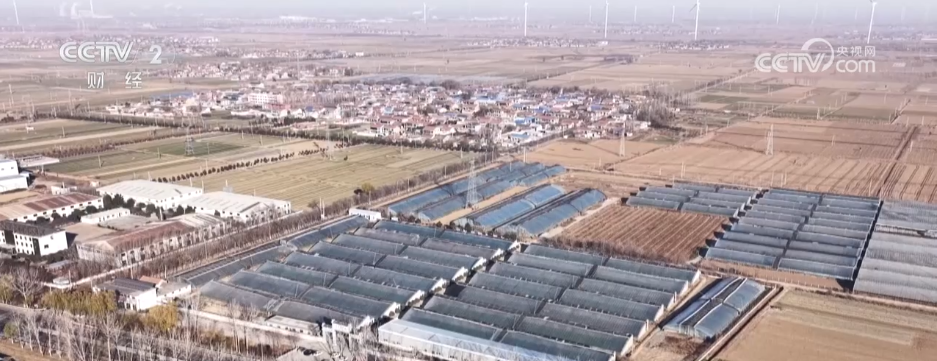
Group 1 - Shandong province is actively organizing agricultural experts to provide guidance on frost prevention and disease resistance for winter vegetable production in response to cold wave weather [1][3] - In Dongming County, various vegetables are thriving despite recent temperature drops, but challenges in temperature and humidity control, pest management, and fertilization have increased [3] - In Dingtao District, experts are advising farmers on strengthening greenhouse structures and improving insulation due to the severe cold wave [5] Group 2 - In Dongying City, farmers are employing a "harvest and protect" strategy to mitigate the impact of the cold wave on outdoor vegetables, focusing on harvesting mature cabbages and covering unharvested crops with protective materials [6][8] - In Henan province, multiple regions are implementing cold weather measures for vegetables, including reinforcing greenhouses and accelerating harvests to ensure stable supply [8][10] - In Nanyang City, farmers have preemptively installed insulation in greenhouses and are maintaining ventilation and irrigation systems to create suitable growing conditions [12][14] Group 3 - In Xinjiang, the region is facing severe challenges due to continuous heavy snowfall and low temperatures, impacting both facility agriculture and livestock farming [15][17] - Farmers in Qitai County are actively clearing snow from greenhouse roofs to prevent structural damage and are receiving guidance on temperature control and disease prevention [17] - In Fukang City, livestock farmers are ensuring feed transport remains unaffected by snow, with agricultural technicians assisting in checking heating systems and animal health [19]

2026年农业又要变天了?粮价、猪价一夜突变!玉米、小麦全面上涨?猪价、牛羊价涨定了!农民警惕...
Xin Lang Cai Jing· 2025-11-20 22:08
Core Insights - The article discusses the upcoming trends in agricultural reform and price changes for grains and livestock in 2026, emphasizing the need for farmers to prepare for these shifts [1][2]. Agricultural Reform Trends - The Chinese government aims for substantial progress in rural revitalization by 2027, focusing on stable agricultural production, livable rural areas, and continuous income growth for farmers [2]. - Key areas of future agricultural reform include technological empowerment, optimization of industrial structure, and green low-carbon transformation [2]. - The number of family farms in China has surpassed 5 million, with 80% of counties piloting cooperative quality improvements, indicating a shift towards larger-scale agricultural operations [1][2]. Price Trends - Prices for corn and wheat have seen significant increases, with wheat prices reaching 2,600 yuan per ton and some premium varieties hitting 2,800-2,900 yuan per ton [3]. - In the Northeast, corn prices are also rising, with state-owned enterprises like COFCO and China Grain Reserves starting to purchase at prices around 2,090 yuan per ton, which is higher than local processing prices [3]. - The pig and livestock markets are experiencing a rebound, with pig prices exceeding 13 yuan per kilogram due to seasonal demand increases [4]. Climate Impact - The emergence of La Niña climate conditions is expected to affect farmers, particularly concerning the risk of grain spoilage and livestock disease [5]. - Farmers are advised to take precautions against potential spoilage by properly storing grains and ensuring vaccination and sanitation in livestock operations [5].
多渠道增收、可持续增收(专家点评)
Ren Min Ri Bao· 2025-11-11 22:41
Core Viewpoint - The article emphasizes the importance of diversifying income sources for rural households in the Inner Mongolia region, particularly through the development of traditional agricultural and livestock products, as well as other sustainable projects to enhance income and ensure long-term poverty alleviation [1] Group 1: Industry Development - The local consensus is to improve the marketing of traditional agricultural and livestock products while exploring additional projects to create multiple income streams [1] - The development of suitable industries tailored to local conditions is crucial for solidifying the achievements of poverty alleviation efforts [1] Group 2: Economic Initiatives - The article highlights the potential for courtyard economies, as most households have suitable conditions for developing such initiatives, supported by innovative policies and subsidies [1] - The establishment of policies to encourage courtyard economic activities can significantly boost local economic development [1] Group 3: Environmental Considerations - A good ecological environment is essential for stabilizing the results of poverty alleviation industries, with a focus on breaking the cycle of poverty and environmental degradation [1] - Investments in environmental restoration, such as the cultivation of seabuckthorn forests for sand control, have proven to increase collective income for villages [1] Group 4: Future Outlook - The article anticipates that during the "14th Five-Year Plan" period, there will be continued efforts to consolidate and expand poverty alleviation results, leading to improved living conditions for those who have been lifted out of poverty [1]
这名脱贫户的账本为何越记越详细(不掉队 赶上来)
Ren Min Ri Bao· 2025-11-11 22:40
Core Insights - The article highlights the transformation of a poverty-stricken household in Inner Mongolia, showcasing the impact of targeted poverty alleviation measures and diversified income sources [2][5]. Group 1: Economic Transformation - Baiyinbao's family income increased from less than 4,000 yuan per person in 2014 to over 10,000 yuan per person by 2020, marking a significant improvement in their economic status [2]. - The family now has multiple income streams, including livestock sales, agricultural subsidies, and participation in various projects, leading to a more detailed record-keeping practice [2][3]. Group 2: Livestock and Agriculture - Baiyinbao's livestock count has grown to 170 sheep and 32 cattle, with the family benefiting from subsidies and a centralized breeding facility established in 2022 [3]. - The introduction of the "borrow chicken, return chicken" project has allowed Baiyinbao to raise chickens at low costs, contributing to an additional income of over 10,000 yuan annually [3]. Group 3: Environmental Initiatives - The establishment of a 1,500-acre seabuckthorn forest has improved land conditions and generated collective income for the village, demonstrating the ecological and economic benefits of environmental restoration efforts [4]. - Baiyinbao's role as a forest ranger and participation in ecological compensation programs further illustrate the community's commitment to sustainable practices [4]. Group 4: Ongoing Support and Monitoring - The local government conducts regular monitoring of households at risk of falling back into poverty, with 1,676 households currently under observation and tailored support plans in place [5]. - New monitoring efforts have identified 367 households this year, ensuring that assistance is targeted and effective in preventing poverty recurrence [5].
姜堰农民收入增速领跑泰州
Zhong Guo Fa Zhan Wang· 2025-10-27 08:03
Group 1 - The core viewpoint of the articles highlights the effective measures taken by Jiangyan District in Taizhou to increase farmers' income, with a reported per capita disposable income of 26,398 yuan, reflecting a year-on-year growth of 5.2%, the highest in Taizhou [1] - The district has implemented the "Ten Thousand, Thousand, Hundred" grain yield improvement initiative, establishing 56 demonstration fields to enhance grain production, resulting in a first-class award in a wheat yield competition [1] - Livestock production remains stable, with a continuous optimization of the livestock structure, and total aquatic product supply reaching 36,876.21 tons [1] Group 2 - The district is exploring new income-generating avenues through innovative agricultural practices, such as the cultivation of 800 acres of morel mushrooms, achieving an average output value of over 40,000 yuan per acre [1] - The "Forest-Mushroom Symbiosis" ecological model is being promoted to utilize forest land resources for growing various edible mushrooms, enhancing both ecological and economic benefits [1] - The number of agricultural leading enterprises at the municipal level and above has increased to 62, with 19 agricultural industrialization alliances established [1] Group 3 - A comprehensive poverty prevention and monitoring mechanism has been established, with over 2.71 million yuan invested in poverty alleviation projects benefiting 8,223 low-income individuals through insurance and fund assistance [2] - A public medical mutual assistance pilot program has been launched, with 22.36 million participants and subsidies amounting to 10.66 million yuan for 10,206 individuals, effectively preventing poverty due to illness [2]
65万牛羊异地过冬 借牧双方资源互补催生产业新模式
Yang Shi Xin Wen Ke Hu Duan· 2025-10-19 10:51
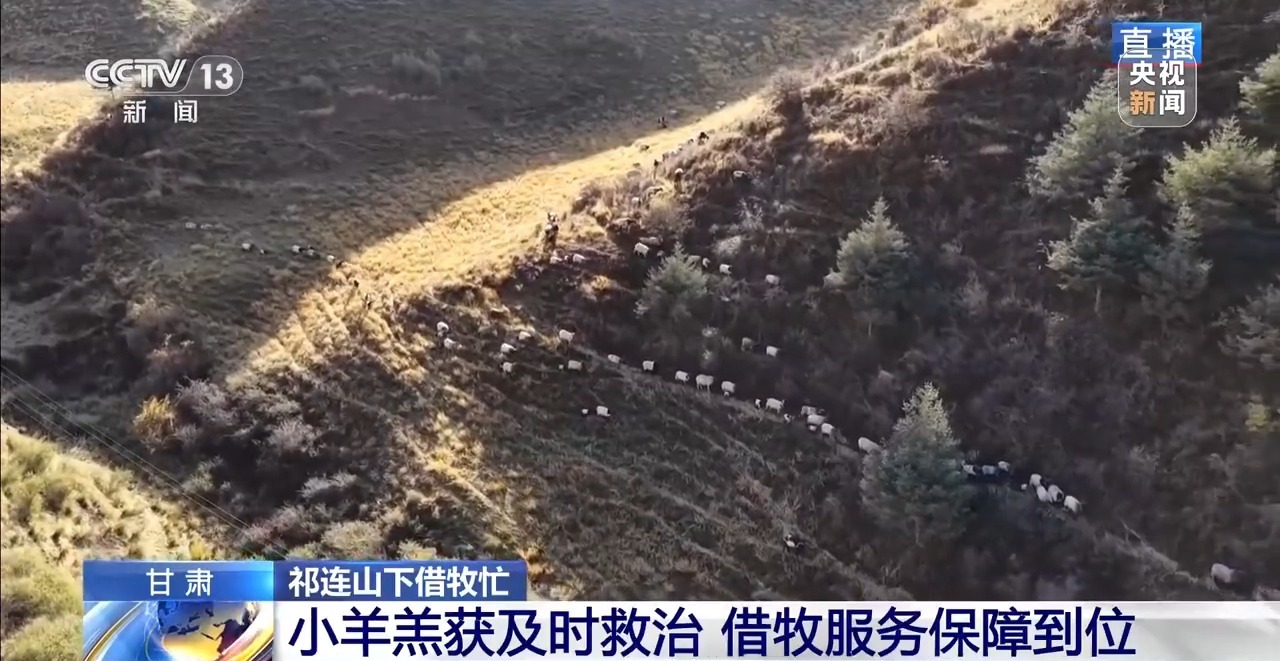
Core Insights - The article discusses the practice of "borrowing grazing" in Gansu, Qinghai, and Inner Mongolia, where 650,000 cattle and sheep are expected to graze on harvested farmland in the Hexi Corridor this year [1][3] - The process has evolved to improve livestock survival rates and economic benefits for herders, with a shift in lambing periods and enhanced veterinary services [5][14] Group 1: Borrowing Grazing Process - The borrowing grazing process allows herders to move livestock to lower altitude areas for better survival rates, with lambing periods adjusted to October-November, resulting in increased profits [5][6] - The collaboration between herders and farmers has transformed into a supply chain relationship, benefiting both parties economically [6][14] Group 2: Veterinary and Support Services - Veterinary services have been extended to grazing areas, with herders receiving timely assistance for livestock health issues, such as the treatment of an injured lamb [3][12] - A "service package" is provided to herders, including essential supplies and safety equipment, enhancing the overall management of the borrowing grazing process [12][14] Group 3: Economic and Ecological Impact - The practice of borrowing grazing has led to increased livestock numbers while maintaining ecological balance, with the grassland coverage improving from 72.4% to 78.2% over five years [38][40] - The integration of borrowing grazing with traditional practices has resulted in a sustainable model that supports both livestock production and environmental conservation [29][40]
红色沃土新答卷丨从陇东粮仓到算力高地 新质生产力推动老区巨变
Yang Shi Wang· 2025-08-20 12:43
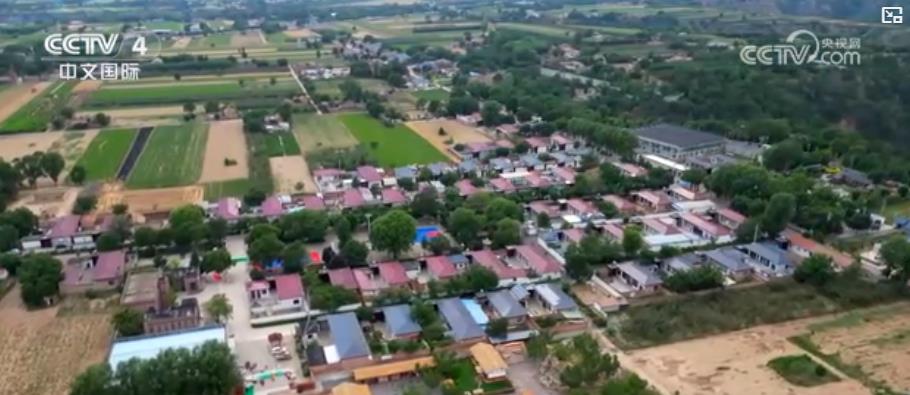
Group 1 - The core viewpoint highlights the significant transformation in Qingyang, Gansu, driven by new productive forces and rural revitalization, while recalling its historical importance during the Anti-Japanese War as a grain supplier [1] - Qingyang has maintained a stable agricultural area of over 5.9 million acres, with the primary industry value increasing from 7.393 billion yuan in 2012 to 13.247 billion yuan in 2024, representing a growth of 79.1% [3] - The region has developed large-scale wind and solar energy bases, contributing to the establishment of integrated energy bases, with the "Long Electric into Shandong" project operational since May, supplying green energy to the eastern regions [5] Group 2 - As of June, Qingyang's computing power has surpassed 60,000 P, achieving a tenfold increase since early 2024, with its intelligent computing power ranking first in the country in terms of proportion, growth rate, and increment [7] - The abundant energy supply supports the transformation of the economic development model in the region, with Qingyang being one of the ten data center clusters in the "East Data West Computing" project, attracting numerous leading domestic enterprises to establish data centers [8]
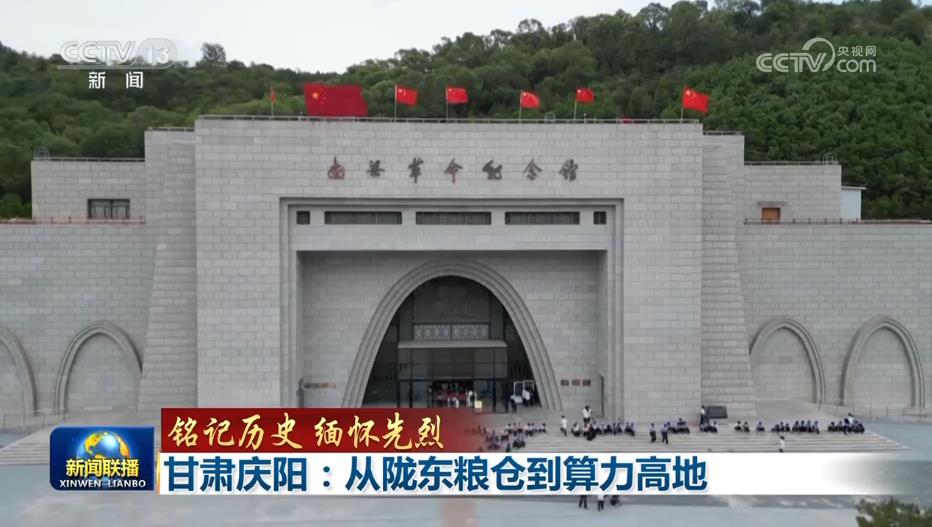
【铭记历史 缅怀先烈】甘肃庆阳:从陇东粮仓到算力高地
Yang Shi Wang· 2025-08-03 12:06
Group 1 - Gansu Qingyang is an important part of the Shaanxi-Gansu-Ningxia border area, providing significant material support for the anti-Japanese war while expanding its agricultural advantages and accelerating the development of the computing power industry for high-quality growth [1] - The local agricultural development includes vegetables, apples, and livestock, with per capita disposable income of rural residents increasing from 4,262.4 yuan in 2012 to 14,200 yuan in 2024 [5] - Qingyang has established a large integrated energy base for wind, solar, and thermal power, contributing to the supply of green energy to eastern regions through the recently operational Long Electric Project [5] Group 2 - Qingyang's computing power scale has reached 66,000 P, positioning it as one of the ten data center clusters in the "East Data West Computing" project, attracting more domestic enterprises to build data centers in the region [7]