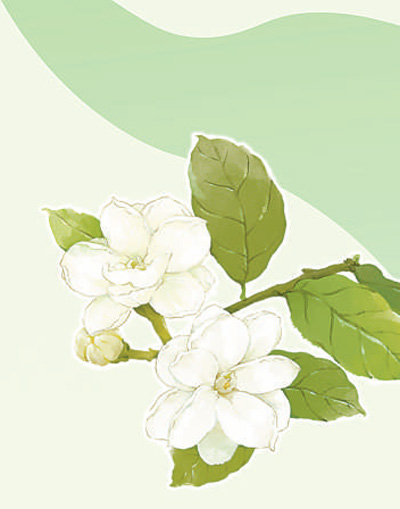
茉莉花

Search documents
阳台里的花
Xin Lang Cai Jing· 2026-01-29 18:46
Group 1 - The article highlights the transformation of a balcony into a vibrant garden, showcasing various plants that create a serene environment [1] - The initial interest in gardening was sparked by a colleague who introduced plants into the workplace, leading to a gradual appreciation for flowers [2] - The support from a neighbor with gardening expertise revitalized the balcony, emphasizing the importance of community and mentorship in nurturing interests [3] Group 2 - The author reflects on the educational parallels between nurturing plants and raising children, noting that each child, like each flower, has unique qualities that require a supportive environment to thrive [3]
天交新年音乐会奏响中外名曲
Xin Lang Cai Jing· 2025-12-24 22:53
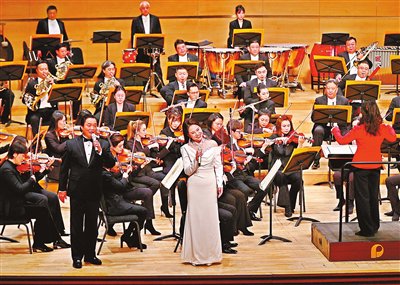
Group 1 - The concert titled "Agricultural Bank Appointment - 2026 New Year Concert" was performed by the Tianjin Symphony Orchestra at the Tianjin Grand Theatre [3] - The concert featured a mix of Chinese and Western classical music, including pieces like "Spring Festival Overture," "Yao Nationality Dance," and "Jasmine Flower," as well as "The Blue Danube" and "Thunder and Lightning Polka" [3] - Notable vocalists such as Yu Miao, Guo Chen, and Shi Guangyu performed songs including "Coral Song," "Lights in China," and "Spring Breeze Ten Thousand Miles," concluding with the orchestral piece "My Motherland" [3]

广西学用“千万工程”经验 加快建设宜居宜业和美乡村
Guang Xi Ri Bao· 2025-11-07 02:52
Core Insights - Guangxi is focusing on the implementation of the "Ten Million Project" to enhance rural development and quality of life, with significant financial support from the central government and local initiatives [1][2] Group 1: Financial Support and Investment - Since the beginning of the 14th Five-Year Plan, Guangxi has secured 700 million yuan in central budget funds to support the construction of beautiful rural areas across 35 counties [1] - For the years 2024-2025, the autonomous region will allocate 1 billion yuan annually to implement the "Ten Million Project" and leverage social capital and community labor [1] Group 2: Infrastructure Development - The completion rate of rural infrastructure has significantly improved, with 99% of townships connected to tertiary roads and 100% of administrative villages having access to graded roads [2] - The rural water supply coverage has reached 92.4%, and over 32,000 rural houses have been renovated to eliminate safety hazards [2] - The coverage of 5G and gigabit fiber networks in administrative villages has reached 100% [2] Group 3: Improvement in Living Conditions - The penetration rate of sanitary toilets in rural areas has reached 95.29%, surpassing the national average [2] - The coverage of sewage treatment facilities in built towns has achieved 100%, making Guangxi the seventh province in the country to reach this milestone [2] - The rate of rural waste management has improved, with 95% of village groups now able to collect and process waste [2] Group 4: Public Services Enhancement - A total of 27.46 billion yuan has been allocated for the construction and expansion of 6,407 compulsory education schools, including 204 new schools [3] - The region has established 1,265 township health centers and 17,800 village clinics, significantly enhancing healthcare access [3] - The coverage of regional elderly care service centers has reached 60.9% [3] Group 5: Agricultural Development - Guangxi has implemented a three-year action plan for modern characteristic agricultural development, creating six agricultural industry clusters with annual outputs exceeding 100 billion yuan [3] - The region has established 10 national-level advantageous characteristic industry clusters and 13 national-level modern agricultural parks [3] - Innovative applications of AI in agriculture, such as "unmanned farms" and "smart pest control," are emerging [3] Group 6: Governance and Community Engagement - The proportion of star-rated village party organizations has reached 49.1%, indicating strong party leadership in rural governance [4] - New forms of village-level consultation and governance have been developed, enhancing community participation [4] - Efforts in rural spiritual civilization construction are being advanced alongside governance initiatives [4]
300盆“三花”住进了“暖巢”
Su Zhou Ri Bao· 2025-11-06 00:15
Core Viewpoint - The article highlights the community efforts in the He Tai neighborhood to prepare the "Three Flowers" for winter by building a warm shelter, emphasizing the cultural significance and the importance of proper care for these plants [1] Group 1: Community Engagement - Volunteers from different age groups in the He Tai community collaborated to construct a warm shelter for approximately 300 pots of "Three Flowers" to protect them from the cold [1] - The construction involved transporting materials such as steel pipes and plastic film, with the shelter covering an area of around 60 to 70 square meters [1] Group 2: Educational Initiatives - A workshop led by experienced flower farmer Qian Jinxing was conducted to educate participants on the care and maintenance of "Three Flowers," including the ideal temperature range for growth [1] - Qian emphasized that the optimal growth temperature for "Three Flowers" is between 20°C and 25°C, and temperatures below 5°C can cause frost damage [1] Group 3: Cultural Significance - The "Three Flowers" culture is an integral part of the He Tai community's identity, with ongoing efforts to promote planting, maintenance, and cultural transmission through various activities [1] - The community's initiatives not only enhance the environment but also foster relationships among residents [1]
好一朵横州茉莉花
Guang Xi Ri Bao· 2025-10-10 02:20
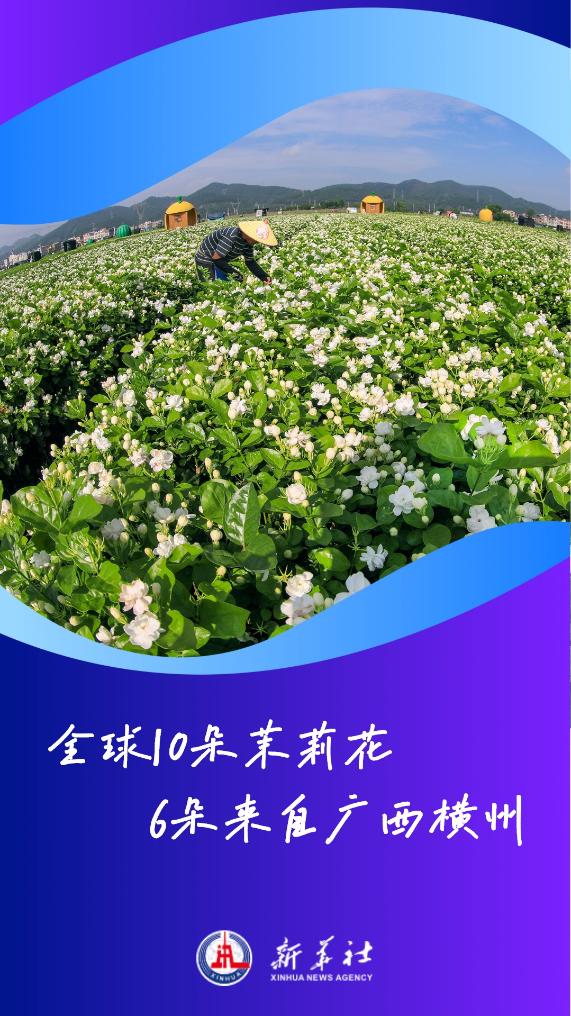
Core Insights - The article highlights the significant growth and transformation of the jasmine flower industry in Hengxian County, Guangxi, showcasing its integration of digital technology and high-quality development strategies [1][2][3]. Industry Overview - Hengxian County produces over 80% of China's jasmine flowers and more than 60% globally, with a total industrial output value exceeding 18 billion yuan [1]. - The comprehensive brand value of "Hengxian Jasmine (Tea)" is projected to reach 22.67 billion yuan by 2025, maintaining its leadership in Guangxi's geographical indication brands [1]. Digital Transformation - The "Digital Jasmine" platform connects farmers with data-driven insights for pest management and market pricing, enhancing productivity and efficiency in flower cultivation [1][2]. - The platform serves over 40,000 farmers and 194 tea enterprises, significantly increasing tax revenue from millions to 117 million yuan by 2024 [4]. Industry Diversification - Hengxian has developed a multi-faceted jasmine flower industry, including tea, potted plants, food, tourism, and products, creating a full industrial chain from cultivation to processing [2][3]. - The county's strategic reforms and policies have led to a 142% increase in the number of refined tea enterprises since 2020, with the number of companies generating over 10 million yuan in sales rising from 2 to 12 [2]. Technological Advancements - The establishment of national standards for jasmine tea processing and a quality inspection center with international certifications ensures product quality and safety [3]. - Smart trading systems have been implemented, replacing traditional scales with intelligent weighing systems, enhancing transaction efficiency and transparency [3]. Economic Impact - The jasmine flower industry has become a new emerging industry, integrating agriculture with tourism and other sectors, contributing over 2.5 billion yuan to the tertiary industry in 2024 [4]. - The industry has improved the livelihoods of 340,000 farmers, with an average annual income increase of over 10,000 yuan, and has provided stable employment for nearly 10,000 people lifted out of poverty [4].
一朵茉莉,兴一座城
Xin Hua Wang· 2025-10-07 08:04
Core Insights - The article highlights the flourishing jasmine flower industry in Hengxian, Guangxi, which is experiencing a significant transformation driven by technology and market demand for jasmine tea [6][10][12]. Industry Overview - Hengxian is renowned as the "Hometown of Jasmine" and "World Capital of Jasmine," with jasmine flower and jasmine tea production accounting for over 80% of China's total output and more than 60% globally [10]. - The total area for jasmine cultivation in Hengxian is approximately 200,000 acres, with over 340,000 farmers involved in the industry [10]. - The production of fresh jasmine flowers exceeds 130,000 tons, while jasmine tea production surpasses 110,000 tons, contributing to a total industry output value exceeding 18 billion yuan [10]. Technological Advancements - The integration of AI and automation in jasmine flower harvesting and processing is enhancing efficiency, with robots and drones being utilized for picking and transporting flowers [6]. - The jasmine tea processing has become fully automated, improving the aroma concentration by 20%, which is increasingly appealing to both fresh tea and bottled tea markets [8]. Market Dynamics - The domestic market for jasmine tea is growing, driven by the rising popularity of new-style tea drinks and health-conscious consumer trends [12]. - In 2024, the national processing volume of jasmine tea is projected to reach nearly 140,000 tons, with an industrial output value of approximately 22.2 billion yuan [8]. Investment and Development - The local government is fostering brand development and attracting leading enterprises to invest in the jasmine industry, with over 300 processing trade companies established in Hengxian [10]. - New product lines, including jasmine essential oils, skincare products, and food items, are being developed alongside traditional tea processing [10]. Export Potential - Jasmine tea from Hengxian has found markets in countries such as Japan, Malaysia, Iran, Germany, and France, with annual export sales exceeding 3,000 tons [13].
秋分“凉燥”渐盛 养生重在调和肝脾
Xin Hua She· 2025-09-23 06:25
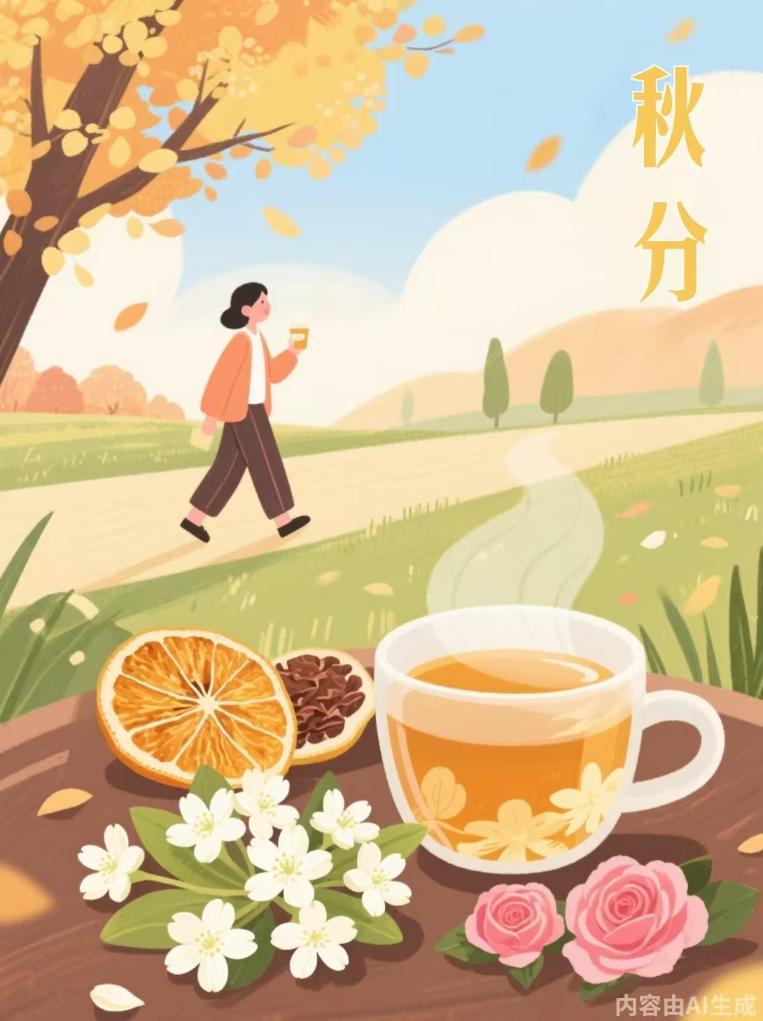
Group 1 - The autumn equinox marks a key point for balancing yin and yang, transitioning from "warm dryness" to "cool dryness," with an emphasis on maintaining health through balance and moisture to combat cold [1] - During this period, the liver and gallbladder systems are susceptible to external influences, leading to potential dysfunctions such as chest and abdominal distension, dizziness, and cold extremities [4] - Recommendations for dietary adjustments include consuming liver, goji berries, black sesame, and warming foods like ginger and cinnamon, while avoiding high-fat foods, excessive alcohol, and spicy or cold items [4] Group 2 - Lifestyle adjustments should include avoiding cold, ensuring warmth, and maintaining a regular sleep schedule, with gentle exercises recommended to prevent liver blood depletion [4] - Techniques such as acupressure and moxibustion can be beneficial, with specific focus on the Tai Chong point to alleviate liver-related issues [5]
宝藏之城丨这座小城的茉莉花香飘世界
Xin Hua Wang· 2025-08-09 00:53
Core Insights - Guangxi Hengzhou is renowned for its jasmine flower production, contributing over 80% of China's total jasmine flower output and more than 60% of the world's supply, earning it the title "Hometown of Chinese Jasmine" [2] - The local jasmine industry has created a diverse "1+9" industrial cluster, including flower tea, potted plants, food, tourism, and more, benefiting around 340,000 flower farmers [8] - The introduction of digital platforms and automated production lines has significantly improved efficiency in jasmine tea production, increasing flower fragrance utilization from below 50% to over 80% [12] Industry Development - The jasmine flower industry in Hengzhou has a rich historical background, with jasmine tea becoming a popular beverage since the Ming and Qing dynasties [12] - Recent years have seen a rise in new-style tea drinks, with local suppliers providing raw materials to over 70 new enterprises, contributing approximately 32% of revenue from new tea drink products in 2024 [15] - The establishment of over 170 flower tea enterprises in Hengzhou has fostered local economic growth and stability for farmers, allowing them to remain in their communities [8][6]
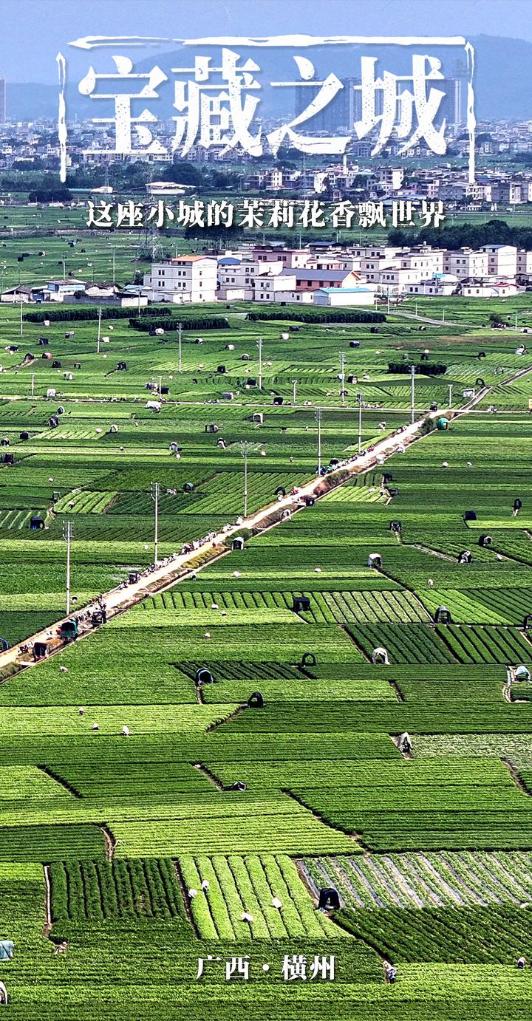
宝藏之城|这座小城的茉莉花香飘世界
Xin Hua She· 2025-08-09 00:48
Core Viewpoint - Guangxi Hengzhou, known as the "Hometown of Jasmine," produces over 80% of China's jasmine flowers and more than 60% of the world's total, leveraging its unique climate and fertile soil [2] Industry Overview - Hengzhou has over 180,000 acres of jasmine fields, with a bustling harvesting season each summer [2] - The region is home to more than 170 flower tea enterprises, benefiting around 340,000 flower farmers [16] - The local economy has diversified into a "1+9" industrial cluster, including flower tea, potted plants, food, tourism, and more [16] Historical Context - Jasmine flowers were introduced to Hengzhou during the Han Dynasty via the Silk Road, with tea-making techniques maturing by the Song Dynasty [24] - By the Ming and Qing Dynasties, jasmine tea became a tribute item for the imperial court [24] Technological Advancements - The establishment of a "Digital Jasmine" platform is driving the industry towards intelligent and standardized development [24] - Guangxi Zhongken Tea Co. has implemented an automated production line, increasing flower fragrance utilization from under 50% to over 80% [24][27] Market Trends - The rise of new-style tea drinks has created new opportunities for the jasmine industry, with a significant portion of revenue coming from new tea drink products [31] - Since 2021, over 70 companies have settled in Hengzhou, with many well-known tea brands sourcing jasmine from the region [31]
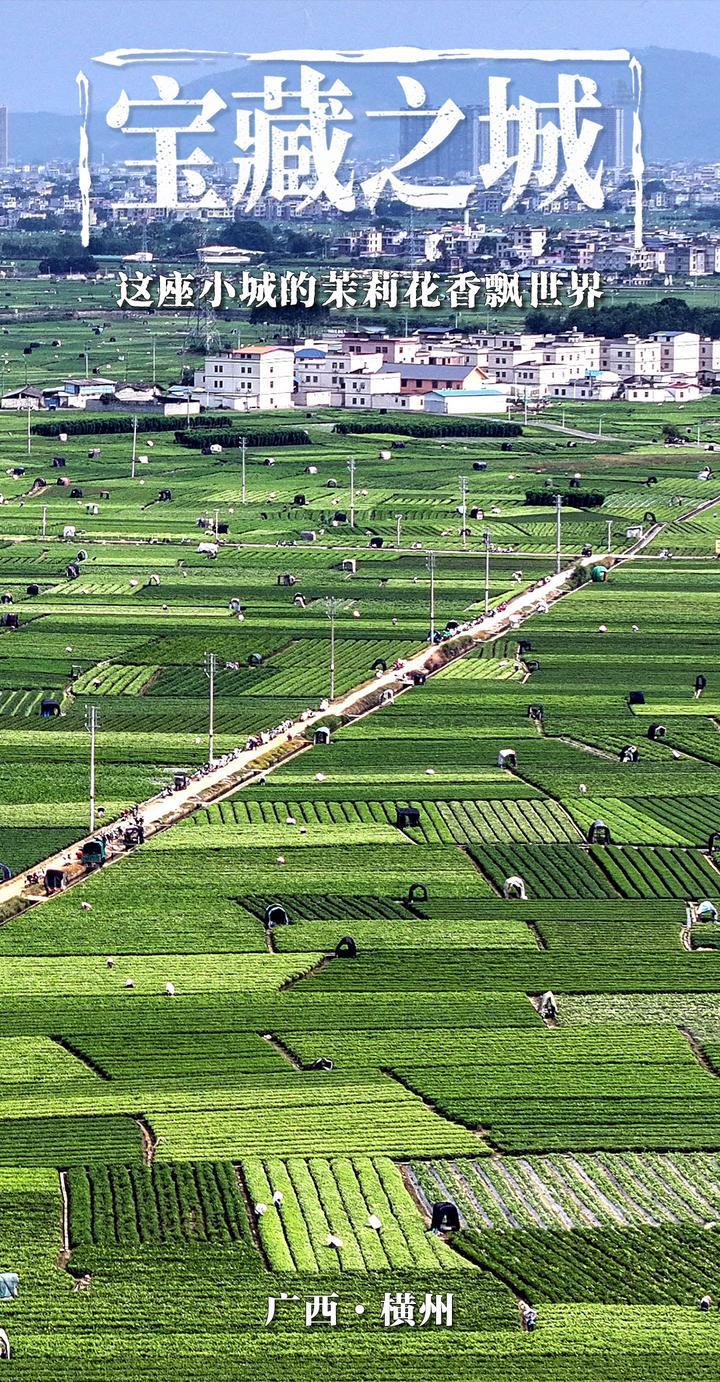
盛夏为何簪茉莉(文化中国行·二十四节气二十四问)
Ren Min Ri Bao· 2025-07-13 22:20
Group 1 - The article discusses the significance of the solar term "Xiaoshu," which marks the onset of high temperatures in China, beginning on July 7, 2025 [2] - It highlights the cultural importance of jasmine flowers during this period, noting their long history in Chinese culture and their association with elegance and purity [3] - The practice of wearing jasmine flowers is described as not only decorative but also symbolic of warding off impurities and bringing good fortune, with historical references dating back to ancient texts [3] Group 2 - The article emphasizes the enduring popularity of jasmine in southern China, where it is commonly used in various floral arrangements and worn as accessories [3] - It reflects on how modern leisure activities have evolved, yet the traditional practice of wearing jasmine flowers continues to evoke nostalgia and cultural identity [3] - The jasmine flower's aesthetic appeal is linked to a broader cultural memory, connecting past traditions with contemporary design and lifestyle [3]