中国白酒

Search documents
每个人都能成为人类遗产的传承者!吴向东直播呼吁珍视和传承人类遗产
Ge Long Hui· 2026-01-20 02:13
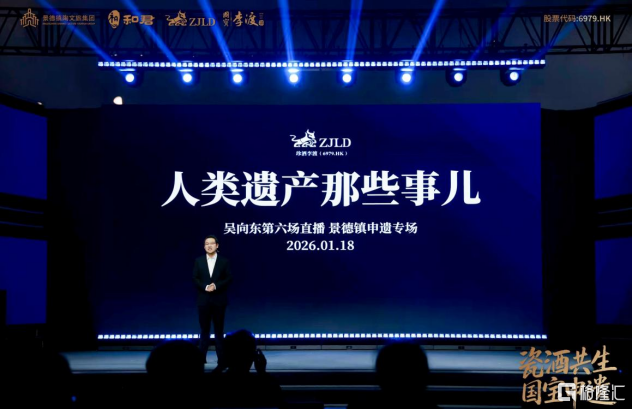
Core Viewpoint - The second summit of the Baijiu Heritage Application Co-Creation Alliance highlighted the importance of applying for world heritage status for Chinese Baijiu, with a focus on cultural preservation and the unique aspects of Baijiu production [1][5]. Group 1: Event Overview - The summit took place on January 18 in Jingdezhen, Jiangxi, attracting 6.59 million viewers online, with a peak concurrent viewership of 213,500 [1]. - Wu Xiangdong, Chairman of Zhenjiu Lidu Group, delivered a live broadcast titled "Human Heritage Matters," discussing the significance of world heritage and its protection [3]. Group 2: Heritage Application Insights - Wu emphasized that the "Jingdezhen Handcrafted Porcelain Heritage" is set to be nominated as a world heritage site in January 2025, which could serve as a reference for Baijiu's heritage application [5]. - Despite the rich history and unique brewing techniques of Chinese Baijiu, it has yet to be recognized as a world heritage, with existing listings primarily featuring wine and beer [5]. - The application process for Baijiu heritage status has been ongoing since 2006, involving major brands like Moutai, Lidu, Wuliangye, and Fenjiu [5]. Group 3: Challenges and Recommendations - Current world heritage evaluations focus on endangered projects, which may disadvantage the large and thriving Chinese Baijiu industry in terms of urgency [5]. - Wu suggested exploring alternative application pathways, such as leveraging the French Burgundy region's "terroir" concept and highlighting the unique microbial diversity involved in Baijiu fermentation [5]. - The complexity of the microbial system in Baijiu production, with over 300 types of bacteria, distinguishes it from other distilled spirits [5]. Group 4: Cultural Engagement and Industry Impact - During a dialogue segment, participants discussed enhancing the experiential and relatable aspects of cultural heritage to engage younger audiences [7]. - Wu stated that the heritage application process is more about uniting industry efforts and articulating cultural value than merely achieving success [7]. - The live broadcast sparked significant attention and discussion within the industry, reinforcing Zhenjiu Lidu's leadership role and commitment to heritage preservation [9].

日本清酒出海的启示
Cai Jing Wang· 2025-11-17 07:20
Core Insights - Chinese companies are increasingly looking overseas for new growth opportunities, with a focus on expanding their presence in global markets, particularly in sectors like home appliances, electric vehicles, and smartphones. However, the Chinese liquor industry, particularly Baijiu, lags in its international expansion compared to these sectors [1] Group 1: Chinese Baijiu Industry - In 2024, China's Baijiu export value is projected to be $966 million, accounting for only 2.4% of the global spirits export market [1] - The export volume of Baijiu in 2024 is expected to be 16,400 kiloliters, which is just 0.39% of the total Baijiu production from large-scale enterprises in China for that year [1] - Among publicly listed Baijiu companies, only Kweichow Moutai and Wuliangye reported export revenues exceeding 1 billion yuan, with Moutai's overseas revenue around 4.35 billion yuan, while other companies reported revenues below 300 million yuan [1] Group 2: Comparison with Japanese Sake - In contrast, Japanese sake exports reached 43.5 billion yen (approximately 2 billion yuan) in 2024, marking a 6% increase from the previous year, with exports to 80 countries [2] - Since 2020, the export value of Japanese sake has increased by 1.8 times, with the average price rising by 1.3 times and the number of export destinations growing by 19 [2] - The high-end sake market has seen significant growth, particularly in North America and Western Europe, with exports increasing by 27% and 18% respectively in 2024 [2] Group 3: Cultural and Strategic Insights - Japanese sake's internationalization has been driven by the globalization of cultural scenes, particularly through the global popularity of Japanese cuisine, which has facilitated its entry into mainstream consumption [3] - The term "Sake" has become widely recognized in English, symbolizing Japanese culture, and sake companies are actively seeking cross-industry collaborations to enhance their cultural significance [4] - The Japanese sake industry has undergone a strategic shift from quantity to quality, focusing on brand strength and premium pricing due to domestic market saturation [5] Group 4: Global Industry Network - Japanese sake producers are not only focused on export but are also building a global industry network through capital operations and channel collaboration [6] - Takara Shuzo, a pioneer in the internationalization of sake, established a complete system from production to distribution to succeed in the U.S. market [6] - Other Japanese beverage companies, such as Suntory and Asahi, have also recognized the importance of capital and channel strategies for global expansion, leading to significant acquisitions and partnerships [7]
“全新的休闲、购物体验”——港口城为斯里兰卡带来发展新机遇
Xin Hua She· 2025-11-05 09:16
Core Insights - The Colombo Port City, developed and operated by China Harbour Engineering Company, is becoming a popular leisure destination for locals, featuring shopping, dining, and water sports activities [1] - The introduction of the first downtown duty-free shopping center in Sri Lanka has transformed the shopping experience for consumers, allowing them to shop leisurely after returning from trips [1] - The demand for Chinese products, particularly liquor and electronics, is rising among Sri Lankan consumers, indicating a growing interest in Chinese brands [1][2] Group 1: Economic Impact - The Port City project has registered over 210 companies, with more than 30 officially operating, creating thousands of jobs and fostering a positive cycle of employment through business development [3] - The project is expected to generate nearly 400,000 job opportunities throughout its lifecycle, highlighting its significant economic contribution to the local community [3] Group 2: Consumer Behavior - Sri Lankan consumers are increasingly favoring Chinese liquor and other products, with many returning for repeat purchases, showcasing a shift in consumer preferences [1][2] - The "National Tide Going Abroad Plan" by China Duty Free Group aims to introduce more Chinese brands to South Asian markets, enhancing local consumers' understanding of Chinese culture and products [2] Group 3: Business Environment - The Port City has created a favorable business environment through tax incentives, visa facilitation, and support from the Port City Committee, which has been positively received by businesses [2] - The expansion of the Singapore ODF duty-free store reflects the successful business model and positive consumer response in the Port City [2]
【环球财经】“全新的休闲、购物体验”——港口城为斯里兰卡带来发展新机遇
Xin Hua She· 2025-11-05 06:20
Core Viewpoint - The Colombo Port City, developed by China Harbour Engineering Company, is becoming a popular leisure destination for locals, featuring shopping, dining, and water sports, significantly enhancing the local economy and tourism appeal [1][2]. Group 1: Economic Impact - The Colombo Port City project has registered over 210 companies, with more than 30 officially operating, creating thousands of jobs and fostering a positive cycle of employment through business development [3]. - The project is expected to generate nearly 400,000 job opportunities throughout its lifecycle, highlighting its significant economic contribution to Sri Lanka [3]. Group 2: Consumer Behavior and Preferences - Sri Lankan consumers are increasingly favoring Chinese products, particularly in the duty-free shopping sector, with a notable interest in Chinese liquor and technology innovations [1][2]. - The introduction of the "National Tide Going Abroad Plan" by China Duty Free Group aims to bring more Chinese brands to South Asia, enhancing local consumer access to these products [2]. Group 3: Infrastructure and Development - The development of the Colombo Port City is revitalizing Colombo, transforming it into a potential tourist destination and addressing the city's shopping deficiencies [2]. - The project has established a supportive business environment through tax incentives, visa facilitation, and personal tax exemptions, which have been positively received by businesses [2].
通讯丨“全新的休闲、购物体验”——港口城为斯里兰卡带来发展新机遇
Xin Hua Wang· 2025-11-05 05:41
Core Insights - The Colombo Port City, developed by China Harbour Engineering Company, is becoming a popular leisure and shopping destination in Sri Lanka, enhancing the local economy and providing new experiences for residents [1][2]. Group 1: Economic Impact - The Port City project has registered over 210 companies, with more than 30 officially operating, creating thousands of jobs and fostering a positive cycle of employment through business development [3]. - The project is expected to generate nearly 400,000 job opportunities throughout its lifecycle, significantly contributing to the local economy [3]. Group 2: Consumer Behavior - Alcohol, particularly Chinese liquor, is among the most popular duty-free products for Sri Lankan consumers, with many returning for repeat purchases [2]. - The introduction of Chinese brands and innovative products in the duty-free shops has captivated local consumers, showcasing high-quality "Made in China" goods [2]. Group 3: Development and Infrastructure - The Port City is revitalizing Colombo, positioning it as a potential tourist destination and addressing the city's previous shopping deficiencies [2]. - The supportive policies, including tax incentives and streamlined visa processes, have created a favorable business environment for companies operating in the Port City [2].
何勇:计划启动中国白酒双遗产申报工作
Xin Jing Bao· 2025-10-29 00:06
Core Insights - The China Alcoholic Drinks Association plans to initiate the dual heritage application for Chinese Baijiu, focusing on both material and intangible cultural heritage [2][3] Group 1: Internationalization of Chinese Baijiu - The internationalization of Chinese Baijiu is seen as a long-term process that requires breaking traditional thinking and focusing on consumer preferences [2][3] - The industry has been preparing for Baijiu's internationalization by standardizing its name to "Baijiu" in international contexts, moving away from terms like "Chinese spirits" [3] - The association aims to promote Baijiu through international activities to enhance global recognition of the category before promoting individual brands [2][3] Group 2: Cultural and Quality Aspects - The essence of the Chinese liquor industry is described as a combination of "quality + culture," emphasizing the need to reconstruct cultural connotations around gratitude, sharing, and altruism [2] - The association is working on establishing international standards for Baijiu, which is crucial for its global positioning [3] - A public identification mark for Chinese Baijiu is planned to facilitate recognition among international consumers, with potential registration as early as next year [3]
中国酒业协会秘书长何勇:计划启动中国白酒双遗产申报工作
Xin Jing Bao· 2025-10-28 16:11
Core Insights - The first Chishui River Forum was held in Maotai, emphasizing the need for Chinese liquor to explore various aspects such as flavor preferences, scene creation, trade policies, international standards, and category recognition for international expansion [1][2] - The Chinese liquor industry is fundamentally a "quality + culture" industry, and there is a call to reconstruct its cultural connotation focusing on gratitude, sharing, and altruism while also considering self-enjoyment [1] - The internationalization of Chinese liquor is a long-term process that requires breaking traditional thinking and allowing consumers to appreciate Chinese liquor based on personal preferences [1][2] Industry Developments - The internationalization process of Chinese liquor is still in its early stages, focusing on helping foreign consumers adapt to and understand the product [2] - Recent efforts include standardizing the name "Baijiu" in national standards to aid in international promotion, moving away from various other terms [2] - The association plans to initiate the dual heritage application for both material and intangible cultural heritage of Chinese liquor, which is seen as crucial for establishing its international status [2] - A public identification system for Chinese liquor is also in the works, aimed at creating a unified voice for international consumers to recognize the product, with potential registration as early as next year [2]
酒博会热点解析 |《中国白酒出海报告》的价值分析
Sou Hu Cai Jing· 2025-09-25 06:55
Core Viewpoint - The primary focus of the news is on the internationalization of Chinese Baijiu, driven by the need for Chinese liquor companies to explore global markets due to domestic economic challenges and changing consumer behaviors [1][5][8]. Group 1: Current Status and Challenges - The current state of Chinese Baijiu exports is underwhelming, with an export value of $970 million in 2024, accounting for only 2.4% of the global liquor export market [8][9]. - The internationalization of Chinese Baijiu faces multiple challenges, including cultural barriers, varying regulations across countries, and a lack of established international standards [10][11]. - The report highlights that approximately 70% of Baijiu exports rely on Chinese communities abroad, indicating a weak local sales network [6][10]. Group 2: Industry Consensus and Collaborative Development - The report aims to unify the industry’s voice and promote the cultural value of Chinese Baijiu internationally, establishing a clear identity for the product [11][12]. - It advocates for a collaborative mechanism involving government, industry associations, and enterprises to create a supportive ecosystem for Baijiu's internationalization [12][13]. - The need for international talent with expertise in both Baijiu culture and international trade is emphasized to enhance local operations [13]. Group 3: Policy and Standardization - The report will outline the tax, sales, and labeling regulations in overseas markets to assist companies in formulating effective market entry strategies [14][15]. - It will also address domestic policies that support Baijiu exports, urging the government to facilitate favorable trade conditions [15][16]. - The establishment of a standardized certification system for Baijiu is proposed to improve its recognition in international markets [16]. Group 4: Strategic Outlook - The report is seen as a milestone in transitioning Chinese Baijiu from a local specialty to a global liquor category, with predictions of significant international growth by 2025 [17]. - Future trends include a shift from product-focused to culture-focused exports, diversification of markets, and an increase in high-end market participation [17]. - The collective effort of government, industry associations, and enterprises is deemed essential for successfully promoting Chinese Baijiu on the global stage [17].
聚焦酒博会|张炸力:中国白酒的国际市场机遇与未来值得期待
Sou Hu Cai Jing· 2025-09-11 05:10
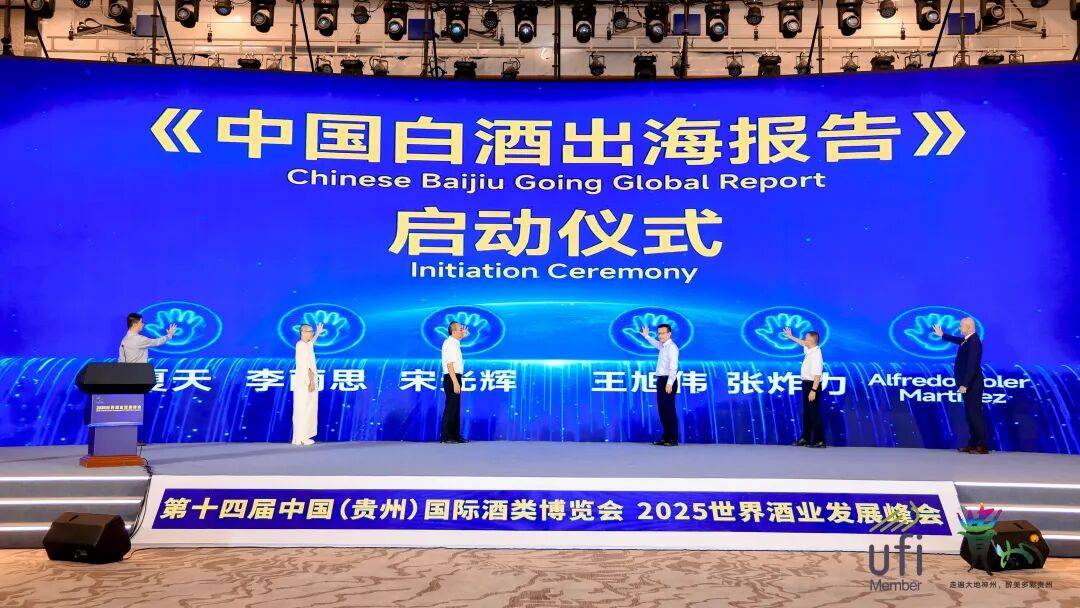
Core Insights - In 2024, China's baijiu exports are projected to reach $970 million, indicating potential growth opportunities despite a low current market share in the international spirits market [2] - The internationalization of Chinese baijiu faces multiple challenges, including strong competition from established brands like whiskey and vodka, reliance on the Chinese diaspora for market, strict international standards, and tariff barriers [2][4] Group 1: Challenges in Internationalization - The international spirits market is predominantly dominated by whiskey and vodka, posing significant competitive pressure on Chinese baijiu [2] - Chinese baijiu exports are heavily dependent on the Chinese community abroad, with low recognition among local consumers [2] - International standards for alcoholic beverages are stricter, and existing domestic standards do not fully meet international market requirements [2] - Tariff barriers are a common issue in global liquor trade, complicating the export of Chinese baijiu [2] Group 2: Strategies for Overcoming Challenges - Emphasizing product quality is crucial, with leading companies like Moutai and Wuliangye setting benchmarks through their global exploration [4] - Innovation should focus on adapting to foreign consumer preferences and moving beyond traditional export models that rely on trade fairs and intermediaries [4] - The future strategy should involve "industry going abroad," collaborating with experienced overseas distributors and manufacturers to adapt products to local tastes [4] Group 3: Enhancing Brand Recognition - There is a need to improve the international influence of Chinese baijiu brands, which are currently recognized mainly through a few top brands like Moutai and Wuliangye [5] - Engaging international experts and professional organizations for evaluations can enhance the credibility and recognition of Chinese baijiu in the global market [5]


2025世界酒业发展峰会举行 200余嘉宾共探中国白酒出海路径
Sou Hu Cai Jing· 2025-09-11 03:48
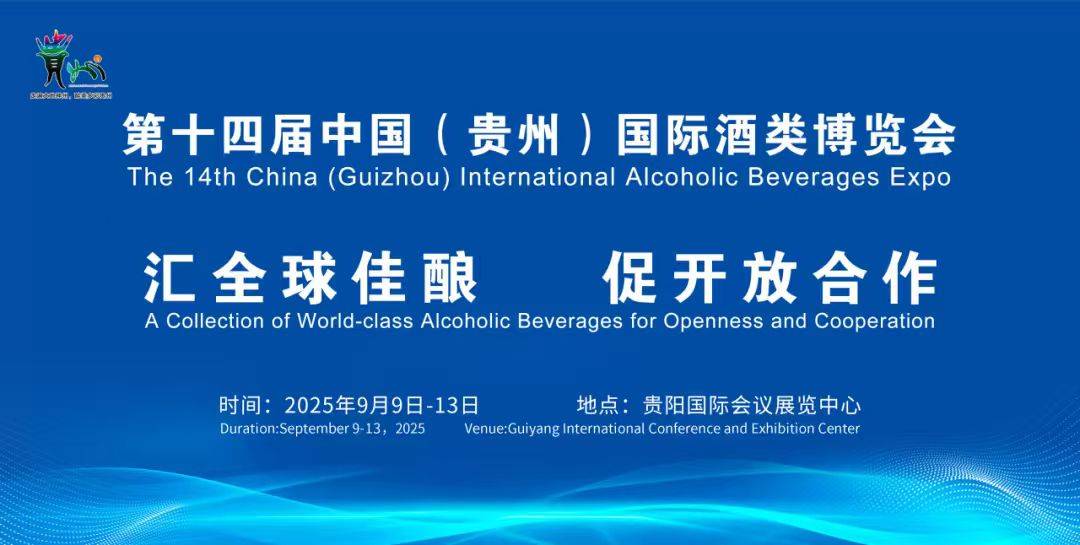
Core Insights - The 2025 World Liquor Development Summit was held in Guiyang, China, focusing on how Chinese Baijiu can break into the global market and establish sustainable export pathways [1] Group 1: Summit Discussions - Over 200 industry leaders, experts, and representatives discussed key topics such as the transition from selling liquor to selling lifestyle, and the importance of capital, strategy, culture, education, marketing, logistics, and standards [5] - Wu Xiangdong, Chairman of Huazhi Liquor, shared insights on how Baijiu companies can build competitive advantages and value in the global market from the perspective of industrial capital and international layout [5] - Jiang Moma, Deputy General Manager of Guizhou Guotai Intelligent Liquor Group, presented on digital marketing, experiential scenarios, and brand ecosystem construction as part of Guotai Liquor's practices and new marketing strategies for Guizhou Baijiu [5] Group 2: Strategic Collaborations and Reports - A strategic cooperation agreement was signed between the Spanish Chamber of Commerce in Beijing and the Liquor Expo City, laying a solid foundation for further collaboration in the liquor industry [6] - The China Food and Animal Products Import and Export Chamber, in collaboration with the Guizhou Provincial Department of Commerce, released the "China Baijiu Going Global Report," marking a new phase of systematic and data-driven internationalization for Chinese Baijiu [6] - The report provides a comprehensive overview of global liquor consumption and trade trends, key overseas target markets, and strategic recommendations for liquor companies looking to expand internationally [6]