
二锅头

Search documents
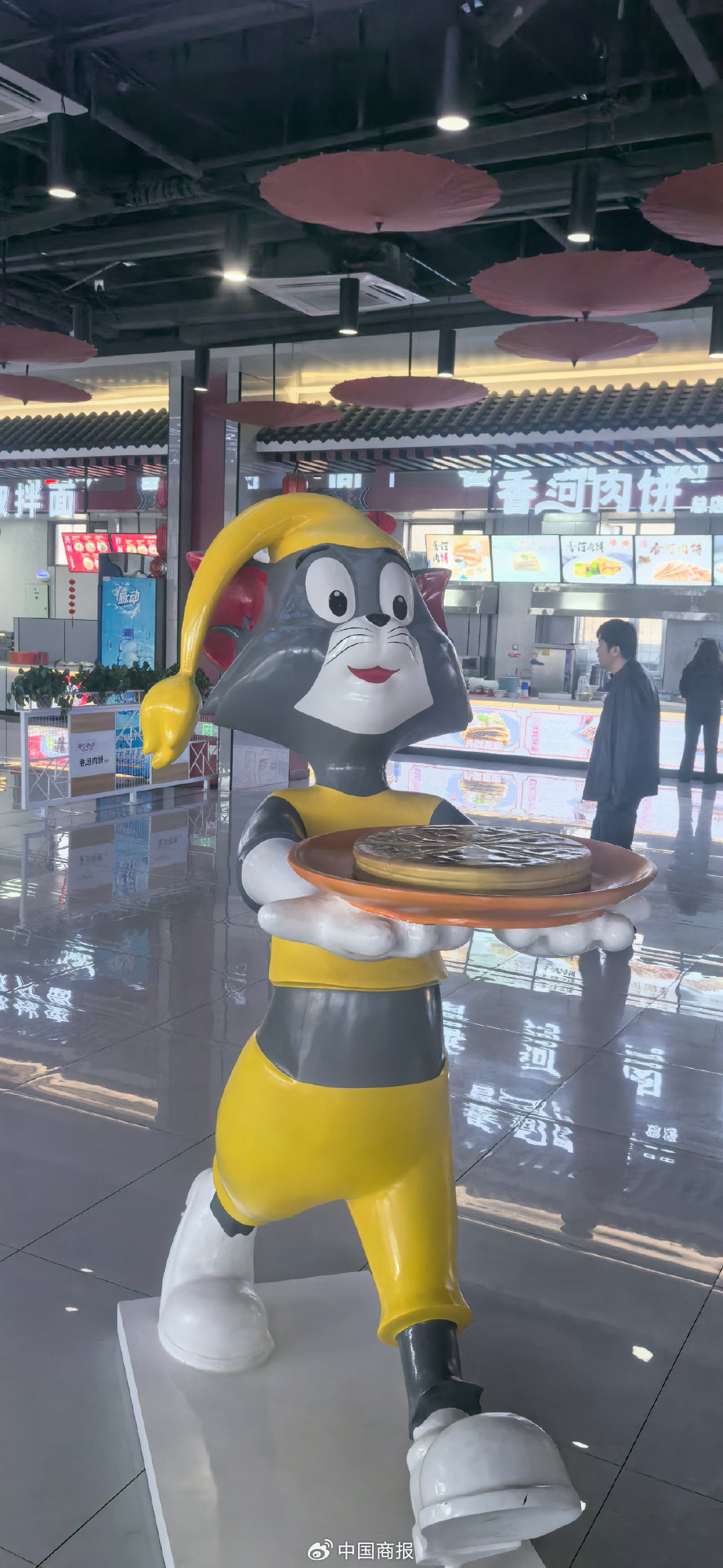
记者观察:在服务区体验“流动的烟火”
Xin Lang Cai Jing· 2026-02-22 10:43
Core Viewpoint - The article highlights the transformation of highway service areas in China into multifunctional hubs that integrate commerce, culture, and tourism, significantly contributing to regional economic development [1]. Group 1: Service Area Transformation - Service areas along highways have evolved into "road economy" hubs, connecting local cultural and industrial resources while creating a consumption ecosystem that stimulates regional economic growth [1]. - The service areas now feature diverse offerings, including local delicacies, cultural crafts, and modern amenities, enhancing the travel experience for motorists [1][16]. Group 2: Culinary and Shopping Options - Various service areas offer a wide range of food options, from local specialties like Xianghe meat pie to international brands such as Starbucks and KFC, catering to diverse consumer preferences [4][10][11]. - Tourists can purchase local products and souvenirs, including Beijing specialties and unique gifts, making service areas a convenient stop for last-minute shopping [5][11]. Group 3: Innovative Facilities - The introduction of smart facilities, such as self-service kiosks for driving license services, represents a significant innovation in service area offerings, enhancing convenience for travelers [15]. - Recent renovations have expanded service areas, improving infrastructure with spacious parking, clean restrooms, and family-friendly amenities, thus elevating the overall travel experience [16].

虽然不喝酒,但能理解茅台?
集思录· 2026-02-08 13:36
Core Viewpoint - The article discusses the investment value of Moutai, suggesting that it may be viewed as a stable asset akin to bonds, despite the challenges facing the liquor industry in China [1]. Group 1: Industry Insights - The article highlights the alcohol consumption barrier, noting that once individuals surpass this barrier, they can appreciate the quality of liquor, particularly Moutai [2]. - It mentions the current state of the liquor industry, indicating a decline in per capita liquor consumption in China from a peak of 9.5 liters in 2016 to an expected 2.5 liters by 2025, driven by changing consumer preferences and government regulations [3]. - The article points out that high-end liquor prices are falling, with Moutai's price dropping from 3000 to 1499, and other brands like Wuliangye also experiencing price declines, while lower-end liquor prices remain stable [2][3]. Group 2: Market Dynamics - The article suggests that the current stock prices of liquor companies are unlikely to have hit bottom due to the ongoing challenges in the industry, including excess production capacity and declining sales [3]. - It emphasizes that while the social aspect of liquor consumption remains, the industry is in a "prisoner's dilemma" of falling prices and volumes, indicating a need for market correction before a rebound can occur [3]. - The article notes that Moutai's recent price increase is attributed to expectations of strong quarterly reports, but cautions that this growth may not be sustainable without improvements in average social consumption capacity [4]. Group 3: Perception and Value - The article discusses the cultural significance of Moutai, stating that it is perceived as a symbol of status and respect in social settings, which contributes to its enduring value despite market fluctuations [5][13]. - It mentions that Moutai is recognized as the best liquor in China, a perception that is deeply ingrained in the public consciousness, making it a valuable investment regardless of individual consumption habits [6][13]. - The article concludes that Moutai's price reflects broader economic trends, such as the rise in national confidence and wealth, similar to historical trends observed in the U.S. [12].


北京葡萄酒的百年故事
Xin Lang Cai Jing· 2026-01-06 05:03
Core Perspective - The article highlights the historical significance of wine in Beijing, contrasting it with the more commonly recognized local spirit, Erguotou, and emphasizes the deep-rooted presence of wine culture in the city over the past century [1] Industry Overview - The wine industry in Beijing has evolved significantly since the establishment of a small winery in 1910, which has now become a recognized "Chinese Time-honored Brand" [1]
老字号博物馆的创新消费密码
Bei Jing Shang Bao· 2025-09-25 16:53
Group 1: Core Insights - The salon focused on the theme of "finding the consumption power of time-honored brands," highlighting the transition of these brands from product innovation to cultural systematization [1] - The concept of "living heritage" is emphasized as a key differentiator for time-honored brands operating museums, which leverage unique products, deep cultural roots, and craftsmanship [3][4] - The integration of cultural and commercial attributes in museums presents both opportunities and challenges for time-honored brands [6] Group 2: Museum Strategies - The Yanjing Eight Wonders Museum has established two registered museums and three venues, hosting over 100 cultural events annually, showcasing the importance of active cultural engagement [3] - The "museum-store integration" model adopted by Cai Bai Gold Jewelry Museum allows for a seamless connection between cultural experiences and consumer engagement [7][8] - The One-Character Pavilion aims to enhance brand storytelling and promote consumption through innovative approaches, including customized products and modern packaging designs [9]

大盘下跌原因
Sou Hu Cai Jing· 2025-06-19 11:55
Group 1 - The recent suspension of the old-for-new national subsidy policy indicates its effectiveness, but it may also reflect concerns about potential exploitation by businesses [2] - The second-hand car market is struggling due to the attractiveness of new car discounts, which may limit the impact of the subsidy policy on second-hand sales [4] - Durable consumer goods, particularly home appliances like vacuum robots and water purifiers, are expected to see strong sales trends this year, especially during the upcoming Double Eleven shopping festival [4] Group 2 - The decline of premium liquor brands like Moutai is attributed to the lingering effects of alcohol bans, while new consumer trends favor "self-indulgent" purchases [6] - The long-term viability of Moutai depends on its brand value perception among younger consumers, who may not share the same appreciation for its cultural significance [6] - The stock market's health relies on the presence of attractive stocks, with a significant portion of the market being less desirable, while unprofitable companies often capture investor interest [7] Group 3 - There is a need for a mechanism to ensure that market preferences are reflected in the IPO process, allowing for a more democratic selection of companies to go public [7] - The focus should be on investor demand rather than profitability when considering which companies should be listed [7]

白酒的价格带梳理
雪球· 2025-06-08 06:28
Core Viewpoint - The article discusses the competitive landscape of the Chinese liquor market, particularly focusing on different price segments and the strengths of various brands within those segments [2][3][4][5]. Price Segments Summary - **Below 100 Yuan**: Dominated by brands like Lao Bofeng and Erguotou, with Erguotou having an advantage due to brand strength. Clear aroma liquor has a natural advantage in the low-end market, while sauce aroma liquor is more costly to produce [2]. - **100-200 Yuan**: Currently led by Hai Zhi Lan, with no strong competitors from other brands. Despite market challenges, Hai Zhi Lan maintains significant sales, indicating consumer preference [2]. - **200-300 Yuan**: This segment is primarily controlled by Wuliangchun, with limited competition from other brands. The price point serves as a benchmark for quality, making it difficult for others to compete effectively [3]. - **400-500 Yuan**: A critical competitive zone where brands like Fen 20 and various others vie for market share. This price range is characterized by strong brand presence and quality offerings [3]. - **600-700 Yuan**: Represents a transition between mid-range and high-end products. Brands like Moutai 1935 and Langjiu are notable players, but the segment faces challenges due to high-end product dominance [4]. - **800-900 Yuan**: This price range lacks strong sales figures and is seen as awkward due to its proximity to high-end products. Many brands have shifted to lower price segments due to market conditions [4]. - **1000 Yuan and Above**: This segment is dominated by well-known brands like Moutai and Wuliangye, with clear aroma liquor having no significant presence. The ultra-high-end market is characterized by premium products that are highly sought after [5]. - **2000 Yuan and Above**: Represents the ultra-high-end market, where products like Moutai's premium offerings are positioned. The quality perception does not always align with the price, leading to market skepticism [5]. - **General Price Band Classification**: The classification of low, mid, high, and ultra-high-end price bands is based on the author's personal understanding rather than industry standards [6].

北京:探索培育二锅头新消费场景 推动红星、牛栏山工业旅游基地升级国际文化交流驿站
news flash· 2025-06-06 03:09
Core Viewpoint - The article emphasizes the development of Beijing's Erguotou industry by leveraging the capital's international exchange advantages and creating a multi-dimensional export network through exhibitions, cultural tourism, and cross-border initiatives [1] Group 1: Industry Development Strategies - The Beijing Municipal Bureau of Economy and Information Technology plans to host the "Beijing International Spirits Expo" in collaboration with international wine organizations to attract global liquor merchants to learn about Erguotou [1] - The initiative includes upgrading the Hongxing and Niulanshan industrial tourism bases to "International Cultural Exchange Stations," showcasing brewing techniques to international tourists through themed routes like "Fine Wine + Great Wall" and "Fine Wine + Central Axis" [1] Group 2: Product Innovation and Consumer Engagement - The industry is exploring the export of mixed drinks by combining Erguotou with cocktails, aiming to cultivate new consumption scenarios [1] - To adapt to the consumption habits of younger consumers, the industry is developing low-alcohol products and enhancing the flavor profile of Erguotou, while also utilizing blind boxes and co-branded trendy products [1]