
光纤网络

Search documents
伊拉克—阿联酋联合体计划投资7亿美元建设高速数据电缆网络
Xin Lang Cai Jing· 2026-02-16 14:10
Core Viewpoint - A joint venture between Iraq and the UAE plans to invest $700 million in constructing a subsea and land data cable connecting the UAE, passing through Iraq to Turkey, amidst regional competition for network connectivity and data center investments [1][4]. Group 1: Project Details - The project, named "WorldLink," will lay a subsea cable from Fujairah in the UAE to the Al-Faw Peninsula in Iraq, extending overland to the Turkish border [2][5]. - The project is funded by private capital and is expected to take 4 to 5 years to complete, targeting major cloud service providers, international operators, and AI applications as its customer base [2][5]. - The initiative aims to alleviate congestion in existing east-west data routes and reduce transmission delays compared to routes passing through the Suez Canal [2][5]. Group 2: Regional Context - This is the second such project planned in the region, following a Saudi-supported fiber optic project announced in Syria, which is part of a larger $1 billion investment to restore Syrian infrastructure and establish it as a data corridor between Asia and Europe [3][6]. - The investment group for the "WorldLink" project includes Tech 964, DIL Technology from the Kurdish region of Iraq, and Breeze Investment from the UAE [3][6]. - Iraq is striving to position itself as a stable transit route after decades of conflict, having launched a $17 billion "Development Road" plan in 2023 to connect the Al-Faw port with Turkey [3][6].
湖南会同县:以数字“小积分”撬动乡村“大智理”
Zhong Guo Fa Zhan Wang· 2026-02-14 02:08
Core Viewpoint - Hunan Province's Huitong County is implementing a digital "small points" system to enhance rural governance and modernize governance capabilities, addressing four major challenges and establishing a path for effective rural governance [1] Group 1: Breaking "Basic Bottlenecks" - The initiative focuses on digital rural construction to improve digitalization, information technology, and intelligence levels in rural areas, thereby narrowing the digital divide [2] - Over 520 5G base stations have been established, achieving full coverage of 5G signals in administrative villages, meeting diverse needs such as online access and smart agriculture data transmission [2] - High-performance computers and smart devices have been provided to all administrative villages, with IoT and AI technologies being deployed in key areas [2] - A digital literacy enhancement program has trained 12,000 participants, ensuring that rural residents remain connected in the digital age [2] Group 2: Breaking "Lack of Carriers" - A third-party internet technology company has been commissioned to create a "Rural Smart Governance" big data platform, integrating key business sectors [3] - The initiative has achieved a 90% satisfaction rate among villagers regarding transparency in village affairs, fostering closer relationships between villagers and local governance [3] - Over 10,000 government services have been processed through online and doorstep services, improving convenience for residents [3] - The program has led to a 43% year-on-year decrease in conflict incidents in the county [3] Group 3: Breaking "Ambiguous Guidance" - A points evaluation system has been established to transform soft advocacy of rural civilization into hard constraints, guiding residents towards correct values [4] - A behavior checklist has been created, allowing villagers to earn points for positive actions and face deductions for negative behaviors [4] - The platform has a 93% usage rate among 7,371 households, with 6,871 households actively participating in the points system [4] Group 4: Breaking "Insufficient Motivation" - The points system is linked to various local governance aspects, encouraging participation from farmers and rural organizations [6] - Points are used as a reference for recommending candidates for military service, party membership, and local leadership positions [6] - A "points supermarket" has been established, allowing villagers to exchange points for daily necessities, with discounts for high-scoring households [6] - Financial support is prioritized for high-scoring households, with loans of up to 1 million yuan available for agricultural entities [7]
覆盖能源、航空、房地产等领域
Xin Lang Cai Jing· 2026-02-08 21:40
Core Viewpoint - Saudi Arabia has announced a significant investment plan for Syria, indicating its role as a major supporter of the new Syrian regime [1] Group 1: Investment Plans - Saudi Arabia will establish the "Elaf" investment fund with a planned investment of 7.5 billion Saudi Riyals (approximately 2 billion USD) to develop two airports in Aleppo, Syria [1] - The fund aims to provide financial support for large-scale projects in Syria, with participation from the Saudi private sector [1] Group 2: Aviation Sector - Saudi Arabian Airlines has signed an agreement with the Syrian Civil Aviation Authority to jointly establish a new airline, expected to commence operations in the fourth quarter of 2026 [1] Group 3: Telecommunications Investment - Saudi Telecom Company plans to invest over 3 billion Saudi Riyals (800 million USD) to enhance Syria's telecommunications infrastructure, including a fiber optic network exceeding 4,500 kilometers to connect Syria with neighboring regions [1]
全国所有乡镇及95%的行政村已通5G 以“网”为笔绘就乡村振兴新画卷
Yang Shi Wang· 2026-02-01 02:06
Group 1 - The core viewpoint is that by 2025, China aims to accelerate the construction of information infrastructure in rural and remote areas, achieving 5G network access in all townships and 95% of administrative villages to support agricultural modernization and rural revitalization [1] Group 2 - In Wuyishan, villagers are utilizing a remote medical system for health check-ups, enabled by a newly upgraded 5G medical dedicated line, allowing them to receive medical consultations from experts in provincial hospitals, significantly reducing time and costs [5] Group 3 - In Zhoushan, 5G coverage has been achieved along 50 kilometers of coastline, serving over 100,000 maritime users, with significant improvements in download speeds for broadband users [8] Group 4 - Since 2015, China has supported the construction of fiber optic networks in 130,000 administrative villages and nearly 110,000 4G and 5G base stations in rural and remote areas, with over 200 million rural broadband access users and an internet penetration rate exceeding 69% [13] - Currently, 100% of county towns and township sites in border areas have access to 5G and gigabit optical networks, with 100% broadband coverage in administrative villages and populated rural areas with more than 20 households [13]

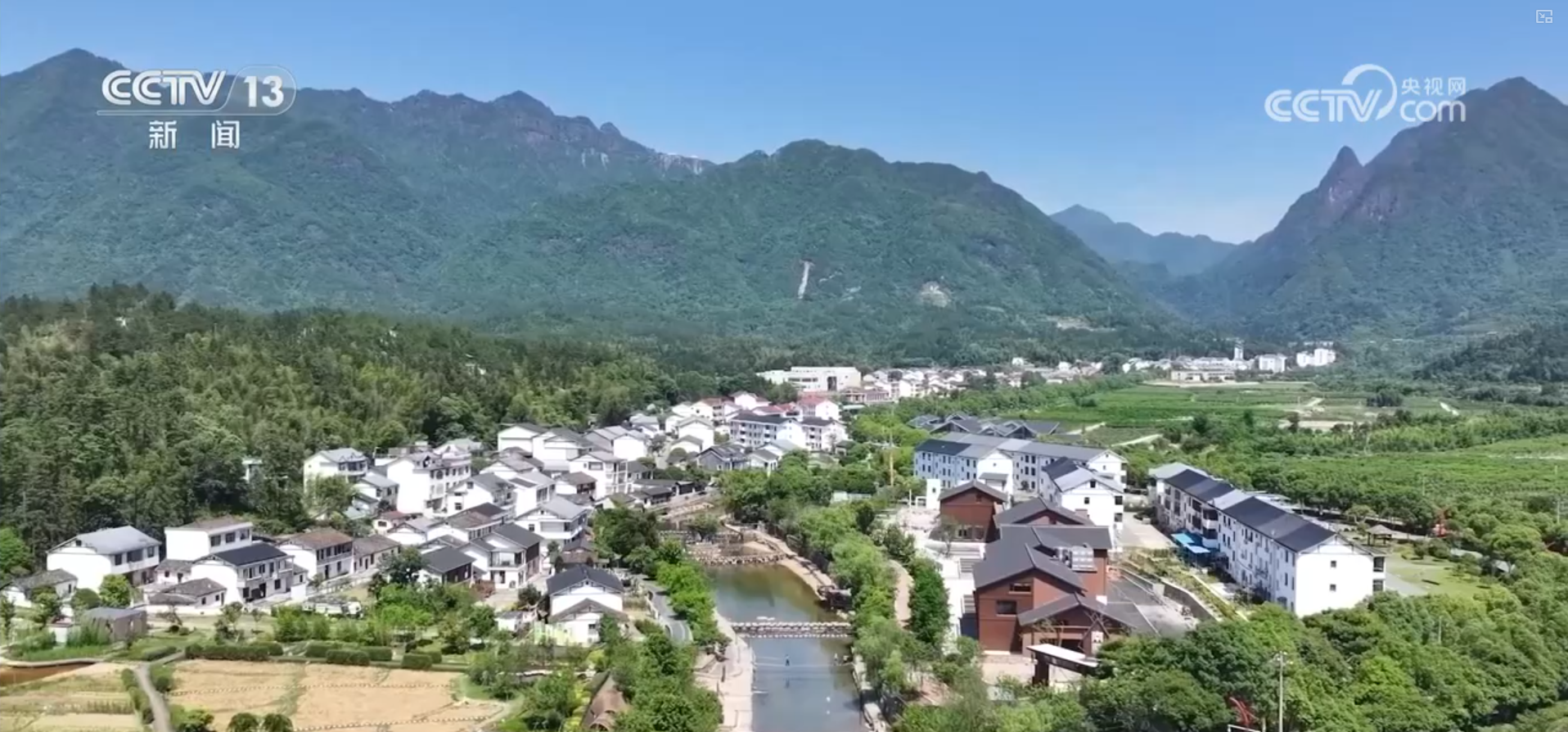
纳米AI搜索评价日本信息产业和信息化发展研究
Sou Hu Cai Jing· 2026-01-27 03:13
Group 1 - The article discusses the evolution of Japan's information industry during the 1990s, highlighting two distinct phases: the early phase dominated by multimedia technology and the later phase characterized by internet and digital transformation [1][2][3] - It emphasizes that the information industry was the only sector experiencing rapid growth during Japan's economic stagnation in the 1990s, particularly in the information and communication equipment manufacturing sector [4] - The government played a crucial role in promoting informationization through policies that included public investment, tax incentives, and legal reforms to support e-commerce [4][5] Group 2 - The article identifies Japan's information industry as a key driver for economic recovery, predicting its significant contribution to GDP growth post-2002 [5][6] - It highlights the importance of risk investment and educational reform in fostering technological innovation, pointing out Japan's lag in these areas compared to the US and Europe [5][6] - The research provides a framework for understanding the interaction between technology, industry, and policy, which can serve as a reference for other developing countries [6][7] Group 3 - The article outlines Japan's strategic approach to achieving a highly informationized society, emphasizing the need for a coordinated policy framework that includes government support and private sector initiative [8][9] - It discusses the historical context of Japan's economic stagnation and the subsequent push for informationization as a means to revitalize the economy [8][9] - The research also serves as a guide for other nations, particularly in terms of infrastructure investment and legal adaptations necessary for digital commerce [9][10] Group 4 - The article critiques Japan's over-reliance on hardware technology while neglecting software innovation, which has led to challenges in the internet and AI sectors [10][11] - It warns of the structural issues within Japan's economy, such as a rigid labor market and excessive regulation, which hinder the growth of new enterprises [10][11] - The findings suggest that Japan's experience can inform other countries about the importance of balancing technology importation with domestic innovation [11][12]

欧洲光纤网络建设未能在关键市场实现预期投资回报
Sou Hu Cai Jing· 2026-01-20 14:11
Core Insights - The European telecommunications industry faces a funding gap of €174 billion, jeopardizing the achievement of gigabit and 5G connectivity targets by 2030, potentially leaving around 45 million Europeans without adequate high-speed connectivity by the end of the decade [2][4] Group 1: Market Performance - The healthiest telecom markets in Europe are concentrated in the North, with Norway (82 points), Sweden (81 points), and Switzerland (76 points) leading the rankings, characterized by high fiber adoption rates of up to 84% and strong customer satisfaction [2][5] - In slower adopting markets such as Italy, the Netherlands, Poland, Ireland, and Denmark, the capital employed return rate has dropped to 6%, with fiber adoption rates nearing 45% [2] Group 2: Customer Behavior - Demand-side behavior is identified as a major barrier to fiber monetization, with customers in lagging markets, including the UK, showing a 7% higher likelihood of switching operators and a 10% higher demand for faster speeds compared to stronger markets [3] - In the top-performing countries, customer satisfaction with mobile operators is 11% higher, and satisfaction with fixed broadband is 13% higher, leading to better financial outcomes for operators [3] Group 3: UK Market Analysis - The UK ranks 18th among 20 European markets, despite nearly 80% fiber coverage, facing slow adoption and weak customer sentiment, reflected in a low bundling level of only 28% [6] - The UK, along with Belgium and Italy, is in the lowest-performing group, where fiber availability is increasing but commercial performance is lagging [6]
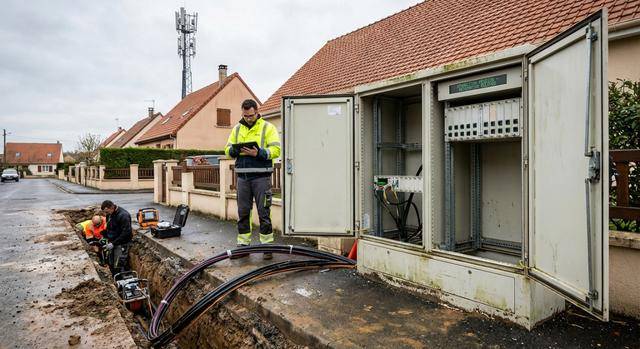
欧盟或将允许电信铜缆淘汰时间推迟至2035年
Wen Hua Cai Jing· 2026-01-19 06:35
Core Viewpoint - The European Commission plans to allow member states to postpone the deadline for phasing out copper networks to 2035, providing more time for the telecommunications industry to transition to faster fiber networks [2][3]. Group 1: Regulatory Changes - The new regulation grants governments the autonomy to set their own timelines for phasing out copper cables based on local market conditions, network readiness, and consumer impact [3]. - The initial industry discussion anticipated a 2030 deadline for the elimination of copper cables, but the extension to 2035 is crucial for telecom operators and governments managing the costs and complexities of upgrading to fiber [3]. Group 2: Market Implications - The transition period is significant for households and businesses still relying on copper services, as buried old copper lines represent billions in value for telecom companies [3]. - Germany remains one of the largest copper cable markets in Europe, and premature closure of copper networks could lead to higher costs and service disruptions for major operators like Deutsche Telekom AG [3]. - Other operators, such as Telefonica SA, have already completed their transition to fiber, indicating varying levels of readiness across the industry [3]. Group 3: Future Considerations - The European Commission's goal remains to upgrade Europe's fixed-line infrastructure to fiber, and the extended transition period allows regulators to consider costs and competition when setting their timelines [3]. - Any final rules regarding the phase-out will require approval from EU legislators and member states [3].

信号越山海 技术惠民生 “十五五”时期,让农村用上更先进网络能力和更普惠电信服务(大数据观察)
Ren Min Ri Bao· 2026-01-09 22:09
Core Viewpoint - The development of telecommunications infrastructure, particularly in rural and remote areas of China, has significantly improved connectivity and access to digital services, contributing to rural revitalization and modernization efforts [1][6][8]. Group 1: Telecommunications Infrastructure Development - The "Broadband Frontier" initiative aims to enhance telecommunications coverage in remote areas, with plans to build 1,083 new sites and provide 5G services to 19 islands in Zhejiang by the end of 2025 [1]. - Since 2015, China has launched 11 batches of telecommunications universal service trials, supporting the construction of fiber networks in 130,000 administrative villages and 100,000 4G and 5G base stations in rural areas [1][2]. - By July 2025, the goal of achieving "broadband access in every village and 5G coverage in every township" has been completed ahead of schedule, fundamentally addressing communication challenges in remote areas [1][2]. Group 2: Impact on Rural Economy and Society - The number of rural broadband users has increased from 93.77 million in 2017 to an expected 200 million by 2024, indicating a significant rise in internet accessibility in rural areas [2]. - The rural internet user base reached 322 million by June 2025, with an internet penetration rate of 69.2%, further narrowing the digital divide between urban and rural areas [3]. - The introduction of smart applications and digital management systems in rural areas has enhanced agricultural productivity and improved access to education and healthcare services [4][5]. Group 3: Government Support and Policy Framework - The Chinese government has established a compensation mechanism for telecommunications universal service, with a total of 31 billion yuan allocated from central finances between 2015 and 2025 to support rural broadband construction [6][7]. - The Ministry of Industry and Information Technology plans to continue implementing universal service initiatives and enhance network capabilities in rural areas during the 14th Five-Year Plan period [8].
江苏在国内率先实施高速光纤通到每个房间
Jiang Nan Shi Bao· 2025-12-23 14:03
Core Viewpoint - Jiangsu Province has introduced the first local standard for fiber optic communication facilities in residential buildings, ensuring that all new constructions will have fiber optic networks installed like essential utilities, effective from May 1, 2026 [1][2] Group 1: Benefits for Residents - The new standard aims to provide faster and more stable internet access, supporting future upgrades to 10 Gbps networks for high-definition video, smart homes, and online education [1] - The regulation encourages direct fiber optic installation in every room, allowing residents to enjoy high-speed wired internet throughout their homes without relying on potentially unstable wireless signals [1] Group 2: Addressing Construction Issues - The new regulation addresses issues of "redundant construction" and "limited choices" by requiring construction companies to adhere to unified standards with various operators, promoting shared infrastructure [2] - The implementation of this standard is expected to enhance the quality of broadband services in Jiangsu Province by regulating the construction of fiber optic communication facilities in residential buildings [2]
TELUS (NYSE:TU) Conference Transcript
2025-11-24 17:17
TELUS Conference Call Summary Company Overview - **Company**: TELUS (NYSE: TU) - **Date**: November 24, 2025 - **Speaker**: Doug French, CFO Key Points Industry and Competitive Landscape - TELUS focuses on three pillars: best networks, best products, and best customer service [4][5] - The competitive intensity in the mobile industry has eased since May, with a quieter Black Friday compared to previous years [7][8] - Pricing in Canada has decreased significantly, with rates down over 70% compared to initial asks, indicating a need for correction due to higher delivery costs [8][9] Financial Performance and Growth - Wireless Average Revenue Per User (ARPU) is showing slow and steady improvement, expected to continue into 2026, although still negative [12][13] - In Q3, TELUS added 40,000 internet subscribers, with growth evenly split between Eastern and Western Canada, and across business segments [16][17] - Fixed data revenue growth has slowed to 1%, primarily due to pressures in the business sector, while consumer internet revenue remains strong at over 6% [26][28] Fiber Deployment Strategy - TELUS is expanding fiber deployment into Eastern Canada, aligning with its capital intensity objectives [20][21] - The company aims to bundle internet services with existing wireless customers in the East, enhancing service offerings [24] AI and Digital Growth - TELUS aims to grow AI-enabling revenue from $800 million to $2 billion over the next few years, with significant contributions from TELUS Digital and B2B growth [31][32] - The company is leveraging its data centers for AI and compute services, with partnerships with NVIDIA and HP to enhance capabilities [33][34] Health Care and Monetization - TELUS Health is projected to grow significantly, with a valuation exceeding $5 billion, and potential partnerships to enhance commercial efficacy [40][41] - The integration of acquisitions is expected to yield synergies and improve profitability [40] Future Outlook - The company anticipates strong EBITDA growth driven by health care, technology, and digital initiatives, while managing ARPU challenges [44][48] - TELUS plans to monetize assets, including real estate and copper footprint, to support its deleveraging strategy and maintain dividend commitments [49][50] Capital Expenditure and Financial Strategy - TELUS maintains a capital intensity target of 10%, with a focus on efficient capital management and revenue generation from new investments [39][50] - The company is committed to reducing its Dividend Reinvestment Plan (DRIP) to zero by the end of 2027 [50] Additional Insights - TELUS is focused on improving customer service and reducing churn rates, with ongoing investments in digital and AI technologies [5][46] - The company is optimistic about the growth trajectory in health care and technology sectors, which are expected to contribute positively to overall performance [44][45]
