
内涵段子

Search documents
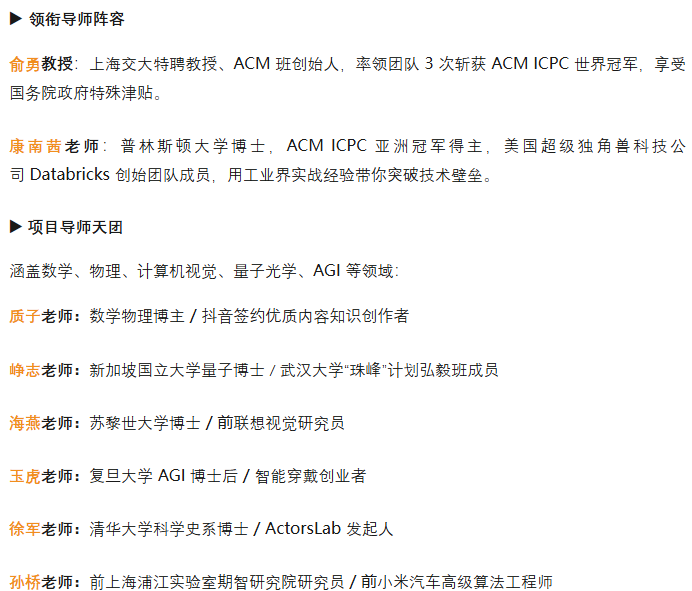
这次,张一鸣为何亲自站台?
Hu Xiu· 2025-10-10 13:14
Core Viewpoint - Zhang Yiming's recent public appearance in Shanghai has sparked significant interest, particularly regarding potential new business strategies for ByteDance, as he has been less visible since relocating to Singapore [2][3][12]. Group 1: Zhang Yiming's Involvement - Zhang Yiming attended the opening of the Shanghai Xuhui Zhichun Innovation Center, which he co-founded with Professor Yu Yong from Shanghai Jiao Tong University [5][7]. - The center aims to focus on cutting-edge research in computer science and artificial intelligence, as well as the development of open-source tools and algorithms [7][11]. - Zhang's personal involvement in the center reflects his commitment to AI technology, especially in light of the recent AI wave initiated by ChatGPT and OpenAI [11][15]. Group 2: Innovation Center's Mission - The Zhichun Innovation Center is a non-profit organization that seeks to provide a research environment for young talents, emphasizing independent thinking and practical skills [17][18]. - The center plans to recruit 30 full-time pre-researchers annually, offering a five-year training program without any fees, along with stipends and necessary equipment [10][11]. - Zhang Yiming's vision for the center includes nurturing innovative talents who can thrive in uncertain environments, drawing parallels to the overfitting phenomenon in machine learning [18]. Group 3: Strategic Context - The current state of China's mobile internet is reaching maturity, with a shift towards industrial internet development, prompting Zhang to take a more active role in ByteDance's AI initiatives [14][15]. - Reports indicate that since late 2024, Zhang has been regularly participating in discussions regarding AI strategies and core technology teams at ByteDance [13][12]. - Despite his involvement, the innovation center operates independently of ByteDance, with no financial ties to the company, highlighting Zhang's personal commitment to education and talent development [17][16].

字节跳动:从0到1的秘密
Sou Hu Cai Jing· 2025-10-03 02:38
Core Insights - ByteDance has rapidly transformed from a startup to a global tech giant, excelling in the short video sector through a combination of technology and innovation [1] Group 1: Founder's Background - Zhang Yiming, the founder of ByteDance, comes from a modest background with parents who were tech workers, fostering his interest in technology from a young age [2] - His educational journey at Nankai University focused on programming and computer technology, laying a strong foundation for his entrepreneurial path [2] - Prior experiences at companies like Kuxun and Fanfu helped him develop leadership skills and industry knowledge, which were crucial for founding ByteDance [2] Group 2: Entrepreneurial Journey - ByteDance was officially established in 2012 after Zhang Yiming decided to pivot from real estate to mobile internet, securing investment from Wang Qiong [3] - The early products "Funny Pictures" and "Inherent Paragraphs" gained traction, but the launch of "Toutiao" marked ByteDance's entry into the information aggregation space, utilizing big data and machine learning for personalized content [3] Group 3: Rise of Short Video - In 2015, ByteDance ventured into the short video market with the launch of Douyin, which was later expanded internationally as TikTok after acquiring Musical.ly in 2017 [5] - Douyin's user-friendly interface and innovative features attracted a young audience, while TikTok's localized approach helped it gain global traction [5] Group 4: Technological Strength - ByteDance's success is heavily reliant on its proprietary recommendation algorithm, which analyzes user behavior to deliver personalized content [6] - The company fosters a robust content ecosystem by incentivizing creators, providing tools and funding to enhance content quality [7] Group 5: Global Expansion - ByteDance's strategy for global expansion emphasizes product globalization and content localization, adapting to cultural differences in various markets [8] - In Japan, partnerships with local influencers and tailored marketing strategies helped establish brand recognition, while in Western markets, user-generated content was leveraged for effective advertising [8] Group 6: Competitive Landscape - ByteDance faces competition from major players like Tencent and Alibaba in China, but Douyin maintains a strong lead in user base and monetization [9] - Internationally, TikTok competes with platforms like Facebook and YouTube, successfully differentiating itself through unique user experiences and content ecosystems [9] Group 7: Future Outlook - ByteDance aims to enhance its global presence and diversify its business into areas like gaming, education, and enterprise services, while continuously improving its recommendation algorithms [10] - The company is committed to ongoing innovation and understanding global market dynamics to provide better services and products [10] Group 8: Ongoing Legacy - ByteDance's journey from a startup to a tech giant is marked by visionary leadership and a culture of innovation, with expectations for continued growth and exploration of new business domains [11]

如何解决人工智能时代大学生就业的“张一鸣悖论”?
Sou Hu Cai Jing· 2025-08-26 08:22
Group 1 - The employment situation for university graduates is particularly challenging this year due to artificial intelligence taking away entry-level positions that were traditionally available to them [1][6] - Zhang Yiming, the founder of ByteDance, highlighted a recruitment paradox where the company seeks experienced product managers, yet many qualified candidates do not meet the stringent requirements [3][4] - Many university students are no longer learning how to write resumes, opting instead to use AI tools to create customized resumes quickly, which may not be effective in the current job market [4][6] Group 2 - Companies are increasingly using AI tools to filter resumes, which can lead to the automatic rejection of AI-generated applications, creating a competitive disadvantage for job seekers [6][7] - The demand for entry-level software engineers is declining as technology companies adopt AI programming assistants, which can perform tasks faster and more efficiently than humans [7][9] - If companies stop hiring entry-level programmers, recent graduates will miss out on essential practical experience, leading to a skills gap between them and previous generations of programmers [9][10]
即时零售大战启示录:巨头 all in 超级 App,下一个十年看微信模式?
3 6 Ke· 2025-05-19 08:29
Core Insights - The rise of super apps is a strategic response by major players like JD, Meituan, and Taobao to integrate high-frequency services with low-frequency scenarios, creating a one-stop demand closure for users [1][2][11] - The super app model allows companies to leverage existing user bases and resources, reducing operational costs and enhancing user engagement [11][12] Super App Model Emergence - Super apps are defined as essential applications with large user bases that integrate various functionalities, moving away from the previous trend of launching separate apps for different services [2][11] - WeChat exemplifies the super app model, evolving from a messaging tool to a comprehensive platform encompassing social, payment, and service functionalities [2][3] Competitive Landscape in Instant Retail - Meituan's flash purchase, Taobao's flash purchase, and JD's instant delivery showcase the advantages of the super app model by integrating new services into existing platforms without launching separate apps [5][6] - Taobao's flash purchase achieved significant milestones, covering 50 cities on launch day and surpassing 10 million orders within six days, benefiting from Taobao's extensive user base [6][5] High-Frequency and Low-Frequency Strategy - The super app model employs a strategy where high-frequency services, like food delivery, drive traffic to low-frequency services, such as e-commerce [8][10] - This strategy enhances user engagement and increases the likelihood of users discovering and utilizing other services within the app [8][10] Industry Trends and Future Outlook - The shift towards super apps is driven by the maturation of mobile internet, where users prefer multifunctional apps over multiple single-purpose apps [11][12] - Future innovations in super apps may include AI-driven personalized services, deeper integration with offline scenarios, and enhanced user experiences through technologies like 5G, VR, and AR [16][18][19]




对谈汪华:AI 有 50% 几率成就十倍移动互联网的机会 | 42章经
42章经· 2024-08-11 14:30
汪华是我过去十多年里见过的最有远见的投资人之一,他从 2009 年开始参与创新工场的创立并坚定地笃信移动互联网的投资机会,这 比移动互联网元年还早一年,比大众对移动互联网形成共识还早四年。他在 2011、2012 年出来布道的很多文章到现在回看都非常准 确,而令人欣喜的是,最近几个月他又开始频繁出现在大众的视野中为 AI 站台。 在这次对谈中,我们再次把 AI 和移动互联网做了比较,梳理了 AI 发展的机会和演进路线,也不可避免地聊了很多 AI 和一级市场面临 的问题,但不论如何,正如汪华结尾所说,对 AI,我们的内心都是火热的。 曲凯: 我发现你今年又开始对外声了,我记得你 11、12 年经常出来讲移动互联网,后来的很多年都比较低调,直到今年又愿意出来讲 AI 了,你是看到了什么变化吗? 汪华: 我本身比较宅 (笑),平时不太爱抛头露面。11 年是实在没办法了,当时大家普遍不太相信移动互联网的前景,所以我抛出「移 动互联网的三个阶段」、「移动互联网的机会是互联网的十倍」这些观点,希望能拉齐大家的认知。 去年没出来是因为我发现 AI 身边所有人都相信,而且信得比我还狠,我出来讲反而会变成保守派了,但今年我发现 ...